
Frequently Asked Questions – Bespoke Timber Windows
Everything You Need to Know About Ordering, Installing & Maintaining Wooden Windows
Thinking about bespoke timber windows for your UK property? This comprehensive FAQ covers everything from timber selection and measurements to installation, maintenance, and delivery. We’ve answered the most common questions we receive to help you make informed decisions about your window project. Browse our timber windows blog for more guides and advice, or get in touch – our team is always happy to help.
Getting Started with Wooden Windows
What types of wood do you use to produce windows?
We work with three main timber types, each chosen for specific qualities. Engineered pine is our most popular option – it’s cost-effective and performs brilliantly in the British climate. Meranti, a hardwood from sustainable sources, offers superior durability and works particularly well for properties in exposed locations. Oak is our premium choice, loved for its rich grain and exceptional longevity. All our timber is engineered, meaning it’s made from laminated layers rather than solid wood, which makes it far more stable and resistant to warping. Learn more about hardwood windows and softwood windows.
Which wood is best for my property – pine, oak, or meranti?
It depends on your priorities and budget. If you’re working within a tighter budget but don’t want to compromise on quality, engineered pine is excellent value and will serve you well for decades. Meranti sits in the middle ground – it’s more durable than pine and handles moisture beautifully, making it ideal for coastal areas or properties that get battered by the weather. Oak is the top tier choice if you want that premium look and the longest possible lifespan. We’re always happy to chat through your specific situation and help you decide what makes most sense for your project. Read our detailed hardwood vs softwood comparison guide.
What’s the difference between engineered timber and solid wood windows?
Engineered timber is made up of several thin layers of wood laminated together, whilst solid wood is cut from a single piece. The laminated construction makes engineered timber much more stable – it won’t twist, warp, or split the way solid wood can, especially in our unpredictable British weather. We only use engineered timber because it simply performs better over time. You get all the beauty and warmth of natural wood, but with far better dimensional stability.
Are wooden windows suitable for modern new-build properties?
Absolutely, yes. There’s a common misconception that timber windows are only for period properties, but that’s not true at all. Our windows meet all current UK Building Regulations, including the energy efficiency requirements in Part L. With double or triple glazing, you can achieve excellent U-values – often better than uPVC. We supply windows for plenty of modern new-builds, self-builds, and eco-homes. Many architects actually prefer timber for contemporary projects because it’s sustainable, performs well thermally, and offers far more design flexibility. Explore our range of flush casement windows perfect for modern properties.
Can I order windows for a listed building or conservation area?
Yes, we do this regularly. Listed buildings and conservation areas often require windows that match the original design, and that’s where bespoke manufacturing really shines. We can replicate traditional profiles, create slim sightlines, incorporate authentic glazing bars, and use period-appropriate hardware – all whilst incorporating modern double glazing for better performance. The key is checking with your local conservation officer first to understand any specific requirements. Learn more about our services for replacing windows in listed buildings or read our guide on replacement options and guidelines.
What’s the difference between sash and casement windows?
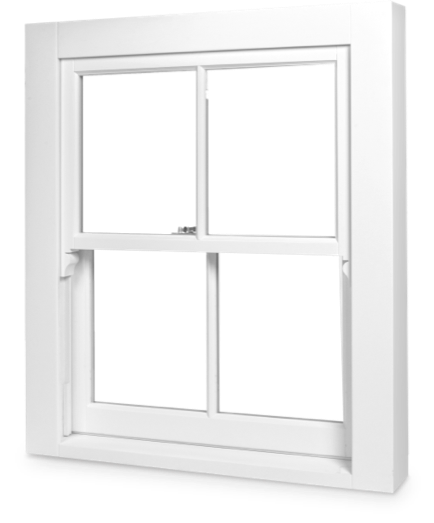
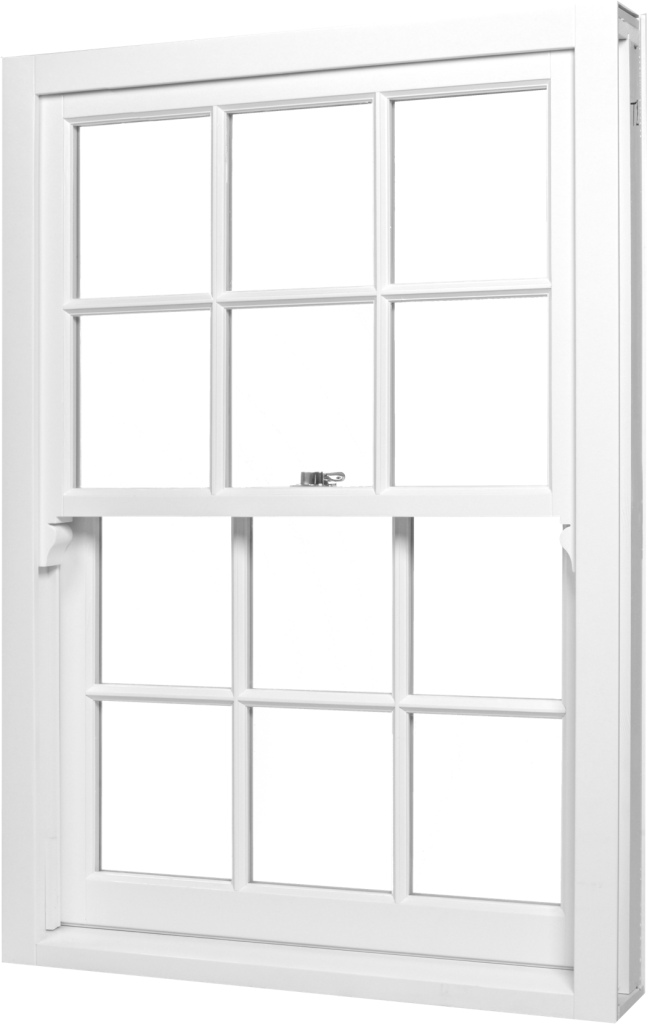
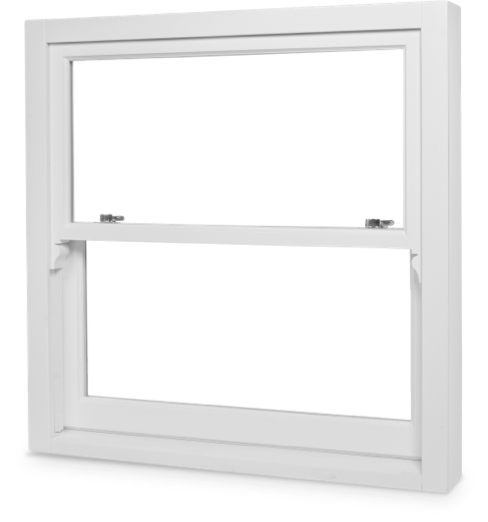
Sash windows are the ones you see in Georgian and Victorian terraces – they have panels (called sashes) that slide vertically up and down. They’ve got that classic period look and work brilliantly for traditional properties. Casement windows are hinged at the side and open outwards like a door. They’re more common in cottages and modern homes, and they’re generally a bit easier to clean because you can reach the outside glass from inside. Both styles work well; it really comes down to the look you’re after and what suits your property’s character. Explore our Georgian style windows or read our ultimate guide to sash and casement styles.
Do you supply bay or bow windows?
Yes, we can manufacture angled bay windows and curved bow windows to your exact specifications. These are more complex to produce because all the angles need to be spot-on, and the measurements are critical. If you’re considering a bay or bow window, we’d recommend having a local carpenter or surveyor take the measurements to ensure everything’s accurate. Once we have the correct dimensions and angles, we can manufacture a bay or bow window that fits perfectly.
What glazing options are available?
We offer quite a range. For most properties, double glazing is standard – it meets Building Regulations and provides good thermal and acoustic performance. Triple glazing is available if you want maximum energy efficiency or noise reduction. For listed buildings where planning restricts you to single glazing, we can supply that too. Beyond the basics, you can add low-E coatings, argon gas filling, acoustic laminated glass, toughened or laminated safety glass, and decorative options like obscured glass, leaded designs, or Georgian bars. Learn more about our double glazed wooden windows.
Measurements, Sizing & Customisation
What window sizes can you manufacture?
We don’t work from a fixed size chart – every window we make is bespoke to your measurements. Whether you need a small bathroom window or a large floor-to-ceiling unit, we can manufacture it. We regularly produce windows in unusual sizes and proportions that simply aren’t available off-the-shelf. If you’ve got non-standard openings or you’re working on a property with quirky dimensions, that’s exactly the kind of thing we specialise in.
Do you provide a measuring service?
We do offer a professional survey service, so our team can visit your property to take accurate measurements for you. If you’d prefer to measure yourself, we also have detailed measuring guides available that walk you through the process step by step, and our team is always happy to talk you through it over the phone if needed. Check out our comprehensive guide on how to measure wooden windows.
What if I measure incorrectly – can orders be changed?
Unfortunately, once we’ve started manufacturing your windows, there’s very little we can do to modify them. Each window is made specifically to the measurements you provide, so accuracy is crucial. That’s why we always recommend double-checking your measurements before confirming your order. If you have any doubts, it’s worth paying a professional to measure – it’s a small cost compared to ordering the wrong size.
Can you create arched, circular, or unusual shaped windows?
Yes, this is one of the benefits of bespoke manufacturing. We can produce arched tops, Gothic pointed arches, circular windows, eyebrow windows, and pretty much any other unusual shape you can think of. You’ll need to provide us with accurate drawings or templates showing the exact shape and dimensions you need. These are more complex to manufacture so they take a bit longer to produce and cost more than standard rectangular windows.
What colours and finishes are available?
You can have virtually any colour you like. We offer factory finishing in any RAL or Farrow & Ball colour, as well as natural wood stains and clear lacquers if you want to showcase the timber grain. Our finishing system involves four coats – a preservative base, primer, and two topcoats – applied in a controlled spray booth for a flawless finish. The factory finish lasts longer and looks better than site-applied paint, and it protects all surfaces including the end grain.
Can I add Georgian bars or decorative glass?
Yes, we offer several options. Traditional putty-glazed bars sit within the glazing itself and give the most authentic period look. We also do solid construction bars that sit between the panes of double glazing – these look traditional but are easier to clean. Astragal bars are applied to the surface of the glass; they’re the most cost-effective option and still look good. If you’ve seen a particular style you like, send us a photo and we can usually replicate it. View our Georgian sash windows with hidden springs or Georgian sash on weights.
Ordering, Payment & Delivery
How do I place an order for wooden windows?
Start by getting in touch with us – you can call, email, or use the contact form on the website. Let us know what you’re after, and we’ll prepare a detailed quotation based on your specifications. Once you’re happy with the quote and want to proceed, we’ll ask for a 50% deposit to reserve your manufacturing slot. The remaining 50% is due before delivery. We keep you updated throughout the production process and arrange delivery to suit your schedule. We deliver across the UK including Surrey, Kent, Hampshire and beyond.
What do wooden windows typically cost?
There’s no simple answer because every project is different. The cost depends on the size of your windows, how many you’re ordering, which timber you choose, what glazing specification you need, whether you want factory finishing, and what hardware and additional features you’d like. A single small casement window in pine will obviously cost less than five large oak sash windows with Georgian bars. The best approach is to contact us with your requirements, and we’ll prepare an accurate quote tailored to your project.
What payment methods do you accept?
We accept bank transfers (BACS). The standard arrangement is 50% deposit when you confirm the order, with the balance due before we dispatch your windows. All our prices include VAT, so what you see on the quote is what you pay.
How long does production take?
Production typically takes between four and six weeks from when you confirm your order and pay the deposit. The exact timeframe depends on how complex your windows are and how many you’ve ordered. Manufacturing timber windows properly can’t be rushed – there’s timber preparation, joinery, glazing, and our four-coat finishing system to complete. We’ll keep you updated as your order progresses and confirm your delivery date about a week before the windows are ready to dispatch.
Do you deliver across the entire UK?
Yes, we deliver to England, Scotland, and Wales. We regularly supply windows to London and the Home Counties, but we’ve also delivered to properties in Edinburgh, the Cotswolds, Cornwall, the Lake District – pretty much everywhere. Delivery is included in your quotation, so there are no surprise costs. We have our own drivers experienced in handling timber windows to ensure everything arrives safely. See our completed projects gallery from across the UK, or learn more about our company.
Do I need to be present for delivery?
Yes, someone needs to be there to receive the delivery and sign for it. Timber windows are valuable, and drivers won’t leave them unattended. It’s also worth having some help available because windows can be heavy, especially larger units with triple glazing. The courier will offload to kerbside as standard. If you need the windows taken further onto your property or upstairs, you’ll need to arrange that separately.
Installation & Fitting
Do you install the windows yourselves?
No, we’re a supply-only business – we manufacture and deliver your windows, but we don’t provide installation. That keeps our costs down and means we can focus on what we do best, which is making high-quality timber windows. You’ll need to arrange installation separately. Most of our customers use local joiners, carpenters, or specialist window fitters who have experience with timber windows.
Can you recommend window fitters in my area?
We don’t have a list of specific fitters we recommend, but there are good ways to find someone reliable. Websites like Checkatrade, Rated People, or TrustATrader let you search for window fitters in your area and read reviews from previous customers. Look for fitters who specifically mention experience with timber windows – they’re a bit different from uPVC in how they’re fitted. Local joiners and carpenters often have the right skills as well.
Do you provide installation guides?
Yes, we can provide technical specifications and installation guidance with your order. Our windows are supplied ready to install with all the hardware already fitted, which makes the fitter’s job easier. That said, timber window installation requires proper knowledge of weatherproofing, sealing, and adjustment, so it’s not really a DIY job unless you’re very experienced. We always recommend using a professional installer.
Can your windows be retrofitted into existing frames?
Our windows are manufactured as complete units designed for new openings or full replacement installations. Whether they can be retrofitted into existing frames depends entirely on the condition and dimensions of what’s already there. This is something your installer would need to assess. We manufacture windows to the exact measurements you provide, so if you’re planning to work with existing frames, your installer needs to measure the actual openings accurately.
What building regulations apply when installing new windows?
In England and Wales, new windows must comply with Building Regulations Part L (energy efficiency), Part F (ventilation), and Part Q (security) where applicable. The installation either needs to be carried out by a FENSA-registered installer, or you need to notify Building Control and arrange an inspection. In Scotland, similar requirements exist under Scottish Building Standards. Our windows are designed to meet these regulations when they’re properly installed.
Maintenance & Care
How do I maintain wooden windows properly?
Regular maintenance really isn’t onerous. Clean the frames with warm soapy water and a soft cloth every few months – don’t use abrasive cleaners or high-pressure washers. Check the drainage holes at the bottom of the frames occasionally and clear any debris. Once a year, inspect the seals and hardware, and put a tiny drop of light oil on hinges and locks. If you notice any small chips or scratches in the paintwork, touch them up promptly to prevent moisture getting in. With our factory finish, you’re looking at repainting every seven to ten years depending on exposure. Read our detailed guide to maintaining and repairing timber windows.
Do wooden windows need more maintenance than uPVC?
They require a bit more, yes, but it’s worth keeping perspective. With modern factory finishes, timber windows need repainting roughly every seven to ten years. uPVC needs virtually no maintenance, which sounds great, but here’s the thing – when uPVC degrades (and it does, eventually), you can’t repair it. The frames become brittle, discoloured, and the only option is replacement. Timber windows can be maintained, repaired, and refinished indefinitely. Many of our customers feel the modest maintenance requirement is a fair trade for much better aesthetics, superior longevity, and the fact that timber is a natural, sustainable material. Read our full uPVC vs timber windows comparison.
How do I clean the windows without damaging the finish?
Keep it simple. For the frames, use warm water with a small amount of washing-up liquid and a soft cloth. Wipe them down, rinse with clean water, and dry with a soft towel. For the glass, standard window cleaning products work fine. Avoid anything abrasive – no scouring pads, harsh chemicals, or pressure washers. These can damage the finish or force water into places it shouldn’t be. Clean your windows regularly and you’ll prevent dirt buildup, which makes cleaning easier and helps the finish last longer.
What should I do if the paintwork starts deteriorating?
Catch it early and it’s an easy fix. For minor deterioration or small chips, lightly sand the affected area, wipe it clean, and touch it up with matching paint. For more extensive problems, you’ll need to sand the area properly, apply a primer, and then repaint with two topcoats. If you’re not sure what paint system to use, get in touch and we’ll advise. The key is not to let deterioration go unchecked – if moisture gets into the timber, you’ll have bigger problems.
What does your 5-year warranty cover?
Our warranty covers manufacturing defects, faults in materials, and problems arising from how the window was made or assembled. This includes things like joinery failures, issues with glazing units we supplied, and hardware that fails under normal use. What it doesn’t cover is damage from poor installation (which is why using a competent installer matters), lack of maintenance, accidental damage, or exposure to extreme weather that would be beyond normal expectations. The warranty is there to give you peace of mind that your windows are well-made.
How long should I expect wooden windows to last?
With proper maintenance, you’re looking at 60 years or more easily – often much longer. There are Victorian and Edwardian timber windows still functioning perfectly after over a century. Compare that to uPVC, which typically lasts 15 to 25 years, or aluminium at 20 to 45 years. Timber’s longevity comes partly from the material itself, but also from the fact that it can be repaired and maintained. If a seal fails or paint deteriorates, you fix it. When you factor in the lifespan, timber windows are often better value in the long run.
Performance & Efficiency
What U-values can I expect from your windows?
With double glazing, our timber windows typically achieve U-values between 1.2 and 1.6 W/m²K, which comfortably meets UK Building Regulations (currently 1.6 W/m²K for windows). With triple glazing and low-E coatings, you can get down to 0.8 W/m²K or even lower. The exact U-value depends on which timber you choose, the glazing specification, and the frame configuration. If you’re building to Passive House standards or aiming for particularly high energy efficiency, let us know your target U-value and we’ll specify accordingly. Learn more about our energy efficient timber windows.
Are wooden windows energy efficient?
Very much so. Timber has natural insulating properties – it conducts heat far less than materials like aluminium or steel. When you combine that with modern double or triple glazing, low-E coatings, argon gas filling, and good weather seals, timber windows perform excellently. They help keep heat in during winter and prevent overheating in summer. Over the life of the window, the energy savings add up. Timber is genuinely one of the most thermally efficient frame materials available. Read our guide on how timber windows save you money through energy efficiency.
Do wooden windows provide good sound insulation?
Yes, they do. The density of timber provides natural acoustic insulation, and you can enhance this significantly with acoustic laminated glass if you’re in a noisy area. The combination of timber frames and acoustic glazing can reduce external noise by 35 to 45 decibels, which makes a huge difference if you’re near a busy road, railway line, or in an urban area with lots of ambient noise. Even with standard double glazing, timber windows provide noticeably better acoustic performance than single glazing.
How do wooden windows cope with British weather?
Modern engineered timber windows are specifically designed for our climate. The laminated construction resists warping and movement far better than solid wood. Our factory finishing system includes wood preservative and weather-resistant topcoats that protect against moisture. The frames incorporate drainage channels to let water out rather than trapping it. When properly maintained – and we’re talking about very basic maintenance here – timber windows handle rain, wind, temperature fluctuations, and humidity brilliantly. Discover our weather-resistant timber windows designed for the UK climate.
Are your windows prone to warping or swelling?
Engineered timber is far more stable than solid wood, which is precisely why we use it. The laminated construction dramatically reduces movement, warping, and twisting. Our factory finishing seals all surfaces, including end grain, against moisture. Will timber respond slightly to changes in humidity? Yes, all natural materials do, but properly manufactured engineered timber windows remain stable and functional. Seasonal movement is minimal and doesn’t affect operation.
Sustainability & Environment
Are wooden windows environmentally friendly?
They’re one of the most sustainable options available. Timber is renewable, biodegradable, and actually stores carbon throughout its life – a tree absorbs carbon dioxide as it grows, and that carbon remains locked in the timber when it’s made into a window. Manufacturing timber windows requires far less energy than producing uPVC or aluminium. Our timber comes from responsibly managed forests with FSC or PEFC certification. At the end of their very long life, timber windows can be recycled, repurposed, or simply composted.
Where do you source your timber from?
Our engineered pine comes from European suppliers. All our timber suppliers maintain forest certification through FSC (Forest Stewardship Council) or PEFC (Programme for the Endorsement of Forest Certification) schemes, which ensure responsible forest management. We take sustainability seriously and only work with suppliers who share these values.
Can old wooden windows be recycled?
Yes, completely. Timber is 100% recyclable and biodegradable. Old windows can be repurposed for other projects, used for biomass energy, or left to decompose naturally. Many people salvage old timber window frames for garden features, architectural elements, or craft projects. Unlike uPVC, which requires specialist recycling facilities and often ends up in landfill, timber disposal has minimal environmental impact.
How does the lifespan of timber compare to other materials?
With decent maintenance, you’re looking at 60 years minimum for timber windows, and often far longer. Walk around any Victorian or Edwardian neighbourhood and you’ll see original timber windows still in use after a century or more. Compare that to uPVC (15-25 years typically) or aluminium (20-45 years), and timber’s longevity becomes clear. That longevity, combined with timber being a natural material with a low carbon footprint, makes wooden windows an excellent long-term investment both financially and environmentally.
Still Have Questions?
Can’t find the answer you’re looking for? Our experienced team is here to help. With over 10 years of supplying bespoke timber windows across the UK, we’re happy to discuss your specific project requirements and answer any questions you might have. You might also find our timber windows glossary helpful for understanding technical terminology.
Ready to Order Your Timber Windows?
Get in touch for a free quotation. We’ll guide you through the process and help you specify the perfect windows for your property.
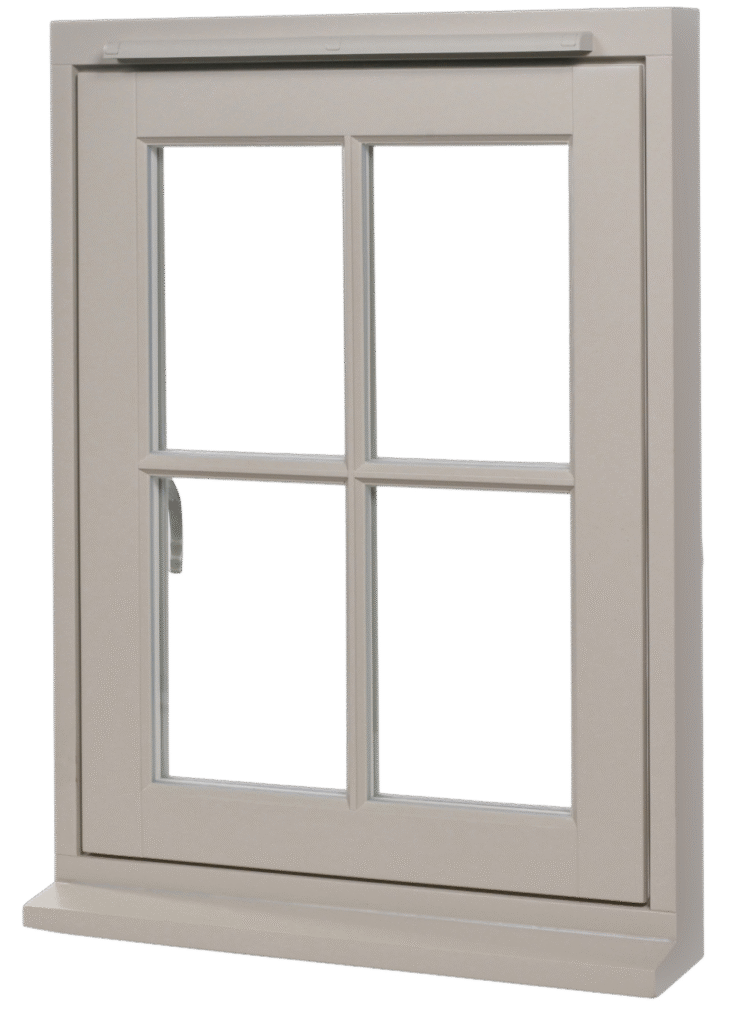
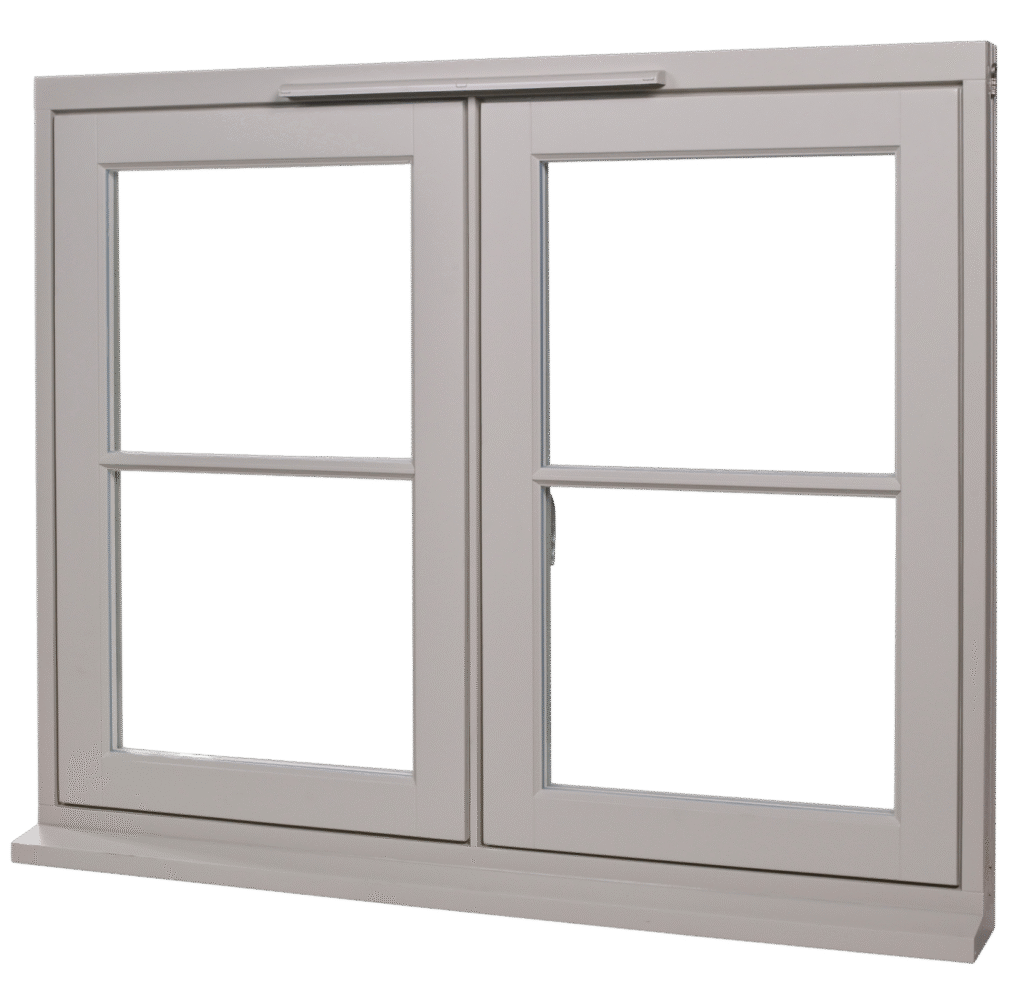
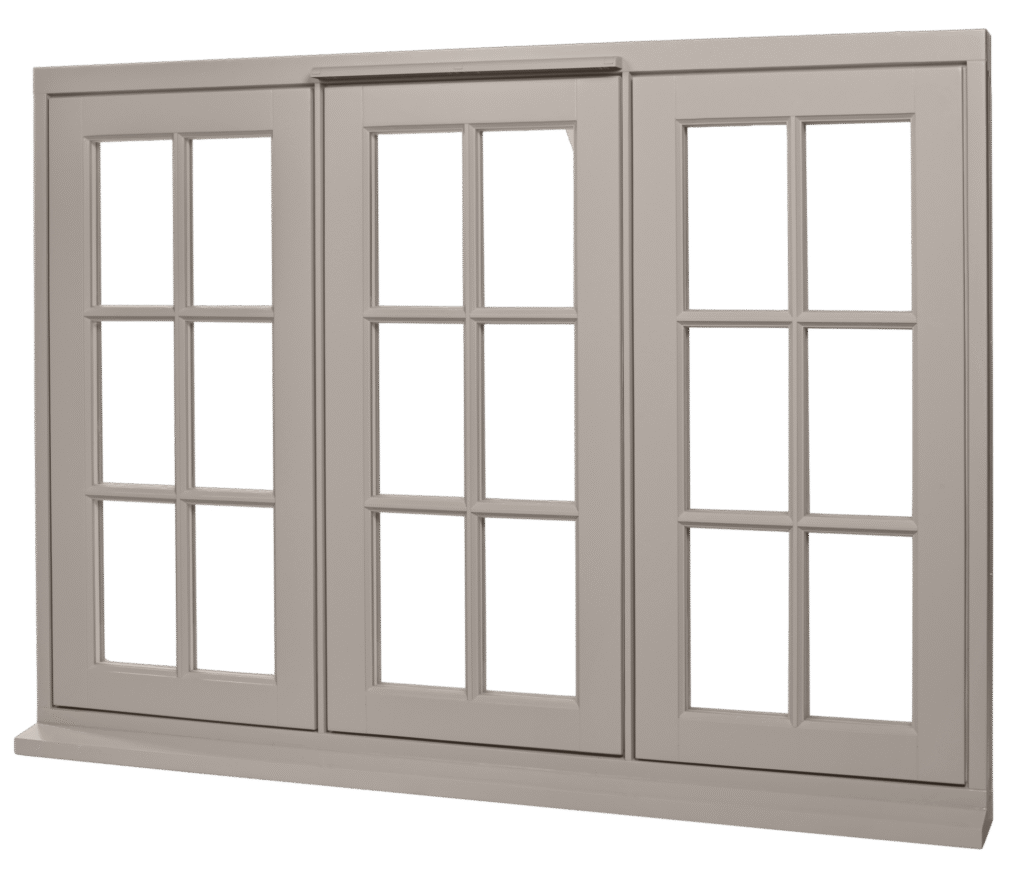
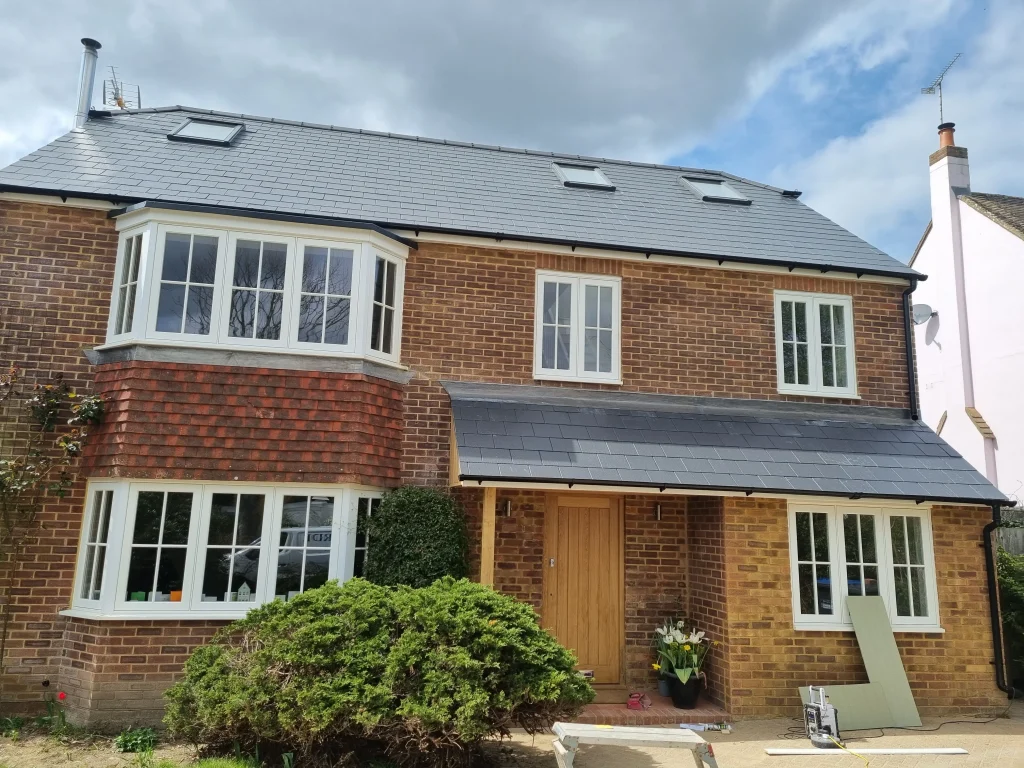
Our Best-Selling Timber Windows:


Our customers love what we do
 5/5
5/5Amazing from start to finish
Karen
5/5Outstanding Customer Service and Timber Windows
Andrew
5/5Highly recommend!
Nathan
5/5Will come back again
Gary
5/5Excellent Quality Sash Windows at a Great Price
Dan
5/5