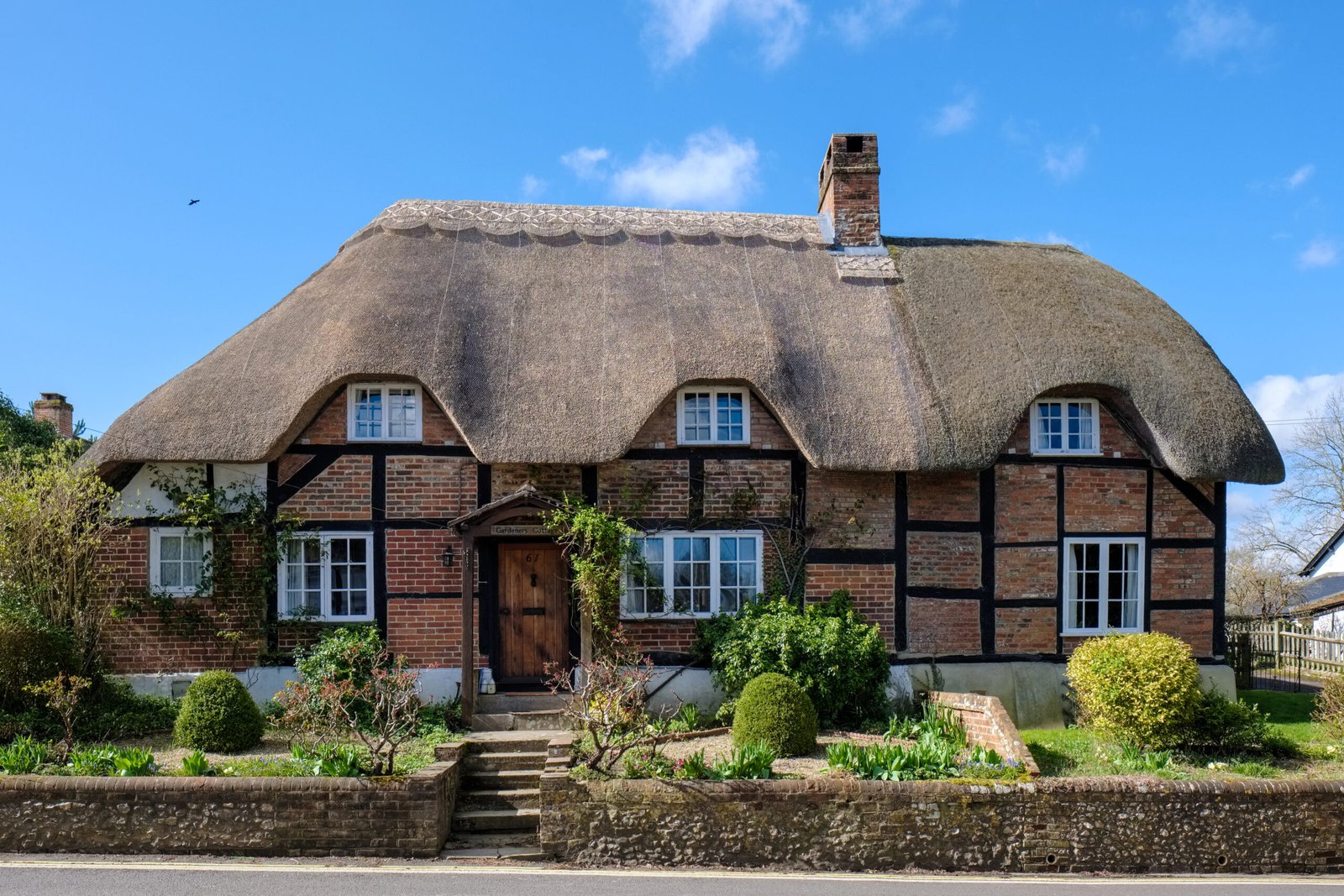
To replace windows in a listed building in England, you need listed building consent from your council before any work starts. Councils expect you to repair first and to replace only windows that are beyond repair or of no historic value, usually like-for-like in timber. The application is free, a decision normally takes about eight weeks, and doing the work without consent is a criminal offence.
We make bespoke timber windows for listed homes across England, and the questions building owners ask us most aren’t about joinery. They’re about consent. Can I replace them? Will they let me double glaze? What do I need to send? This guide to replacing windows answers those questions with the law, the guidance councils actually use and what we see on real listed building projects. It doesn’t replace advice from your council, but it’ll help you go into that conversation prepared.
Drawings for your consent application
Sash and casement to match originals
Slim double or single glazing
Any RAL or Farrow & Ball colour
Around 20 working days
In this guide
What You’ll Discover in This Article
- What listing means for historic windows
- When window replacement needs consent, and when repair doesn’t
- What your council expects before it agrees to new windows
- Where slim double glazing and secondary glazing are accepted
- How to put together an application that gets approved
01 · Listing
What Listing Means for Historic Windows
Listing protects the whole building, not just the parts that look old.
Grade I, II* and II
Historic England lists buildings in three grades. Around 92% are Grade II, just under 6% are Grade II* and about 2.5% are Grade I. The grade changes how closely an application is examined, but not whether you need consent. A modest terrace in Islington needs it for new windows just as a Grade I country house does.
Every Part of the Building Is Protected
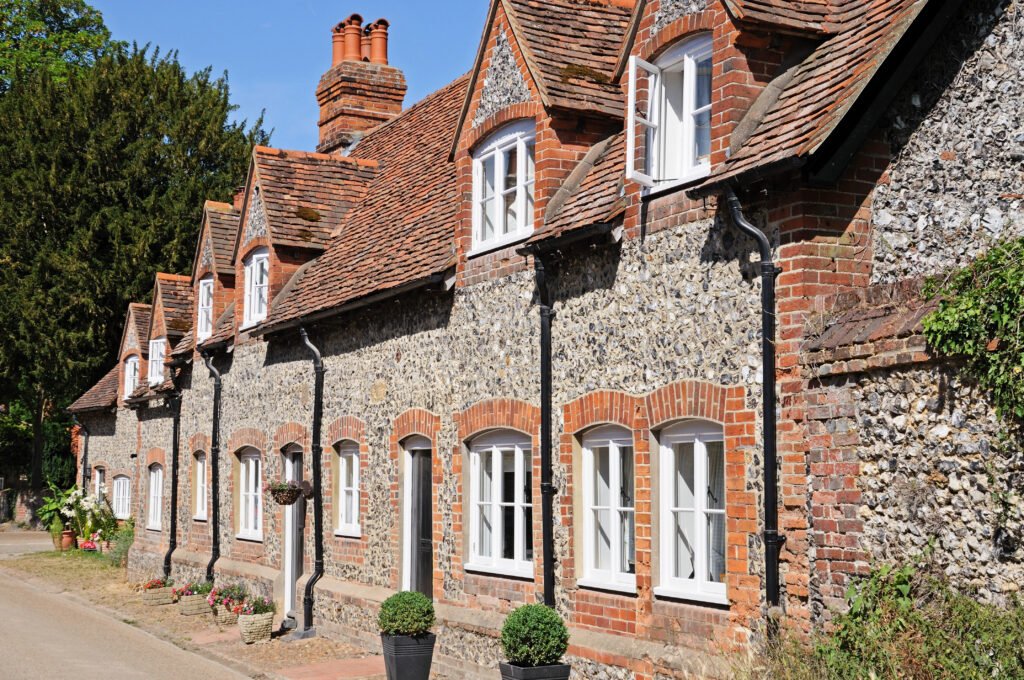
Listing covers the interior, the exterior and later additions, such as a Victorian extension on a Georgian house. It applies whether or not the windows are original. Many listed buildings had their old windows swapped in the 1970s or 1980s, and a modern window like that is still part of the listed building, even if nobody values it.
Listed Buildings and Conservation Areas
These are two different regimes. Buildings in conservation areas are controlled through planning permission, often tightened by an Article 4 direction that removes permitted development rights. A listed property is controlled through its own consent regime. A listed home in a conservation area may need both, so it’s worth understanding how listed building consent and planning permission overlap before you spend money on drawings.
02 · Consent
When Window Replacement Needs Listed Building Consent
Most window work on a listed home needs consent, so the safe assumption is that yours does.
Works That Require Consent
Replacing a window, fitting double glazed windows, changing the glazing bars, swapping single glazing for sealed units or changing the opening style all count as alterations to a listed building. So does a window that’s an exact copy of the old one, because the historic fabric is lost even if the result looks the same. The same applies to doors, so plan any timber windows and doors work together.
Window Repair Without Consent
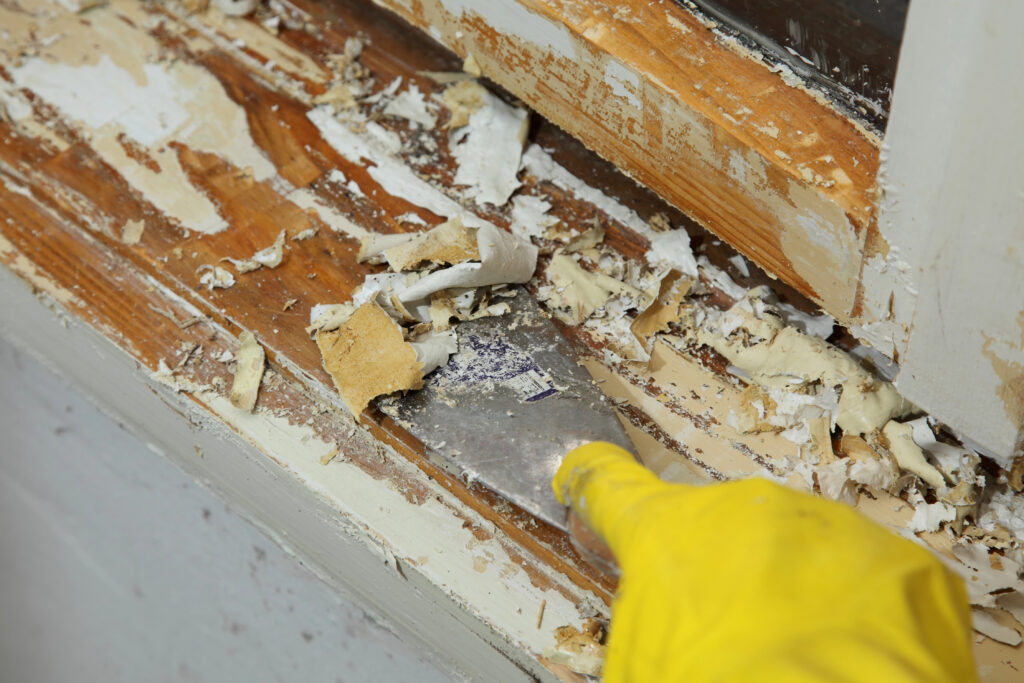
Repairs that use the same materials and methods usually don’t need consent. Splicing new timber into a rotten sill, replacing broken cords or re-puttying a pane counts as window repair in most councils’ eyes. If you’re unsure, ask in writing before the work starts, and keep the reply.
Working Without Consent
Carrying out unauthorised works to a listed building is a criminal offence, even if you didn’t know it was listed. The courts can impose an unlimited fine, a prison sentence of up to two years, or both. The council can also serve an enforcement notice requiring the old windows to be put back, and unauthorised works tend to surface when you sell.
03 · Repair first
Repair First: What the Conservation Officer Expects
Repair is the starting point for every historic window. Replacement has to be justified.
Assessing Older Windows
Start with a condition survey of every listed building window, ideally by a joiner or surveyor with heritage experience. Historic England’s guidance on traditional windows explains how to judge the significance of the building and the condition of each window, and most councils follow it closely. Photograph each one inside and out, and note which are original window frames.
When the Windows Are Beyond Repair
Councils generally accept replacement in three situations. The windows are modern or of no historic significance. They’re historic but genuinely beyond repair. Or new windows would improve the building, for example by swapping crude 1970s units for properly detailed traditional ones. Bath’s planning guidance on slim-profile double glazing sets out these three tests clearly.
Historic Glass
Old crown or cylinder glass has a slight ripple that modern float glass doesn’t. Where it survives, officers usually want it kept, even if the frames are replaced. Mark these panes in your survey.
04 · Glazing
Double Glazing for Windows in Listed Buildings
Double-glazed windows used to be refused almost everywhere. That’s changing, slowly and case by case.
Slim-Profile Double Glazing
Slim units fit into traditional sections with only small changes to the rebate. Bath and North East Somerset will support replacement windows in timber with slim-profile double glazing where the overall unit is no more than 12 mm thick. In London, Kensington and Chelsea has a local consent order that allows slim units in existing one-over-one and two-over-two sliding sash windows in three conservation areas without an individual application. Other councils still refuse it, so check your own authority’s policy.
Secondary Glazing
Secondary glazing is a second window fitted inside the original. It’s reversible and leaves the historic window untouched, so it’s often the easiest window upgrade to get approved. It may still need consent, but it’s rarely controversial.
Energy Efficiency and Part L
Building Regulations still apply, but Approved Document L recognises that historic buildings may not meet the usual targets for new windows without harming their character. In practice, your council and building control agree the best energy efficiency the building can take, rather than a fixed U-value.
05 · Matching
What a Replacement Timber Window Must Match
If replacement is agreed, the new window has to look and work like the old one.
Timber, Not uPVC
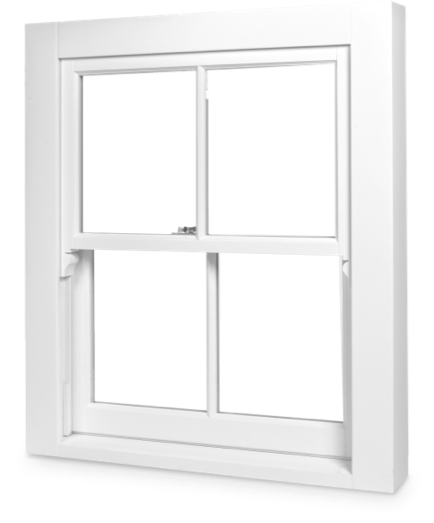
Timber is expected. uPVC windows are almost never accepted in listed properties, and many councils resist them in other period properties too. Most Georgian and Victorian windows were painted softwood, so painted engineered pine or meranti is usually the right match for original timber windows. Joints should be traditional mortise and tenon, and a box sash should keep its cords and weights if the original had them. Our Georgian window guide covers the period details in more depth.
Glazing Bars, Horns and Proportions
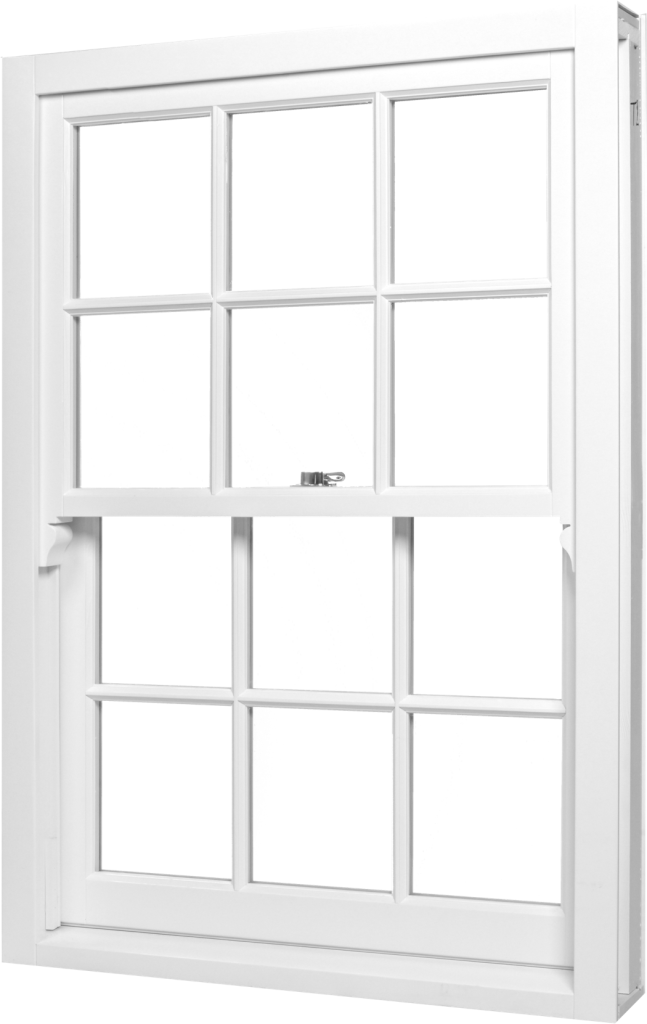
Glazing bars must be real, structural bars that divide the glass, not strips stuck to a single sealed unit. The bars, meeting rails and bottom rails all need to match the originals within a millimetre or two. Horns should appear only where the old windows had them. Our Georgian windows are drawn to the period’s typical six-over-six proportions for exactly this reason.

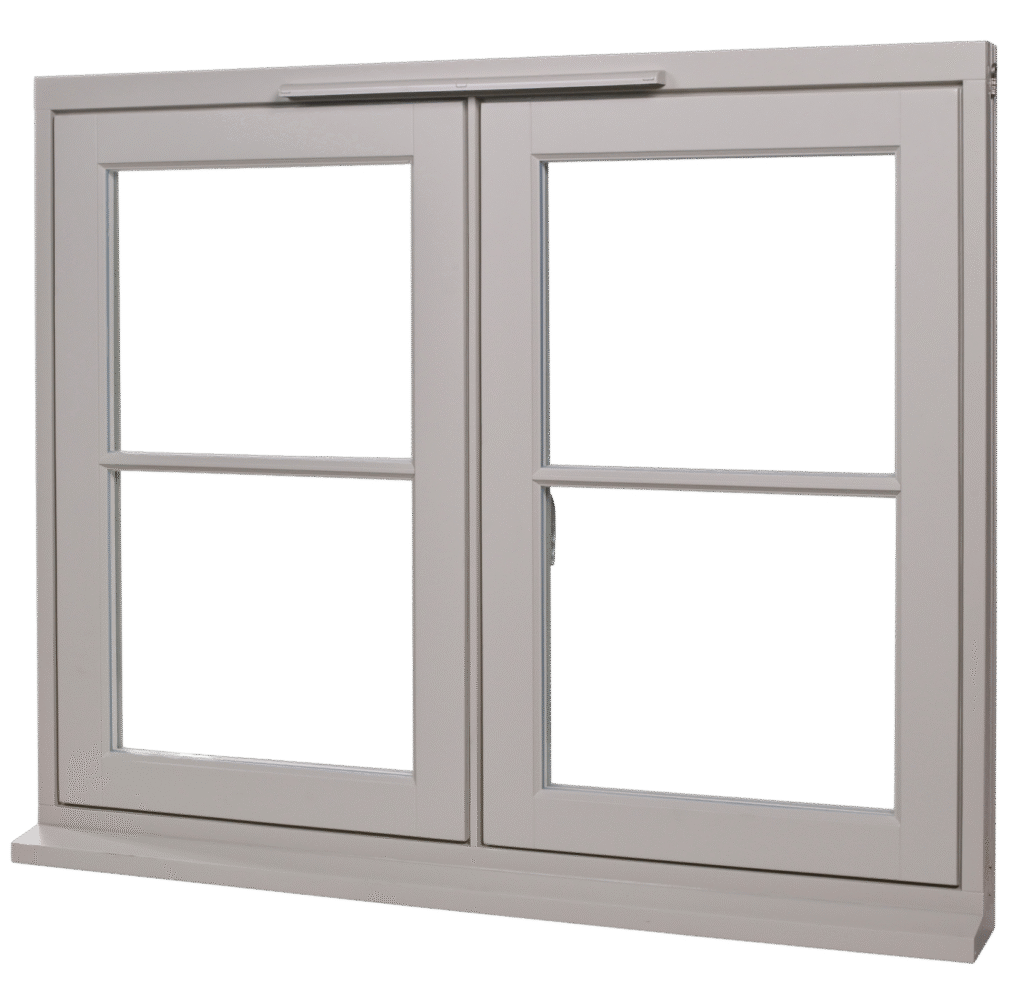
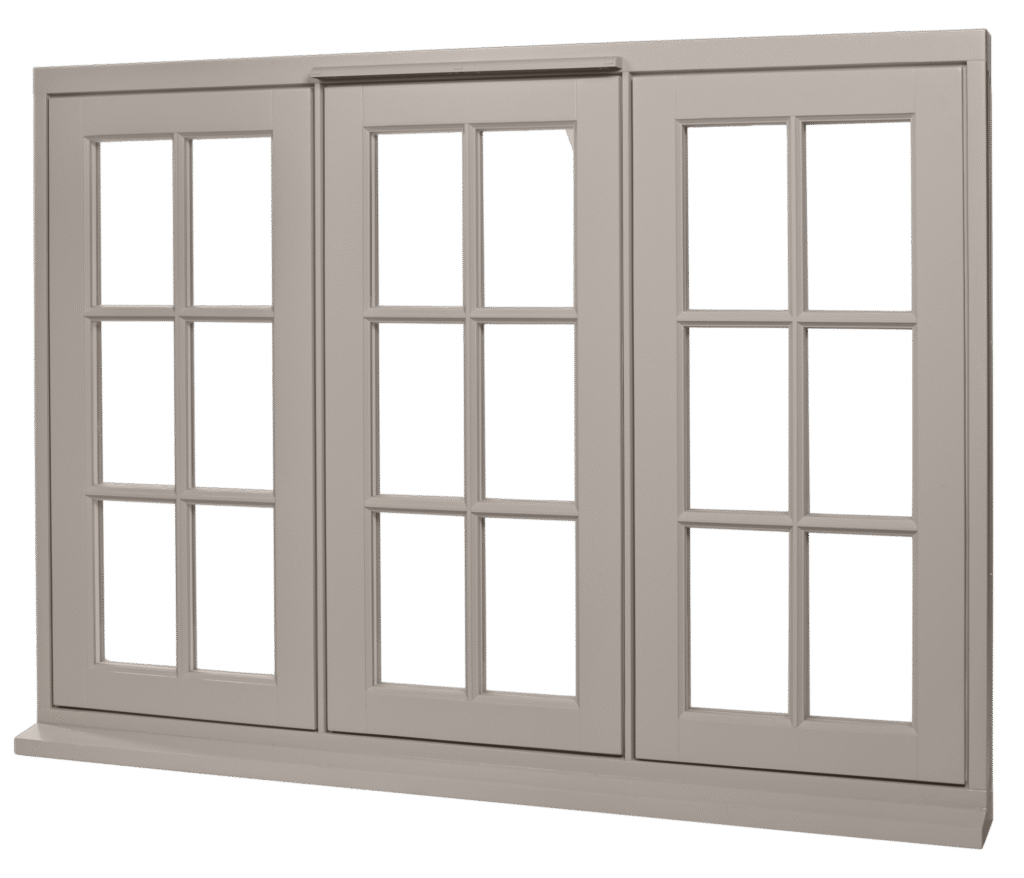
Casement Windows, Steel Windows and Doors
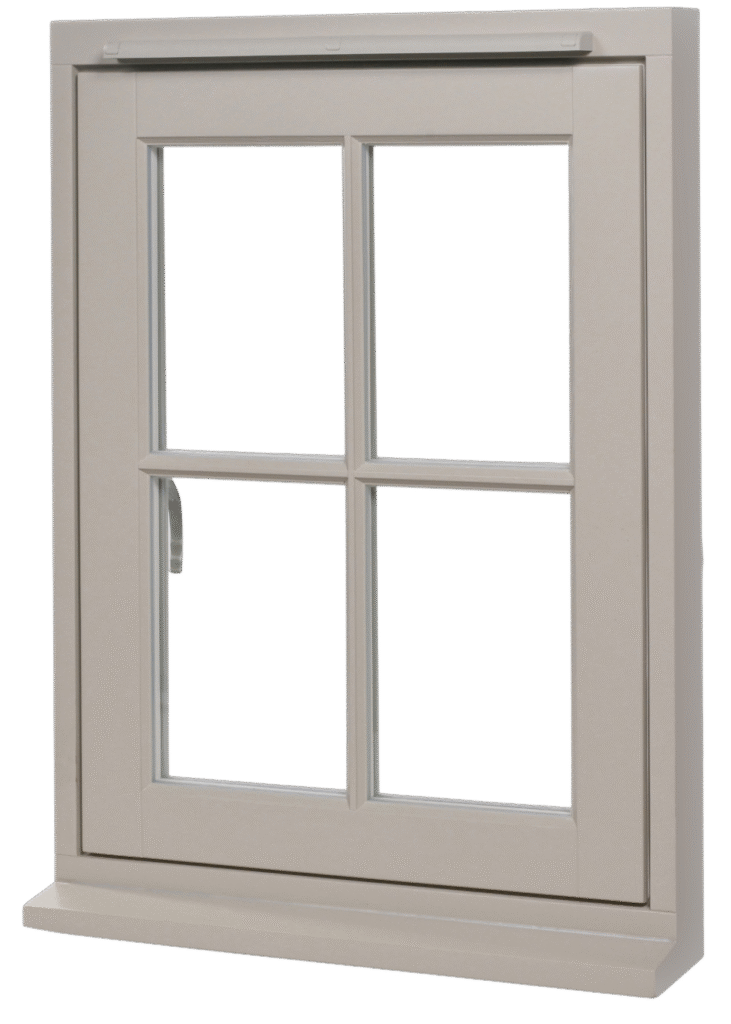
Not every listed home has sashes. A cottage may have a flush casement window with leaded lights, and a 1930s house may have steel frames. Replacing steel windows with timber is rarely accepted, because the slim steel sections are part of the building’s character. The rule is the same for every heritage window: match what’s there.
Putty, Paint and Ironmongery
Many officers prefer putty fronts to timber beads on the outside, and a spacer bar coloured to match the frame. Paint colour can matter too, especially on a front elevation. Traditional brass or iron fasteners and lifts finish the window properly.
06 · Applying
How to Apply for Listed Building Consent
A good application is mostly drawings and evidence. The form is the easy part.
What to Submit
Applications for listed building consent go through the Planning Portal or directly to your council. A typical window application includes the form, a location plan, a heritage statement, a condition survey with photographs, and existing and proposed elevations. Most local planning authorities also want large-scale joinery sections, usually at 1:2 or 1:5, showing the profiles of the frame, the opening parts and the bars.
Fees and Timescales
There’s no fee for this kind of application in England. The council has eight weeks to decide, though complex cases can take longer. Many councils offer pre-application advice for a fee, and it’s usually worth paying for on a Grade I or II* building.
Conditions After Approval
Consent often comes with conditions, such as approving a sample window or final joinery details before work starts. Don’t place a firm order until those are discharged, or you may pay for windows the council won’t accept.
07 · Timeline
The Window Replacement Timeline
Here’s how a typical replacement in a listed building runs, from first survey to fitting.
| Stage | Who does it | Typical time |
|---|---|---|
| Condition survey and photographs | Heritage joiner or surveyor | 1 to 2 weeks |
| Pre-application advice (optional) | Your council | 3 to 6 weeks |
| Joinery drawings for the application | Window maker | 1 to 2 weeks |
| Consent decision | Local planning authority | 8 weeks |
| Discharge of conditions | Local planning authority | 2 to 8 weeks |
| Manufacture | Window maker | Around 20 working days |
| Fitting | Your joiner or FENSA-registered installer | Days, depending on numbers |
We supply windows for listed buildings with the profile drawings and specifications your application needs. Installation in a listed building is a job for a joiner or installer with heritage experience, arranged separately.
Frequently Asked Questions
Do I need consent to replace windows in a Grade II listed building?
–
+
Yes. Replacing any window in a listed building, whatever its grade, will require listed building consent. Like-for-like repairs that keep the existing window usually don’t, but check with your council first.
Can I put double glazing in a listed building?
–
+
Sometimes. A growing number of councils accept slim-profile double glazing where the windows aren’t historic or can’t be repaired, and some London boroughs have blanket consents for specific streets. Others still refuse it. Secondary glazing is accepted more often.
How much does consent cost?
–
+
Nothing. There’s no application fee in England, although you’ll pay for drawings, surveys and any pre-application advice.
Can I use uPVC in a listed building?
–
+
Almost never. Councils expect wooden windows that match the originals in material, profile and opening style.
Do you fit the windows?
–
+
No. We’re a supply-only manufacturer: we make the windows, provide the drawings for your application and deliver them finished anywhere in the UK. A joiner or FENSA-registered installer with heritage experience fits them.
Summary
Conclusion: Repair First, Then Replace Carefully
Renovating a listed building is slower than working on an ordinary house, but replacing windows in listed buildings isn’t a dead end. Start with a proper survey, repair what can be repaired, and make the case for replacement with good evidence and accurate drawings. Talk to your council early, and don’t order until consent and its conditions are in place.
If you’d like help with drawings or a specification, contact us with photographs and sizes of your windows. We’ll tell you honestly whether replacement is likely to be the right route.
Our Best-Selling Timber Windows: