A bus pulling away at 5am. A flight path that changes with the wind. Noise enquiries often start with a sentence like that — and they nearly always end with the same question: what will the glass actually do?
Noise pollution is a common reason people start looking at new joinery, especially in London. People living near a busy road, under a flight path or beside a train line want their bedrooms back, and they want noise-reducing windows that actually deliver. We manufacture wooden windows with standard, laminated acoustic and triple glazing, so we see the full range of options every week.
The honest answer is that good acoustic glazing makes a clear, noticeable difference. It won’t make a front bedroom on a main road as quiet as one facing the garden. This guide explains where the gains come from, what the figures mean and how to spend money where it counts.
What You’ll Discover in This Article
- Why nobody can sell you a truly silent window, and what honest numbers look like
- How laminated glass, unequal panes and wider cavities change the result
- Why the seals and the fitting matter as much as the glass
- When a second inner window beats a full replacement
- Which rooms to upgrade first, and what it costs
Why Soundproof Windows Don’t Exist
You’ll see soundproof windows advertised everywhere. Spelled soundproof or sound proof, the term is a marketing shortcut. Ask what soundproof windows cost and you’ll get wildly different answers, because nobody is selling the same thing. Any window that lets in daylight and opens for air will also let some sound through, and the aim is to reduce it, not remove it.
How Sound Travels Through a Window
Sound is pressure moving through air. When those sound waves hit glass, they make it vibrate, and that vibration passes the sound energy into the room on the other side. Heavier glass is harder to move, so it passes on less of the external noise. Most noise from outside is a mix of frequencies. Low rumbles from lorries and aircraft carry the most energy, and they’re the hardest frequencies to stop.
Glass, Frame and Gaps
There are three routes in: through the glass, through the window frame and through any gap. The Glass and Glazing Federation puts it plainly. Any air gaps around a window “will seriously affect” its noise reduction, whatever the amount of noise the glass itself can stop. A perfectly specified unit in a leaky frame is wasted money, because noise transmission simply takes the easier route.
What Decibel Reductions Actually Mean
The scale is logarithmic, so small numbers matter. A change of 3 points is just perceptible and 5 is clearly noticeable. A 10 dB drop sounds roughly half as loud, according to GGF guidance. Street traffic sits at around 70 dB outside. That’s why a realistic target is “much quieter”, never “silent”. You may also see a Sound Transmission Class (STC) on American sites. UK data sheets quote Rw instead.
The Glass That Makes the Difference
Most domestic windows use glass between 4mm and 6mm thick. Changing those panes of glass is the single biggest upgrade you can buy. Understanding how the glass works makes the choice easier.
Acoustic Laminated Glass and the PVB Interlayer
Laminated glass bonds two sheets together with a plastic interlayer. Safety glass of this kind uses ordinary PVB. The acoustic version uses a softer, specially modified interlayer that acts as a damper, helping absorb sound waves and turning sound vibrations into a tiny amount of heat. Compared with regular glass of the same weight, the damped glass blocks more sound at the frequencies where ordinary glass is weakest. It’s the most effective single change you can make, and it also holds together if the pane breaks.
Asymmetric Sealed Units
Two identical sheets resonate at the same frequency, so a sound that passes the first one passes the second just as easily. Panes of different thicknesses, such as 4mm and 6mm glass panes, resonate at different points and block sound across a wider range. It’s a cheap gain. We’d suggest it as the minimum for any room that faces a road.
Cavity Width and Gas Fill
Typically, a larger gap between the two sheets improves acoustic insulation. In a slim heritage frame there’s a limit to how deep the unit can be, so the cavity is usually traded against glass thickness. The thicker the glass, the better the sound insulation, provided the frame can carry the weight.
Where Triple Glazing Fits
A third sheet adds mass, but three thin, equal panes in narrow cavities can perform no better than a good asymmetric double unit. Whether the window is double or triple glazed matters less than the thickness of the glass and the damping layer. Triple glazing earns its place when you want warmth and quiet together.
The Frame and the Seals
From the workshop side, this is the part most buyers underestimate. We’ve seen acoustic units fitted into frames that leak air at every corner, and the result is disappointing every time.
Timber Density and Frame Mass
A solid wooden frame is heavy and dense, which helps. Hardwoods and engineered pine both work well because the engineered section stays straight, so the seals keep their contact for years. A twisted frame opens a gap, and a gap undoes the glass.
Why Airtightness Matters More Than Glass
Sound follows air. Even a narrow gap along a casement can let through more noise than the difference between two glass specifications. The whole glazing system has to be airtight, not just the unit. Compression seals in the frame matter, and so does the joint between the frame and the wall. Acoustic performance depends on how well the frame is sealed into the opening, so ask your fitter how they plan to seal it.
Sash Windows and Noise
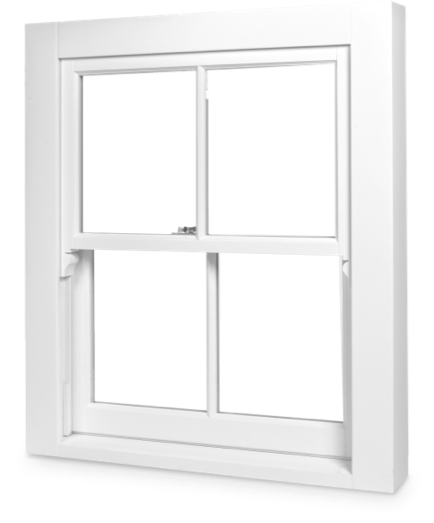
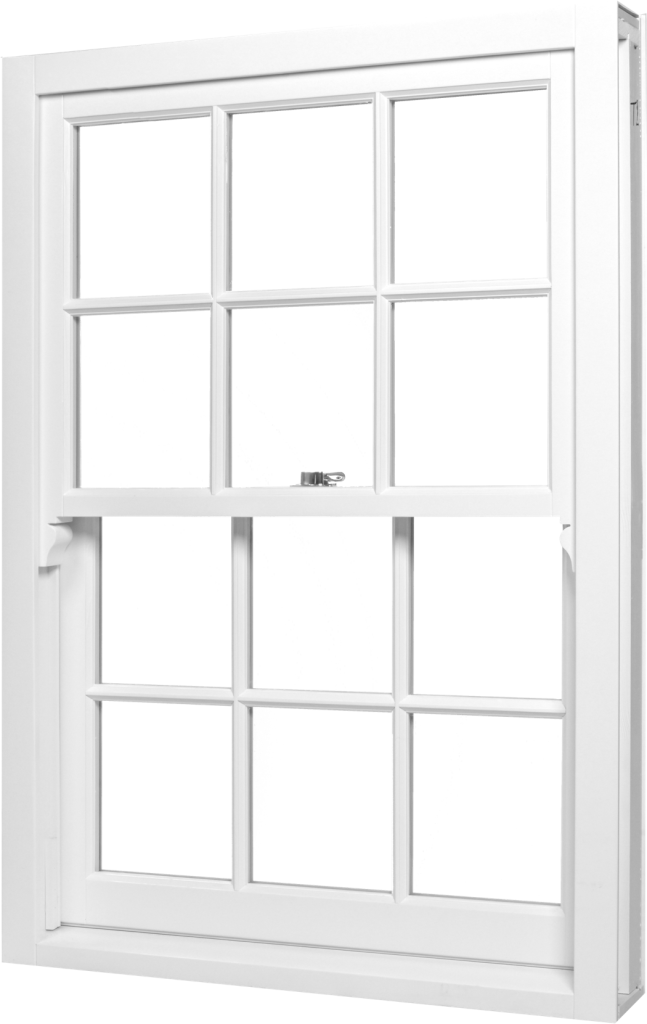
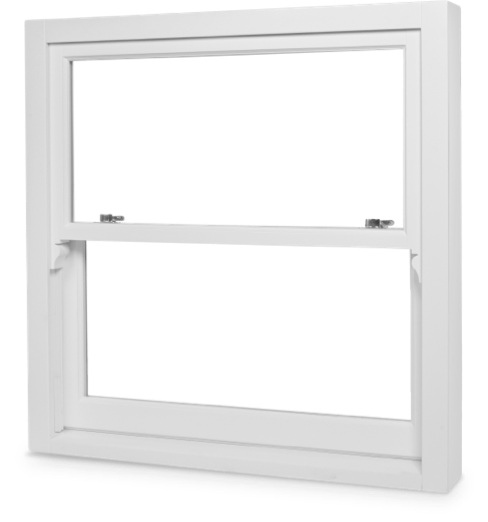
Sliding windows need a little clearance to move, which has always made them leakier than casements. Modern brush and compression seals close most of that gap. Heavier acoustic units also suit weights and pulleys well, because the counterweights can be matched to the extra mass. We check the weight of every moving leaf at specification stage.
Acoustic Glazing vs Secondary Glazing
Your existing windows don’t always have to go. Sometimes a second, inner window is the better answer, and an honest supplier should say so. The benefits of acoustic glazing are real — but so is the gain from a wide air gap.
| Option | Relative noise reduction | Effect on appearance | Best for |
|---|---|---|---|
| Standard double glazing (4-16-4) | Baseline: tested around Rw 31 | None | Quiet streets |
| Asymmetric unit (4mm + 6mm) | Better across more frequencies | None | General road noise |
| Damped laminated unit | Best of the sealed units; heavy specifications have tested at Rw 42 | None | Main roads, bedrooms |
| Triple, equal sheets | Modest gain over double | Thicker unit | Warmth first, noise second |
| Inner second window, 100mm+ gap | Can match or beat a sealed unit | Visible inside | Listed homes, very loud sites |
When an Inner Second Window Wins
A wide air gap is hard to beat. Makers of inner windows recommend a cavity of at least 100mm to 150mm glass to glass, which no sealed unit can match. It suits a listed home where the original windows must stay, including leaded or stained glass windows, or a rented flat where you can’t change the outside.
When Replacement Windows Win
If the current windows are rotten, single glazed or badly fitted, adding a second layer only hides the problem. Well-sealed, energy-efficient windows with damped glass fix the noise, the draughts and the heat loss at once. It also keeps the room free of a second set of frames to clean.
Matching the Solution to the Noise
Different noise sources need different glass. That’s why we always ask what you’re hearing, and when, before we specify anything.
Road Traffic
Traffic noise is heavy in low frequencies, so ask how much noise a unit stops at the low end, not just overall. Look for the Ctr figure on a data sheet, which corrects the rating for traffic. A standard unit tested at Rw 31 drops to around 26 once Ctr is applied. A damped, asymmetric unit is the usual answer for a house on a main road.
Aircraft
Aircraft noise comes from above, and the level of noise changes with wind direction. Glass helps, but roof spaces and chimneys are often the weaker route. Under a Heathrow flight path, we’d pair acoustic units with a conversation about the rest of the house.
Railways and Night-Time Noise
Trains add impact noise and ground vibration, which travels through walls as well as glass. Night-time is when it matters most, so bedrooms come first. Glass can’t stop noise disturbing your sleep if it arrives through the floor, but it can take the edge off the sharp sounds. Sleeping with open windows on warm nights brings the problem straight back, which is why ventilation planning matters.
Realistic Expectations and Costs
Good acoustic glazing gives you peace and quiet compared with what you have now. It won’t give you a countryside bedroom on a main road.
Price Difference Over Standard Units
Damped glass is priced as an upgrade on top of standard glazing, and the premium depends on size and thickness. Our spring-balanced sliding windows start from £449 + VAT with standard double glazed units. We’ll quote the glass options side by side so you can see the difference for each opening. You can compare specifications on our timber window prices page.
Which Rooms to Prioritise
You rarely need the heaviest glass everywhere. If your new windows face a busy street, the front bedroom gets the heavy specification first. That’s where the noise level matters most at night. Rooms at the back, which hear far less outside noise, can keep simpler glazing options. In our experience, splitting the order this way saves a noticeable amount of money without anyone noticing a difference at the rear.
Trickle Vents and Building Regulations
Replacement windows usually need trickle vents under the building regulations, and a vent is an open path for sound. Acoustic trickle vents are designed to reduce that, with baffled channels that dampen sound while still passing air. It’s worth specifying them on the noisy side.
Case Study: Hammersmith, Victorian Terrace on a Main Road
A couple in a Victorian terrace in Hammersmith came to us after two years of broken sleep. Their front rooms faced a main road with night buses. The back looked onto gardens. Their old windows were single glazed at the front and tired everywhere.
Specification:
- 5 box-framed sash windows on weights and pulleys at the front, with damped laminated units in an asymmetric build
- 3 windows on concealed spiral balances at the rear, with standard double glazing and warm-edge spacers
- Factory finish: Farrow & Ball Pointing
- Compression and brush seals throughout
- Acoustic trickle vents in the two front rooms
Project numbers:
- Joinery supply cost: £5,900
- Manufacturing time: 10 weeks
- Delivery: scheduled 2 weeks after manufacturing was complete
- Client’s installer: FENSA-registered joiner experienced with period windows
- Installation duration on site: 5 working days
- Approximate total project cost (joinery + installation): around £8,800, with fitting arranged and paid separately
- U-value achieved: 1.4 W/m²K on the rear units
The joiner spent extra time sealing the front frames into the brickwork, and it showed. The owners told us the night buses went from waking them up to something they only notice with the window open. That’s a quieter home, not a silent one — and they were happy with exactly that.
Frequently Asked Questions
Does acoustic glazing really work?
–
+
Yes, within limits. A well-made damped unit can test above Rw 40, against around Rw 31 for standard glass in a typical unit. Since 10 points sounds roughly half as loud, the difference is clear. The frame and seals must be airtight for the performance of acoustic units to hold.
Is triple glazing better for noise?
–
+
Not automatically. Three thin, equal panes often perform little better than a good asymmetric double unit. Triple glazing with a damped interlayer and mixed thicknesses does better. Choose it when you want warmth as well as quiet.
Can sash windows be acoustic?
–
+
Yes. Damped glass suits weighted frames well, because the counterweights are matched to the heavier glass. Brush and compression seals deal with most of the old draught gaps. The level of sound reduction depends heavily on how well the frame is sealed in.
How much does acoustic glass cost?
–
+
It’s priced as an upgrade per window, depending on the size and weight of the glass. Our standard sash on hidden springs starts at £449 + VAT. Most homeowners only need the upgrade on one or two street-facing rooms, which keeps the extra cost modest.
Is secondary glazing better for noise reduction?
–
+
Sometimes. An inner window with a gap of 100mm to 150mm can reduce sound as well as a sealed acoustic unit, or better. It suits listed homes and very loud sites. If your frames are failing anyway, replacement solves noise, draughts and heat in one job.
Conclusion
Noise is easiest to deal with before the glass is ordered. Decide which rooms face the sound, what kind of sound it is and how much the frames can carry. Then put the money into those rooms. The rest of the house can keep the standard specification.
We’ll specify acoustic glazing for windows and doors room by room and supply joinery built to seal well. Your fitter then seals it into the opening, and that step matters just as much. Explore our double-glazed windows, compare the window glass types we offer, or see our timber windows for Hammersmith and Fulham homes.
Request a free quote today and tell us where the noise comes from. We’ll specify the right glazing for each room.
Our Best-Selling Timber Windows: