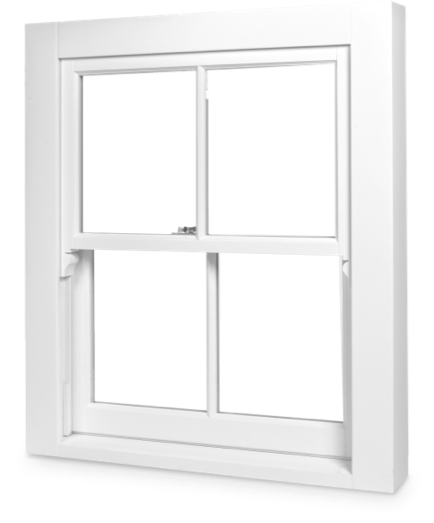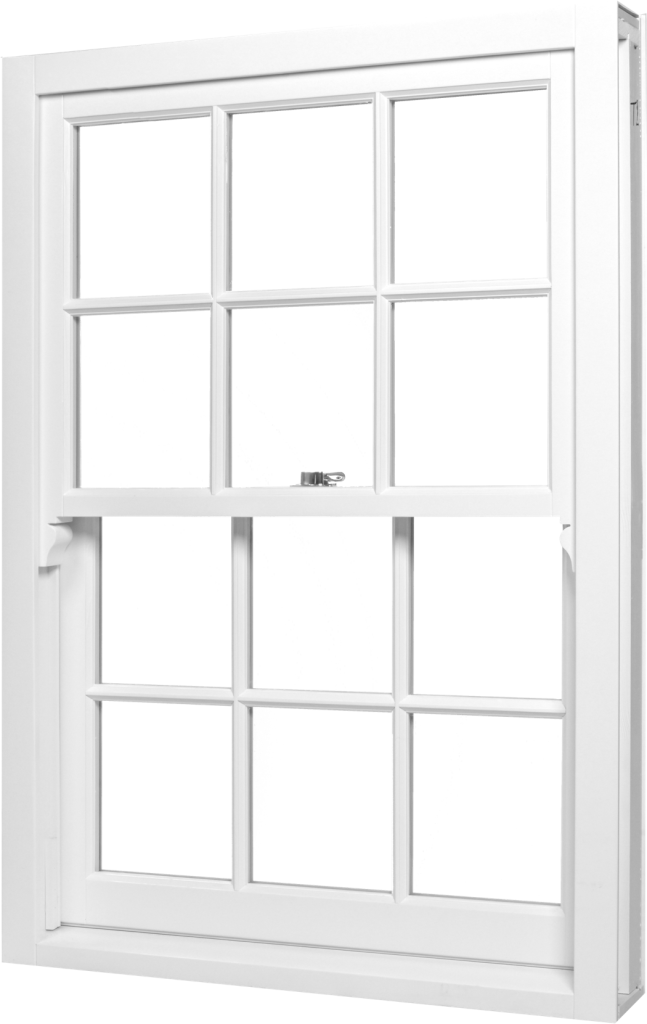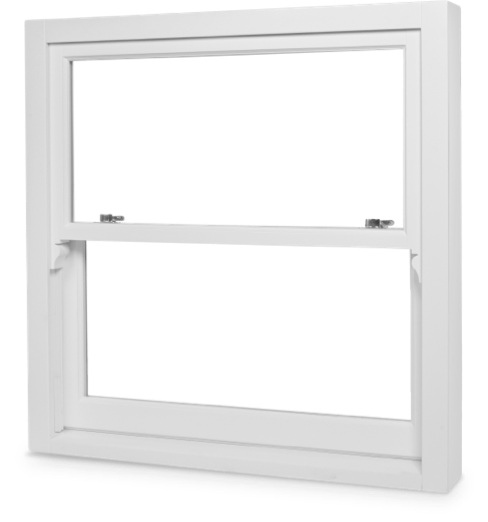
Almost every window company now calls itself green. Very few show their working — and that’s where an honest buyer should start.
We make bespoke wooden windows from FSC® certified timber, so we have a stake in this subject. For eco-conscious buyers, wood looks like the obvious eco-friendly choice. That’s exactly why we’d rather give you the evidence than the adjectives.
Wood is renewable, it stores carbon and it can be repaired. Those are real advantages. But they only count if the timber is responsibly sourced, the window lasts for decades, and the finish is maintained. This guide looks at each of those honestly, including where the industry’s own claims deserve a second look.
What You’ll Discover in This Article
- What actually makes a window sustainable, beyond the marketing
- How FSC and PEFC certification work, and what to ask a supplier
- Why engineered sections and long service life matter more than slogans
- How finishes and repairability change the picture
- Which green claims to question, and what evidence to ask for
What Really Makes Sustainable Timber Windows Different
A sustainable window isn’t defined by its material alone. Sustainable homes depend on the combination of where the material came from, its energy efficiency in use, how long the window lasts and what happens to it at the end.
Material, Lifespan and End of Life
Timber grows back, while many frame materials are made from finite resources. That’s a strong start, but only a start. Well-made wooden windows offer a long service life, but a window that rots in fifteen years and goes to landfill has a poor record, whatever it’s made from. Longevity and repairability matter as much as the raw material. At the end of its working life, wood can be reused, chipped for board or recovered for energy, which keeps it out of landfill.
Embodied Carbon Explained
Embodied emissions are the greenhouse gases released in making, transporting and finishing a product. For wood, there’s also a credit: roughly half the dry weight of wood is carbon, taken as carbon dioxide from the atmosphere while the tree grew. By simple chemistry, each kilogram of carbon locked in the frame corresponds to about 3.67kg of CO2. That store stays put for as long as the wood stays in use.
Energy in Use: The Other Half of the Story
The environmental story doesn’t stop at the factory gate. Heat loss through glass and frame drives energy consumption for decades. Wood is a natural insulator, so a well-made frame adds useful insulation and thermal efficiency and helps hold a steady indoor temperature. Current building regulations ask replacement windows for U-values of 1.4 W/m²K or better. Energy-efficient windows to that standard reduce energy use, cut carbon emissions and improve energy performance across the whole house. Triple glazing can go further on exposed elevations, though it adds weight and cost. Together, these choices shrink your home’s carbon footprint long after the frames are fitted.
Responsible Timber Sourcing
Choosing sustainable timber starts with the forest. That stored CO2 only helps if the forest it came from is managed properly, and certification is how you check.
FSC Certification
The Forest Stewardship Council sets standards for forest management and runs a separate certification for every business that handles timber products afterwards, so sustainably managed forests can be traced to the finished item. FSC describes it as tracking forest-based materials “from the forest to becoming finished goods”. A manufacturer can only call its product FSC certified if it holds its own certificate and licence code. In practice, the claim travels with the wood: from the forest, to the sawmill, to the window maker and finally to your invoice.
PEFC and Other Schemes
PEFC, the Programme for the Endorsement of Forest Certification, endorses national forest schemes around the world. PEFC certified wood is also widely used by UK window makers. Both systems aim at the same outcome: forests that regrow and keep their wider value.
Chain of Custody: What to Ask a Supplier
Ask for the supplier’s certificate number and check it on the scheme’s public database. Ask if your order will carry the claim on the invoice or delivery note. A logo on a website isn’t evidence. A claim on your own paperwork is.
Engineered Timber and Material Efficiency
How a section is made matters as much as the species. Traditional timber sections were cut from single large pieces, and much of each log ended up as offcuts.
Laminating Sections to Use More of Each Tree
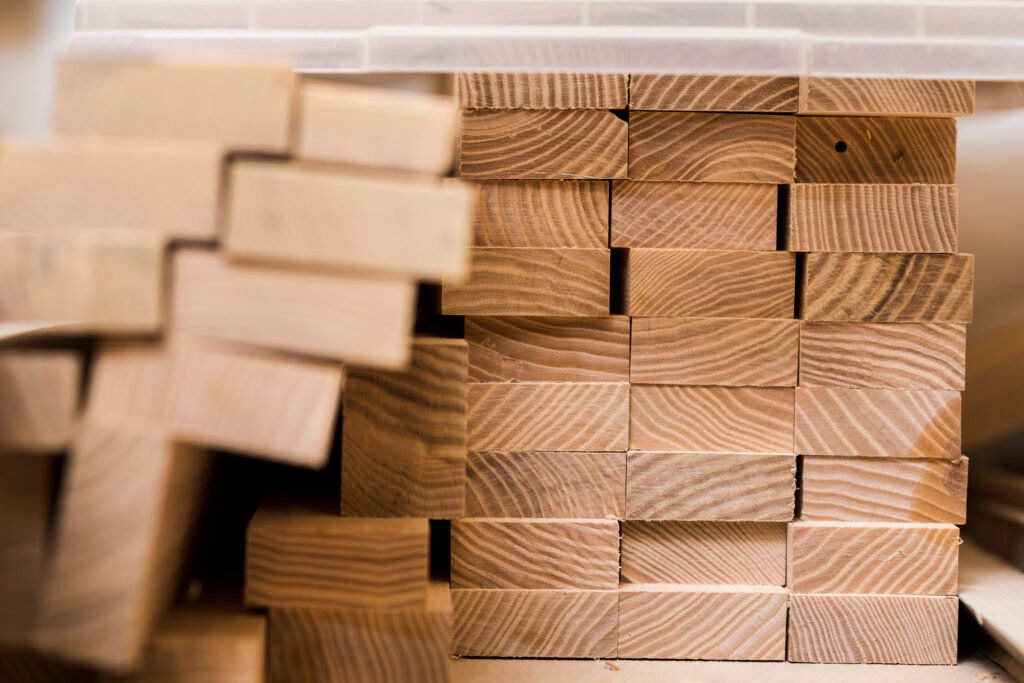
Engineered sections are made by bonding several smaller lengths into one. Short and narrow pieces that would once have been waste become part of a stable, straight component. It’s an efficient use of each log, it helps minimise waste, and it’s a sensible way to use sustainable materials. The method suits both casement windows and sliding designs.
Stability and Longer Service Life
Laminated sections twist and shrink less than solid ones — the single biggest reason they last. A stable frame keeps its joints and seals tight, which protects both the paint and the thermal performance. Our engineered pine windows are built this way for exactly that reason.
Lifespan Is the Biggest Factor
Every year a window stays in service spreads its embodied impact more thinly. In sustainable building, that’s why durability does more for sustainability than almost anything else.
Factory Finishing and Maintenance Cycles
A finish applied in controlled conditions, before glazing, coats every face and end grain evenly. That gives the wood a far better start than a brush coat applied on site. After that, an annual look and a timely repaint keep moisture out. Our windows carry a 5-year guarantee, and a well-kept frame can last many times longer.
Repair Instead of Replacement
Wooden windows can be repaired rather than thrown away. A rotten sill can be spliced, a damaged section replaced and a frame repainted. That work is done by a joiner or window specialist, not by us, but it’s possible because wood can be cut, glued and refinished. Small repairs also keep the original proportions on period properties, which matters on listed and conservation-area homes. In our experience, a frame that’s been looked after is usually repairable long after a neglected one has had to come out.
Why a 60-Year Window Beats a 25-Year One
A 2013 Heriot-Watt University study, commissioned by the Wood Window Alliance, estimated that well-specified timber frames could last around 60 years. Over that period it found the frames had a negative global warming potential once stored carbon was counted. The study was funded by timber window makers, so treat it as the industry’s best case. The principle still holds: fewer replacements reduce carbon from repeated manufacturing and send less to landfill.
Finishes and Coatings
The paint is the frame’s first defence, and its make-up has its own environmental impact.
Water-Based Microporous Paints
Modern water-based paints release far fewer solvents than older oil-based systems. Microporous coatings let moisture inside the wood escape as vapour while keeping rain out, which helps prevent the paint from blistering and peeling.
Repainting Cycles
How often you repaint depends on exposure, colour and the quality of the original coat. South- and west-facing windows weather fastest. Inspect every year, touch up small damage early and repaint before bare wood shows. Small, regular work keeps the frame going far longer than a full strip every decade. Dark colours absorb more heat and move the wood more, so they need a little extra attention. Clean frames twice a year with mild soapy water, check the beads around the glass and clear the drainage paths at the bottom of the frame. Ten minutes of care is the cheapest sustainability measure there is.
Spotting Greenwashing
Sustainability claims are easy to make and hard to check. A little scepticism goes a long way.
Claims to Question
Be wary of “eco-friendly” labels and “sustainable living” slogans with nothing behind them. Question carbon neutral claims that don’t say how they were calculated. Treat lifespan figures from studies funded by the industry as a best case, including those that favour wood. A lower carbon footprint compared with other materials only matters if the window lasts as long as promised.
Evidence to Ask For
Ask for a certificate number you can check, the claim on your invoice, the expected maintenance cycle and the guarantee in writing. A homeowner who asks these questions will quickly see which suppliers can answer them. If a company can’t tell you where its wood came from, that’s your answer. It also helps to ask what happens to offcuts and shavings, and how packaging is handled. Not every supplier will have perfect answers — but a straight answer is a good sign.
Case Study: Oxford, Victorian Villa
A couple restoring a Victorian villa in Oxford wanted bespoke windows that matched the originals and could prove where the wood came from. One of them worked in environmental policy and asked for documentary evidence before placing the order.
Specification:
- 8 sash windows on concealed spiral balances, two-over-two
- Engineered pine from FSC certified sources, with the claim stated on the invoice and delivery note
- Factory finish: Farrow & Ball Pointing, water-based system
- Slim double-glazed units with warm-edge spacers
- Brass fasteners and lifts
Project numbers:
- Joinery supply cost: £9,600
- Manufacturing time: 10 weeks
- Delivery: scheduled 2 weeks after manufacturing was complete
- Client’s installer: FENSA-registered joiner experienced with period properties
- Installation duration on site: 6 working days
- Approximate total project cost (joinery + installation): around £14,400, with fitting arranged and paid separately
- U-value achieved: 1.4 W/m²K (whole window)
The owners checked our certificate number on the public FSC database before signing off the order. They told us that was the first time a supplier had been able to give them paperwork rather than promises.
Frequently Asked Questions
Are timber windows more sustainable than other materials?
–
+
Usually they’re the sustainable choice, if the wood is certified and the window is maintained. Wood is renewable and locks away CO2 as the tree grows. One industry-funded study estimated a 60-year life for well-specified frames. Poorly sourced or neglected wood loses most of that advantage.
What does FSC certification mean?
–
+
It means the forest is managed to FSC standards and every business handling the wood holds its own certificate. Only certified products sold with an FSC claim on the paperwork can be called FSC certified.
How long do timber windows last?
–
+
A Heriot-Watt study estimated around 60 years for well-specified frames that are maintained. Real life depends on design, finish and upkeep. Our windows carry a 5-year guarantee.
Can old timber windows be recycled?
–
+
Often, yes. Sound sections can be reused, and waste wood can be chipped for board products or recovered for energy. Glass and hardware are separated first. Repair, where possible, is better still.
Are factory paints environmentally friendly?
–
+
Modern water-based systems release far fewer solvents than older oil paints. Applying them in a factory also reduces waste and gives every face full coverage, so the frame needs repainting less often.
Conclusion
High-quality timber windows have real environmental strengths, but they’re earned, not automatic. Traceable sourcing, stable sections, a good factory finish and regular care turn those strengths into a window that lasts for generations. For anyone aiming at a more sustainable lifestyle and eco-friendly living, that makes wood an ideal choice for a sustainable future. It’s the standard we apply to every window and door we make, from single frames to bespoke timber windows and doors for a whole house.
When choosing timber, explore our softwood windows or read why timber beats plastic for biophilic design.
Request a free quote today and ask us about the timber origin and finish specification for your windows.
Our Best-Selling Timber Windows: