“Laminated” timber sounds like marketing speak. We get it. When you hear “laminated”, you might picture something artificial — a compromise dressed up with a fancy name. But here’s the reality: engineered pine is solid wood made better through clever manufacturing. It preserves the natural beauty and warmth of real timber while eliminating its biggest weakness — the warping and seasonal movement that turns windows into a sticky, draughty headache.
We’ve been manufacturing bespoke timber windows for over a decade using FSC-certified engineered pine from sustainably managed forests, and it remains our most popular material by a significant margin. Take our 2016 project in Brighton — a Victorian terrace where the previous solid pine frames stuck every summer. Seven years on, the engineered pine replacements still open smoothly year-round. No seasonal sticking, factory finish intact. Here’s why — and whether it’s right for your home.
What Is Engineered Timber?
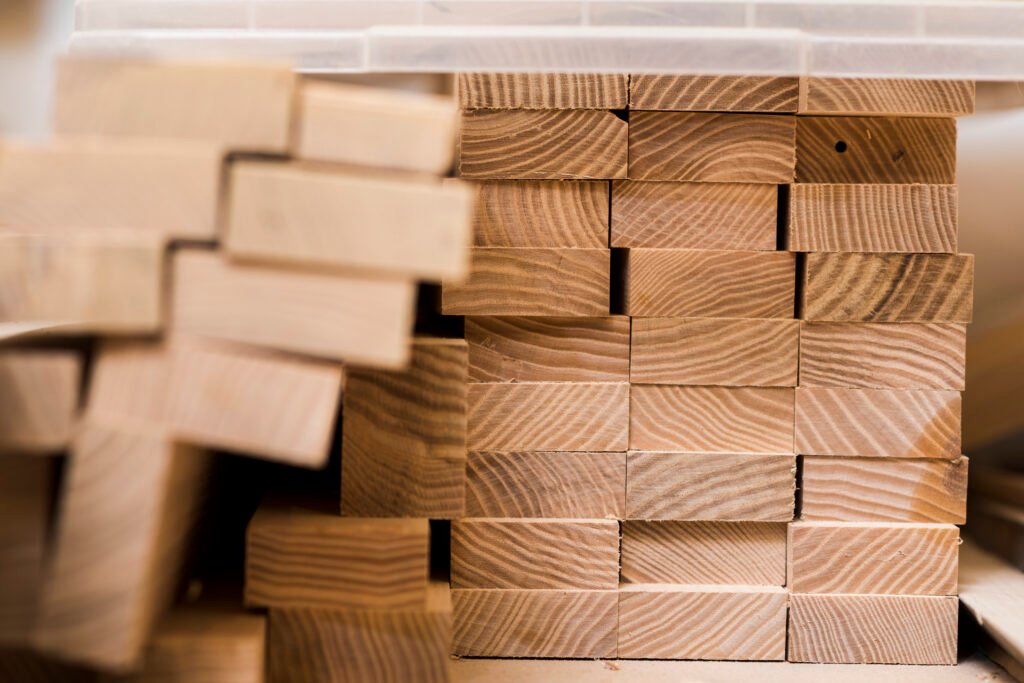
This engineered wood — sometimes called laminated timber or finger-jointed timber — is made by bonding multiple layers of kiln-dried softwood together (see our softwood windows range for the full specification) under pressure. Think of it like plywood’s more sophisticated cousin. Each layer has its grain running in a slightly different orientation, which counteracts the natural tendency of wood to expand, contract, and distort as moisture levels change.
The Manufacturing Process
The process starts with carefully graded softwood sections, kiln-dried to a precise moisture content (typically 10-14%). These sections are finger-jointed end-to-end to create defect-free lengths. Any knots, resin pockets, or weak points are cut out before assembly. The resulting lamellae are then bonded together with moisture-resistant adhesive (typically melamine or polyurethane) and pressed.
The result? A wooden billet that’s straighter, stronger, and more dimensionally stable than any single piece of solid wood could ever be. It’s genuine timber — you can see the grain, feel the warmth, smell the pine — but engineered to behave predictably.
Why This Matters for Windows
Windows have a tough job. Energy efficiency starts with the frame, and laminated pine offers excellent insulation — the insulation properties improve thanks to its structural integrity and consistent density. They’re exposed to rain on the outside, central heating on the inside, and constantly changing temperatures throughout the day. Solid timber responds to these conditions by swelling and shrinking. Which is exactly what makes windows stick in summer and develop draughts in winter.
The practical result? Windows that open and close smoothly all year round, maintain a consistent seal against draughts, and keep their shape over decades. Pair them with a double-glazed unit filled with argon gas and thermal performance rivals any modern material. Upgrade to triple glazing or acoustic glass for sound insulation in noisy areas. Even single glazing works for listed buildings where the glazing unit must be sympathetic. For more on performance in tough conditions, see our weather-resistant timber windows page.
Advantages Over Solid Wood
Dimensional Stability – The Big Win
Let’s put some numbers on it. Solid softwood has a tangential movement coefficient of approximately 7.5%. Meaning for every percentage point change in moisture content, the timber moves 7.5% of its width in that direction. Engineered pine? Roughly 2-3%. That’s a massive difference when you’re talking about window frames that need to maintain tight tolerances for decades.
Consistent Quality Throughout
With solid wood, you’re at the mercy of natural variation. One board might be perfectly straight; the next might have a slight bow or hidden tension that only reveals itself after machining. Engineered pine eliminates this lottery. Every billet arrives at our factory with predictable, consistent properties — which translates directly into consistent window quality.
There’s also the matter of defects. Natural knots in solid pine aren’t just cosmetic. They’re structural weak points where cracks can develop and moisture can penetrate. Engineered timber’s finger-jointing process removes these defects entirely, creating a frame that’s stronger at every point.
The Paint Finish Advantage
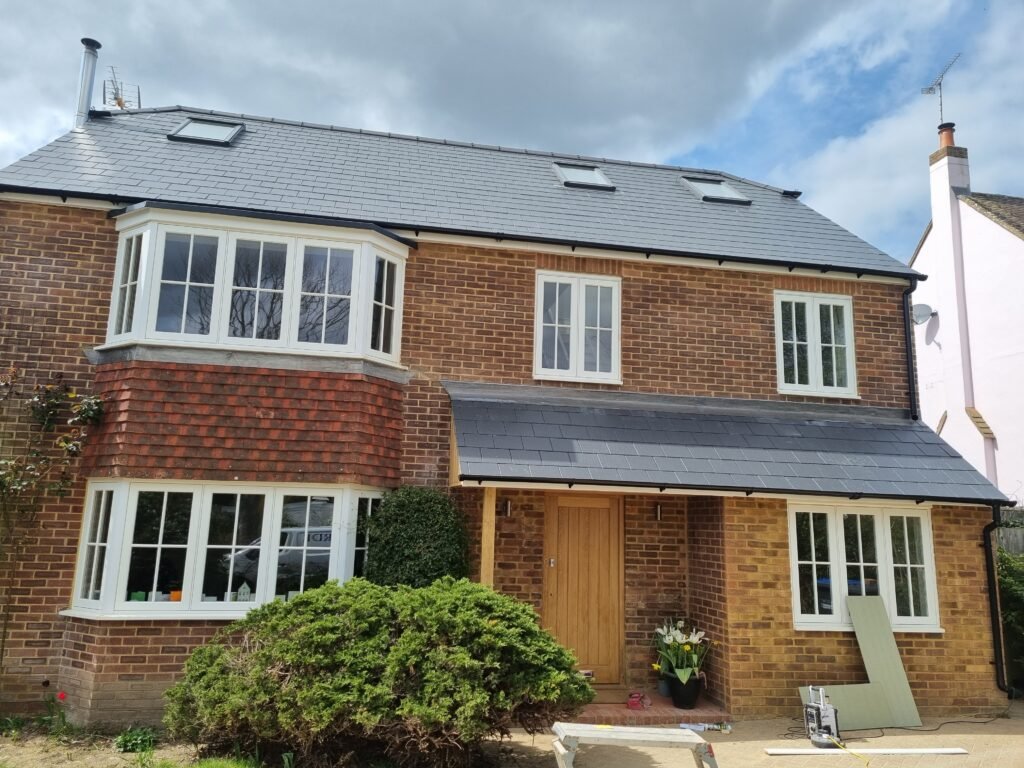
If you’re planning painted windows — and the vast majority of our customers are — engineered pine has a particular trick up its sleeve. The laminated construction and defect-free surface create an incredibly smooth, consistent substrate for paint systems.
The defect-free surface means no knots bleeding through, no resin bubbling under the topcoat. The aesthetic appeal is clear: a consistently smooth finish that showcases the beauty of real wood that’s difficult to achieve with solid timber.
Our factory finishing process applies primer, undercoat, and topcoat in controlled conditions — no dust, no humidity surprises, no rushing to beat the rain. On engineered pine, this system typically lasts 8-10 years before recoating is needed. That’s not a guess — it’s based on thousands of windows we’ve supplied across the UK.
Engineered Pine vs Meranti vs Oak
| Feature | Engineered Pine | Meranti | Oak |
|---|---|---|---|
| Dimensional Stability | Excellent (engineered) | Good (natural) | Good (natural) |
| Paint Adhesion | Excellent | Excellent | Good (tannin risk) |
| Natural Finish | Not recommended | Limited | Excellent |
| Rot Resistance | Requires treatment | Naturally durable | Very durable |
| Price Point | Most affordable | Mid-range | Premium |
| Best For | Painted modern windows | Painted hardwood quality | Natural/stained finish |
For a detailed species comparison, see our hardwood vs softwood guide. All three species are built to last. The choice comes down to two questions: what finish do you want, and what’s your budget?
For painted windows on a sensible budget, laminated pine is genuinely hard to beat. If you want solid hardwood character (see our hardwood windows page) with high-performance durability with a painted finish and have a bit more to spend, meranti is the step up. And if you want a natural timber finish that showcases the grain — stained, oiled, or waxed — oak is the only real option.
Quality Indicators: What Separates Good From Bad
Not all laminated softwood is created equal. The difference between a premium product and a cheap import can be dramatic, and it’s not always visible at first glance. Here’s what to check:
Layer count matters. Premium quality, high-quality laminated pine for windows uses three or more lamellae. More layers means better stability and more uniform stress distribution. Budget products sometimes use just two layers, which offers limited improvement over solid wood.
Adhesive quality is critical. The bond between layers needs to withstand decades of moisture cycling. Look for products using melamine-urea-formaldehyde (MUF) or polyurethane adhesives — these meet the requirements of BS EN 204 for structural bonding (further guidance available at bre.co.uk). Cheap PVA-based bonds can fail in exterior applications.
Grade specifications tell the story. Premium material should be virtually free of visible defects — no knots, no resin pockets, no discolouration. If the raw timber looks rough before finishing, the finished window will reflect that.
Frequently Asked Questions
What are the benefits of engineered pine windows?
–
+
In a word: reliability. Laminated pine won’t warp, twist, or develop the seasonal sticking that plagues solid wood frames. Add excellent paint adhesion, consistent quality from piece to piece, and a price point that makes hardwood-level performance accessible — it’s the pragmatic choice for most painted window projects.
Is engineered pine as good as solid wood for windows?
–
+
For painted finishes, laminated pine is actually the superior material. Solid wood’s natural character — the grain variation, the knots, the movement — works against you when the goal is a smooth, uniform painted surface. The only trade-off: the laminated material isn’t suitable for stained or oiled finishes where you’d want visible continuous grain.
How long do engineered pine windows last?
–
+
Laminated pine windows typically last 30-50+ years when properly maintained. No frequent maintenance is needed — the care and maintenance routine is straightforward — annual inspection, clean frames, touch up chips. The key is a quality factory-applied paint system (recoated every 8-10 years with micro-porous paint) and good detailing that prevents moisture ingress. With that care, they’ll outlast uPVC alternatives while remaining fully repairable and refinishable.
Are engineered pine windows good for period properties?
–
+
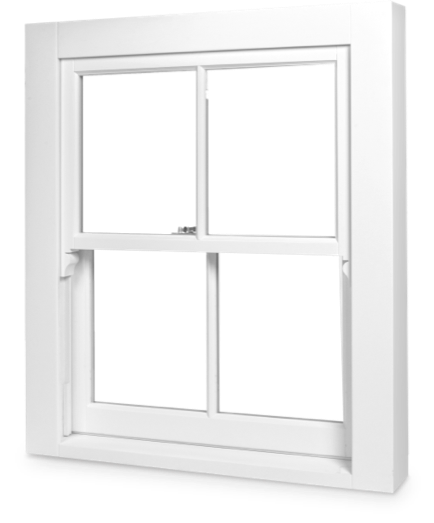
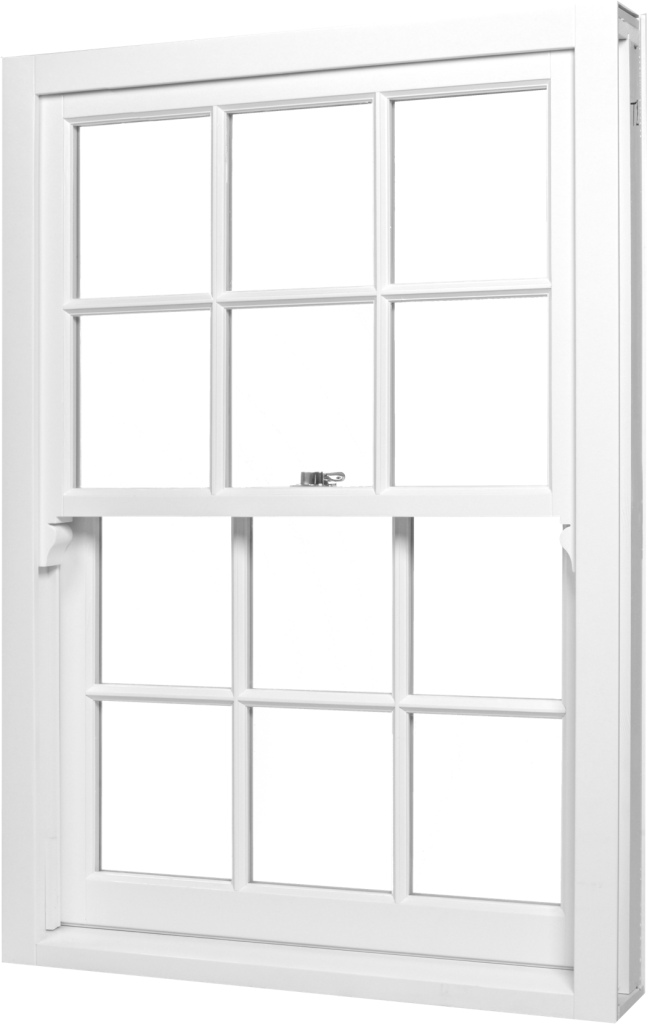
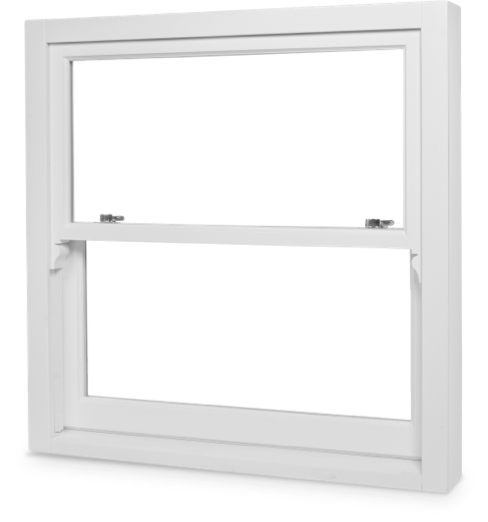
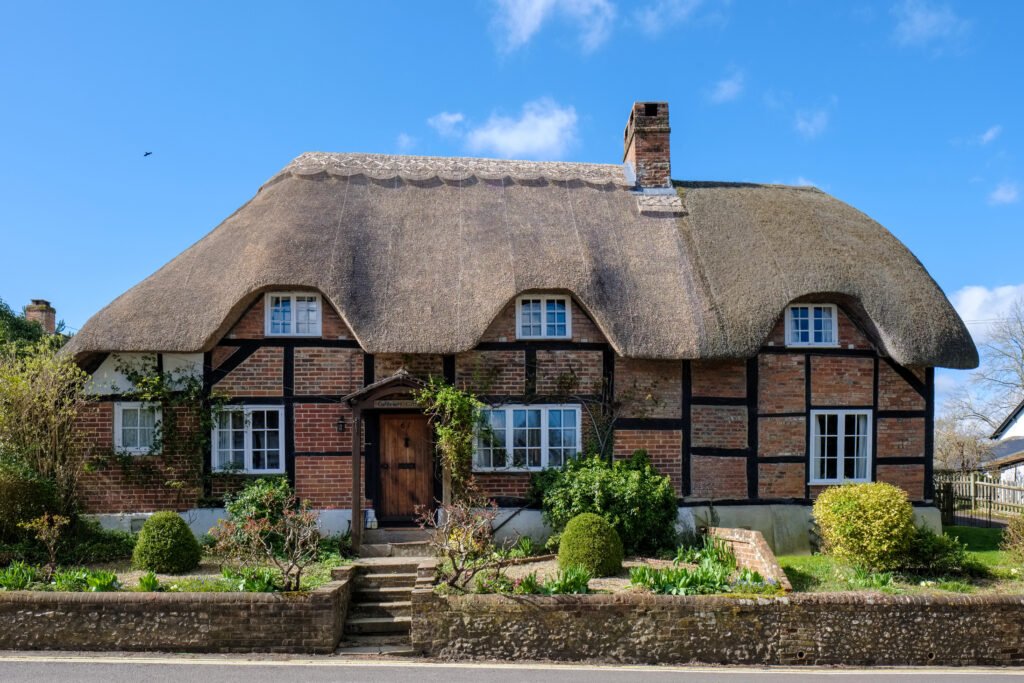
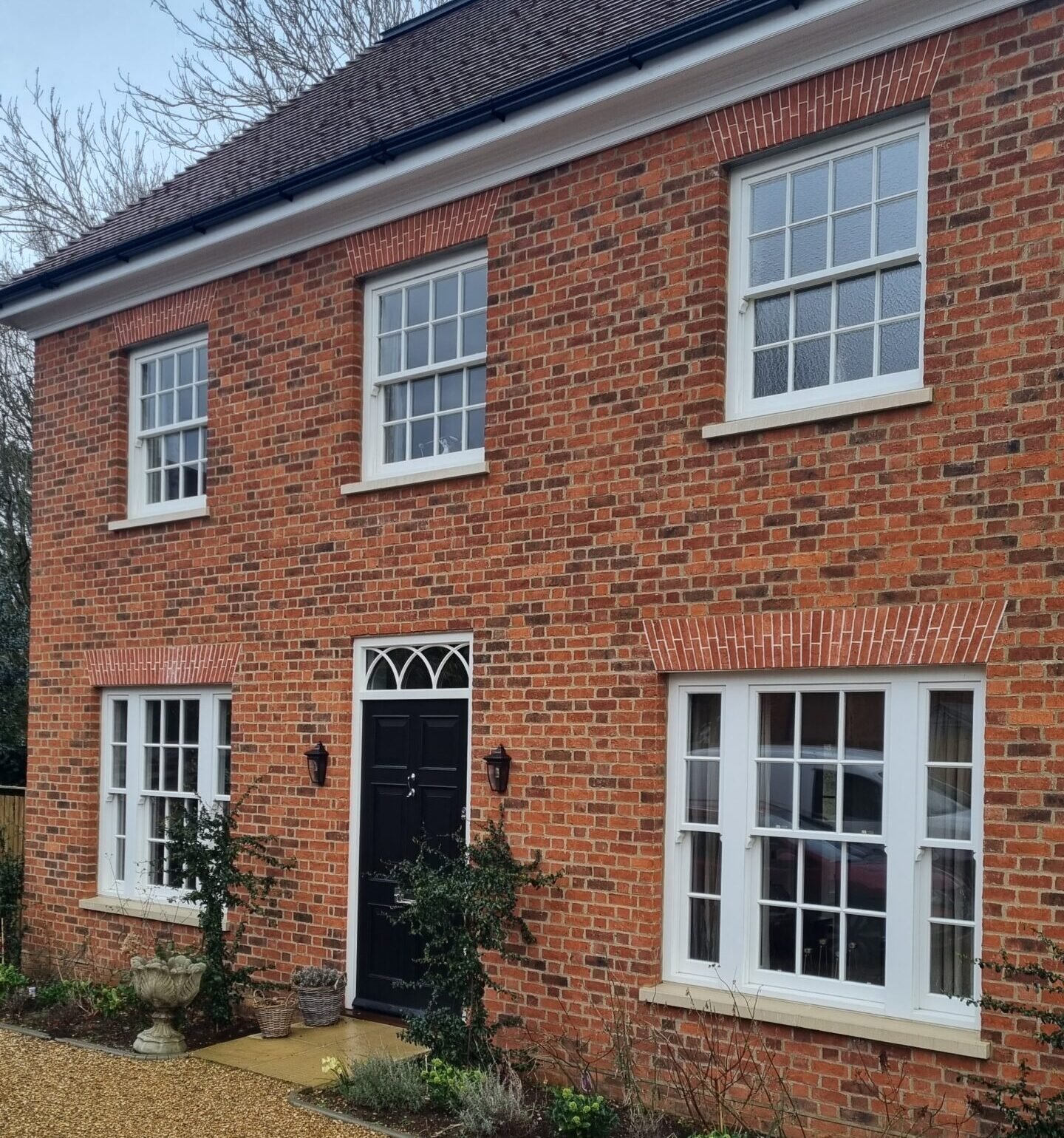
Absolutely. Laminated pine can be machined to replicate any traditional profile — from Georgian glazing bars to Victorian horns. A sash window in laminated pine is virtually indistinguishable from solid hardwood once painted. Conservation officers typically care about external appearance and materials, not internal construction methods. Many of our conservation area projects use engineered pine.
Conclusion
This isn’t a poor relation to solid wood — it’s natural wood refined through multi-layer construction. The same natural material, the same warmth and character, but with the engineering to deliver consistent, reliable performance for decades. For painted timber windows in the UK, it’s the practical choice that doesn’t compromise on quality.
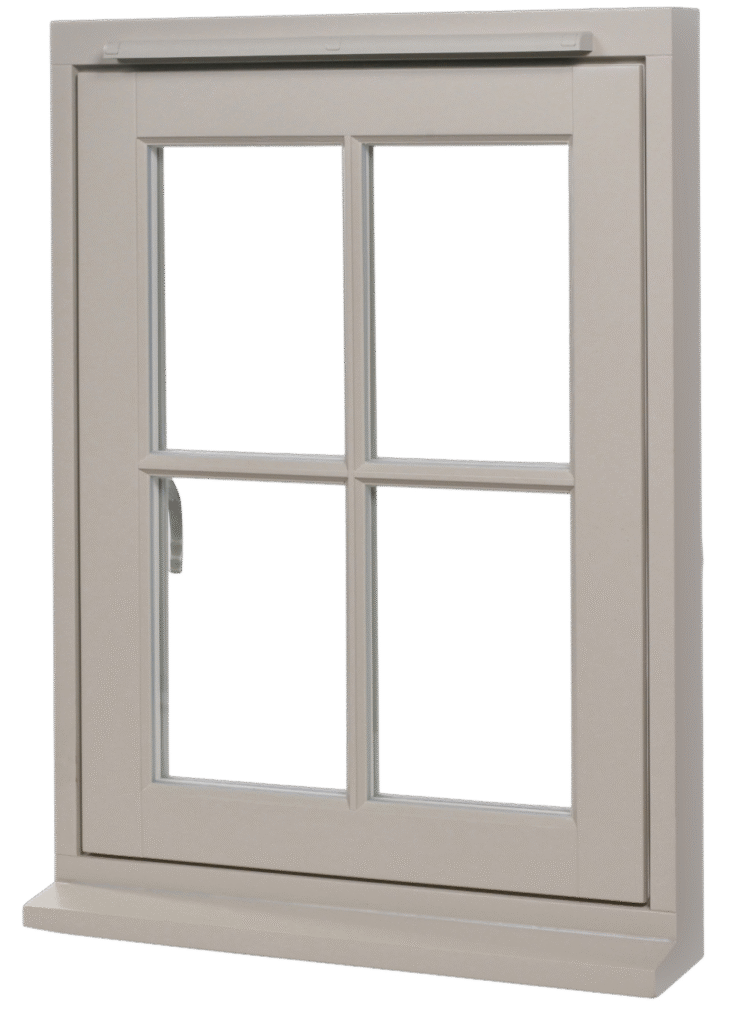
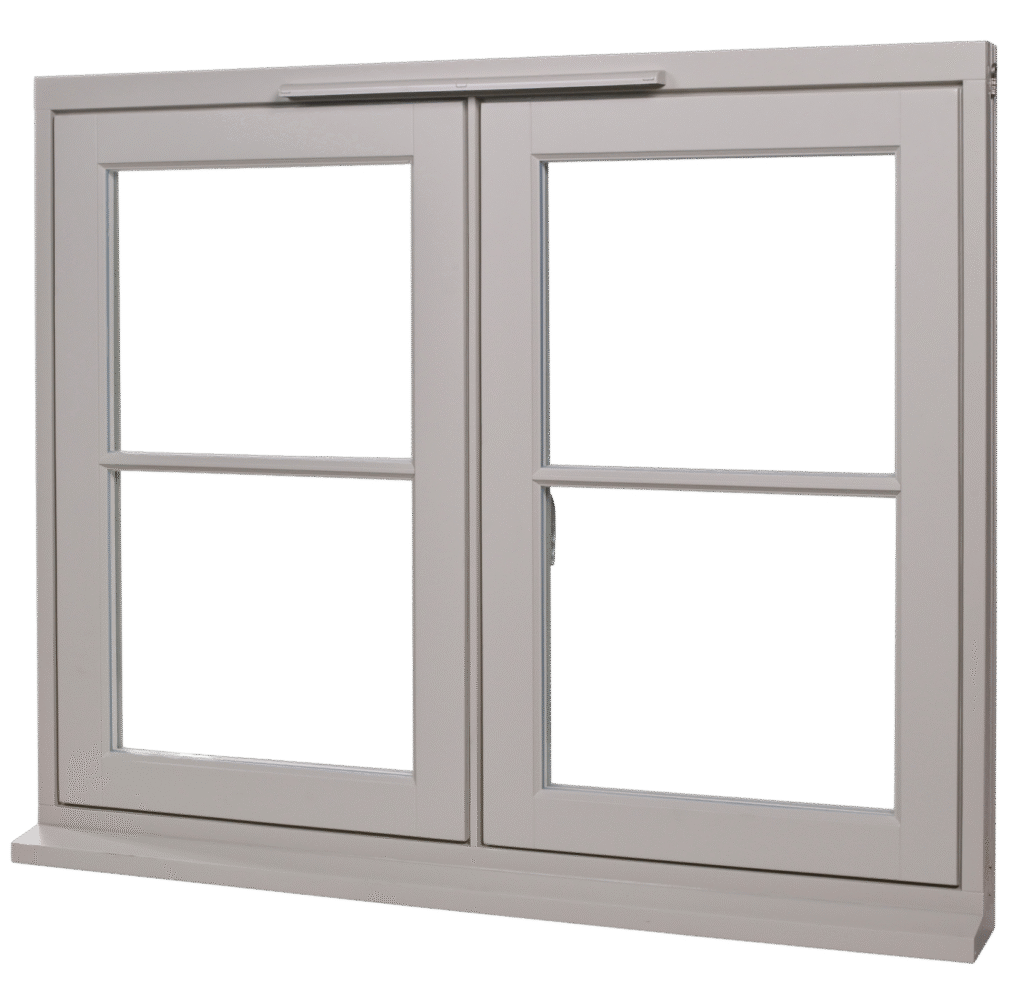
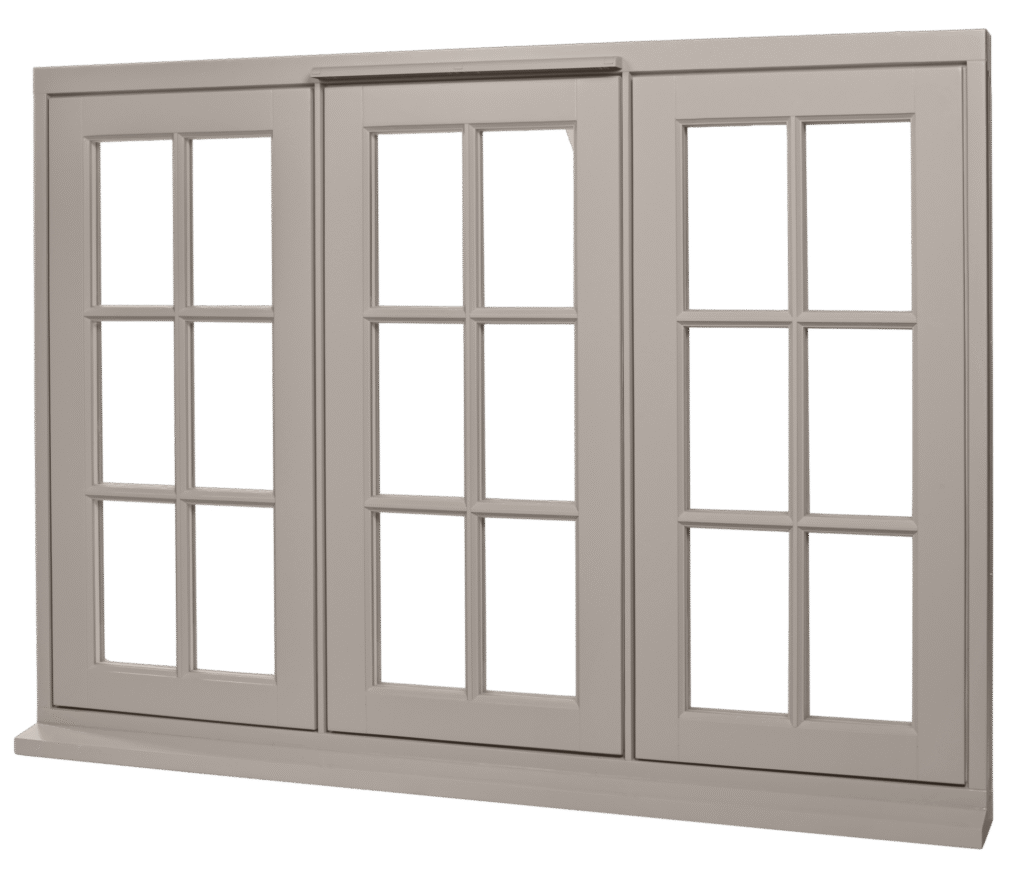
We manufacture expertly crafted windows — bespoke wooden windows made to order, with CNC-precision joinery profiles and factory-applied microporous finishes in various finishes and any RAL colour — excellent value. The flexibility in design means we can produce a range of styles: timber casement, wooden casement, flush casement, timber sash windows, wooden sash windows — all from traditional wooden profiles. Whether you need casement windows for a new build or replacement sash windows for a Victorian terrace, we’ll build them to your exact specification.
Every window is made-to-measure. Whether you need new windows for a period renovation or a new build project, request your free quote today. Professional fitting is available nationwide — we’ll have a detailed specification back to you within 48 hours.
Our Best-Selling Timber Windows: