Planning a London extension? You’re probably dreaming of that seamless indoor-outdoor flow—dramatic walls of glass flooding your new kitchen with light. Here’s the thing: it’s entirely achievable. But what many homeowners don’t realise is how much the window specification matters to getting planning approval, passing Building Control, and actually enjoying the space year-round.
What You’ll Discover in This Article
- Which timber window styles work best for modern London extensions
- How permitted development and planning rules affect your glazing choices
- Part L thermal requirements and achieving compliant U-values
- Matching extension windows to Victorian, Edwardian, and 1930s properties
- Practical strategies for maximising natural light in your new space
- Cost-effective glazing options that don’t compromise on quality
Introduction
We’ve supplied timber windows for London properties—from compact side-returns in Islington terraces to substantial rear additions in Dulwich semis. The questions are remarkably consistent: Will timber meet Part L? Can I have floor-to-ceiling glazing facing my neighbour? What style won’t look ridiculous next to my Victorian bays?
This guide tackles all of it: planning essentials (including that confusing 4-metre rule), popular window styles for 2026, and how to match new glazing to period properties without ending up with something that looks bolted-on.
Planning Requirements for London Extensions
Before you start dreaming about bi-fold doors and corner glazing, understand what London’s planning framework actually allows. In my experience, this is where projects either sail through—or get stuck for months.
Permitted Development Rights Explained
Permitted Development (PD) rights let you build certain extensions without full planning permission—but rules are stricter in London. Many Victorian and Edwardian properties sit within Article 4 Directions or conservation areas, removing PD rights entirely. Your first job? Check your property’s status on your borough council’s planning portal.
Even with PD rights, there are glazing restrictions. Upper-floor side windows must be obscure-glazed and non-opening (unless the opening section is 1.7m above floor level). This affects loft conversions significantly—those plans for a Juliet balcony might need rethinking.
The 4-Metre Rule for Rear Extensions
Under current PD rules, single-storey rear extensions on detached houses can extend up to 8 metres (4 metres for semi-detached/terraced) without full planning—provided you go through Prior Approval neighbour consultation for anything over 4 or 3 metres respectively.
Larger extensions give you more wall space for glazing, but height restrictions (4m max at eaves, 3m at boundary) limit where you can position floor-to-ceiling windows without them being cut off by the roofline.
Party Wall Agreements and Windows
If your extension sits within 3 metres of a neighbouring building, you’ll likely need a Party Wall Agreement under the Party Wall etc. Act 1996. Windows within 1 metre of a boundary often require obscure glazing, and some surveyors object to openable windows facing directly onto a neighbour’s property.
Fixed timber windows with obscure glass still count as ‘windows’ under the Act—specify them correctly from the outset. We’ve had customers swap clear-glazed orders for obscure after a surveyor’s visit. Get this confirmed early.
Building Control Notification Process
Regardless of planning requirements, your extension windows need Building Control sign-off. For thermal performance under Part L, you’ll demonstrate compliance through window energy ratings (WER) or calculated U-values. More on specific numbers in the thermal section below.
Building Control also checks structural openings, fire escape provisions (at least one openable window large enough for egress in habitable rooms), and ventilation requirements. Timber’s natural strength allows for slimmer frames and larger glass areas than uPVC equivalents.
Popular Timber Window Styles for Extensions
Extension design trends shift constantly, but the focus remains on maximising glazing while maintaining thermal efficiency. Here’s what London projects are specifying right now.
Floor-to-Ceiling Glazing Systems
The statement piece of modern extensions. Floor-to-ceiling timber windows—typically fixed panels combined with openable casements—create that seamless garden connection. In engineered hardwood frames, heights can reach 2.4m as standard; we regularly produce 2.7m units for contemporary extensions.
To be honest, the limiting factor isn’t the windows—it’s the structural opening. Your builder and structural engineer need to calculate steel requirements for spans over about 2.4m. Once sorted, timber handles large glass units beautifully, adding warmth that aluminium can’t match.
Bi-Fold Timber Doors (3-6 Panels)
Bi-folds remain incredibly popular. A 4-panel timber bi-fold in engineered oak, factory-painted in RAL 7016 Anthracite Grey, bridges contemporary style with natural materials. Typical configurations run from 3 panels (around 2.4m wide) to 6 panels (up to 4.8m), with folding options to stack left, right, or centrally.
One consideration: bi-folds need more maintenance than standard casements because of complex ironmongery. The stacking mechanism collects debris, and bottom tracks need regular cleaning. Quality timber bi-folds with microporous finishes should only need external repainting every 8-10 years—not annual attention.
Corner Windows for Maximum Light
Corner-opening glazing—where two runs of windows meet at a corner post that folds away—has become a signature of high-end London extensions. Without the corner mullion blocking sightlines, you get uninterrupted garden views and exceptional light penetration.
Structural requirements are significant (that corner needs substantial steel), and corner systems typically cost 30-40% more than standard configurations. But for extensions where the corner faces south or west, the additional natural light makes a genuine daily difference. Timber’s rigidity handles asymmetric loading better than uPVC.
Roof Lanterns and Skylights
Extensions with flat or low-pitched roofs benefit enormously from overhead glazing. Timber-framed roof lanterns and rooflights introduce light from above, transforming what could feel like a dark tunnel into a bright, airy space.
For thermal performance, roof glazing matters even more than walls—heat rises. Look for roof lanterns with U-values of 1.4 W/m²K or better. Triple glazing makes particular sense overhead, and if you’re in an area with aircraft noise (much of London), the acoustic benefits are a welcome bonus.
Matching Extension Windows to Period Properties
This is where timber earns its place. Matching new extension windows to an existing period property is difficult with any other material—uPVC proportions never look quite right, and aluminium, while excellent for contemporary designs, lacks the visual weight of original timber frames.
Victorian Terrace Considerations
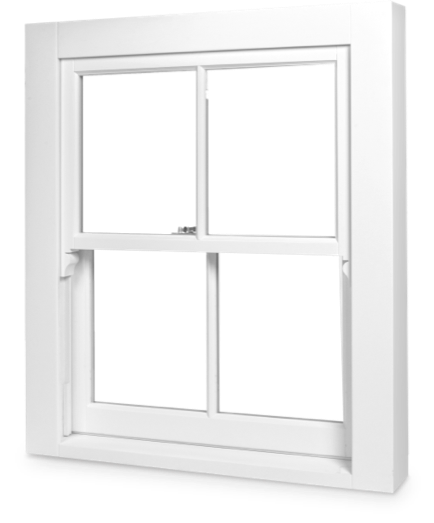
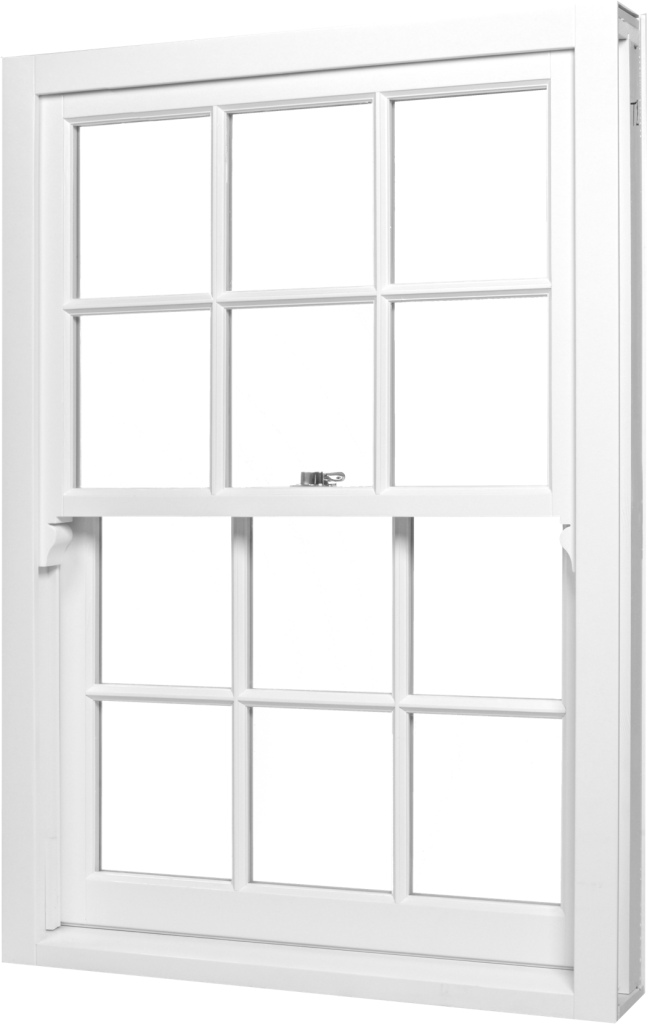
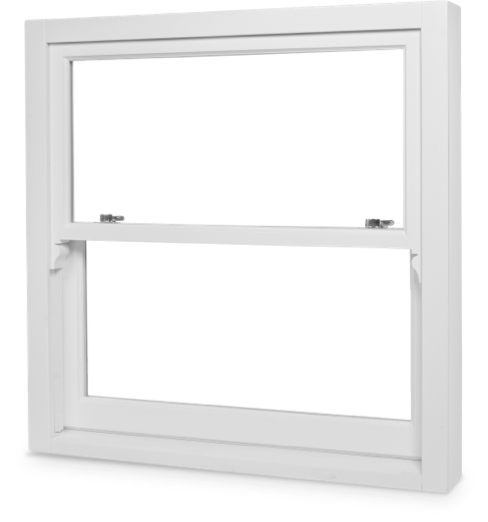
Victorian properties (roughly 1837-1901) typically feature sliding sash windows at the front—often with horns on upper sashes, and proportions following strict aesthetic rules. When extending at the rear, you have two approaches: sympathetic matching or deliberate contrast.
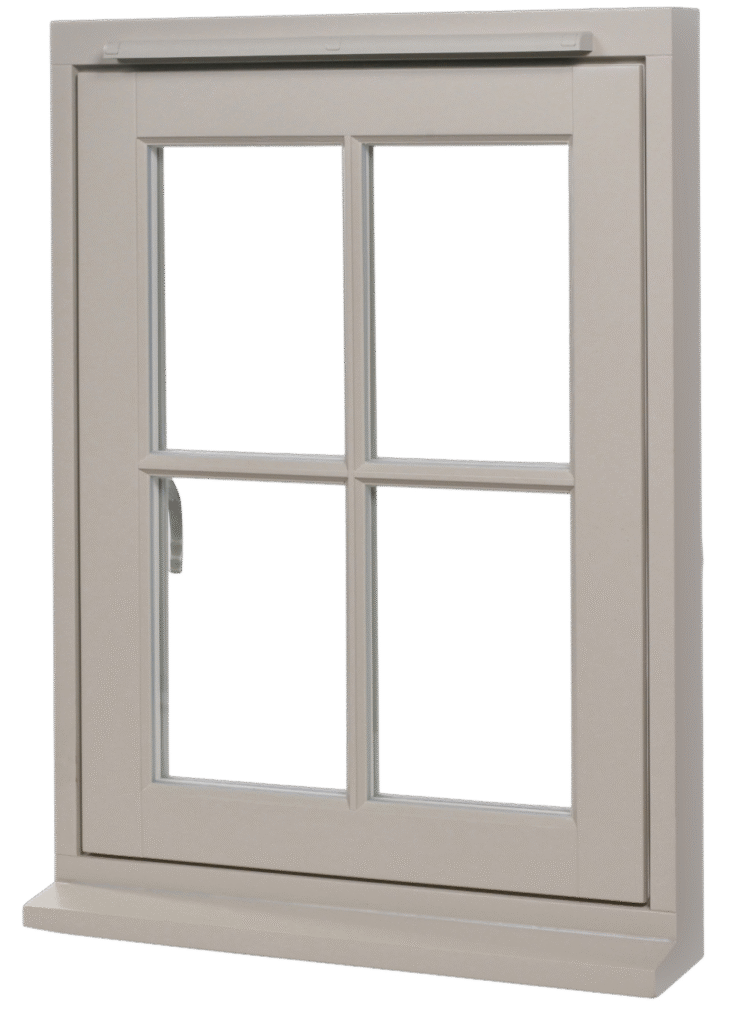
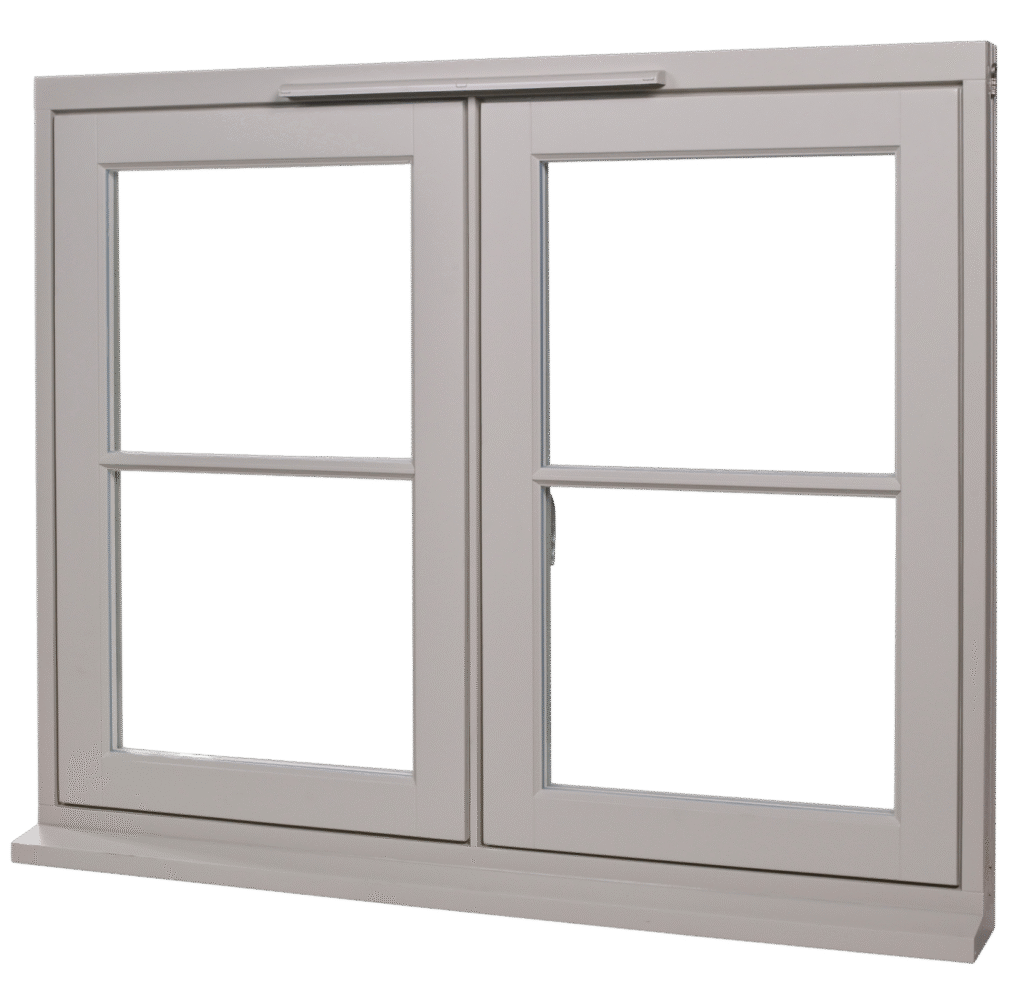
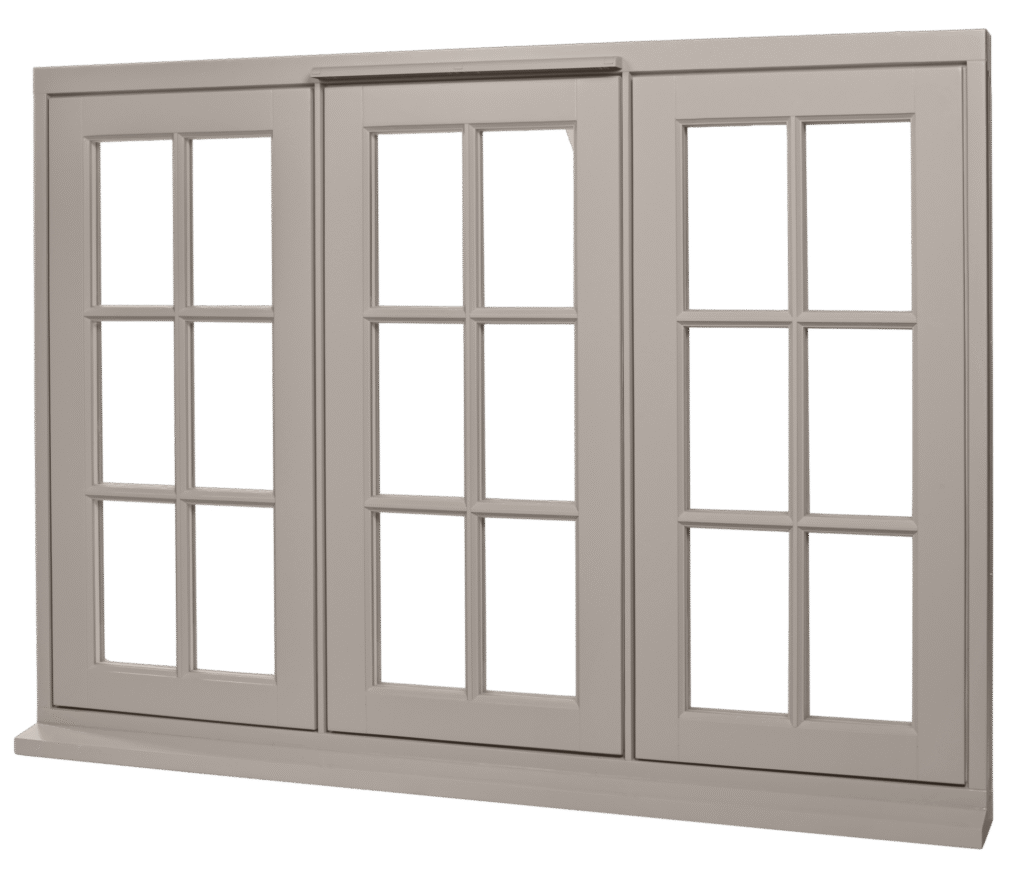
Sympathetic matching means using flush casement windows that echo original frame proportions. Victorian glazing bars were typically fine (18-20mm), and glass panes smaller than modern standards—recreating this with slim Georgian bars gives extensions an authentic feel that conservation planners appreciate.
Deliberate contrast—contemporary frameless-look glazing making no attempt to mimic the original—can work beautifully if executed well. Many architects prefer this because it reads as clearly modern rather than pastiche.
Edwardian Property Guidelines
Edwardian homes (1901-1910) often have larger individual window panes than Victorian properties, with decorative elements concentrated in the upper sash—fanlights, marginal glazing bars, art nouveau-influenced patterns. Frames are typically chunkier, and bay windows are a signature feature.
For extensions, respect those proportions. An Edwardian extension benefits from timber casements with generous frame sections (around 55-70mm face widths) and larger glass areas than Victorian equivalents. If adding a side-return, consider how new windows read next to original bays from the garden—sightlines matter more than most realise.
1930s Suburban Home Styles
The 1930s brought semi-detached suburbia to London, with curved bay windows, Crittall-style metal frames, and sunburst motifs. Extending these properties often involves navigating a mix of original metal windows (which many boroughs now protect) and replacement uPVC.
Timber extensions for 1930s homes work well with slimline profiles echoing Crittall proportions. Georgian-style timber windows factory-finished in black (RAL 9005) or dark grey complement original metalwork while offering superior thermal performance. Where Art Deco styling is prominent, curved-head windows and geometric glazing patterns tie new work to existing features.
Modern Contrast vs Sympathetic Design
Some conservation officers insist on modern extensions being visually distinct from the original; others prefer materials and styles that blend. The determining factors usually include listed status, specific conservation area guidelines, and how visible the extension will be from public viewpoints.
Timber accommodates both approaches. A frameless glass box with minimal structure makes a clear modern statement. Traditional sash windows with authentic detailing blend seamlessly with period originals. The material isn’t the constraint—your brief to the architect is.
Thermal Regulations Compliance
Building Regulations Part L sets mandatory thermal standards for all new extensions. Meeting these isn’t optional, and the 2021/2022 updates made requirements significantly more demanding.
Part L Requirements for Extensions
Under current Building Regulations (Approved Document L, 2021), the limiting U-value for windows is 1.6 W/m²K—but that’s a backstop. In practice, most extensions need windows performing at 1.4 W/m²K or better to achieve overall carbon targets for the new space.
The alternative—using SAP calculations for whole-building compliance—offers some flexibility. If walls and roof significantly exceed minimum standards, you might technically install slightly lower-performing windows. But honestly? Specifying good windows from the start is simpler and future-proofs the extension.
Achieving 1.4 U-Values or Better
Quality energy-efficient timber windows comfortably achieve 1.4 W/m²K with standard double glazing (typically 28mm units with low-E coatings and argon fill). For extensions where thermal performance is priority—north-facing rooms, or regularly heated spaces—triple glazing drops U-values to around 0.8-1.0 W/m²K.
Frame material matters significantly. Timber has thermal conductivity of around 0.13 W/mK, compared to aluminium at 160 W/mK. That’s not a typo—timber is over a thousand times better at resisting heat transfer. Even with thermal breaks, aluminium never matches timber’s inherent insulation.
Thermal Bridging Prevention
Thermal bridging—cold spots where heat escapes through building fabric—is a significant concern in extensions. Poorly detailed window reveals are common culprits. The junction between frame and structural opening needs careful insulation; otherwise, you end up with condensation and mould regardless of window quality.
Timber frames help because installers can adjust them on-site—packing, shimming, ensuring continuous insulation around the frame. Factory-finished frames arrive with accurate dimensions for minimal cold bridging. This is detail work your builder handles, but worth asking about at specification stage.
SAP Calculations Explained
SAP (Standard Assessment Procedure) is the government’s methodology for assessing dwelling energy performance. For extensions, a simplified calculation determines whether new work meets Part L carbon emission targets. Your architect or SAP assessor inputs window specifications—frame U-values, glazing U-values, solar gain factors—to model overall performance.
The solar gain factor (g-value) deserves attention. Low-E coatings reduce U-values but also reduce solar heat gain. In south-facing extensions, that’s generally good—you don’t want summer overheating. For north-facing rooms, higher g-values let in more free winter heat. We advise on appropriate specifications once we know your orientation.
Maximising Natural Light in Extensions
Glazing-to-Floor Ratios
Building Regulations set maximum glazing area for extensions: generally 25% of floor area. Beyond this, you need calculations demonstrating overall thermal performance still meets Part L.
High-performing windows push that limit considerably. With U-values of 1.4 W/m²K or better, 30-35% glazing ratios often pass SAP calculations—particularly if walls and roof exceed minimum insulation. The trade-off is cost: more glazing means more expensive windows. But for most homeowners, additional light justifies the investment.
North vs South Facing Considerations
Orientation fundamentally affects glazing strategy. South-facing extensions receive abundant direct sunlight but risk summer overheating. North-facing rooms get consistent diffused light but need larger window areas to feel bright. East-west orientations split the difference, with morning or afternoon sun creating changing atmospheres.
For south-facing extensions, consider solar-control glass, external shading, or strategically placed fixed windows above openable casements. North-facing rooms benefit from floor-to-ceiling glazing to capture every available lumen—and triple glazing to offset heat loss through all that glass.
Light Wells and Clerestory Windows
When side walls can’t accommodate substantial glazing—common in narrow side-return extensions—overhead and high-level solutions become essential. Clerestory windows (horizontal glazing strips at ceiling height) introduce light without sacrificing wall space below. They work particularly well when the extension ceiling steps up from the main house.
Light wells—glazed openings between extension and existing house—are another clever strategy. Instead of viewing the junction as a problem, architects increasingly design them as features, with timber-framed internal glazing maintaining light flow between old and new spaces.
Internal Glazed Doors and Partitions
Internal timber doors with glazed panels allow borrowed light to reach hallways and central rooms. Crittall-style internal screens have become hugely popular, dividing spaces acoustically while maintaining visual connection.
The key is thinking about light flow at design stage—once walls are built, retrofitting internal glazing is far more disruptive. A few strategically placed internal windows or glazed partitions can transform how an extension integrates with the existing house.
Frequently Asked Questions
Do timber windows meet Part L Building Regulations?
–
+
Yes—comfortably. Standard double-glazed timber achieves 1.4 W/m²K; triple glazing reaches 0.8-1.0 W/m²K. We provide U-value certificates with all orders for Building Control submission.
Can I have floor-to-ceiling windows in my London extension?
–
+
Absolutely, subject to glazing limits and structural requirements. Timber frames handle heights up to 2.7m routinely. Main considerations: steel sizing for structural openings, thermal calculations, and any planning restrictions on boundary-facing windows.
How do I match extension windows to my Victorian property?
–
+
Either sympathetically—using flush casements with slim glazing bars echoing original proportions—or through deliberate contemporary contrast. For conservation areas, check local planning guidance; some officers prefer extensions to be visually distinct.
What glazing works best for north-facing extensions?
–
+
Maximise glazing area with floor-to-ceiling windows and triple glazing to offset heat loss. Choose glass with higher g-values to capture available warmth. Light wells and clerestory windows supplement natural light from multiple angles.
How much maintenance do timber extension windows need?
–
+
With modern microporous finishes, external frames need repainting every 8-10 years. Annual checks: clear debris from drainage slots, basic hardware maintenance—typically 15 minutes per window.
Ready to Discuss Your Extension Project?
Timber windows offer something no other material matches for London extensions: flexibility to work with any architectural style, genuine thermal performance exceeding regulations, and natural warmth that makes a house feel like home.
At Wooden Windows Online, we manufacture bespoke timber windows for every application—from floor-to-ceiling glazing systems to period-appropriate sash windows. Every window is made to measure in engineered pine, meranti, or oak, with factory-applied microporous finishes. Supply-only, nationwide delivery, with detailed quotes that help your builder plan accurately.
Whether you need flush casements for a Victorian extension, bi-folds for garden access, or minimalist profiles for a contemporary project, we can help. Our team understands period detailing, conservation requirements, and current performance standards.
Request your free quote today—we’ll discuss your extension plans, advise on specifications for Part L compliance, and provide a no-obligation quote tailored to your project.
Our Best-Selling Timber Windows: