The hardware pieces are the detail that separates a good window from a great one. The frame does the structural work; the glass does the thermal work. But the handles, stays and locks? Those are what you’ll touch every day.
Get it right and a sash feels substantial, operates smoothly, and looks authentic. Get it wrong and even the best-made frame feels cheap. This matters especially for period properties, where wrong choices undermine years of careful restoration work.
At Wooden Windows Online, we’ve specified pieces for every window we build. Here’s what you’ll need to know.
What You’ll Discover in This Article
- What each component of hardware actually does
- Period-appropriate pieces for Georgian, Victorian and Edwardian homes
- How to specify fittings meeting PAS 24 standards
- Which coating suits which style, and how each ages
- The real cost difference between budget and heritage-grade options
Handles, Fasteners and Fittings
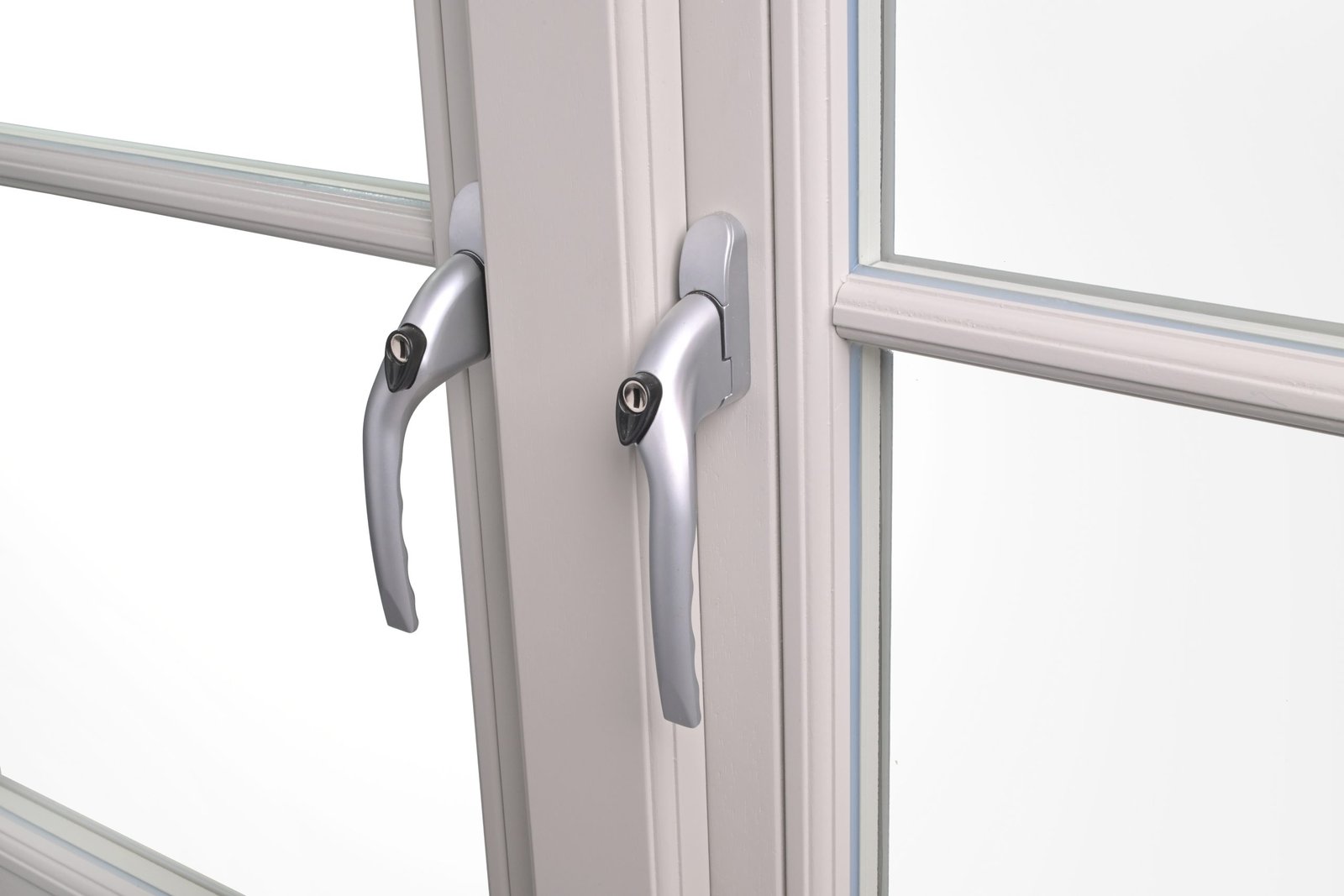
The casement handle is the most common piece in UK homes. They feature key mechanisms. Two categories: espagnolette types operate multi-point mechanisms running the full height of the sash; cockspur fasteners pivot to engage a striker on the outer frame.
Period properties use monkey tail styles and pear drop shapes match the original. A modern lever on a Georgian sash looks as wrong as plastic frames on the same house.
Sash Window Hardware
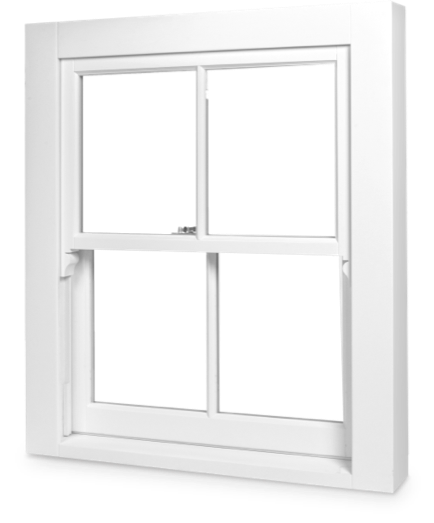
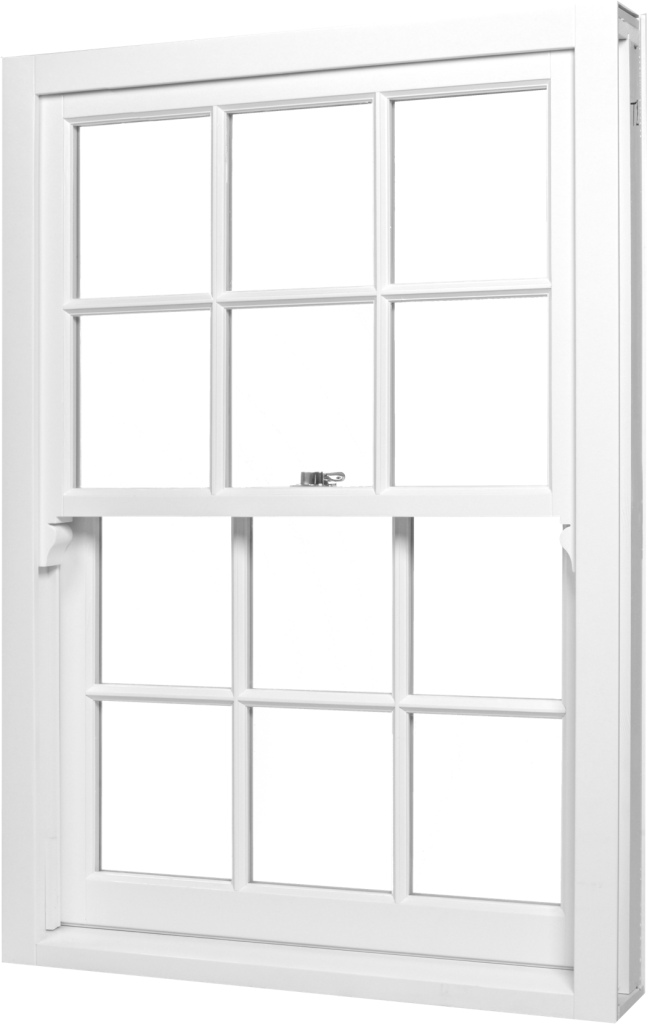
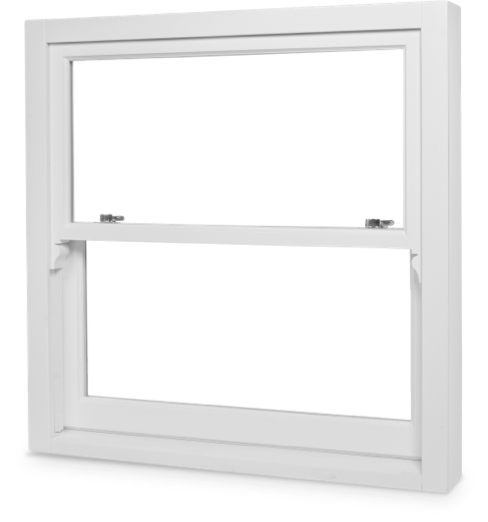
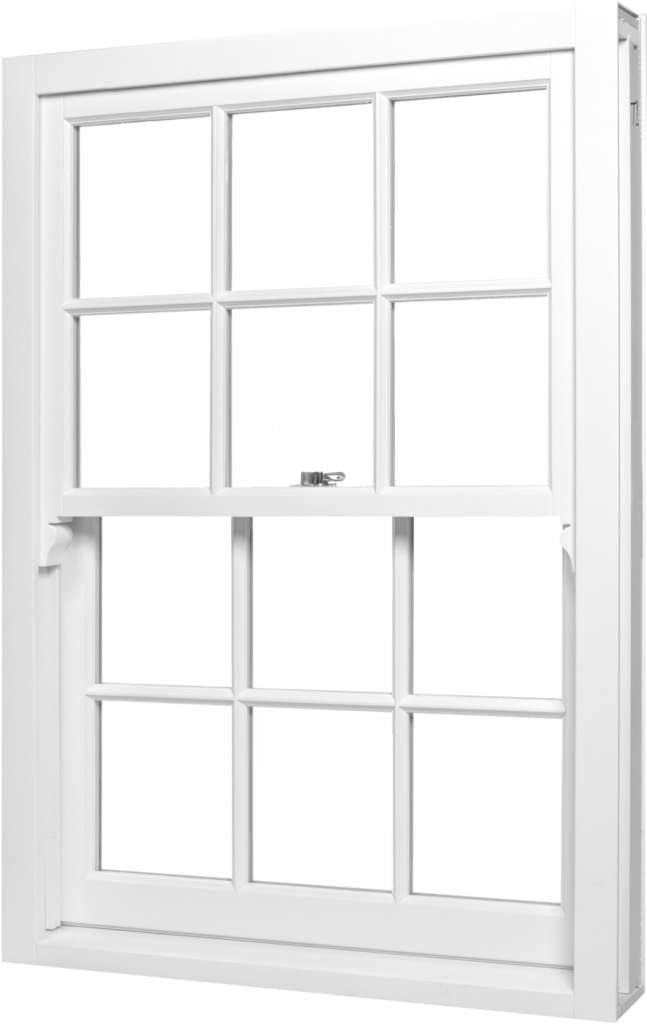
Vertical sliding sashes use different hardware. The lift (a small brass pull on the bottom rail) raises the lower sash. The meeting rail catch holds both together when closed. Stops (small screw-in pegs) prevent opening beyond a safe limit for cleaning or child safety. Larger units may also have D-shaped pulls on the upper pane.
Reproduction window handles cost more (typically £30-80 versus £15-30 for newer equivalents) but deliver the right look. Getting the details right matters for heritage work — our full range of window hardware and ironmongery covers every era. This selection applies across doors and windows: door handles and related fittings work best. Door hardware and door furniture selection throughout the property when pieces match throughout a property.
Casement Window Hardware: Stays and Restrictors
Friction mechanisms hold a casement open at any angle. They replace old-style butt hinge arrangements on most new units, combining hinge function with hold position in one mechanism. The critical specification is load rating: 15-25kg for small units, 30-50kg for larger ones. Undersized stays sag over time and pull the opening out of square.
Easy-clean versions allow it to open to 90 degrees and shift sideways, giving access to clean the outside pane from inside. Essential for upper-floor positions where external cleaning is difficult.
Traditional Stays and Fasteners
Heritage uses peg or quadrant versions, visible metal bars holding the sash at set notches. A peg version costs £20-40, a quadrant £30-60. Both come in options matching the rest.
Building Regulations require restrictors on upper floors to prevent falls. A restrictor limits opening to 100mm, enough for ventilation, too narrow for a child to fall through. Most friction mechanisms include integral restrictors; older pieces need add-on versions.
Security Systems
Enhanced-protection windows use multi-point mechanisms, typically 2-4 points driven by a central gearbox from one turn. These distribute locking force along the edge, making it significantly harder to force open.
Multi-point is standard on newer models and required for PAS 24 compliance, the British standard for enhanced performance. PAS 24 tests the complete system.
Sash Window Locks
Sliding sashes can also be retrofitted with discrete locks. Dual screws (small brass bolts) and hook latches through both meeting rails, lock both panels together and release only with the correct key. Higher protection uses acorn locks or keyed cam mechanisms in the meeting rail while maintaining the original look.
This Secured by Design police certification scheme. It may include PAS 24 testing plus additional criteria. New-build compliance requires checking which standard your local authority demands. Both address installation as well as product performance.
Finishes Available
Choice depends on property character and existing door pieces. The main options compared:
| Finish | Appearance | Ageing | Best For |
|---|---|---|---|
| Polished brass | Bright gold | Patinates darker | Georgian, Victorian |
| Antique brass | Aged gold-brown | Retains colour | Victorian, Edwardian |
| Polished chrome | Bright silver | Stable, easy to clean | Contemporary |
| Satin chrome | Matte silver | Hides fingerprints | Minimalist modern |
| Black antique | Dark matte | Stable | Arts & Crafts, cottages |
| Aged bronze | Dark brown | Develops patina | Heritage, rustic |
| Polished nickel | Warm silver | Slight yellowing | Edwardian, classic |
Solid brass or solid bronze costs more than coated equivalents but lasts decades longer. Plated coatings wear through with daily handling; solid materials simply develop patina. Quality pieces last 50+ years, so, solid versions are worth the investment. Longevity and durability justify the initial cost difference.
Matching Hardware by Period
Georgian (1714-1830)
Georgian properties used simple pieces (basic cockspur fasteners, plain lifts, minimal decoration. Finishes were typically dark-painted metal or brass on higher-status buildings. The principle: functional and understated, not decorative.
Georgian restorations today typically use brass sash lifts and catches with matching sash stops. Avoid heavy Victorian-era pieces; proportions in the earlier period were more delicate.
Victorian (1837-1901)
Victorian hardware introduced decoration. Ornate casement fasteners with detailed backs. Pear-drop lifts. Elaborate monkey tail types on larger units. A typical Victorian sash restoration uses brass lifts (two per panel), brass rail catch with keyed latch, brass stops, and D-handles on the upper sash.
Edwardian (1901-1914)
Edwardian pieces bridge Victorian ornament and 20th-century simplification: decorative but cleaner. This coating became fashionable. Arts and Crafts introduced hammered metalwork, often anvil-forged, on some properties. Aged brass or polished nickel on simpler cockspur shapes suit the period.
Contemporary
Newer properties work with any approach, though clean-lined satin chrome or black antique suits current architecture best. Heavy period pieces on a minimalist extension look deliberately mismatched; understated choices let the wood and glass speak. This applies equally to upvc and aluminium units, though the range available for timber homes is typically broader — it’s one of its key advantages.
Case Study: Georgian Townhouse, Bath
We recently supplied period hardware for a Georgian townhouse restoration in Bath, 18 openings across four floors. The specification: solid brass throughout, with cast brass sash lifts, brass meeting rail catches with keyed locking, and brass sash stops on each. The client added polished brass D-shaped pulls on the upper panels of the first-floor drawing room, an authentic Georgian detail often omitted in budget restorations.
Total hardware cost: approximately £2,400. That works out at around £130 per window for a full set of period-correct pieces. When each window itself costs £1,200-1,500, the hardware represents roughly 10% of total spend: a small fraction of what’s probably the most tactile detail of the finished work.
Frequently Asked Questions
What fittings do I need?
–
+
You’ll typically need: one handle (multi-point lever or cockspur), one friction stay with integral restrictor, and a striker plate on the outer frame. For greater protection, specify a multi-point mechanism system. Most comes pre-installed from the manufacturer.
How do I choose the right finish?
–
+
Match other hardware on doors in the property. If door knobs are polished brass, pieces in the same finish create consistency. For period homes, choose historically appropriate materials: brass for Victorian, plain metal for Georgian, nickel or antique brass for Edwardian.
What’s the difference between PAS 24 and Secured by Design?
–
+
PAS 24 is a British testing standard for enhanced-performance units. Secured by Design is certification scheme. Many these also meet PAS 24, but the two aren’t identical. Check which your local authority requires for compliance.
What’s the cost?
–
+
You’ll pay £30-80 per unit for a new timber casement for a full set in brass or chrome. Heritage-grade solid brass or bronze: £80-150 per unit. Multi-point adds £40-60 per unit on top of the base cost.
Conclusion
Good window ironmongery is the detail nobody notices when it’s right, but everybody notices when it’s wrong. Spend the time to specify hardware that suits the property, operate smoothly, and provide appropriate safety. Quality timber windows hardware lasts as long as the wood itself, 50+ years with basic maintenance. Budget hardware fails within 10-15 years.
Cost is typically 5-10% of the total price but disproportionately affects how the finished product looks and feels. Heritage projects are worth paying more to get details right. On a newer build, focus on specification and matching consistency across your property.
At Wooden Windows Online, each order comes with hardware specified for its style and position. Period pieces get era-appropriate hardware; they don’t look right otherwise. Newer windows get current specifications. The installation is clean, and the results last decades.
Request your free quote today and we’ll spec the right hardware for every opening in your project.
Our Best-Selling Timber Windows: