Keeping a sash window secure comes down to three things: a strong catch on the meeting rails, a pair of sash stops, and the right glass on any window a burglar can reach. Add a restrictor where children sleep, and a wooden sash is as safe as any other window. Leave the original catch and old float glass in place, and it isn’t.
We make box sash windows every week, and the security question usually comes from someone who has just bought a period house. The sashes rattle, the brass catch turns with a finger, and the homeowner wonders whether timber was ever a sensible choice. It was. The weak points of a sliding sash are well known, and each one has a simple answer. This guide covers the sash details. Our wider guide to security for timber windows covers frames, PAS 24 and Building Regulations in general.
Double glazed as standard
Laminated glass available
Made to measure
From £449 + VAT
Around 20 working days
In this guide
What You’ll Discover in This Article
- Where a sash is weakest, and why
- The main sash window locks and what each one does
- How restrictors and stops let you ventilate safely
- What fire escape rules mean for upstairs windows
- What to choose for each floor of the house
01 · Weak points
Where Is a Sash Window Vulnerable?
Burglars look for the quickest way in, and forced entry through a sash usually starts in one of three places.
The Meeting Rails
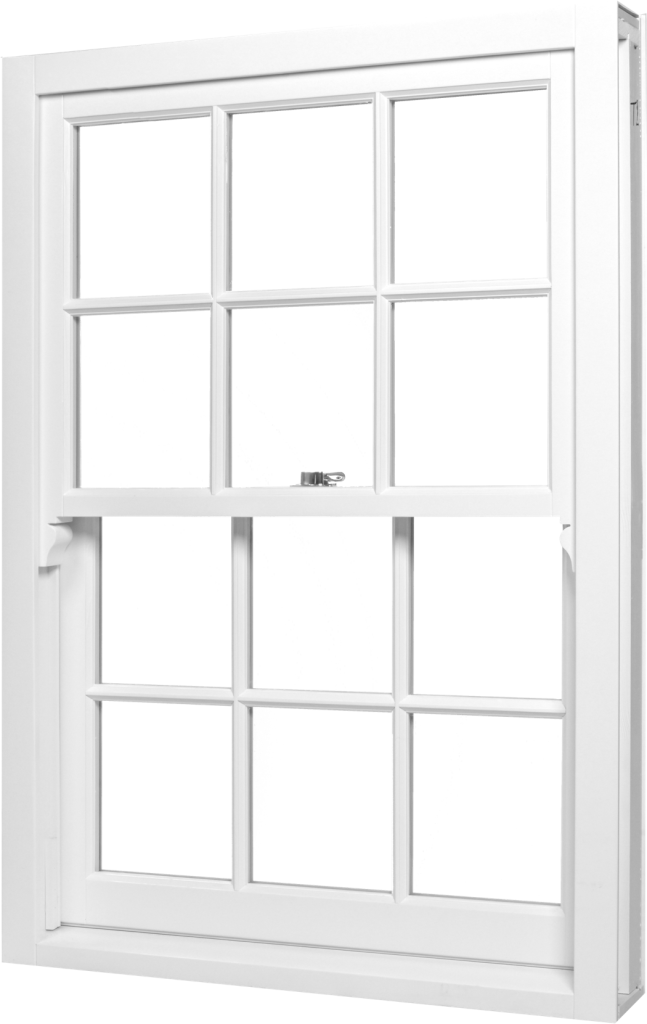
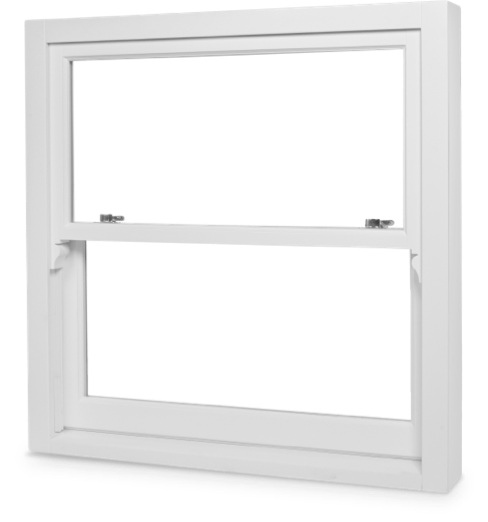
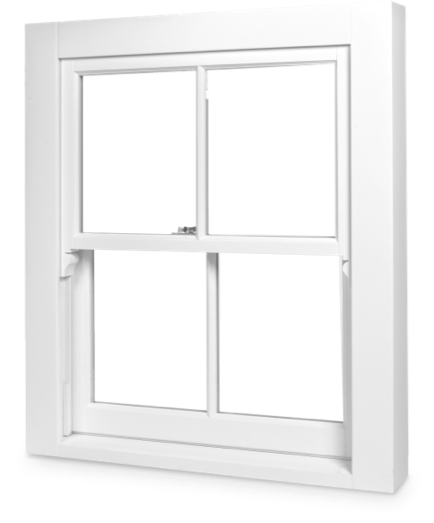
The meeting rails are where the upper and lower sashes overlap in the middle. Unlike a casement, a sash has no multi-point lock, so this is where the work goes. If the catch there is loose, missing or a simple cam that can be slipped with a knife, the bottom sash can be pushed up from outside. It’s the most common weak point on a traditional sash by far.
A Loose Fit
Older timber shrinks and wears. When there’s a gap between the sash and the frame, a bar can get behind the bead and lever it out. New sashes made to the frame fit snugly, so this is mainly a problem with older windows.
Large Panes of Float Glass
A single pane of ordinary glass breaks quietly and leaves a hole big enough to reach the catch. That matters most on ground-floor windows and those next to flat roofs or drainpipes.

02 · Locks
Types of Sash Window Locks
There’s no single lock that does everything. A good level of security comes from two or three devices working together, and there are more locks available than most people realise.
Sash Window Fasteners
The catch on the meeting rails pulls them together and stops either one moving, preventing the window from being opened from outside. A Fitch fastener uses a hooked arm that draws the rails tight; the Brighton pattern uses a screw action. Both are stronger than a basic cam, and both come in key-locking versions, so a broken pane doesn’t give access to the catch. Matched to the rest of the sash window furniture, they keep the traditional appearance of the window. Good security features don’t have to look modern.

Sash Stops
A sash stop is a small bolt fixed to a vertical sliding sash window frame that limits how far the sash can open. Set at around 100mm, it lets you leave an open sash window for ventilation without leaving a gap anyone can climb through. Locking versions require a key to release, so they can’t be pulled back from outside.
Dual Screws
A dual screw passes through both meeting rails and locks the two sashes together. It can’t be opened from outside, but you’ll need the key every time, so it suits windows that are rarely used.
Weights or Springs: Does It Matter?
No. Sashes on weights and sashes on hidden spring balances use the same meeting rails, catches and stops, so they offer the same security. On weighted sashes, the weights are matched to each glazed sash, which keeps it steady wherever it’s left. Spring balances suit shallow reveals and a modern sash in a new building.
03 · Restrictors
Sash Window Restrictors and Child Safety
Security isn’t only about keeping people out. Upstairs, security and safety go together, and it’s also about keeping children in.
How a Window Restrictor Works
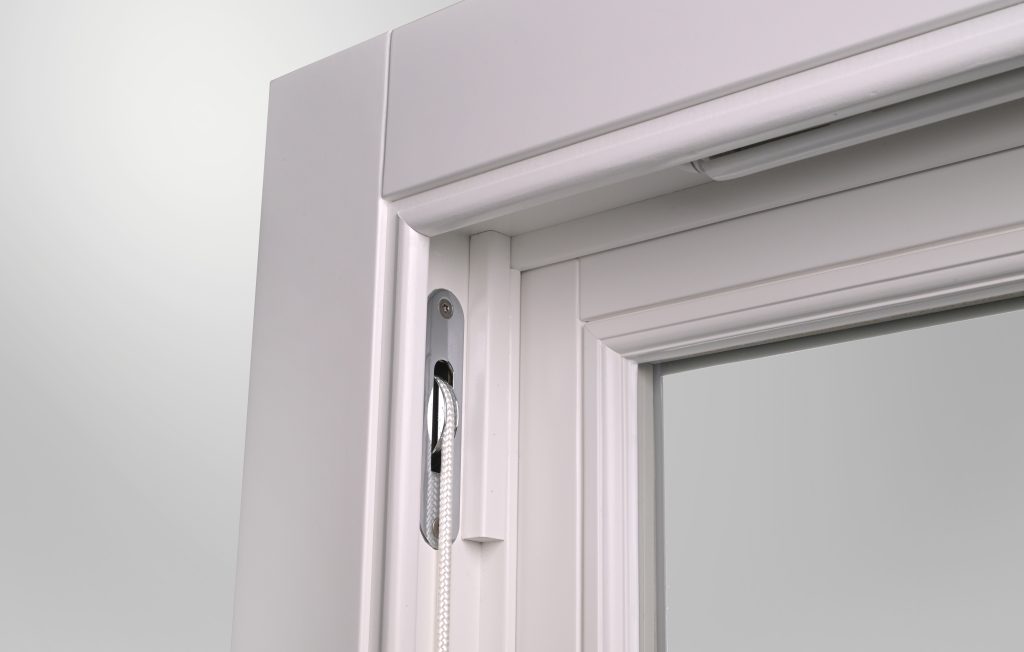
A window restrictor limits the opening to a hand’s width, then releases with a key or a button so the sash can open fully. On a sash, a restrictor can be a cable fixed between sash and frame, or a locking stop that does the same job. Either way, the window opening stays small enough for child safety while letting fresh air in.
Where to Use a Sash Window Restrictor
Use one on any upstairs window a child could reach, particularly where there’s a bed or chest underneath. We’d put the restrictor on the bottom half and a simple stop on the top sash, so you can still air the room from above. Depending on the size of the window, one restrictor or two may be needed. Restrictors are cheap, and your installer can add them when the windows go in.

04 · Fire escape
Fire Egress: Security Without Blocking Escape
Locks and restrictors must never stop you getting out in a fire. That’s where window safety and security meet.
Part B and Means of Escape
Approved Document B sets out when an upstairs window must work as an escape route, and a compliant window keeps that route open. As a rough guide, an escape window needs a clear opening of at least 0.33 m², at least 450 mm wide and high, with the bottom of the opening no more than 1,100 mm above the floor. If the window you’re replacing was an escape window, the new one shouldn’t make escape any harder.
Keys and Restrictors on Escape Windows
On an escape window, use a restrictor that releases without a key, or keep the key next to the window where everyone knows it is. It’s the only place where a key-locking device can make a home less safe, so plan it before you order.
05 · Glass
Does the Glass Make a Difference?
Yes. On a sash, the glass is often the easiest way to reach the catch.
Laminated Glass
Laminated glass has a plastic interlayer between two sheets. When it’s hit, it cracks but stays in the frame, so there’s no hole to reach through. It’s what we’d recommend for downstairs windows and any window next to a flat roof.

Toughened Glass
Toughened glass is about five times stronger than ordinary float glass, but once it breaks it shatters into small pieces and falls out. It’s a safety glass, not a security glass.
Double Glazing
Our sashes are double glazed as standard, which already means two panes to get through. Making the inner pane laminated adds a layer of security without changing the window design. The bars on a Georgian six over six sash make little difference; the glass matters more than the number of panes.
06 · Checklist
A Security Checklist for Every Floor
Not every window needs the same protection. This is the specification we’d suggest for a typical townhouse.
| Window position | Meeting rail catch | Stops or restrictor | Glass |
|---|---|---|---|
| Downstairs, street side | Key-locking Fitch or Brighton | Pair of locking stops | Laminated inner pane |
| Downstairs, garden side | Key-locking catch | Pair of locking stops | Laminated inner pane |
| Next to a flat roof or drainpipe | Key-locking catch | Pair of locking stops | Laminated inner pane |
| Upper floor, child’s bedroom | Standard catch | Restrictor on the bottom half | Standard double glazed |
| Upper floor, escape window | Standard catch | Restrictor with a push-button release | Standard double glazed |
Check your insurance policy before you order, because some insurers specify key-operated locks on all accessible windows. If you want independently tested hardware, look for products approved under Secured by Design, the police-backed scheme, and products that meet minimum security standards such as PAS 24.
07 · Old windows
Original Sash Windows: Upgrade or Replace?
Most period properties can be made safer and more secure without losing their character, and as secure as possible on the windows that matter.
Security Upgrades for an Old Sash
If the original sash is sound, new catches and stops are cheap security measures, as long as the timber they screw into is solid. A joiner or sash specialist can add them in an hour or two, and it’s often the best way to use a sash window lock without compromising security or looks.
When to Replace Your Sash Windows
If the meeting rails are soft, the sashes rattle in the frame or the bottom rails have been patched, new hardware won’t hold. That’s when replacement makes sense. We make new ones to size; we don’t repair old ones, so for repairs you’ll need a local specialist. Before installing sash windows, your fitter should check that each sash opens fully for escape where it needs to.
Listed Buildings and Conservation Areas
Visible ironmongery can be part of a listed window’s character, so changing it may need consent. For an unlisted house, even on a protected street, the rules are usually lighter, but the aesthetic of your home still matters to the planners. Traditional brass catches and discreet stops suit heritage homes and are the easiest to get approved. If you’re replacing listed windows, our listed building window service explains how we prepare drawings for consent.

Frequently Asked Questions
Are wooden sash windows secure?
–
+
Yes, with a key-locking catch on the meeting rails, locking stops and laminated glass on any window that can be reached.
What is the most secure sash lock?
–
+
A key-locking Fitch or Brighton catch combined with locking stops. Dual screws are very secure but slower to use.
What does a window stop do?
–
+
A small bolt fixed to the frame that limits how far the sash opens, so you can ventilate without leaving a climbable gap.
Can I have restrictors on an escape window?
–
+
Yes, if they open with a push button, or the key is kept by the window.
Do you fit the sash windows?
–
+
No. We make sash windows to size and deliver them across the UK. Your joiner, builder or a FENSA-registered installer fits them.
Summary
Conclusion: Secure the Meeting Rails First
Most break-ins through a sash start at the meeting rails or the glass, so selecting the right sash window hardware matters more than the frame itself. A key-locking catch, a pair of locking stops and a laminated inner pane deal with both, and restrictors upstairs keep children safe. Our sash windows on weights start from £449 + VAT, double glazed as standard, and we’ll specify the ironmongery to suit your insurer.
Ask us for a quote with your sizes and a few photographs, and tell us which windows can be reached from outside.
Our Best-Selling Timber Windows: