Most guides to home decor styles talk about sofas, rugs and paint, and most decorating ideas stop at the furniture. Windows rarely get a mention, yet they’re the one fixture every room has, and they set the proportions, the light and much of the character of a space. Get the windows right and the rest of the scheme has something to work with.
We make bespoke timber windows and doors, so we see a lot of interior schemes from the outside in. Clients send us mood boards, paint charts and photos of rooms they love, and our job is to make windows that belong in them. This guide is a list of design styles seen through that lens. It won’t tell you which coffee table to buy. It will tell you what the windows should look like.
Sash and casement
Any RAL colour
Pine, meranti or oak
Made to measure
Around 20 working days
In this guide
What You’ll Discover in This Article
- What defines an interior design style, and the key design elements that matter most
- The 10 most popular interior design styles, from traditional to Japandi
- Which window types, glazing bars and finishes suit each look
- How to choose frame colours and timber finishes for your scheme
- How to find your own interior style when you like more than one
01 · The basics
What Is an Interior Design Style?
There are many types of interior design, but every interior design style is a set of choices that work together: colour, texture, furniture shapes, materials and the way a room is lit. Some styles come from a historical design period, such as Georgian or Victorian. Others, like Japandi, grew from a way of living.
Key Design Elements
Every style is built from the same ingredients: a colour palette, natural materials like wood, stone and wool, the shape of the furniture and how much decoration you allow. Natural light ties them together. A pale, uncluttered room needs plenty of it, while a dark, decorative one can take less.
Why Windows Shape the Look
Windows decide how light falls, what you see and how a wall is divided. Slim glazing bars and tall proportions read as period. Large single panes and flush frames give a modern style. The aesthetics of a room start here. The frame colour then either blends with the walls or frames the view like a picture.
02 · Traditional
Traditional and Period Interior Design Styles
Traditional design draws on British houses built between about 1714 and 1910. It’s ordered, symmetrical and comfortable rather than showy.
Georgian and Regency
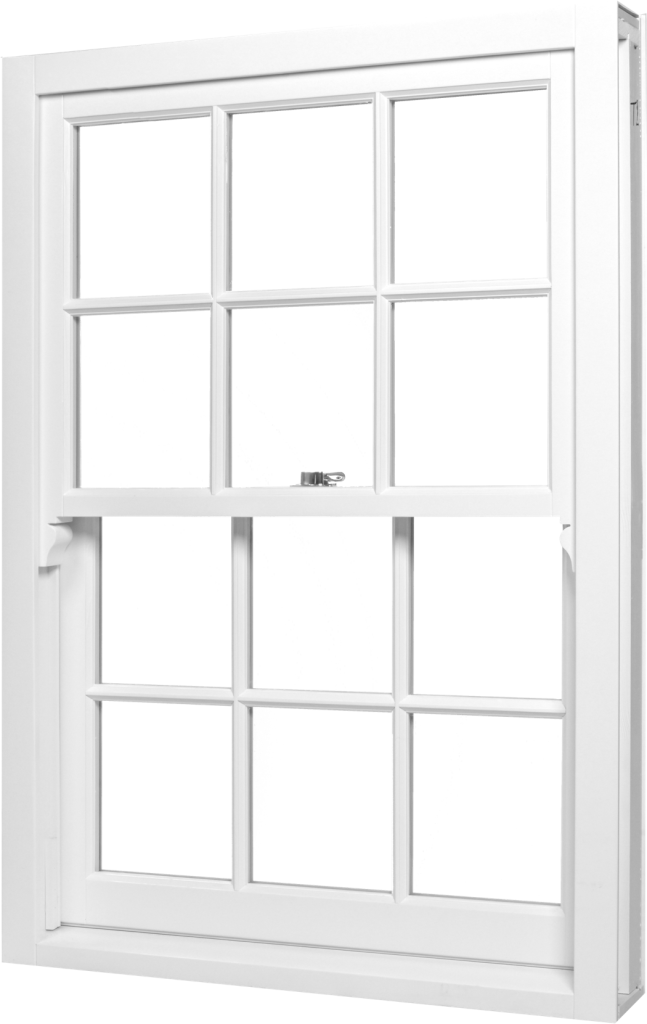
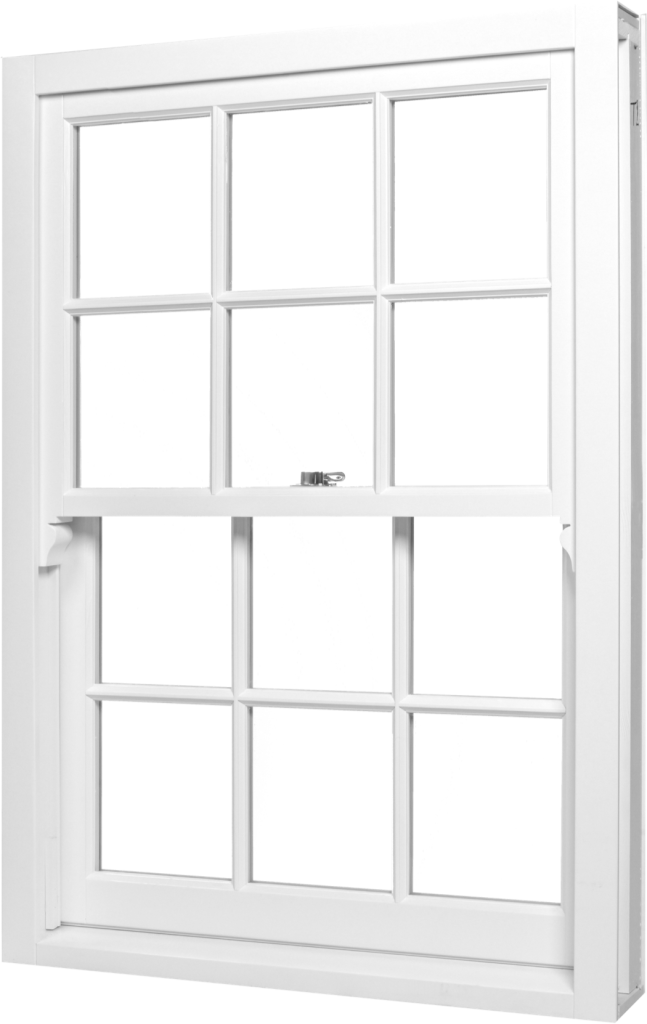
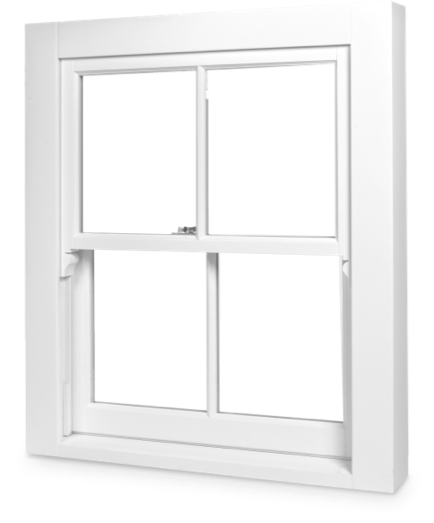
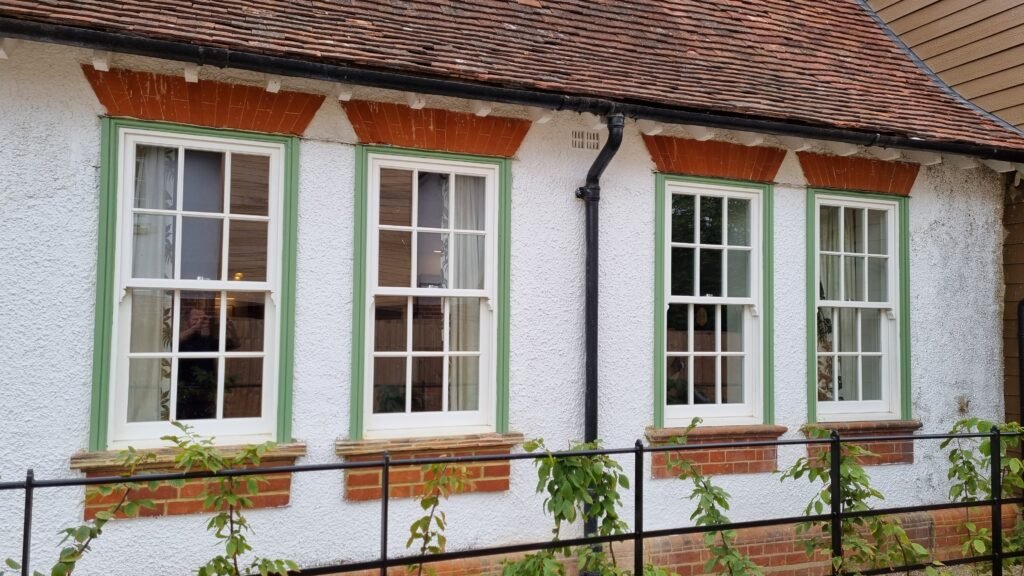
Georgian rooms are about proportion: tall ceilings, panelled walls and sash windows divided into small panes, usually six over six. Off-white, stone and soft grey suit the frames. Our Georgian windows page shows the glazing patterns we make for these houses.

Victorian and Edwardian
After the 1850s, larger panes of glass became affordable, so Victorian sashes moved to two over two and then one over one. Edwardian houses brought back small panes in the upper sash, often with a single large pane below. These rooms take richer colours, darker timber and more ornament.
Traditional Interior Design Today
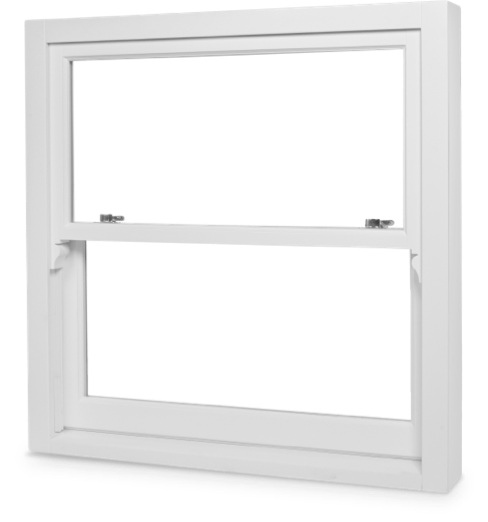
A modern take on the traditional interior keeps the period windows and mouldings but lightens the furniture and walls. It’s the most common style we see in London terraces. Box sash windows on weights give the right look and the right sound when you open them.
03 · Country
Rustic, Modern Farmhouse and Country Styles
These styles lean on natural materials, texture and things that look made by hand.
Rustic Interior Design
Rustic interior design favours exposed beams, reclaimed wood, stone floors and earthy colours. Windows should look solid. Oak frames with a clear oil finish suit it well, because the grain and knots stay visible. A painted frame in a soft, chalky colour works too.
Modern Farmhouse Style
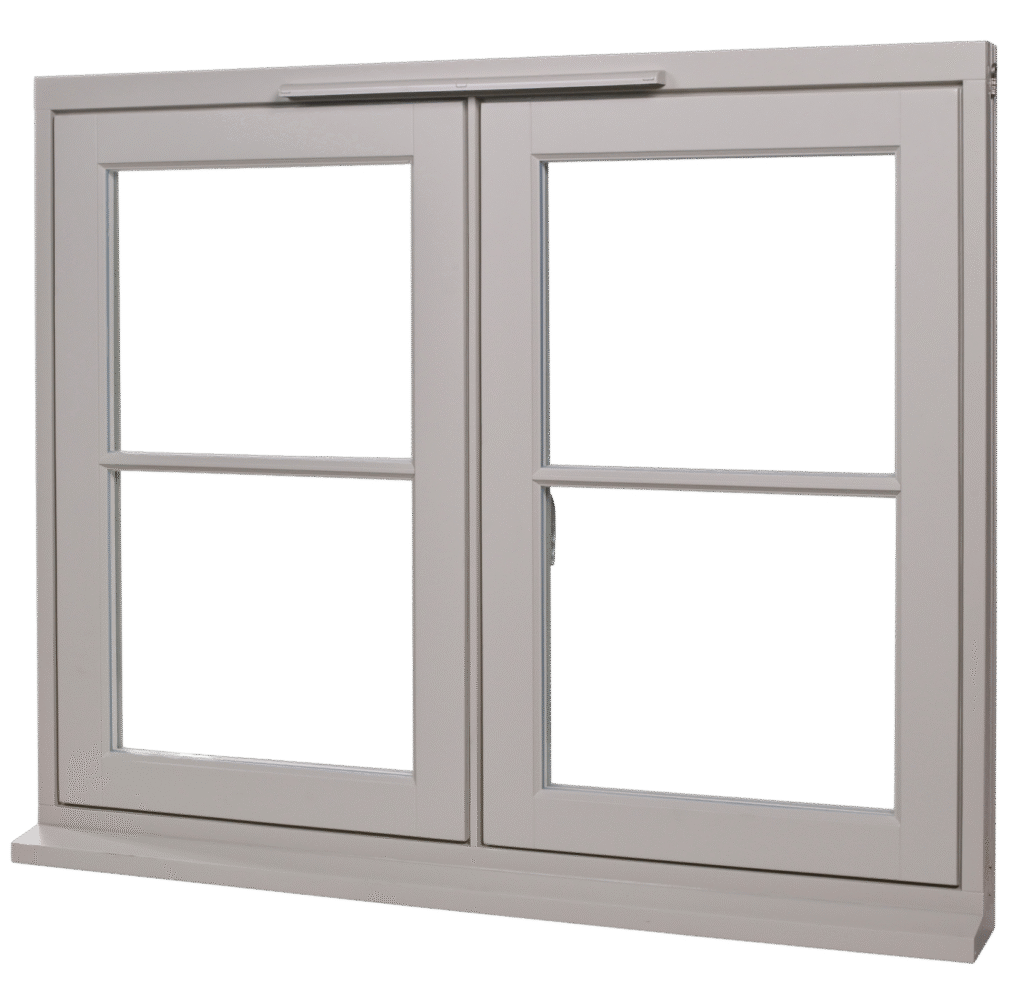
The modern farmhouse style mixes country texture with clean lines and a neutral colour palette: white walls, black hardware, linen and wood. Casements with a single horizontal bar in each light, painted white or off-black, suit it. Large French doors bring in the garden.
Cottage and Country Homes
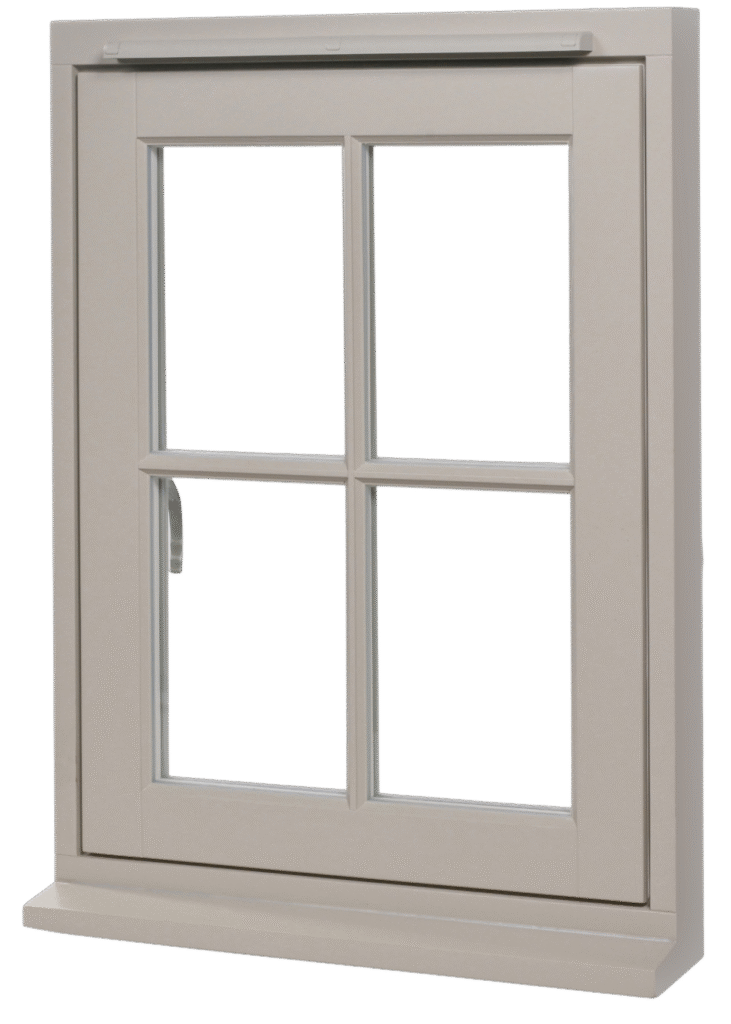
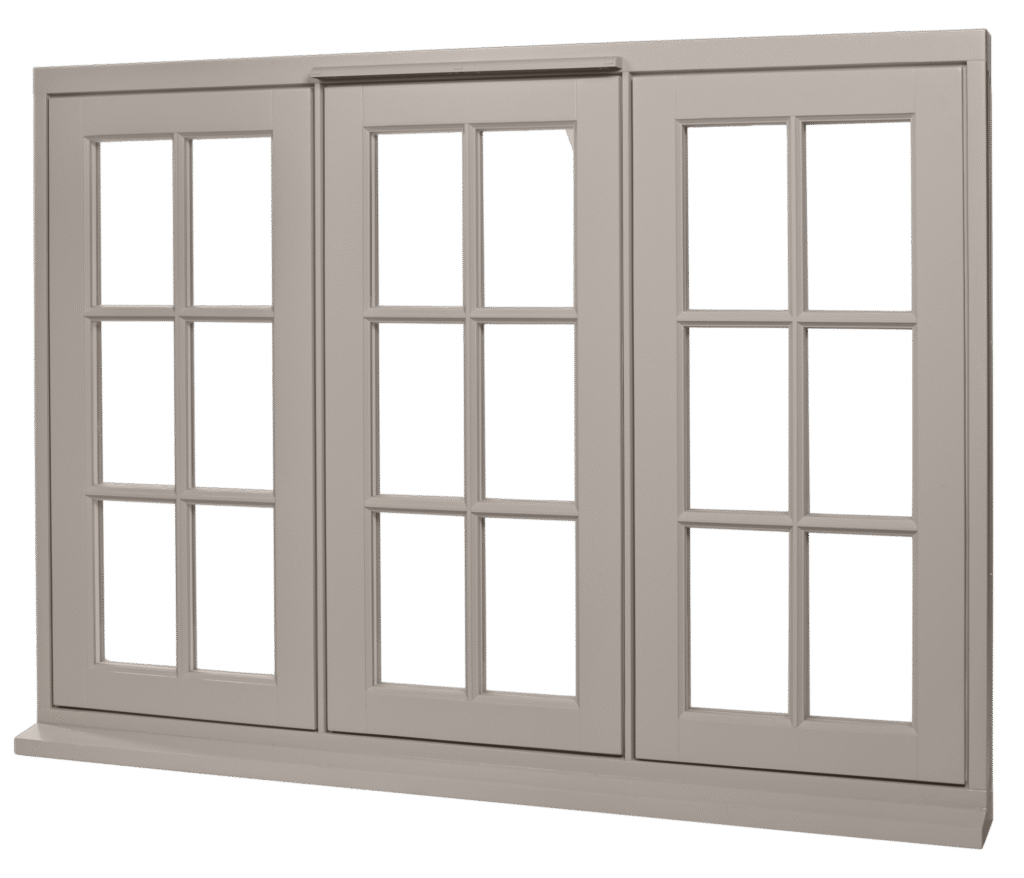
Country homes and cottages use small windows, deep sills and flowered textiles. Small-paned casements in cream or sage keep the scale right. Keep the frames slim, because cottage rooms are often low and dark.
04 · Modern
Modern, Minimalist and Contemporary Interior Design Styles
Modern and contemporary are often used as if they mean the same thing, but they don’t.
Modern vs Contemporary Design
Modern design refers to a period, roughly 1920 to 1970, with its plain surfaces and honest materials. Contemporary design simply means what’s current, so it changes. A contemporary style today tends to be warm and pared back, with soft curves and natural finishes.
Minimalist Interiors
Minimalism strips a room back to a few pieces, a neutral palette and lots of light. The windows matter more here than in any other style, because there’s little else to look at. Flush casements without glazing bars and a slim, painted frame keep the look calm. In a modern home, that’s the whole point. We’ve written a separate guide to wooden windows in a minimalist home.
Transitional Interior Design
Transitional interior design sits between modern and traditional. It mixes classic shapes with simple furniture and neutral colours. A sash window with no glazing bars, or a casement with one, is a sensible middle ground.
05 · Nordic and Japanese
Scandinavian and Japandi Styles
Both styles are calm, practical and built on wood and light.
Scandinavian Design
Scandinavian design grew up in countries with long, dark winters, so it makes the most of daylight. A Scandinavian interior has white or pale grey walls, pale wood, wool and linen, and very little clutter. The aesthetic is bright and practical. Styles like this need large windows with pale frames, either white or a light oiled finish. They also suit open-plan living spaces. Don’t hang heavy curtains.
Japandi Style
Japandi blends Scandinavian simplicity with Japanese restraint. The use of natural materials matters most: low furniture, natural textures, muted earthy colours and plenty of empty space. Japandi design embraces imperfection, so an oiled oak frame in a mid-brown shade works well, with simple flush casements and no decoration.
06 · Character styles
Art Deco, Mid-Century Modern, Industrial and Eclectic Styles
These looks come from different places but all rely on strong character.
Art Deco
The style took over in the 1920s and 1930s. Think geometric patterns, jewel tones, polished surfaces and a sense of elegance. Windows from that era were often metal with horizontal bars, so a flush casement with slim horizontal glazing bars, painted dark, captures the line in timber.
Mid-Century Modern
Mid-century modern style comes from the 1940s to the 1960s: teak furniture, tapered legs, bold colour and big picture windows. Wide casements with a fixed central pane and warm timber inside suit it.
Industrial Style
Industrial interior design, sometimes called industrial chic, borrows from warehouses and factories: brick, metal, concrete and exposed services. A timber window can still suit it if it’s painted dark grey or black and divided with slim bars, which gives the factory look while staying warmer than metal.
Bohemian Style and Eclectic Interiors
Bohemian style is relaxed and layered, with rattan, plants, patterned rugs and textiles from many places. Eclectic interiors mix periods on purpose. Both can take a bold frame colour, such as a deep green or terracotta, as long as the rest of the scheme has a common thread.
Coastal Interior Design
Coastal interior design is light and breezy: white, sand and soft blue, with linen, pale wood and pastel accents. Frames in white or a pale blue-grey suit it, and if you live near the sea, a good factory paint finish matters as much as the colour.
07 · At a glance
The 10 Most Popular Interior Design Styles: Window Finishes at a Glance
Once you know your style, three choices do most of the work: the frame colour, the wood tone and the glazing bars. The table below sums up what we’d suggest for each look.
| Style | Window type | Glazing bars | Frame finish |
|---|---|---|---|
| Georgian / traditional | Box sash on weights | Six over six | Off-white, stone, soft grey |
| Victorian | Box sash | Two over two or one over one | White, cream, dark green |
| Art deco | Flush casement | Slim horizontal bars | Off-black, dark green |
| Country | Casement | Small panes or none | Oiled oak, cream, sage |
| Modern farmhouse | Casement, French doors | One horizontal bar | White or off-black |
| Contemporary | Flush casement | None | White, light grey, anthracite |
| Scandinavian | Casement | None | White or pale oiled wood |
| Japandi | Flush casement | None | Oiled oak |
| Mid-century | Wide casement, fixed pane | None | Warm wood or dark stain |
| Industrial | Casement | Grid of slim bars | Anthracite or black |
Colour Palette and Frame Colour
We can paint frames in any RAL colour, and we can match Farrow & Ball shades. A neutral frame suits almost any interior. Bolder colours, from sage to Farrow & Ball Hague Blue, work best when they pick up a colour already in the room. Our guide to window frame colours goes into more detail.
Wood Tones and Stains
If you want the timber to show, oak with a clear oil or a translucent stain is the best choice. It works in country, Japandi and 1960s-style rooms. Match the timber colour to your floors or furniture rather than trying to make everything identical.

Glazing Bars and Proportions
Glazing bars are the quickest way to change the character of a window, and among the most popular design choices we’re asked about. More bars mean a more traditional look; none means a modern one. Keep the bar pattern consistent across the front of the house, even if the rooms inside differ.
08 · Your style
How to Find Your Own Interior Design Style
Many interior design styles overlap, and most homes end up as a mix of different decorating styles.
Start With the House
Good home design starts with the building, so the architecture should lead. A Georgian townhouse can take a contemporary interior, but its windows should stay Georgian. A 1960s house won’t suit six-over-six sashes, however much you like them.
Mixing Different Decor Styles
You can combine two or three styles if they share something: a colour, a material or a shape. Keep the windows consistent and let furniture, rugs and decorative pieces carry the mix. Every room can have its own mood, whether it’s a bedroom or living room, while the house still feels like one place.
Use a Style Quiz, Then Trust Your Eye
An online style quiz or a professional interior designer can help you name what you like. If you’re using an interior design service, a design studio or a design firm, send them our drawings early. Design inspiration is useful, but the right choice is the one you’ll still like in ten years.

Frequently Asked Questions
What are the most popular interior design styles?
–
+
Traditional, modern, contemporary, minimalist, Scandinavian, Japandi, mid-century, industrial, rustic and modern farmhouse are among the most common.
Which window style suits a modern interior?
–
+
Flush casements with large panes and no glazing bars, in white, grey or anthracite, suit most modern and contemporary interiors.
Can timber windows suit an industrial or minimal look?
–
+
Yes. Paint them dark and add slim bars for industrial, or keep them plain and pale for a pared-back room.
Should window frames match the interior or the exterior?
–
+
Choose a colour that works for the interior and exterior alike. A neutral frame is the safest choice if you change your interior often.
Do you fit the windows?
–
+
No. We make timber windows and doors to measure and deliver them across the UK, usually in around 20 working days. Your builder, joiner or a FENSA-registered installer fits them.
Summary
Conclusion: Windows Outlast Every Interior Design Trend
Whatever your design aesthetic, the windows will outlast the paint, the furniture and any passing fashion. Pick a frame, glazing pattern and finish that suit the house first, then the room. Choose well and they’ll work with your interior for decades.
Talk to us about your windows and send a photo of the room and the look you’re after.
Our Best-Selling Timber Windows: