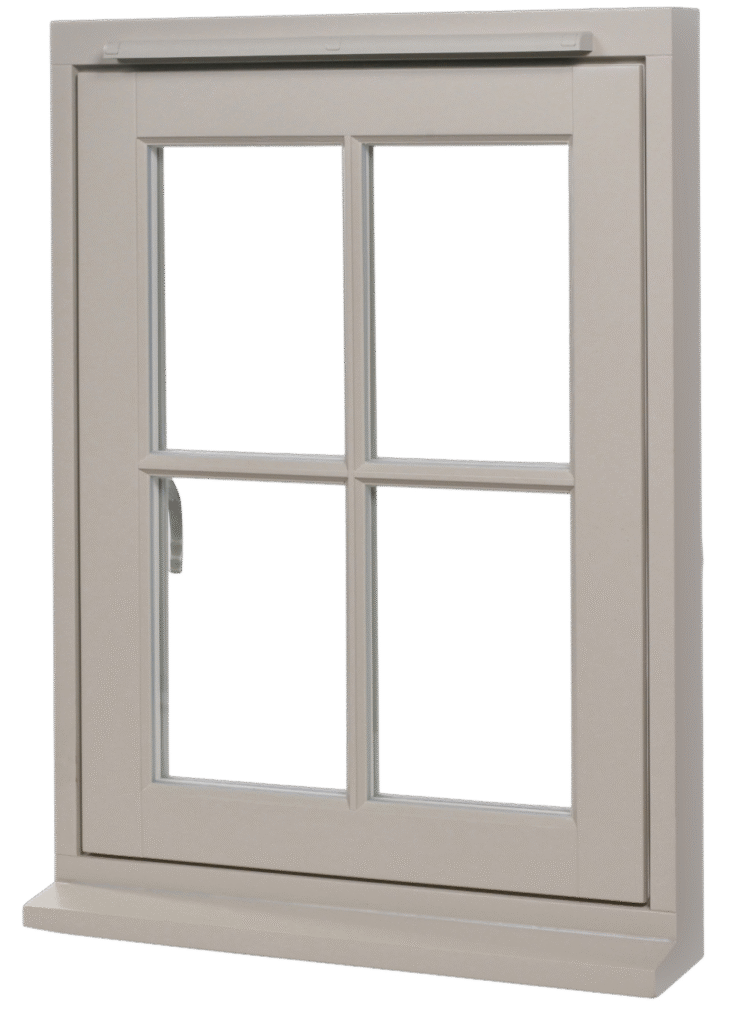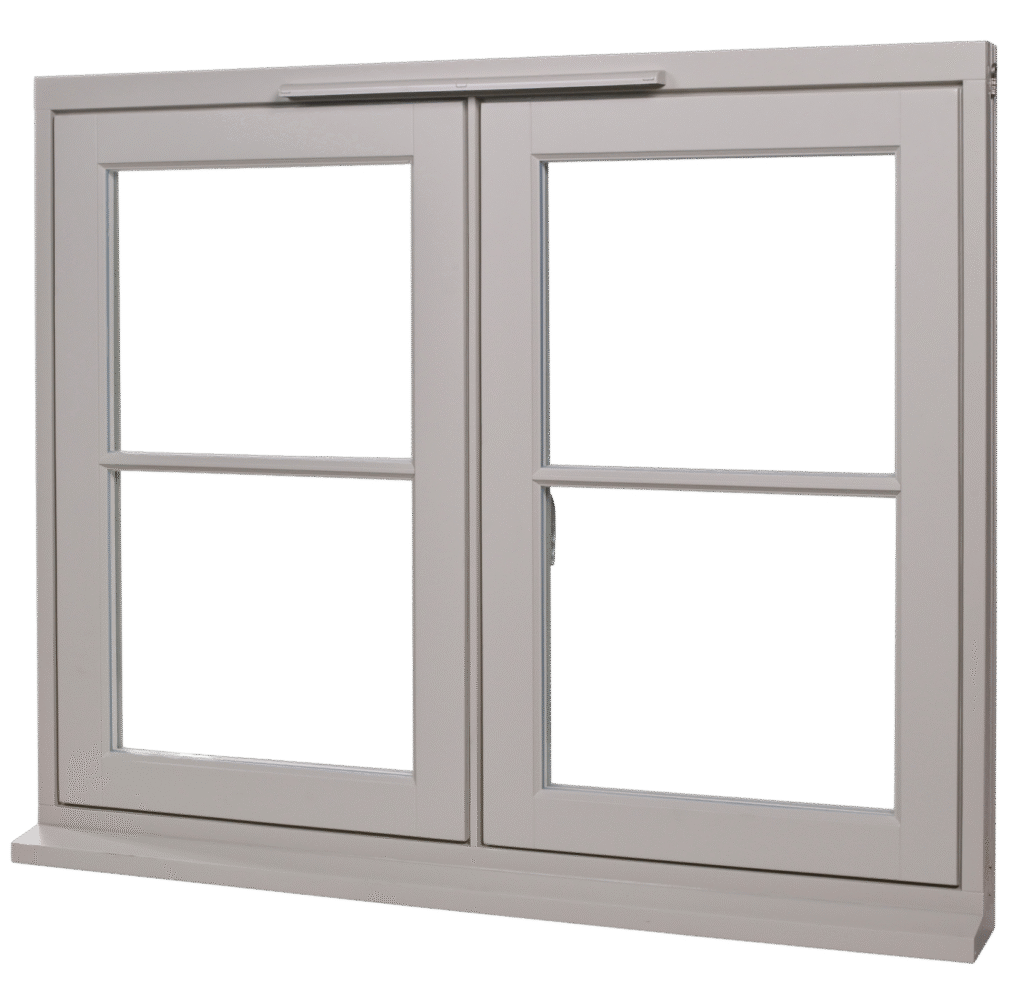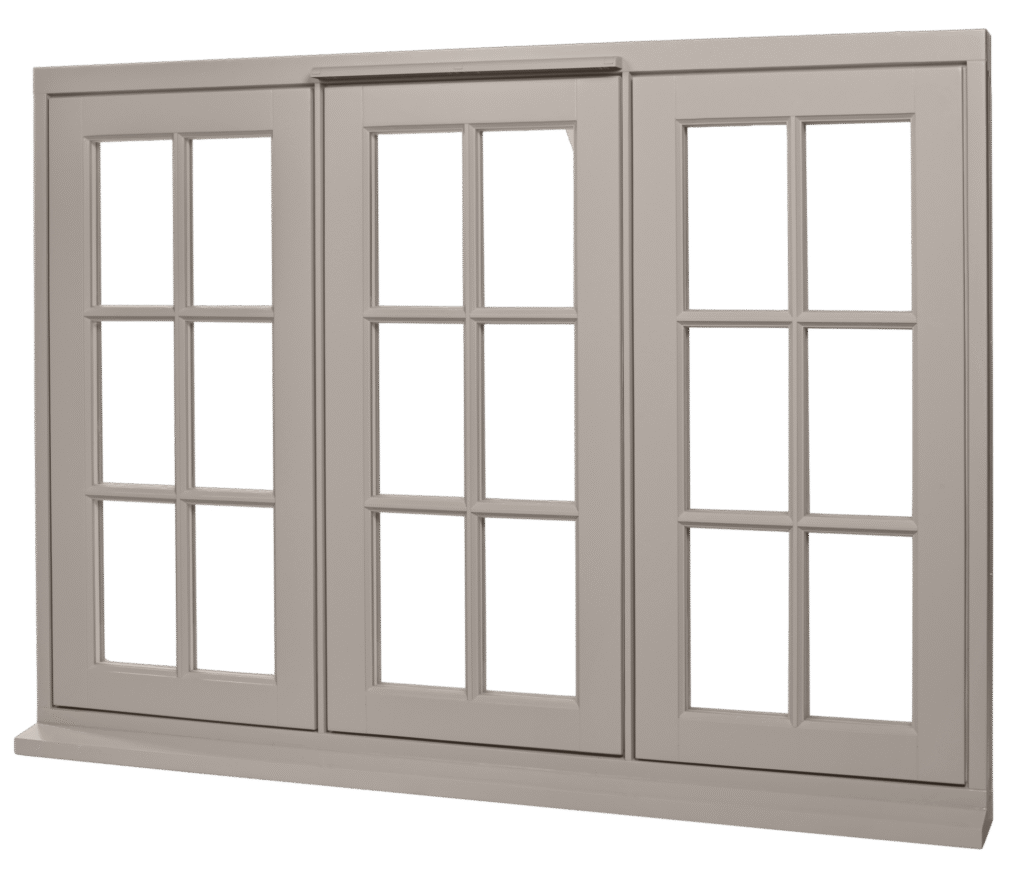
Last week, while walking through a Victorian neighbourhood in Bristol, I couldn’t help but notice something striking. Seven houses in a row had abandoned their white window frames for something bolder. Terracotta, sage green, even a stunning midnight blue that made me stop and take a photo.
We’re finally brave enough to treat windows as design features.
According to Dulux’s Colour Forecast 2025, 68% of UK homeowners are considering bold window frame colours this year. After working with dozens of renovation projects, I’ve seen three palettes consistently transform properties: warm earthy tones, moody dark hues, and serene pastels. Timber frames? Absolutely perfect for these trends. No question about it.
Key Takeaways
- Earthy terracotta and rust tones increased 43% in popularity (Farrow & Ball trade data, Q4 2024) – these warm shades create instant kerb appeal
- Dark frames can add £15,000-£25,000 to property value on the right home (Rightmove Premium Homes Report, 2024)
- Serene pastels work best with translucent stains – timber grain shows through, adds crucial texture
- Quality matters more than you think – cheap finishes fail in 18 months, proper factory coatings last 15-20 years
- Buy professionally finished timber windows online – UK suppliers offer any RAL colour with 5-year warranties
The Earthy Palette: Why Everyone’s Choosing Warmth
Remember when everything was grey? So glad that’s over.
I recently saw an Edwardian semi transformed with terracotta window frames. The difference? Remarkable doesn’t even cover it. House went from tired to magazine-worthy in one installation.
Now, I’ll be honest – not everyone gets earthy tones right. I’ve seen RAL 8023 (Orange Brown) look absolutely dreadful on the wrong property. Like someone tried too hard to be Mediterranean in Manchester. But when it works? Pure magic.
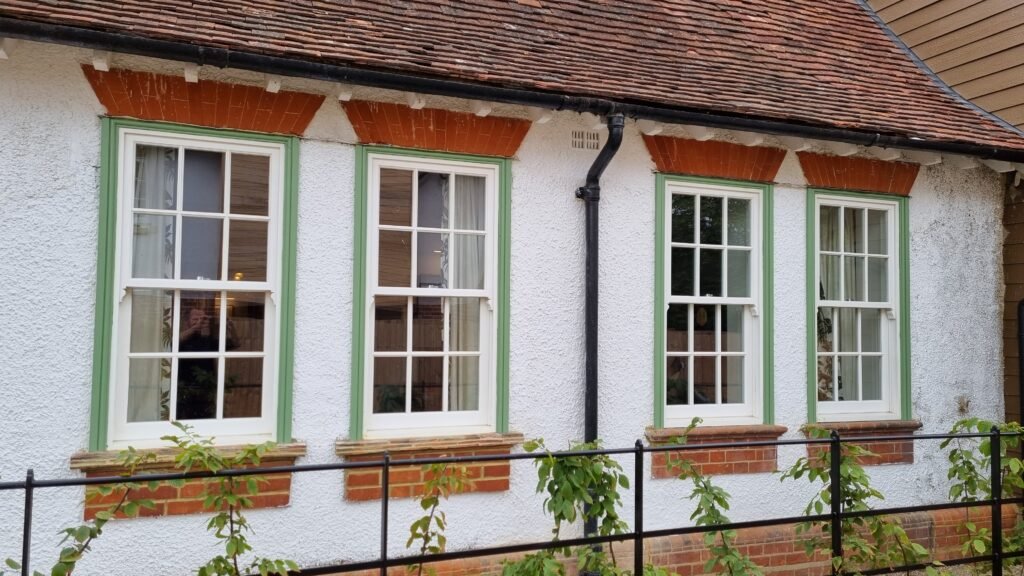
Farrow & Ball’s Red Earth remains the gold standard for earthy sophistication. Their Card Room Green works brilliantly too, though technically it’s more sage (we’ll get to that). For a true terracotta that doesn’t scream “holiday home in Surrey”, you want RAL 2001 Red Orange or, if you’re feeling adventurous, RAL 8004 Copper Brown.
Getting the Colour Right (Most People Don’t)
People choose frame colours from tiny paint chips. Big mistake. Huge, actually.
That gorgeous terracotta on a 5cm square? Could look overwhelming – or worse, completely wrong – on full window frames. Trust me, I’ve seen disasters that needed expensive fixes.
Order A4 samples. Minimum. Tape them next to your windows morning, noon, and night. That rust colour you love at noon might look brown – or even purple-tinted – at dusk. One project had £8,000 worth of frames resprayed because nobody checked winter light. Expensive lesson learned.
For earthy tones, you need full opacity. Translucent stains here? Patchy, unprofessional, disappointing.
Quality opaque finish requirements:
- 80-100 microns dry film thickness (anything less won’t last)
- UV inhibitors rated 10+ years
- Fungicide protection (essential in UK climate)
Pairing Earthy Frames with Your Interior
RAL 8001 Ochre Brown works brilliantly with contemporary interiors – but please, don’t pair it with beige everything. I see this constantly. Safe? Yes. Inspiring? Never.
Instead try:
- Farrow & Ball’s Pointing on walls (has subtle warmth, not stark white)
- Natural linen curtains (invest properly here)
- Oak or walnut floors (avoid that grey laminate trend)
Investment runs £600-850 per standard window, supply only.
Worth it? Estate agents regularly value the aesthetic improvement at 5x the cost. The numbers speak for themselves.
The Moody Palette: Making a Serious Statement
Dark window frames aren’t for everyone. Actually, let me rephrase – they’re definitely not for most people. But when they work, they absolutely transform a property.
Farrow & Ball’s Railings is the obvious choice. Everyone’s doing it. Getting predictable, if I’m honest. RAL 7016 Anthracite Grey offers similar depth without following the crowd. RAL 7021 Black Grey? Even better – has unexpected warmth that pure black lacks.
Houzz’s 2024 report shows dark frames up 67% year-on-year. Instagram started this trend. Will Instagram end it? Possibly. But right now, dark frames solve a real design problem: creating definition without adding clutter.
The Technical Challenge Nobody Mentions
Dark colours are seriously unforgiving.
Charcoal frames fading to chalky grey within two years? Seen it dozens of times. Why? People using standard exterior paint instead of proper joinery finishes. Such a waste of money.
Factory-applied coatings earn their premium price. Professional coating systems – not just paints – make all the difference. Quality dark green frames from 2018 still look fresh today. DIY-painted ones? Already looking tired.
Dark pigments absorb heat. More expansion, more contraction, more potential problems. Your coating needs:
- 15-20% elasticity rating (absolutely minimum)
- 5-layer application (not 3, not 4, five)
- Heat reflective technology
Skip any of these? Your frames will warp. That’s not speculation – it’s physics.
Where Dark Frames Work (And Where They Don’t)
Perfect for:
- White rendered exteriors (the contrast is everything)
- Contemporary extensions
- North-facing rooms needing definition
- Properties with strong architectural features
Think twice with:
- Already dark houses (obvious, but worth saying)
- Quick sales (too divisive for some buyers)
- Tight budgets (dark colours need premium finishes, no shortcuts)
- Certain Victorian terraces (controversial opinion, but it rarely works)
My take? Anthracite frames on the right property create lasting impact. Three years later, still getting compliments. But I’ve also seen black frames make a house look overdone – like too much makeup. There’s a fine line.
The Serene Palette: The Quiet Luxury Trend
2025’s interesting development: sophisticated pastels. Not those candy colours from the 80s that hurt your eyes. We’re talking muted, complex, grown-up shades.
Farrow & Ball’s Breakfast Room Green – technically sage but reads as the palest mint. Brilliant choice. RAL 6019 Pastel Green offers similar subtlety for half the price (though the Farrow & Ball depth is special, let’s be honest).
These shades align with the wellness design movement. Building Biology Institute claims soft colours reduce cortisol by 32%. Make of that what you will. But bathroom renovations featuring sage frames are absolutely everywhere right now.
The Translucent vs Opaque Debate
Serene colours offer real options.
Opaque = pure, consistent colour. Safe choice. Maybe a bit predictable. Translucent = grain shows through, adds natural depth. Riskier. Often spectacular.
Translucent sage stain on quality timber? Every frame becomes unique. Natural variation no factory could replicate. Homeowners describe this as having “custom art” throughout their home. Also happens to be 20% cheaper than opaque. Double win.
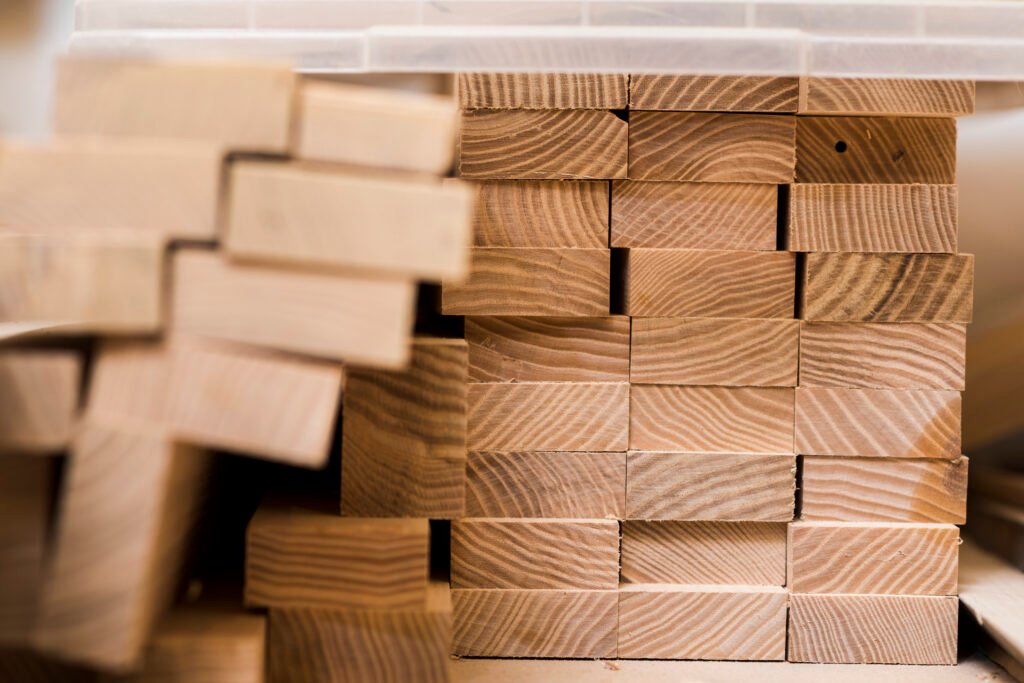
But – crucial point – translucent only works on premium timber. Cheap pine with translucent sage? Looks patchy and amateur.
Creating Your Spa Sanctuary (Without the Clichés)
Everyone talks about “restraint” with pastels. I disagree. You need confidence, not restraint.
What actually works:
- Farrow & Ball’s School House White on walls (fresh alternative to the usual suspects)
- One statement texture – rough linen OR chunky wool, never both
- Plants, yes, but interesting ones (skip the predictable choices)
- Matt black hardware (chrome feels dated now)
Common mistakes I see:
- Mixing multiple pastels (pick one, commit fully)
- Adding “pops of colour” (destroys the calm completely)
- Glossy finishes (harsh, looks cheap)
- Ignoring natural light requirements (pastels need good light or they disappear)
The Reality Check: Costs, Maintenance, and Longevity
Let’s talk real numbers. UK market prices:
Supply only (standard casement, 1200x1200mm):
- Basic white: £480-600
- Standard RAL or F&B match colour: £550-750
- Dual colour finish: Add 20-30%
Installation: £200-400 per window. More for difficult access. Significantly more for listed buildings.
The 10-Year Test
How different finishes age over time:
Still looking excellent after 10 years:
- Factory-finished engineered timber with quality coatings
- European oak with professional stain systems
- Modified pine with premium finishes
Showing their age badly:
- Site-painted anything (even with good paint)
- Budget imports with unknown coatings
- Standard exterior paint jobs
The pattern’s clear: invest properly upfront or pay repeatedly for maintenance.
When Things Go Wrong
Problems typically start the same way:
- Joint cracking (movement issues)
- South-facing fade (UV damage)
- Glass-line peeling (seal failure)
Early spot-repair: £50-100 per frame. Full refinish later: £300-500 per window. Complete replacement because you ignored problems: £800-1200.
The choice is yours.
Your Next Steps: From Inspiration to Installation
Ready to commit? Here’s the process that works:
- Samples – Large ones. Multiple colours. Test for a full week.
- Planning – Listed building? Conservation area? Check first, avoid tears later.
- Quotes – Three minimum. Expect 8-week lead times.
- Warranties – make sure you receive it
- Timing – April-June installation ideal. December? Never works well.
Conclusion
2025 is the year to stop playing safe with window frames.
White is done. Finished. Time to move on.
The right window colour transforms everything. Modest house becomes premium property. Period building gains contemporary edge. New build develops actual character.
Whether you choose earthy warmth (RAL 8001-8004 range), moody sophistication (RAL 7016, 7021, or Farrow & Ball’s Railings if you must), or serene calm (RAL 6019 or F&B’s subtle greens), invest in quality.
Proper suppliers. Factory finishes. Genuine warranties.
You’re choosing how you’ll feel coming home for the next 15-20 years.
Make it count.
Find Your Perfect Window Colour
At Wooden Windows Online, we offer timber windows in any colour you can imagine – from classic whites to bold terracotta’s, moody darks, and serene pastels.
FAQ
How much more do coloured frames cost than white?
15-25% for standard RAL colours. Zoopla data suggests distinctive frames add 3-5% property value. Sometimes accurate, sometimes optimistic. Depends entirely on your location.
Can I paint existing frames these colours?
Technically possible. Rarely worthwhile. Proper preparation, primer, multiple coats, labour – you’re at 70% of new frame cost for 40% of the quality. False economy in my experience.
What’s the biggest mistake people make?
Choosing colours online. Screens aren’t accurate. That perfect sage green might look khaki in reality. Or yellowish. Always get physical samples.
Which colours work best for resale?
Safe: RAL 7016 Anthracite, Farrow & Ball’s Green Blue. Risky: Any bright terracotta, pure black, purple shades. But playing safe means missing opportunities. Your house, your decision.
How do I know if my installer is competent?
Ask for technical data sheets. Can’t provide coating manufacturer details, micron thickness, UV rating specifications? Find someone else. Seriously.
At Wooden Windows Online we specialize in high-quality timber sash windows tailored to your specific needs. Contact us today to explore our range of hardwood and softwood options and find the perfect window solution for your home!
Our Best-Selling Timber Windows: