Yes. A well-made timber window is as hard to force as a uPVC or aluminium one. The frame material matters less than most people think. What decides window security is how stiff the frame stays, which locks are fitted, what glass is in it and how well the window is fixed into the wall.
We’ve made timber windows since 2013, and security comes up on most quotes. This guide goes through the points that matter, explains the standards in plain English and lists what to ask for, whether you buy from us or anyone else. It won’t sell you an alarm system. It’ll help you choose windows that don’t need to be the weak link.
Making windows since 2013
Pine, meranti or oak
Double glazed as standard
Laminated glass on request
Around 20 working days
In this guide
What You’ll Discover in This Article
- How people actually get in through a window, and where the weak points are
- Which locks suit each window type, from casements to sashes
- What window restrictors, laminated glass and glazing film add
- What PAS 24, Secured by Design and Part Q actually mean
- A practical checklist to keep your home secure, floor by floor
01 · The threat
How Burglars Get Through a Window
Police crime prevention advice is consistent: most burglary is opportunistic. An intruder looks for an open window, a window that can be reached easily, or one that gives way quickly and quietly.
Levering and Breaking Glass
Few people trying to break in cut through a frame. They lever the opening part away from the frame at its weakest point, or they break the glass and reach for the handle. So the questions are simple: how many locking points hold the opening part, and what happens when the glass is hit?
Open Windows Are the Easy Target
An open window on the ground floor is the biggest security risk of all. So is an upstairs window above a flat roof, a porch or an extension. These are the target windows, and they need the most attention.
Accessible Windows
Walk round the house and list every home window a person could reach: ground floor, basement, above flat roofs, next to drainpipes or a garden wall. Those accessible windows get the best hardware and glass, because they carry the highest risk of a break-in. The rest need less.
02 · The frame
Is Timber Weaker Than uPVC or Aluminium?
No. A frame that stays straight and holds its screws tightly resists levering well, and good timber does both.
Engineered Timber Stays Straight
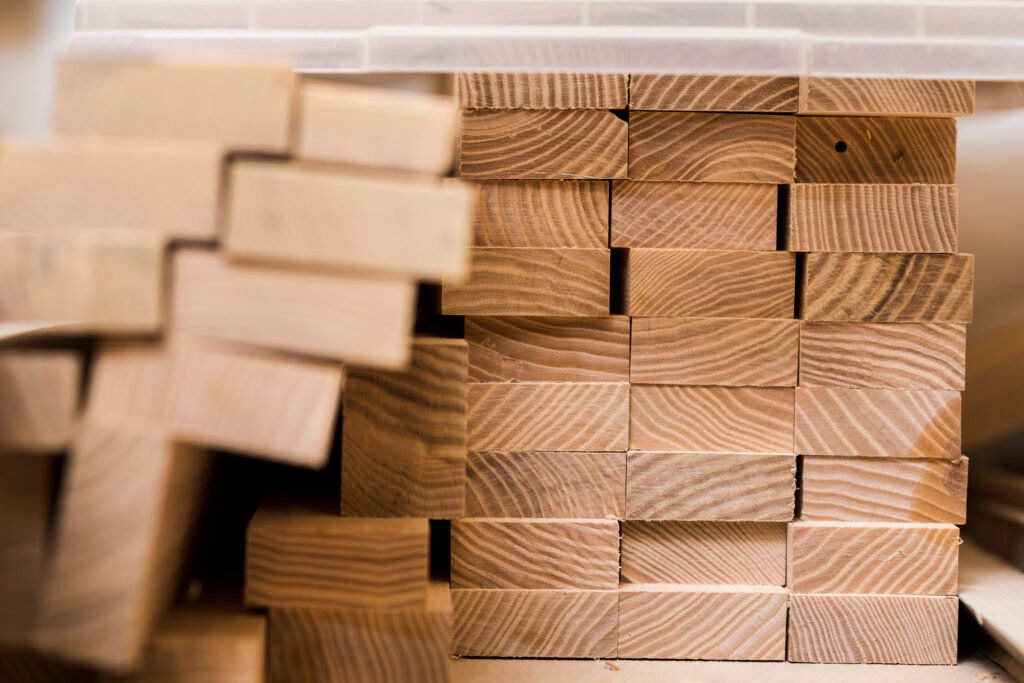
Our pine and meranti windows are three-layer engineered timber. The layers are glued with the grain running in opposite directions, so the section stays straight instead of twisting. Oak is solid European oak. A straight frame keeps the opening part pulled tight year after year.
How a uPVC Window Compares
A uPVC window gets its stiffness from steel or aluminium reinforcement inside the hollow profile. Without it, the profile flexes. Timber is solid all the way through, so screws for hinges and lock keeps bite into wood rather than into a thin plastic wall. Neither material makes a security window on its own; the hardware and the fitting do the real work.
Neglect Is the Real Weakness
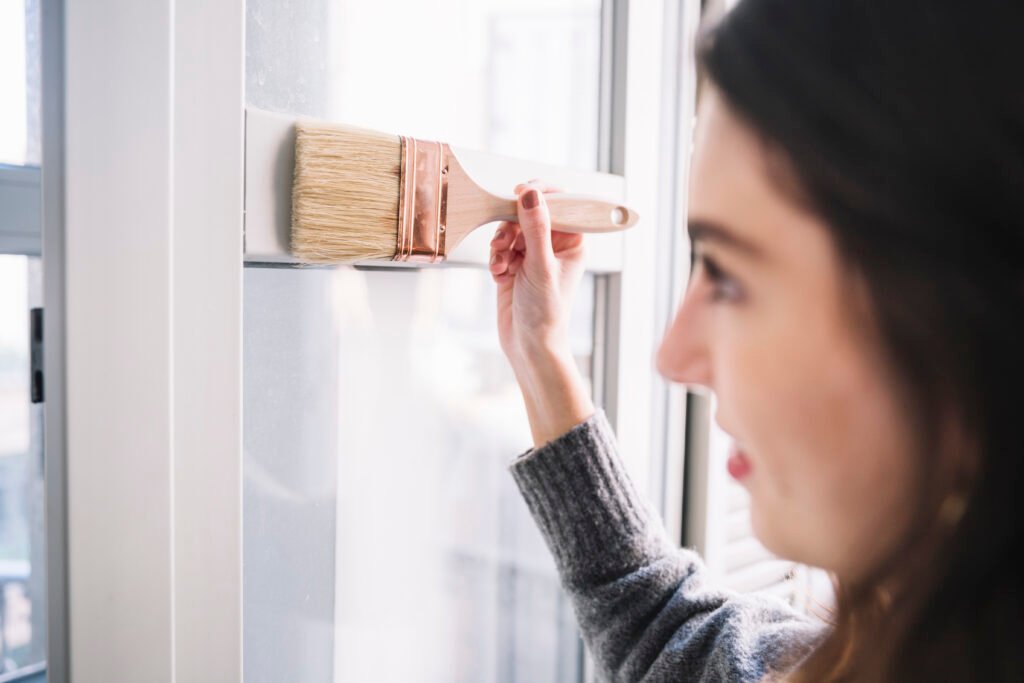
Soft, rotten wood around a lock keep won’t hold the screws. Keep the paint on sills and bottom rails in good order and the timber stays as strong as the day it was fitted. Our page on weather-resistant timber windows explains how the frames are treated and finished.
03 · Locks
Window Locks for Different Window Types
The lock is what stops a window being levered open, so this is where most of the security comes from. What you need depends on the window, and different types of windows lock in different ways.
Casement Windows
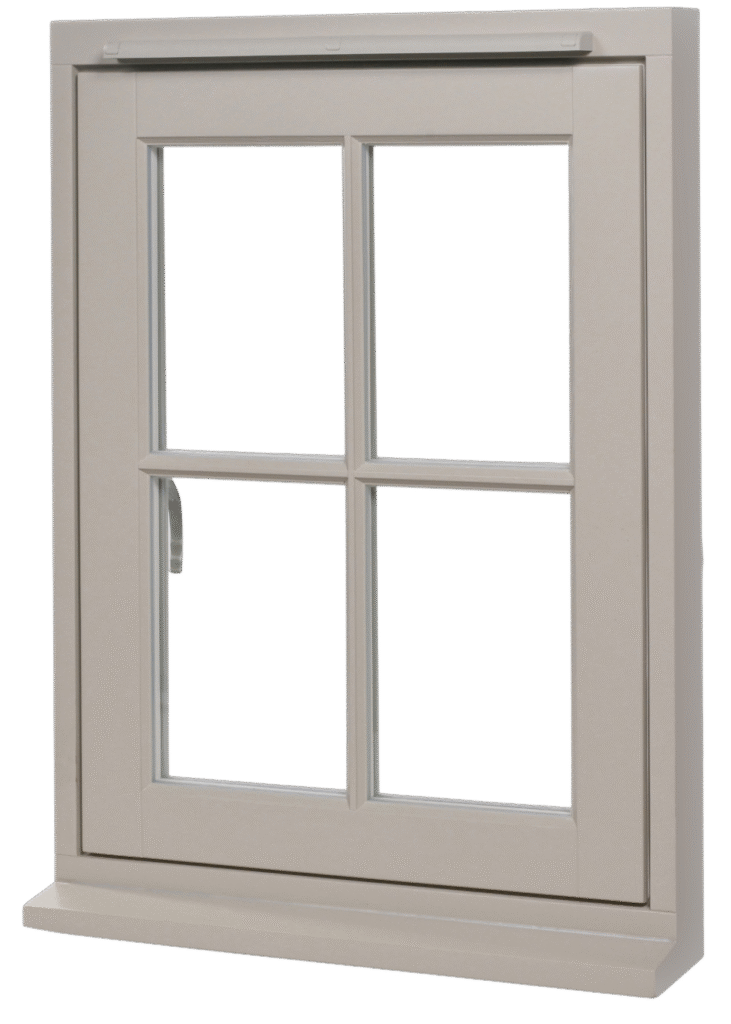
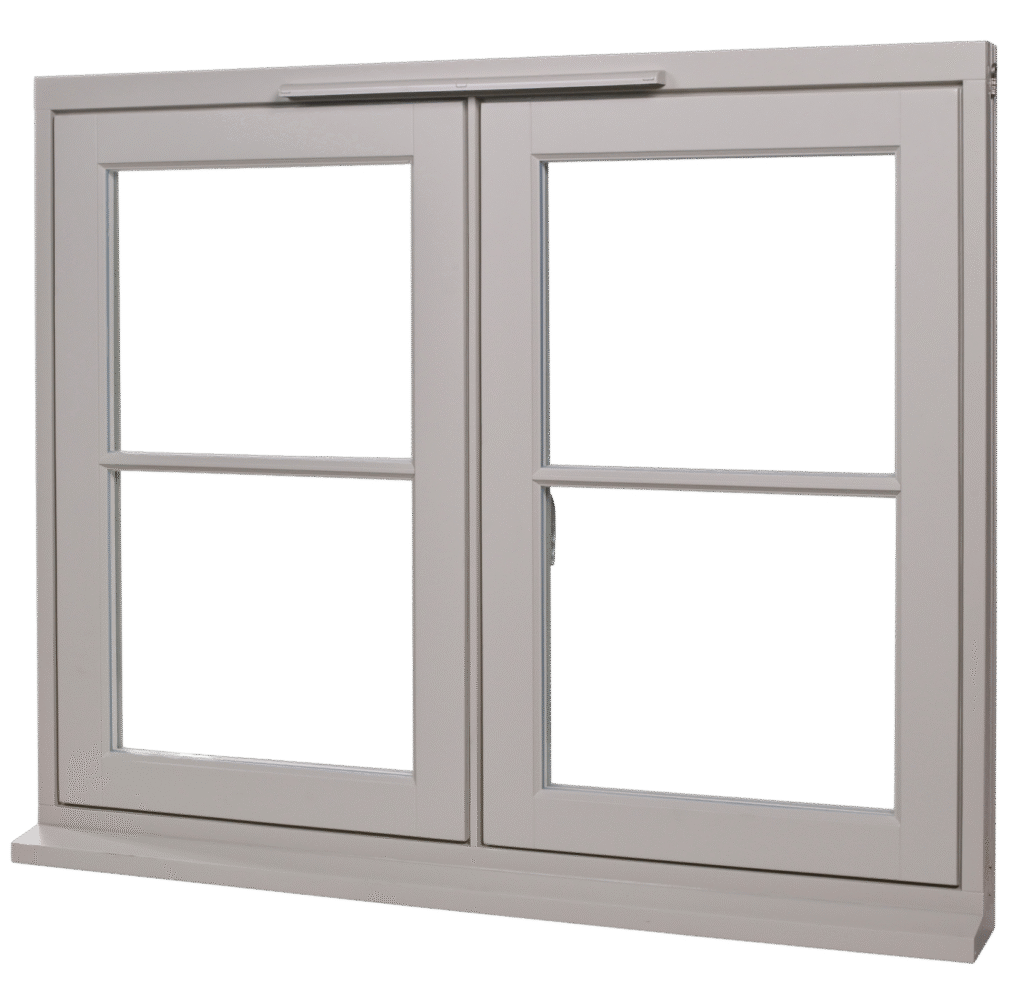
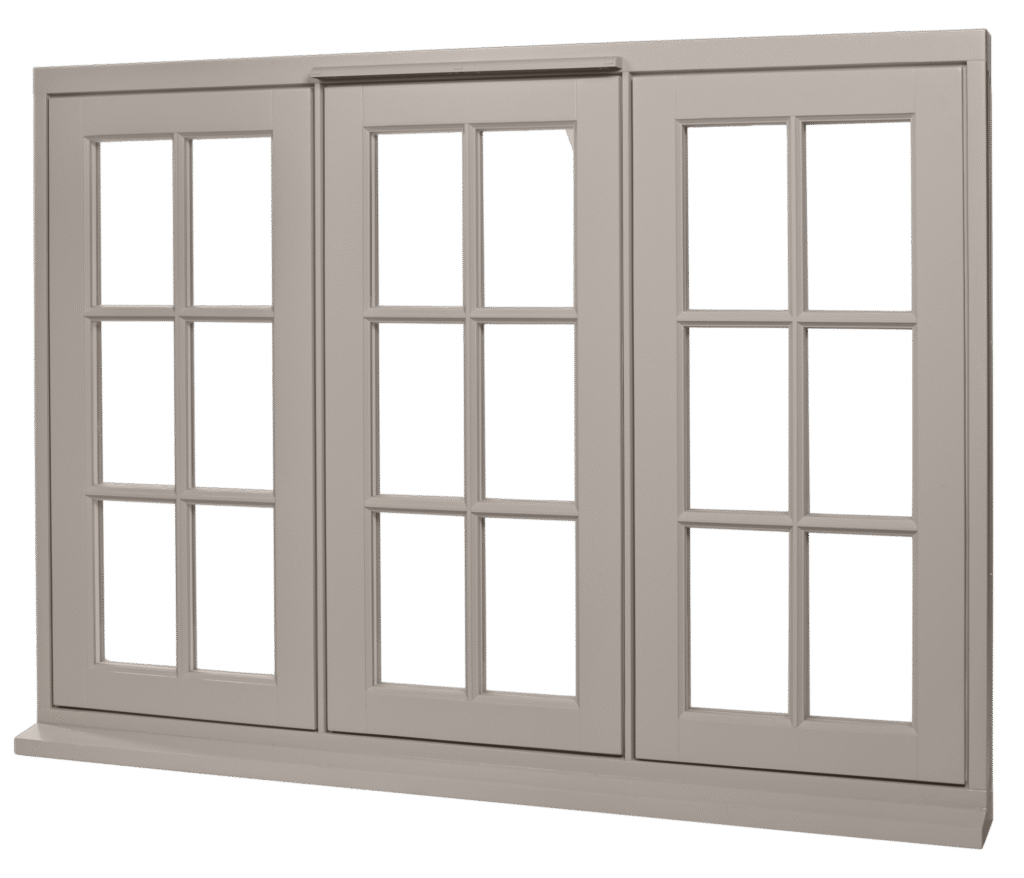
On casement windows, a locking handle that drives bolts into keeps at several points along the opening edge is far harder to lever than a single catch. On windows you can reach from the ground, choose a lockable handle that locks with a key. Hinge protectors stop the opening part being prised out from the hinge edge.
Sash Windows
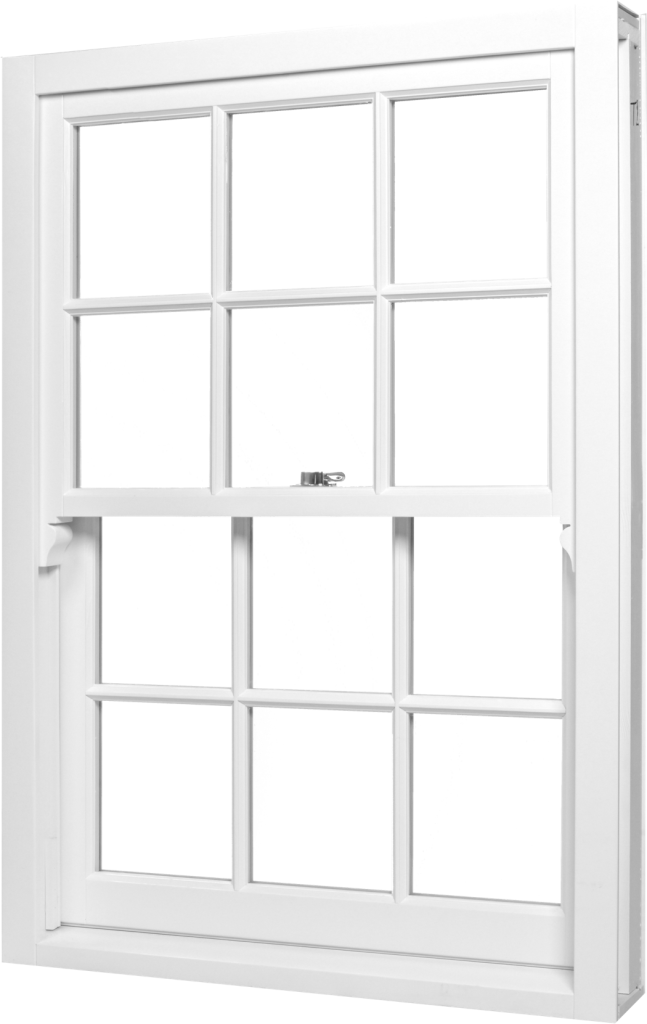
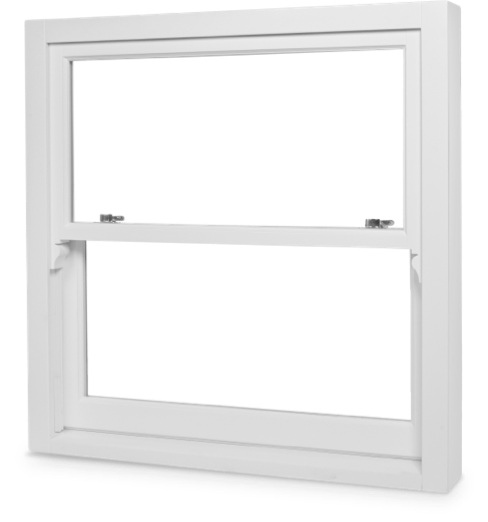
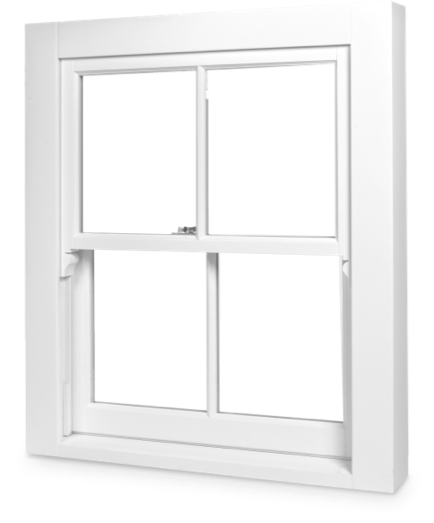
The weak spot on a sash window is where the two halves meet. A good fastener on the meeting rails, plus stops that limit how far the window opens, does most of the work. On older windows, two sash jammers per window are a cheap extra. Our guide to wooden sash window security covers this in detail.
Tilt and Turn Windows
Tilt and turn windows lock all the way round the frame when shut, and the tilt position gives ventilation with only a small gap at the top. It’s a secure design, though it’s more common on modern houses than period ones.
Screws and Keeps
Any lock is only as strong as the timber its keep is screwed into. Long screws into solid frame timber hold far better than short ones into a thin bead.
04 · Restrictors
Window Restrictors and Child Safety
Window restrictors limit the window opening, usually to around 100mm. That lets you ventilate your home without leaving a gap a person could climb through.
Where to Use a Window Restrictor
Fit restrictors on upstairs windows in homes with children, and on any window above a flat roof. They help prevent falls and keep the window secure when it’s open for air. Lockable window restrictors can only be released with a key, which helps prevent windows from opening too far.
Restrictors and Fire Escape
Bedrooms on some floors need an escape window. A restrictor on an escape window must be easy to release from inside without a key, so check before you choose keyed ones there. This matters for the safety of children and vulnerable people as much as for security.
05 · Glass
Does the Glass Make a Difference?
Yes, on windows that are easy to reach. Ordinary double glazing is there for energy efficiency, and it breaks like any glass. The two upgrades behave very differently once they’re hit.
Laminated Glass
Laminated glass has a plastic interlayer between two sheets. It cracks but stays in the frame, so getting through it takes time and makes noise. That’s what you want on a ground-floor window. If you want laminated glass on particular windows, tell us which ones on your enquiry and we’ll price it.
Toughened Safety Glass
Toughened safety glass is much stronger than standard glass, but once it breaks it crumbles into small pieces and leaves an open hole. It’s mainly for low panes and doors, where people could fall against it.
Glazing Film
Window security film is a clear film applied to the inside of existing glass. It holds the pieces together when broken, a little like laminated glass. It adds a layer of security to windows you aren’t replacing.
Glazing Beads Inside
Ask where the glazing beads sit. Beads on the inside keep the glass in place and mean it can’t be unclipped from outside. Every window we make is double glazed as standard.
06 · Standards
Security Standards: PAS 24, Secured by Design and Part Q
These three names come up on every security page, and they’re often mixed up.
PAS 24
PAS 24 is a test standard for doors and windows, published by BSI, the British Standards Institution. It isn’t a British Standard in the full sense, but it’s the benchmark most people mean. A window type is attacked in a test rig with set tools and times. A certificate covers the window as it was tested, with that hardware and that glass.
Secured by Design
Secured by Design is a police initiative. Its product approval for windows relies on PAS 24 or an equivalent standard, tested to British standards. It isn’t a legal requirement for a house.
Part Q
Part Q of the Building Regulations in England (Approved Document Q) asks for doors and windows that resist an opportunist break-in. It applies to new dwellings, not to replacement windows in an existing home.
So if you’re replacing the windows in your own house, none of these is required by law. If your project is a new dwelling and Building Control will ask for PAS 24 evidence, tell us at enquiry stage, so we can confirm what’s available for that window type before you order.
07 · Extras
Other Security Measures Around the Window
Good windows and locks come first, just as door locks come first for door security. These security measures add extra security features, and some suit certain homes better than others.
Alarms and Sensors
An alarm with sensors on accessible windows warns you, or a neighbour, if one is opened. Visible alarm boxes and security cameras also put off opportunists. They improve security alongside good locks, not instead of them.
Security Bars, Grilles and Shutters
Security bars and grilles are fixed or removable bars over the inside or outside of a window. Fixed bars suit basements and outbuildings; removable bars or internal shutters suit homes that need a clear escape route. Window bars are designed to prevent entry, not to look good, so most people keep them for the back of the house. On period houses, internal timber shutters are a traditional option.
Insurance and Home Security
Some home insurance policies ask for key-operated locks on ground-floor and other easily reached windows. Read the wording of yours before you order, and tell your supplier what it says, so the hardware on the new windows matches. Police and insurance advice tend to agree on the basics.
08 · Fitting
How Fitting Affects Window Security
We supply windows only. Your own joiner, builder or a FENSA-registered installer fits them, and a lot of the real security is decided on the day of fitting.
Fixing Into the Wall
The frame should be fixed through into solid masonry or timber, and packed so it sits square without bowing. A frame forced into a crooked opening can leave a casement that only shuts properly if you lean on it. A window that’s hard to close tends to be left open.
Start With Good Sizes
Good fitting starts with good sizes. Our guide on how to measure windows for replacement explains what to measure and what to send us.
09 · Checklist
A Window Security Checklist for Your Home
Use this list to secure your windows and keep your home and family safe without overspending.
- Ground floor and other accessible windows: key-operated handles or fasteners and, ideally, laminated glass.
- Upstairs windows: restrictors or stops, so you can leave a window open for air.
- Escape windows: restrictors that release without a key.
- Keys: keep them out of sight and out of reach of the glass.
- Once a year: check the screws in the keeps are tight and the timber around them is sound.
- Paint: keep sills and bottom rails in good order. Sound timber holds screws; soft timber doesn’t.
Frequently Asked Questions
Are timber windows as secure as uPVC?
–
+
Yes, when they’re made and fitted well. Burglars lever windows open or attack the glass, so the locks, the glass and the fixing decide security.
Do I need PAS 24 windows for my house?
–
+
Not by law, if you’re replacing windows in an existing home. Part Q, which PAS 24 helps to meet, applies to new dwellings. Your insurer may have its own lock requirements.
What is the most secure glass for windows?
–
+
Laminated glass. Its plastic interlayer cracks but stays in the frame instead of leaving a hole, giving real protection against break-ins.
Is a timber sash secure?
–
+
Yes, with a sound fastener on the meeting rails, stops and laminated glass on any window that can be reached.
Do you fit the windows?
–
+
No. We make timber windows and doors to measure and deliver them across the UK in around 20 working days. Your builder, joiner or a FENSA-registered installer fits them.
Summary
Conclusion: Locks, Glass and Fitting Decide It
Timber isn’t the weak point. A straight frame, multi-point hardware, laminated glass where someone could reach and a careful fit give you peace of mind that your home is secure, whatever the windows and frames are made of. Our timber windows start from £449 + VAT, double glazed as standard, and we’ll specify the hardware your insurer asks for.
Send us your sizes and a few photos, with a note of which windows are easy to reach.
Our Best-Selling Timber Windows: