Not every window needs to open. That might sound obvious, but it’s a point most people overlook when specifying new windows and doors for a build or renovation. The default is to make everything openable, and then wonder why the profiles are thicker than expected, the glass area smaller, and the energy performance figures don’t quite match the brochure.
Fixed pane windows solve all three problems at once. No hinges, no handles, no opening mechanism — just wood holding the largest possible area of glass. The result is more daylight, better views, excellent energy efficiency, genuinely energy efficient, and a look and feel that transforms any room.
At Wooden Windows Online, these are among our most popular specifications. We recently specified full-height fixed panes for a barn conversion in the Cotswolds — 2.2m x 1.8m units in engineered oak, triple-glazed, facing across the valley. The owners described the difference as transformative. This article explains where they excel, how to use them strategically, and what to consider when choosing timber for non-opening products.
What You’ll Discover in This Article
- Why fixed pane windows outperform every other type for thermal efficiency and views
- Where they work best, and where airflow is still needed
- How wood sections deliver slimmer profiles and larger glass areas than aluminium or uPVC
- The technical advantages of having no moving parts
- Size limits, structural considerations, and what’s achievable in engineered timber
- How to combine fixed and opening sections for the best of both worlds
When Fixed Windows Excel
Maximum Glass, Minimal Profile
The single biggest advantage of a non-opening pane is the glass-to-section ratio. Without the mechanical requirements of an opening section (the hinges, the locking points, the clearance gaps between moving section and outer frame) the profile can be significantly slimmer. That means more glass panes visible from inside, more daylight entering the room, and cleaner views from every angle.
On a typical 1200mm x 1200mm window, the difference is measurable. A hinged version with hardware gives you roughly 75-80% glass area. A fixed pane in the same opening delivers 85-90%. Over a full elevation of windows, that extra 10-15% of glass area translates into noticeably brighter, more connected spaces. You enjoy the best views without interruptions.
Superior Heat Retention
These windows offer the best U-values of any window type. The reason is simple: no moving parts means no gaps. An opening casement, however well-fitted, has a continuous perimeter where the sash meets the outer section, and that perimeter is a potential air leakage path. A fixed pane has no such weakness. The glass sits directly in the profile, secured permanently with high-performance gaskets.
In a home where natural light is the priority, this matters. Large glazed areas can be a thermal liability if poorly specified. These specifications minimise that risk, delivering superior energy performance without sacrificing the generous glass areas that make a room feel open and light.
Typical whole-window U-values for non-opening types: 1.0-1.2 W/m²K with standard double-pane units. The glazing type matters, dropping to 0.7-0.8 with triple glazed specifications. Those numbers comfortably meet current regulations for energy-efficient windows, and approach passive house standards.
Design Applications
Feature Windows and Picture Effects
A large non-opening pane on a key elevation acts as a picture window for the landscape beyond. In living rooms, dining areas, and bedrooms with good views, a single unbroken pane of glass creates a connection between inside and outside that no other window style matches. Architects specify non-opening panes precisely for this effect: maximum transparency, zero visual clutter.
High-level positions (above door height, stairwells, vaulted ceilings) suit non-opening panes are the practical choice. These positions don’t need to open for airflow, and the reduced maintenance of a fixed unit at height is a genuine advantage, and often the best price per square metre of glass. No hardware to service, no gaskets to replace, no mechanism to adjust.
Alongside an Opening Window
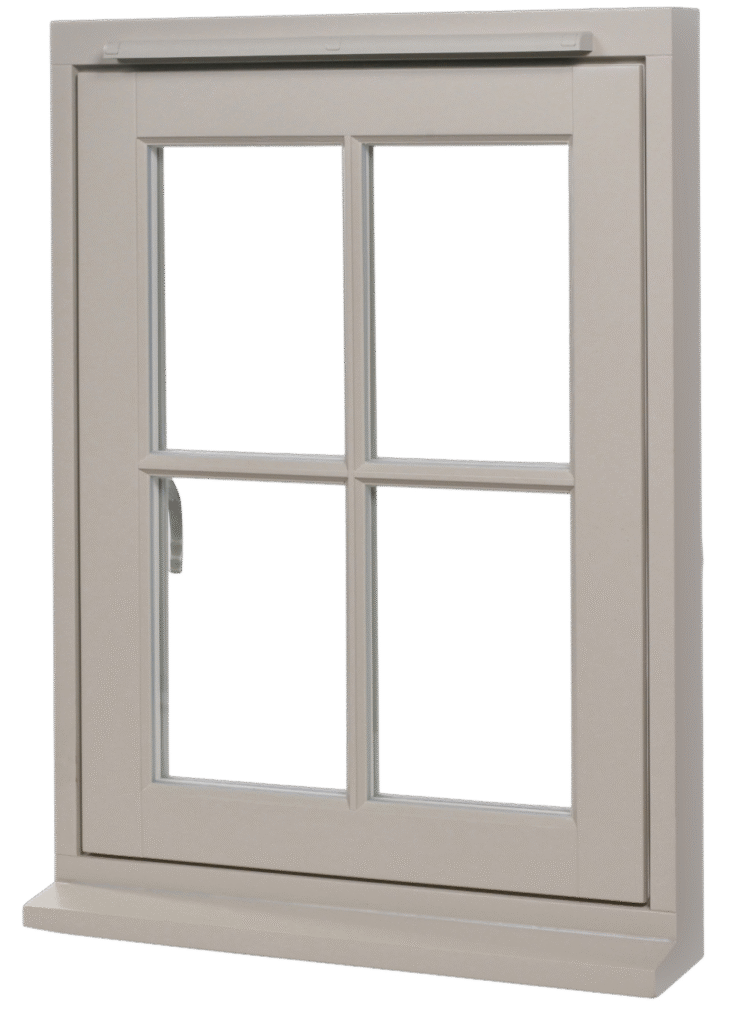
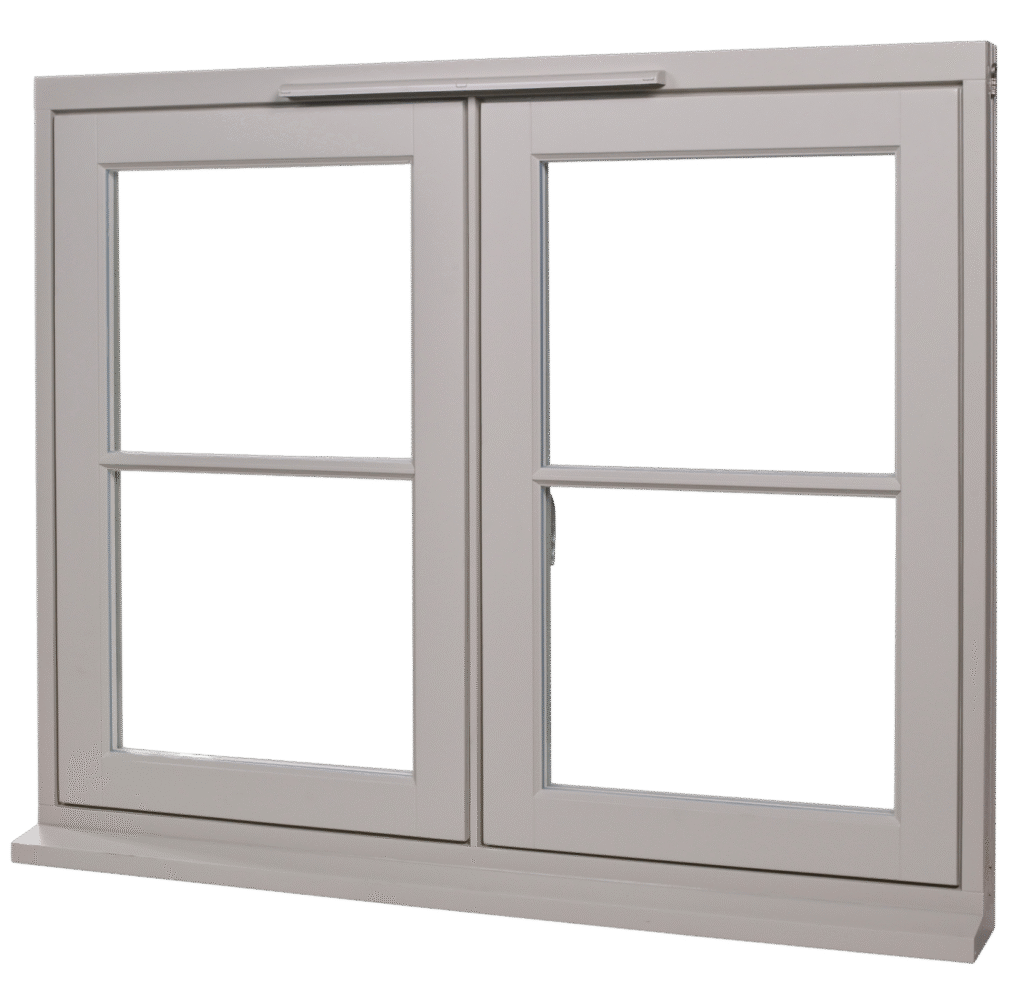
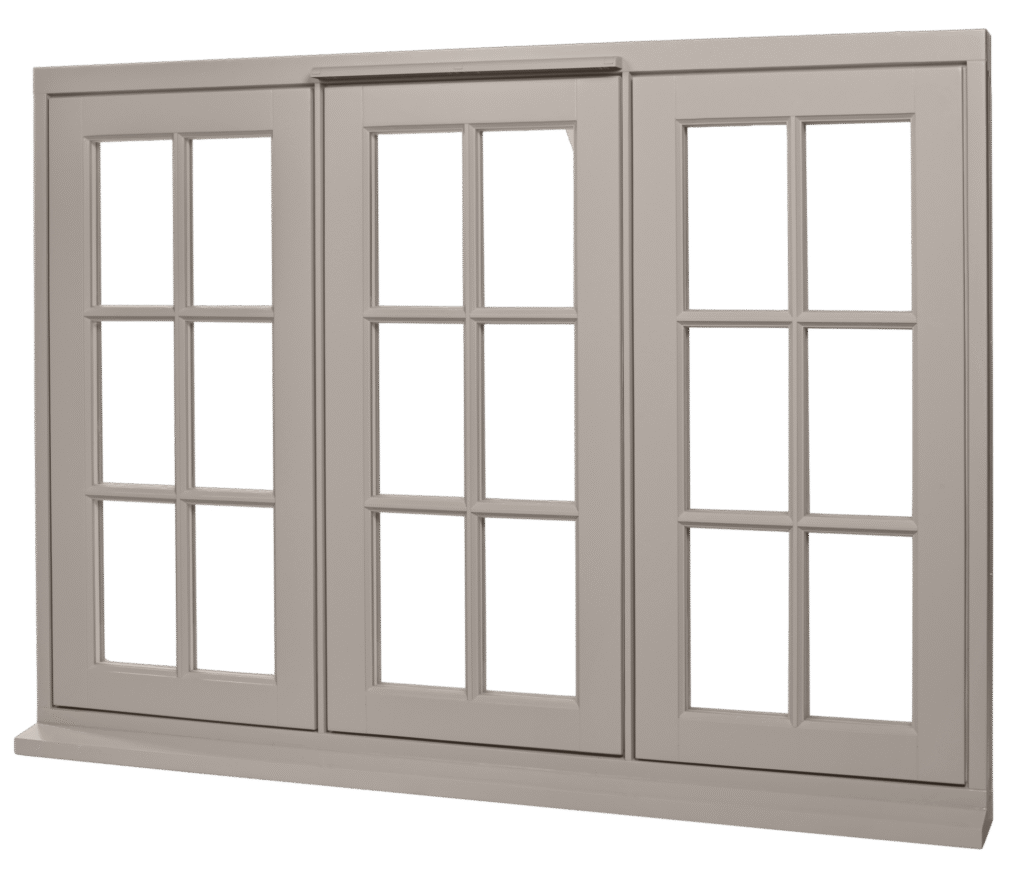
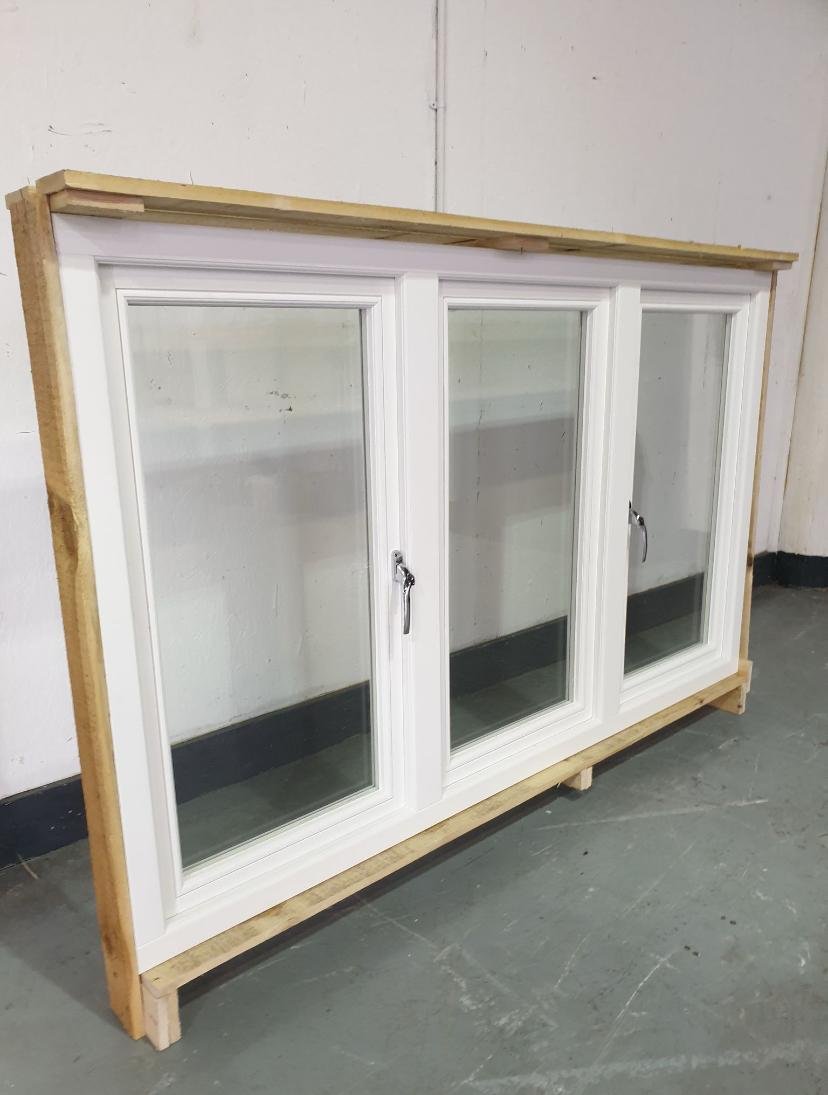
The most effective window strategy combines fixed and operable sections. A typical arrangement: a large central fixed pane flanked by narrower casement or sash windows that provide airflow. The fixed section delivers the view and the light; the opening sections handle airflow.
This combination allows you to maximise glass area on the primary elevation while maintaining the airflow capacity your home needs. Planning requirements set minimum airflow rates for habitable rooms, typically 1/20th of floor area as openable window. Non-opening panes don’t count toward that requirement, which is why the combination approach works so well.
Technical Advantages of Non-Opening Designs
No Moving Parts, No Wear
The only maintenance is the external coating (recoating every 8-12 years) and occasional cleaning. That translates directly into longevity. Where a casement might need hardware replacement after 15-20 years, a fixed pane has nothing to wear out. The durability of a well-manufactured lifespan is essentially limited only by the wood and the glazing unit, both of which last 25-40+ years with minimal maintenance.
Limitations Worth Knowing
Fixed panes can’t provide emergency escape — UK rules require at least one opening section window per bedroom for fire egress. They’re also harder to clean from outside on upper floors without scaffolding or a ladder. And in summer, rooms with only fixed glazing can overheat without mechanical ventilation. None of these are reasons to avoid fixed panes. Just reasons to plan their positions carefully.
Airtightness and Acoustic Performance
Because there’s no opening joint, non-opening units achieve the highest airtightness ratings. Energy-efficient homes, passive house builds, and projects prioritising thermal performance benefit: non-opening panes are the specification of choice wherever ventilation isn’t required.
Acoustic performance follows the same logic. Sound travels through gaps. A fixed window with no gaps outperforms an equivalent hinged unit by 3-5 dB, enough to make a noticeable difference in urban settings or near busy roads. Pair that with acoustic glass and a well-insulated wood frame, and you have serious noise reduction capability.
Wood vs Other Materials
Why Wood Outperforms
For non-opening designs, the material choice matters more than you might expect. Wood wins on almost every measure.
Sightlines. Engineered wood sections can be slimmer than alternative materials for the same structural performance. Slimmer section means more glass. When the entire purpose is maximising light and views, that’s the critical advantage.
Heat retention. Timber frames have naturally low thermal conductivity: 0.13 W/mK compared to 160 for aluminium. Even with thermal breaks, an metal-framed window bleeds more warmth through the frame than a wood equivalent. With large fixed panes where the perimeter is significant, wood delivers measurably better whole-window U-values.
Aesthetics. Wood can be finished in any colour, stained to show grain, or painted to match existing woodwork. The material has a warmth and depth that neither aluminium nor uPVC can replicate. A feature window that’s meant to be noticed needs a material that’s part of the design statement. It’s a sustainable choice too. Responsibly sourced wood is a renewable, low-carbon material.
Versatility. Wood frames can be manufactured in bespoke sizes to suit any opening: arched heads, raking sills, non-standard proportions. That versatility makes wood the default for renovate, heritage restoration work, and architect-designed new builds where standard sizes don’t apply.
Size Considerations
How Large Can You Go?
These can be manufactured in sizes that would be impractical for opening types. Without hinges bearing the weight of a moving sash, the limiting factors are the glass itself and the structural capacity of the wall opening.
Practical maximums for a single fixed pane in a wood frame: approximately 2400mm x 2400mm for standard double glazed units, up to 3000mm x 2000mm for toughened or laminated specifications. Beyond these dimensions, the glass weight becomes significant. A 3m x 2m double-pane unit weighs approximately 90kg, and installation access needs careful planning.
For larger glazed areas, multiple fixed panes separated by slim mullions achieve the effect while keeping individual unit sizes manageable. The mullion profiles can be kept slim (60-70mm face width) so the visual interruption is minimal. This approach works particularly well in harsh climates and exposed locations, and for full-height glazed walls and corner window arrangements.
Structural Requirements
Large non-opening panes transfer wind load directly to the surrounding structure. For openings above approximately 1800mm wide, a structural lintel is essential, typically steel or laminated wood. Your architect or structural engineer will specify the lintel based on the window size, the wall construction, and the local wind loading zone. UK regulations require these calculations for any significant glazed opening.
The window frame itself is designed to insulate the glass within the structural opening. We manufacture each fixed frame to the exact dimensions of the prepared aperture. Like all our fixed frame windows, there are no standard sizes. Every window in our windows range is made to measure.
Frequently Asked Questions
What are the benefits of fixed pane windows in timber?
–
+
Maximum sunlight and views, the best heat retention of any window type, virtually zero maintenance on the operating mechanism, superior airtightness and insulation, and the slimmest possible frame profiles. They’re the highest-performing, lowest-maintenance window specification available.
Do fixed windows meet regulations for airflow?
–
+
Fixed panes don’t provide airflow, so they can’t be the only windows in a habitable room. Building regulations require minimum openable window area, typically 1/20th of floor area. The solution is combining fixed panes with opening or sliding windows that provide the required airflow.
How do non-opening wood windows compare to aluminium?
–
+
Wood delivers slimmer profiles, better insulation (0.13 vs 160 W/mK conductivity), and a warmer aesthetic. Aluminium is thinner in absolute terms but requires thermal breaks that add width. For overall glass area, energy efficiency, and appearance, wood is the stronger choice for fixed windows, and a more responsible option for those who value environmental responsibility.
What’s the maximum size for a non-opening wood window?
–
+
Approximately 2400mm x 2400mm for standard double glazing, up to 3000mm x 2000mm for toughened or laminated glass. Larger areas can be achieved with slim mullions dividing the opening into multiple fixed panes.
How long do fixed pane windows last?
–
+
With proper maintenance of the external finish, fixed pane windows last 40-60+ years. The unit has no moving parts to wear out, so longevity is limited only by the material quality and the glazing unit. Both are designed for decades of service. Low maintenance and high durability make them an excellent long-term investment.
Conclusion
Non-opening panes aren’t the right choice for every opening — but where they fit, nothing else comes close. More light. Better views. Outstanding energy performance — these are genuinely energy-efficient windows. Minimal maintenance. The combination of wood frames and sealed glazing delivers the best of high-quality window engineering in its simplest, most effective form.
The key is using them strategically: large fixed panes where light and views matter most, paired with hinged sections where airflow is needed. That approach gives you a home with sunlight flooding the main spaces, efficient heat management across every elevation, and a window design that looks exactly as it should.
At Wooden Windows Online, every fixed pane window is manufactured to your exact dimensions in hardwood or engineered softwood, supplied in any colour, glazed to your specification, and built to last.
Request your free quote today — we’ll help you design the right combination of fixed and operable sections for your project.
Our Best-Selling Timber Windows: