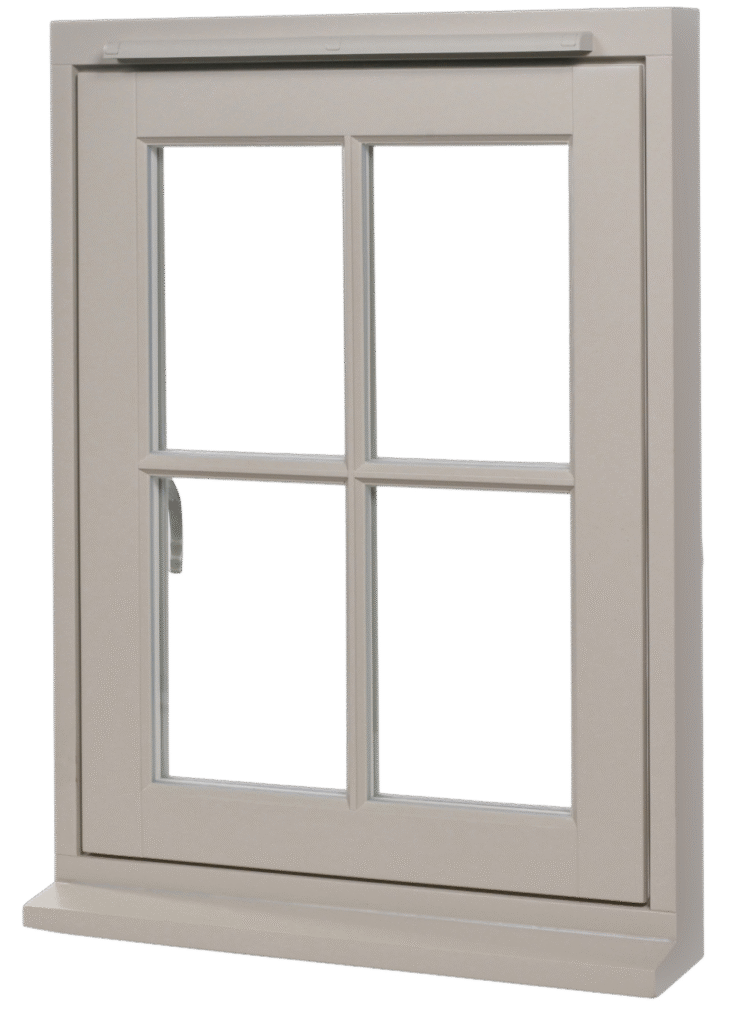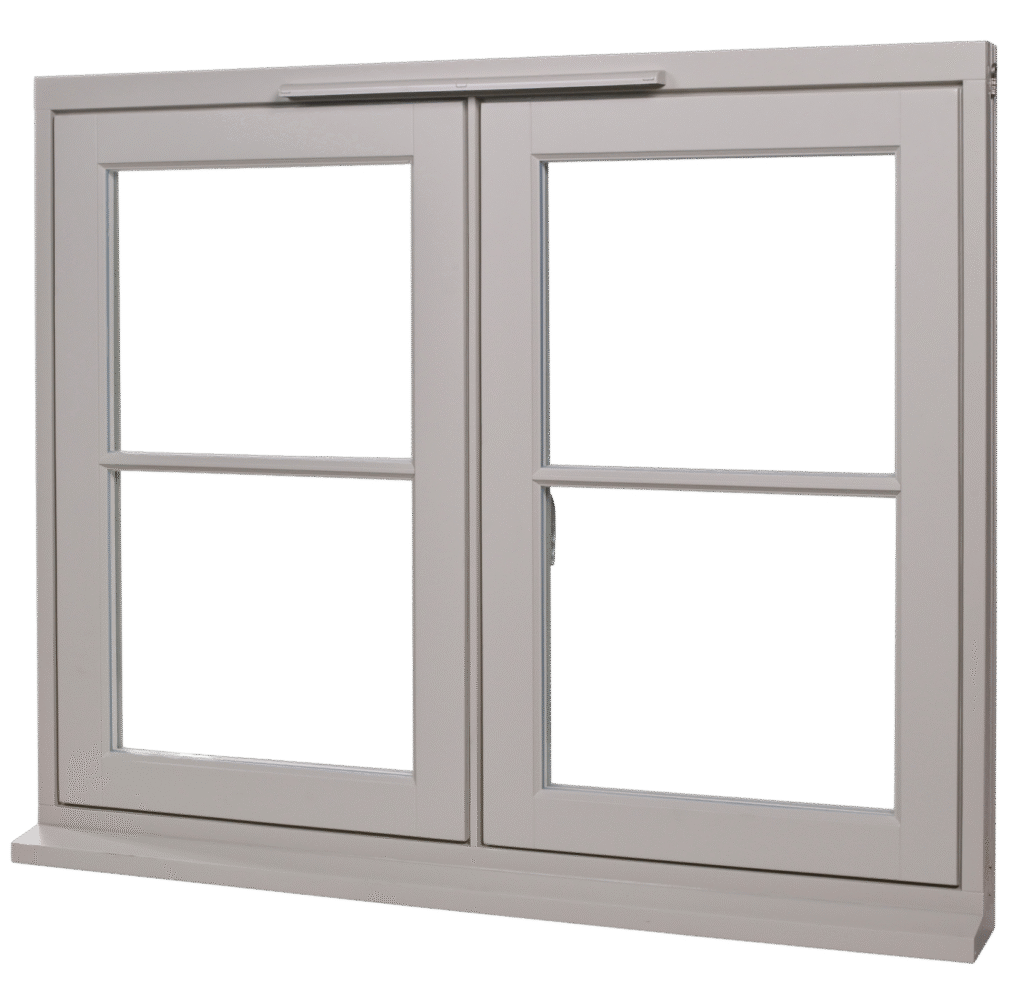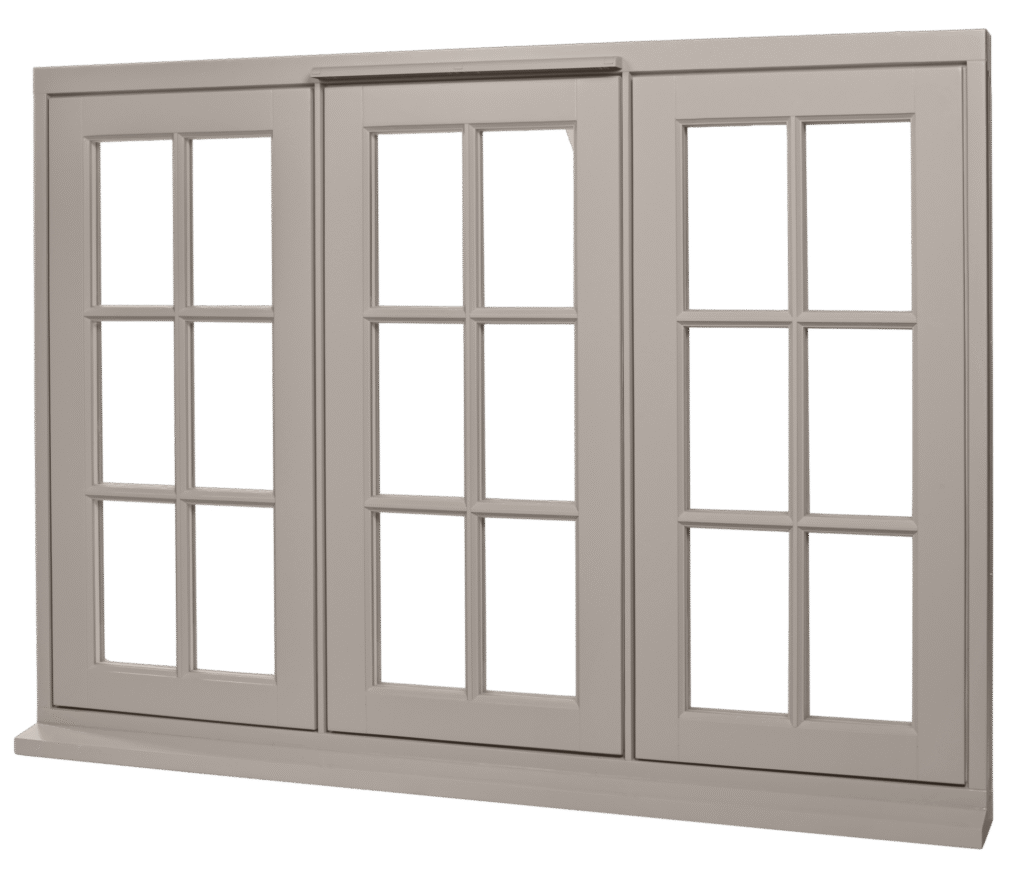
There’s a quiet confidence about meranti that most homeowners don’t expect. It doesn’t have oak’s prestige. It doesn’t have pine’s reputation for affordability. What it does have is arguably more useful than either: a durability class 2-3 rating, exceptional paint adhesion, and a price point that sits neatly between budget softwood and premium oak.
We’ve been supplying bespoke wooden windows for over a decade, and meranti is the timber that consistently surprises people. They arrive asking about oak, see the quote, then discover that meranti delivers 80% of the performance at a fraction of the cost. For painted finishes especially, it’s genuinely hard to beat — which is why it remains the pragmatic choice for architects, renovators, and homeowners who want hardwood quality without the hardwood premium.
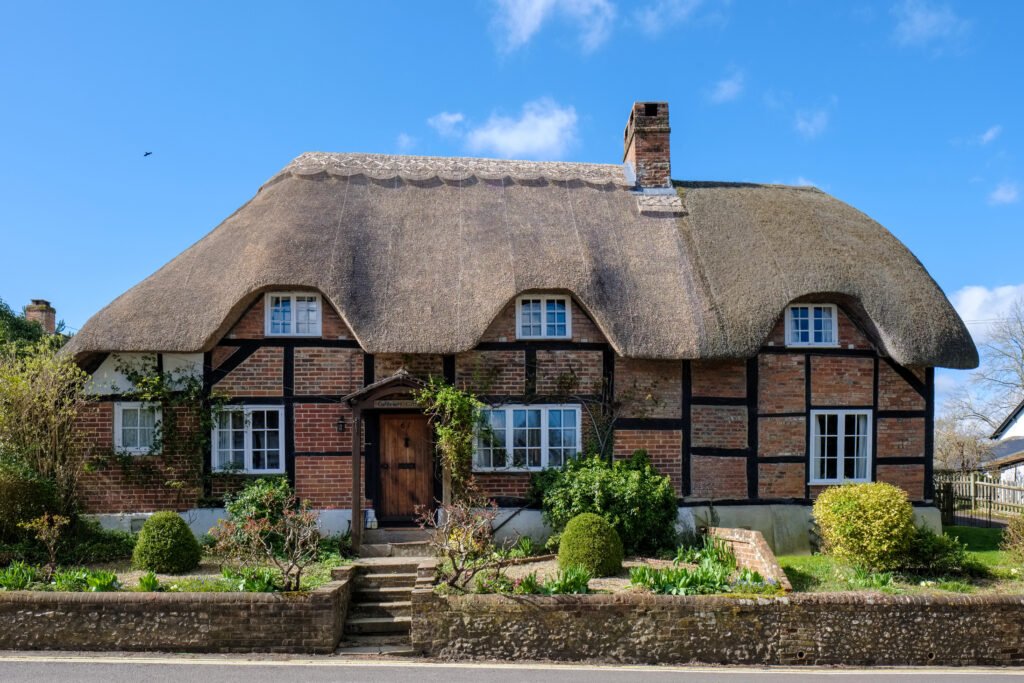
Take a recent project in Whitby — a Grade II terraced house two streets from the harbour, where the previous softwood frames had rotted through in under 12 years. The meranti replacements we installed in 2018 show no signs of decay seven years on. Salt air, driving rain, and all.
What Is Meranti?
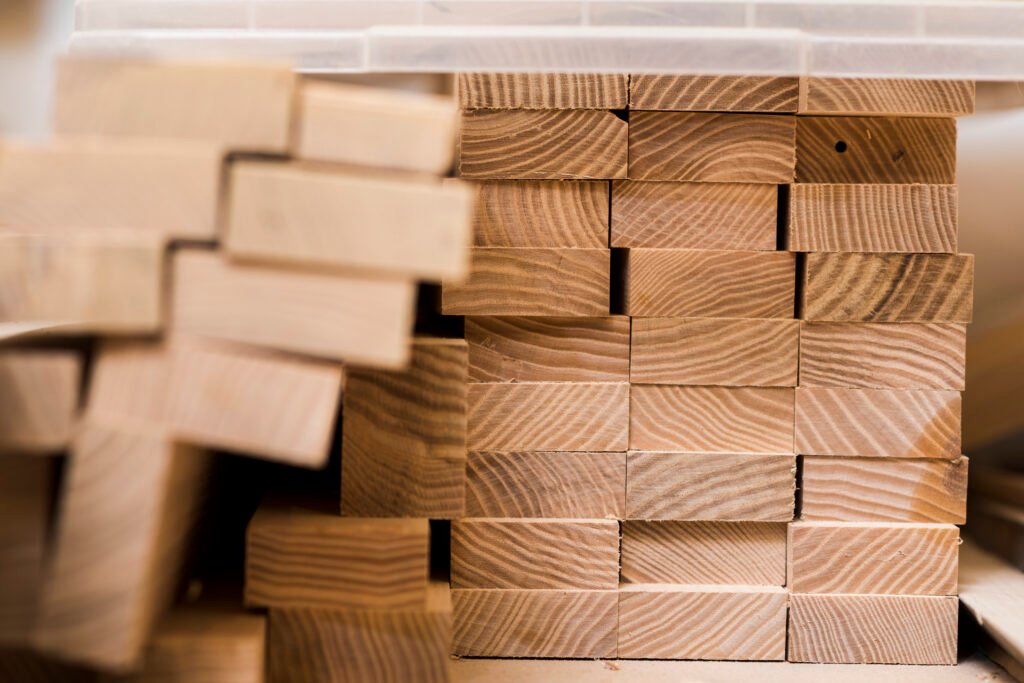
Meranti is a tropical hardwood from the Shorea genus, native to the rainforests of Southeast Asia — the trees of the Shorea genus grow primarily in Malaysia, Indonesia, and the Philippines. It’s been a staple in European joinery for decades, prized for its workability, stability, and natural resistance to decay. Among the many types of wood used in window construction, it occupies a unique middle ground: the properties of meranti wood place it above softwoods in rot resistance, yet below oak in cost.
Technical Properties That Matter for Windows
What makes it particularly well-suited to window manufacturing? A few key characteristics stand out. Its density typically ranges from 400-700 kg/m³ depending on the species grade, and its dimension and profile are consistent enough for precision timber-framed construction. That places it firmly in the ‘medium’ category — dense enough to resist dents and weathering, but not so heavy that it puts excessive strain on hinges and frames. From an architectural perspective, it machines cleanly into the fine profiles that period and contemporary window styles both demand.
The grain is interlocked and moderately coarse, which provides an excellent mechanical key for paint systems — we’ll cover this in detail below.
Natural Durability and Rot Resistance
Meranti sits in durability class 2-3 according to BS EN 350, which means it offers ‘durable’ to ‘moderately durable’ performance against fungal decay without any preservative treatment. In practical terms? A well-maintained window frame won’t rot on you — even in the damp British climate that eats through lesser woods.
To be honest, this natural rot resistance is one of the reasons we recommend it for coastal properties. The combination of salt spray, driving rain, and high humidity can be brutal on window frames, and the wood handles it significantly better than softwood alternatives.
Sustainability Credentials: Is Meranti an Ethical Choice?
This is the question that comes up most often — and rightly so. Tropical wood carries baggage. Decades of irresponsible logging have made people wary, and they should be. But the picture for this species in 2025 is considerably more nuanced than many assume.
FSC and PEFC Certification
The good news: meranti is widely available with FSC (Forest Stewardship Council) certification. This isn’t just a rubber stamp — FSC certification requires independent auditing of the entire supply chain, from forest management plans through to final delivery. When you buy FSC-certified stock from us, you’re getting wood from responsibly managed forests where replanting is mandatory and biodiversity protection is enforced. Choosing it with FSC certification also means your windows can qualify for green building schemes, and we’re happy to provide the documentation to guarantee chain-of-custody compliance.
Malaysia, the world’s largest meranti exporter, has committed to maintaining at least 50% of its land area under forest cover — a pledge that’s actually being monitored. The country operates the Malaysian Timber Certification Scheme (MTCS), endorsed by PEFC, which adds another layer of verification.
Carbon Footprint Considerations
Yes, it travels further than domestically sourced oak. That’s a fair point. But wood’s carbon story is more complex than simple transport miles. Wood is a natural carbon store — every cubic metre locks away roughly 250kg of CO₂. uPVC is derived from petrochemicals and essentially non-recyclable in window form. Wood is the opposite — renewable, biodegradable, and responsibly sourced in perpetuity — which is why energy-efficient wooden windows are increasingly specified by architects and self-builders alike.
The Energy Saving Trust (energysavingtrust.org.uk) recognises wood as the lowest environmental impact framing material for windows. That endorsement applies to responsibly sourced species like meranti just as much as to domestic softwoods.
How Meranti Performs in UK Conditions
Let’s get practical. How does it actually hold up when you’re dealing with a November gale in Cornwall or a February frost in the Scottish Borders?
Stability and Dimensional Movement
Meranti’s dimensional stability is genuinely impressive for a natural wood. Its movement in service is classified as ‘small’ — meaning it expands and contracts less than many alternative species when exposed to humidity changes and moisture fluctuations. For windows, this translates directly to fewer operational issues. Sashes that open and close smoothly. Casement windows that don’t stick in summer and rattle in winter. It’s a species that takes the British environment in its stride.
Paint Adhesion and Finish Longevity
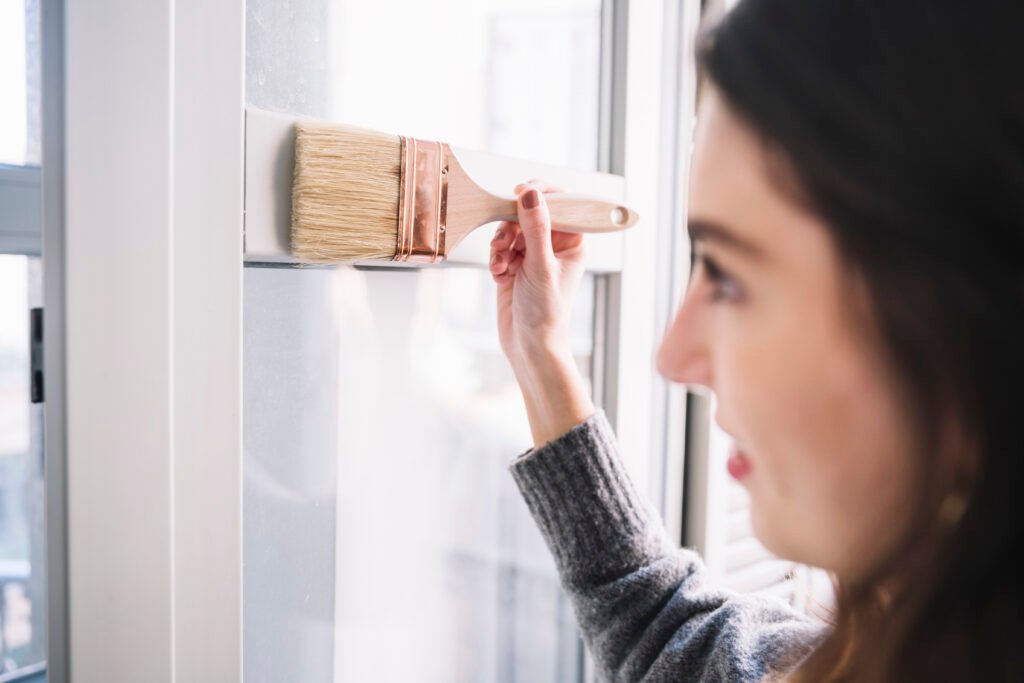
This is where it really earns its keep. The slightly open grain structure creates an excellent mechanical key for paint systems, and also takes varnish and decorative stained finishes beautifully. We factory-finish our windows with microporous coatings that flex with the wood rather than cracking — and these finishes routinely last 8-12 years before needing attention. That’s comparable to what you’d expect from oak, at a significantly lower price point. The aesthetic result is indistinguishable from more expensive species, which is why it is a favourite among joinery specifiers on period restoration projects.
Unlike uPVC — which yellows after 15-20 years and can’t be refinished — or aluminium, which can’t be repaired if damaged, this wood can be rubbed down and recoated indefinitely. It’s the most sensible choice if you want to protect and preserve the exterior appearance of your home for decades to come.
Meranti vs Oak vs Engineered Pine: How They Compare
| Feature | Meranti | Oak | Engineered Pine |
|---|---|---|---|
| Durability Class | 2-3 (Durable) | 1-2 (Very Durable) | 4-5 (requires treatment) |
| Paint Adhesion | Excellent | Good (tannin bleed risk) | Excellent |
| Natural Finish | Possible but limited grain | Beautiful natural grain | Not recommended |
| Approximate Cost | Mid-range | Premium (+40-60%) | Budget-friendly |
| Best For | Painted hardwood windows | Natural/stained finishes | Painted modern windows |
The honest truth? If you want a natural finish that shows off the grain, oak is the superior choice — no question (see our oak windows page for the full specification). Some customers also ask about mahogany, which has similar properties but is typically harder to source with credible sustainability credentials today. But if you’re painting your windows (and roughly 85% of our customers do), meranti gives you solid wood performance without the oak price premium. It’s the pragmatic choice — the elegance of a real wood window without the oak price tag.
Our guide to hardwood vs softwood sash windows goes into this in more detail. Engineered pine sits at the other end of the spectrum. It’s our most affordable option and performs brilliantly for painted finishes. But it doesn’t have meranti’s natural rot resistance, which matters if you’re in an exposed location or want extra peace of mind. Lasting performance is a key element of the decision, not just price.
Where Meranti Windows Make the Most Sense
Not every property suits this type of window — but some absolutely benefit from it. Here’s where we’d typically recommend it:
Coastal and exposed properties. Its rot resistance class means meranti handles salt-laden air and driving rain better than pine. If you’re within a mile or two of the coast, it’s worth the step up from softwood — for every window frame and door frame exposed to the elements.
Painted-finish projects. If your design calls for a crisp, painted finish — whether that’s classic white, anthracite grey, or a heritage colour — meranti is arguably the ideal substrate. The adhesion is superb, and the finish longevity is hard to fault.
Mid-range budgets seeking quality. You want solid wood performance but oak pricing feels like a stretch? Meranti sits in that sweet spot. It’s a genuine durable option with real-world credentials, and it will fit any colour scheme you choose — whether that’s a classic painted finish or a more decorative heritage tone.
High-moisture environments. Kitchens, bathrooms, utility rooms — anywhere condensation is a regular visitor. Its natural moisture resistance gives it an edge over softwood alternatives in these trickier spots.
Frequently Asked Questions
How long do meranti windows last?
–
+
With proper maintenance, meranti windows typically last 40-60+ years. Its natural rot resistance class 2-3 rating means it resists fungal decay without heavy preservative treatment. Regular repainting every 8-12 years keeps them in excellent condition — and unlike uPVC, they can be refinished indefinitely rather than replaced.
Is meranti a sustainable choice for windows?
–
+
Yes — when sourced responsibly. Meranti is widely available with FSC and PEFC certification, meaning the wood comes from audited, sustainably managed forests. Malaysia maintains strict replanting requirements, and wood remains the lowest-impact framing material according to the Energy Saving Trust.
How does meranti compare to oak for windows?
–
+
For painted windows, meranti is the better value — you’re paying 40-60% less than oak for a material that actually holds paint more reliably. Oak’s advantage is its stunning natural grain for stained or oiled finishes. If you’re painting, it’s the pragmatic winner.
Do meranti windows need special maintenance?
–
+
No special maintenance required. The routine is the same as any painted wooden window: inspect annually, clean frames with mild detergent, touch up any chips or cracks promptly, and plan a full repaint every 8-12 years. It’s straightforward — and far less hassle than many people expect.
Conclusion
Meranti won’t win glamour contests against oak — it’s not that kind of wood. What it will do is deliver 40-60 years of rot-resistant, dimensionally stable performance with a painted finish that stays sharp. Its BS EN 350 Class 2-3 durability rating is verifiable. Its FSC certification is audited. The 8-12 year factory-finish longevity we quote isn’t marketing — it’s the result we see on windows we supplied a decade ago. For the majority of UK homeowners who want genuine hardwood quality without the premium price tag, it is the smartest option on the table.
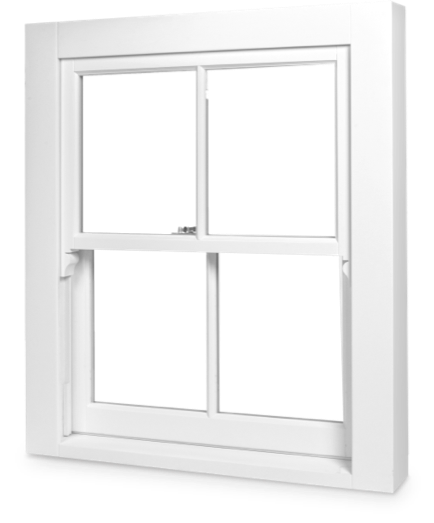
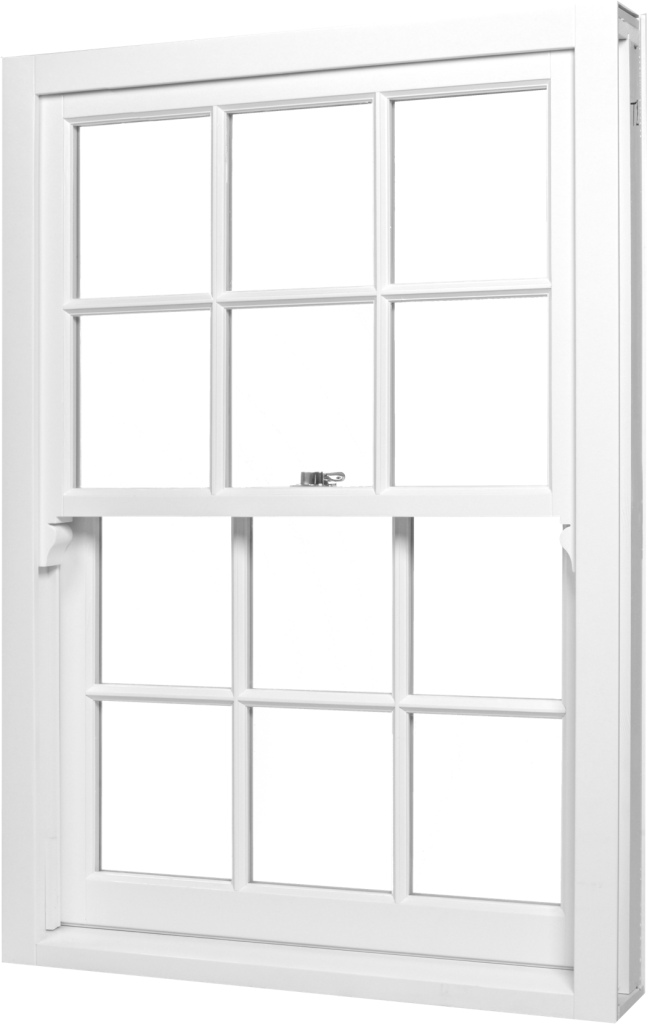
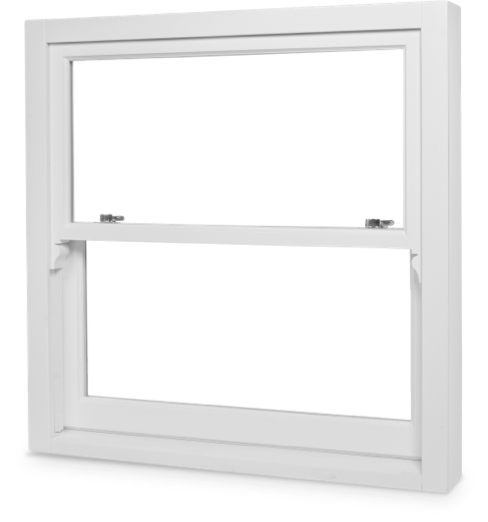
We supply bespoke meranti windows in any size, style, and RAL colour — from traditional casement windows to Georgian sash designs, and matching timber-framed doors. Every wood window is made to your exact specifications, FSC-certified, and delivered nationwide. Whether you need a single replacement or a full property refurbishment, double glazing as standard is available across the range — just specify your requirement when you request your quote.
Ready to explore it for your project? Request your free quote today and we’ll put together a detailed specification within 48 hours.
Our Best-Selling Timber Windows: