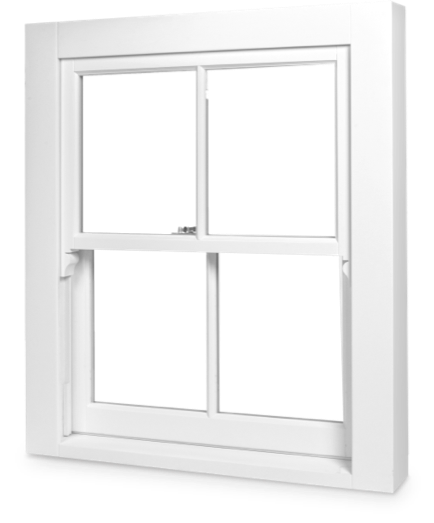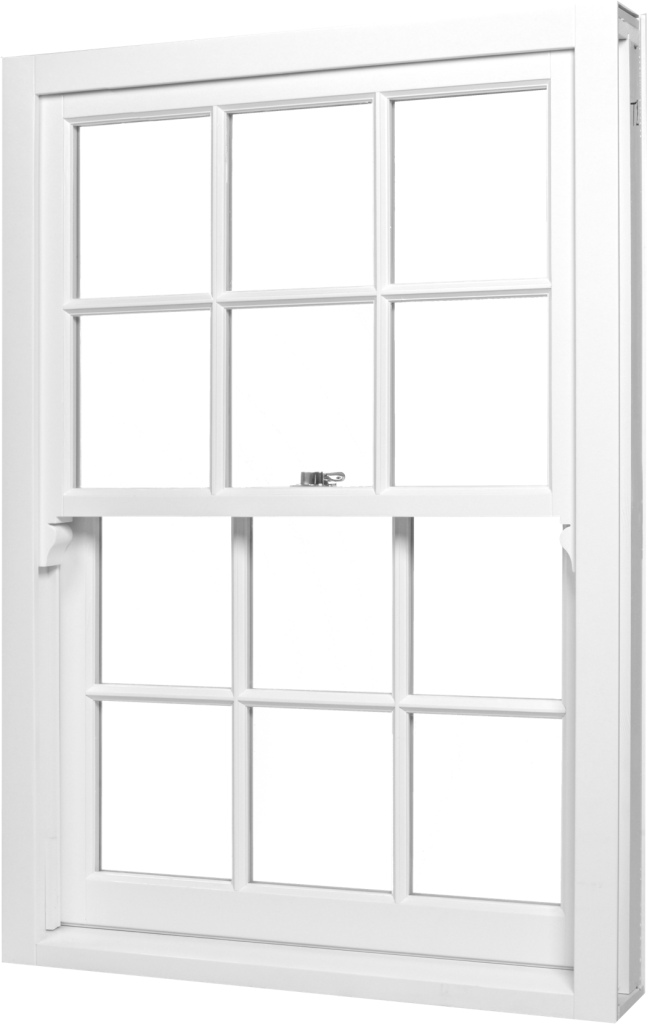
There’s something about a Georgian townhouse with its original sash windows that just looks right — the tall proportions, the rhythmic glazing bar grid, the way the facade reads as a unified composition rather than a collection of parts.
Replicating that with modern windows is entirely possible, but only if you understand what separates a convincing Georgian sash from an obvious reproduction. The glazing bar width. The pane count for the correct period. Whether the window should have sash horns at all. Get these details right and even a conservation officer will nod approvingly. Get them wrong and the result looks fake regardless of budget.
We’ve manufactured Georgian-style sash windows for Grade II listed townhouses in Bath, new-build developments in conservation areas, and everything in between. This guide distils everything we’ve learned — proportions, profiles, heritage glazing, listed building consent, and realistic costs — so you can specify with confidence.
Understanding Authentic Georgian Proportions
The Georgian period (roughly 1714-1830) was obsessed with mathematical harmony. Windows weren’t just holes in walls. They were carefully calculated elements of a unified architectural composition. Understanding these principles is essential if you want windows that look convincing.
The 6-Over-6 Pane Pattern
The classic Georgian sash window features six panes in each sash — six over six. This wasn’t arbitrary. Glass manufacturing limitations of the period meant individual panes were relatively small, so multiple panes were needed to fill the opening. But the Georgians turned this constraint into an aesthetic virtue, creating a grid pattern that divides light beautifully and gives the facade its characteristic rhythm.
Earlier Georgian windows (1714-1760) typically used larger pane counts — sometimes 9-over-9 or even 12-over-12 — because glass technology was more limited. Later Georgian windows (1760-1830) moved toward the familiar 6-over-6 as larger panes became available. Getting the pane count right for your property’s period is a detail that matters more than you might expect.
Glazing Bar Profiles: The Details That Define Authenticity
Here’s where many modern reproductions fall flat. Original Georgian glazing bars were incredibly slim. Typically 15-20mm wide. Each georgian bar was structural, actually holding individual panes of glass in place with putty. The result was an elegant, delicate grid that maximised light while creating the distinctive shadow lines that give Georgian facades their depth.
Modern “Georgian-style” windows often use applied bars (stuck onto a single large pane) that are 23mm or wider. The difference is immediately visible. Especially at an angle, where applied bars create an obviously flat appearance instead of genuine depth. For period authenticity, insist on true through-bars or, at minimum, internal and external applied bars with a spacer bar inside the sealed unit to create convincing depth.
Height-to-Width Ratios
Georgian windows are tall. The typical height-to-width ratio falls between 1.6:1 and 2:1 — roughly following the golden ratio that Georgian architects revered. First-floor windows were often the tallest (reflecting the piano nobile — the principal entertaining floor), with proportions reducing on upper floors. This hierarchy gives Georgian facades their characteristic sense of order.
Modern Manufacturing for Period Authenticity
The challenge of Georgian sash windows in 2026 is clear: achieve authentic 18th-century aesthetics while meeting 21st-century thermal performance standards. It’s a tension — but one that modern manufacturing has largely resolved.
Slim-Profile Double Glazing
Standard double glazing uses a 16-28mm cavity, which creates a sealed unit too thick for traditional sash profiles. But slim-profile units — typically 12-14mm total thickness with vacuum or thin spacer technology — can fit within authentic section sizes. These units achieve U-values of 1.2-1.4 W/m²K, making the sliding sash window genuinely energy efficient while meeting current Building Regulations and maintaining the slender proportions. Our Georgian sash on weights is a popular choice that incorporates this technology that defines Georgian style.
For listed buildings where even slim double glazing may not be acceptable, single glazing with discreet secondary glazing internally is often the pragmatic solution. For properties without listing constraints, our double glazed wooden windows offer the best of both worlds. This approach preserves the original external appearance completely while dramatically improving thermal and acoustic performance.
Getting the glazing right is only part of the equation. Getting the profile right is what makes the window look authentic.
CNC Precision Meets Traditional Craft
Modern CNC routing technology can replicate Georgian moulding profiles with extraordinary accuracy — to fractions of a millimetre. This matters because Georgian joinery had very specific profiles: lamb’s tongue, ovolo. Ogee mouldings each have precise proportions that the eye recognises subconsciously. Even small deviations look “off” on a period building.
But CNC is only half the story. The assembly of a quality sash window — mortice and tenon joints, sash cord channels, proper draught-proofing — still requires skilled hands. Our most experienced joiners assemble our box sash windows, because some things machines just can’t replicate.
Key Features to Specify
Sash Horns: Georgian or Victorian?
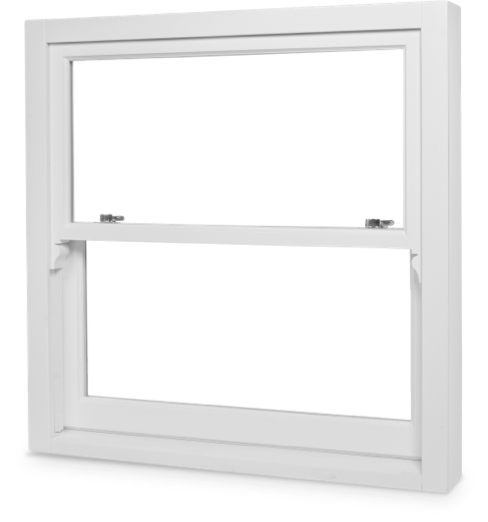
This is one of the most common specification errors we see. Sash horns — the small projections at the bottom of the upper sash — are a Victorian feature, not Georgian. They were introduced around 1840 to strengthen the meeting rail junction when larger panes of glass made sashes heavier.
If your property is genuinely Georgian (pre-1830), your sash windows should not have horns. It’s a small detail, but it’s the kind of thing that conservation officers notice immediately. And that architects and period property enthusiasts spot from across the street.
Period-Appropriate Hardware
Original Georgian sash windows used brass or iron fitch fasteners, not the Victorian Brighton pattern catches that many people assume are “traditional”. Sash lifts were simple flush-fit brass plates. Pulleys were brass-faced. These details might seem minor, but they contribute significantly to an authentic overall appearance.
Historically Accurate Colours
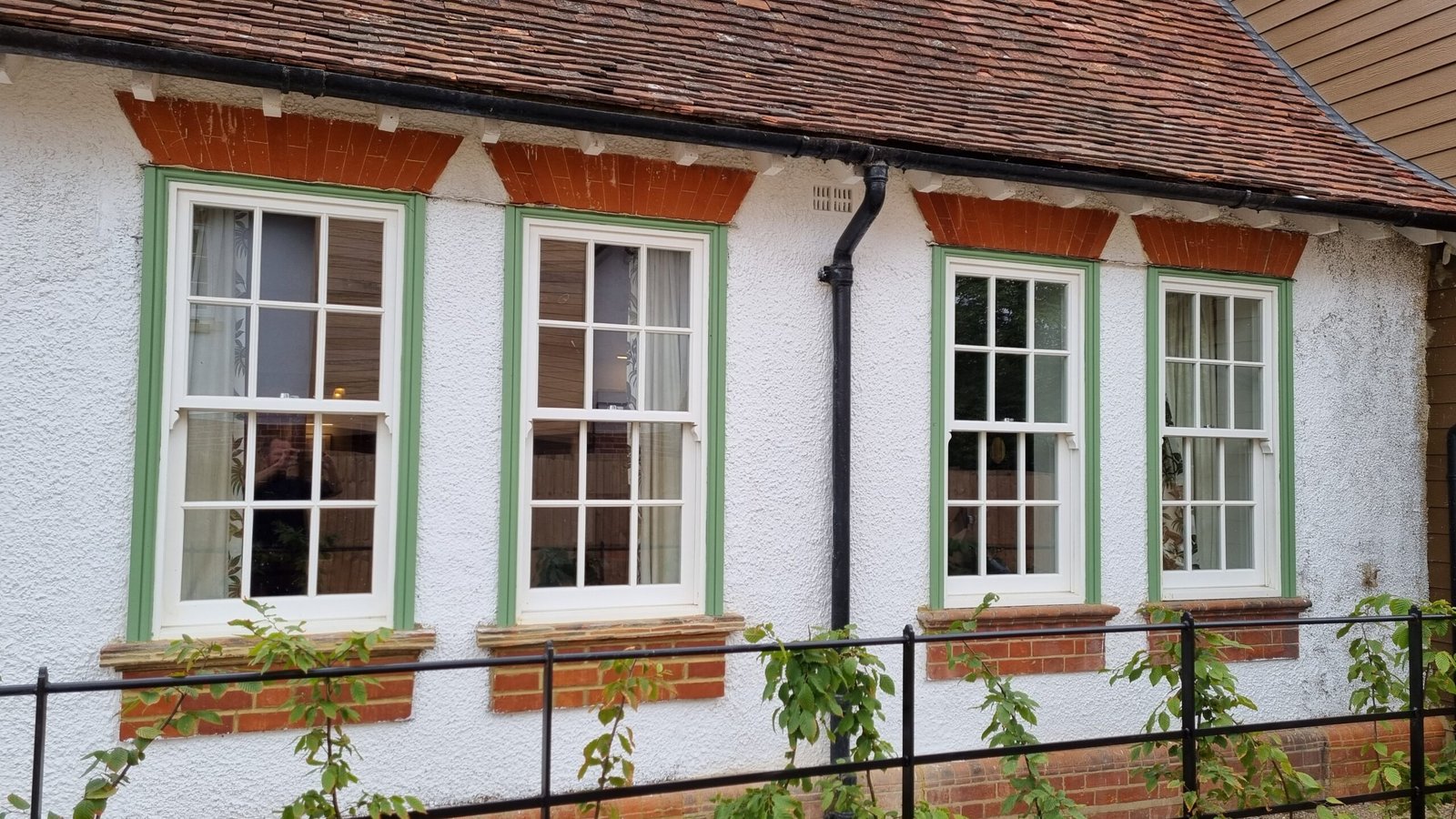
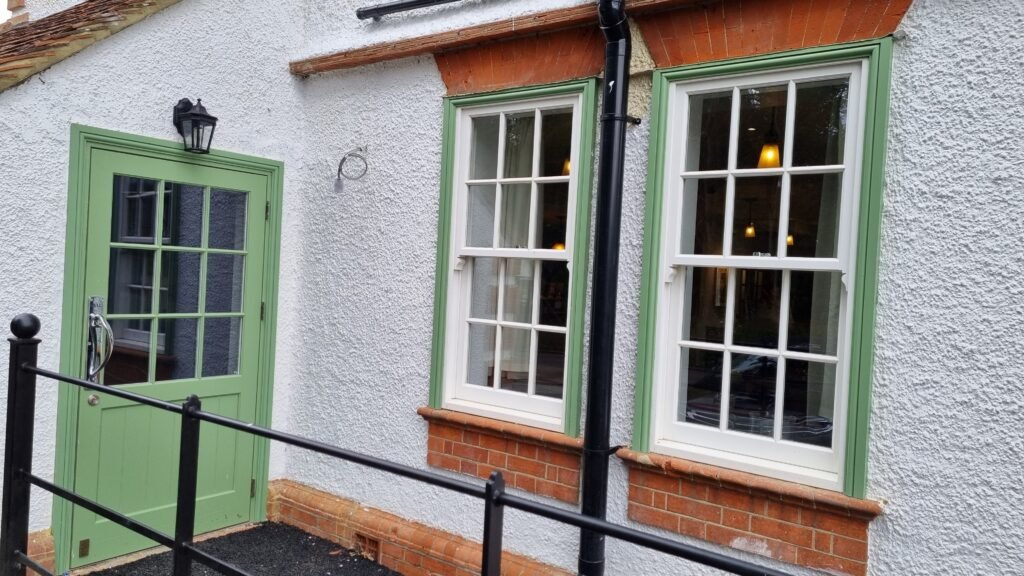
Forget brilliant white — it’s a 20th-century invention. Georgian windows were typically painted in muted tones: off-white, stone, dark green, chocolate brown, and (in London especially) the near-black “invisible green” that concealed dirt. Farrow & Ball, Little Greene, and Dulux Heritage all offer period-appropriate colours. Conservation officers approve. Original masonry is complemented beautifully. You can also customise the woodgrain finish to suit your property’s specific character — something that white uPVC windows simply cannot replicate.
Listed Building and Conservation Area Considerations
If your property is listed or sits within a conservation area, window replacement isn’t a straightforward swap. There are legal requirements to satisfy. We offer a specialist service for replacing windows in listed buildings that handles the consent process end to end. And getting them wrong can mean enforcement action, fines, or being required to reinstate original windows at your own expense.
When You Need Consent
Listed buildings (Grade I, II*, or II) require Listed Building Consent for any window replacement. Even like-for-like changes. Conservation area properties don’t normally need specific consent for window replacement unless an Article 4 Direction is in place, but you should still check with your local planning authority. The rules vary by council, and assumptions can be expensive.
Working With Conservation Officers
In our experience, conservation officers are far more reasonable than their reputation suggests. They want to see appropriate materials (timber, not uPVC window or aluminium replacements), historically accurate proportions and profiles. Evidence that you understand the building’s significance. Come prepared with detailed drawings, section profiles, and a clear explanation of how thermal performance will be achieved without compromising appearance. Most officers appreciate this level of care and will work with you constructively.
Historic England’s guidance on windows in listed buildings (historicengland.org.uk/advice/technical-advice/windows) is freely available and worth reading before you start your project. It sets out clear principles that conservation officers follow, so understanding it puts you ahead of most applicants.
Frequently Asked Questions
How do Georgian sash windows work?
–
+
Georgian sash windows slide vertically within a box frame. The traditional mechanism uses counterbalance weights on cords or chains, hidden within the frame’s hollow sides. Modern versions often use spiral spring balances instead, which are more compact and don’t require weight boxes — useful where wall depth is limited. Both systems allow the upper and lower sashes to slide independently for ventilation. Unlike uPVC sliding sash windows, timber versions can be repaired and refinished indefinitely.
Can Georgian sash windows be double glazed?
–
+
Yes — and the technology has improved dramatically. Slim-profile units fit within traditional sash sections without altering the external proportions that make Georgian windows distinctive. They’ll meet current Building Regulations comfortably. For Grade I or II* listed buildings, your conservation officer may prefer single glazing with internal secondary glazing — discuss options early in the project.
How long do timber sash windows last?
–
+
Quality timber sash windows last 50-100+ years with proper maintenance. The box frame construction is inherently robust, and individual components (sash cords, draught seals, ironmongery) can be replaced as needed without disturbing the main frame. Many Georgian properties in Bath, Edinburgh, and London still have functioning original sash windows that are 200+ years old.
How much do Georgian sash windows cost?
–
+
Bespoke Georgian sash windows start from £800-1,200 in engineered pine. Meranti sits at £1,100-1,600. Oak ranges from £1,400 to £2,200+ — depending on size, glazing specification, and detailing complexity. Listed building specifications with slim-profile glazing and period hardware sit at the upper end. These are indicative figures — request a quote for accurate pricing on your specific requirements.
Getting Georgian Right
Georgian sash windows are the gold standard of British window design — and for good reason. The proportions work. The details are refined. Three centuries of continuous use is about as robust a proof of concept as any building product can offer.
What has changed is the technology behind them: slim-profile glazing units (typically 12-14mm), vacuum-cavity spacer bars, and CNC-machined profiles accurate to fractions of a millimetre mean you can now achieve authentic Georgian proportions with U-values that satisfy Part L of the Building Regulations. You don’t have to choose between beauty and performance any more.
We manufacture bespoke Georgian sash windows in engineered pine, meranti, and oak — with true through-bar glazing profiles, period-appropriate hardware, and any heritage colour from Farrow & Ball or RAL. Every window is made to your exact dimensions and specification, with nationwide delivery. Our sash window styles range from classic 6-over-6 Georgian to Victorian double-hung and contemporary sliding sash designs.
Explore our Georgian windows range or request your free quote — we’ll turn around a detailed specification within 48 hours.
Our Best-Selling Timber Windows: