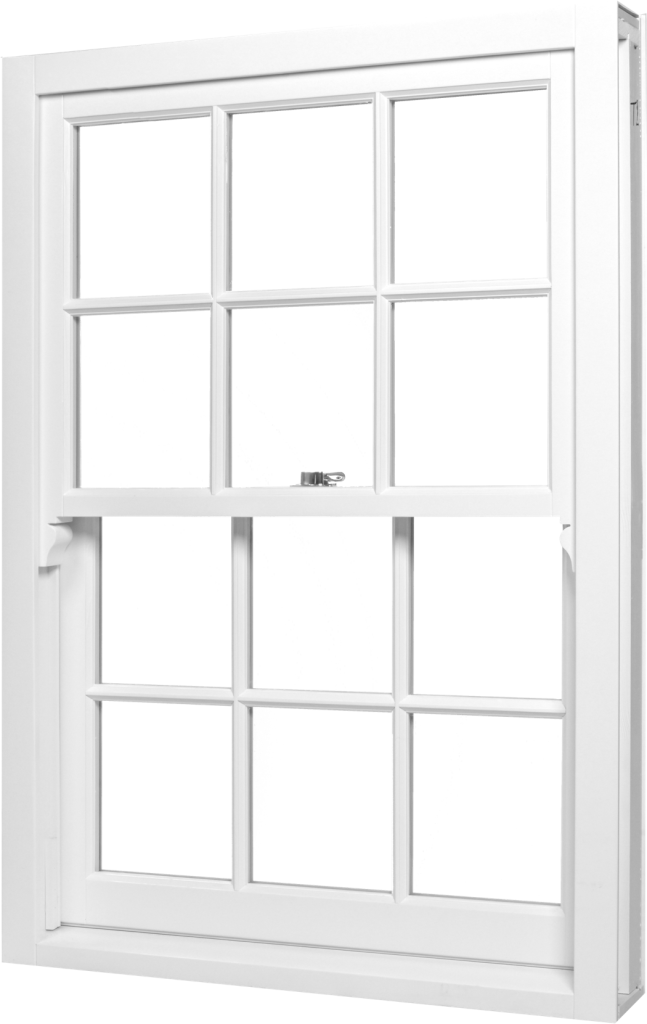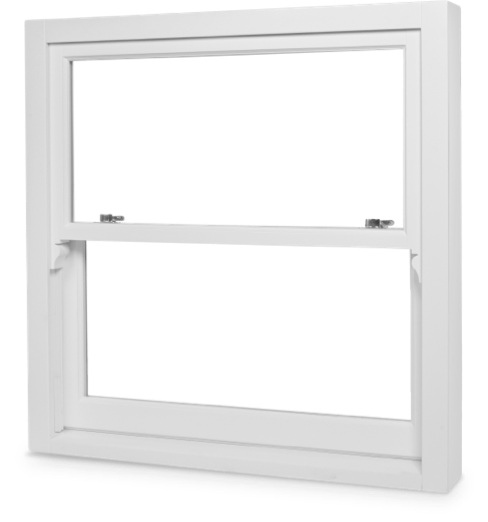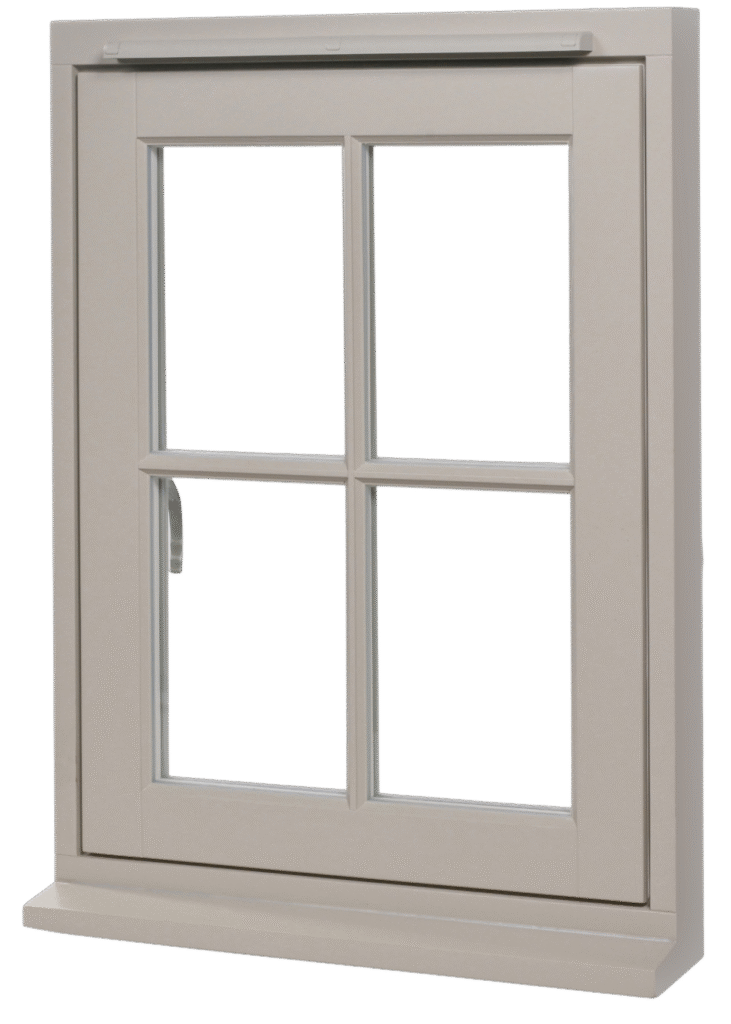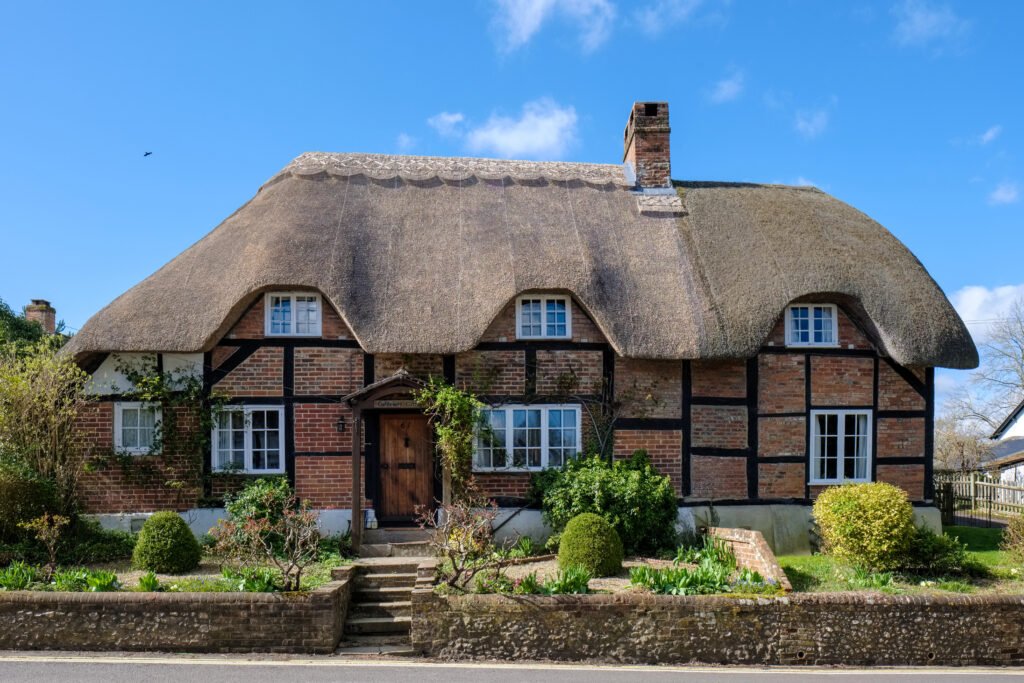
A well-made timber window should give around 60 years of service, and many original windows on period houses are far older than that. The real answer depends on the timber, the finish, how the window is fitted and how it’s looked after. Get those right and timber will outlast most other window materials.
We’ve been making bespoke timber windows since 2013, and “how long will they last?” is one of the first questions we’re asked. It’s a fair question, because new windows for your home are a long-term purchase. This guide sets out what the evidence says, and what you can do to get the longest possible life from your windows, whether they’re new or a century old.
Factory finished
Double glazed as standard
U-value 1.4 W/m²K
Made to measure
Around 20 working days
In this guide
What You’ll Discover in This Article
- What the research says about window lifespans
- The factors that decide how long a window lasts
- The maintenance that keeps a window sound
- The signs that a window needs repair or replacement
- The long-term advantages of timber, beyond longevity
01 · Lifespan
How Long Timber Windows Can Last
There’s no single number, but there is good evidence. A well-designed, factory-finished window with proper care should last for many years.
What the Research Says
A whole-life study by Heriot-Watt University, published in 2013 for the Wood Window Alliance, estimated a service life of around 60 years for windows made to its specification. The British Woodworking Federation reports that’s roughly twice as long as comparable PVC-u frames. In other words, well-made windows can last for decades and, with care, 60 years and beyond.
Windows That Survive for Centuries
Across the UK, period properties still have their original windows. Many Victorian sash windows have been reglazed and repainted several times, but the frames themselves are well over a hundred years old. Old windows often have more life left than people think. Windows have lasted that long because traditional timber frames can be repaired, and that’s the clearest proof of the durability of timber.
Timber vs uPVC vs Aluminium
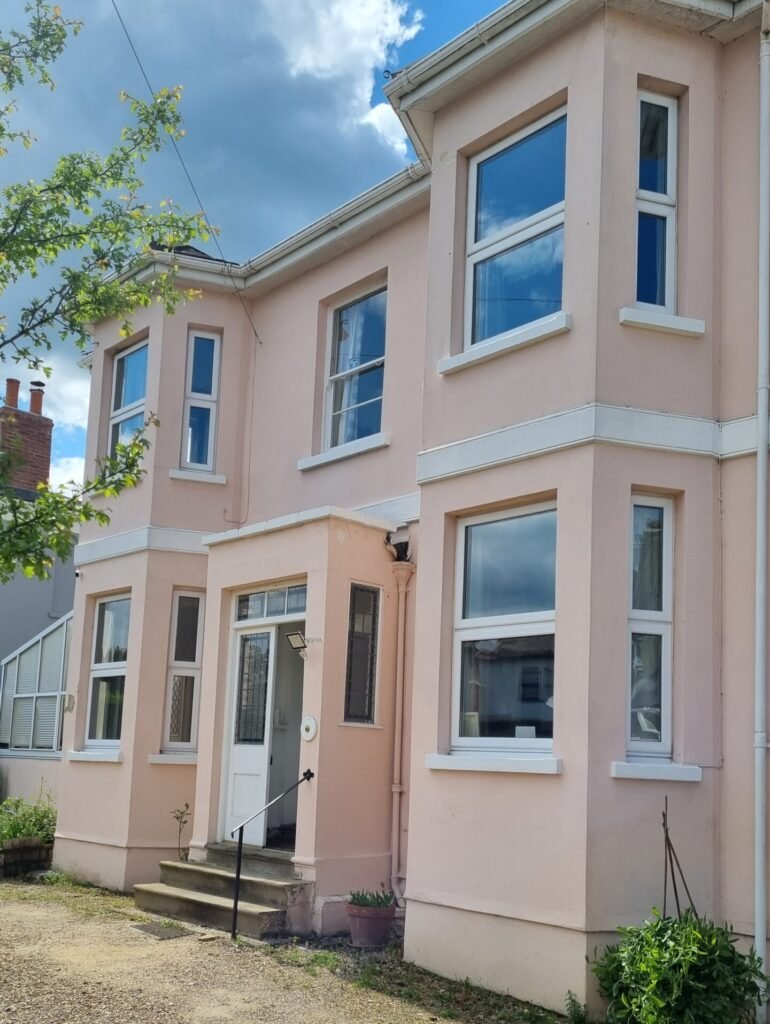
A uPVC frame can’t be sanded, filled or repainted in the same way, so once it’s worn or discoloured it’s usually replaced. uPVC windows typically last a shorter time than well-kept timber, according to the same research. Aluminium frames are strong and slim, but aluminium windows lose more heat through the frame unless they’re thermally broken. Whether you compare timber with uPVC or aluminium, the biggest difference is repair: timber window frames can be mended a section at a time. Our comparison of uPVC and timber windows covers the other differences.
02 · Factors
What Decides How Long a Window Lasts
Two windows can look the same on delivery and last very different lengths of time. These factors need to be considered.
Type of Timber
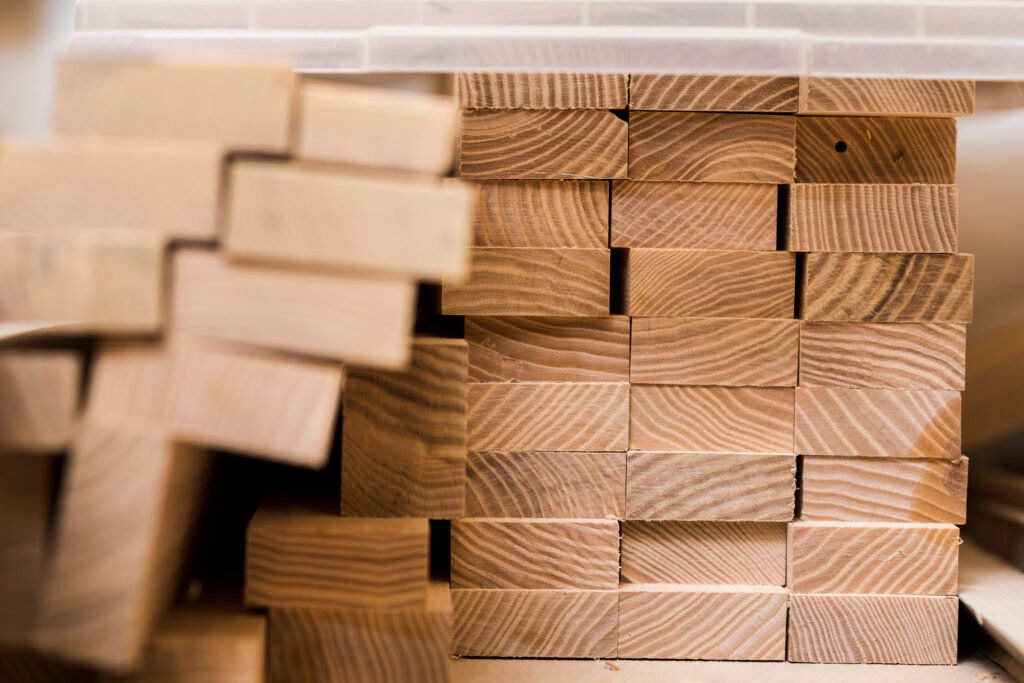
Several species are used for windows. Choose the right timber species and you’re halfway there. Our pine and Dark Red meranti windows use three-layer engineered sections, with the grain of each layer running in opposite directions, so a softwood or hardwood frame stays straight. Oak is used as solid wood, because it’s dense, stable and naturally durable timber.
Design That Sheds Water
Water is what shortens a window’s life. Good design slopes the sill, adds a drip groove underneath and keeps joints away from where rain collects. Small details like these matter more than almost anything else.
Preservative and Factory Finish
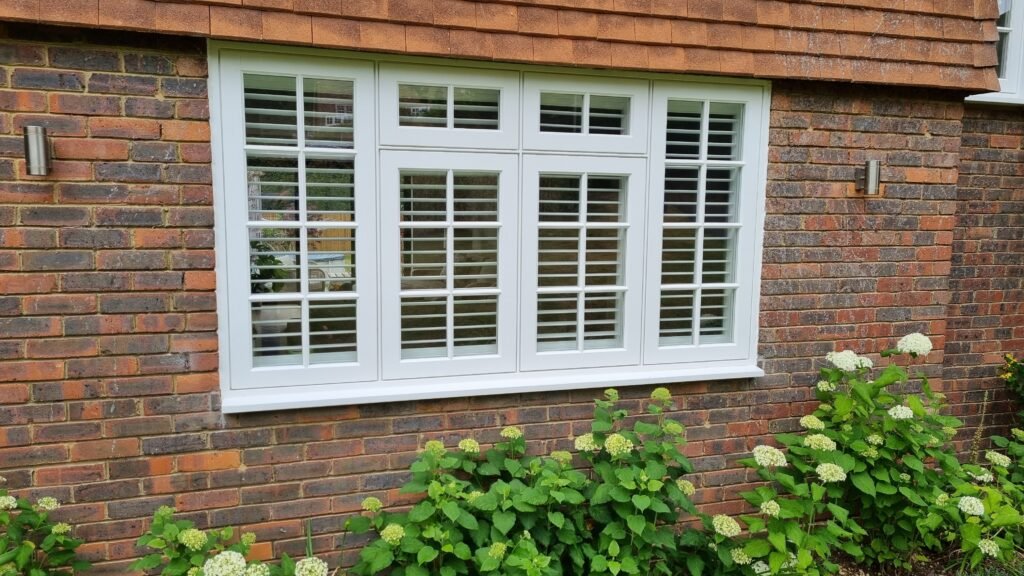
Before finishing, our timber is vacuum-treated with preservative, so it’s protected right into the wood. It then gets a four-stage microporous finish, sprayed in temperature-controlled booths. Most windows today are factory finished, and for good reason: the coating is more even and more durable than paint brushed on site. Factory finishes also last longer between recoats, and you can pick any colour and finish.
Glass Units
A sealed glass unit won’t last as long as the window frame around it. When a unit mists between the panes, it can be replaced on its own. Our double-glazed wooden windows use warm-edge spacers, and double or triple glazing is available.
Correct Installation
A window that’s fitted out of square, packed badly or left without a proper joint to the wall will let water in. Use an experienced joiner, builder or FENSA-registered installer, and make sure the sill drains away from the wall.
03 · Maintenance
Maintenance That Extends the Lifespan
Timber isn’t a low maintenance material in the way some brochures suggest, but the work is simple. A little care each year extends the lifespan of your windows, and they’ll stay sound for many years to come.
Check Your Windows Regularly
Once a year, or twice a year on an exposed site, wash the frames, clear the drainage slots and look closely at sills, bottom rails and corner joints. Press any suspect area with a thumbnail: sound timber is hard. Our timber window maintenance guide covers each step.
Repainting and Touch-Ups
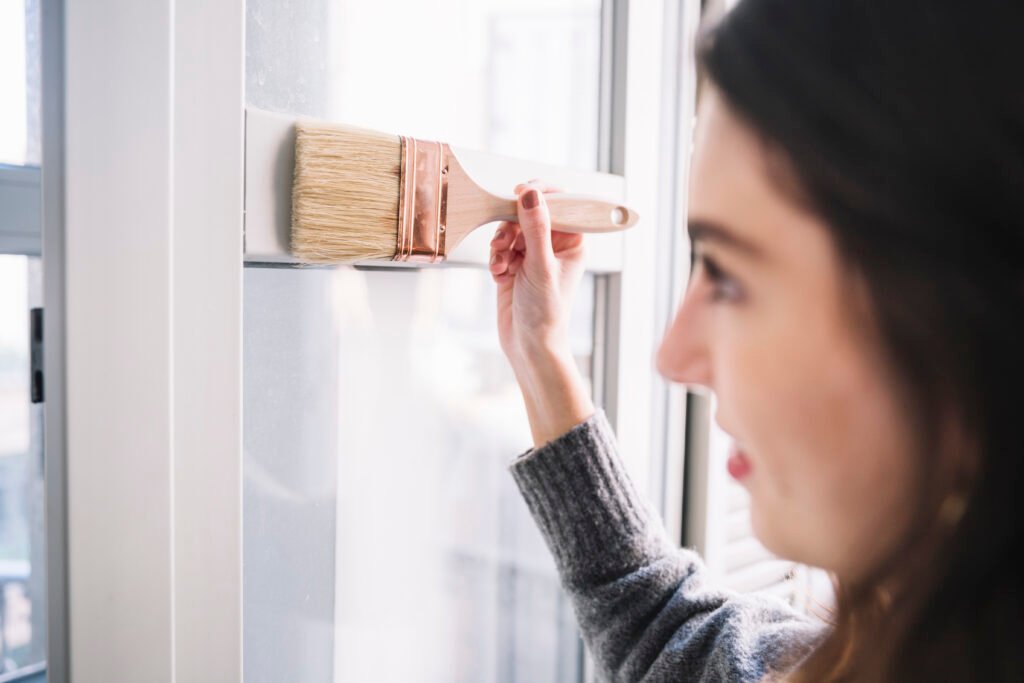
Touch up cracks and chips as soon as you see them, so water can’t get behind the paint. A full recoat is due when the finish looks dull, chalky or worn, and it’s easier on a factory-finished window because the base coats are still sound. That’s how you keep your timber protected.
Hardware and Draught Strips
Oil hinges, stays and locks once a year. Check that draught strips are clean and flexible, and replace any that are torn. A window that closes tightly keeps out rain as well as draughts.
04 · Warning signs
Signs a Window Needs Attention
Normal wear and tear is easy to put right if it’s caught early. These are the signs to look for.
Soft or Decayed Timber
Soft, dark or crumbling timber at the bottom of a frame is the first sign of rot. Small areas can be cut out and spliced with new timber by a joiner. Large areas, especially in sills and bottom rails, may mean replacing your windows.
Sticking or Rattling
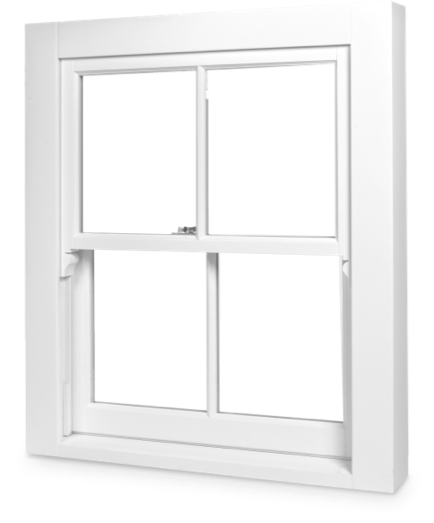
Windows might stick, drop or rattle because of swollen timber, loose joints or worn hardware. On timber sash windows, worn cords or parting beads are a common cause. A joiner can usually ease or adjust it.
Misted Glass
Misting between the panes means the unit’s edge has failed. The glass unit can be replaced without changing the frame.
Repair or Replace?
If the timber is mostly sound, window repair is usually the better option, especially on listed buildings and other period homes. Historic England encourages owners to repair significant historic windows wherever possible. Replacement makes sense when decay is widespread or a window can no longer be made to close properly.
05 · Benefits
Long-Term Benefits of Timber
Lifespan is only part of the case for timber. These benefits build up over the years.
Energy Efficiency
Our double-glazed timber windows reach a U-value of 1.4 W/m²K, with low-E glass, argon and warm-edge spacers, and triple glazing is available. Timber is a natural insulator, so the frame itself loses little heat. Good thermal performance from the windows in your home will help keep energy bills down.
Repairable and Sustainable
Timber is a renewable material, and a timber window can be repaired and repainted many times. One of the big benefits of timber windows is their sustainability over a long life: fewer replacements mean less waste.
Character and Appeal
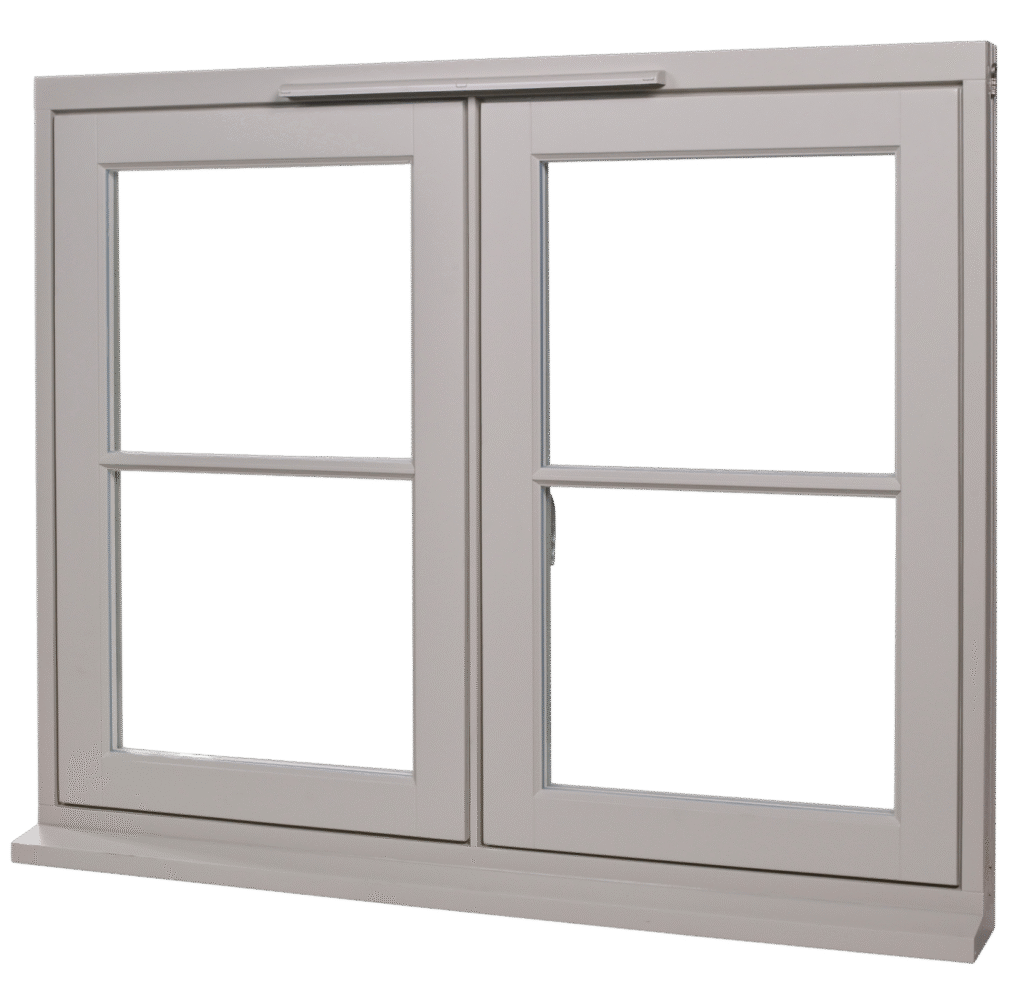
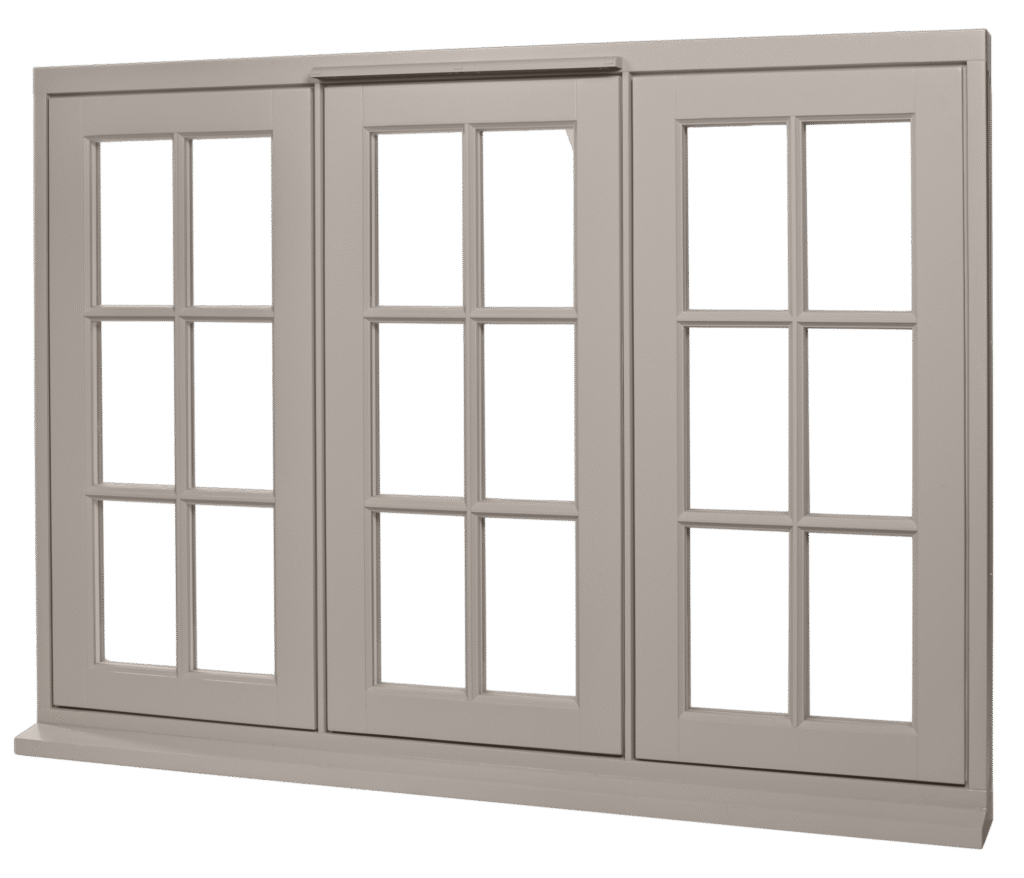
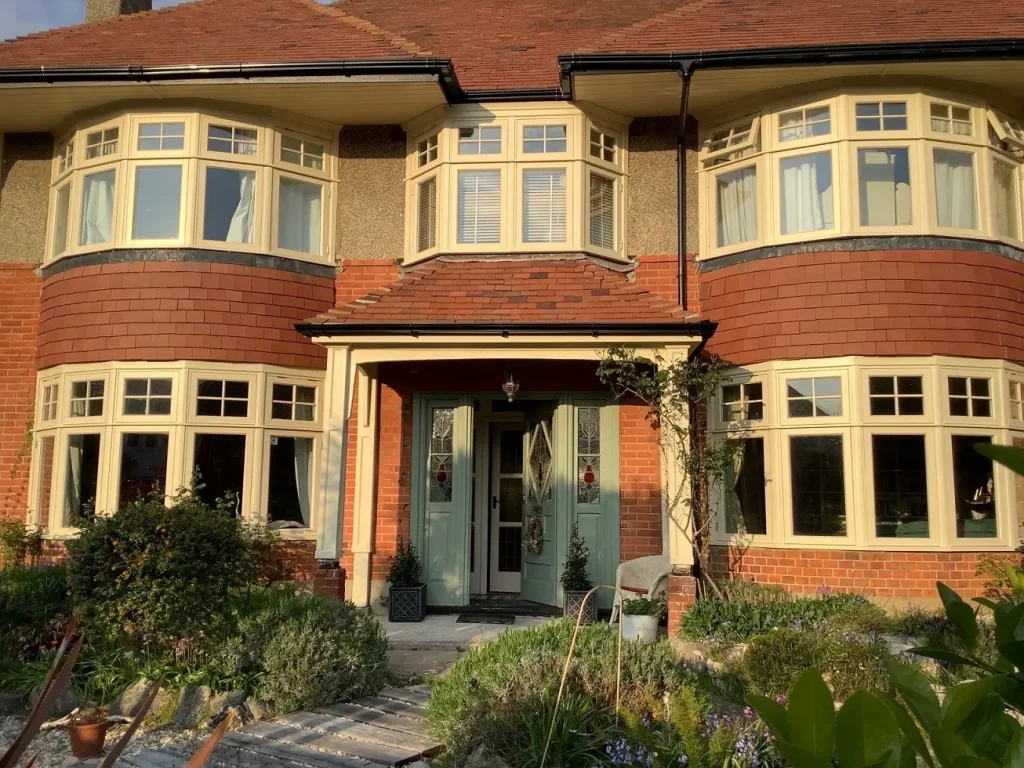
On a period house, the right window styles keep the character of the front elevation. Modern timber windows can copy traditional sash windows or flush casements, and a new colour changes how the windows look without replacing them. Well-chosen windows offer character, and they can also add value to your home.
06 · Cost
Whole-Life Cost
The cheapest window on day one isn’t always the cheapest over 60 years. It’s worth thinking about the whole life of a window, not just the price.
Upfront Price
Our windows start from £449 plus VAT for a standard size, with the final price depending on size, timber, glazing and detail. Typical prices are shown on each product page.
The Cost Over Decades
A longer-lasting frame means fewer replacements, and every replacement brings new frames, fitting, making good and redecoration. Set against that is the cost of looking after timber: a yearly check and a recoat every few years.
Warranty and Lead Time
Every window we supply carries a 5-year product warranty. Our made-to-measure windows take around 20 working days, because each window is made to the exact size of its opening. We’re supply only: your own joiner, builder or a FENSA-registered installer fits them.
Frequently Asked Questions
What is the lifespan of a timber window?
–
+
Research for the Wood Window Alliance estimated around 60 years for a well-made, factory-finished window that’s maintained. Many original windows are far older.
Do timber windows outlast uPVC?
–
+
The same research estimated that timber lasts about twice as long as comparable uPVC frames. Timber can also be repaired, which uPVC usually can’t.
How often do timber windows need repainting?
–
+
Check the finish every year and touch up damage straight away. A full recoat is due when the finish looks dull or worn; a factory finish lasts longer than paint applied on site.
Can decayed timber windows be repaired?
–
+
Often, yes. A joiner can cut out small areas of decay and splice in new timber. Widespread decay in sills and bottom rails usually means replacement.
Do you fit or repair windows?
–
+
No. We make timber windows and doors and deliver them across the UK. A local joiner can repair existing windows, and your builder, joiner or a FENSA-registered installer can fit new ones.
Summary
Conclusion: Built to Last, With a Little Care
Timber frames can last around 60 years, and often far longer. The difference between a window that lasts and one that doesn’t comes down to timber, design, finish, fitting and a few minutes of care each year. Get those right and timber windows remain one of the longest-lasting choices a homeowner can make.
Ask us for a quote with your sizes, and we’ll reply within 48 hours.
Our Best-Selling Timber Windows: