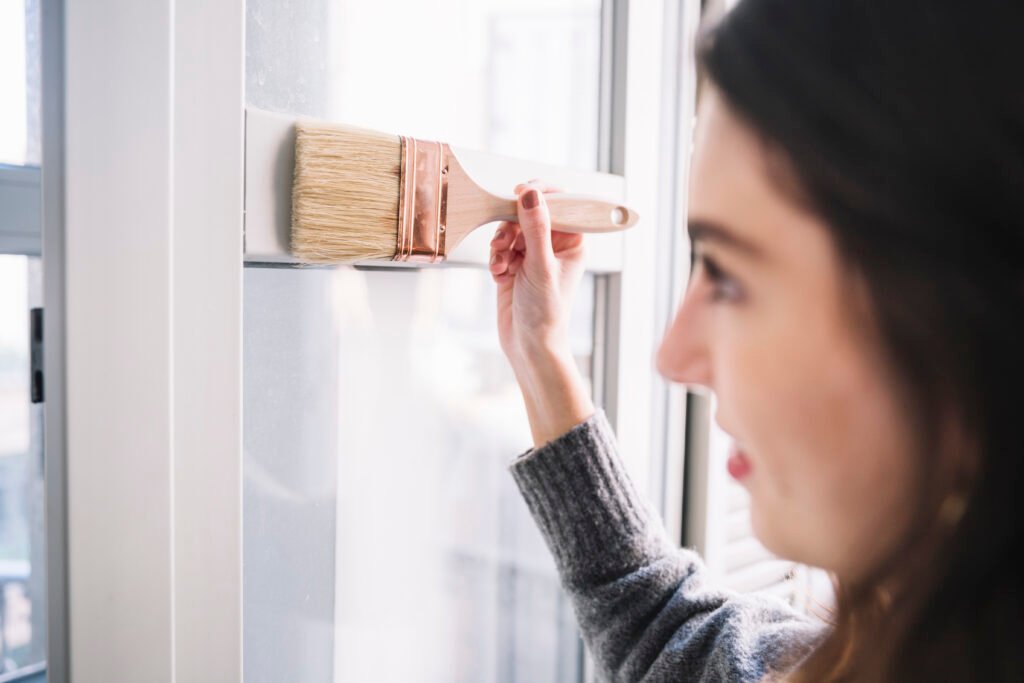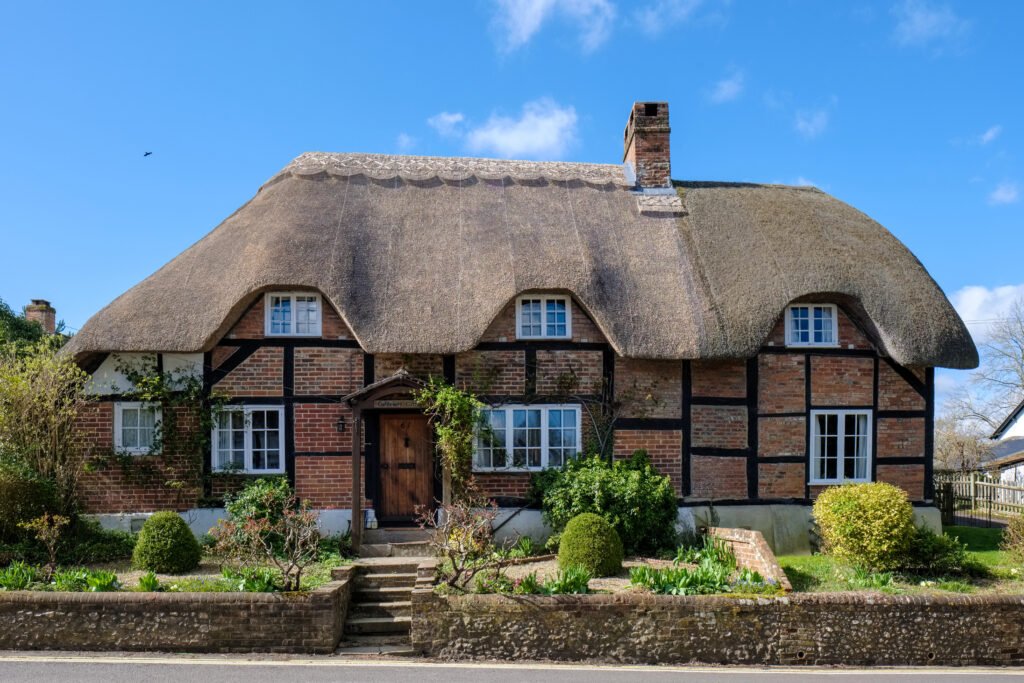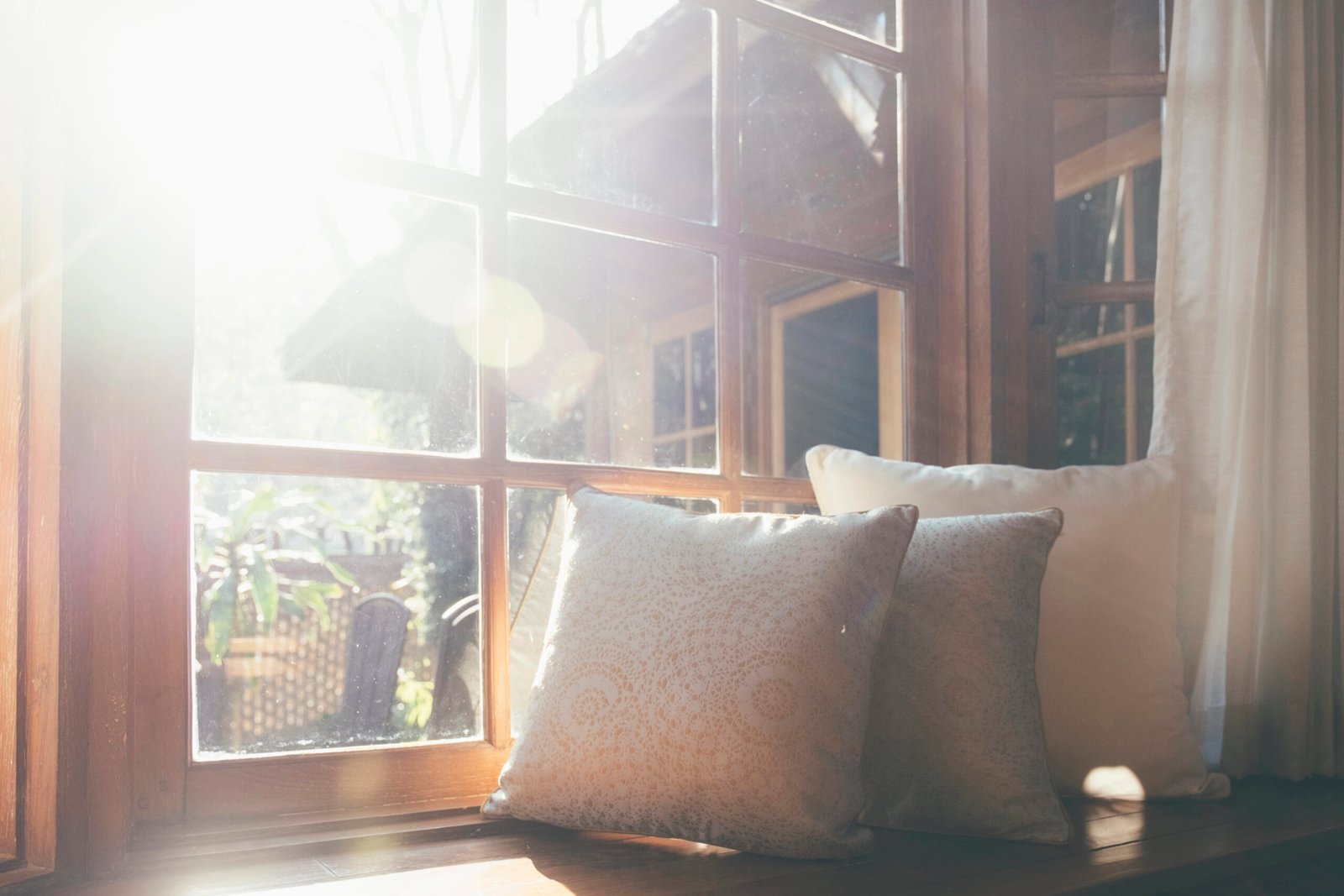
Daylight makes a room feel bigger, warmer and easier to live in. In the UK, where winter days are short and the sun sits low, every bit of it counts. The good news is that you can get far more daylight into your home without knocking down walls, and the windows are where most of the gains are.
We make bespoke timber windows and doors, and “how do I get more light in?” is one of the questions we hear most. Sometimes the answer is new windows. Often it’s cheaper than that. This guide starts with the windows, then moves on to the easy changes inside the room.
Made to measure
Sash, casement and bay
U-value 1.4 W/m²K
Double glazed as standard
Around 20 working days
In this guide
What You’ll Discover in This Article
- Why daylight matters for comfort, health and energy bills
- How window size, style and frames change the amount of natural light
- Which glass lets the most light through
- Simple interior changes that help a space feel airy
- What to check before you make windows bigger
01 · Why it matters
Why Natural Light Matters
Before spending money, it helps to know what good access to natural light actually gives you.
Health and Wellbeing
Natural light is essential to how a home feels, not just how it looks. Exposure to natural light during the day helps set the body clock, and most people simply feel better in a bright room with an inviting atmosphere. That’s one of the benefits of natural light that’s hard to put a number on but easy to notice.
Less Artificial Lighting
A bright room reduces the need for artificial lighting during the day. That saves a little on electricity and, more importantly, makes the space feel lived in rather than lit.
Short Days in the UK
From October to March the sun is low and the days are short. Rooms that don’t get direct sun, such as north-facing kitchens or basements, can feel gloomy by mid-afternoon. That’s when the size and position of the glass matters most, because the light levels outside are low to begin with.
02 · Windows
Start With the Windows
The quickest way to increase natural light is to let more of it through the openings you already have.
More Glass, Less Frame
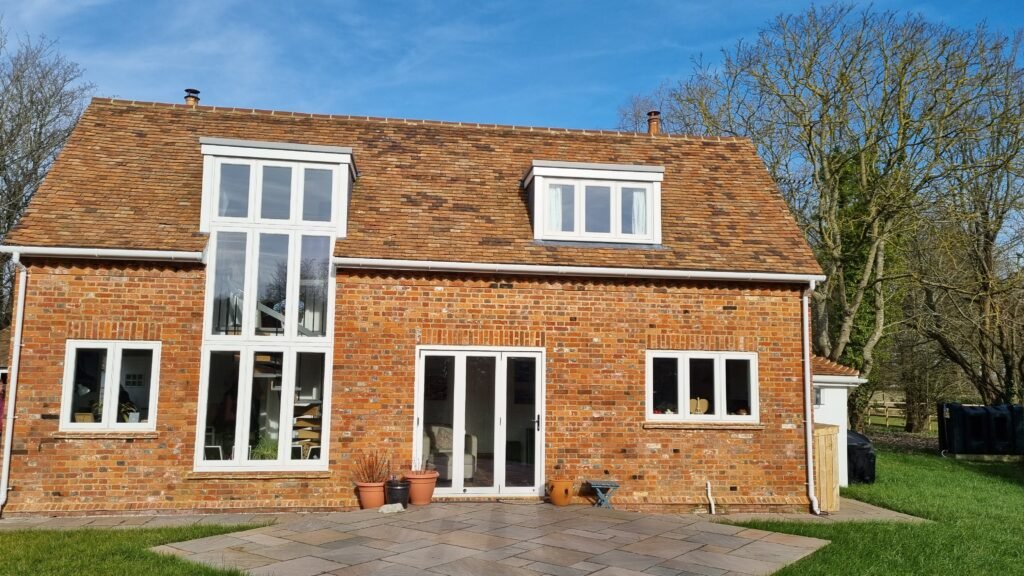
Light comes through the glass, not the frame, so the first step in making a room brighter is more glass. A window with slim frames and fewer opening parts lets in more light than one the same size with chunky sections. When you replace windows, compare the visible glass area, not just the overall size.
Fewer Glazing Bars
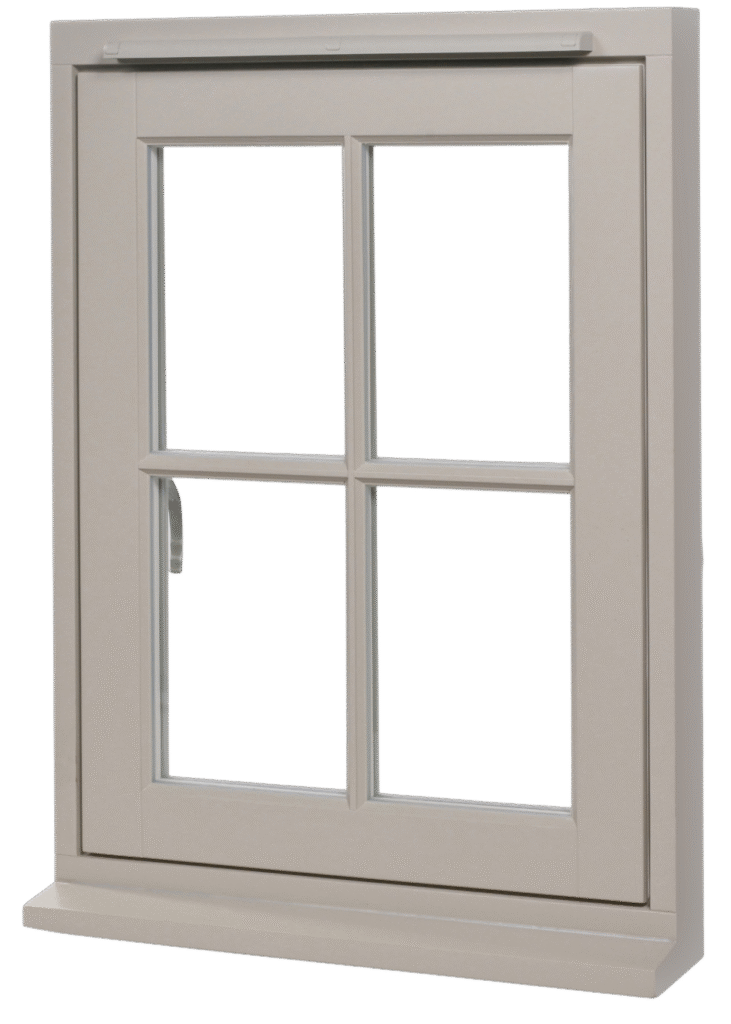
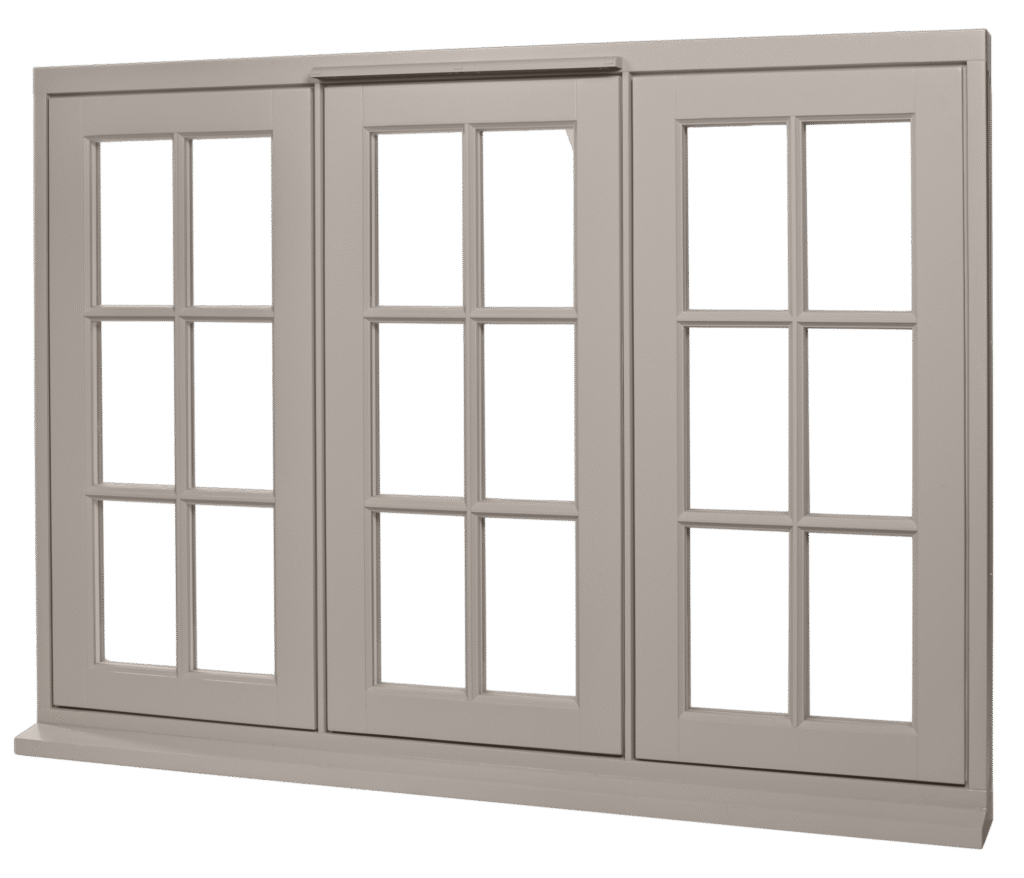
Glazing bars break up the view and block a little light. In a period house you may want to keep them for character, but on a side or rear elevation, a plain pane of glass will brighten the room.
Slim Timber Frames
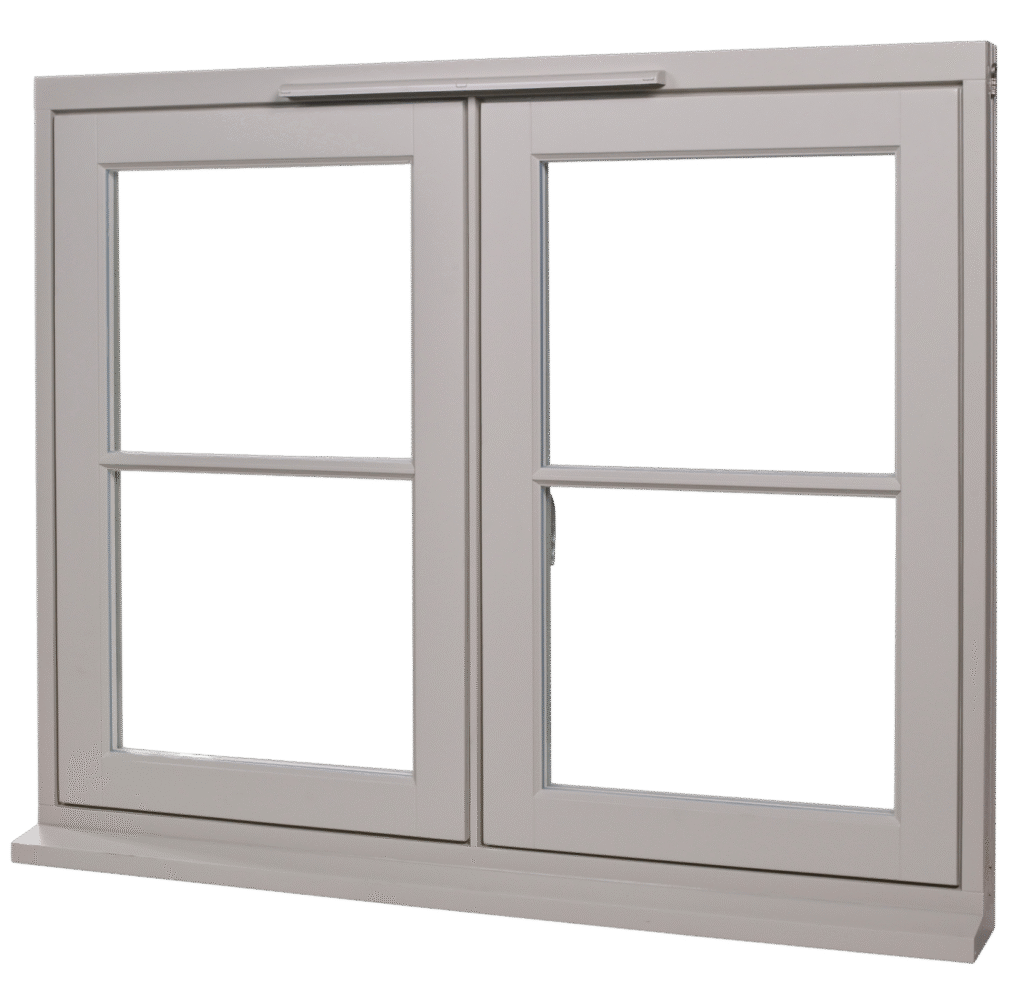
Timber is stiff enough to be made in slimmer sections than many plastic profiles, so a well-made timber window often gives more glass for the same opening. Our double-glazed wooden windows are made to measure, so the frame suits the opening rather than a standard size.
03 · Styles
Window Styles That Let in More Light
Some styles are simply better at bringing light into your home.
Tall Sash Windows
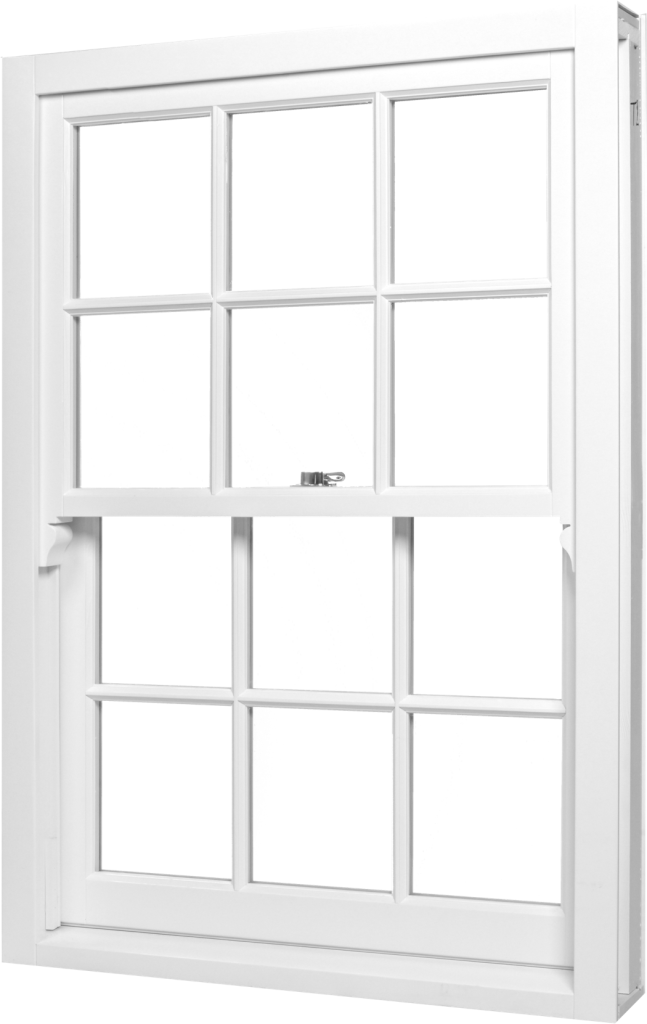
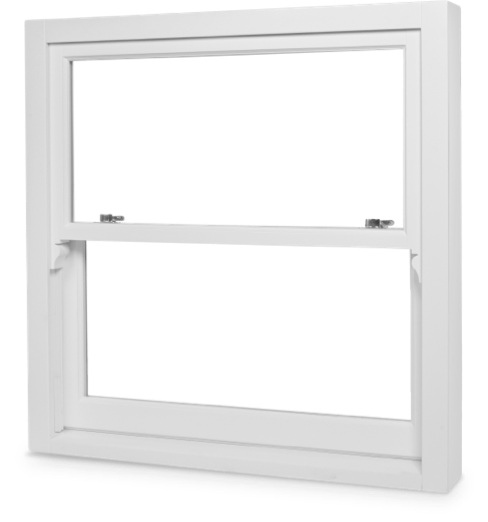
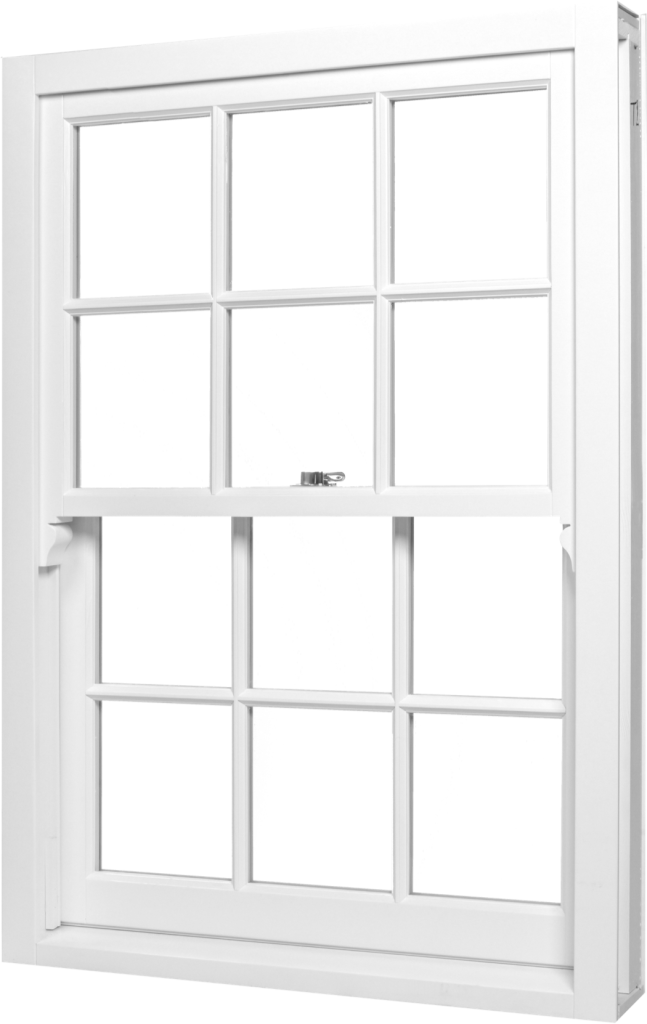
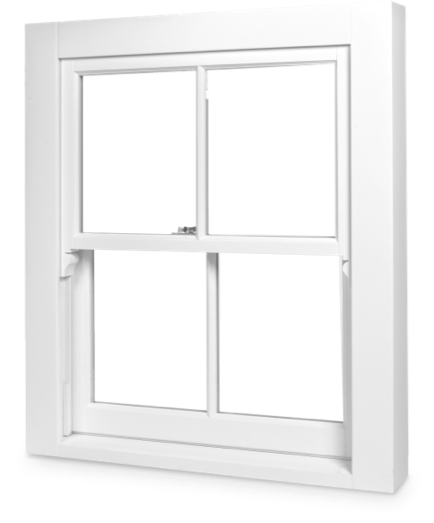
Tall sash windows bring light deep into a room, because the higher the glass, the further the light reaches. Victorian and Georgian houses use this well, and a one-over-one sash gives the most glass of all. You can see our box sash windows on weights for period homes.
Bay Windows
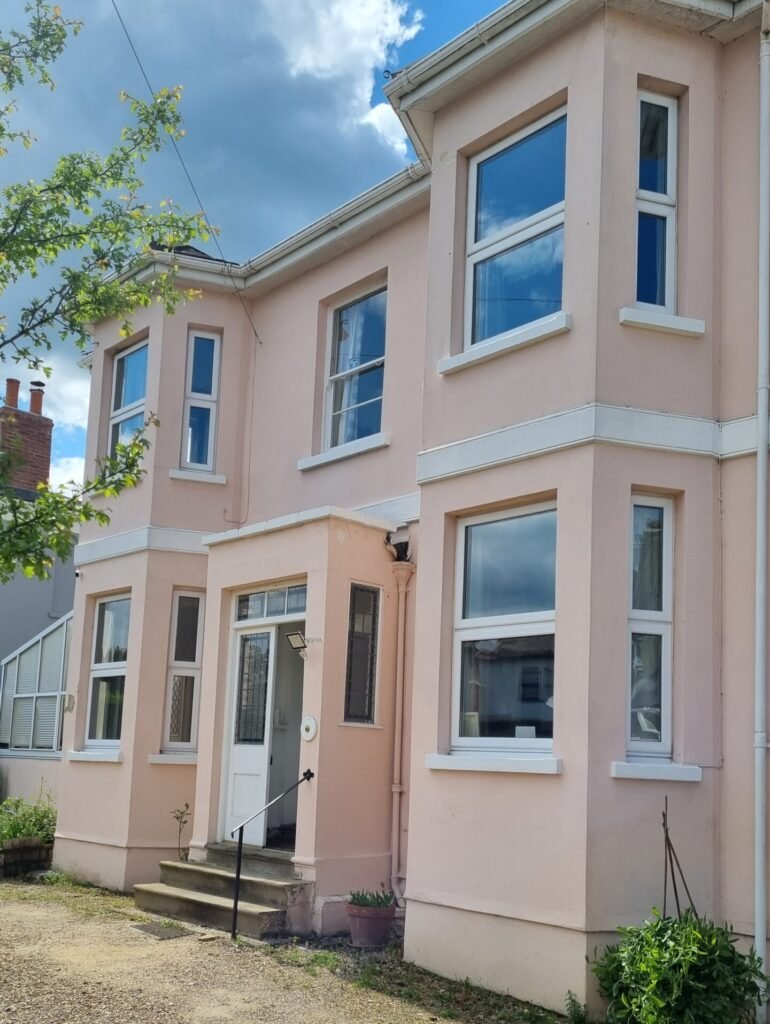
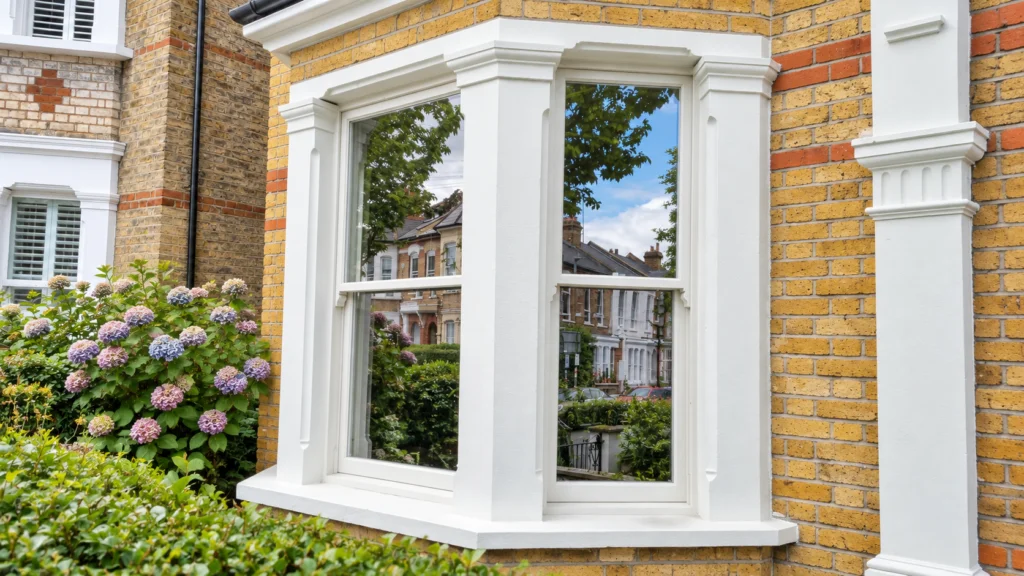
A bay window catches light from three directions, so light will enter at different angles throughout the day; the room gets sun earlier and keeps it longer. It also adds a little floor space and a good spot for a window seat.
Doors to the Garden
Replacing solid doors with glass doors is one of the simplest ways to bring natural light into a kitchen or living space. French doors open fully and let light into the back of the house.

Skylights and Rooflights
Where a wall can’t take a bigger window, skylights bring light down from above, so more light will enter rooms that don’t get any from the side. They’re especially useful in extensions and loft conversions. We don’t make roof windows, but they work well alongside timber windows in the walls.
04 · Glass
Choosing the Right Glass
The glass itself decides the amount of light that gets through.
Light Transmittance
Every glass unit has a light transmittance figure, which tells you how much daylight it allows to pass through. Clear double glazing lets through most of it. Ask your supplier for the figure if you’re comparing quotes, because it shows how much natural light each option lets through.
Low-E Coatings
Low-E coatings keep heat in but reduce light transmission slightly. Modern coatings are very clear, so the trade-off is small, and the comfort and energy efficiency gains usually win.
Tinted and Obscured Glass
Tinted or obscured glass lets in less light. Use obscured glass only where you need privacy, such as a bathroom, and keep clear glass everywhere else.
05 · Inside
Make the Most of the Light Inside
Once the light is in, the room decides where it goes.
Light-Coloured Walls
Light-coloured walls reflect light around the room; dark ones absorb light. White, soft grey and pale warm shades work best. A paint’s light reflectance value (LRV) tells you how much light it bounces back, so a higher LRV makes the room feel brighter.
Mirrors
Strategically placed mirrors reflect natural light deeper into a space. Put a large mirror opposite or beside a window, not directly facing it, so the light bounces across the room.
Curtains and Blinds
Heavy curtains can cover part of the glass even when they’re open. Fit poles that extend past the frame so the fabric stacks clear of the glass, and choose light fabrics or blinds that roll right up.
Furniture and Layout
Keep tall furniture away from windows and choose pieces with legs, so light can flow across the floor. Glazed internal doors let light from one room into the next, and that light flow is what makes a whole floor feel open.
Keep Glass Clean
Clean glass, inside and out, lets in noticeably more light and lifts the brightness of the whole room. So does cutting back trees and shrubs that shade the windows.
06 · Orientation
Orientation: Which Way Do Your Windows Face?
The direction a window faces changes the quality of the light throughout the day.
South-Facing Windows
These get the most natural sunlight in the UK and warm a room in winter. In summer they can overheat, so plan for shade.
North-Facing Rooms
North light is even and cool, with little direct sun and not much natural light coming in during winter. Bigger glass and pale finishes help most here.
East and West
East-facing rooms get morning sun, which suits kitchens and bedrooms. West-facing rooms get the warm evening light, which suits living rooms.
07 · Bigger windows
Making Windows Bigger: What to Check
If you decide to enlarge an opening, check the rules and the structure first.
Planning Permission
You don’t usually need planning permission to replace windows with similar ones, but a new bay window may count as an extension, and listed buildings and conservation areas have their own rules. The Planning Portal explains when consent is needed.
Structure and Building Regulations
A wider opening needs a new lintel and Building Regulations approval. Ask a builder or structural engineer before you order new windows.
Heat Loss
More glass means more heat loss, so choose well-insulated windows. Our double-glazed timber windows reach a whole-window U-value of 1.4 W/m²K, and triple glazing is available where you need more.
Frequently Asked Questions
What are the best ways to maximise natural light?
–
+
Clear the glass first: clean it, open the blinds fully and move furniture away. Then look at paint and reflective surfaces, and finally at bigger or better windows.
Do bigger windows make a house colder?
–
+
They can if the glazing is poor. Modern double glazing keeps the difference small.
Which window style lets in the most light?
–
+
Tall windows with large, undivided panes, such as one-over-one sashes, and bay windows.
How do I brighten a north-facing room?
–
+
Use pale paint with a high LRV, a large reflective surface near the window and clear, undivided glass.
Do you fit the windows?
–
+
No. We make timber windows and doors to measure and deliver them across the UK in around 20 working days. Your builder, joiner or a FENSA-registered installer fits them.
Summary
Conclusion: More Light, Room by Room
You can add natural light without a renovation. Start with clean glass, open blinds and light-coloured walls, then look at the windows themselves. Bigger panes, slimmer frames and the right style make the biggest difference. Our article on biophilic design shows how light and views make a home feel calmer.
Send us your sizes and a few photos and we’ll suggest a window that lets in more light.
Our Best-Selling Timber Windows: