What You’ll Discover in This Article
- The key differences between sash and casement windows—and why it matters for your property
- How to identify which window style is historically correct for your home’s period
- Practical considerations: ventilation, security, thermal performance, and maintenance
- Why conservation officers prefer timber in listed buildings and conservation areas
- A practical decision framework for choosing the right style
Introduction
Here’s a conversation I have at least once a week: a homeowner calls wanting to replace their windows, asking whether they should go for sash or casement. My first question is always the same—what have you got now?
It sounds obvious, but you’d be surprised how often people want to change styles without realising the implications. Swap Victorian sashes for casements, and you’ll alter your home’s entire character. Do it in a conservation area, and you might find yourself on the wrong side of planning enforcement.
Both styles have genuine merits. Sash windows offer that classic Georgian and Victorian elegance with their distinctive vertical sliding action. Casement windows swing outward on hinges, providing maximum ventilation and a cleaner aesthetic that works brilliantly in cottages and contemporary homes alike.
This guide helps you understand which style genuinely suits your property, your lifestyle, and your budget.
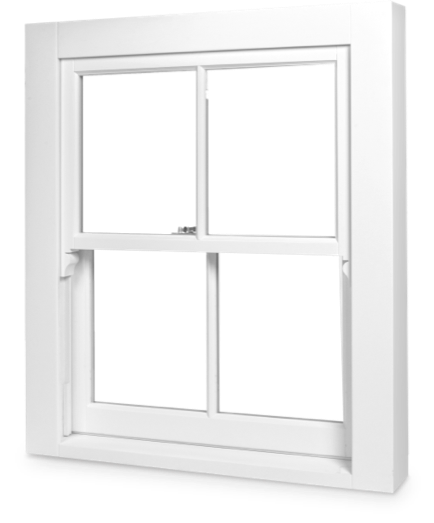
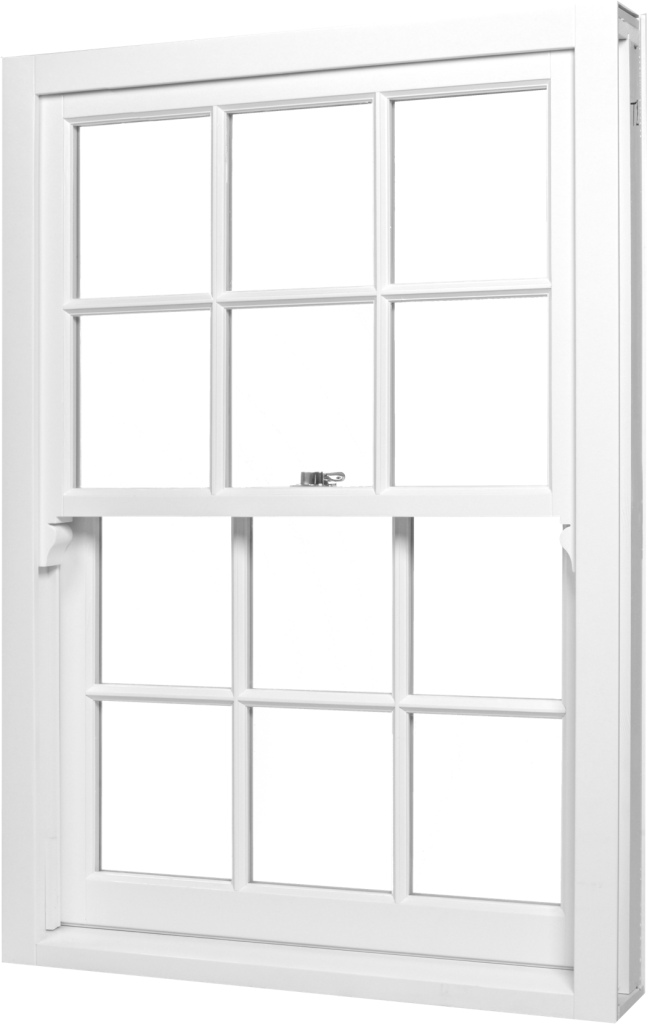
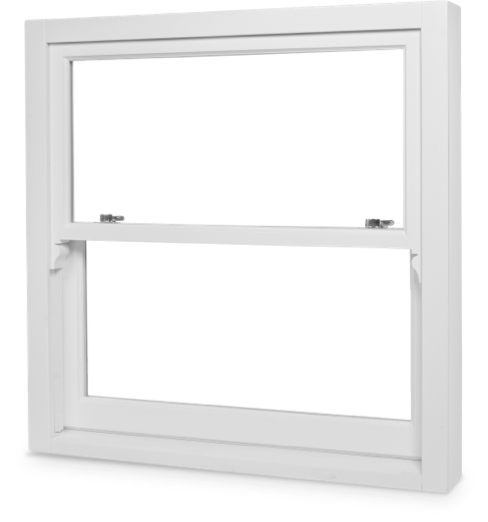
Sash Windows: The Georgian and Victorian Classic
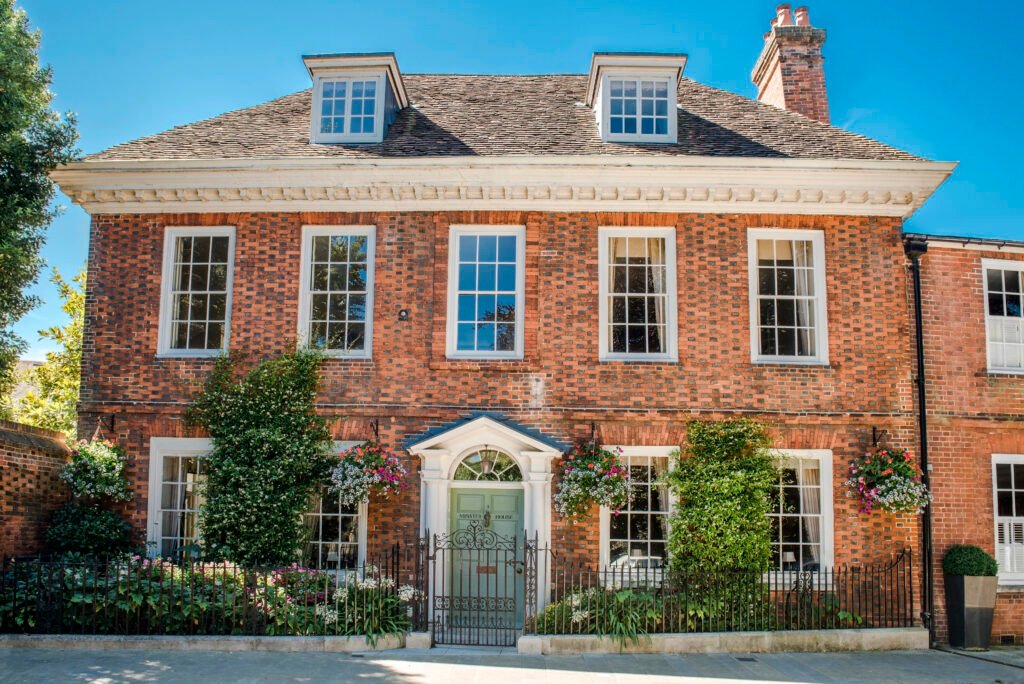
Walk down any Georgian terrace and you’ll see sash windows everywhere. They dominated British architecture from the early 1700s through the Edwardian era—elegant, practical, and perfectly suited to classical symmetry.
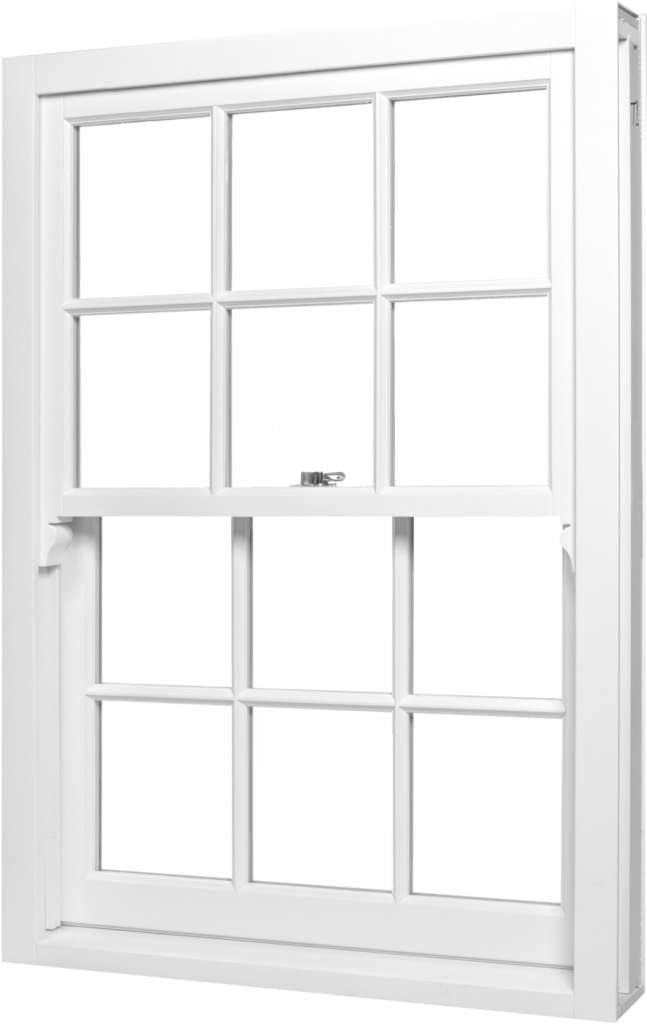
A traditional sash window has two panels that slide vertically past each other, counterbalanced by weights hidden in boxes at either side. Pull the bottom sash up, the weights descend. It’s beautifully simple engineering that’s worked reliably for three centuries.
Modern sash windows often use spiral balances instead of traditional weights—more compact and less maintenance. But for listed buildings, Historic England recommends retaining original cord-and-weight systems where possible.
When Sash Windows Are Right
Period properties (1700s-1930s): Georgian, Victorian, and Edwardian homes almost certainly had sashes originally. Replacing like-with-like maintains authenticity.
Listed buildings and conservation areas: Timber sashes matching original specifications are typically mandatory. Conservation officers want appropriate glazing bars, correct pane configurations, and traditional construction.
Formal façades: The vertical emphasis suits symmetrical frontages. Change the style on a Georgian terrace, and you break the visual logic of the entire street.
One practical bonus: sash windows ventilate brilliantly. Open both sashes slightly and warm air exits through the top while cooler air enters below—passive ventilation without mechanical assistance.
Casement Windows: Versatile and Practical
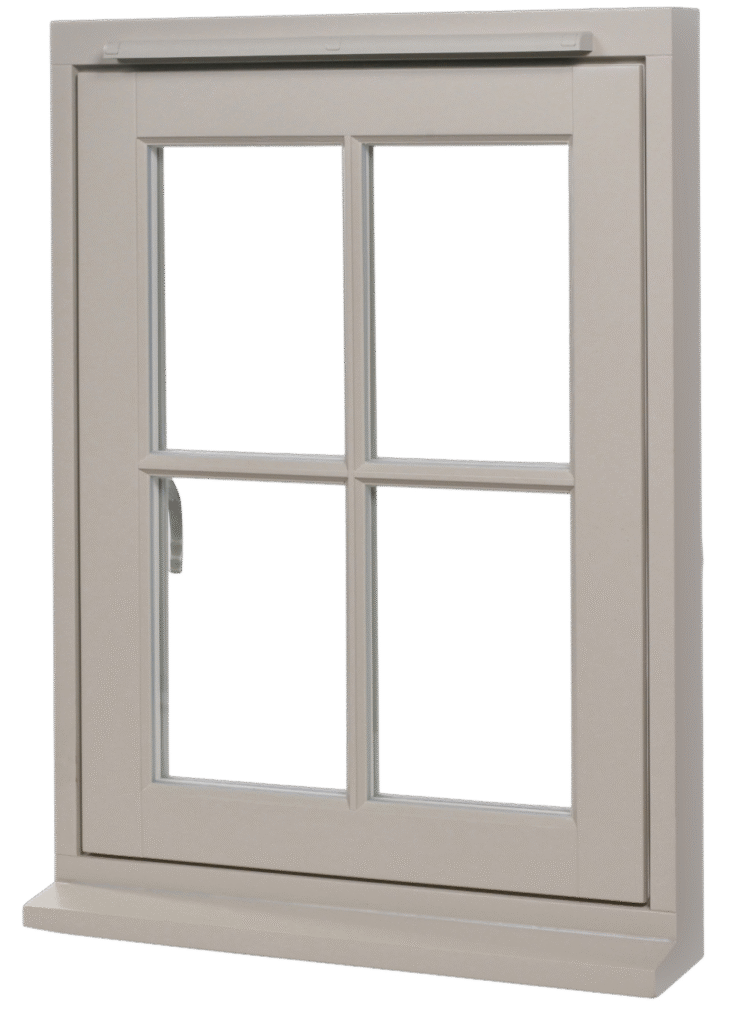
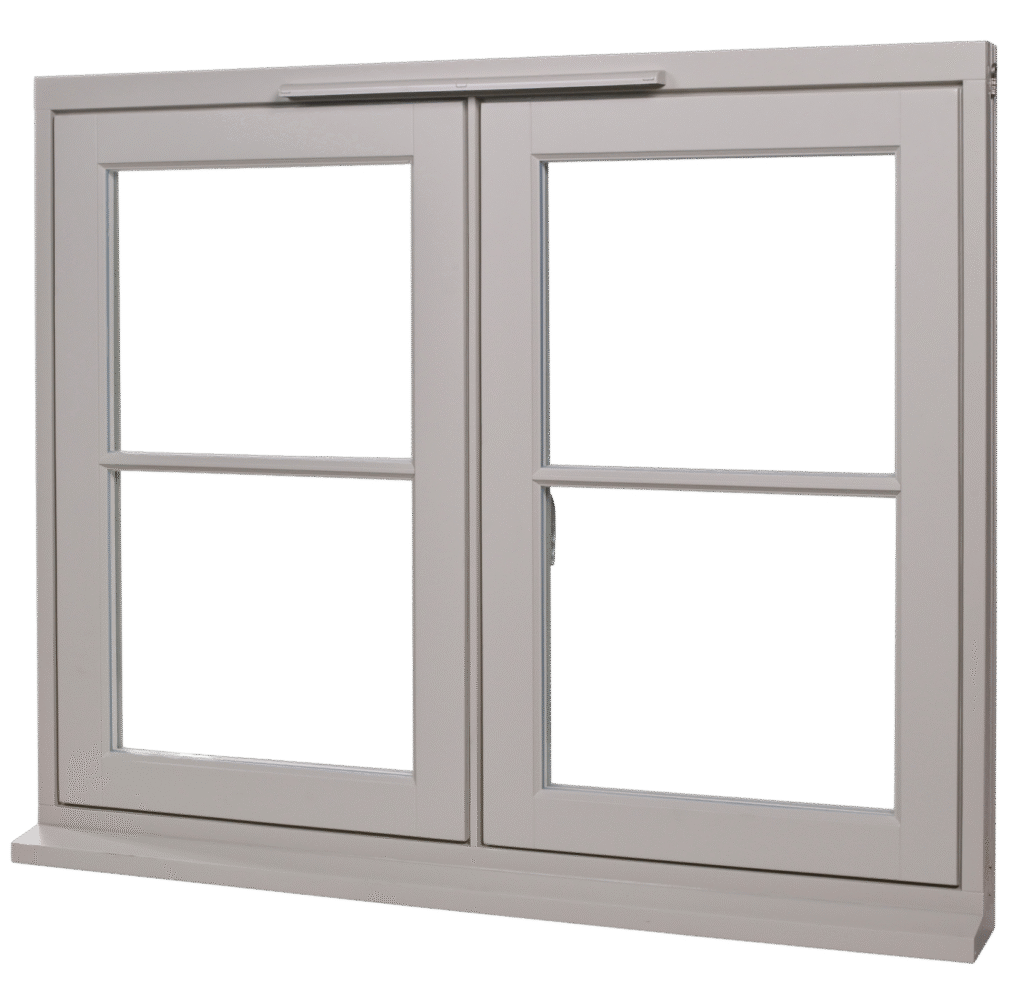
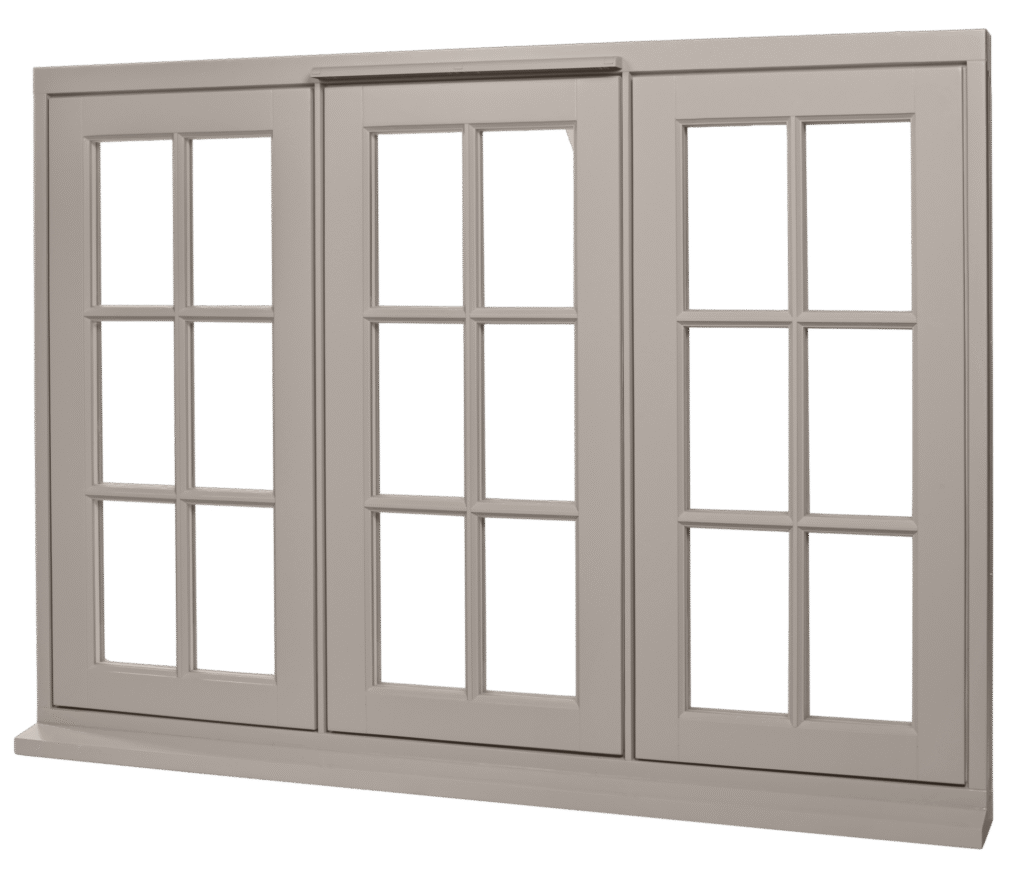
Casements predate sashes by centuries—they were standard in medieval and Tudor England. The concept is simple: a hinged sash that swings outward like a door.
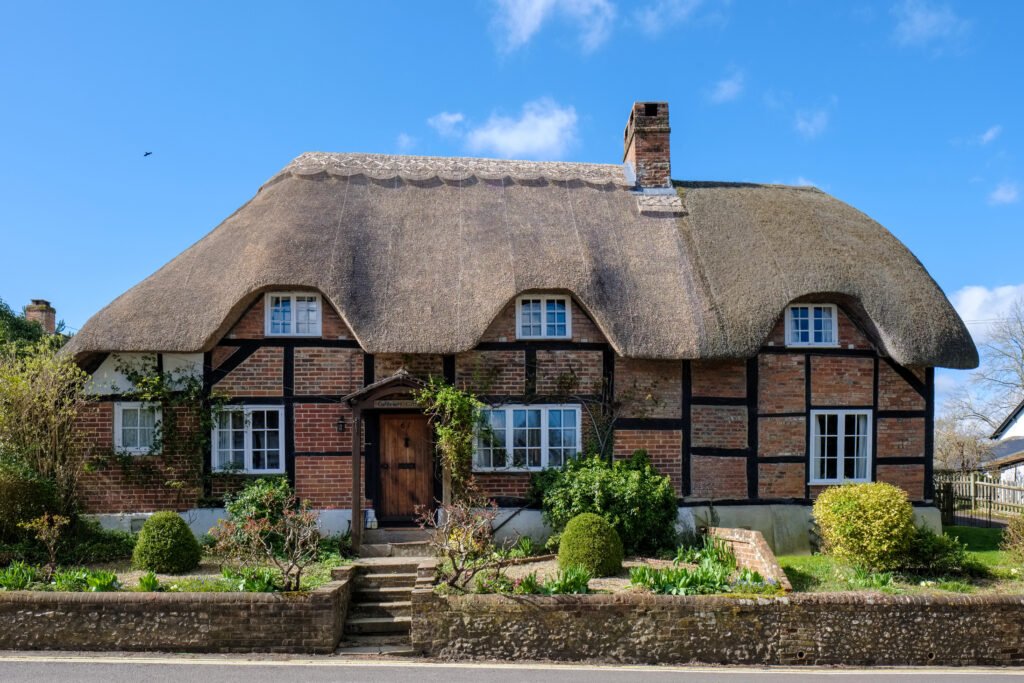
Where sashes suit formal architecture, casements feel more relaxed. They’re natural for cottages, farmhouses, Arts and Crafts properties, and contemporary homes where clean lines matter.
There’s also a practical advantage. Casements are mechanically simpler—fewer moving parts, no cords or weights to maintain. A quality flush casement window with modern friction stay hinges requires minimal attention beyond occasional cleaning and refinishing every 8-10 years.
When Casements Are Right
Cottages and rural properties: Traditional English cottages had casements, not sashes. Pre-Georgian or vernacular buildings call for this style.
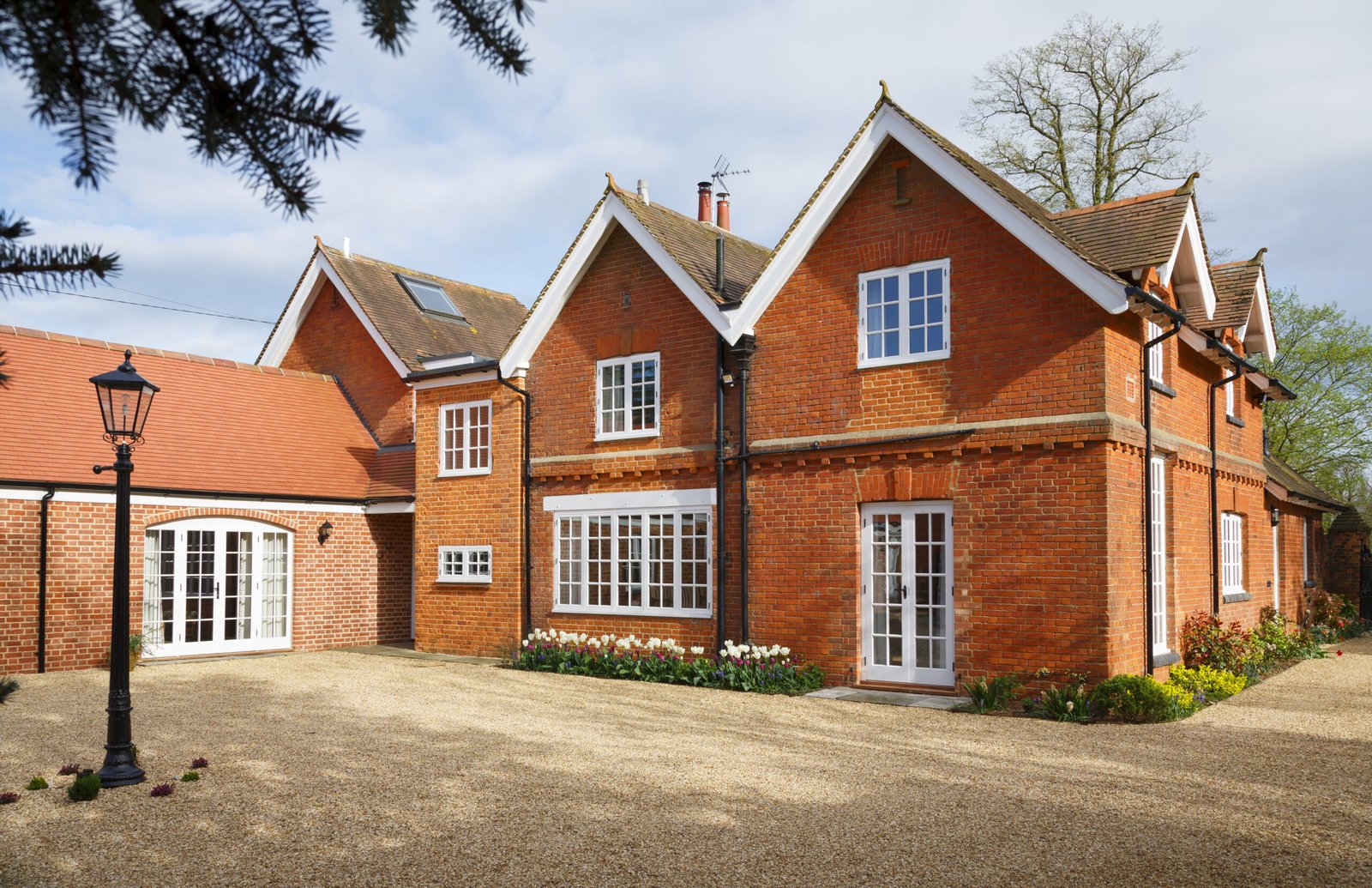
Arts and Crafts homes (1880s-1920s): This movement deliberately rejected Georgian formality. Casements—often with leaded lights—are characteristic.
Contemporary architecture: Large glazed areas and minimal framing suit casement configurations perfectly.
Practical priorities: If you value ease of maintenance and optimal thermal performance over period authenticity, casements have objective advantages.
Thermal Performance Compared
Both styles meet Building Regulations Part L (U-value of 1.4 W/m²K or better) comfortably with appropriate glazing. Our double-glazed timber windows achieve 1.1-1.4 W/m²K regardless of configuration.
That said, casements have a slight edge. When closed, the sash compresses against seals around its entire perimeter. Sash windows rely on brush seals that can’t quite match this compression seal—perhaps 5-10% difference in real-world airtightness.
| Factor | Sash Windows | Casement Windows |
|---|---|---|
| U-value (double glazed) | 1.2-1.4 W/m²K | 1.1-1.4 W/m²K |
| Airtightness | Good | Excellent |
| Best for | Georgian, Victorian, Edwardian | Cottages, Arts & Crafts, Contemporary |
| Typical cost | 15-25% higher | More affordable |
Maintenance Realities
Let’s be honest about maintenance—it’s what people worry about most, and the reality is less demanding than myths suggest.
Sash windows have more moving parts. Cords can fray after 20-30 years, pulleys can stiffen, guides can wear. None of this is expensive to fix, but it does need periodic attention. The upside? Everything is repairable. Victorian sashes maintained for 150 years are still going strong.
Casements are simpler. Main items are hinges (occasional lubrication, replacement after 20+ years) and locking mechanisms. Modern friction stays are rated for tens of thousands of cycles.
For both styles, the biggest job is refinishing exteriors—every 8-12 years with modern microporous finishes. Compare that to uPVC, which is “low maintenance” until it fails, at which point the entire window needs replacing.
Making Your Decision
Still unsure? Ask yourself:
What does your property have now? Matching the current style is usually safest.
What period is your home? Georgian through Edwardian townhouses had sashes. Cottages and Arts and Crafts homes had casements. Look at neighbours with original windows.
Conservation area or listed? Check with your local planning authority first—they may have specific requirements.
What’s your budget? Sashes cost 15-25% more due to greater complexity. Casements deliver excellent performance at a lower price point.
Conclusion
There’s no universally “better” choice—only what’s right for your specific property and priorities.
Sash windows offer unmatched period authenticity for Georgian, Victorian, and Edwardian homes. Casements provide mechanical simplicity, excellent thermal performance, and versatility for cottages through to contemporary new-builds.
What both share is timber’s fundamental advantage: natural beauty, exceptional longevity, and the ability to be repaired rather than replaced. Choose wisely, and you won’t need to make this decision again.
Frequently Asked Questions
What’s the main difference between sash and casement windows?
–
+
Sash windows have two panels that slide vertically past each other, counterbalanced by weights or springs. Casement windows are hinged at the side and swing outward like a door. Sashes suit Georgian and Victorian architecture; casements work better for cottages, Arts and Crafts homes, and contemporary properties.
Are timber windows better than uPVC?
–
+
Timber offers significant advantages: 60+ year lifespan versus 20-30 for uPVC, superior thermal performance, the ability to be repaired rather than replaced, and authentic aesthetics for period properties. The higher upfront cost is typically offset by longer lifespan and lower lifetime costs.
Which style is more energy efficient?
–
+
Casements have a slight edge due to their compression seal—the sash presses against weatherstripping around its entire perimeter. The difference is modest (around 5-10%), and both styles comfortably exceed Building Regulations when specified with quality double or triple glazing.
Do I need planning permission to change my windows?
–
+
Replacing windows like-for-like usually doesn’t require permission. However, listed buildings need Listed Building Consent for any changes, and conservation areas may require approval for windows facing public highways. Changing style in sensitive locations often needs approval—always check with your local planning authority.
How long do timber windows last?
–
+
With proper maintenance, timber windows routinely last 60+ years—often much longer. Many Georgian properties still have original windows functioning after 150+ years. The key is refinishing external faces every 8-12 years and addressing issues promptly. Unlike uPVC, timber can be repaired indefinitely.
Which style is cheaper?
–
+
Casement windows are typically 15-25% less expensive than equivalent sashes, reflecting their simpler construction. For budget-conscious projects where either style would be appropriate, casements offer excellent value. For period properties where sashes are correct, the premium is worth paying for authenticity.
Ready to Choose Your Timber Windows?
At Wooden Windows Online, we manufacture both traditional sash windows and flush casement windows in FSC-certified engineered pine, meranti, and oak. Every window is made to measure and delivered nationwide, factory-finished and ready for your local installer to fit.
Contact us today for a free consultation and quote.
Our Best-Selling Timber Windows: