Most homeowners know that new windows make a house look better, and recognise they windows affect the value of your home directly. Far fewer know how much value they add at sale, how much faster a property moves with quality joinery, or where the line sits between “worth it” and “diminishing returns”.
This guide is written from a manufacturer’s perspective. We see two sides every week: clients commissioning replacements for the home they’re staying in, and clients commissioning them six months before going to market. The conversations differ, but the underlying numbers don’t.
If you’re weighing up the spend, here’s what fifteen years of supplying joinery tells us about appearance, value, and the genuine return on investment.
What You’ll Discover in This Article
- How much windows increase property value in UK homes (real figures)
- Why kerb appeal sells houses faster, and how windows drive it
- What ROI to expect from a window replacement project
- Where the daily-enjoyment benefits sit alongside resale value
- Choosing the right windows for maximum impact without overspending
The Impact of New Windows: First Impressions
Why Inefficient Windows Signal Neglect
Estate agents will tell you the same thing: a buyer’s first impression forms in the eight seconds between car door and front door. Tired windows tell a story. Peeling paint, mismatched colours, plastic where timber used to be, single-glazed units in a Victorian terrace — they telegraph a property that hasn’t been looked after.
The damage isn’t just aesthetic. Buyers mentally price in remediation. The impact on the value is direct: a surveyor flagging “windows nearing end of life” can knock 5-10% off an asking price; new joinery can significantly increase it, and it gives the buyer’s agent a negotiating lever you don’t want them to have.
Fresh Finish Transforms Appearance
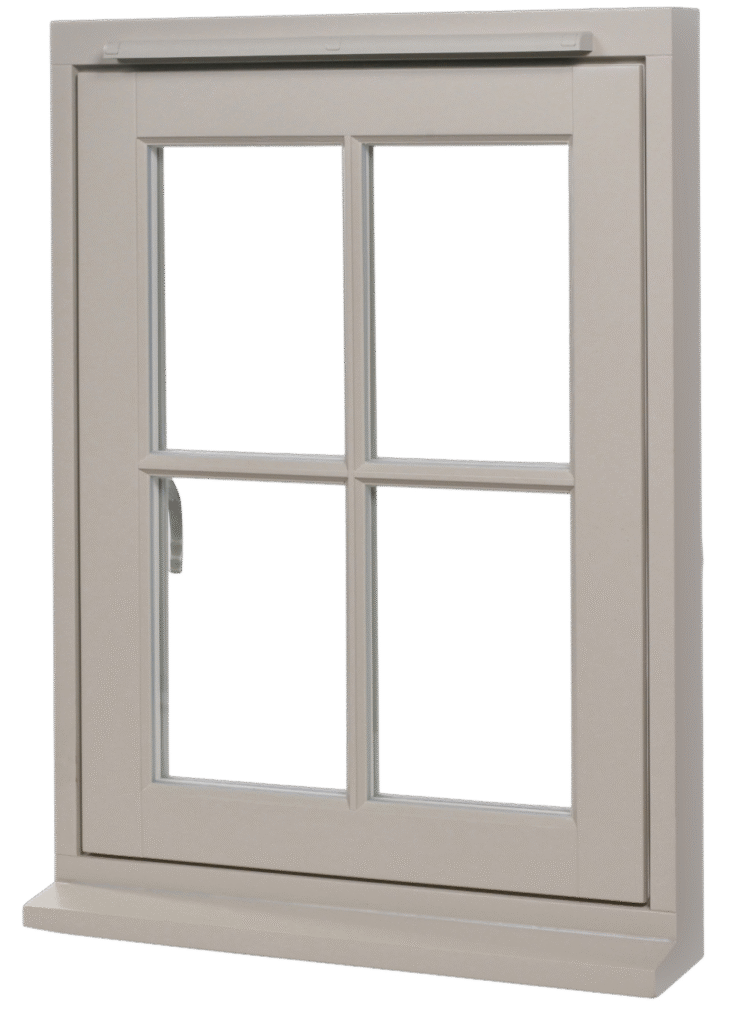
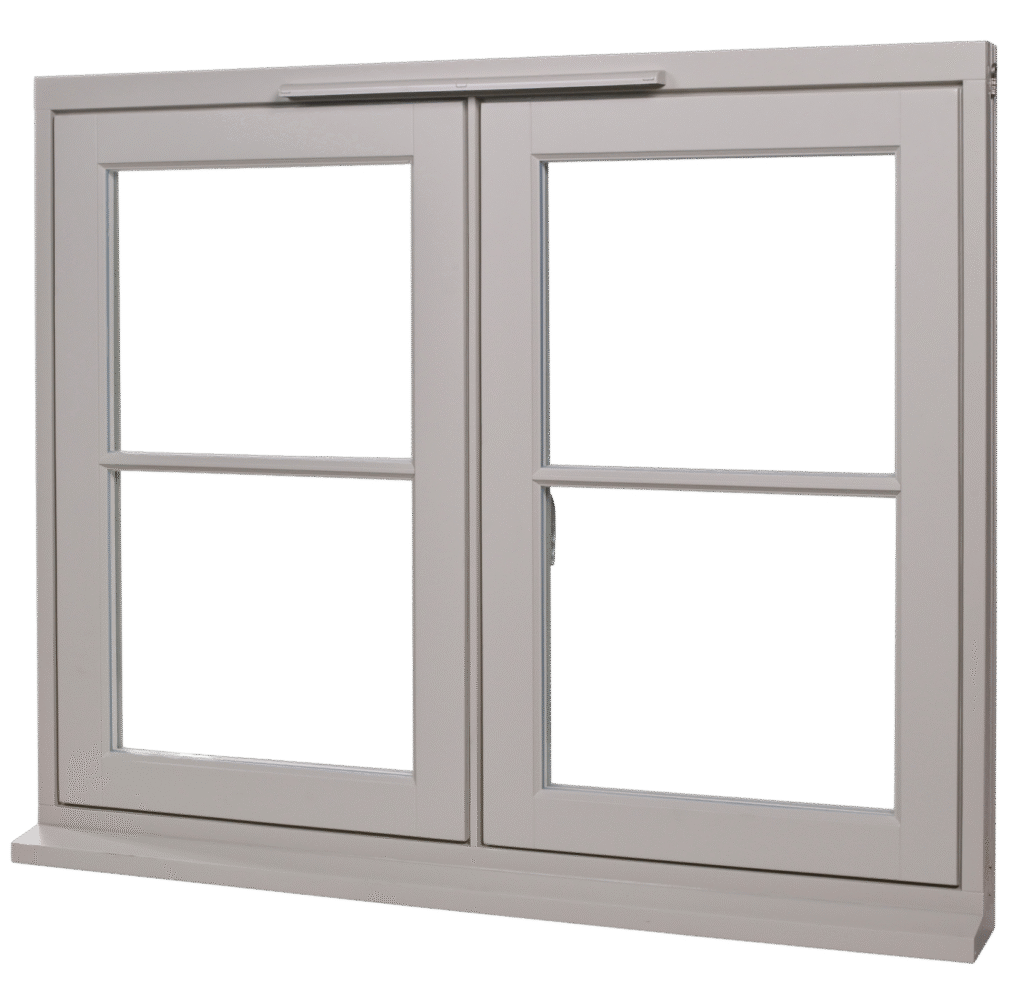
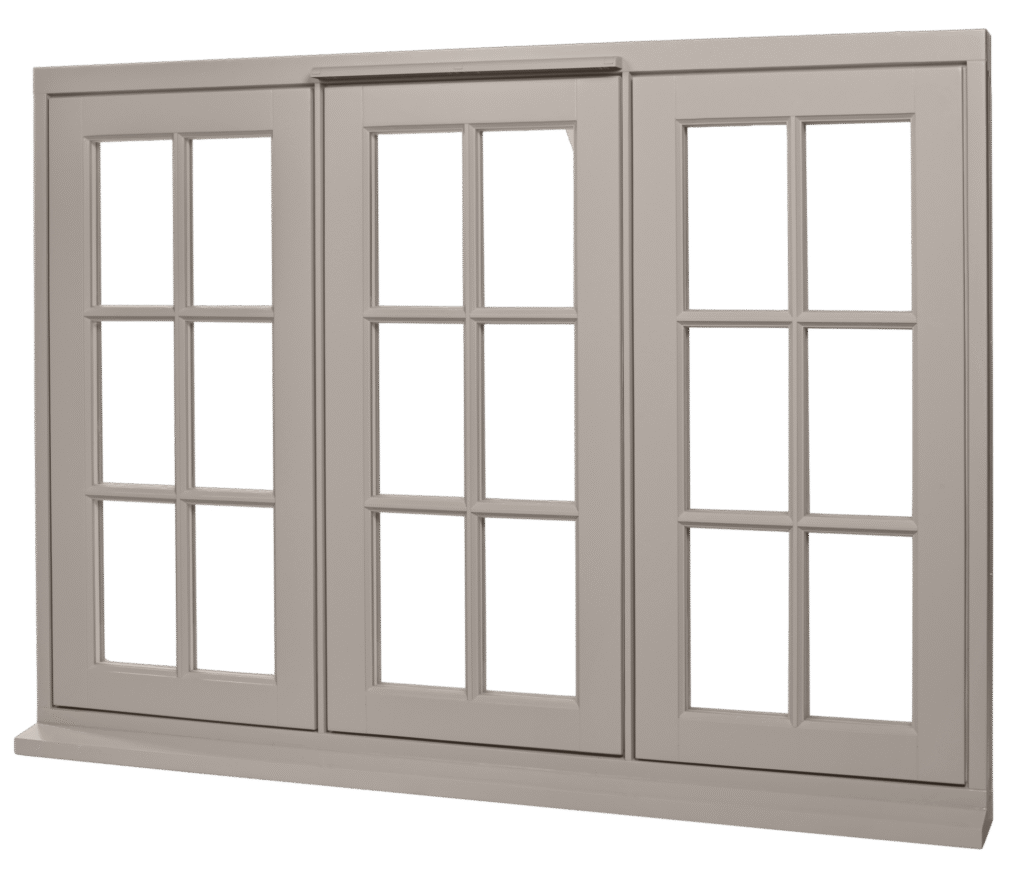
A fresh paint or stain finish on quality timber instantly lifts a façade. Cream sash on a Georgian terrace, dark grey casements on a barn conversion, hand-painted heritage greens on a Cotswolds cottage. The right finish does what re-rendering a wall can’t to enhance the entrance and revitalise the exterior in one move and improve first impressions. It changes the visual language of a property without altering its character.
Matching Architectural Style
Style matters more than spend. Putting bespoke timber sashes back into a Victorian property restores something that uPVC took away. Aluminium windows and doors look right on a glass-and-render extension. New windows and doors specified together cost less per opening; wooden frames look right on the original house. Mixing them up is one of the quickest ways to undermine first impressions, regardless of how much you spent on the windows you choose.
Instant Exterior Upgrade
Buyers of period homes (Georgian, Victorian, Edwardian, Arts and Crafts) pay a premium for original-style detailing. Buyers of newer or contemporary homes pay for clean lines and high performance. Both groups read windows as a signal of how the rest of the property has been maintained.
Modern Energy-Efficient Windows: Performance That Sells
Energy Efficiency as Selling Point
Energy Performance Certificates (EPCs) are now part of every UK property listing, and buyers read them. A property moving from EPC band E to band C — entirely possible with new joinery, insulation, and modern heating controls — typically commands a measurable premium. According to research published by the Energy Saving Trust, homes with higher EPC ratings sell faster and for more.
Modern U-Values Attract Buyers
Energy-efficient timber windows in 2026 routinely achieve U-values of 1.2-1.4 W/m²K through modern double-glazed windows, compared with 5.0+ for single-glazed windows from the Victorian era. That’s a fourfold improvement. For a typical 4-bedroom house, the heating bill difference is £400-600 per year. Buyers absolutely factor that in.
Security Features Matter
Modern windows now ship with multi-point locking systems. High-quality windows and doors deliver this as standard, PAS 24 compliance, laminated security glazing on ground floors. These aren’t luxuries any more; they’re expected. Today’s joinery ships with all of these as standard. Older windows don’t have these features, and that gap is visible the moment a buyer or surveyor inspects them.
Quality Signals Care
Are new windows worth it? Quality is contagious. A homeowner who has commissioned bespoke joinery has signalled something to the market: this property has been looked after. That impression carries through to the kitchen, the bathroom, the boiler. Quality windows raise expectations about the rest of the home.
Understanding Window ROI
Industry Data on Returns
The most-cited industry figure for window replacement ROI in the UK is 67-74% recouped at sale, based on remodelling cost-vs-value studies adapted from US data. The reality, in our experience, is more nuanced. Period properties in conservation areas often see higher home’s market value with 80-90% recovery. Modern detached homes in commuter belts see closer to 60-65%. The variable is buyer expectation in the local market.
Recouping Investment at Sale
A £15,000 window replacement that adds £12,000 to the sale price has recouped 80%. But (and this is the part agents skip) the property also sold faster, often by 4-6 weeks. The carrying cost of an unsold home, including mortgage, council tax and utilities, typically runs £2,000-3,000 per month. Selling faster is itself a financial gain.
Higher Appraisal Values
Surveyors give weight to “kitchens, bathrooms and windows” in valuation walks. A surveyor who notes “windows recently replaced, hardwood frames, double-glazed throughout” will value a property higher than an identical neighbour with original 1960s aluminium. The gap can be 3-5% of the asking price.
Competitive Advantage
In a market where similar properties compete for the same buyers, windows are often the visible differentiator. Two terraced houses on the same street, same internal spec — the one with restored sashes sells first, and usually for 1-2% more.
Beyond Resale Value
Daily Enjoyment Benefits
Most homeowners we work with aren’t selling. They’re staying. The case for replacement when you’re not moving is different, often stronger. You get the benefit every day for the next 40+ years, not just on completion day.
Comfort Improvements
The difference is striking. The room temperature gap between single-glazed and double-glazed in winter is huge. Clients describe the change as feeling like the radiators are working for the first time. Cold spots near windows disappear. Curtains stop being structural insulation and become decoration again.
Peace of Mind
Modern timber casement windows with multi-point locks and laminated glass don’t just look better. They’re significantly harder to break into. For homeowners who’ve experienced an attempted break-in or live in higher-crime postcodes, that peace of mind is worth more than any resale calculation.
Aesthetic Appeal
This is the bit nobody talks about — the appeal of your home and the appeal of your property externally. A well-restored window frames the view it overlooks. Sitting in a kitchen looking out through restored joinery at a garden, with proper proportions and original glazing bars, is a different experience. Quality windows can make every view feel like the right one. A tired uPVC unit with foggy seals. This is the bit that doesn’t show up in ROI spreadsheets, and it’s often what people remember.
Choosing for Maximum Impact
Style Appropriate to Property
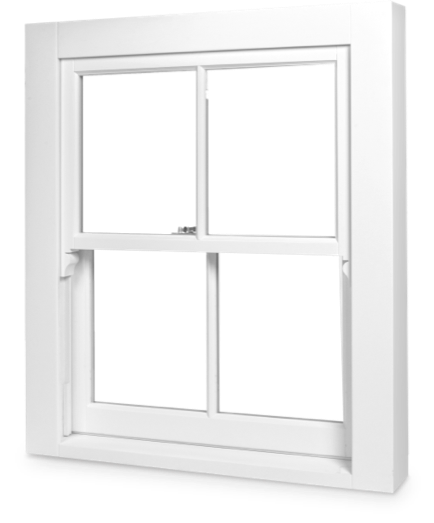
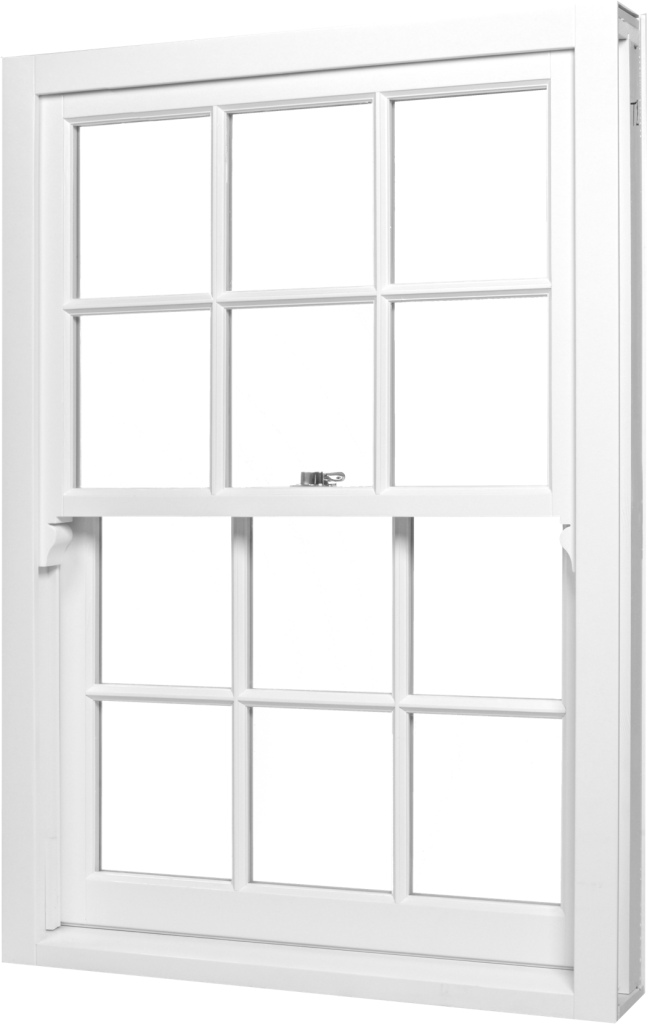
Match the era. Georgian properties want six-over-six sashes with thin glazing bars. Victorian houses suit two-over-two or one-over-one sashes. Edwardian properties take leaded upper lights. 1930s semis want timber casements with horizontal glazing bars. Putting the right window style on the right property is the single biggest driver of how much value new windows actually add.
Quality That’s Visible
Buyers and surveyors can tell the difference between mass-market windows and bespoke joinery, even if they can’t articulate why. The detail is in the proportions: rail thickness, sightlines, cill depth, the way glazing sits within the frame. Quality is visible to anyone who looks closely.
Installing New Windows Professionally
A poor installation makes high-quality windows look cheap. A well-installed budget unit can outperform a badly-fitted premium one for the first few years. We won’t supply without confirming the install team’s competence; the joinery is only as good as the fit.
Long-Term Durability
Quality timber lasts 40-60+ years with basic maintenance: periodic repainting, occasional re-bedding, replacement of weather seals every decade or so. uPVC windows typically require full replacement at 20-25 years. The longer service life provides long-term value that rarely makes it into headline figures.
Case Study: London Townhouse, Pimlico
A recent project in Pimlico illustrates the impact concretely. The property: a 4-storey Georgian townhouse with 18 box-sash units, all original early-Victorian replacements that had reached end of life. Paint failure, sash cord failure on most of the upper sashes, single-glazed throughout, no security upgrades.
Specification: 18 bespoke timber sash windows in engineered hardwood, double-glazed with heritage profile, factory finished in Farrow & Ball “All White”, solid brass ironmongery throughout, multi-point locking on ground-floor bays.
Project numbers and the cost breakdown:
- Total supply and fit: £42,000 (around £2,300 per window)
- Manufacturing time: 8 weeks
- Installation: 9 working days
- U-value achieved: 1.4 W/m²K (down from approximately 5.0)
- EPC band: improved from D to C
- Estimated annual heating saving: £750
The property was put to market 4 months after completion. Sale price: approximately £190,000 above the pre-renovation valuation. Allowing for general market movement of around £75,000 in that period, we’d attribute roughly £100,000-115,000 of that uplift directly to the renovation programme. The windows were the dominant visible component. ROI on the replacement windows spend specifically: well above 100%, though the agent’s view was that the windows “made the rest of the house valuable”, not the other way round.
Frequently Asked Questions
FAQ
How much value can replacing windows add?
–
+
Realistic home value figure: 5-10% of the asking price for a property where windows are the obvious weakness. Lower if your existing windows are already good. Higher if you’re moving from uPVC back to period-appropriate timber on a Victorian or Georgian property.
What’s the typical ROI for window replacement?
–
+
Industry surveys put it at 67-74% directly recouped. Our experience suggests period properties in conservation areas can see 80-90%, while modern detached homes typically sit at 60-65%. The faster sale is itself worth £8,000-15,000 in carrying cost savings.
Is timber really worth more than uPVC at resale?
–
+
Yes, on period properties. Buyers of Georgian, Victorian and Edwardian homes specifically look for original-style timber. On a modern detached property the gap is smaller, though still measurable.
How long does the value uplift last?
–
+
Quality joinery lasts 40-60+ years with maintenance. The kerb appeal benefit is permanent for as long as the windows are maintained. uPVC frames yellow and warp within 15-20 years; that erosion of appearance erodes the original value uplift.
Should I replace all windows at once, or do them gradually?
–
+
For maximum impact at sale, all at once delivers a unified look. If you’re not selling, prioritise the rooms you use most and the elevations visible from the street. Many homeowners phase work over 2-3 years.
Conclusion: A Smart Investment
The honest answer is that quality joinery is both a financial decision and a lifestyle one. The numbers work: 67-74% direct ROI, 5-10% property value uplift on the right property, faster sales, lower running costs. But the daily benefits (comfort, security, light, the way a restored window can make your home feel new again) are the part that genuinely matters to the people who live with them.
If you’re planning to sell your home and replacing your windows within 12 months, the case is straightforward: new windows are usually one of the highest-yielding renovations available, particularly on period property. If you’re staying, the case to invest in new windows is even stronger, because you collect the value every day for forty years rather than once at completion.
The wrong choice is the cheap one. Mass-market vinyl on a Victorian terrace doesn’t add value; it actively reduces it. These windows offer the best long-term value. Bespoke timber, period-appropriate, properly installed: that’s where the money goes back into the bricks.
Request a free quote today and we’ll talk you through what replacement would mean for your specific property — both at sale and every day in between.
Our Best-Selling Timber Windows: