When Window Replacement Makes Sense
When Repair Isn’t Enough
Not every problem means new windows are needed. A sticking sash window, peeling paint, or a failed sealed unit. These are all repairable. Upgrading makes sense when the frame itself has deteriorated beyond economic repair: structural rot in the sills or lower rails, joints that have opened up and can’t be re-secured, or profiles that have distorted so badly the window no longer operates or seals properly.
The decision often comes down to numbers. If repairing an existing window costs more than 60-70% of a new one, upgrading is usually the better investment — you get a fresh frame, updated hardware, modern seals, and potentially upgraded glazing. A homeowner wondering how long to persist with increasingly expensive repairs should use that threshold as a guide.
Other triggers: windows that no longer comply for safety glazing in critical positions, single-glazed windows in a property where energy efficiency matters, or a particular unit that’s visually out of character with the rest of the elevation. Sometimes the motivation is to upgrade your windows aesthetically, but there’s usually a performance reason underneath.
Other performance failures that justify action: persistent draughts that survive professional draught-proofing, condensation between panes (sealed unit failed, frame too degraded to accept new), excessive outside noise despite secondary glazing, or visible daylight around closed frames. Once these appear, the question isn’t whether to replace but when to start planning.
What You’ll Discover in This Article
- The signs that tell you an upgrade is the right call, not just repair
- Whether you need permission to replace your windows (and when permission isn’t required)
- How conservation area and listed building rules affect your project
- A realistic view of the process from first enquiry to finished installation
- Everything you need to know about window replacement coordination with decoration, external repairs, and other trades
- The best time of year to schedule the work, and the lead time you should allow
Planning Permission: Do You Need It?
Window Solutions and Permitted Development Rights
Most projects in England and Wales fall under these exemptions. Planning permission for windows typically isn’t required when these exemptions — meaning for most windows in your home, you don’t need planning permission to upgrade like-for-like. If you’re replacing windows with the same style, similar materials, and in the same openings, you can proceed with windows without a planning application.
There are conditions. Windows must meet current building regulations for thermal performance (U-value 1.4 W/m²K or energy rating Band B minimum). They must also comply with safety glazing requirements in regulated positions. And the work must not alter the external appearance significantly. Changing from timber to uPVC windows on a front elevation, for example, might need approval depending on your council’s interpretation.
Conservation Area Restrictions
If your property sits in a conservation area, the rules tighten. These rights still apply for replacing windows, but with the added requirement that new units must maintain the character and appearance of the area. In practice, this often means like-for-like when replacing windows in listed areas: timber for timber, same glazing pattern, same opening style.
Changing materials (timber to uPVC, for instance) in a conservation area will almost certainly need full planning permission. Some local planning authorities have Article 4 directions that remove these rights for window replacement entirely, meaning every change needs approval regardless of material. Check with your local planning authority before committing to considerations for a specification. Understanding planning permission requirements in your area is the first step in any project of this kind.
Listed Building Consent
Any alteration that affects the character of a listed property requires consent, and that includes window replacement, even like-for-like in some cases. The planning department will want to see that proposed windows match the originals as closely as possible: correct profiles, appropriate glazing, historically accurate hardware.
Grade I and II* properties face detailed scrutiny. Grade II is typically straightforward if you’re replacing timber with timber in the correct period style. We regularly manufacture windows for heritage properties: timber sash windows and casement windows in historically accurate profiles, and can provide the technical drawings and specifications that the local planning authority needs to approve the application.
Need consent for a heritage property? Allow 8-12 weeks for the application process on top of the schedule below. The window replacement project well in advance of any fixed deadline is essential for listed properties.
The Project Schedule: What to Expect
Week 1-2: Enquiry and Survey
The process starts with an initial enquiry. You contact us, describe your project, and we arrange a site survey. During the survey, we measure every opening, assess the condition of the existing windows, discuss window options, and identify any access or structural issues.
A standard project with 8-12 openings takes 2-3 hours. We’ll also discuss whether you need approval or building control sign-off, and advise on the styles appropriate for your property.
Week 2-4: Specification and Quote
After the survey, we develop a detailed specification: window type, timber species, glazing, hardware, and finish colour, then provide a formal quotation. This is the stage where decisions get made: do you want flush sash windows or traditional box sash? Double or triple glazing? Factory-applied paint or stain?
Properties requiring planning permission need supporting documentation. We prepare the supporting documentation at this stage: drawings, material specifications, and heritage impact statements for listed buildings. The number of windows being replaced and the complexity of the specification both affect how long this takes. Allow 1-2 weeks.
Week 4-12: Planning (If Required)
If you need approval or heritage consent, submit as soon as the specification is finalised. Standard applications take 8 weeks for a decision and take several weeks to approve; heritage consent can take 8-12 weeks. Some applications sail through; others require negotiation with the conservation officer.
This is dead time for the manufacturing process, but not wasted time. Use it to finalise interior decoration plans, coordinate other trades, and confirm installation dates. Planning your project around this waiting period keeps everything on track.
Week 6-14: Manufacturing
Bespoke timber windows take 6-8 weeks to manufacture from order confirmation. This runs in parallel with planning where possible. If planning permission is needed, we can start manufacturing once approval is received. If no planning is needed, manufacturing begins immediately after you confirm the order.
Every window is made to the exact dimensions surveyed on site. This includes timber preparation, machining, assembly, glazing, and factory finishing. Rushing this process compromises quality. Allow the full manufacturing period rather than trying to rush the process.
Week 12-16: Installation
Installing replacement windows: timing depends on the scope, access requirements, and weather. A typical 8-12 window house takes 3-5 days for a two-person team. We work room by room, removing the old window and installing the new one in the same window opening in a single session — your house is never left open overnight.
Installing new windows is best scheduled for spring or autumn. Summer works well too, but avoid December-February if possible, not because installation can’t happen in winter, but because shorter daylight hours and weather interruptions extend the programme. The best approach: confirm your installation date 4-6 weeks before the windows are due from the factory.
Case Study: Conservation Area Project, Surrey
A recent project in a Guildford conservation area involved replacing 8 timber sash windows in a 1920s semi-detached property. The original softwood frames had reached end of life: severe rot in 4 of the 8 lower rails, failed sealed units in every bay, and single-glazed upper sashes struggling to hold heat.
Timeline breakdown for this project:
- Week 1: Initial enquiry and site survey (2.5 hours)
- Week 2-3: Specification finalised and quote issued (£12,400 supply and fit)
- Week 4-9: Planning permission obtained (conservation area required consent) — 5 weeks
- Week 4-11: Manufacturing in parallel (8 bespoke Georgian-style sash windows, hardwood, double-glazed with heritage profile)
- Week 12: Installation completed in 4 days with a two-person team
Total duration: 12 weeks from first call to final window fitted. The conservation officer required one minor revision to the glazing bar profile, which added 5 days to the planning stage but was handled without affecting the manufacturing schedule.
Cost breakdown for this 8-window project: approximately £1,200-1,550 per window supply, with installation adding around £200 per opening. The homeowner received a 20-year product guarantee and expects the windows to last 40-60+ years with basic maintenance.
Planning for Minimal Disruption
Practical Planning
A well-planned project causes surprisingly little disruption. Move furniture back from the window wall the night before. Remove curtains and blinds. Protect flooring with dust sheets (we provide our own, but belt and braces doesn’t hurt).
Each window installation typically takes 2-4 hours. There will be noise, dust, and a period where the opening is exposed, usually 30-60 minutes while the new frame is positioned and secured. Upstairs windows may need scaffolding; we’ll confirm this at the survey stage.
Coordinating with Other Works
This work is often part of a larger renovation. If you’re also replastering internally, painting externally, or upgrading insulation, coordinate the sequence. Windows should go in before internal plastering (the plasterer finishes to the new frame) and before external decoration (the painter works to the new frame line).
If you’re considering a window replacement project — changes to windows and doors together, there are advantages to doing everything at once: one scaffolding hire, one decoration programme, one period of disruption. Discuss this at the survey stage so we can include everything in the specification.
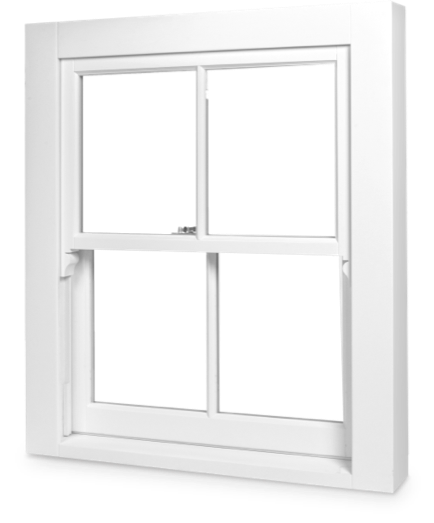
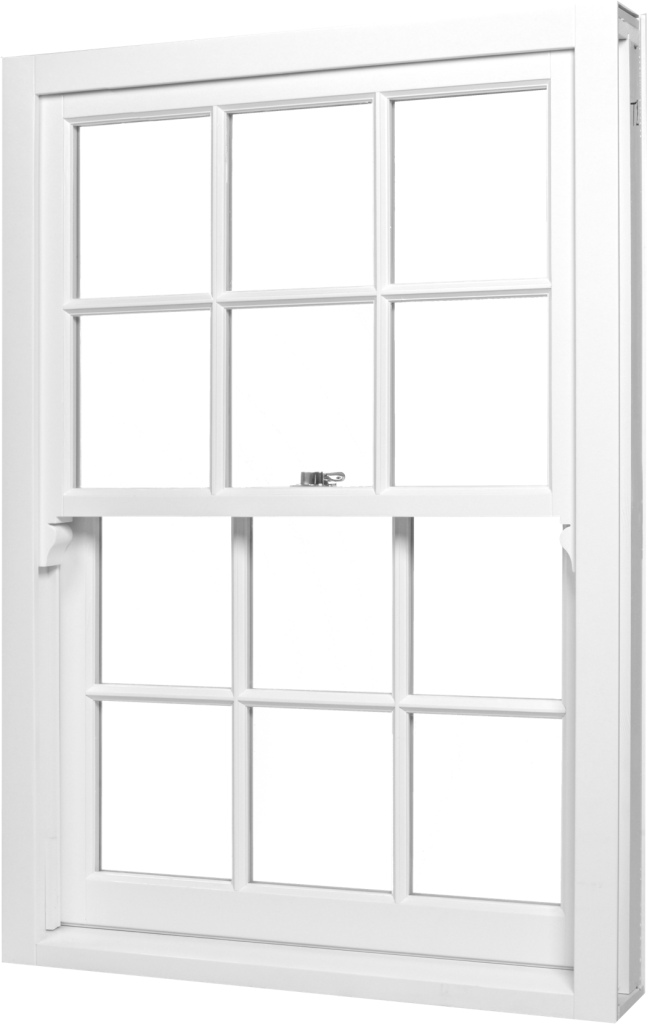
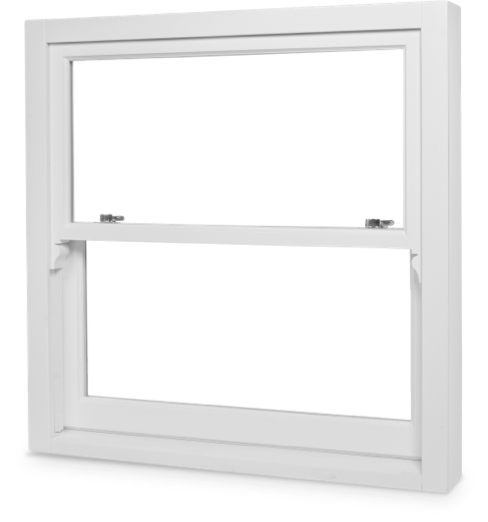
Where maintaining architectural character matters (period properties, conservation areas, anywhere the street elevation is visible), getting the design right is as important as the performance specification. Various window styles suit different periods: sliding sash windows for Georgian and Victorian, flush casement for Edwardian, and specific window profiles for inter-war and post-war properties.
Frequently Asked Questions
How long does it take to replace my windows from start to finish?
–
+
For a straightforward upgrade without planning permission, expect 10-14 weeks from enquiry to completion. With planning permission, add 8-12 weeks for the application. A realistic timeframe for a heritage project: 20-26 weeks total.
Do I need planning permission to replace my windows?
–
+
Most upgrades fall under permitted development rights, no permission needed if you’re replacing like-for-like and meeting building regulations for a compliant window. Conservation area properties may need permission if changing materials. Heritage properties always need consent. Check with your local planning authority to confirm what applies to your property.
What’s the best time of year to replace windows?
–
+
Spring and early autumn offer the best combination of weather and daylight. Summer works well but builders are busy. Avoid mid-winter for the installation phase if possible. The key is allowing enough time. Start the planning process 4-6 months ahead to meet planning requirements before your preferred installation date.
How many windows can be replaced in a day?
–
+
Typically 2-4 windows per day for a two-person installation team, depending on size, access, and whether scaffolding is involved. A full house of 8-12 windows usually takes 3-5 days. We take a room-by-room approach so each space is secured before moving to the next.
Can I replace just some windows, or do I need to do them all at once?
–
+
You can replace any number of windows. There’s no requirement to do them all. Many homeowners phase the work over 2-3 years, starting with the worst-performing or most visible elevations. The only consideration is that different window batches may have very slight colour variations in the factory finish, so replacing a full elevation at once gives the most consistent appearance.
Conclusion
The difference between a stressful project and a smooth one is almost always planning. Allow enough time for surveys, specifications, planning applications, manufacturing, and installation, and build in contingency for each stage.
Start earlier than you think you need to. A project that begins with a phone call in January can be installed by May. One that starts in April with a “we need them by summer” deadline will feel rushed at every stage. Windows provide decades of service. Investing a few extra weeks in getting the process right is always worthwhile.
At Wooden Windows Online, we guide you through every stage, from initial survey to final installation. Whether you need bespoke timber windows or custom windows for a listed building, or standard replacement windows — these windows offer current performance, manufactured to your specification and installed on your schedule.
Request your free quote today and start planning your window replacement project.
Our Best-Selling Timber Windows: