Most homeowners know double glazed windows keep homes warmer. Fewer understand why — or that there are different types of glazing, and what the technology offers varies enormously. The gap between a budget unit and a high-performance one can mean hundreds a year in heating bills.
The short version: the secret is simple — sealed-unit technology works by trapping a layer of gas between two panes of glass. That gas — usually argon — transfers warmth far less efficiently than air, which cuts heat loss through your windows. Add a Low-E coating to one pane of glass, and you’ve got a unit that returns radiant heat to the room while letting daylight through. The thermal insulation improvement is dramatic.
At Wooden Windows Online, we manufacture timber windows with high-performance glazing as standard. This guide explains the technology so you can make informed decisions — whether you’re installing double-pane units, specifying replacement windows or upgrading old single-pane windows.
What You’ll Discover in This Article
- The anatomy of a window unit — two panes of glass, spacer bars, gas fill, and edge seals
- How the cavity between panes reduces heat loss and why argon gas matters
- What U-values actually mean and how to compare window performance
- How Low-E coatings reflect heat back into your room
- When triple glazing is worth the extra investment — and when it isn’t
- Why timber frames enhance glazing performance in ways uPVC and aluminium can’t
Inside a Double Glazed Window: Sealed Unit Anatomy
Two Panes of Glass and the Cavity Between Them
A standard window has two panes of glass separated by a layer of gas — typically 12-20mm wide. This cavity is everything. Without it, two sheets touching each other would transfer warmth almost as readily as a single pane of glass.
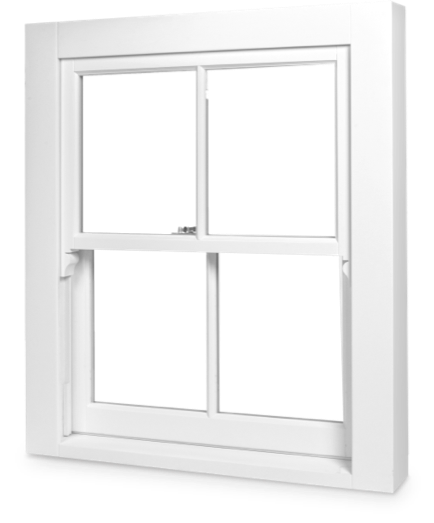
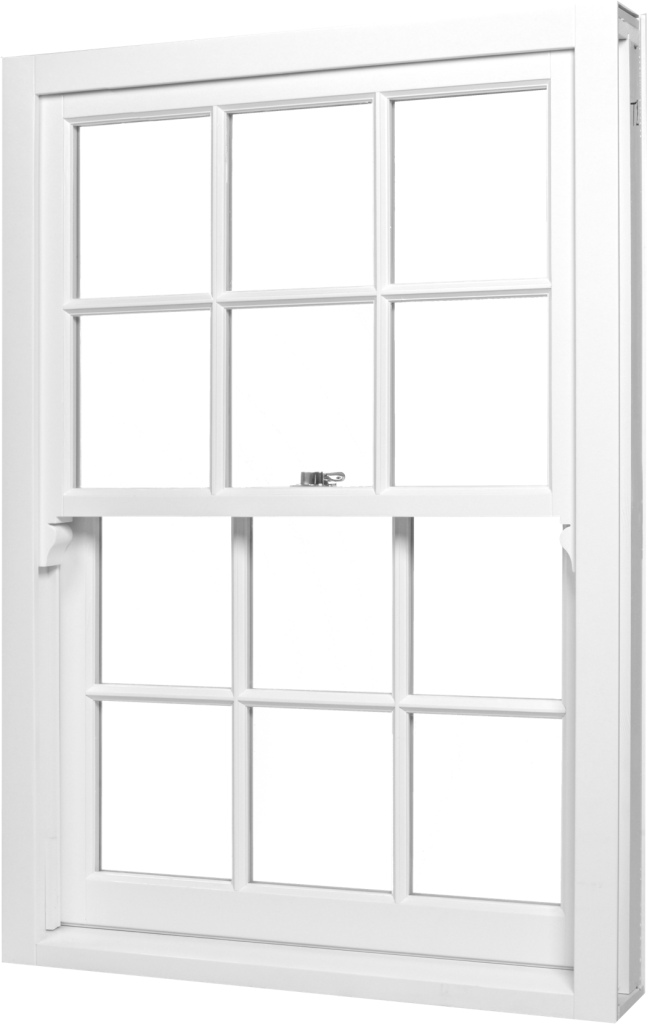
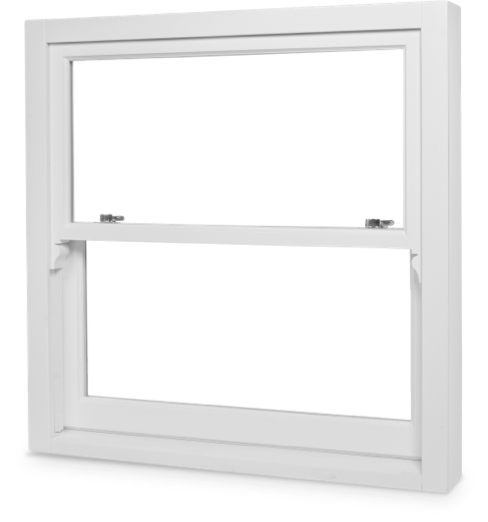
The glass is usually 4mm float glass on each side, giving a total thickness of 20-28mm. For timber sash windows and casement windows, the cavity width depends on the glazing rebate depth — which is why window frame design and glazing specification need to work together. Each pane of glass plays a specific role: the outer pane faces the weather; the inner glass pane stays closer to room temperature when the system is working properly.
Spacer Bars and Edge Seals
The spacer bar holds the two window panes apart at a precise distance. Its material matters more than most people realise.
Traditional aluminium spacers conduct heat readily — creating a thermal bridge at the edge where cold transfers through the metal and causes condensation on the glass surface. This is why older double glazed windows often show moisture around the edges on cold mornings. Modern “warm edge” spacers use composite materials that reduce condensation and improve the overall U-value by up to 65%. They limit heat transfer at the edges where standard specifications are weakest. Always ask about spacer specification when comparing quotes — it’s one of the biggest differences between budget and premium specifications.
The perimeter seal keeps gas in and moisture out. A failed seal means the gas escapes and misting appears between the panes. Modern dual-seal systems give a typical lifespan of 20-25 years, though quality varies between manufacturers.
Argon Gas: The Invisible Insulator
The cavity isn’t empty air. In any decent specification, it’s filled with argon gas — inert, non-toxic, and about 34% less conductive than air. This is the standard fill for modern sealed units.
How does it limit heat escape? Heat moves through the cavity by convection — warm air rises near the inside pane of glass, cool air falls near the outside pane. This circulation transfers warmth outward. The gas, being denser and less conductive, slows this convection cycle significantly.
Thicker glass or premium specifications using krypton gas, which performs even better but costs considerably more. For most residential applications, including timber and wooden windows, the gas provides the optimal cost-to-performance ratio. The difference between argon and air fill alone improves a glazed unit’s thermal performance by 15-20%.
How Double Glazing Works to Reduce Heat Loss
The Science in Simple Terms
Heat escapes through windows via three types of heat transfer. Conduction — heat passing directly through solid glass. A single pane of glass feels cold because glass is a good thermal conductor. Convection — warm air rising and cool air falling inside the cavity, carrying warmth with it. The optimal cavity width is 16mm — narrow enough to limit this circulation, wide enough for effective insulation. Radiation — infrared heat waves passing through glass. This is where Low-E coatings make their biggest impact.
The system addresses all three. The gas cavity dramatically slows conduction and convection. Low-E coatings reduce heat transfer by radiation. Together, they transform how your windows perform.
U-Values: The Numbers That Matter
The U-value measures how well a window insulates. Lower is better. Here’s what different configurations achieve:
| Configuration | U-value (W/m²K) | Heat loss reduction |
|---|---|---|
| Single glazed | ~5.0 | Baseline |
| Double, air fill | ~2.8 | ~44% |
| Double, argon fill | ~2.0 | ~60% |
| Double, argon + Low-E | 1.2-1.4 | ~72% |
| Triple, argon + Low-E | 0.6-0.8 | ~85% |
One important distinction: manufacturers often advertise the centre-pane U-value (glazing only). The whole-window U-value — including frame and edges — is always higher, and it’s the number that matters for Building Regulations. Current requirements: 1.4 W/m²K or energy rating Band B minimum. High-performance energy efficient timber windows with gas-filled, Low-E glazing comfortably meet these requirements.
Those numbers translate directly to comfort — warmer rooms, lower heating bills, and significantly less condensation. Condensation is worth understanding: it forms when moist indoor air hits a cold surface. With single glazing, the glass pane is barely warmer than outside, so condensation on the glass is almost inevitable in winter. The insulated unit keeps the internal pane of glass much closer to room temperature, dramatically reducing the problem. If you do see condensation on the inside surface of a double glazed window, it usually means room humidity is very high or the unit’s performance has degraded.
Condensation between the panes — rather than on the inside — means the seal has failed and the gas fill has escaped. That glazed unit needs replacing.
For a typical semi-detached, upgrading from single glazed to high-performance double can dramatically cut heat loss and improve your home’s energy efficiency — making it genuinely energy efficient — windows could save you hundreds annually. Double glazed windows also help reduce noise from outside. The sound insulation is a welcome bonus that many homeowners don’t expect.
How Low-E Coatings Work: Invisible Insulation
Low-E means “low emissivity” — a microscopically thin metallic coating on one pane of glass that reflects up to 95% of infrared heat radiation back into the room. You can’t see it. You can’t feel it. But performance improves dramatically with it.
Without the coating, ordinary glass absorbs infrared radiation from your warm room and re-emits roughly half of it outward. With Low-E, most of that energy stays inside.
Two types exist. Hard coat — applied during manufacturing, durable but less efficient (emissivity 0.15-0.20). Soft coat — applied in a vacuum chamber, delicate but far more effective (emissivity 0.02-0.05). We use soft coat as standard, positioned on surface 3 (inside face of the outer pane of glass).
The practical effect? Rooms feel warmer — the unit protects against cold draughts. The internal glass pane stays closer to room temperature, so condensation reduces significantly and your heating works less hard. A 30-40% insulation improvement from something invisible.
Triple Glazing: When the Extra Pane Is Worth It
Triple glazed windows add a third pane and second gas cavity. Same principle — more cavities, more insulation — but with diminishing returns. The table above tells the story: single to double is transformative; double to triple is incremental.
Triple makes sense for windows facing north with little solar gain, exposed coastal or hilltop properties, and passive house builds. For most UK homes, high-performance double with argon and Low-E delivers the optimal balance. Triple is 25-35% more expensive than double, but it pays back over 15-20 years. Vacuum glazing — where the cavity is evacuated rather than gas-filled — is an emerging alternative, though not yet mainstream.
Practical note: triple units weigh ~50% more than double. Sash windows need heavier counterbalance weights; tilt and turn windows need stronger hinges. Frames need 36-44mm depth versus 24-28mm for standard specifications. None of these are insurmountable, but they need factoring into the specification.
What About Secondary Glazing?
Secondary glazing involves adding an additional internal window behind the existing one — is a different approach entirely. It’s commonly used in listed buildings where replacing the original glass isn’t permitted. It can limit heat escape and dramatically lower noise, but it doesn’t match the performance of a proper double glazed window. If you have the choice, true sealed-unit glazing is always the better investment.
How Timber Frames Enhance Double Glazing Performance
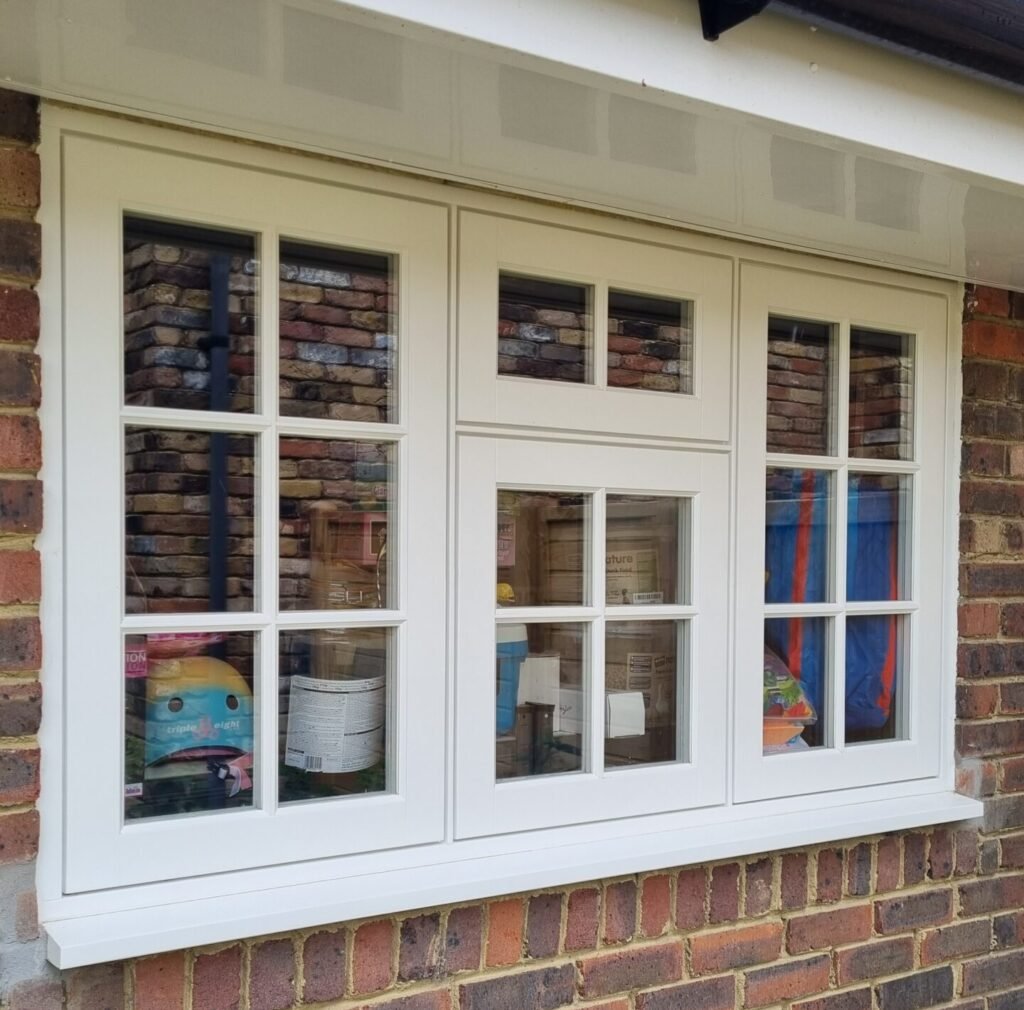
Here’s something the industry doesn’t discuss enough: the frame accounts for 20-30% of total window area, and its material directly affects performance.
Timber has thermal conductivity of 0.13 W/mK. uPVC: 0.16. Aluminium: 160. Even with thermal breaks, an aluminium window bleeds heat through the frame. uPVC windows use hollow chambers with steel reinforcement — creating thermal bridges. Timber? Solid insulator throughout. No metal, no bridges, no cold spots where frame meets wall.
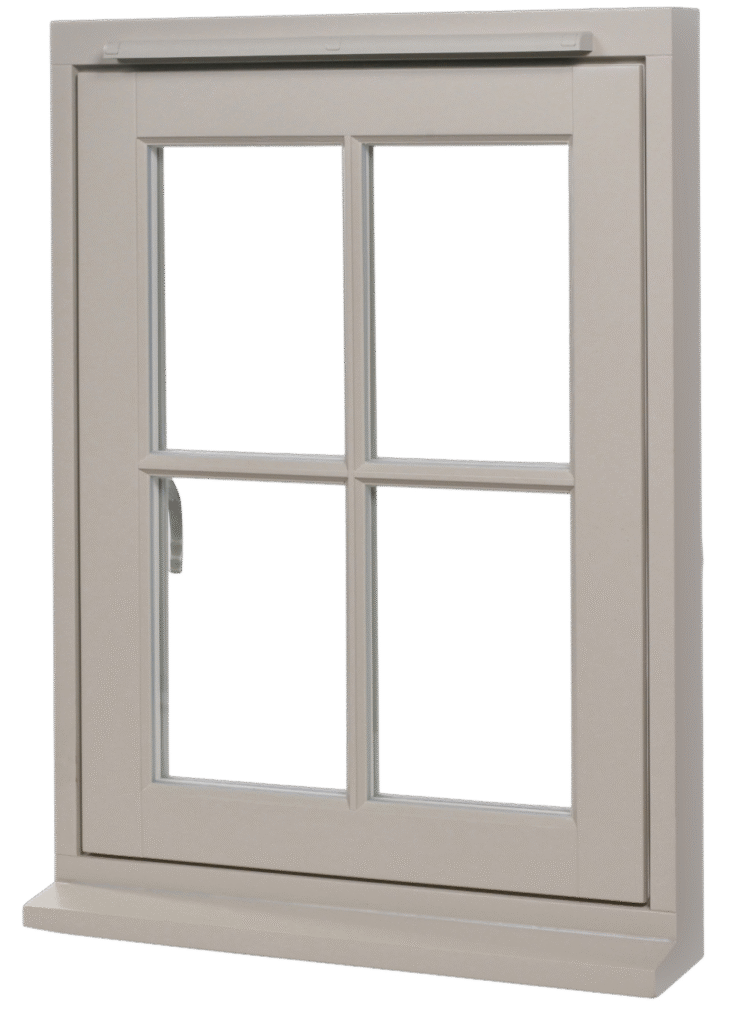
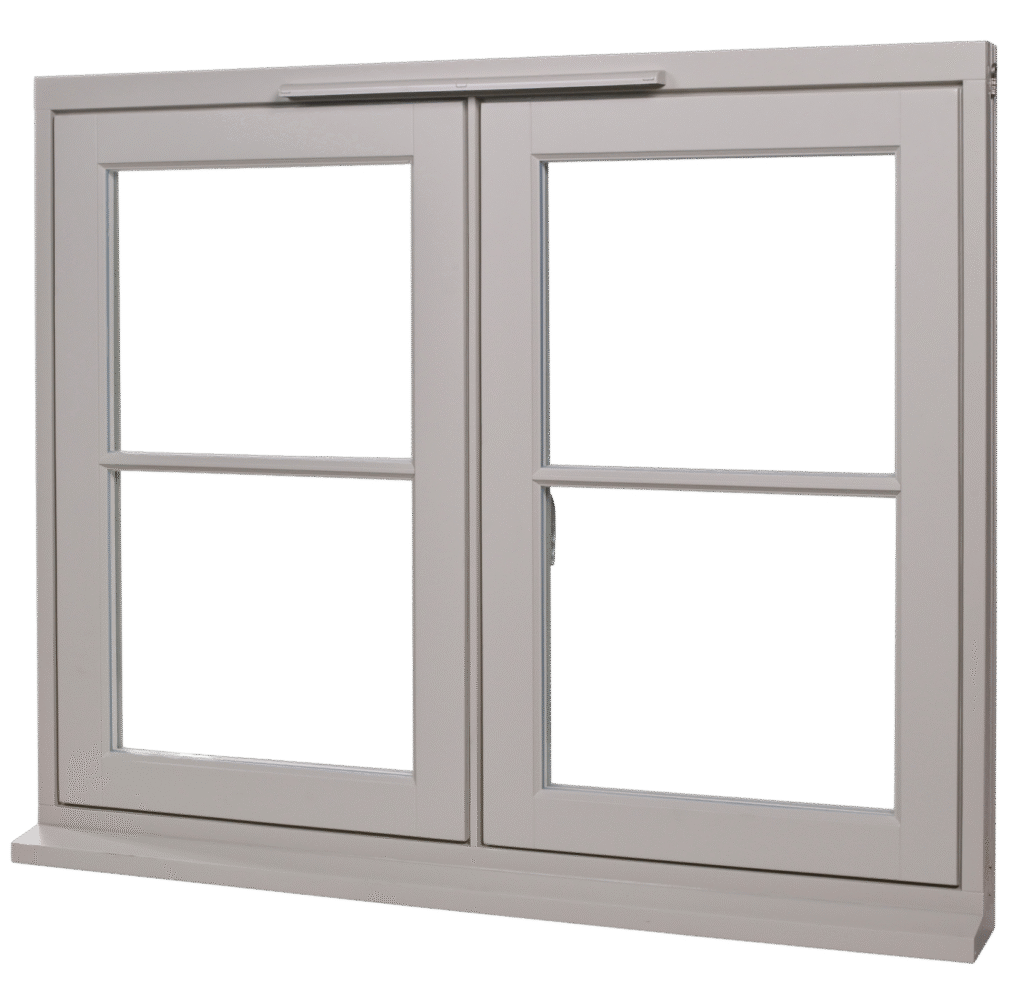
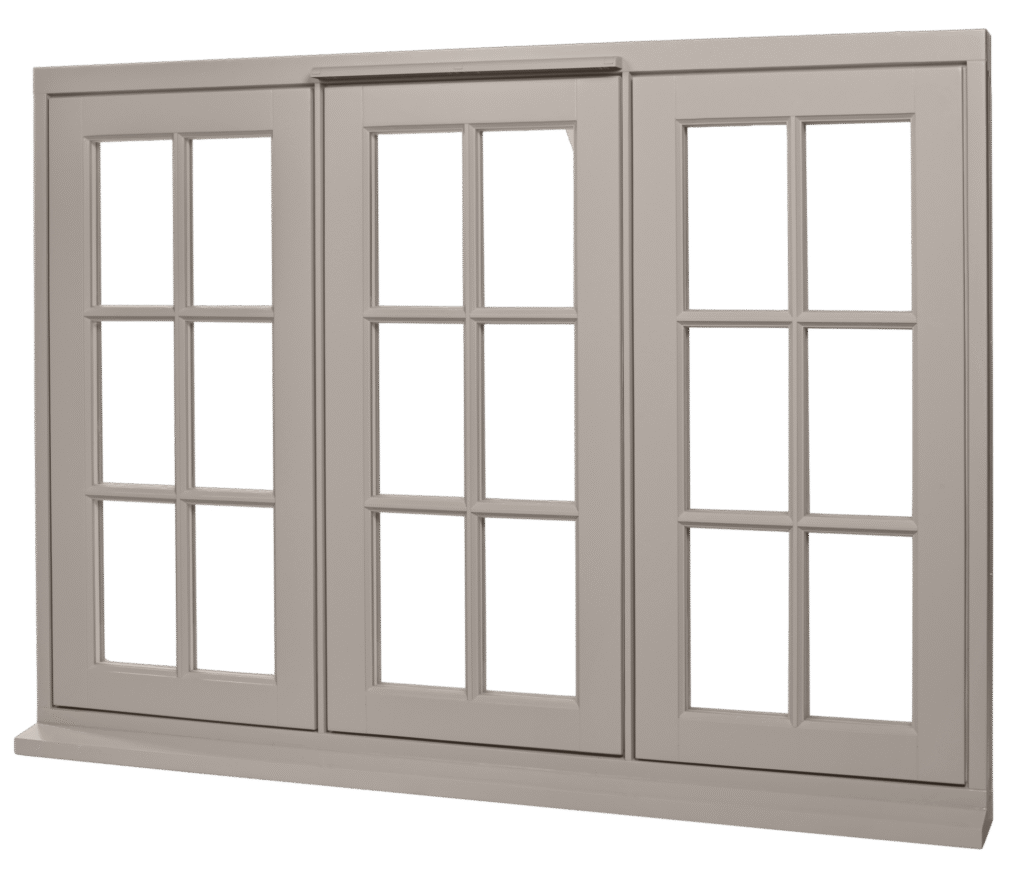
This matters in practice. A high-performance insulated glass unit in a thermally poor frame delivers disappointing results — the frame undermines what the glazing achieves. This is why we specify glazing and frames together as a complete system, matching the energy efficiency target for each project. Whether it’s a double glazed window for a period property, a replacement window, or new windows for a contemporary build — every component needs to work together.
For period properties, we manufacture windows in both engineered softwood and hardwood species like meranti and oak — all offering superior thermal performance compared to metal or plastic alternatives.
Frequently Asked Questions
How do sealed windows reduce heat loss?
–
+
The unit places glass either side of a gas-filled cavity. The gas — typically argon — is a poor heat conductor, dramatically slowing warmth escaping outward. Low-E coatings reflect infrared radiation back inside. Combined reduction versus single glazing: around 72%. You’ll notice the difference immediately — warmer rooms, lower bills.
Why do my double glazed windows have condensation?
–
+
Moisture on the inside surface means the room humidity is high relative to the glass temperature — common in kitchens and bathrooms. Better ventilation usually solves it. Moisture between the panes is different: it means the unit has failed and the gas fill has escaped. The unit needs replacing, though the frame is usually fine.
How long do double glazed sealed units last?
–
+
Quality units last 20-25 years before the edge seal degrades. The glass unit can be replaced without replacing the frame — straightforward maintenance that restores full performance.
Is triple glazing worth it?
–
+
For most UK homes, high-performance double provides the best cost-to-performance ratio. Triple suits north-facing windows, exposed locations, or passive house standards. The premium pays back over 15-20 years in energy savings.
Why are timber windows better for insulated glazing than uPVC?
–
+
Lower thermal conductivity (0.13 vs 0.16 W/mK), no internal metal reinforcement creating thermal bridges, and the structural strength to accommodate any glazing specification. The frame is 20-30% of the window — its insulation performance matters more than most people realise.
Conclusion
Gas fills, Low-E coatings, warm-edge spacers, precision seals — the technology has advanced dramatically. But the best glazing underperforms in a thermally poor frame. Timber delivers the ideal combination: natural insulation, no thermal bridging, and the strength to support any specification.
New double glazed windows from our facility come with high-performance double glazed units as standard — argon-filled, Low-E coated, warm-edge spacers. Your windows should keep you warm for decades, not just pass a regulations check.
Request your free quote today or explore our glazing options — we’ll specify the right glazing for your project.
Our Best-Selling Timber Windows: