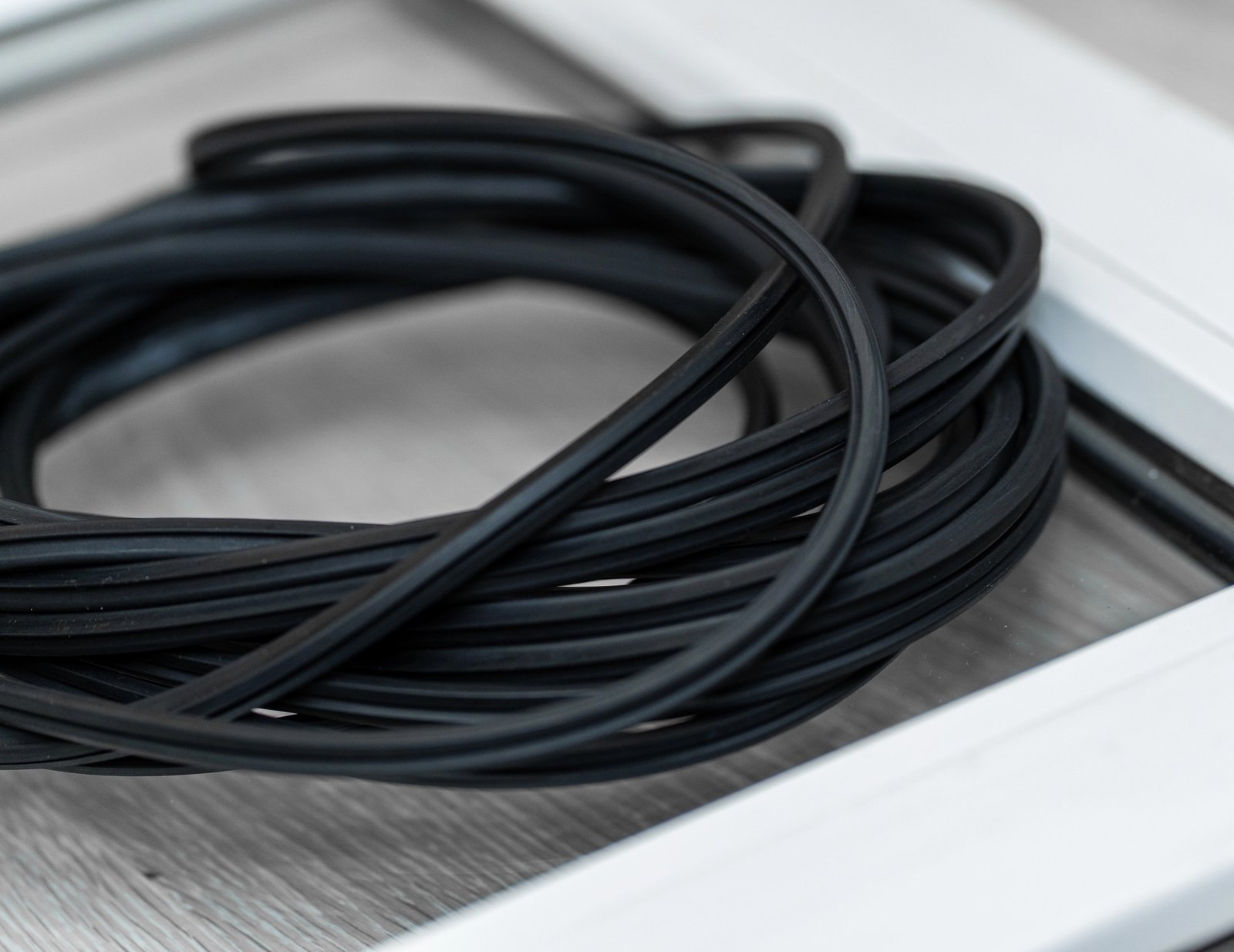
Here’s something that catches homeowners off guard: your windows might be in excellent condition — solid frames, good paint, no rot — and still perform badly. Cold air creeping in around the window frame edges. Condensation forming where it shouldn’t. Heating bills that don’t add up.
Nine times out of ten, the problem isn’t the window. It’s the strips and gaskets around it.
These components are invisible when they’re working, impossible to ignore when they’re not. On these windows, where the frame expands and contracts with seasonal moisture changes, they work harder than on any other material.
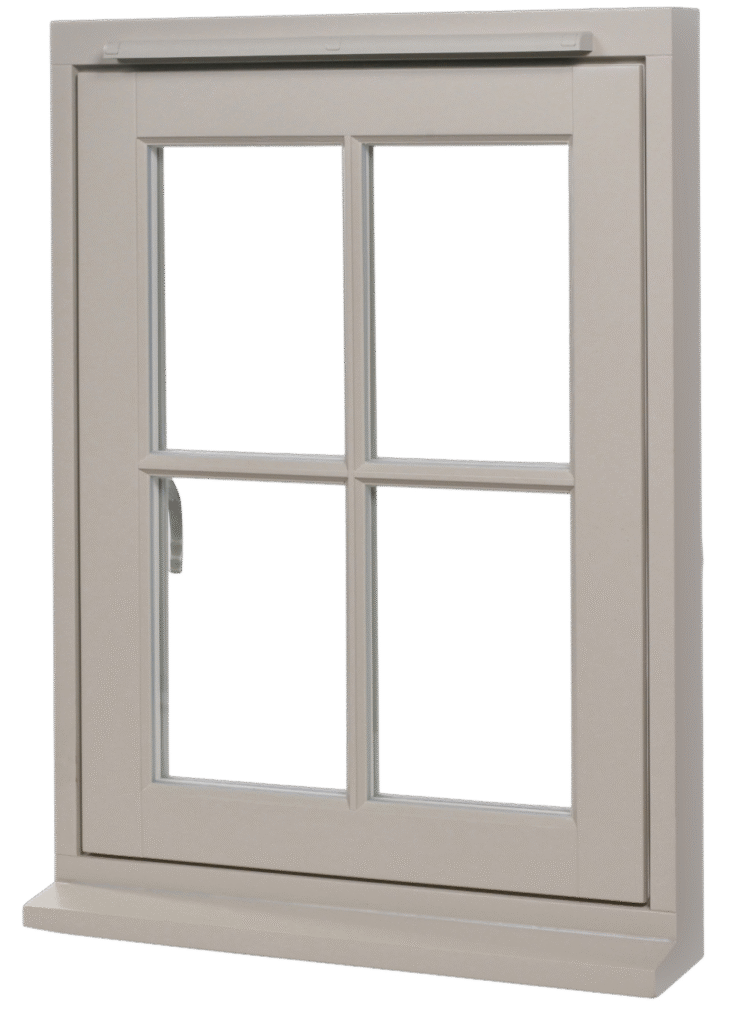
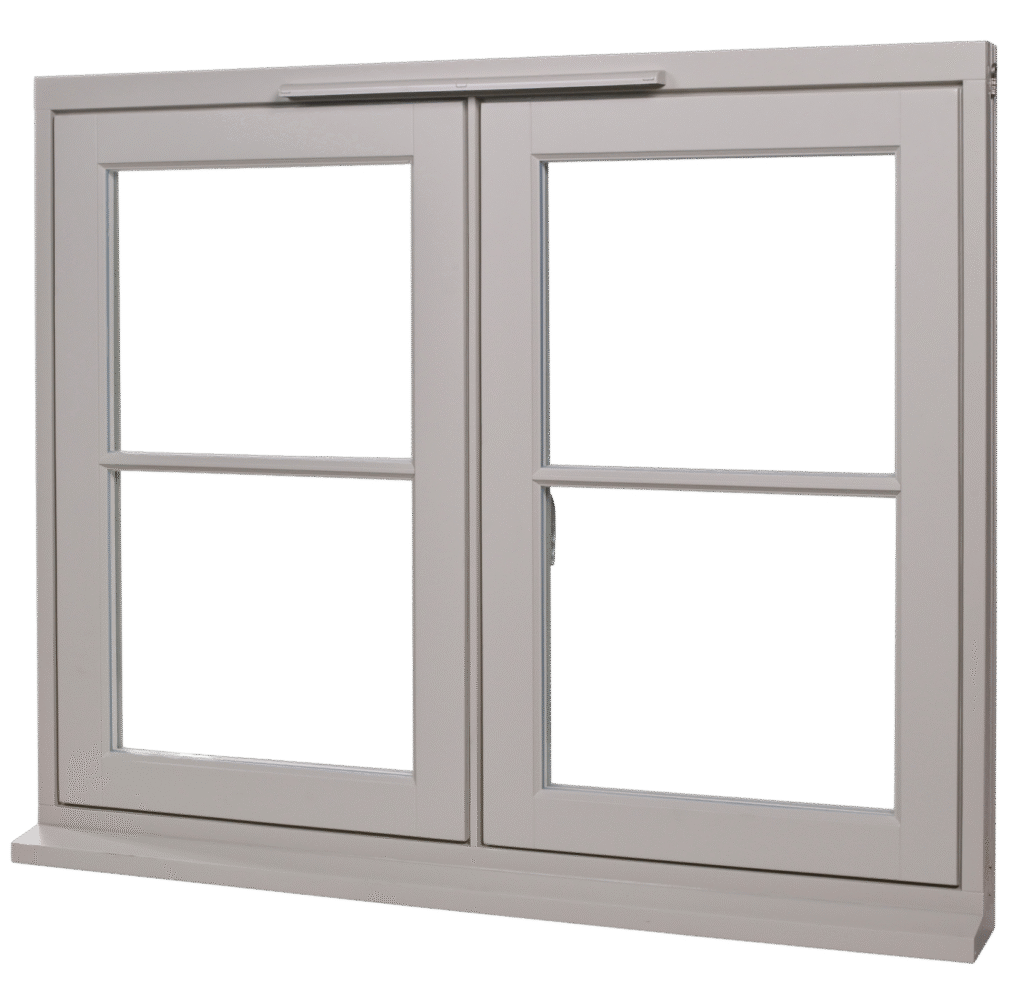
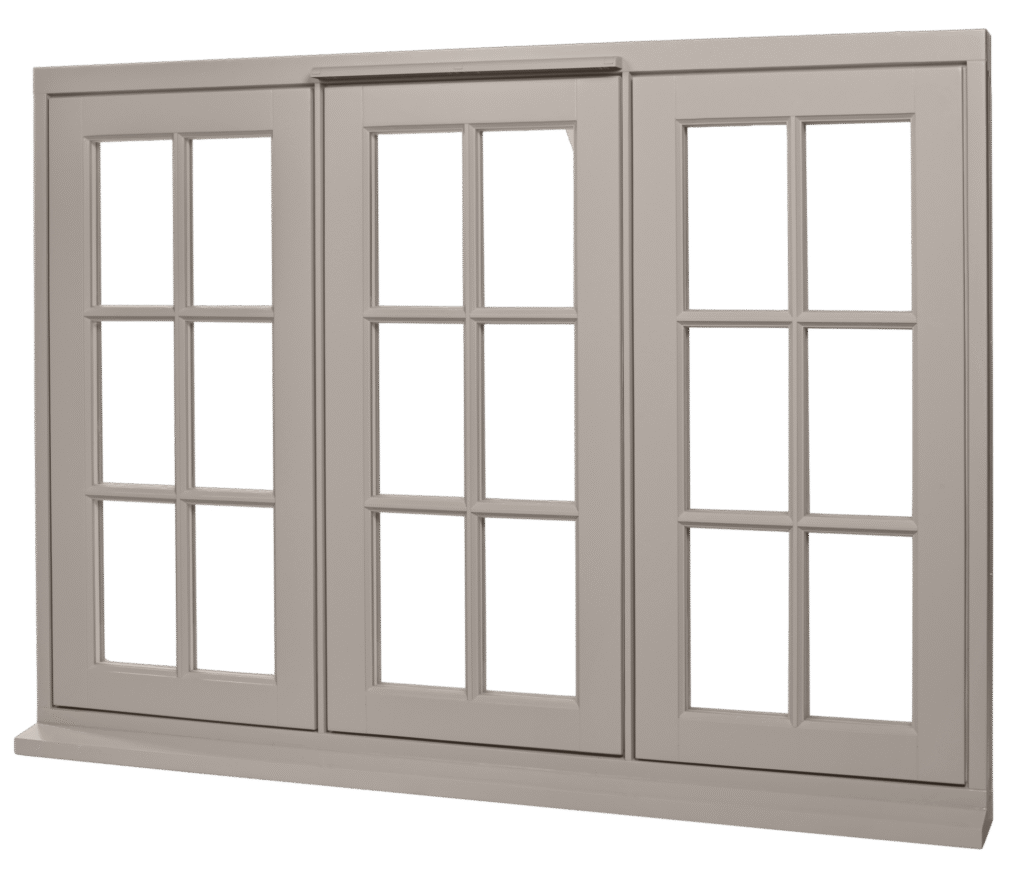
We manufacture timber windows and doors with modern weatherstripping built in. But thousands of UK homeowners have perfectly serviceable wood frames that just need their strips replacing. This article explains what you’re dealing with and what your options are.
What You’ll Discover in This Article
- Why perfectly good wood-framed windows can still let in cold air
- The different strip types around your windows and what each does
- How to spot failing components before they damage the frame
- When DIY makes sense and when to call a professional
- How proper weatherstripping affects heating bills and comfort
Where Seals and Gaskets Sit
Between Glass and Frame
The glazing component sits where the pane meets the wood — holding glass in place and preventing water ingress. On older windows, this was linseed oil putty. On modern ones, it’s a rubber profile or silicone-based compound.
Putty dries out after 15-20 years, cracks, and separates from both glass and wood. Rainwater then gets behind the pane and into the joinery — and that’s when rot starts. Loose paint around the rebate is often the first visible sign of a failing glazing seal at the edge of the frame.
Modern rubber seal profiles — EPDM specifically — are far more durable. They compress against glass to create a watertight seal that flexes with the wood’s natural movement.
Between Moving Parts
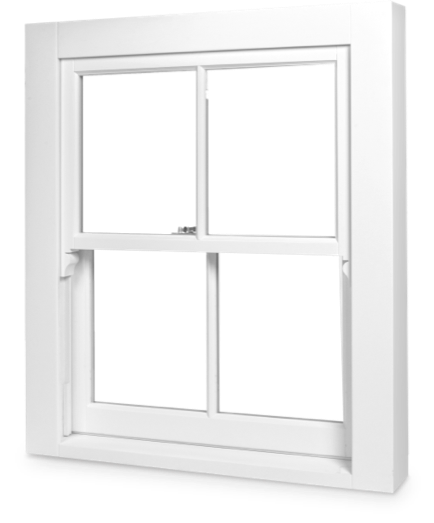
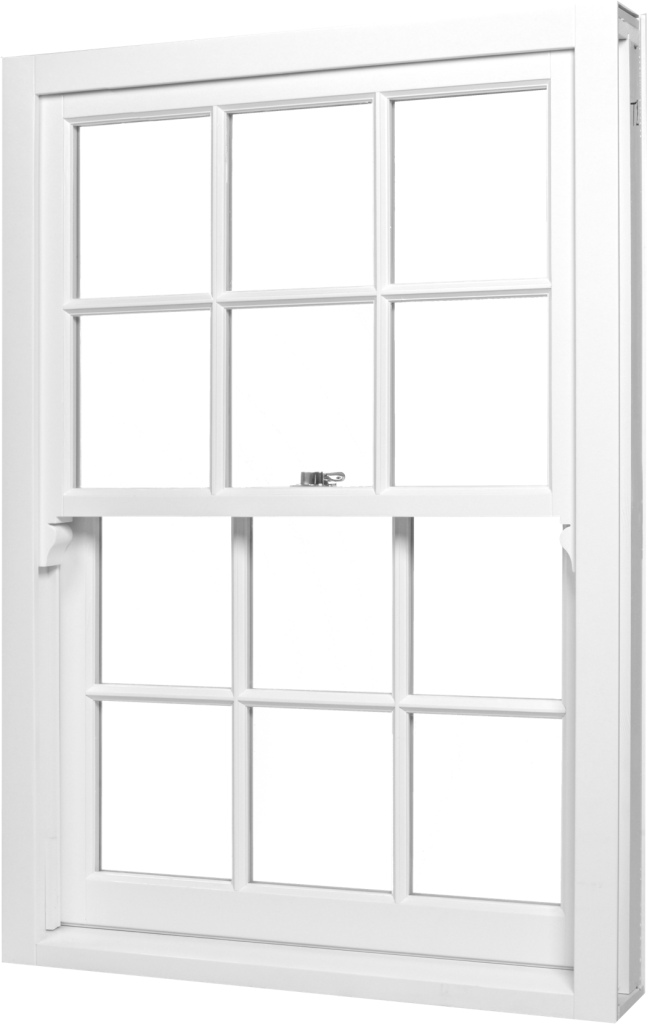
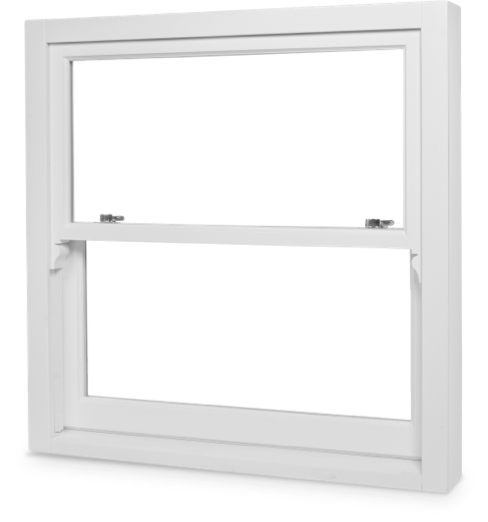
The weather seal — or weatherstrip — sits between the parts that move. On a vertical slider, it typically sits in three locations: the parting bead, the staff bead, and the meeting rail. On a casement, a continuous compression strip or bubble gasket runs around the entire frame opening.
This is the component that stops cold air — and it wears out fastest because it’s compressed every time you open and close the window or door.
Around Doors and Thresholds
The same principles apply to timber door frames. For wood-framed windows and doors generally. Strips around the frame use compression profiles, while the bottom of the door needs a separate threshold strip or draught excluder. Both need to accommodate the wood’s natural movement through the seasons.
How Seals Fail — and What Happens Next
Warning Signs to Look For
Hold a lighter near the edge of a closed window on a windy day. If the flame flickers, air is getting through — the strips have compressed beyond recovery or hardened with age.
Other signs: condensation at the bottom corners of the pane (water finding its way past the glass-to-frame barrier), rattling on windy nights (lost compression between moving parts), visible gaps around the opening section, and water staining on the sill from ingress past the glazing line.
What Happens If You Ignore It
Water getting past the glass barrier causes wood decay — starting at the sill where moisture collects. On a wood frame, this can compromise the entire structure within 5-10 years. Replacing the strips early costs £50-100 per window. Replacing the whole unit because the frame has rotted costs £600+.
Poor weatherstripping means your heating works harder. For a typical house with worn components around windows and doors, air leakage accounts for 15-25% of total heat loss. Proper weatherstripping won’t insulate your home on its own — but it stops warm air escaping through gaps that undermine everything else.
Seal Options for Different Window Types
Brush Strips for Vertical Sliders
Brush seals are the go-to for traditional sliding windows. Nylon or polypropylene bristles fitted into a carrier strip slot into routed channels in the beads. Why brushes? Because sliding windows need low-friction contact. A gasket seal would create friction and make them stiff to operate. Good brush strips reduce draughts by 80%+ while actually making the window smoother — the bristles act as guides.
For the bottom of sash windows, a compression profile on the rail closes the gap when shut without interfering with movement.
Compression Profiles and Bubble Gaskets for Casements
Casements close against a fixed frame, creating compression — so they can use denser, more effective profiles:
Bubble seal gasket — tubular rubber or EPDM that compresses when the window closes. The standard choice for modern casement windows. Seals are designed to create an airtight seal around the entire opening.
Wedge gaskets — V-shaped seal profiles that work by wedging into the gap. More tolerant of variation, making them suitable for older frames that aren’t perfectly square.
Choosing the Right Replacement
Profiles aren’t universal. Different manufacturers use different shapes, and fitting the wrong one means it either falls out or doesn’t compress properly. When ordering replacement gaskets, remove the existing seal first and measure the channel width and depth. A strip that’s too thick makes the window hard to close; too thin and it won’t contact. Choosing the best replacement means matching dimensions precisely.
Seals allows you to choose from dozens of standard profiles — but getting expert advice on the right specification saves time and money.
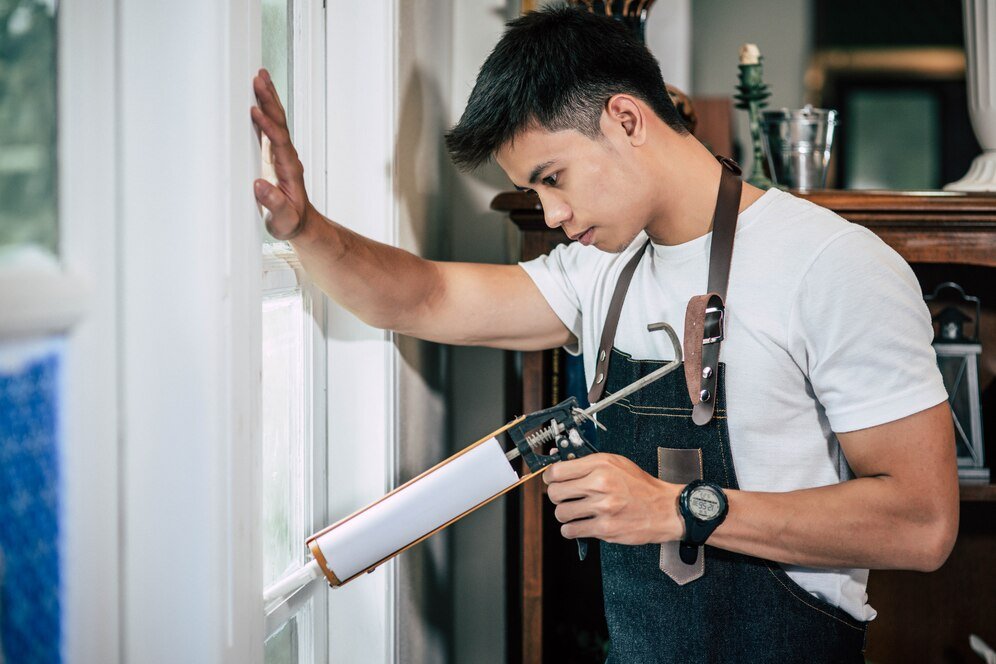
Window Seal Replacement: DIY vs Professional
When DIY Works
For casement windows, self-adhesive foam strips from a hardware store cost under £20 and take 15 minutes to fit. They’ll last 2-5 years. Not permanent, but a real improvement.
For sash windows and vertical sliders, DIY is harder. Fitting brush strips properly means removing the panels, routing channels, and reinstating with correct balance. Achievable if you’re handy — but a full day per window, and wrong tolerances mean the window won’t operate properly.
Professional Draught Proofing
Professional work involves removing all opening sections, replacing all weatherstripping with modern versions, adjusting for smooth operation, and reinstating everything. A good specialist also checks the glass-to-frame components, services the mechanism, and deals with minor wood repairs.
Cost: £150-400 per sliding window, £150-250 per casement. For a full house, typically £1,500-3,000 — but it transforms comfort and energy efficiency. The work pays for itself within 3-5 years through reduced heating bills, keeping your home warm and comfortable for a decade after that.
Impact of Seals on Window Performance
Even the best double glazing is undermined if air leaks around the frame edges. After professional weatherproofing, homeowners typically report noticeably warmer rooms within hours — particularly rooms facing prevailing winds.
Beyond comfort, good weatherstripping protects the wood itself. A watertight barrier around the glass prevents ingress that causes decay. An airtight barrier around opening sections reduces condensation — warm air meeting cold surfaces causes moisture problems, and seals around your windows are the first defence. For wood-framed windows and doors, this protection is particularly important because wood needs to shed moisture, not trap it.
Frequently Asked Questions
How often should I replace strips on wood-framed windows?
–
+
Brush strips and compression profiles last 8-15 years. Glass-to-frame components last 15-30 years depending on type. Check annually — if you feel cold air or see daylight around a closed window or door, it’s time.
Can I improve vertical sliders without replacing them?
–
+
Yes. Professional weatherproofing is one of the most cost-effective upgrades. New brush strips fitted into the bead channels transform both comfort and operation. The window slides more smoothly, and the difference is immediate.
Are strips for uPVC windows different from those for wood frames?
–
+
Yes. uPVC window and uPVC door profiles use different dimensions because the frames are manufactured to different tolerances. Wood-frame strips need to accommodate natural expansion and contraction. Don’t fit profiles designed for uPVC into a wood frame.
How much does full weatherstripping cost?
–
+
DIY: £15-30 per window. Professional: £150-400 per window depending on type. Full house: £1,500-3,000 for work that lasts 10-15 years. The reduction in heating bills typically covers the investment within 3-5 years.
Conclusion
Every strip and gasket around your windows — from the barrier holding the pane to the brush guiding the slider — bridges the gap between solid joinery and real-world performance. They’re the components nobody notices until they fail.
If your windows are over 10 years old and have never had their weatherstripping replaced, start there. You might find the windows themselves are perfectly fine — they just need updated components to perform as designed.
At Wooden Windows Online, every window comes with modern weatherstripping as standard — designed for wood frames and built to last.
Request your free quote today — we’ll specify the right system for your property.
Our Best-Selling Timber Windows: