A window frame carries the glass, keeps the weather out and sets the look of the whole house. Get the timber and the finish right, and a wooden frame can serve for 60 years.
We manufacture bespoke timber windows and doors, so we spend most days talking about frames. The questions rarely change. Which wood should I pick? Will it rot? How much will it cost? This guide answers them with our own specifications, the standards that apply and the trade-offs we see on real orders. It’s written for owners of period properties and new build homes alike, because the same rules decide whether a frame lasts.
Engineered pine, meranti or oak
1.4 W/m²K as standard
Any RAL or Farrow & Ball colour
Around 20 working days
From £449 + VAT
In this guide
What You’ll Discover in This Article
- The parts of a frame, and why each one matters
- The best wood for windows, from engineered pine to European oak
- Which design suits which house
- What Part L asks of your frames, and how the glass affects it
- How to look after a timber frame, and when to repair rather than replace
01 · Anatomy
What a Timber Frame Is Made Of
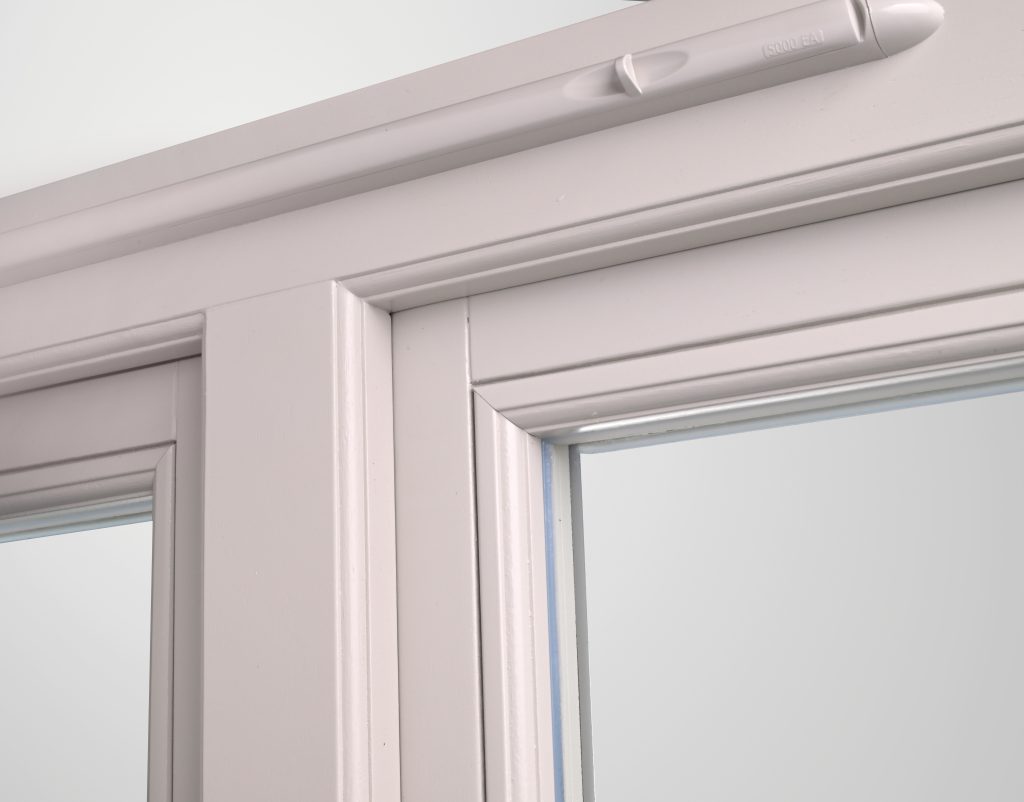
Each opening window has two parts: the outer frame fixed into the wall, and the opening light that sits inside it. The outer frame does the structural work, so the frame material and its detailing matter more than most people expect.
Head, Jambs and Sill
The head runs across the top, the jambs run down each side and the sill sits at the bottom. The sill takes the most punishment, because rain runs down the glass and sits on it. That’s why we shape every sill with a slope and a drip groove, so water runs off rather than soaking in.
Mullions and Transoms
A mullion is a vertical bar that divides a frame into sections; a transom is a horizontal one. They let one frame hold several casements or fixed panes. They also carry the bar layout that gives a cottage or Georgian elevation its character.
Why Section Size Matters
Deeper sections hold thicker sealed units and more hardware, and they resist twisting in large openings. They also look heavier. Slim sightlines suit traditional and contemporary homes alike, so we keep sections as fine as the opening allows. It’s a balance between performance and durability on one side and aesthetics on the other.
02 · Timber
Hardwood or Softwood: Choosing the Best Wood for Windows
Choosing the right type of wood depends on budget, exposure and the look you want. Different types of wood behave very differently outdoors, so it’s worth making the right choice before you order. There are three types of wood available from us, and each one earns its place.

Engineered Pine
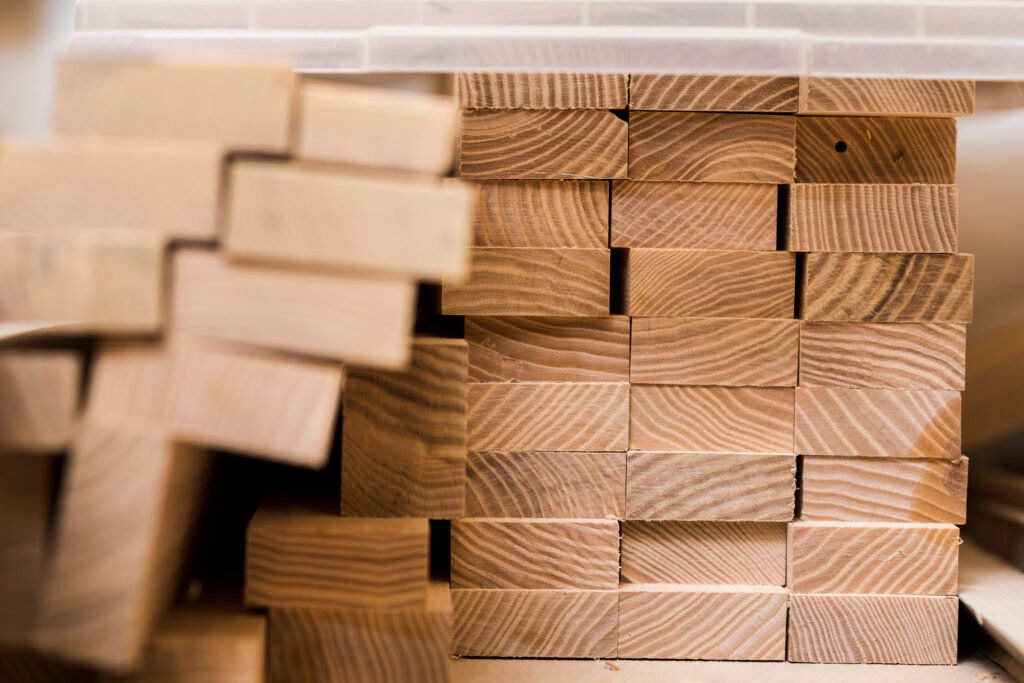
Softwoods come from conifers and grow faster, so they cost less. Our engineered pine windows are made from several layers of timber glued together with the grain alternated. That makes a stable section that won’t bow or twist the way solid softwood can. Painted with a good factory finish, it’s the cost-effective choice for many homeowners, and the most popular choice for window frames we supply.
Meranti and European Oak
Hardwoods grow slowly, so they’re denser and more resistant to decay. Engineered meranti is a reddish-brown tropical hardwood that takes paint or stain well, which makes it an excellent choice for exposed coastal and hilltop sites. Solid European oak windows are the premium option, usually oiled or stained to show the grain. Other makers use hardwoods such as sapele, which sits close to meranti in look and price.
Engineered or Solid Timber?
Engineered timber bonds layers into one section, so defects are cut out and the grain can’t pull the frame out of shape. That’s why it gives better long-term performance in a painted window. Solid timber shows a continuous grain, which suits oak. Unlike uPVC or aluminium, either kind can be cut back and spliced when it’s damaged. Both hardwoods and softwoods can last for decades when they’re detailed and finished properly. A 2013 study for the timber window industry, published by the British Woodworking Federation, put factory-finished frames at 56 to 65 years of service life, roughly double its figure for PVC-U.
Sustainably Sourced Timber
Timber is also renewable, but only if it’s harvested responsibly. Ask any supplier for chain-of-custody evidence, such as FSC or PEFC certification, before you order. It’s a fair question, and a good supplier will answer it without fuss.
03 · Styles
Casement Windows and Other Window Types
The type of window you pick shapes the frame as much as the timber does. Different window designs need different section sizes, hinges and sills. Here are the window types we’re asked about most.

Flush Casement Windows
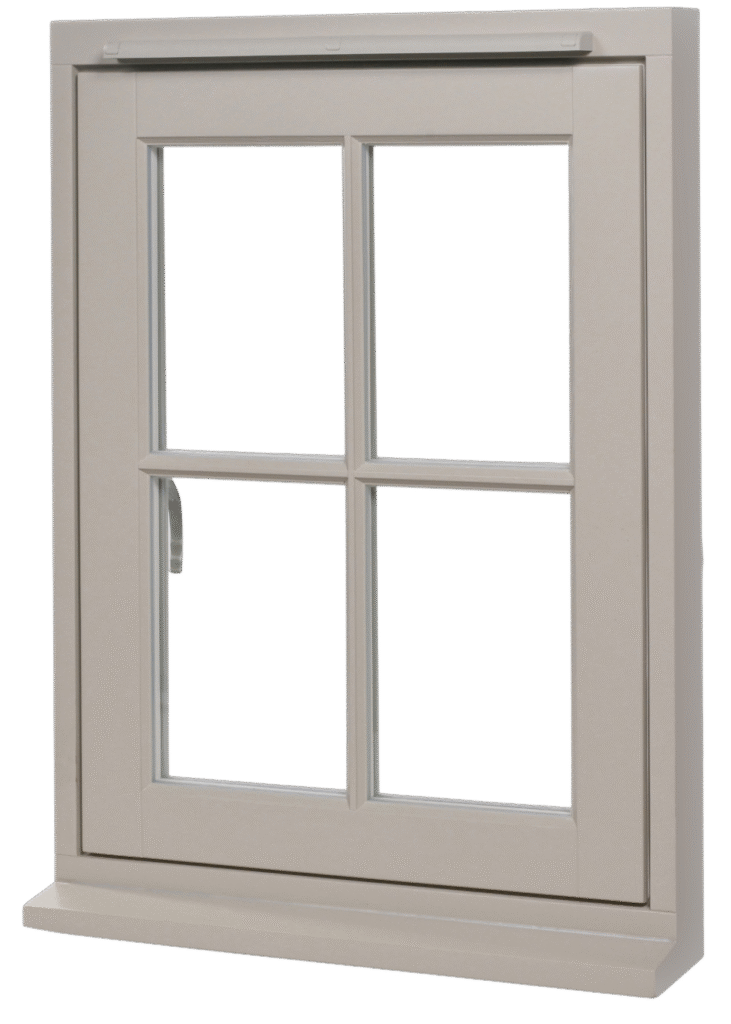
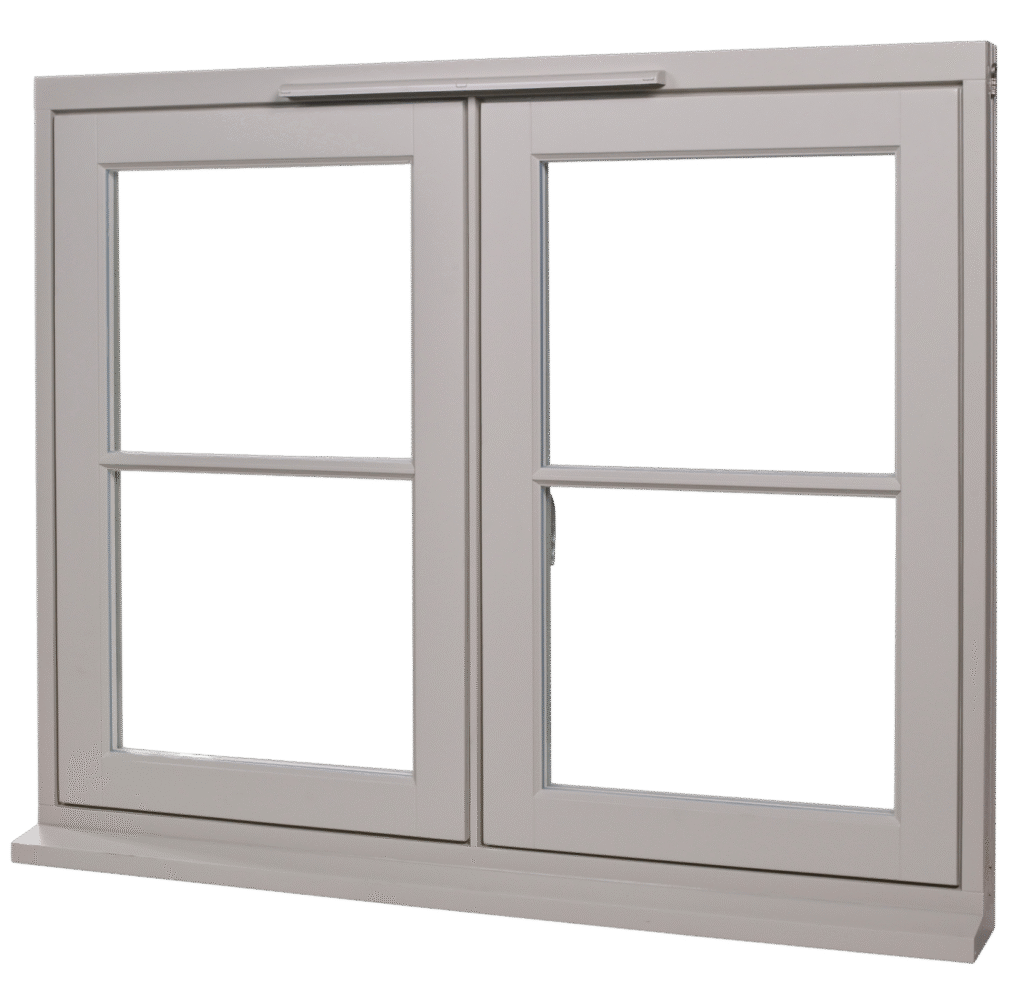
On these windows, the opening light closes level with the face of the frame. It’s the traditional English look, and it’s the only casement profile we make. Our flush-fitting casement range suits cottages, terraces and new extensions alike.
Overlapping Casements
A stormproof casement overlaps the frame and leaves a visible step around each opening light. It’s common on mass-produced joinery because it’s simple to weatherseal. We think the flush profile looks better on almost every house, and modern seals let it perform just as well.
Vertical Sliders
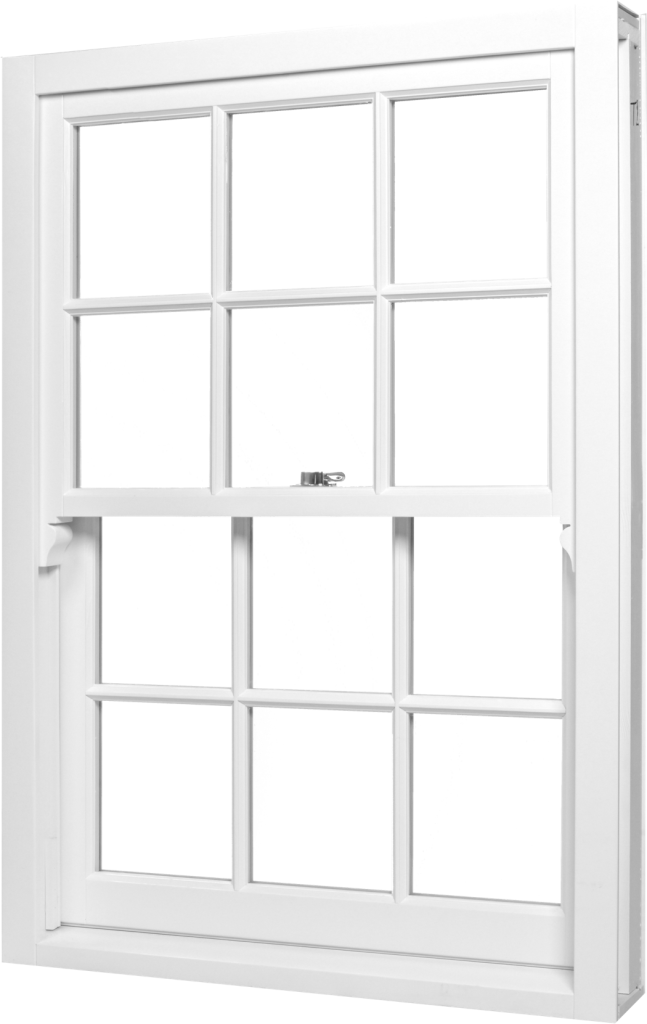
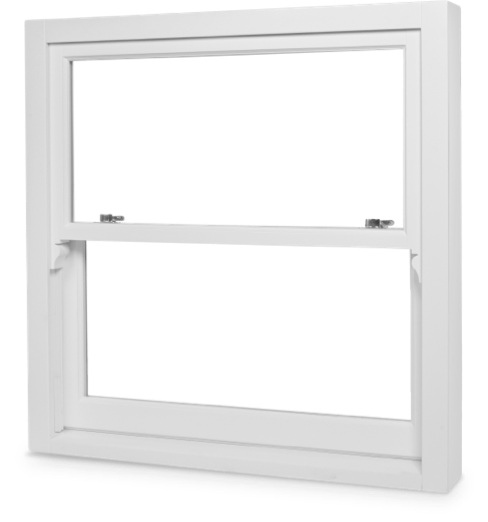
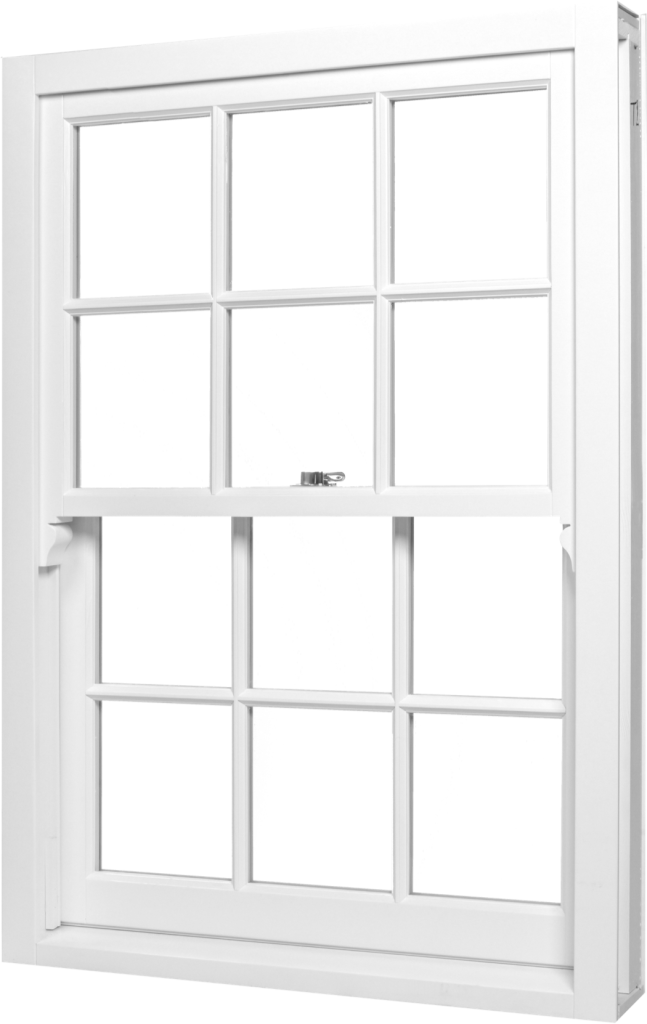
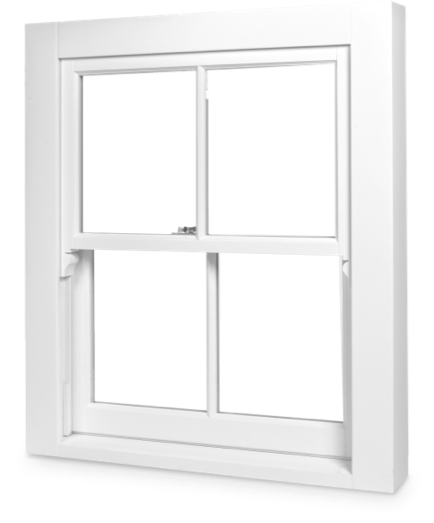
Sliding sash windows need a deeper frame, either a box with cords and weights or a slimmer frame with concealed spiral balances. The second option suits shallow reveals where a box frame won’t fit.
Fixed, Hung and Tilt and Turn Windows
Fixed windows provide the most natural light for the least frame, because there’s no opening light at all. Side hung and top hung windows open outwards on hinges. Tilt and turn designs open inwards and suit upper floors where you’d like to clean the glass from inside.
04 · Energy & Part L
Energy Efficiency and Thermal Performance
Frames matter, but the glass does most of the heavy lifting on heat loss.
What Part L Asks of Replacement Windows
In England, Approved Document L limits replacement windows to a whole-window U-value of 1.4 W/m²K, or a Window Energy Rating of band B. That figure covers the frame and the glass together, not just the centre of the pane. Our windows reach 1.4 W/m²K as standard, so they’re energy-efficient enough for any new or replacement window project in England.
Double Glazed as Standard
Every window we make has two-pane sealed units and warm edge spacers as standard, which cut heat loss at the edge of the unit. Triple glazing, acoustic laminated glass and obscured glass are available on request. Timber has excellent insulation properties, which helps the frame’s thermal efficiency.
Insulation Around the Frame
Even an excellent frame leaks heat if the gap around it isn’t sealed. That part of the job sits with your installer. In our experience, careful fitting makes as much difference to comfort as the glass you choose.
05 · Upkeep
Finishes, Maintenance and Repair
A frame’s finish decides how often you’ll be up a ladder.
Factory Finish in Any Colour
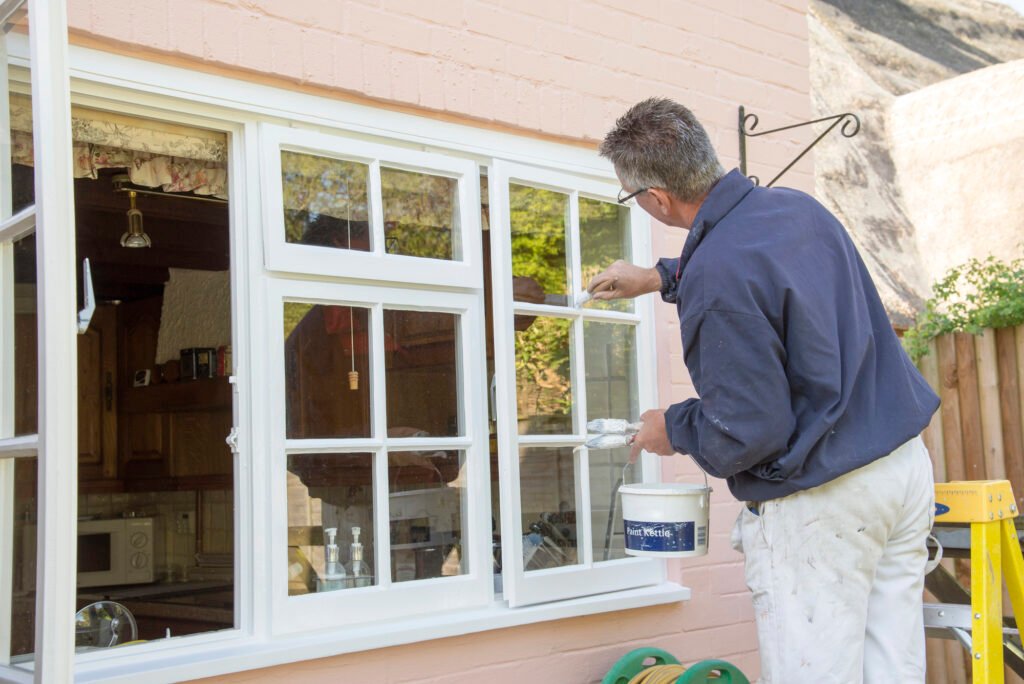
Our frames leave the workshop with a multi-coat factory finish in any RAL or Farrow & Ball colour. Spraying in controlled conditions gives a far more even film than brushing on site. The joinery carries our 5-year guarantee.
The Level of Care a Timber Frame Needs
Wash the frames once or twice a year and check the sill and the bottom joints each spring. Recoat exterior faces every few years, depending on exposure, with south- and west-facing walls first. That small routine is what turns a good frame into one that’s built to last in harsh weather, and it’s how timber windows can last for decades.
Repair or Replace?
Rot usually starts in the sill or the bottom of the jambs. If the damage is local, a joiner can cut it out and splice in new timber. Historic England’s guidance on traditional windows asks owners to repair first, especially in listed buildings. When rot has spread through the frame, a new window gives better long-term durability than patching.
06 · Cost
Timber Window Costs and Lead Time
Prices depend on size, timber, style and glass, so all our windows made to measure are quoted individually. Each one is drawn individually, and each window and door is checked before it leaves the workshop.
Supply Prices
Prices across our windows range from £449 + VAT for a single casement or a vertical slider on spiral balances. Oak, larger sizes, astragal bars and three-pane units add to the price. The table shows how the three timbers compare, so you can find the best fit for your budget.
| Engineered pine | Engineered meranti | European oak | |
|---|---|---|---|
| Wood type | Softwood | Hardwood | Hardwood |
| Construction | Laminated layers | Laminated layers | Solid |
| Usual finish | Paint | Paint or stain | Oil or stain |
| Relative price | Lowest | Middle | Highest |
| Best suited to | Painted cottages and terraces | Exposed sites, painted or stained | Statement and heritage projects |
Lead Time and Delivery
Our lead time is around 20 working days once the deposit is paid. The windows are then delivered fully finished anywhere in the UK. Fitting is arranged separately with your builder, joiner or FENSA-registered installer.
07 · Example project
Case Study: Winchester, Georgian Townhouse
This is an example project, typical of the orders we supply to Hampshire.
The owners of a Georgian townhouse in Winchester found soft, crumbling sills on the four front windows. A joiner confirmed the rot ran into the jambs, so repair wasn’t practical. At the back, a 1980s extension had three tired casements that didn’t match the house.
Specification:
- 4 Georgian box sashes on weights in engineered meranti, painted
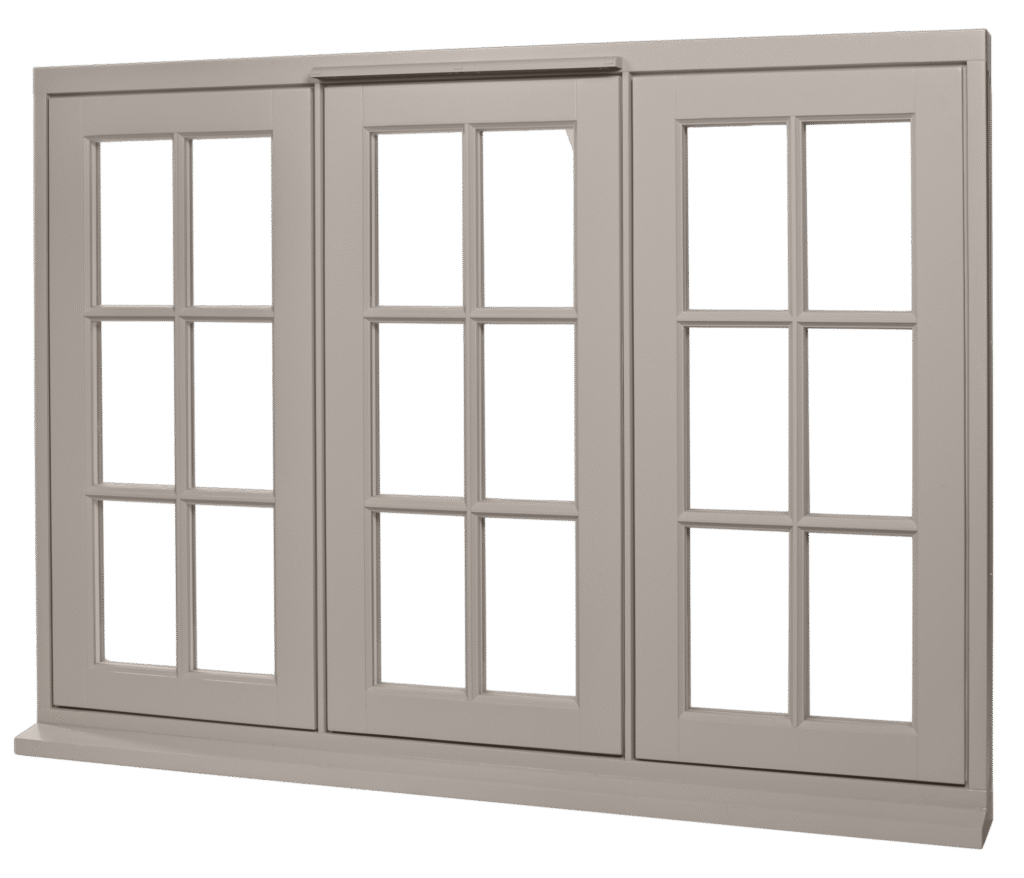
- 3 flush double casements in engineered pine for the rear extension
- Factory finish: Farrow & Ball Railings on the rear, All White on the front
- Two-pane sealed units with warm edge spacers, U-value 1.4 W/m²K
- Brass ironmongery: fasteners, lifts and stays
Project numbers:
- Joinery supply cost: £8,300 + VAT
- Lead time: around 20 working days
- Delivery: booked on completion
- Client’s installer: FENSA-registered joiner
- Installation duration on site: 6 working days
- Approximate total project cost (joinery + installation): £12,500
- U-value: 1.4 W/m²K per window
On a project like this, the front regains crisp Georgian proportions, the back finally matches the rest of the house, and every frame meets Part L.
Frequently Asked Questions
What is the best type of wood for windows?
–
+
It depends on budget and exposure. Engineered pine is the most affordable and stable when painted. Engineered meranti adds hardwood durability for exposed sites. European oak is the premium choice, usually oiled or stained. All three are available from us.
How long do wooden frames last?
–
+
A 2013 Heriot-Watt University study put factory-finished timber frames at 56 to 65 years of service life in average UK conditions. Well-made window frames can last that long with regular cleaning, a check of the sills each spring and repainting every few years.
Can rotten timber frames be repaired?
–
+
Often, yes. If the rot is limited to the sill or the base of the jambs, a joiner can splice in new timber. When the rot runs through the frame, replacement is usually better value.
Are wooden frames energy efficient?
–
+
Yes. Timber is a natural insulator, and with two-pane sealed units and warm edge spacers our windows reach a whole-window U-value of 1.4 W/m²K. That meets Part L for replacement windows in England and improves energy efficiency in most older homes.
Do you fit the windows?
–
+
No. We’re a supply-only manufacturer: we make the windows and deliver them finished across the UK. Your builder, joiner or a FENSA-registered installer fits them, and we’ll provide the drawings and specifications they need.
Summary
Conclusion: Choose Timber That Suits Your House
The frame decides how a window looks, how long it lasts and how well it keeps the heat in. If you choose timber, pick the species for your budget and exposure, the profile for your house, and a factory finish you won’t need to touch for years.
Engineered pine is the ideal choice for most painted homes, and a popular choice for homeowners on a budget. Meranti and oak earn their price on exposed or heritage elevations. Whichever you pick, bespoke wooden windows that are well detailed and well fitted will serve for decades, so choose windows for your home with the next 60 years in mind.
Request a free quote today and send us your opening sizes. We’ll specify the right frame, timber and finish for each one.
Our Best-Selling Timber Windows: