
Timber Windows Kensington & Chelsea
Our Best-Selling Timber Windows:
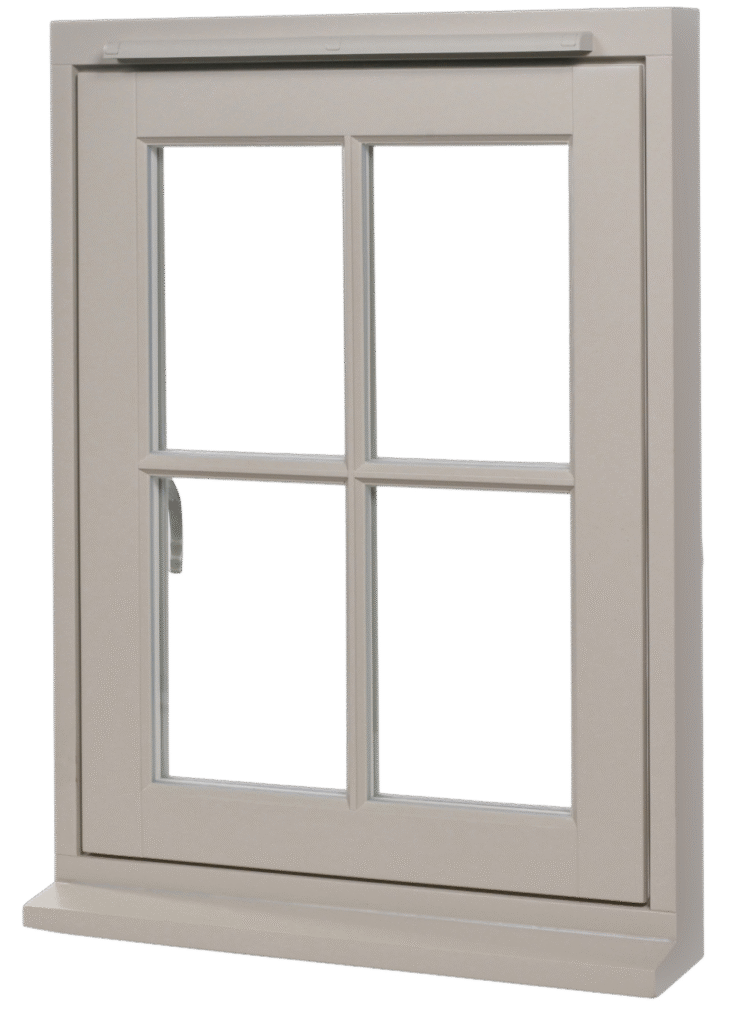
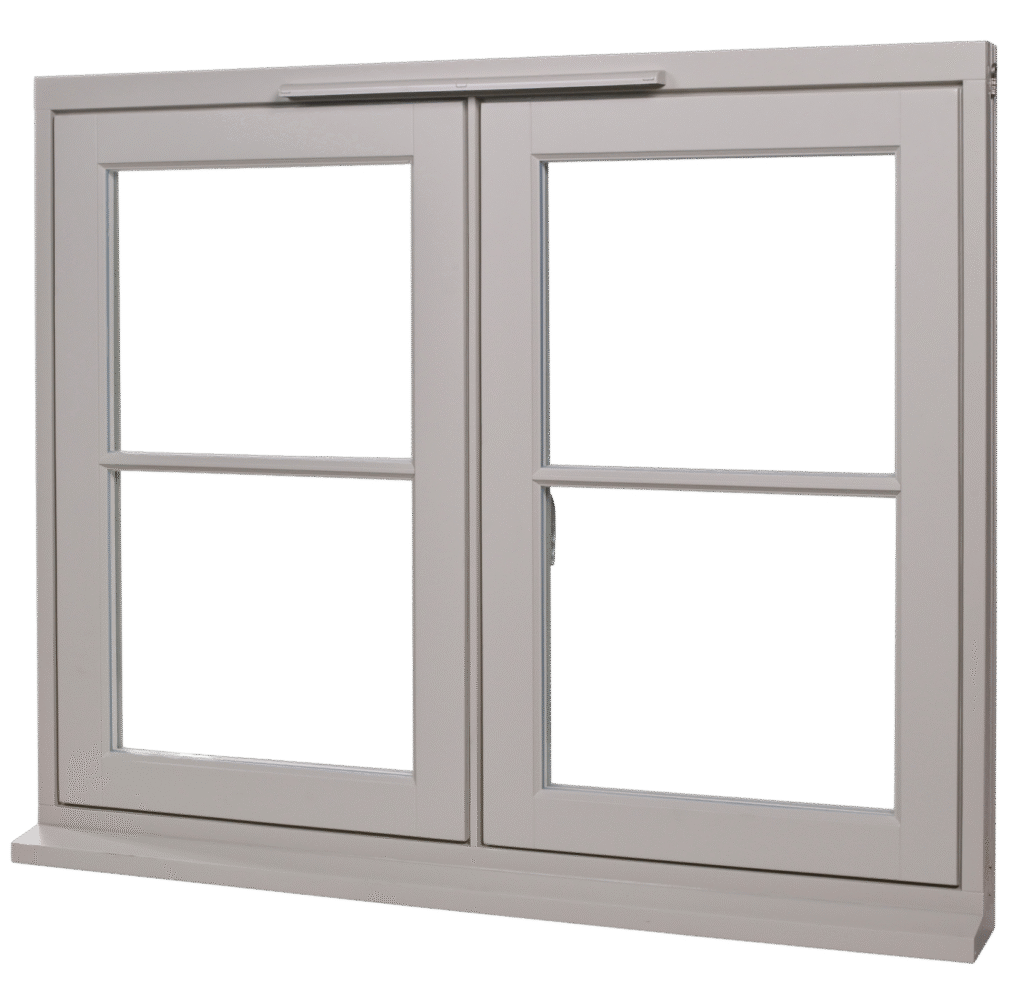
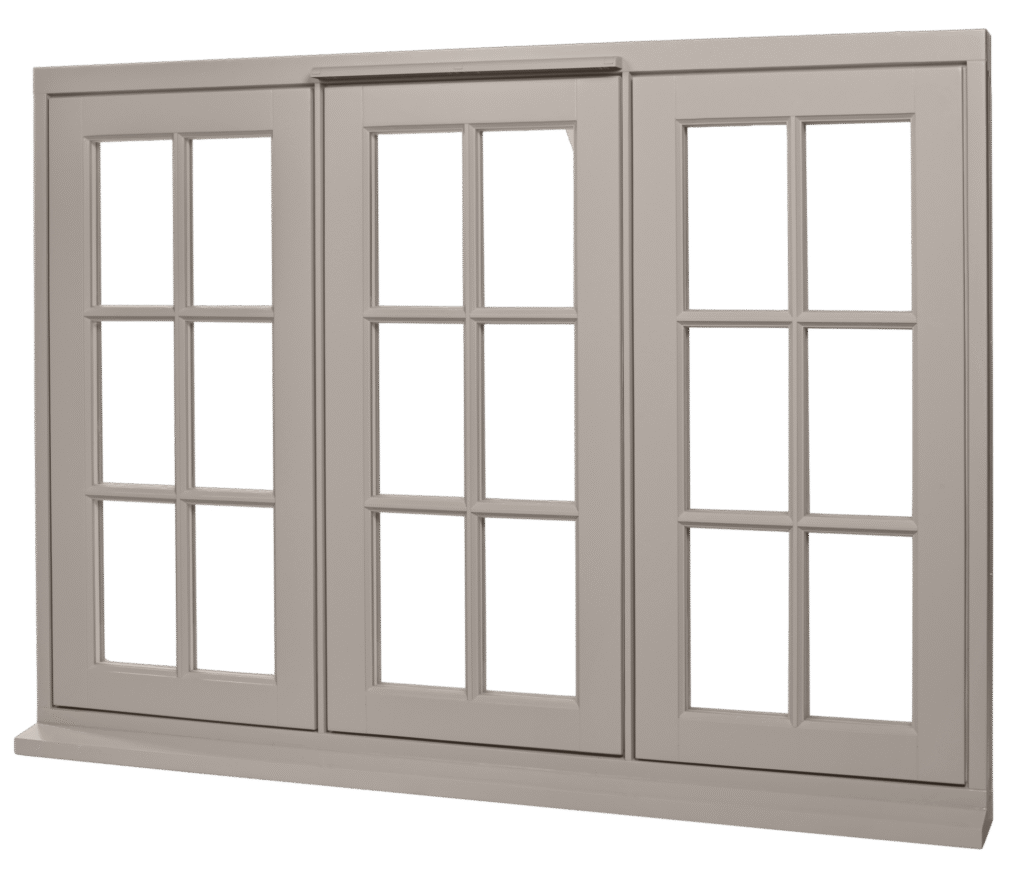
Timber Windows in Kensington & Chelsea
–
+
RBKC doesn’t mess about with windows. The Royal Borough of Kensington and Chelsea has some of the strictest conservation controls in London, and for good reason — the stucco-fronted crescents of Holland Park, the Regency terraces along Ladbroke Grove, and the mansion-lined streets of The Boltons represent some of the most architecturally significant domestic buildings in the country. Put the wrong windows on any of these and the conservation officer will notice before the paint dries.
We build timber windows to order for K&C properties — in engineered pine, meranti, or oak depending on your spec. Three-coat factory finish, delivered to site. We handle manufacturing; your joiner handles the rest.
Why Kensington & Chelsea Properties Demand Timber
–
+
The architecture in this borough falls predominantly into two categories: our Georgian sash windows guide (pre-1837) and Victorian (1837-1901), with a significant concentration of Regency-era stucco-fronted properties that define the visual character of streets like Pembridge Crescent, Elgin Crescent, and much of the Ladbroke Estate.
RBKC manages over 30 conservation areas — including the Royal Hospital, Kensington Palace, and Notting Hill — and their planning team is famously thorough. Replacement windows must match the originals in material, profile, glazing pattern, and often paint colour. Timber is the default expectation. And not just any timber — the proportions and details have to be right.
This is a borough where a 2mm difference in glazing bar width gets noticed. That’s not an exaggeration.
The Glazing Bar Question — Why Profile Width Matters in K&C
–
+
If your property has multi-pane windows — and most period properties in the Royal Borough do — the glazing bar is the single most visible detail. Get it wrong and it’s the first thing a conservation officer flags.
There are three methods for creating multi-pane windows, and they produce very different results:
Genuine through-bars. The bar runs through the full depth of the sash. Each pane is individually glazed. This is how the originals were built and it’s what RBKC conservation officers strongly prefer. The bar casts a real shadow and reads as authentic from the street. More expensive because it means multiple smaller sealed units rather than one large one — but in K&C, authenticity isn’t optional.
Planted bars. A single large pane with timber bars bonded to the exterior face. Looks reasonable from the front but there’s no bar visible between the panes when you look through at an angle. Some conservation officers accept this for Victorian properties. Few accept it for Georgian or Regency.
Internal grid. Bars floating between the glass sheets inside the sealed unit. Cheapest. Visually unconvincing — the bars cast no shadow. Not accepted in RBKC conservation areas.
For most Kensington and Chelsea properties, genuine through-bars are the right answer. Our frames accommodate through-bars as narrow as 18mm face width — which is what Georgian originals typically used.
Our Window Range
–
+
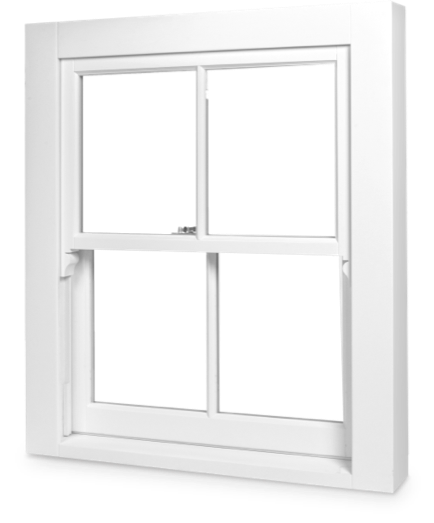
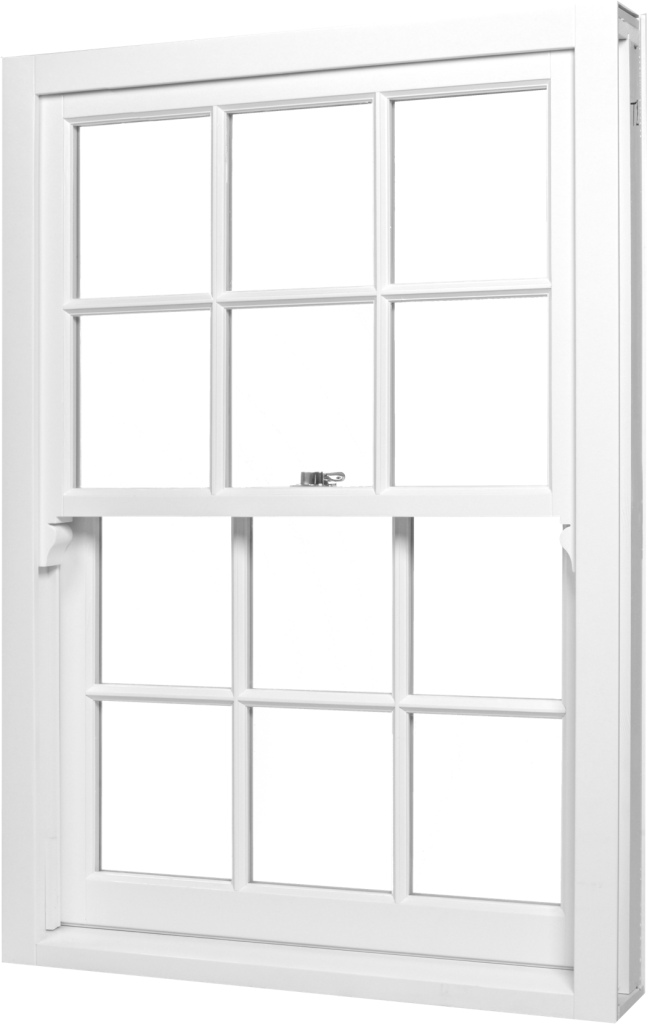
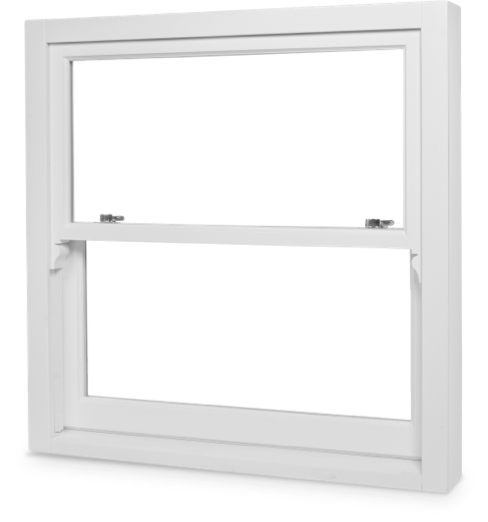
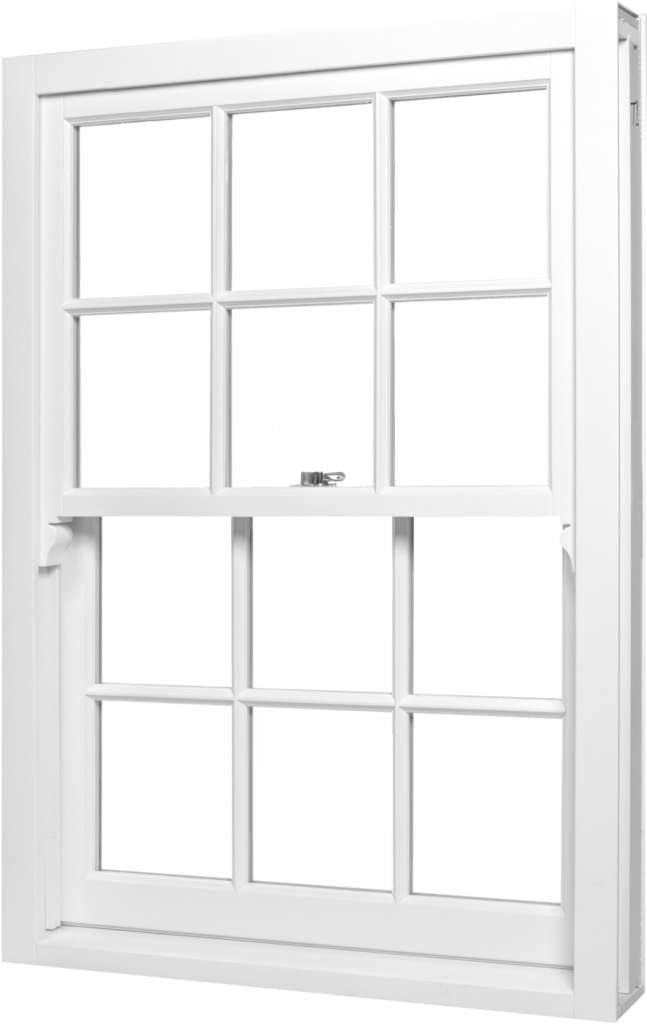
Sash Windows for K&C Properties
Georgian sash windows in RBKC typically use six-over-six or eight-over-eight patterns with slim bars (15-18mm face width). Victorian properties moved to two-over-two or one-over-one with wider bars (20-25mm). We manufacture both, with either traditional cord-and-weight mechanisms for listed buildings buildings or spring balances for easier daily operation.
All come with double glazing as standard — slim 12mm cavity units that maintain period proportions while dropping U-values to around 1.4 W/m²K.
Flush Casement Windows
Less common in K&C’s period stock, but relevant for mews properties, rear extensions, and the occasional contemporary development. Clean profile, multipoint locking, sits level with the wall.
Georgian Style Windows
The Georgian range is what most K&C homeowners need. Authentic multi-pane configurations with precise bar profiles. Built to BS 644. Single glazing available where listed building consent requires it.
The Real Cost of Wrong Windows on a K&C Property
–
+
Let’s put some numbers on this. Average property values in Kensington and Chelsea are the highest in the UK — comfortably above £1 million for a flat, multiples of that for a house. On a property worth £2-3 million, the windows are not a minor line item in the value calculation.
Estate agents across West London consistently report that timber windows add value — and uPVC deducts it. On a prime K&C property, the penalty for plastic windows isn’t just aesthetic. It’s financial. Buyers at this level notice. They also notice when replacement timber windows have the wrong proportions, the wrong glazing pattern, or planted bars where through-bars should be.
The cost of our windows — starting from ££449+VAT per unit+VAT per unit, typically £8,000-£15,000+VAT for a full K&C townhouse — is a fraction of the property value they protect. And with a lifespan of 60+ years, they’re a one-time investment that outlasts multiple ownership cycles.
Specs & Options
–
+
| Feature | Options | K&C Notes |
|---|---|---|
| Timber | Engineered pine, meranti, oak | Oak suits the grandest properties. Pine is standard for painted finishes. |
| Glazing bars | Through-bar, planted, internal | Through-bar strongly recommended for RBKC conservation areas. |
| Glazing | Single, double, triple | Single for Grade I listed. Slim double for most period properties. |
| Finish | Any RAL/F&B, dual-colour | RBKC often specifies specific shades — check your conservation area guidance. |
| Standards | BS 644, Part L | All double/triple options meet Building Regs Part L. |
Mistakes That Cost K&C Homeowners
–
+
Booking stucco repair after window installation. On K&C’s stucco-fronted properties, the window frame sits within a rendered surround. If you install new windows and then repair the stucco, the render work can damage the new paint finish. Sequence matters: stucco repair first, windows second.
Wrong glazing bar width for the era. Georgian: 15-18mm. Regency: 16-20mm. Victorian: 20-25mm. RBKC conservation officers measure these. If your new windows have 25mm bars on a Georgian property, the application gets rejected.
Ignoring basement window specifications. K&C townhouses often have basement or lower-ground-floor windows with different proportions to the upper floors — narrower, sometimes arched. These need separate measurement and specification. Ordering all windows to one size is a mistake we see regularly.
Assuming Holland Park and Chelsea need the same spec. Holland Park’s Italianate stucco villas (1850s-1870s) have different window proportions to Chelsea’s earlier Georgian terraces (1820s-1840s). The eras overlap but the details differ.
RBKC Conservation & Planning
–
+
RBKC has over 30 conservation areas and an unusually high concentration of listed buildings — Grade I, Grade II*, and Grade II. Their conservation team is one of the most active in London.
Before ordering windows for any K&C property, check your conservation area status on the RBKC planning portal (rbkc.gov.uk). If your property is listed, you’ll need Listed Building Consent — a separate process from planning permission. We can manufacture windows to whatever specification your conservation officer requires, including single-glazed period-accurate profiles.
For properties in neighbouring Hammersmith & Fulham (different council, different requirements) or the broader London area, see our dedicated pages.
Got questions? We’ve covered the common ones here. Ready to order? The online quote tool takes five minutes.
Frequently Asked Questions
–
+
Does RBKC require timber windows in conservation areas?
In virtually all of Kensington and Chelsea’s 30+ conservation areas, replacement windows must be timber matching the originals in material, profile, and glazing pattern. RBKC has some of the strictest conservation controls in London. Contact their planning team to confirm your specific requirements.
What type of glazing bars does RBKC accept?
For most period properties, RBKC conservation officers prefer genuine through-bars rather than planted or internal bars. Through-bars are the most authentic option and are strongly recommended for Georgian and Regency properties. Some Victorian properties may be approved with planted bars — check with your conservation officer.
What’s the typical spend on timber windows for a K&C period property?
A typical K&C townhouse with 12-20 sash windows costs roughly £8,000-£15,000+VAT depending on sizes, glazing spec, bar type, and timber choice. Individual sash windows start from £449+VAT. The online tool gives you a firm price in about five minutes — based on your actual measurements, not estimates.
Can you match Georgian glazing bar widths for listed K&C properties?
Yes — we manufacture glazing bars from 18mm face width upward, matching the slim profiles found on original Georgian windows. For listed buildings requiring single glazing, we replicate the original putty-line profile.
Do I need Listed Building Consent to replace windows in K&C?
If your property is Grade I or Grade II listed, yes — you need separate Listed Building Consent for any external alteration. This is different from standard planning permission. RBKC’s conservation team can advise on the specific requirements for your property.


Our customers love what we do
 5/5
5/5Amazing from start to finish
Karen
5/5Outstanding Customer Service and Timber Windows
Andrew
5/5Highly recommend!
Nathan
5/5Will come back again
Gary
5/5Excellent Quality Sash Windows at a Great Price
Dan
5/5