What You’ll Discover in This Article
- Why timber outperforms uPVC and aluminium as a natural insulator—and what that means for your heating bills
- How to read U-values and window energy ratings so you can make informed decisions
- The real difference between double and triple glazing for UK homes
- Common heat loss culprits and how proper installation eliminates them
- Practical steps to maximise energy savings without compromising on style
- What Building Regulations Part L requires for replacement windows in 2025
Introduction
Here’s something that surprised me when I first started working with timber windows over a decade ago: most homeowners focus entirely on the upfront cost. They’ll compare quotes, negotiate discounts, maybe stretch to double glazing—but they rarely calculate what those windows will actually cost to live with over twenty or thirty years.
That’s a mistake. Because the real cost of windows isn’t what you pay the installer. It’s the heating bills you’ll face every winter, the draughts you’ll feel on cold evenings, the condensation you’ll wipe from sills each morning. Get your windows wrong, and you’ll pay for that decision every single month.
The thing is, timber windows have a bit of an unfair reputation. People assume they’re draughty, high-maintenance relics—something for listed buildings and period purists, not practical homeowners watching their energy bills. Nothing could be further from the truth. Modern engineered timber windows, properly specified and installed, are among the most energy-efficient options available. And unlike some alternatives, they’ll still be performing brilliantly in forty years.
Let me show you why—and more importantly, how to get it right for your home.
Why Timber Is a Natural Insulator
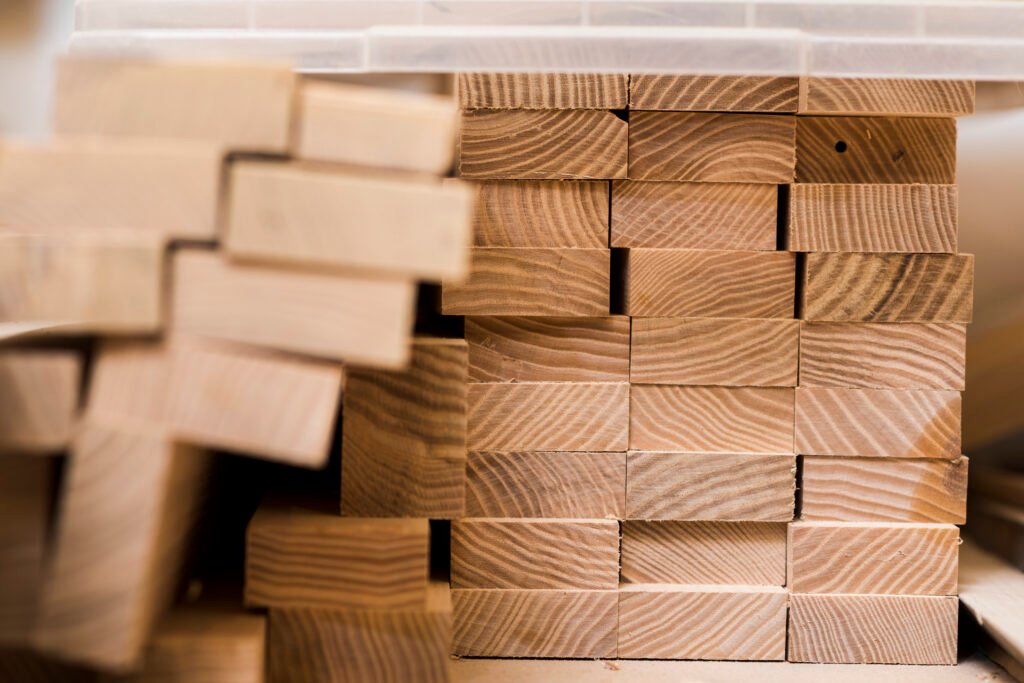
Wood has one property that makes it exceptional for window frames: it’s a terrible conductor of heat. And in this case, terrible is exactly what you want.
Think about it this way. Aluminium conducts heat roughly 1,400 times more efficiently than wood. That’s why aluminium window frames feel cold to the touch in winter—they’re literally drawing warmth from your room and radiating it outside. Even with thermal breaks (strips of insulating material inserted into the frame), aluminium struggles to match timber’s natural performance.
uPVC sits somewhere in between. It’s a reasonable insulator, certainly better than metal, but it requires hollow chambers and multi-chamber profiles to achieve decent thermal values. Timber just… works. The cellular structure of wood naturally traps air pockets, creating insulation without any clever engineering.
The Science Behind Timber’s Thermal Performance
According to research published by the Building Research Establishment (BRE), softwood timber has a thermal conductivity of approximately 0.13 W/mK. Compare that to aluminium at 160 W/mK or steel at 50 W/mK, and you start to understand why material choice matters so much.
What does this mean in practice? A well-made timber frame contributes positively to the window’s overall U-value—the measure of how much heat escapes through a building element. The frame isn’t just holding the glass in place; it’s actively helping to insulate your home.
I’ve seen thermal imaging surveys of properties with mixed window materials, and the difference is stark. The timber-framed windows show as consistent dark blue (cool, meaning heat is staying inside), while aluminium frames glow orange at the edges where thermal bridging occurs. It’s one thing to read the specifications; it’s another to see the heat literally bleeding out of inferior frames.
Understanding U-Values and Energy Ratings
If you’re shopping for windows, you’ll encounter U-values constantly. Here’s the simple version: U-value measures how much heat passes through a material. Lower numbers mean better insulation. A U-value of 1.4 W/m²K is the current Building Regulations minimum for replacement windows; anything below 1.2 W/m²K is genuinely good.
But here’s the catch—and it’s something many suppliers gloss over. There are different U-values for different parts of a window:
- Ug (glass U-value): How well the glazing unit insulates
- Uf (frame U-value): How well the frame material insulates
- Uw (whole window U-value): The combined performance of glass, frame, and the junction between them
Always ask for the Uw value—the whole window figure. Some suppliers quote impressive glass U-values while quietly ignoring their frames’ poor performance. A window is only as good as its weakest element.
Window Energy Ratings Explained
The British Fenestration Rating Council (BFRC) operates a rating system similar to the ones you see on washing machines and fridges. Windows are graded from A++ (exceptional) down to E (poor), based on a formula that considers U-value, solar heat gain, and air leakage.
For most UK homes, I’d recommend targeting at least a B rating, ideally A or above. The Energy Saving Trust suggests that replacing single-glazed windows with A-rated double glazing could save around £100-£120 annually on a typical semi-detached house—and that estimate was made before recent energy price increases.
Our double-glazed timber windows typically achieve A ratings with standard specifications. With upgraded glazing units featuring warm-edge spacer bars and low-emissivity coatings, A+ is readily achievable.
Double Glazing vs Triple Glazing: Which Makes Sense?
Triple glazing has excellent marketing. Three panes of glass! 50% more than double! It must be better, right?
Well, sometimes. But the real answer is more nuanced than the brochures suggest.
Triple glazing typically achieves U-values around 0.8-1.0 W/m²K, compared to 1.1-1.4 W/m²K for good double glazing. That’s a meaningful improvement—roughly 20-30% better insulation. For north-facing windows, exposed locations, or if you’re building to Passivhaus standards, triple glazing makes genuine sense.
But there are trade-offs. Triple-glazed units are heavier, requiring beefier frames and hardware. They cost 20-40% more than equivalent double glazing. And crucially, they reduce solar gain—the free heating you get from sunlight streaming through your windows on winter days.
| Glazing Type | Typical U-Value (W/m²K) | Best For |
|---|---|---|
| Single glazing | 5.0-5.8 | Listed buildings (where required) |
| Double glazing (standard) | 1.4-1.6 | Budget replacements |
| Triple glazing | 0.8-1.0 | Exposed sites, Passivhaus, north-facing |
To be honest, for most UK homes in reasonably sheltered locations, high-performance double glazing hits the sweet spot. You’ll get 90% of triple glazing’s benefit at 70% of the cost, with better solar gain and easier installation. Save triple glazing for where it genuinely matters—those cold north walls and exposed hilltop locations.
Where Heat Actually Escapes (And How to Stop It)
Here’s something many homeowners don’t realise: the glass and frame are only part of the story. A significant amount of heat loss happens around windows, not through them.
The Usual Suspects
Gaps between frame and wall: If the window isn’t properly sealed to the surrounding masonry, warm air escapes through the junction. I’ve seen windows with impressive specifications installed so poorly that you could feel the breeze from across the room. Proper installation includes expanding foam insulation, appropriate sealants, and careful attention to the frame-to-wall junction.
Worn or missing seals: The rubber or brush seals that compress when windows close are critical for airtightness. They deteriorate over time, especially on older windows. Fortunately, seals on quality timber windows can usually be replaced—another advantage of the traditional approach.
Settling and movement: Buildings move. Timber frames, being a natural material, can accommodate slight movement without losing their seal. Rigid materials like aluminium are less forgiving, sometimes developing gaps as buildings settle.
Trickle vents: These small ventilation slots are required by Building Regulations in most replacement windows. They’re essential for air quality but, if poorly designed, can create noticeable draughts. Look for vents with controllable closures and, ideally, acoustic baffles.
The Installation Factor
This is worth emphasising: a brilliantly specified window, badly installed, will perform worse than a modest window installed properly. Building Regulations Part L requires installers to be FENSA registered or to obtain local authority building control sign-off. Either way, insist on seeing the installation details and don’t accept “that’s how we always do it” as an answer.
At a minimum, proper installation should include:
- Complete removal of old frame material (no fitting over existing frames)
- Insulation of the frame-to-wall gap with appropriate materials
- Proper sealing with silicone or equivalent at external junctions
- Internal finishing that maintains the air barrier
- Adjustment and testing of opening sashes for proper seal compression
As a supply-only company, we always recommend our customers work with experienced local installers who understand timber window fitting. The quality of installation makes an enormous difference to long-term performance—so choose your tradesperson carefully.
Building Regulations: What the Law Requires
Since April 2002, replacement windows in England and Wales have been controlled by Building Regulations. The current requirements under Part L (Conservation of Fuel and Power) specify:
- Maximum U-value of 1.4 W/m²K for replacement windows
- Installation by a FENSA-registered installer, or with local authority building control approval
- Provision of a compliance certificate
There are exceptions for listed buildings and some conservation areas, where maintaining original character may take precedence over thermal performance. If you’re dealing with a listed building, you’ll need to work with your conservation officer to find an appropriate balance.
What many homeowners don’t realise is that these are minimum standards. There’s nothing stopping you from exceeding them—and with energy prices where they are, exceeding them makes financial sense. A window that just scrapes the 1.4 W/m²K requirement is legal, but one achieving 1.1 W/m²K will save you more money every single year you own it.
The Long-Term View: Timber’s Lifetime Value
Here’s where timber really shines—and where the upfront cost comparison with uPVC becomes misleading.
A quality timber window, properly maintained, will last 60 years or more. We regularly see Victorian and Edwardian timber windows still functioning perfectly after 100+ years of service. uPVC, by contrast, has a practical lifespan of 20-30 years before the frames become brittle, discoloured, and difficult to maintain.
Do the maths. If you’re paying £8,000 for timber windows that last 60 years, versus £5,000 for uPVC that needs replacing after 25 years, the timber option works out cheaper over time—before you even factor in the annual energy savings from superior thermal performance.
And there’s another consideration: timber windows can be repaired. A damaged section can be spliced out and replaced. Worn seals can be renewed. Finishes can be refreshed. Try doing that with uPVC—once the plastic degrades, the entire unit goes to landfill.
The environmental calculation is equally clear. Timber is renewable, biodegradable, and acts as a carbon store throughout its life. Our windows use FSC-certified timber from sustainably managed forests. At end of life, they can be recycled or will biodegrade naturally. uPVC is petroleum-derived, energy-intensive to manufacture, and virtually non-recyclable in practice.
Practical Tips for Maximum Energy Savings
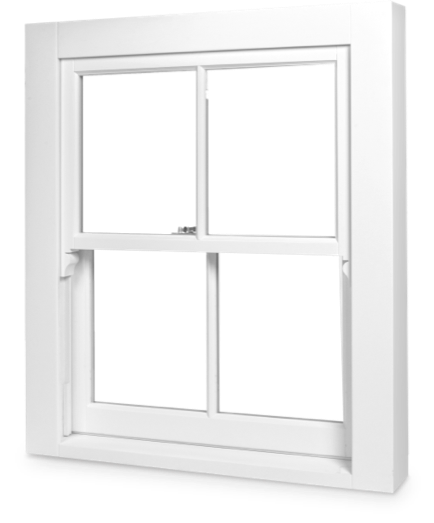
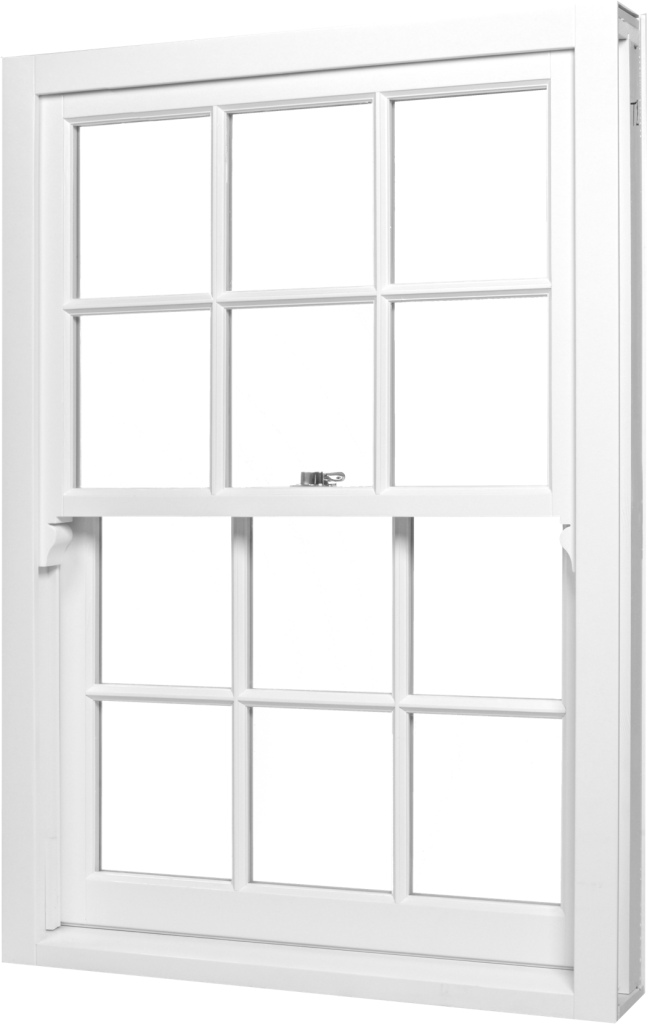
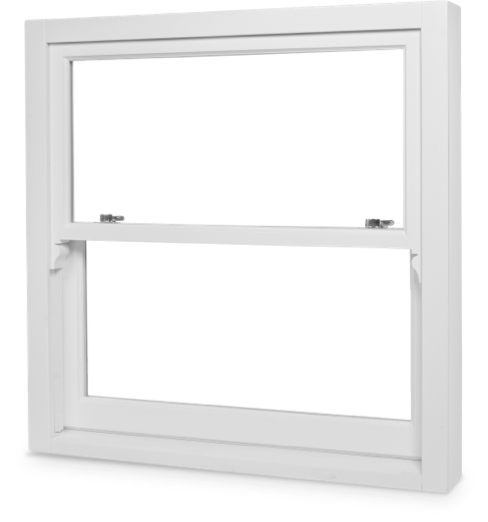
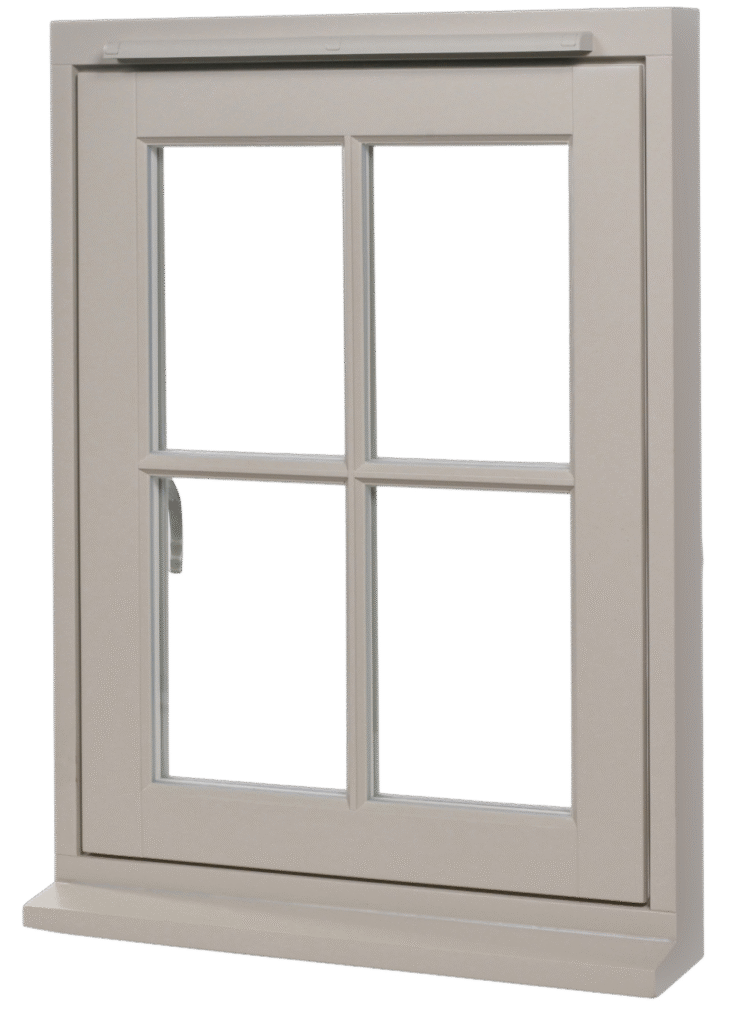
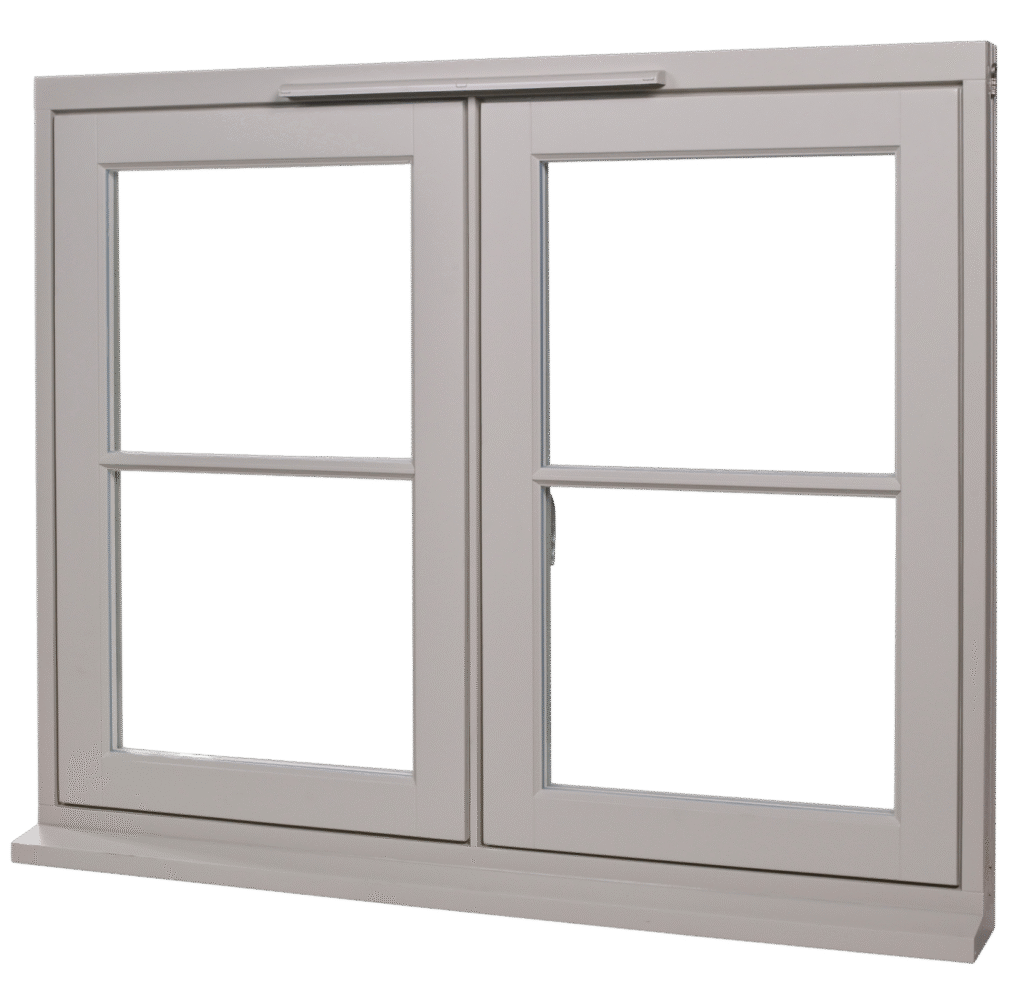
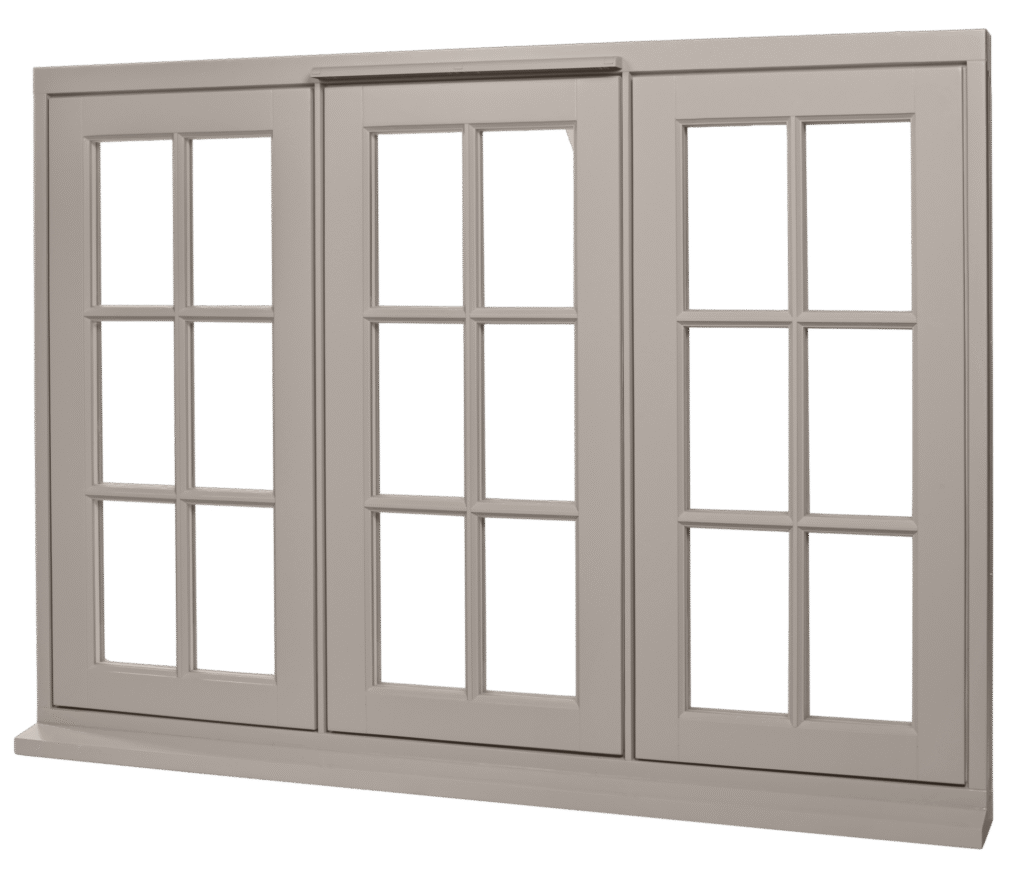
Whether you’re ordering new timber sash windows or flush casements, here are the specifications that matter most for energy efficiency:
Specify low-E glass: Low-emissivity coatings are applied to the inner surface of the outer pane, reflecting heat back into your room. They’re standard on quality double glazing and make a significant difference—typically improving U-values by 0.3-0.4 W/m²K.
Choose warm-edge spacer bars: The spacer bar separates the glass panes around their edges. Traditional aluminium spacers create a thermal bridge; warm-edge alternatives using composite materials or stainless steel reduce edge heat loss considerably.
Consider argon or krypton gas fill: The cavity between glass panes is typically filled with inert gas rather than air. Argon is standard and effective; krypton offers marginally better performance at higher cost. Both are significant improvements over air.
Don’t skimp on installation: As discussed, installation quality is critical. Budget for proper fitting by experienced tradespeople, even if it means waiting a few months longer to afford it.
Think about the whole opening: Energy-efficient windows in a poorly insulated wall are treating the symptom, not the cause. Consider whether your window reveals, lintels, and surrounding masonry need attention too.
Conclusion
Energy-efficient windows aren’t a luxury—they’re one of the smartest investments you can make in your home. With energy prices unlikely to fall significantly anytime soon, the payback period for quality timber windows gets shorter every year.
Timber offers something no other material can match: exceptional thermal performance combined with genuine longevity, repairability, and environmental credentials. Yes, the upfront cost is higher than budget uPVC. But when you factor in decades of lower heating bills, reduced replacement cycles, and the simple pleasure of living with beautiful, well-made windows—the choice becomes clear.
If you’re considering timber windows for your home, we’re here to help. We manufacture bespoke timber windows in engineered pine, meranti, and oak, with energy-efficient double glazing as standard. Every window is made to measure in our workshop and delivered nationwide, factory-finished and ready for your local installer to fit.
Contact us for a free consultation and quote. We’ll help you find the right specification for your property—balancing performance, aesthetics, and budget to get you the best possible result.
Frequently Asked Questions
Why are timber windows considered more energy efficient than uPVC?
–
+
Timber is a natural insulator with very low thermal conductivity—around 0.13 W/mK compared to much higher values for aluminium and uPVC. This means timber frames don’t conduct heat out of your home the way metal frames do, and they provide better insulation than hollow plastic profiles. Combined with quality glazing, timber windows consistently achieve excellent U-values and energy ratings.
What U-value should I look for when buying new windows?
–
+
Building Regulations require replacement windows to achieve at least 1.4 W/m²K, but we’d recommend aiming for 1.2 W/m²K or better. High-performance double glazing typically achieves 1.1-1.3 W/m²K, while triple glazing can reach 0.8-1.0 W/m²K. Always ask for the whole-window U-value (Uw), not just the glass value, as this gives the true picture of thermal performance.
Is triple glazing worth the extra cost for UK homes?
–
+
It depends on your situation. Triple glazing offers roughly 20-30% better insulation than high-performance double glazing, making it worthwhile for north-facing windows, exposed locations, or Passivhaus builds. However, for most UK homes in sheltered positions, quality double glazing provides 90% of the benefit at significantly lower cost—and allows more beneficial solar heat gain in winter.
How much could I save on energy bills with new timber windows?
–
+
Savings depend on what you’re replacing and your property type. The Energy Saving Trust estimates replacing single glazing with A-rated double glazing saves £100-£120 annually on a typical semi-detached house—figures calculated before recent energy price rises. Replacing older double glazing with modern high-performance units offers smaller but still meaningful savings, typically £30-£50 annually.
Do timber windows require more maintenance than uPVC?
–
+
Modern factory-finished timber windows require less maintenance than many people assume. High-quality microporous paints and stains allow the wood to breathe while providing excellent protection, typically needing recoating every 8-12 years. The trade-off is worthwhile: timber windows last 60+ years and can be repaired or refinished indefinitely, while uPVC degrades irreversibly after 20-30 years and must be completely replaced.
What does FENSA registration mean for window installation?
–
+
FENSA is a government-authorised scheme that allows registered installers to self-certify that replacement windows comply with Building Regulations. Using a FENSA-registered installer means you’ll receive a certificate confirming compliance—important for future property sales and insurance purposes. Alternatively, you can use any installer but must arrange separate building control approval through your local authority.
At Wooden Windows Online, we specialise in high-quality, energy-efficient timber windows tailored to your specific needs. Contact us today to explore our range of engineered pine, meranti, and oak options and find the perfect window solution for your home.
Our Best-Selling Timber Windows: