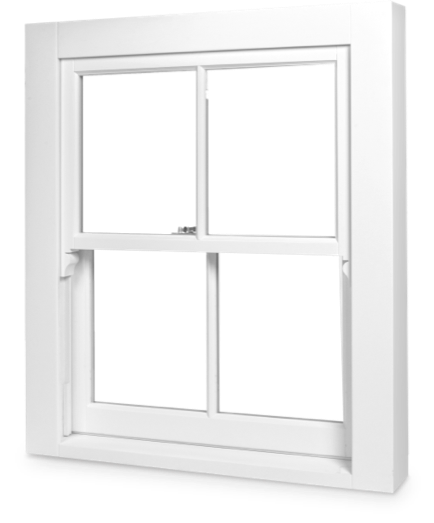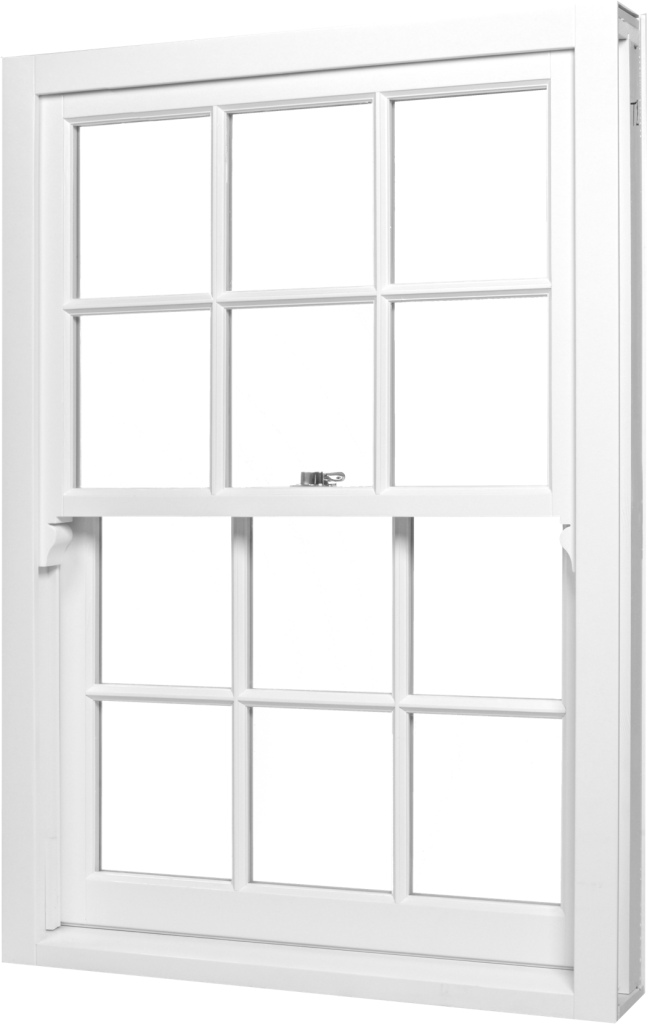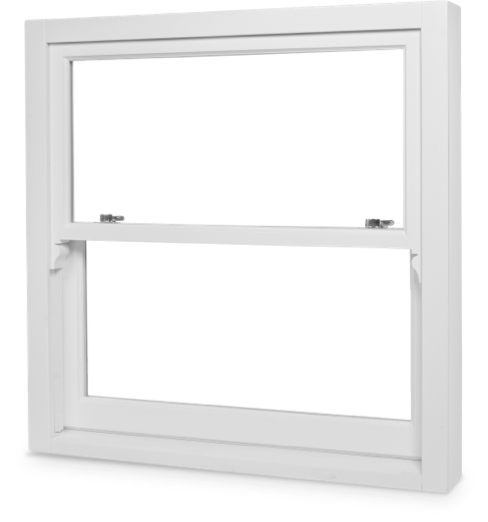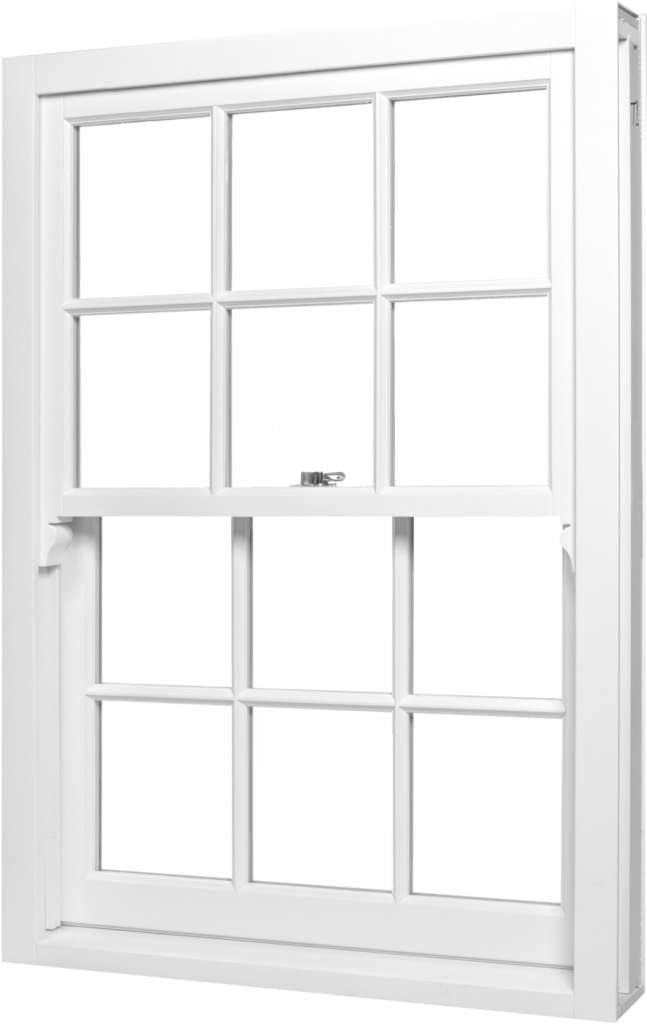
Replacing timber windows in listed buildings needs careful thought. It’s important to keep the building’s history while making it energy-efficient. Getting listed building consent and planning permission is crucial for any window work
Choosing the right timber windows is key. They should match the original look and feel of the building. This way, the property’s heritage is kept while it becomes more energy-efficient.
Windows in listed buildings must use materials that look like the originals. This includes traditional glaze and heritage window styles. It’s important to find a balance between modern double glazing and keeping the building’s look true to its past.
Following Historic England’s guidelines is essential. This ensures that new windows fit with the building’s conservation goals.
Understanding how to replace windows involves checking the materials used. It’s also important to make sure any changes follow the law. Owners of listed buildings must choose changes that can be easily reversed. This protects the building for future generations.
Key Takeaways
- Listed building consent is mandatory before starting any window replacement work.
- Timber windows must retain original architectural features while incorporating modern energy-saving glaze options.
- Double glazing choices should comply with Historic England’s guidance for heritage sites.
- Planning permission may be required even for minor changes to listed building windows.
- Authentic materials and reversible installations help uphold a building’s heritage status.
Understanding Listed Buildings and Their Window Replacement Challenges
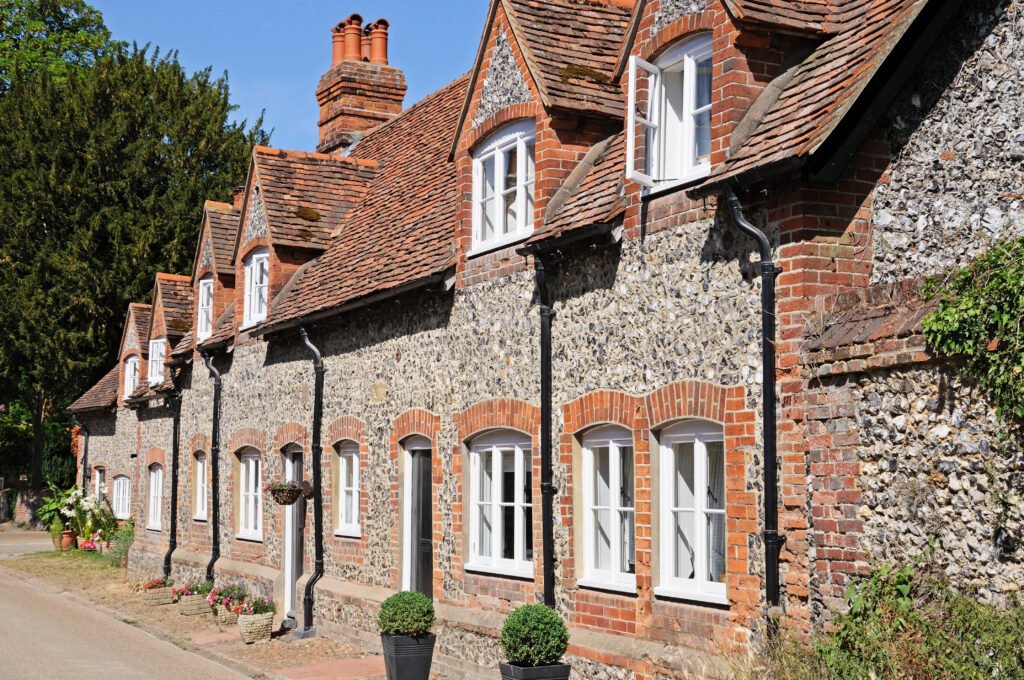
Grade II listed buildings make up over 90% of England’s protected sites. Each one is special and holds cultural value. Replacing windows in these buildings is tricky. It must balance modern needs with strict preservation laws.
Historic windows are more than just parts of a building. They are a key part of its history. This means they must follow strict rules.
Historic Preservation and Building Regulations
The Planning (Listed Buildings and Conservation Areas) Act 1990 is clear. Changing listed windows without permission can lead to fines. Important points to remember include:
- Keeping original sash windows or their designs
- Following rules for buildings and conservation areas
- Recording changes to windows so they can be reversed
Unique Architectural Features to Consider
Grade II listed buildings often have sash or timber-framed listed window styles. Replacements need to match these details. For example:
- Using materials like traditional leaded glass or specific glazing bars from the period
- Keeping the proportions to match the historic building’s original look
Experts suggest using replacement windows that look like the originals but are more energy-efficient. Ignoring these details can harm a building’s heritage status.
Modern Timber Window Options for Listed Buildings Windows
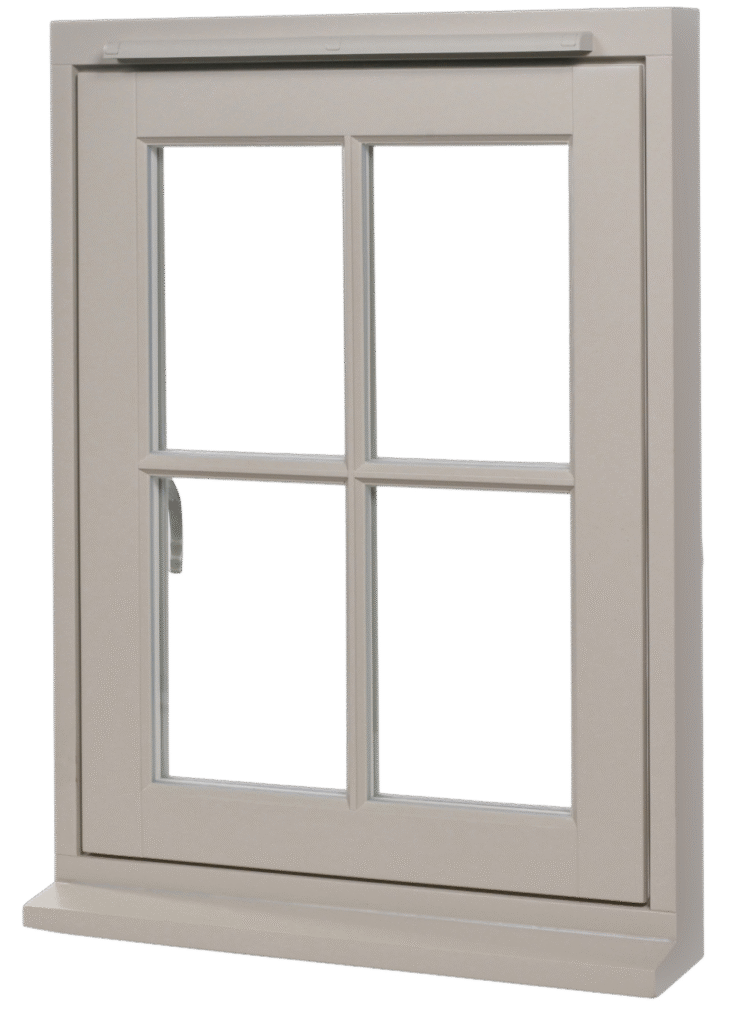
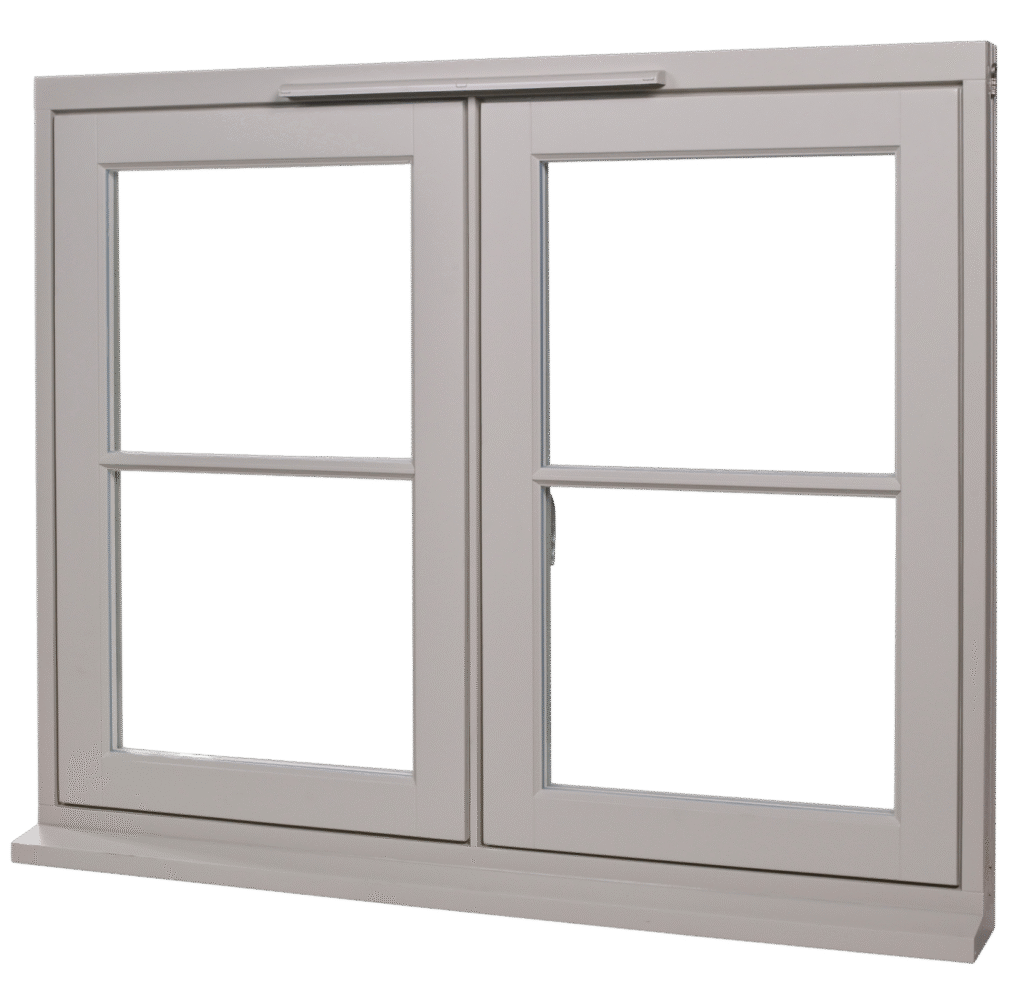
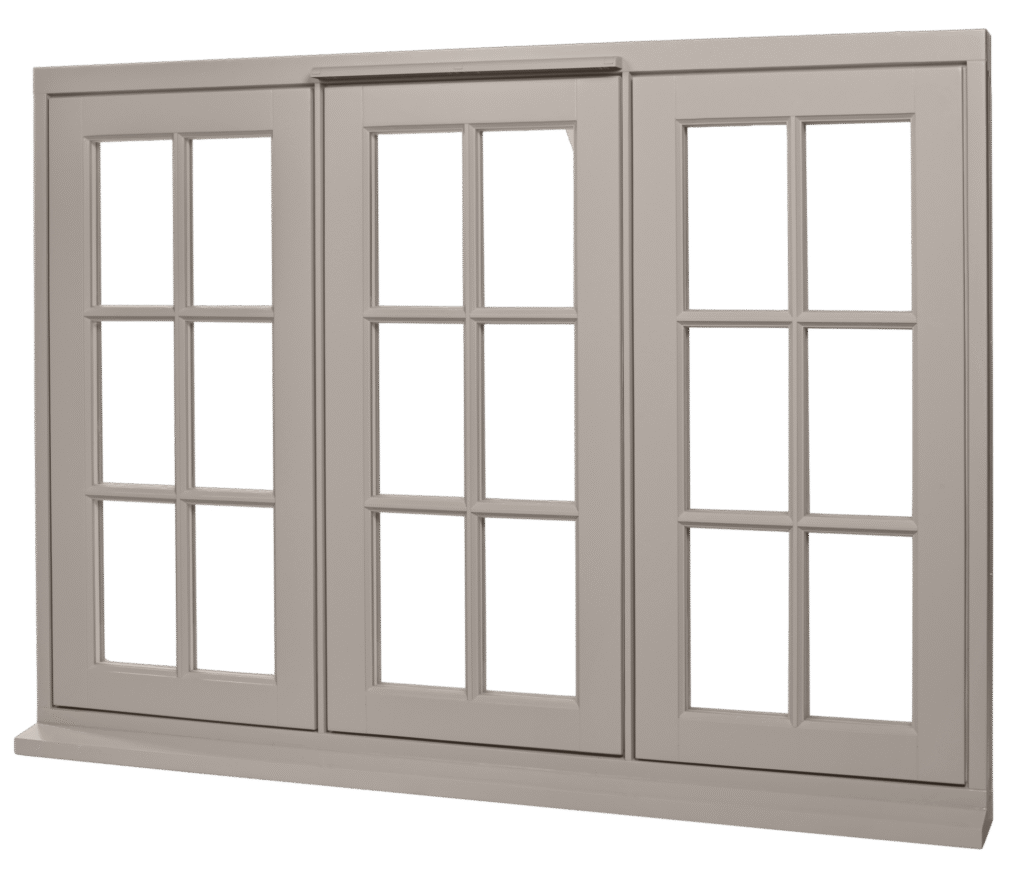
Many listed properties need new windows that keep their historic charm but work better. Modern timber windows can look like the original window designs. This makes sure they fit with grade II listed property rules.
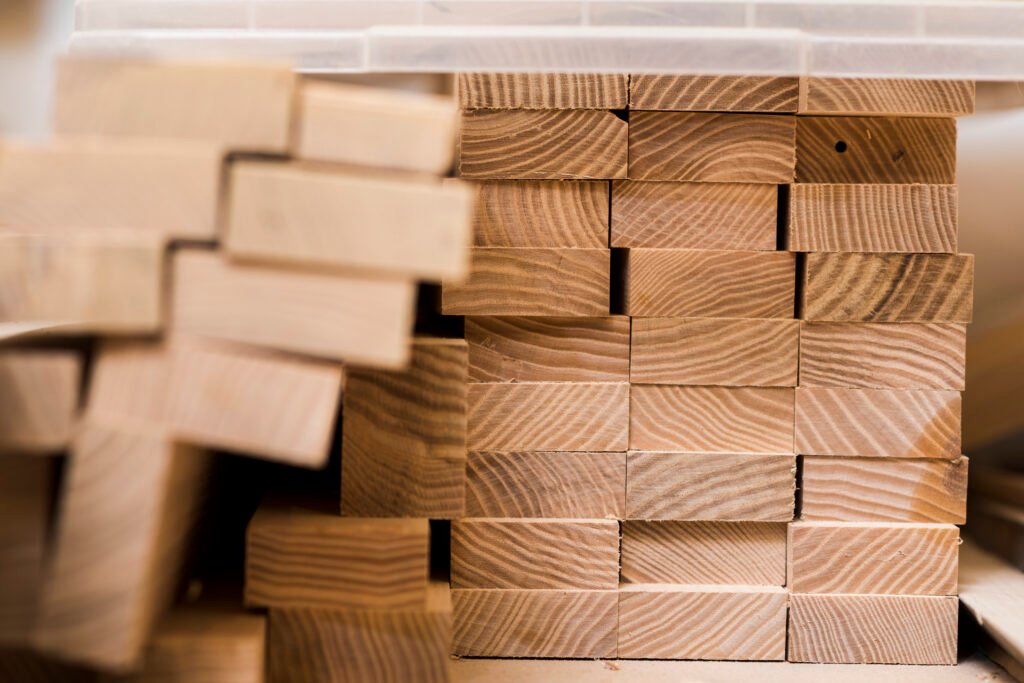
Using materials like FSC-certified timber means the windows last long without changing how they look.
“Authenticity in historic england structures depends on balancing heritage with modern needs,” states Historic England guidance. “Replacement traditional window systems must avoid disruption to windows in grade II features.”
Here are some key options:
- Reprofiled existing windows with slim sashes to keep traditional window looks
- Pressure-treated timber for listed building without losing windows and doors authenticity
- Double-glazed units framed in heritage-compliant window frame profiles
For grade II listed property, new joinery techniques copy original window details. This includes mortise-and-tenon joints and glazing bars from the past. Many listed buildings use uPVC cores wrapped in real timber. This meets energy standards while keeping windows on grade II specs.
When picking replacements, choose systems that let you make changes easily. This helps meet conservation officers’ rules and avoids problems with windows in grade II designation.
Listed buildings windows replacement: Guidance on Consent and Planning
Replacing old windows in heritage properties needs careful legal steps. You must get listed building consent for changes to glazing bars or timber frames. Owners of listed homes should think about the interest of the building when picking new windows or secondary glazing.
Understanding Listed Building Consent Requirements
Applying for listed building consent means submitting detailed plans. For example, changing single-glazed windows to energy-saving ones like wooden windows needs to show they fit historically. Even small changes to steel windows or timber frames must meet the national heritage list for england.
- Keep original glazing bars to avoid consent delays.
- Check with heritage agencies to see if secondary glazing is better than full replacements.
- Proposals for steel windows or modern timber frames must show they are authentic.
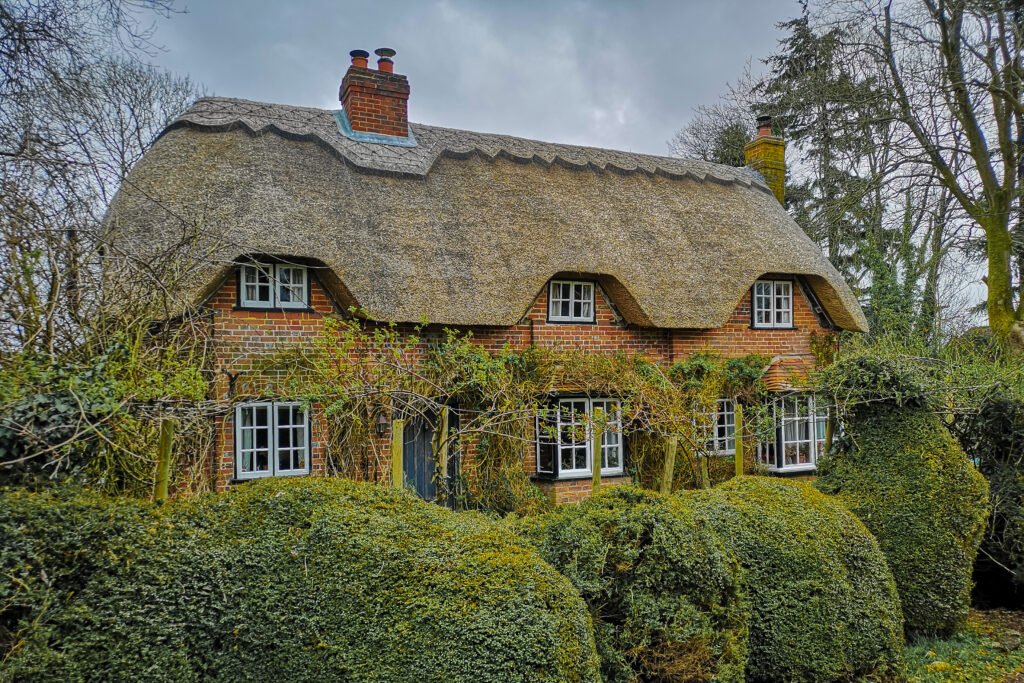
Navigating Planning Permission for Heritage Sites
Planning permission and listed building rules overlap when making structural changes. For instance, installing a new window design must not change the building’s style. Authorities check details for timber frames to ensure they match the building’s architecture.
“Every alteration must maintain the building’s historical significance,” state heritage guidelines. “Even secondary glazing must be reversible and unnoticeable from the street.
Owners should:
- Check if their property is on the national heritage list for England.
- Submit scaled drawings showing how single-glazed windows plans fit with the original design.
- Get approvals before buying wooden windows.
How to Choose the Right Replacement Windows for Heritage Properties
When picking windows for historic buildings, it’s key to keep their significance in mind. You need to find a balance between keeping the building’s look and meeting today’s needs. This means looking at options like timber or aluminium windows and making sure they follow listed building consent application rules.
It’s important to think about both the original windows in listed buildings and new options like double glazed unit systems. These should meet heritage standards.
Consultation with Heritage Specialists
Experts check if repair windows can make old original windows last longer or if they need to be replaced. They look at materials like timber or aluminium windows to see if they fit the building’s era. The historic england website helps decide if single glazed units are okay or if double glazed unit solutions are needed.
- Experts look at older buildings’ styles to avoid any design issues
- They suggest fixes that can be easily undone to keep original windows intact
Comparing Timber Options for Durability and Style
Timber frames are a strong choice instead of aluminium windows, matching old profiles well and not warping. For older buildings, single glazed might be enough in less seen areas. But, double glazed unit systems need careful installation to keep the appearance of the building right.
Modern timber windows can look like the old ones, keeping the original windows’ style.
- Timber’s natural look is better than aluminium windows‘ industrial feel
- Secondary glazing keeps the original windows’ look while adding insulation
Installation Techniques and Energy Efficiency Considerations
When updating windows in listed properties, it’s crucial to focus on energy efficiency and the historic interest of the building. Using double or triple glazing can enhance thermal performance without harming the look of timber sash windows. It’s important to balance modern standards with the preservation of the whole building.
Balancing Traditional Aesthetics with Modern Standards
Many historic buildings have original glazing windows that need careful handling. Replacements should match the existing style, like slim-profile double glazing for listed building projects. Stay away from UPVC windows as they often don’t fit with the building’s heritage. For timber sash windows, choose slim spacer bars and finishes that respect history.
Implementing Energy-Saving Measures and Reversibility
Energy upgrades must be easy to reverse to keep the building’s history intact. Here are some methods:
- Installing secondary glazing that can be removed without damaging original frames
- Using breathable membranes to avoid condensation damage in old masonry
- Opting for repairing your existing windows before full replacement
“Reversibility ensures future generations can return to original fabric if desired,” states Historic England’s guidance on listed building projects.
For listed building consent applications, you must show how your work respects the comprehensive guide to replacing windows. Local planning authorities want to see that many historic buildings keep their character while meeting Building Regulations Part L. Choose glazing windows that prevent thermal bridging, ensuring compliance without losing heritage value.
Conclusion
Replacing timber windows in grade I listed buildings needs careful thought. Getting planning permission is key to follow building rules. Double-glazed windows must match the building’s original look, keeping its history intact.
Experts say it’s better to fix old windows first, then replace them if needed. This way, we keep local building standards and meet modern needs.
It’s crucial to work with experts to decide if a window needs replacing or if it can be fixed. Modern materials should make the windows energy-efficient but still look traditional. Historic England suggests using double-glazed units in a way that doesn’t change the building’s look.
Installing these units correctly is important to avoid harming the building’s history. This way, we can make the windows better without losing the building’s charm.
Following the right steps helps protect the building’s heritage and makes it practical for today. Local authorities offer help with getting permission, and skilled craftsmen ensure the new windows look like the originals. This way, we can update windows on listed buildings while keeping their historical value for the future.
At Wooden Windows Online we specialize in high-quality timber sash windows tailored to your specific needs. Contact us today to explore our range of hardwood and softwood options and find the perfect window solution for your home!
Our Best-Selling Timber Windows: