Here’s what nobody tells you about timber window pricing: the quoted cost and the actual cost are often two completely different numbers. Not because of dishonest suppliers — though they exist — but because timber window pricing involves variables most homeowners don’t understand until they’re already committed.
We’ve been manufacturing timber windows since the mid-2000s, and the questions about cost haven’t changed. “How much for a standard window?” “Why does Company A quote £600 while Company B quotes £1,200?” “What should I actually budget?”
This guide breaks down real 2026 pricing, explains what drives costs up or down, and shows you how to compare quotes properly. By the end, you’ll understand exactly what you’re paying for — and what you’re not.
What You’ll Discover in This Article
- Current timber window pricing across different specifications
- The five variables that most dramatically affect cost
- How to compare quotes from different suppliers properly
- Hidden costs that catch homeowners by surprise
- Where it makes sense to spend more (and where it doesn’t)
Current Timber Window Prices (2026)
Let’s start with numbers. These are realistic supply-only prices for made-to-measure timber windows in 2026. Installation adds 30-50% depending on location and complexity.
Casement Windows (Supply Only)
Engineered pine, double glazed, standard finish:
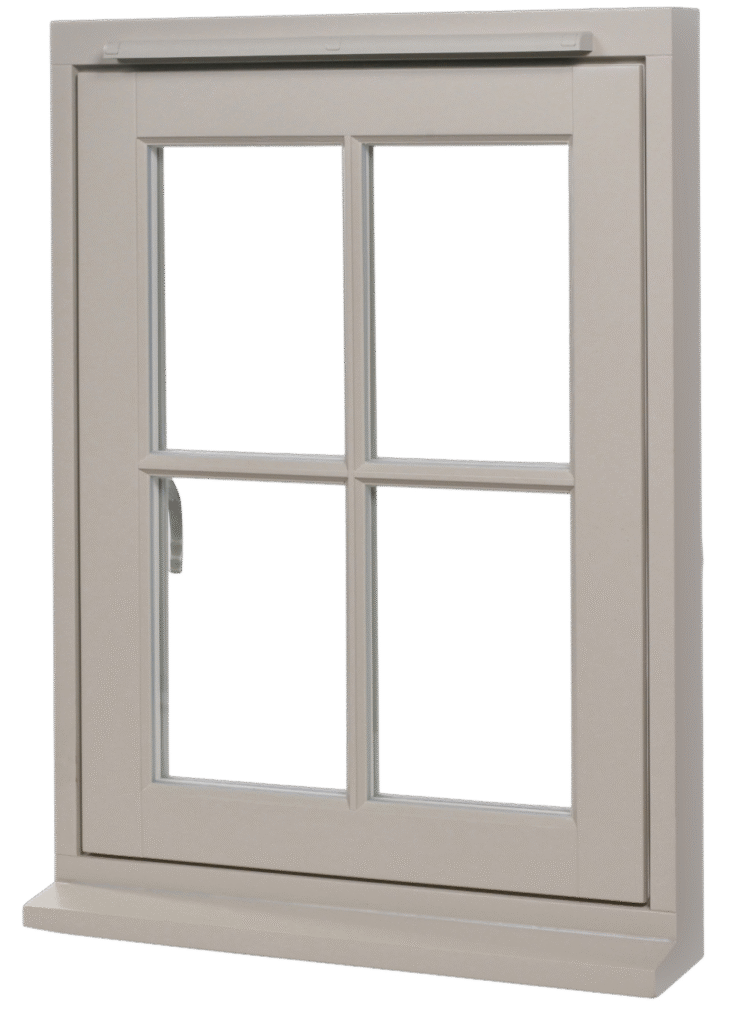
- 600mm x 900mm single casement: £280-£380
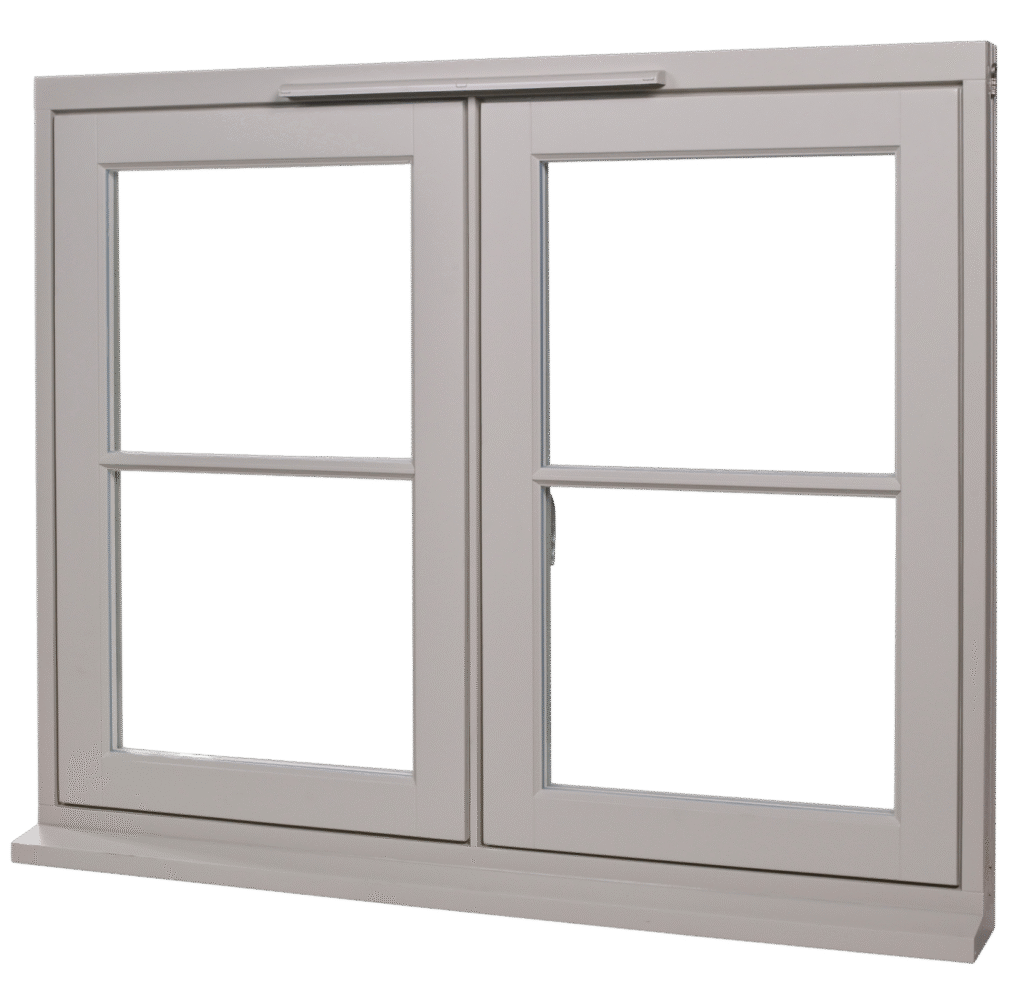
- 1200mm x 1200mm double casement: £520-£680
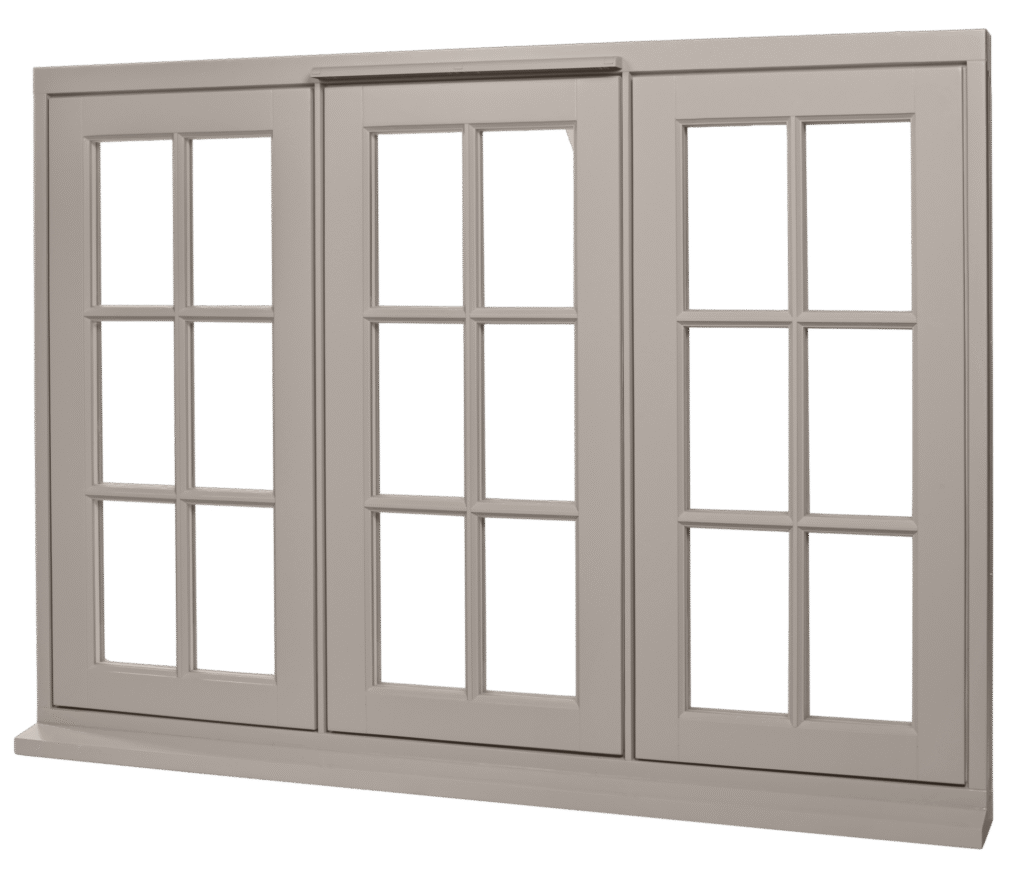
- 1800mm x 1350mm triple casement: £780-£980
Hardwood (meranti), double glazed, factory finished:
- 600mm x 900mm single casement: £380-£520
- 1200mm x 1200mm double casement: £680-£880
- 1800mm x 1350mm triple casement: £980-£1,280
European oak, double glazed, premium finish:
- 600mm x 900mm single casement: £580-£780
- 1200mm x 1200mm double casement: £1,080-£1,380
- 1800mm x 1350mm triple casement: £1,580-£1,980
Sash Windows (Supply Only)
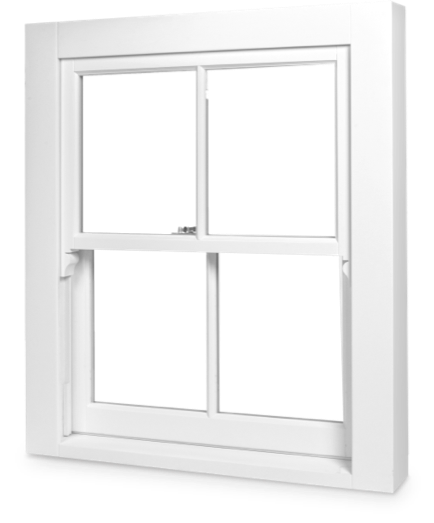
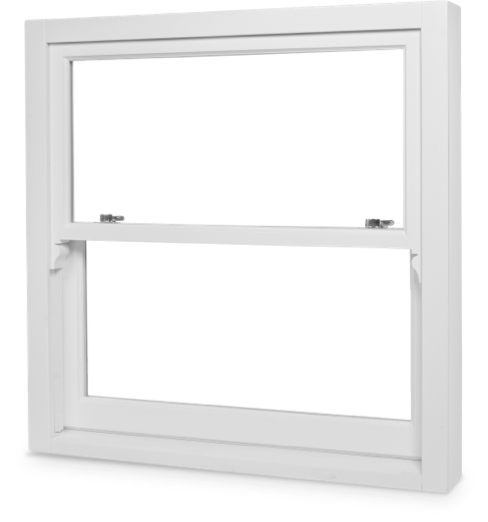
Traditional box sash, engineered pine, double glazed:
- 900mm x 1350mm: £680-£880
- 1200mm x 1800mm: £980-£1,280
Hardwood box sash, double glazed:
- 900mm x 1350mm: £880-£1,180
- 1200mm x 1800mm: £1,280-£1,680
Specialty Windows
Bay windows (3-panel, engineered pine): £2,400-£3,800
Arched-head windows (add to casement prices): +£180-£320
Circle/ellipse windows (custom, 800mm diameter): £980-£1,480
What Drives Timber Window Costs?
Understanding price variables helps you make informed decisions and compare quotes properly.
Timber Species Selection
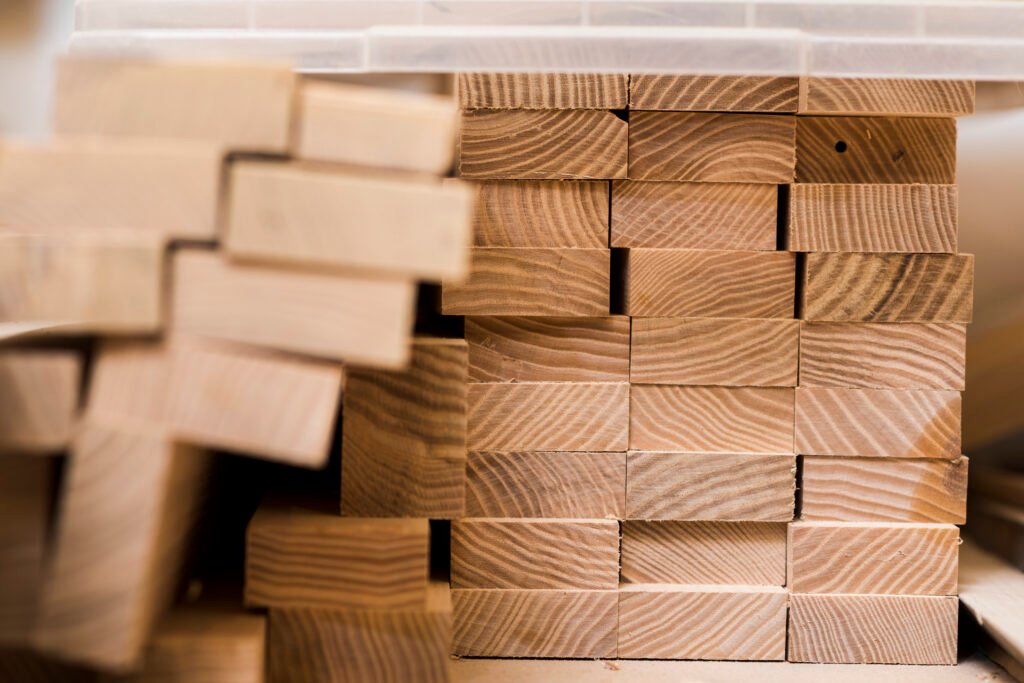
Timber choice creates the biggest single cost variation. Engineered pine — laminated softwood sections — offers excellent stability at the lowest price. It’s what most volume manufacturers use, and quality is generally good.
Hardwoods like meranti cost 30-40% more but bring natural durability and often require less maintenance. The reddish-brown colour appeals to many homeowners, particularly for stained finishes.
European oak sits at the premium end — 60-80% more than pine. You’re paying for exceptional durability, beautiful grain, and prestige. For period properties or high-end renovations, oak often justifies its cost. For budget-conscious projects where painted finishes are acceptable, pine makes more sense.
Glazing Specification
Standard double glazing (typically 24mm units with low-E coating) represents the baseline. Upgrading to higher-performance units — thicker cavities, argon fill, advanced coatings — adds £40-£80 per square metre.
Triple glazing increases costs by roughly 25-35%. For north-facing rooms, noise-sensitive locations, or properties aiming for Passivhaus standards, it’s often worth it. For south-facing windows in moderate climates, standard double glazing performs adequately.
Specialist glass — acoustic, solar control, or decorative — can add £60-£200 per square metre depending on specification. These premiums make sense for specific problems but aren’t standard requirements.
Manufacturing Complexity
Rectangular windows cost least to manufacture. Add curved heads, unusual shapes, or divided lights, and prices increase. An arched-head casement costs 20-30% more than an equivalent rectangular one due to curved machining and increased waste.
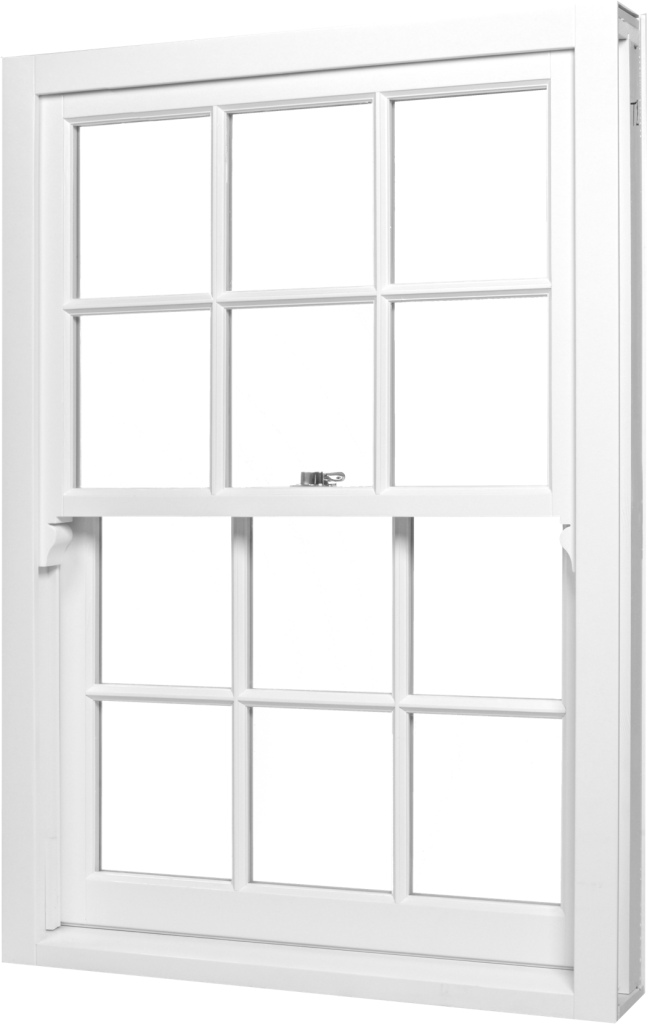
Georgian-style glazing bars add approximately £60-£120 per window depending on configuration. True divided lights — individual glass panes rather than applied bars — cost even more but deliver authentic period appearance that conservation officers often require.
Finish Quality and Type
Primed-only timber (ready for on-site painting) represents the most economical finish. Factory-applied paint systems — typically microporous paints in RAL or BS colours — add £80-£140 per window but deliver superior durability and immediate weather protection.
Dual-colour finishing (different colours inside and outside) adds roughly 30% to painting costs. Specialist finishes — metallic effects, custom colour matching, or hand-applied stains — can double finishing costs.
Hardware and Ironmongery
Standard hardware — basic hinges, handles, and stays — is included in most quotes. Upgraded ironmongery from premium suppliers (traditional monkey-tail fasteners, period-appropriate fittings, or high-security multi-point locks) adds £40-£180 per window.
For listed buildings or conservation areas, authentic period hardware often isn’t optional. Budget accordingly — these details matter to planning officers and significantly affect final appearance.
How to Compare Quotes Properly
Receiving three quotes ranging from £8,000 to £14,000 for apparently identical windows creates confusion. Here’s how to compare properly.
Check Specification Details
Quotes should specify: timber species and grade, glazing unit thickness and type (low-E coating, gas fill, U-value), finish type and number of coats, hardware specification and manufacturer, weatherstripping type, and whether surveying is included.
If a quote doesn’t detail these items, request clarification. “Timber windows, double glazed, painted” tells you almost nothing useful.
Understand What’s Included
Supply-only quotes shouldn’t include installation, but confirm whether delivery is included and how costs vary by location. Some suppliers offer free delivery within 50 miles; others charge £200-£400 regardless of distance.
Check warranty terms — duration, what’s covered, exclusions. A longer warranty usually indicates confidence in product quality but verify what it actually covers. Some warranties exclude finish deterioration or require specific maintenance schedules.
Ask About Lead Times
Manufacturing lead times vary significantly. Budget manufacturers working from standard profiles might deliver in 4-6 weeks. Bespoke manufacturers creating everything from scratch typically need 8-12 weeks. For complex heritage work, 12-16 weeks isn’t unusual.
Rushed orders often incur premium charges — 15-25% extra for expedited production. Plan ahead where possible.
Hidden Costs to Budget For
Beyond the window supply cost, several additional expenses catch homeowners unprepared.
Installation Labour
Professional installation typically costs 30-50% of the window supply price. A £10,000 window order needs £3,000-£5,000 budgeted for fitting. London and southeast rates sit at the higher end; northern regions often cost less.
Installation complexity affects pricing. Straightforward replacements in accessible locations cost least. Scaffolding requirements, difficult access, or structural work to accommodate new window sizes increase costs substantially.
Building Control and Certification
Window replacement requires Building Control notification. FENSA-registered installers handle this automatically at no extra cost. Non-FENSA installers mean you’ll need separate Building Control approval — budget £300-£600 depending on your local authority.
Repairs and Making Good
Removing old windows sometimes reveals hidden problems — rotten lintels, damp penetration, inadequate insulation. Budget at least 10% contingency for unexpected remedial work. Period properties particularly often need additional work once old frames come out.
Internal and external decoration around new windows — replastering reveals, touching up paintwork, possibly new sills — adds another £100-£300 per window depending on existing condition.
Planning and Listed Building Consent
For listed buildings or conservation areas, planning fees and architectural drawings add costs. Basic applications might cost £200-£400; complex heritage projects requiring specialist consultants can reach £2,000-£5,000.
Where to Spend More (and Where to Save)
Worth the Premium
Quality timber and joinery: This is non-negotiable. Poor timber selection and sloppy joinery create problems that last the window’s entire life. If budget is tight, reduce window count or specification rather than compromising on fundamental manufacturing quality.
Proper glazing: The glass represents 80-90% of a window’s area. Skimping on glazing specification to save £30-£40 per window makes little sense when it significantly affects thermal and acoustic performance.
Factory finishing: Professional factory-applied finishes outlast on-site painting significantly. The £80-£100 premium per window pays back through reduced maintenance cycles and better long-term appearance.
Possible Savings
Timber species for painted finishes: If you’re painting windows anyway, oak’s beautiful grain becomes invisible. Quality engineered pine painted to conservation standards looks identical to painted oak while costing 50-60% less.
Glazing bars on secondary windows: Georgian-style bars look wonderful but add cost. Consider them for principal elevations and street-facing windows while using simpler designs for rear aspects and less visible locations.
Decorative hardware: Period-style ironmongery enhances authenticity, but standard quality hardware functions identically. On a tight budget, fit basic hardware initially and upgrade later when finances allow.
Frequently Asked Questions
Why do timber window quotes vary so much between suppliers?
–
+
Specification differences account for most variation. Lower quotes often use cheaper timber species, thinner glazing units, basic hardware, or primed-only finishes. Always compare exact specifications — timber grade, glazing type, finish quality, and hardware — not just sizes and prices.
Is it worth paying extra for factory-applied finishes?
–
+
Generally yes. Factory finishes are applied in controlled conditions to bare timber, allowing better adhesion and more consistent coverage. They typically last 8-12 years compared to 5-7 years for site-applied paint. The premium of £80-£120 per window usually justifies itself through reduced maintenance frequency.
Should I choose triple glazing over double glazing?
–
+
For north-facing rooms, noisy locations, or Passivhaus projects, triple glazing’s 25-35% cost premium is worthwhile. For standard applications in moderate climates, quality double glazing with low-E coatings and argon fill performs adequately. Consider your specific thermal and acoustic requirements rather than automatically specifying triple glazing throughout.
What’s a realistic total budget for replacing windows in a 3-bed semi?
–
+
For 10-12 timber windows (typical 3-bed semi): engineered pine, double glazed, factory finished: £8,000-£12,000 supply + £3,000-£5,000 installation = £11,000-£17,000 total. Hardwood or oak adds 30-80%. Allow 10-15% contingency for unexpected remedial work. London and southeast installations cost 20-30% more than northern regions.
Can I fit timber windows myself to save on installation costs?
–
+
Technically yes if you’re competent with building work and have appropriate tools. However, poor installation compromises even excellent windows — affecting weatherproofing, thermal performance, and operation. You’ll also need separate Building Control approval (£300-£600) rather than using installer’s FENSA certification. For most homeowners, professional installation represents better value and peace of mind.
Conclusion
Timber window pricing in 2026 reflects genuine value differences in materials, manufacturing quality, and specification. The cheapest quote rarely represents the best value, and the most expensive doesn’t guarantee the best product for your needs.
Focus on comparing like-for-like specifications, understanding what drives costs, and spending where it matters most. Quality timber, proper glazing, and factory finishing deliver returns over decades. Decorative extras and premium species offer value in the right contexts but aren’t essential for excellent performance.
Ready for an accurate quote based on your specific requirements? Request your free, detailed quote — we’ll discuss your project, explain all options clearly, and provide pricing you can actually budget with confidence.
Our Best-Selling Timber Windows: