Here’s something that might surprise you. In an age of smart homes and cutting-edge materials, classic timber windows are at the centre of one of the strongest movements in home design—one that is looking backwards. Not backwards in a regressive sense—quite the opposite. Homeowners across the UK are rediscovering what generations before us already knew: that some things simply get better with age.
What You’ll Discover in This Article
- Why homeowners are rejecting mass-produced windows in favour of authentic craftsmanship
- How classic window styles like sash and Georgian designs are being reimagined for modern homes
- What makes timber the material of choice for discerning property owners
- The surprising performance benefits that classic timber windows deliver
- How to achieve timeless aesthetics without compromising on thermal efficiency
Introduction
Walk through any upmarket renovation project or new-build development, and you’ll spot a common thread. Timber windows. Sash mechanisms. Georgian bars. The language of classical architecture is making a remarkable comeback, and it’s not just about nostalgia. Whether you’re considering traditional sash windows or elegant casement designs, the appeal runs deeper than mere aesthetics.
The thing is, this shift represents something deeper than aesthetic preference. It’s a reaction against the disposable culture that’s dominated home improvement for decades. And timber windows? They’re at the very heart of this movement.
A Rebellion Against the Disposable: The Value of Craftsmanship
Let’s be honest. We’ve all seen those mass-produced windows that look decent enough on day one, then start yellowing, warping, or just looking tired after a few years. The ‘fit and forget’ promise rarely delivers what it claims.
What we’re witnessing now is a genuine rebellion against this throw-away mentality. Homeowners—particularly those investing in properties they intend to keep for decades—are asking harder questions. How long will these windows actually last? Will they still look good in twenty years? What happens when they need replacing?
The Slow Design Movement
There’s a concept gaining traction called ‘slow design’. Much like slow food, it prioritises quality over convenience, longevity over low cost, and craftsmanship over mass production. Timber windows fit perfectly into this philosophy.
A well-made timber window isn’t just manufactured—it’s crafted. From the selection of the wood grain to the precision of the joinery, there’s a level of attention that simply isn’t possible with extruded plastic frames running off an industrial line. We’ve seen countless homeowners reach out specifically because they’ve grown tired of the generic. They want something with character.
Built to Age Gracefully
Here’s something that surprises many people. Timber windows, when properly maintained, can outlast virtually any other window material. We’re talking 50, 60, even 100+ years of service. There are Georgian properties across the UK with original timber sash windows still functioning beautifully after two centuries.
The difference? Timber ages with grace. It develops patina. It tells a story. Compare that to plastic windows that simply degrade, and the appeal becomes obvious.
Timeless Forms, Modern Reinterpretation
Classic doesn’t mean outdated. What’s fascinating about the current design trend is how traditional window styles are being reinterpreted rather than simply replicated. It’s contemporary classicism at its finest.
Sash Windows: The Quintessential Classic
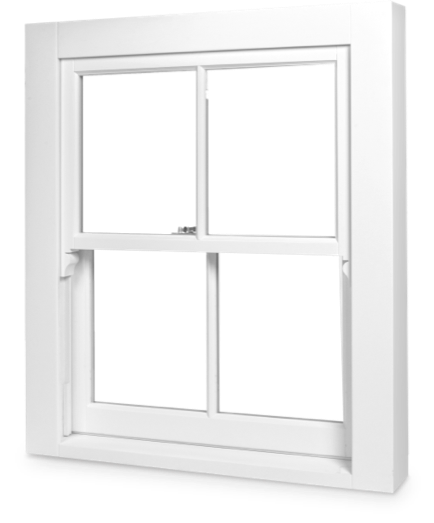
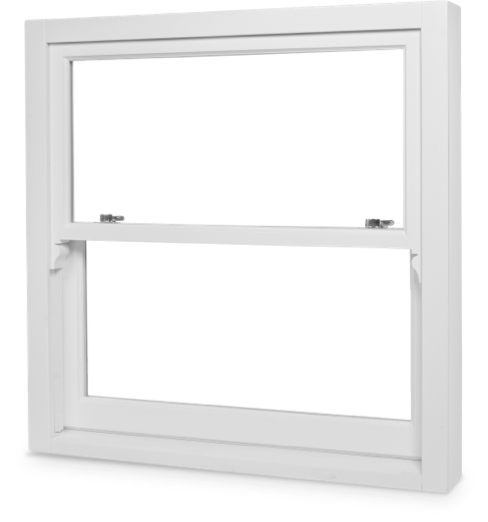
The vertical sliding sash window remains one of British architecture’s most enduring contributions to design. Those elegant proportions, the satisfying counterweight mechanism, the way light plays through divided panes—there’s a reason sash windows have never really gone out of style.
Modern sash windows, though, are a different beast entirely. Today’s versions incorporate spiral balances for smoother operation, draught-proof weatherstripping for airtightness, and glazing options that would have seemed like science fiction to Victorian craftsmen. The U-values achievable with contemporary timber sash windows now rival—and often exceed—those of modern casement alternatives.
Georgian Bars and Casement Elegance
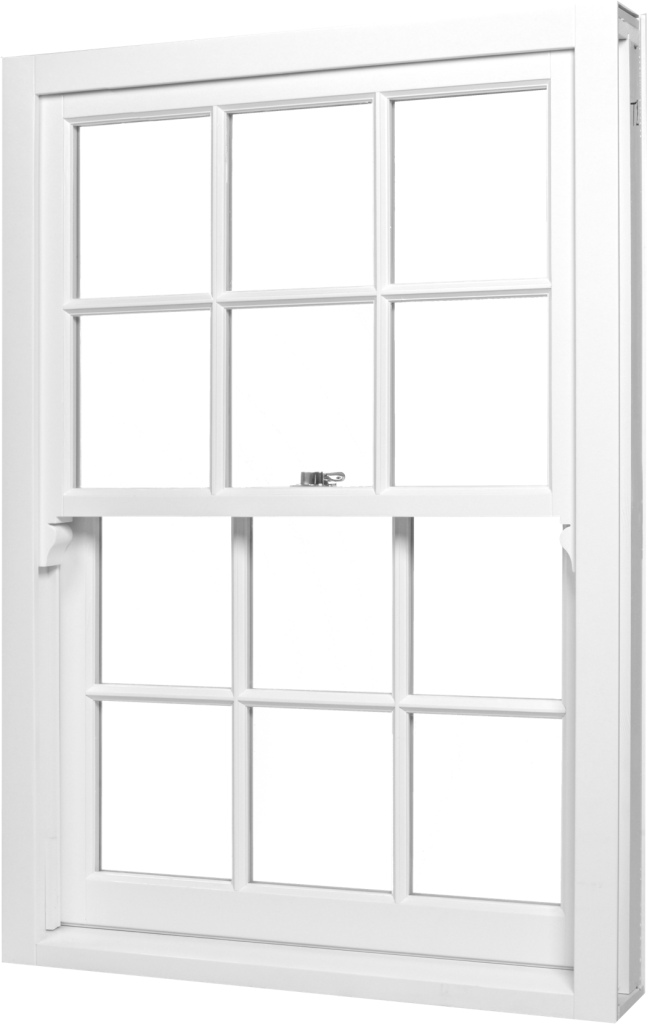
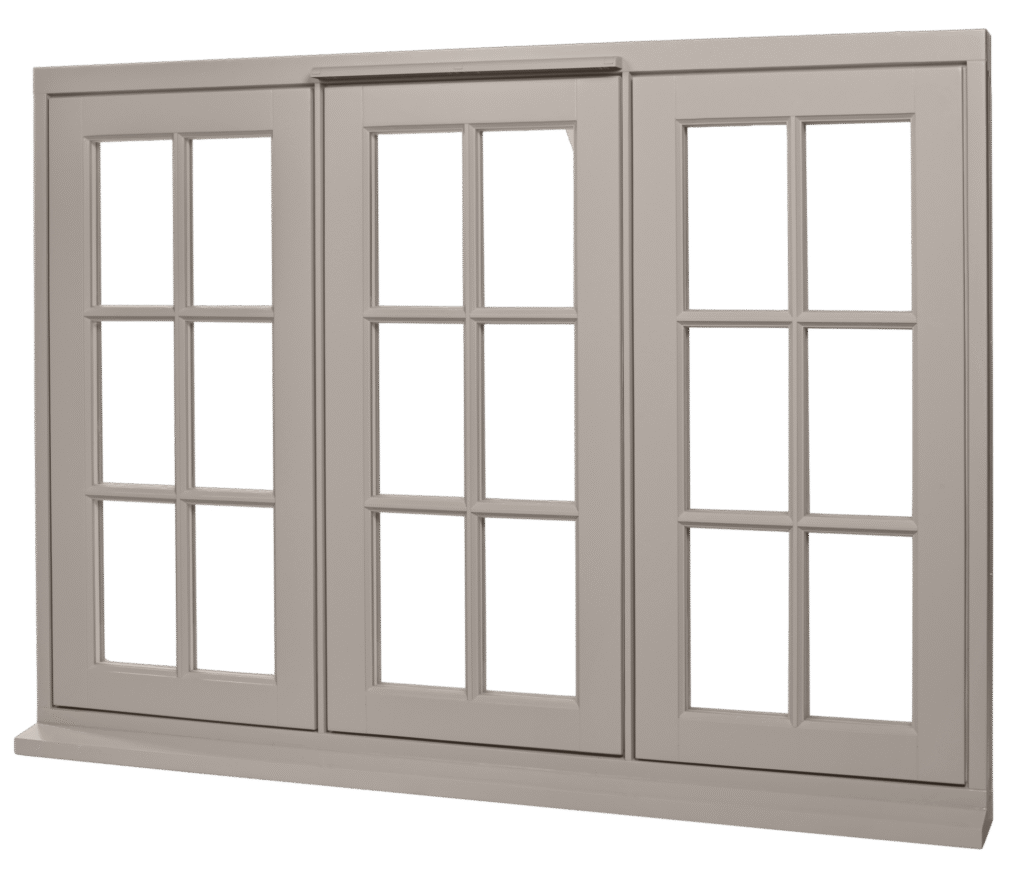
Georgian-style windows, with their distinctive grid patterns created by glazing bars (or muntin bars, if you prefer the technical term), are experiencing their own renaissance. But there’s a shift in how they’re being used.
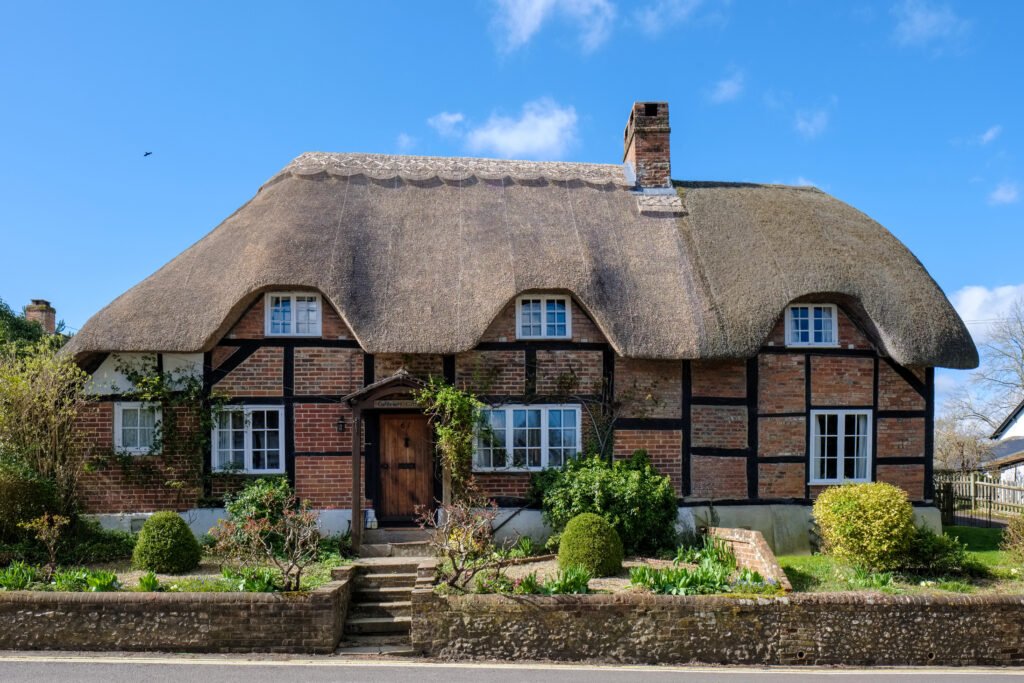
Rather than the heavily ornate designs of previous decades, today’s interpretation tends toward restraint. Clean lines. Thoughtful proportions. The geometry is there, but it’s not overwhelming. This classic-meets-contemporary approach works particularly well in conservation areas where planning requirements demand traditional aesthetics, but homeowners still want a fresh, modern feel.
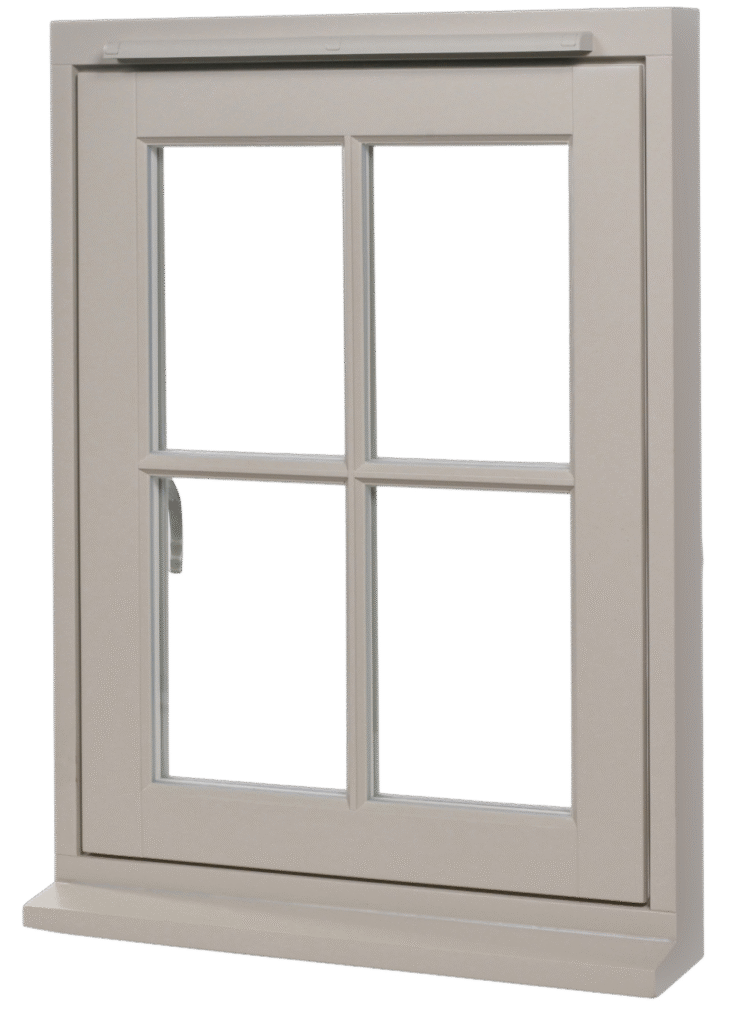
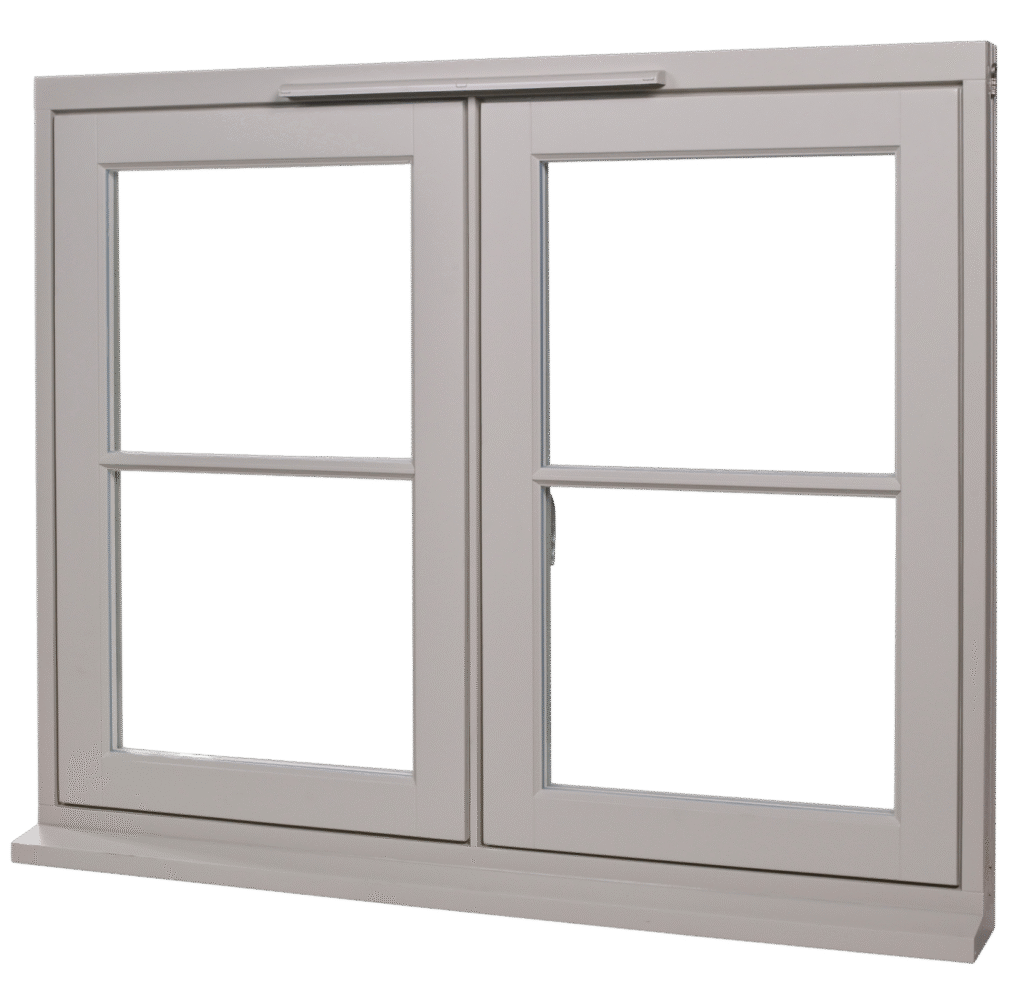
Casement windows—the side-hinged variety that swing open like doors—are receiving similar treatment. Flush casement designs, where the sash sits level with the frame, offer that streamlined look that works equally well in a listed building or a new-build country home.
The Noble Material: Wood’s Enduring Appeal
At the centre of this trend sits wood itself. And not by accident. There’s something about timber that synthetic materials simply cannot replicate, no matter how advanced the manufacturing process.
Natural Warmth and Character
Run your hand across a timber window frame. Feel the texture, the subtle grain variations, the warmth that wood naturally holds. Now do the same with a uPVC frame. The difference is immediately apparent—and it’s not just tactile.
Wood brings organic character to any space. Each piece is unique, with its own grain pattern, its own story. Our homes are becoming increasingly homogenised—the same fixtures, the same finishes. Timber windows offer a point of genuine distinction.
Engineered Pine, Meranti, and Oak: Choosing Your Timber
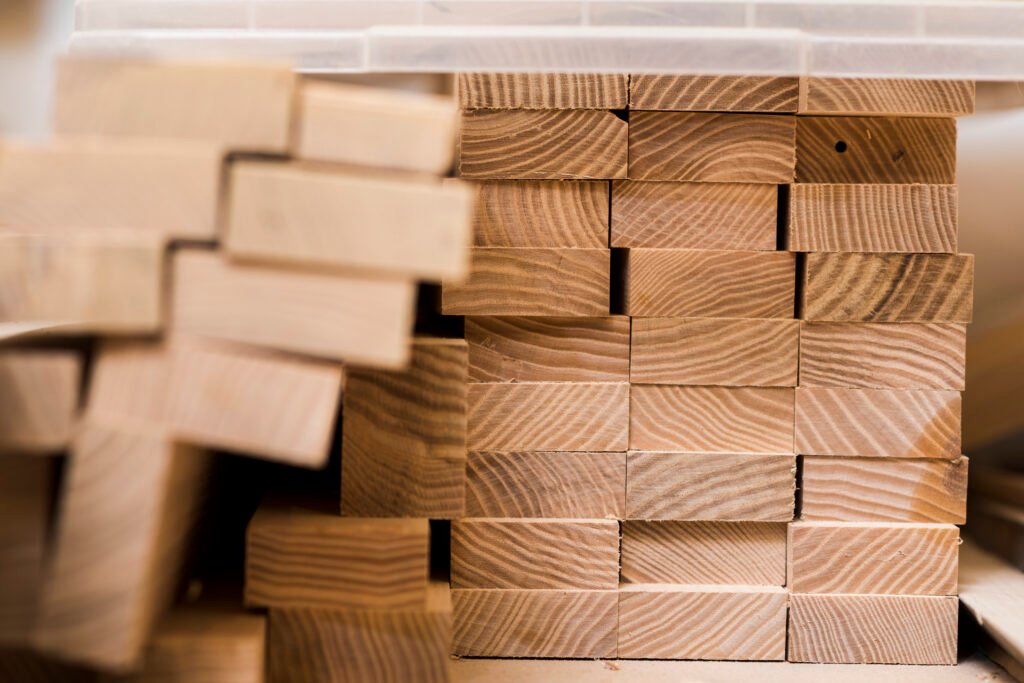
The choice of timber species is itself part of the design decision. Engineered pine offers excellent stability and value, making it a popular choice for many projects. Its laminated construction resists warping and movement far better than solid softwood, which matters considerably in the UK’s variable climate.
Meranti, a tropical hardwood, brings exceptional durability and a distinctive reddish-brown tone that many find appealing. It’s denser than pine, providing additional robustness. For those considering premium options, our hardwood window range showcases the possibilities.
Then there’s oak. There’s no getting around it—oak is premium. But for period properties or high-end new builds where authenticity matters, nothing else quite compares. The grain depth, the natural durability, the sheer presence of oak windows makes a statement that other materials simply can’t match.
Beyond Aesthetics: Where Classic Meets Performance
Here’s where things get interesting. The old criticism of timber windows—that they looked lovely but couldn’t compete on performance—simply doesn’t hold anymore. Modern timber windows are engineered to exceed current Building Regulations requirements while maintaining their classic appearance.
Thermal Performance That Rivals the Best
Let’s talk numbers. A well-specified timber window with double glazing can achieve U-values around 1.4 W/m²K. Move to triple glazing, and you’re looking at 0.8 W/m²K or better. These figures comfortably beat the minimum requirements under Building Regulations Part L.
But U-value isn’t the whole story. Timber naturally provides excellent insulation—it’s approximately 400 times more thermally efficient than steel and 1,800 times better than aluminium. This inherent property means the frame itself doesn’t create cold bridges the way metal frames can.
Material Performance Comparison
| Material | U-Value (Double) | Lifespan | Character |
|---|---|---|---|
| Timber | 1.4-1.6 W/m²K | 60-100+ years | Unique grain, warm |
| uPVC | 1.4-1.8 W/m²K | 20-30 years | Uniform, plastic feel |
| Aluminium | 1.5-1.8 W/m²K | 30-45 years | Modern, industrial |
Sound Insulation and Airtightness
If you’ve ever lived near a busy road, you’ll understand the value of good acoustic insulation. Timber frames, combined with appropriate glazing, provide exceptional sound dampening. The density and natural damping properties of wood absorb vibrations that would transmit more readily through metal or plastic.
Modern weatherstripping systems have also transformed the airtightness of traditional-style windows. Those draughty rattling sash windows of old? They’re a thing of the past. Contemporary timber sash windows can achieve airtightness ratings that satisfy the most stringent Passivhaus requirements.
Frequently Asked Questions
How long do timber windows actually last?
–
+
With proper maintenance—which means repainting every 8-12 years and addressing any issues promptly—timber windows can last 60-100 years or more. Many Georgian and Victorian properties still have their original windows after 150+ years. The key is using quality timber and proper finishing from the outset.
Are timber windows suitable for conservation areas?
–
+
Absolutely—in fact, they’re often the only acceptable option. Listed building consent and conservation area regulations typically require windows that match the original materials and style. Timber windows can be manufactured to replicate period details precisely while incorporating modern performance features.
What maintenance do timber windows require?
–
+
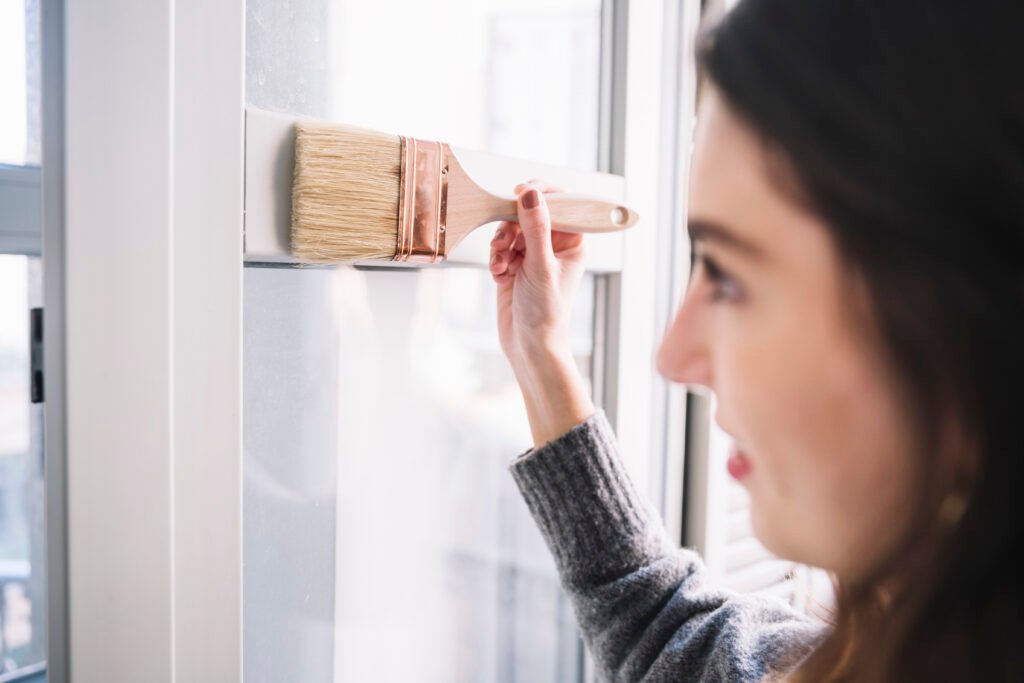
Routine maintenance involves annual cleaning and inspection, with repainting typically needed every 8-12 years depending on exposure. Moving parts like hinges and spiral balances benefit from occasional lubrication. It’s more involved than uPVC, certainly, but the longevity and repairability make it worthwhile.
Can timber windows meet current Building Regulations?
–
+
Yes, comfortably. Modern timber windows with appropriate glazing exceed the minimum U-value requirements of Building Regulations Part L. With double glazing, expect U-values around 1.4 W/m²K; triple glazing pushes this below 1.0 W/m²K. FENSA-registered installations ensure full compliance.
Is timber a sustainable choice for windows?
–
+
When sourced responsibly (look for FSC or PEFC certification), timber is one of the most sustainable window materials available. It’s renewable, biodegradable, and requires far less energy to manufacture than aluminium or uPVC. The long lifespan further improves the environmental equation.
Making a Values-Based Investment
The return to classicism isn’t simply about following a trend. It reflects a deeper shift in how we think about our homes. Durability over disposability. Authenticity over imitation. Craftsmanship over convenience.
Timber windows sit at the intersection of these values. They offer something that mass-produced alternatives simply cannot: genuine character, proven longevity, and the satisfaction of owning something built to last.
Whether you’re restoring a period property, building something new, or simply ready to replace those tired plastic frames, timber windows represent an investment that will remain beautiful, functional, and relevant for generations to come.
Request your free, no-obligation quote today and discover what handcrafted quality can do for your home.
Our Best-Selling Timber Windows: