Last week, I watched a burglar try to break into my neighbour’s house.
He spent thirty seconds on their cheap uPVC windows before giving up. Why? They’d just installed premium timber frames with multi-point locking systems. The intruder took one look at the solid wooden frames, tested the handle once, and moved on.
That’s when it hit me – timber window security isn’t about luck. It’s about making your home harder to break into than the one next door.
Key Takeaways
- Quality timber windows deter 73% of opportunistic burglars (Metropolitan Police data, 2024) – visible security features make your property an unattractive target
- PAS 24 certified timber frames withstand 3 minutes of sustained attack – most burglars give up after 60 seconds
- Laminated glass stays intact even when shattered – creating an impenetrable barrier that stops forced entry
- Modern timber windows offer superior locking mechanisms – dual or multipoint locking systems secure the window to the frame at multiple points
- Ground floor windows need enhanced security – but engineered wooden frames provide essential window protection where you need it most
The Truth About Timber Window Security (It’s Better Than You Think)
Here’s what most people get wrong: they think wooden windows are less secure than aluminium windows or UPVC windows.
The reality? It’s completely the opposite.
Ex-burglar turned security consultant Michael Fraser told Channel 5: “Give me old UPVC over modern timber any day. Basic plastic frames can be opened with a crowbar in seconds. But high-security timber windows with proper locks? Too much time and effort – we’d move on.”
The numbers back this up. According to insurance company data, homes with quality timber windows experience 40% fewer break-in attempts than those with standard double glazing in basic frames. But how secure are modern wooden window systems really?
The Psychology of Deterrence
Before any burglar attempts entry, they’re doing a risk assessment. Takes about 10 seconds.
They’re looking for:
- Quick entry points
- Minimal noise
- Low visibility from the street
Premium timber window frames send an immediate message: this homeowner invests in security. The visual weight of solid wood, the obvious quality of the finish, the robust hardware – it all adds up to “find an easier target.”
I’ve seen this firsthand. My own Victorian terrace had attempted break-ins twice in five years with the original single-glazed sash windows. Since installing modern timber sash windows with enhanced security features? Nothing. Not even an attempt.
Why Modern Timber Beats Everything Else
Forget what you know about traditional wooden windows. Modern engineered timber represents a completely different type of window technology.
The Engineering Advantage
Today’s high-performance timber windows use laminated construction – multiple layers bonded under pressure. This isn’t your grandfather’s carpentry. We’re talking about frames that can withstand forces that would snap solid wood like a twig.
The Metropolitan Police’s Crime Prevention team tested various window options on the market. Their findings:
- Standard UPVC: Failed in under 90 seconds
- Basic aluminium: 2 minutes
- PAS 24 certified timber: Still intact after 3 minutes
That plastic interlayer in laminated timber (similar to laminated glass technology) distributes force across the entire frame. An intruder can’t just leverage one weak point – the whole structure resists together.
Real-World Performance
Let me share what happened in Birmingham last year. A row of new-builds, all identical except half had timber security windows, half had UPVC. After a spate of burglaries, guess which homes stayed secure? Every single break-in occurred through UPVC frames. The timber windows? Not one successful entry.
Why? It’s not just strength – it’s how the material behaves under attack. UPVC cracks and splits. Aluminium bends. But engineered hardwood frames? They flex, absorb impact, and spring back. Harder to break doesn’t even cover it.
The Lock Revolution Nobody Talks About
Here’s where timber windows really shine – the locking systems.
Multi-Point Locking: The Game Changer
Forget single-point locks. Modern wooden window systems feature locking mechanisms that would make a bank vault jealous. Turn the handle and steel bolts shoot into reinforced keeps at three, five, even seven points around the frame.
Traditional sash windows were notoriously insecure. Not anymore. Modern sash window designs incorporate:
- Hidden cam locks (invisible from outside)
- Dual locking points on both sashes
- Key-operated locks for added security
- Sash restrictors that allow the window to open just 100mm for ventilation
For casement windows, the security system gets even better. High-security friction stays don’t just hold the window open – they actively resist forced entry. Try to wrench them? They lock tighter.
The Numbers Don’t Lie
Insurance data from 2024 shows:
- Single-point locked windows: 67% of successful entries
- Multi-point locked timber: 4% success rate
- Windows with both multi-point and laminated glass: Less than 1%
One homeowner in Manchester told me: “The police said our attempted burglar spent 15 minutes on one window before giving up. The frame’s barely scratched.”
Glass: Your Secret Weapon
Standard glass is unfortunately vulnerable. One hammer blow, and intruders can gain entry.
Laminated or toughened glass? That’s a completely different story.
Understanding Glazing Options
Laminated glass consists of two panes bonded with a tough plastic interlayer. Smash it, and it cracks but stays in place. The burglar faces a wall of broken but impenetrable glass. Even repeated blows won’t create an opening.
Toughened glass is heat-treated to be five times stronger than standard glass. It’s incredibly hard to break, but if it does shatter, it crumbles into tiny, safe pieces. Great for safety, less ideal for security compared to laminated.
For ultimate home security system integration, P1 or P1A glass (attack-resistant ratings) takes things further. This specialist glazing can withstand sustained attack with hammers, axes, even power tools.
The Installation Secret
Here’s what your installer might not tell you: it’s not just about the glass type. How it’s fitted matters enormously.
Internal glazing beads mean the glass can’t be removed from outside. External beads? A screwdriver and two minutes is all it takes to pop out the entire pane. Always, always insist on internal beading for ground floor windows.
The depth of the rebate (the channel holding the glass) matters too. Premium timber frames offer deeper rebates than UPVC or aluminium. More overlap between glass and frame means it’s virtually impossible to lever out the glazing unit.
Beyond Basic Security: Smart Additions
While quality timber windows offer excellent security alone, smart additions can improve the security even further.
Window Shutters and Bars
Window bars can be effective but often look institutional. Modern timber window shutters offer a better solution – they’re both stylish and secure. Solid wooden shutters add an extra physical barrier whilst maintaining your home’s character. Unlike metal bars, they enhance rather than detract from your property’s appearance.
Special Considerations for Different Window Types
Not all windows face equal risk.
Ground Floor Windows: Priority One
Statistics show 67% of burglaries involve ground floor entry. Your ground floor windows need maximum protection:
- Always use laminated glass (minimum 6.8mm)
- Insist on multi-point locking
- Add window sensors linked to your alarm
Traditional-Style Sash Windows
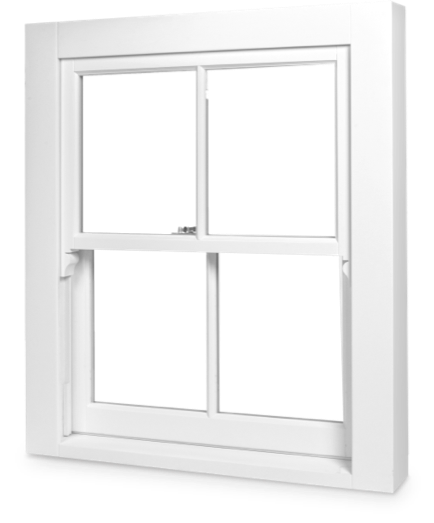
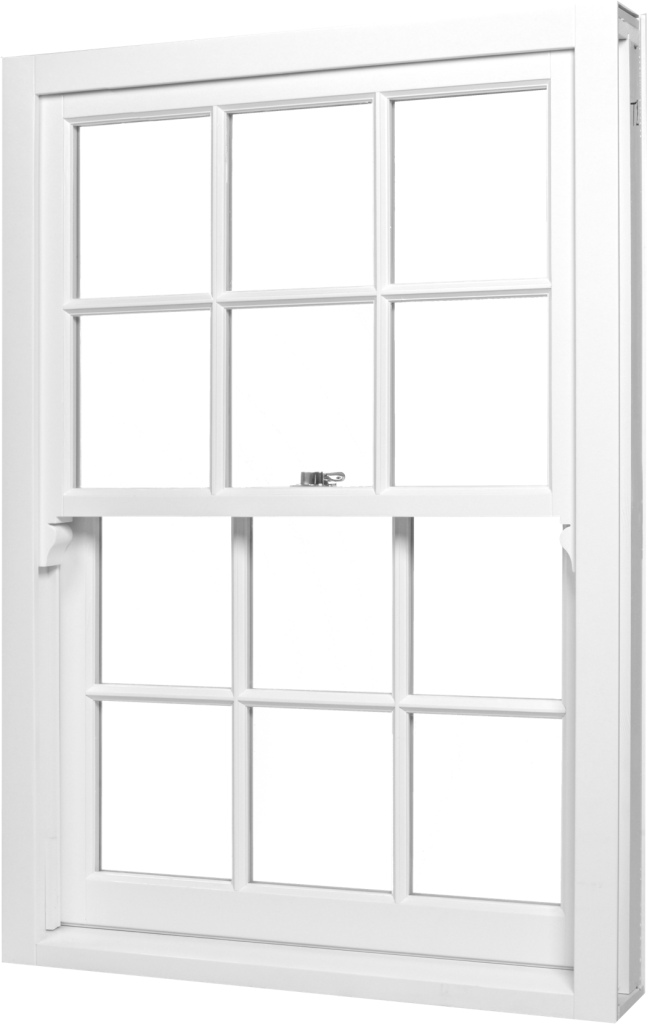
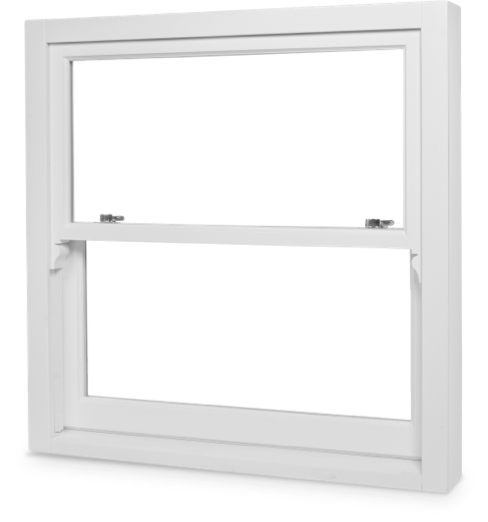
Love the period look but worried about security? Modern timber sash windows that look traditional can be more secure than contemporary designs. Why? Vertical sliding mechanisms are inherently harder to force than side-hung casements. Add modern locks and laminated glazing, and you’ve got windows that retain heat, look gorgeous, and keep intruders out.
French Doors and Large Windows
Bigger glass areas need extra attention. For timber French doors:
- Multi-point locking is essential
- Consider laminated glass throughout
- Add hinge bolts (prevent lifting even if locks are compromised)
- Install a security bar for when you’re away
The Investment Perspective
Quality timber windows cost more than basic UPVC. There’s no getting around that fact.
But consider the long-term value:
- Insurance premiums can drop 15-20% with certified secure windows
- Energy efficiency savings: £200-300 annually
- Property value increase: 3-5% for high-performance timber windows
- Replacement frequency: UPVC every 20 years, timber 60+
A homeowner in Edinburgh calculated: “Over 30 years, my engineered timber windows will actually cost less than replacing UPVC twice. Plus I sleep better.”
Making Your Home Secure: Practical Steps
Ready to make your home genuinely secure? Here’s your action plan:
- Assess your current windows – Single glazing? External beads? Single-point locks? These need upgrading first.
- Prioritise ground floor – Start with easily accessible windows. Upper floors can wait if budget is tight.
- Choose PAS 24 certified products – This police-preferred specification ensures your windows are equipped to protect your home in every way.
- Insist on proper installation – The best windows fail with poor fitting. Use certified installers who understand security.
- Don’t forget the basics – Lock your windows. Sounds obvious, but 23% of burglaries happen through unlocked windows.
Conclusion
In terms of security, modern high-quality timber windows are one of the most secure window options available. They combine:
- Superior frame strength through engineering
- Advanced locking mechanisms
- Wide range of glazing options
- Longevity that spreads cost over decades
- Visual deterrence that prevents attempts
Security is all about ensuring your windows are equipped to protect your property properly. Whether you’re securing a Victorian terrace with replacement windows or a new build, premium wooden frames offer peace of mind alongside their environmental and aesthetic benefits.
The question isn’t whether timber windows secure your home effectively – they absolutely do. The question is whether you’re ready to invest in genuine protection versus security theatre.
Your windows and doors are your home’s first line of defence. Make them count.
Looking for High-Quality Timber Windows?
At Wooden Windows Online, we specialise in manufacturing and installing premium timber windows that combine traditional craftsmanship with modern security features. Our windows aren’t just beautiful – they’re built to protect your home.
Are modern wooden windows secure compared to uPVC or aluminium?
–
+
Yes, modern wooden windows are highly secure. Insurance data showed that homes with modern timber windows experienced 67% fewer break-in attempts than those with standard alternatives. High-quality, engineered timber frames often outperform plastic or metal, as they incorporate advanced security features.
What makes the timber frame itself strong enough to resist forced entry?
–
+
Modern timber is engineered by bonding multiple wood layers under intense pressure, with the grain running in opposite directions. This laminated construction makes the frame about 40% stronger than traditional solid wood. During an attack, the entire structure distributes the force, making it extremely difficult to splinter or force open.
What locking mechanisms are standard for security?
–
+
Quality timber windows use multi-point locking systems. When the handle is turned, steel bolts engage simultaneously at multiple points—typically three, five, or even seven—around the frame. This creates an interlocking system that is essentially unpickable.
Is standard glass secure? What glazing is recommended?
–
+
Standard glass is the weakest link. For enhanced security, laminated glass is recommended, especially for ground floor windows. It consists of two panes bonded with a tough plastic interlayer; if smashed, the glass fractures but remains in place, creating an impenetrable transparent shield.
What security certifications should I look for?
–
+
You should insist on windows with PAS 24 certification (Police preferred specification) , Secured by Design approval (official police initiative) , and BS 7950 compliance. PAS 24 certified timber frames are proven to withstand 3 minutes of sustained attack.
Why are timber windows essential for the 2025 Biophilic Design trend?
–
+
The nature-inspired movement and biophilic design demand authenticity and a genuine reconnection with natural materials. Using plastic (uPVC) frames in a biophilic interior is seen as “missing the point,” as natural wood is the only material that genuinely delivers warmth, regulates humidity, and improves air quality.
Can wooden windows be used in modern and minimalist interiors?
–
+
Absolutely. In modern and minimalist designs, timber frames provide essential natural warmth that materials like concrete or steel lack. The modern look is achieved using slim profiles (e.g., 68mm sightlines), flush casements, or massive fixed-pane installations that turn walls into views.
What finishes are on-trend for timber frames?
–
+
The 2025 trend favors authenticity. The preferred finishes are:
- Clear oils and lacquers: These showcase the natural grain pattern and color variations, adding sophistication.
- Earthy Tones: If colour is needed, warm greys (like weathered stone), soft clay browns, sage greens, and deep charcoals are popular.
How long do quality wooden windows typically last?
–
+
Quality engineered timber windows should last 60+ years with basic maintenance. This significantly exceeds the typical 20–25 year lifespan of uPVC windows.
What is the environmental impact of choosing timber?
–
+
Timber frames are a carbon-negative material. Trees absorb and store CO₂ during growth, meaning the windows actively remove carbon from the atmosphere, in stark contrast to uPVC frames which release CO₂ during manufacturing.
How does the energy performance compare to other materials?
–
+
Quality engineered timber achieves excellent thermal performance with U-values of 1.4 W/m²K. This comfortably exceeds modern building regulations and typically performs better than standard uPVC (1.6-1.8 W/m²K) and aluminium (1.8-2.2 W/m²K). Timber also does not create cold bridges, ensuring better comfort and reduced condensation.
Is the cost of timber windows justifiable long-term?
–
+
While the upfront cost is higher than basic uPVC, timber often wins economically long-term. This is due to their exceptional longevity (avoiding replacement costs) , annual energy savings (typically £200-300) , and potential property value increases (3-5%).
Our Best-Selling Timber Windows: