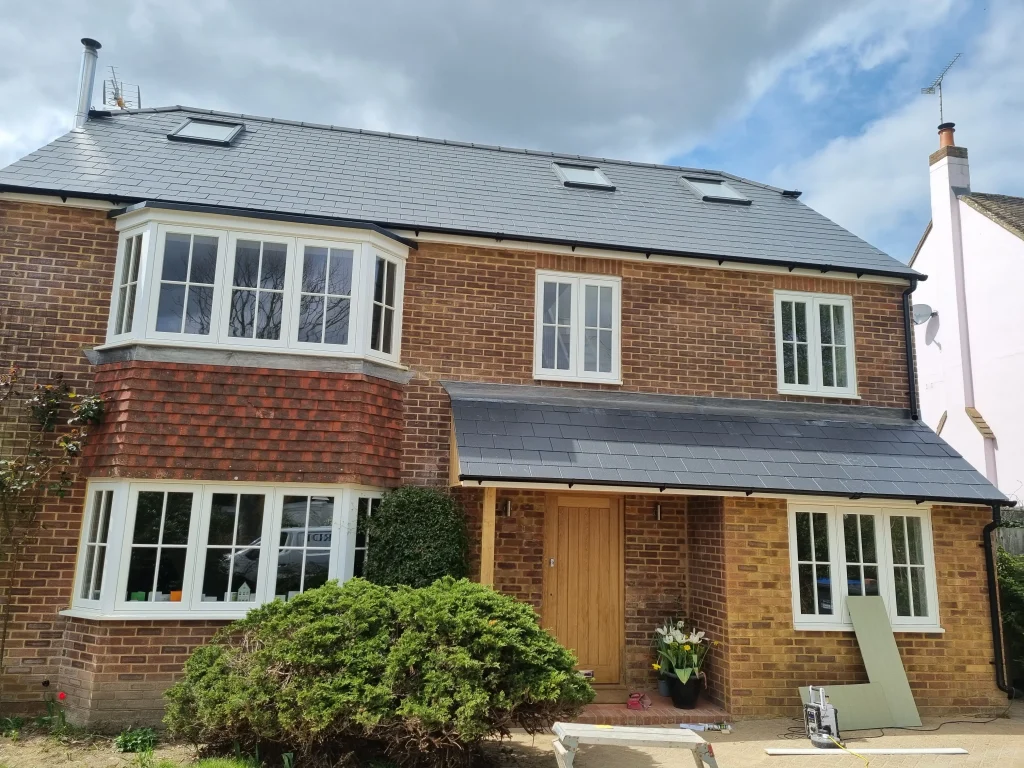
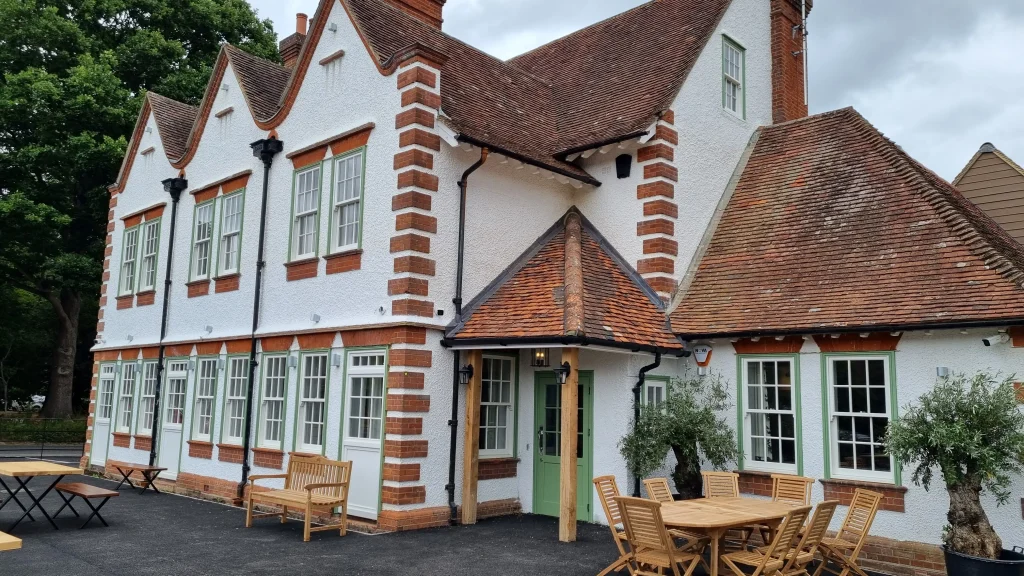
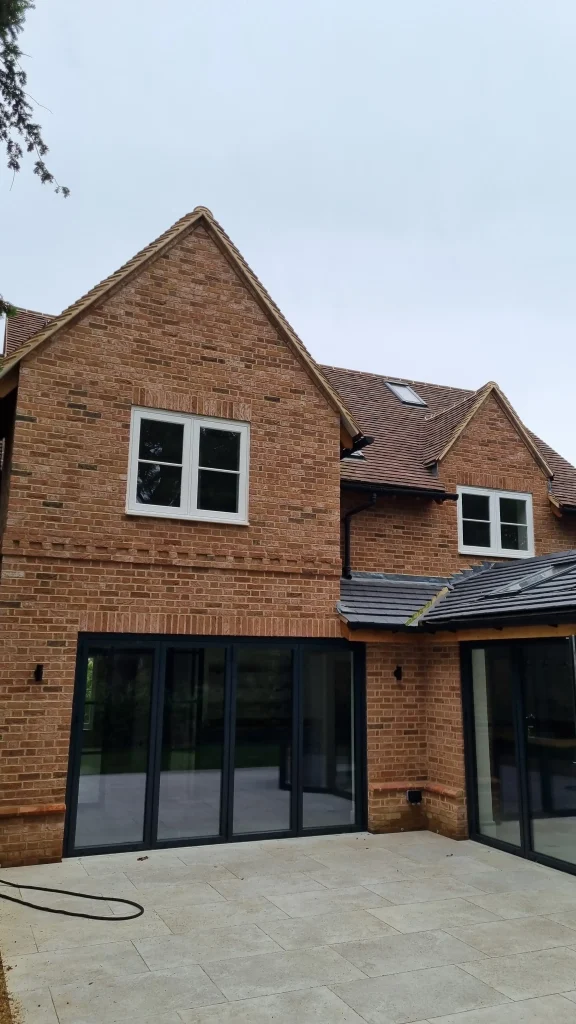
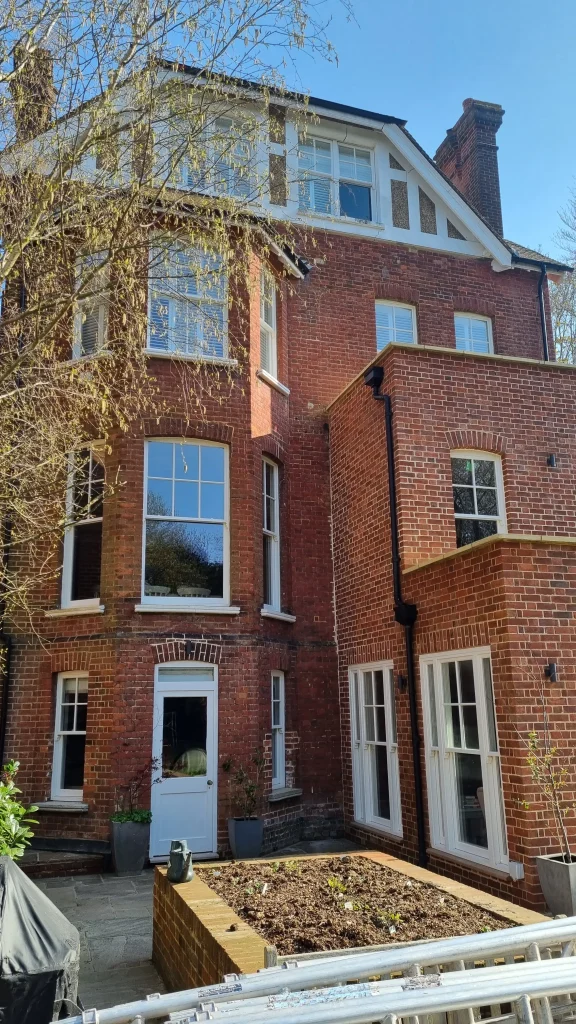
Meranti · Solid oak · Made to measure
Hardwood Windows in Meranti and Solid Oak
Hardwood windows are made from broadleaf timber — denser, more stable and longer-lasting than pine. We make hardwood window frames in engineered Dark Red meranti and solid European oak, built to your measurements and factory finished, as part of our range of bespoke timber windows. Expect 35–45 years from meranti and around 50 from oak with proper maintenance.
Engineered Dark Red meranti
Solid European oak
35–45 / ~50 year life
Double glazed as standard
~20 working day lead time
5-year warranty
The basics
What Are Hardwood Windows?
Hardwood windows are made from broadleaf trees rather than conifers. Like “softwood”, the label is botanical rather than a measure of hardness — but the hardwoods used for windows are genuinely denser than pine, which makes them more stable, more durable and better suited to stained finishes.
We make hardwood timber windows in two species. Dark Red meranti is engineered from three bonded layers, the same construction as our pine, for maximum stability. European oak is used solid, for its grain, strength and longevity. Both are made to measure, vacuum-treated and factory finished in RAL or Farrow & Ball colours.
Pine or hardwood
Hardwood vs Softwood Windows
Hardwood windows cost more than softwood and last longer; under paint you can’t tell them apart, under stain hardwood wins clearly. We sell both, so here’s the straight comparison.
| Timber | Construction | Density | Best finish | Expected life* | Relative cost |
|---|---|---|---|---|---|
| Engineered pine (softwood) | 3-layer engineered | ≈420–500 kg/m³ | Paint | 25–35 years | Lowest |
| Dark Red meranti (hardwood) | 3-layer engineered | ≈580–720 kg/m³ | Paint or stain | 35–45 years | ≈20–30% more than pine |
| European oak (hardwood) | Solid | Highest of the three | Stain or oil | Around 50 years | ≈2.5× pine |
*With proper maintenance in UK conditions.
Under paint, a well-painted pine frame looks identical to painted meranti from any viewing distance. If everything is going white and budget is tight, softwood windows are the smart call — spend the saving on better glazing, which you’ll feel every day.
Under stain or oil, hardwood wins: richer colour, finer grain and a more even finish. That’s the main aesthetic reason to spend more.
On exposed elevations — west-facing walls, coastal sites, ground-floor frames near soil splashback — meranti’s extra density earns its keep. The premium is roughly 20–30% over pine for 10–15 years of additional service life. In sheltered positions under eaves or overhangs, properly treated engineered pine will give 25–35 years without drama.
For a long-term home you plan to keep for 20 years or more, hardwood’s longer life makes a full window replacement less likely in your time there. At the very least, consider meranti for the most exposed windows.
Meranti
Meranti Hardwood Windows
Meranti is a tropical hardwood from the Shorea genus, grown in managed forests in South East Asia. We use the Dark Red grade — the denser end of the meranti range at typically 580–720 kg/m³, against about 420–500 kg/m³ for Scandinavian pine. That density shows up in three practical ways.
Dimensional stability. Denser timber absorbs proportionally less moisture, so it moves less. Meranti frames hold their shape through British seasons: joints stay tight, hardware stays where you put it, and gaps between sash and frame don’t open in wet weather and close again in dry.
Screw holding. A hinge screw driven into meranti bites into tighter grain and holds more firmly over thousands of openings. We don’t see hinge screws working loose in meranti the way we occasionally do in pine — and a loose hinge screw means a dropped sash and a window that won’t close properly.
Finish life. The denser, smoother surface gives paint and stain a better substrate, so recoat intervals stretch to around 7–10 years versus 5–7 for pine on similar exposure. Our guide to weather-resistant timber windows covers how the factory finish is built up.
Where meranti really shines is under a stain or oil finish. Its finer, more uniform grain takes stain evenly in warm reddish-brown tones — if you want visible timber rather than painted frames, meranti is the obvious choice at a reasonable price.
Choosing a hardwood
Meranti vs Oak: Which Hardwood Is Right?
Meranti and oak are both excellent window timbers; the choice comes down to appearance, budget and whether a conservation officer specifies oak.
| Dark Red meranti | European oak | |
|---|---|---|
| Construction | 3-layer engineered | Solid |
| Grain and colour | Fine, even grain; warm reddish-brown | Strong, characterful grain; golden to mid-brown |
| Expected life* | 35–45 years | Around 50 years |
| Relative cost | ≈20–30% more than pine | ≈2.5× pine |
| Best for | Stained finishes and exposed elevations at a sensible price | Natural timber on show, heritage work and where oak is specified |
European oak (Quercus robur / Quercus petraea) is the densest, most naturally durable and most expensive timber we work with. It machines more slowly, with slower cutting speeds and faster tool wear, which is a large part of why oak windows cost what they do. It’s also the timber conservation officers expect to see where the original windows were hardwood. Our page on solid oak windows goes into detail.
Selection guide
The Best Timber for Window Frames
The best timber for window frames depends on how the window will be finished and how exposed it is. We work with three timbers, and each is the right answer in a different situation.
Painted windows on a budget: engineered pine. Under paint it matches hardwood, it’s the most cost-effective option and, engineered and factory finished, it lasts 25–35 years.
Stained finishes or exposed elevations: Dark Red meranti. Better stability, screw holding and finish life than pine for a modest premium, and it takes stain evenly.
Heritage work, listed buildings and the longest life: solid European oak. The most durable and characterful of the three, and often the specified timber for listed building windows.
Styles
Hardwood Sash, Casement and Georgian Windows
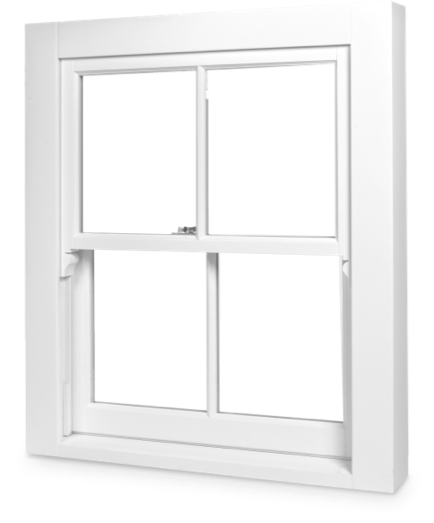
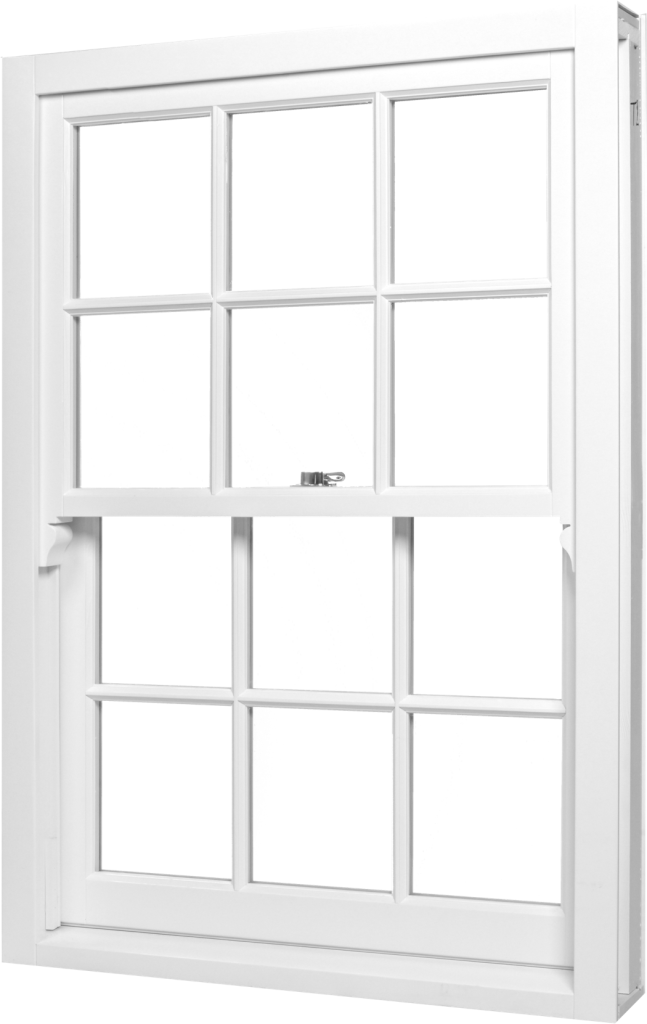
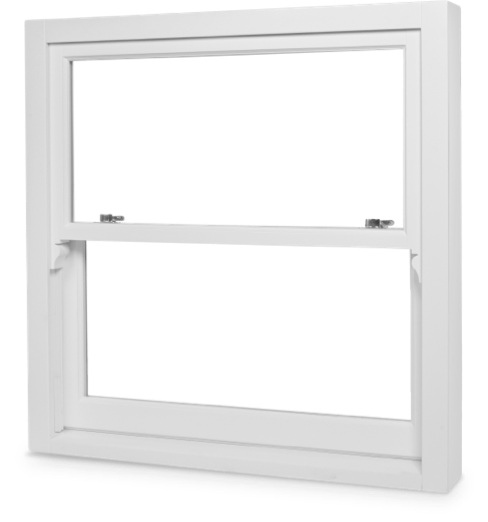
Meranti and oak are available across our full range: sash windows on weights, sash windows on hidden springs, flush casements in single, double and triple configurations, and Georgian windows with solid or applied bars.
Every hardwood window is built to your measurements, double glazed as standard with a U-value of 1.4 W/m²K, and factory finished in RAL or Farrow & Ball colours. Prices depend on size, timber and glazing — as a guide, meranti adds roughly 20–30% over the equivalent pine window and oak about 2.5×. Our timber window prices guide breaks down the cost drivers, and we’ll send an itemised quote within 48 hours of receiving your sizes.
Our Best-Selling Timber Windows:
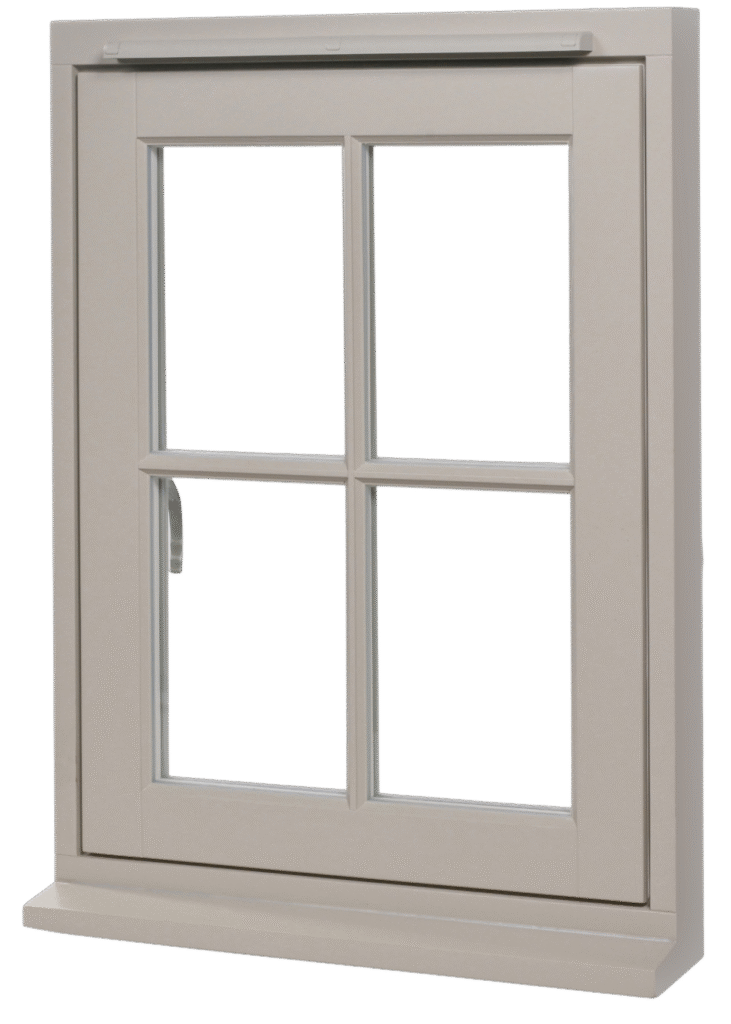
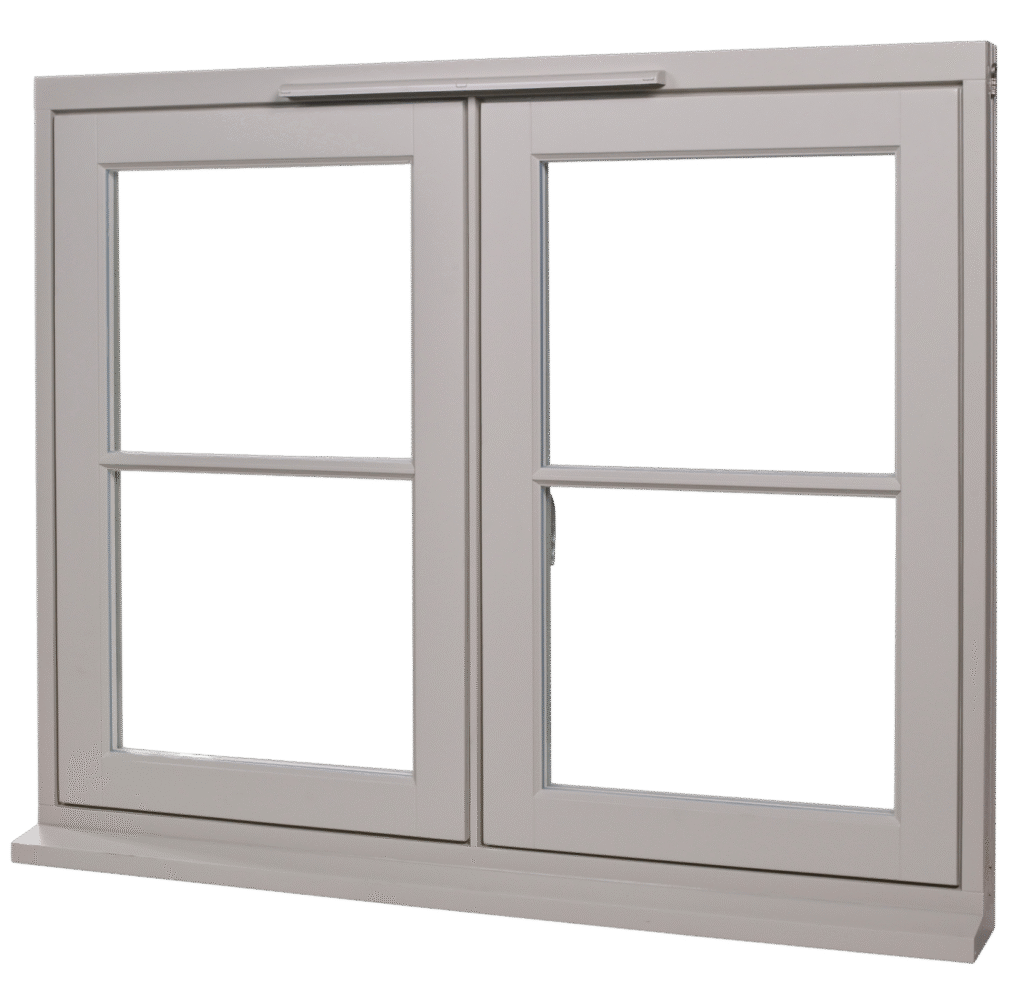
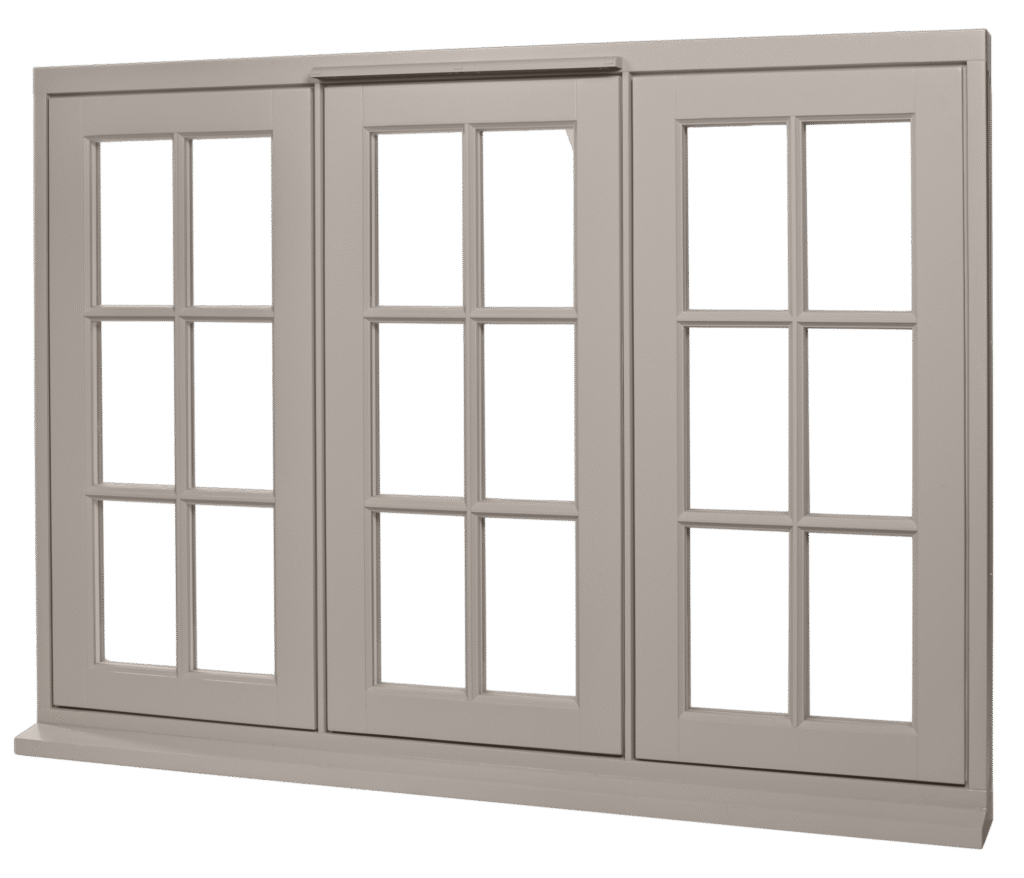
Hardwood Windows — Frequently Asked Questions
Are hardwood windows better than softwood?
–
+
Not always. Under paint, engineered pine looks the same as hardwood and costs less. Hardwood is better under stain or oil, on exposed elevations and when you want the longest life: meranti lasts 35–45 years and solid oak around 50, against 25–35 for engineered pine.
What is meranti wood?
–
+
Meranti is a tropical hardwood from the Shorea genus, grown in South East Asia. The Dark Red grade we use is dense — typically 580–720 kg/m³ — stable and fine-grained, which makes it a durable window timber that takes stain evenly in warm reddish-brown tones.
Is meranti or oak better for windows?
–
+
Both make excellent windows. Meranti is the sensible choice for stained finishes and exposed elevations at roughly 20–30% more than pine. Solid European oak is the most durable and characterful, costs about 2.5 times pine, and is often specified for heritage and listed buildings.
How long do hardwood windows last?
–
+
With proper maintenance in UK conditions, engineered meranti windows last 35–45 years and solid European oak around 50 years. Meranti also holds its finish longer than pine, typically 7–10 years between recoats versus 5–7 for pine on similar exposure.
Are hardwood windows worth the extra cost?
–
+
They are when the timber will be stained, the windows face severe weather, or you plan to stay in the home for 20 years or more. For painted windows in sheltered positions, engineered pine delivers the same look for less — spend the saving on better glazing.
Do I need hardwood windows for a listed building?
–
+
Not always, but conservation officers often expect hardwood — usually oak — where the original windows were hardwood. Check with your local authority before ordering. We can supply specifications and profile drawings for your application; our guide to listed building windows explains the consent process.
Get a Quote for Hardwood Windows
Send your window sizes, preferred timber and finish and we’ll return a detailed, itemised quote within 48 hours. Undecided between pine and hardwood? Tell us where the windows are going and we’ll recommend what makes sense.