In this article, you’ll discover:
- The exact origins of sash windows and how they arrived in Britain
- Why period houses used different sash window designs
- How the window tax shaped the development of sash windows across two centuries
- What changed during the Edwardian era — and why it matters for your property
- How modern versions combine period authenticity with 21st-century performance
- Why this type of window remains the first choice for period and contemporary homes
Introduction
Every period window you see on a British street tells a story. The proportions, the glazing bars, the hardware — all of it reflects the era it was built in, the technology available, and even the tax laws of the time.
That’s not just architectural trivia. If you own a period property, understanding this history directly affects your sash window restoration decisions, replacement, and specification. Get it wrong — fitting period-style bars on a later frame, for instance — and a conservation officer will notice immediately.
We’ve been manufacturing sash windows for over a decade, and the questions we hear most often are surprisingly historical. When were sash windows first used? Why do some have glazing bars and others don’t? What’s the difference between period-style windows?
This guide answers all of that — from 17th-century origins through to the high-performance windows we manufacture today.
The Georgian Era: Birth of a Classic Window
How the Design Arrived in Britain
The exact origins of sash windows are still debated. The most widely accepted theory credits the Dutch or French with the original design, with the vertical mechanism arriving in England during the late 1600s. The oldest surviving examples in Britain date to the 1670s-1680s — notably at Ham House in Surrey and Chatsworth House in Derbyshire.
What we know for certain: by the early 1700s, the design had become the dominant window style in English architecture, rapidly replacing the hinged casement windows — the traditional windows — that preceded it. The invention of the sash window wasn’t a single moment — it was an evolution of sash windows from fixed and hinged window designs toward something far more practical.
Why the Era Embraced the Design
Builders of the era (1714-1830) didn’t just adopt the design — they perfected it. The vertical design solved a fundamental problem: how to ventilate a room without letting in rain. Earlier windows — hinged casement windows and fixed panes of glass — either swung outward into the weather or didn’t open at all.
The design offered something revolutionary. Open the lower half for fresh air. Open the upper to let warm air escape. Open both for cross-ventilation. This wasn’t just clever engineering — in crowded cities of the era with coal fires in every room, it was a public health measure.
The Weight and Pulley System
The mechanism that made this possible was the box sash window frame with concealed counterweights. Each section — upper and lower — hung from cords running over pulleys, with cast iron weights hidden in hollow chambers either side of the frame. Lift it, and the weights descend. Release it, and it stays exactly where you left it.
This design was elegant, reliable, and remarkably long-lived. Many original sash windows from the period still function today — 250+ years on — because the mechanism has no moving parts that wear out. Just gravity, cord, and iron.
Period Glazing: Small Pieces, Bold Patterns
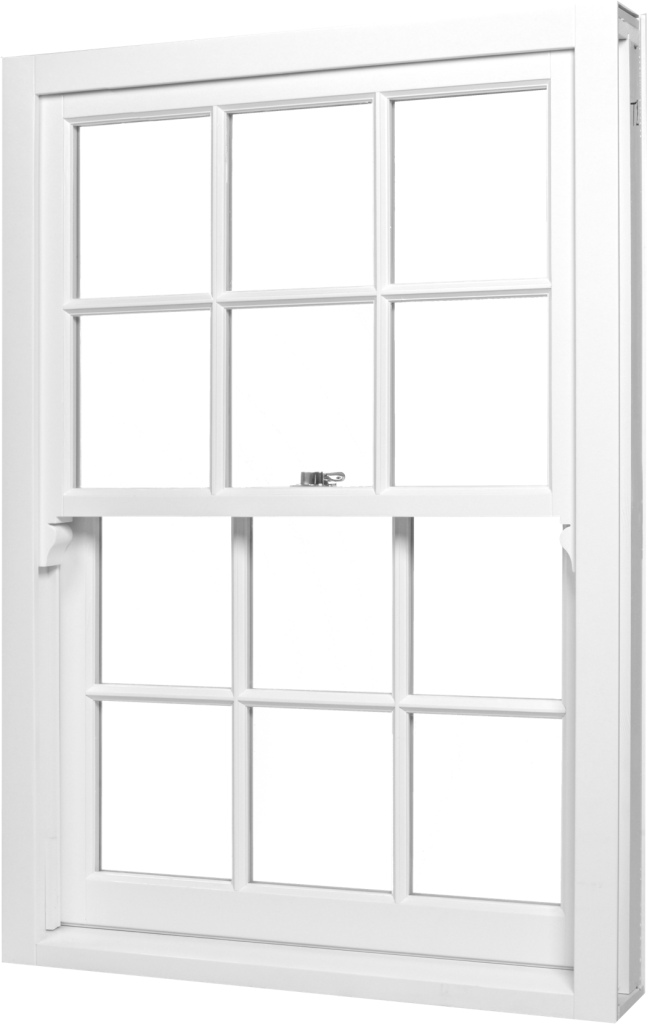
Early Georgian output is instantly recognisable by their glazing bars — the slender wooden strips that divide each section into multiple small pieces. Six-over-six was the classic pattern: six panes per section, twelve in total.
Why so many divisions? Simple. Glass technology in the 18th century couldn’t produce large sheets reliably. Crown glass — made by spinning molten glass into a disc — yielded small, slightly uneven pieces. These divisions weren’t decorative choices. They were structural necessities.
As glass manufacturing improved through the era, window sizes gradually increased. By the later period, four-over-four and even two-over-two patterns appeared — a preview of the larger windows to come.
The Victorian Era: Evolution and Innovation
How Sash Windows Had Become Universal
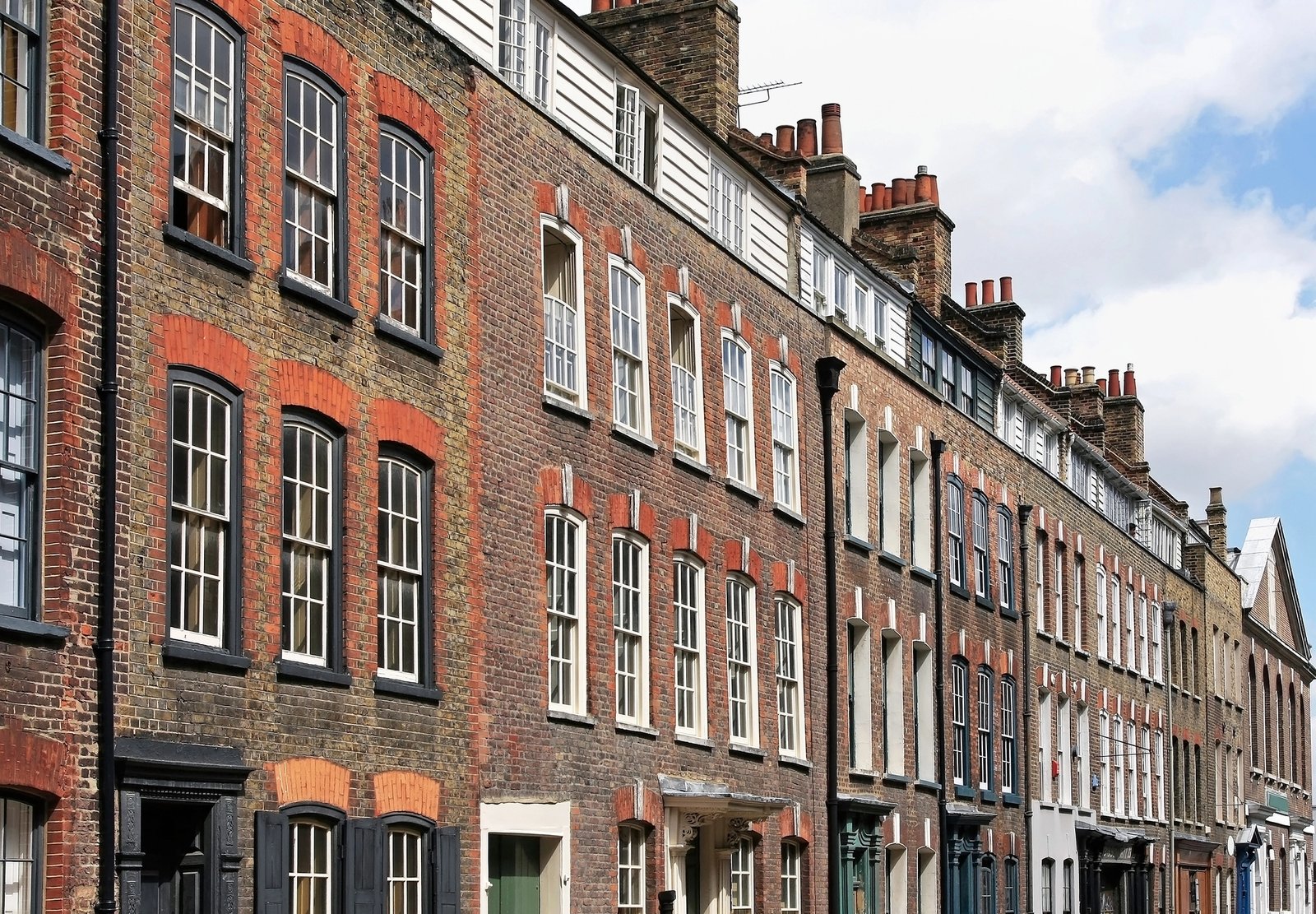
By 1837, these windows had become the standard for virtually every type of window in British residential architecture. From grand terraces to modest workers’ cottages, the design was ubiquitous. The popularity of sash windows was at its absolute peak.
What changed during the era wasn’t the basic principle — it was everything around it.
The Horn Revolution
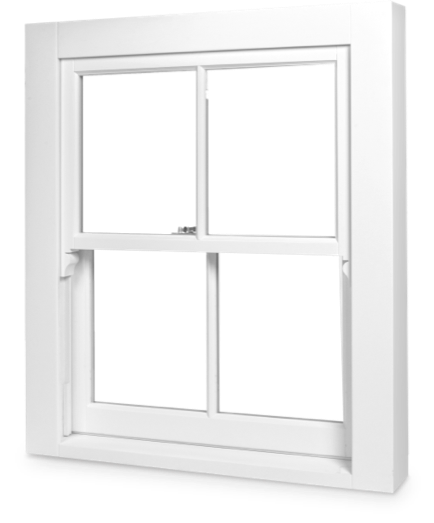
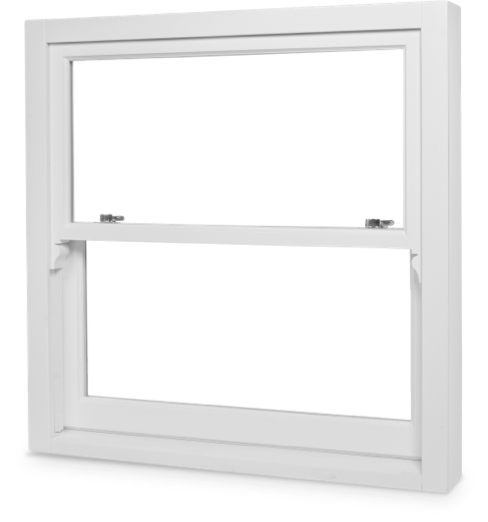
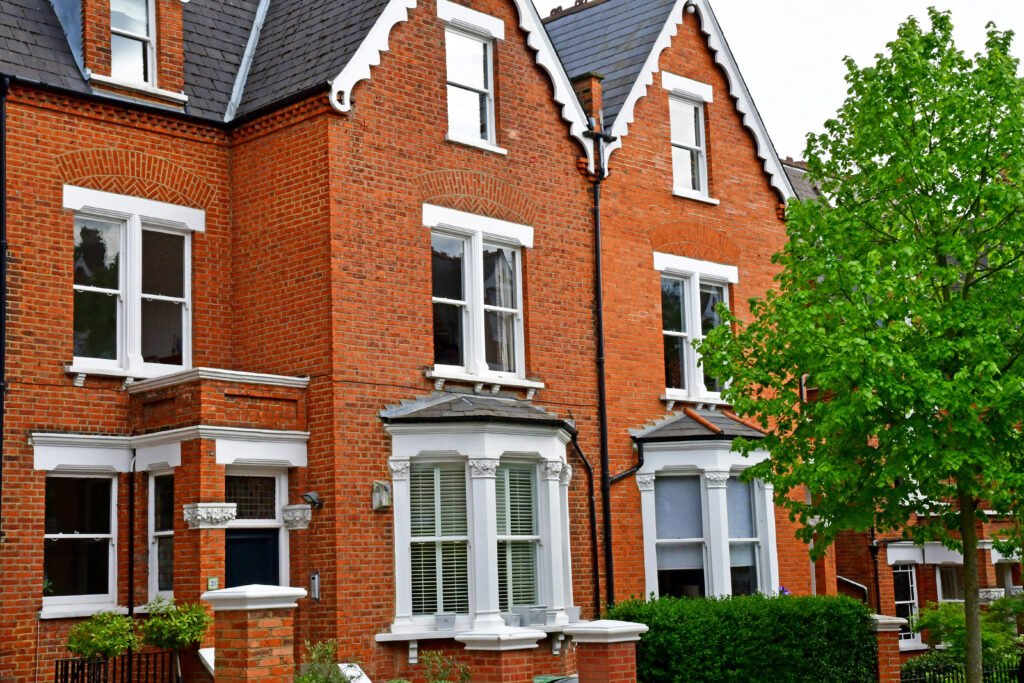
The single most visible difference between period sash windows? The horns. Those small projections at the bottom of the upper section where the stiles extend beyond the meeting rail.
Earlier windows didn’t need them because the bars provided structural reinforcement across the frame. When manufacturers began producing larger sheets — made possible by the cylinder glass process from the 1830s and sheet glass from the 1840s — the meeting rail joint came under significantly more stress. The horns were the engineering solution.
If your windows have sash horns, they’re almost certainly post-1840. That’s the single quickest way to date a period window.
Manufacturing Advances and the Window Tax
The era saw two developments that transformed window production. First, mechanised machine milling allowed standardised profiles to be produced at scale — the beginning of mass production for timber windows and doors. Second, the repeal of the window tax in 1851 removed the financial penalty that had kept windows small and sparse for over 150 years.
The window tax deserves particular mention. Introduced in 1696, it taxed properties based on the number of windows. The result? Bricked-up windows across Britain — many still visible today — and a strong economic incentive to make fewer, larger windows rather than more, smaller ones. Its repeal opened the floodgates for the generous window proportions that define the era’s architecture.
Ventilation in Industrial Cities
Sash windows in the UK served a critical practical function during the period. In dense industrial cities choked with coal smoke, the ability to control airflow room by room was essential. The top sash could be lowered to exhaust hot, stale air at ceiling level while the lower half admitted fresher air below. This stack-effect ventilation was so effective that hospitals specified these windows as standard — a medical recommendation, not an architectural preference.
Edwardian Sash Windows: Refinement and Light
Larger Glass and Cleaner Lines
The Edwardian period (1901-1914) represents the final evolution of the traditional sash window before the disruptions of the 20th century. Edwardian sash windows refined everything the predecessors had started.
Glass technology had advanced to the point where full-sheet sections were standard. The classic Edwardian style — one-over-one with perhaps a decorative margin light in the upper section — gave buildings a lighter, more open feel than their predecessors. Larger windows and taller openings flooded rooms with natural light, reflecting the Edwardian enthusiasm for fresh air and healthy living.
The Early Sash Windows of the Modern Age
Edwardian builders also introduced subtle improvements to the mechanism. Better-quality pulleys, pre-stretched cords, and more precisely cast weights made the windows smoother to operate. Window frames became slightly slimmer as frame engineering improved, though the fundamental construction remained unchanged.
This period also saw the first examples of sash windows in the UK being manufactured in standardised sizes for speculative house building — an early step toward the mass production that would dominate the 20th century. The development of sash windows was entering its industrial phase.
Modern Sash Windows: Revolution in Performance
From Weights to Spiral Balances
The biggest mechanical change in window history came in the mid-20th century: the spiral balance system. Instead of counterweights in hollow chambers, a coiled spring mechanism — concealed within the frame — provides the tension needed to hold each section in position.
The practical impact? Dramatically slimmer profiles. A traditional frame needs 130-150mm depth per side to house the weights. A spring balance frame manages with 70-90mm. For new windows in contemporary settings, that’s a significant difference in glass area and light.
Sash windows today use both systems. Traditional weights remain the standard for heritage restoration and listed building work. Spring balances dominate new build and unlisted period property upgrades.
Quality units last 20-30 years; budget ones might manage 10-15.
| Feature | Traditional Weights | Spiral Balance |
|---|---|---|
| Mechanism life | Indefinite (weights); 15-40 years (cords) | 20-30 years |
| Frame width | 130-150mm per side | 70-90mm per side |
| Maintenance | Cord replacement | Tension adjustment |
| Noise | Silent when maintained | Silent when new; can develop ticking |
| Adjustment | Not required | Every 10-15 years |
| Weight capacity | Unlimited (scale weights) | Limited by spring rating |
| Period authenticity | Full | Partial |
| Cost | Lower (larger frame, but simpler mechanism) | Higher (precision spring mechanism, 5-10% more) |
Double Glazing Integration
Perhaps the most important modern advance is the integration of double glazing into traditional profiles. Slim-profile sealed units — typically 12-14mm thick, versus 24-28mm for standard double glazing — fit within period sections without altering external proportions.
The performance improvement is dramatic. A double-glazed unit achieves U-values of 1.2-1.6 W/m²K, compared to 4.5-5.0 for single-glazed originals. Period homes can now meet modern Building Regulations without sacrificing the window design that defines their character.
Draught-Proofing and Weathersealing
Modern sash windows also benefit from brush seals, compression gaskets, and precision-machined channels that were simply unavailable to earlier builders. A well-specified new window in 2026 is virtually draught-free while still sliding smoothly on its original operating principle.
The result? Timeless windows that look exactly as they should from the street but perform like contemporary glazed windows from the inside.
The 21st-Century Sash Window
High-Performance Specifications
Today’s best versions combine 300 years of proven design with modern materials science. Engineered sections replace the solid softwood that was standard for centuries — offering better dimensional stability, reduced warping, and improved resistance to rot. Factory-applied coatings last 8-12 years between maintenance, compared to 3-5 years for traditional site-applied paint.
Traditional timber remains the material of choice for conservation areas and listed buildings. But the material itself has evolved: laminated sections, marine-grade adhesives, and kiln-dried profiles deliver performance that the original craftsmen couldn’t have imagined.
Heritage Authenticity, Modern Convenience
The challenge for manufacturers like us is maintaining period authenticity while meeting 21st-century expectations. A Georgian sash window needs to look exactly as it would have in 1780 — correct proportions, appropriate bar patterns, authentic hardware. But it also needs to achieve U-value targets, accommodate tilt-for-cleaning mechanisms, and accept modern security hardware.
We achieve this by manufacturing each window to order. There are no standard sizes — every Victorian sash window and period window we produce is made to the specific dimensions, period profile, and glazing specification that the property requires. Engineered pine, meranti, or oak. Your choice of glazing, hardware, and finish.
Why Sash Windows Still Endure
Sash windows still dominate British residential architecture for the same reasons they did in the 1700s. They ventilate brilliantly. They look right on period buildings. They’re repairable rather than disposable. And — unlike uPVC sash windows or uPVC windows generally — wooden sash windows actually improve in character with age.
The original sash window design has survived longer than almost any other architectural component. Roofing materials change. Heating systems transform completely. But the vertical slider? It works as well today as it did when Robert Hooke was specifying windows for London after the Great Fire. Three centuries of continuous use is a testament to genuine design excellence.
Frequently Asked Questions
How do sash windows work?
Sash windows slide vertically using either traditional weights and pulleys or modern spiral balance systems. Both halves move independently within the frame, allowing flexible ventilation — you can open either or both. Traditional systems use counterbalance weights concealed in the box frame; modern versions use spring mechanisms for slimmer profiles.
When were sash windows first used in Britain?
Sash windows were first introduced to Britain in the late 1600s, likely from Dutch or French origins. The oldest surviving examples date to the 1670s-1680s at properties like Ham House in Surrey. By the early 1700s, the sliding sash had become the dominant window type in English architecture.
Can sash windows be double glazed?
Yes. Modern sash windows accommodate double or triple glazing while maintaining traditional appearance. Slim-profile units (12-14mm) fit within standard sash sections. The thermal improvement — from roughly 5.0 to 1.4 W/m²K — transforms comfort and energy efficiency without altering the external look.
How long do timber sash windows last?
Quality timber sash windows last 50-100+ years with proper maintenance. The frame is the long-life element; cords, seals, and ironmongery are serviceable components replaced as needed. Many originals from this era are still functioning after 250+ years — proof of the design’s extraordinary durability.
What’s the price difference between weights and spring balances?
Spring-balanced systems typically cost 5-10% more than equivalent traditional weight windows. The additional cost reflects the precision spring mechanisms and specialist tensioning required. However, the smaller frame size means less timber overall. For most projects, the decision shouldn’t be purely financial — long-term performance, aesthetics, and planning requirements all factor in. Check with your local planning authority before specifying.
What’s the difference between Georgian and Victorian sash windows?
Georgian sash windows (1714-1830) have no sash horns, use six-over-six or similar multi-light patterns, and feature smaller panes. Victorian windows (1840-1901) have sash horns, fewer or no glazing bars, and larger glass sheets. The period also introduced mass-produced standardised profiles. Both styles remain in production today.
Conclusion: A Timeless Design, Perfected
The history of sash windows is a story of continuous refinement rather than radical reinvention. The basic principle — two sections sliding vertically in a frame, counterbalanced for smooth operation — hasn’t changed since the 1600s. What has changed is everything around it: the glass, the materials, the seals, the coatings, the glazing options.
At Wooden Windows Online, we manufacture windows that honour this history while meeting modern expectations. Period-correct profiles in engineered timber. Double glazing as standard. Factory finishing in any heritage colour. Every window made to order, delivered nationwide.
The design was a brilliant invention. Three centuries later, it’s still the benchmark for how a window should look, operate, and last.
Explore our sash window range or request your free quote — we manufacture for Georgian and Victorian houses, new builds, and everything in between.
Our Best-Selling Timber Windows: