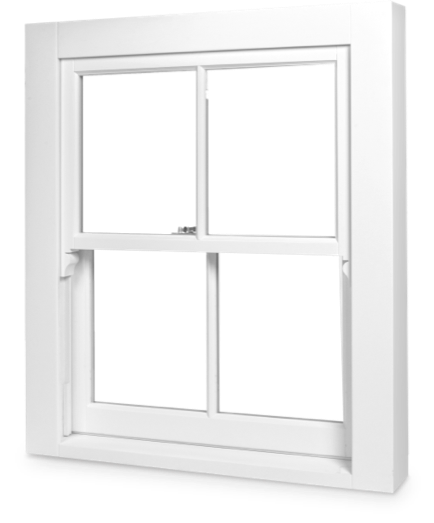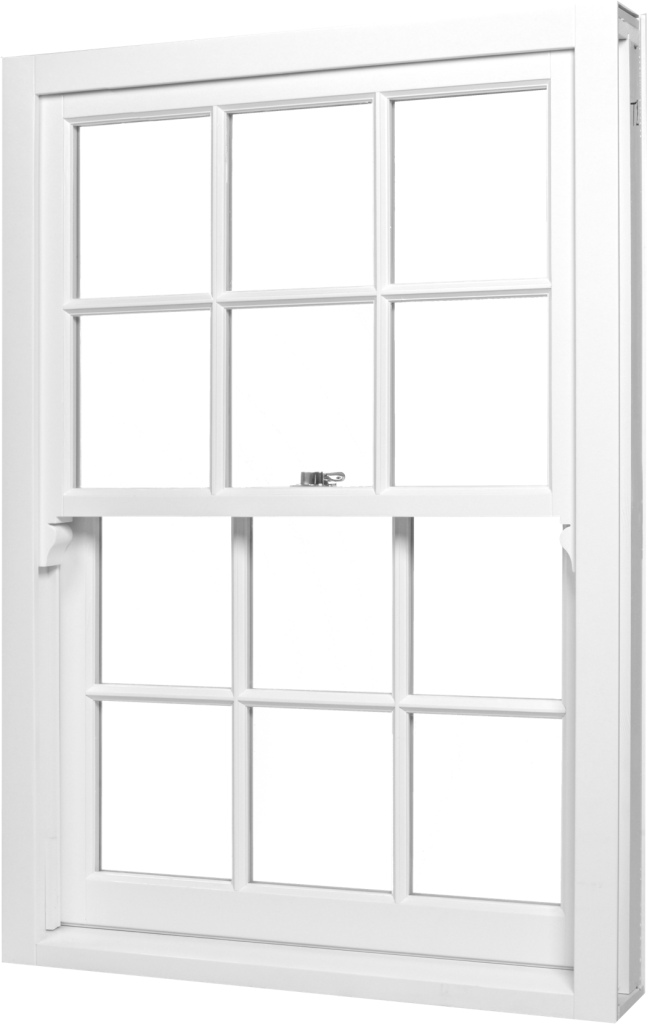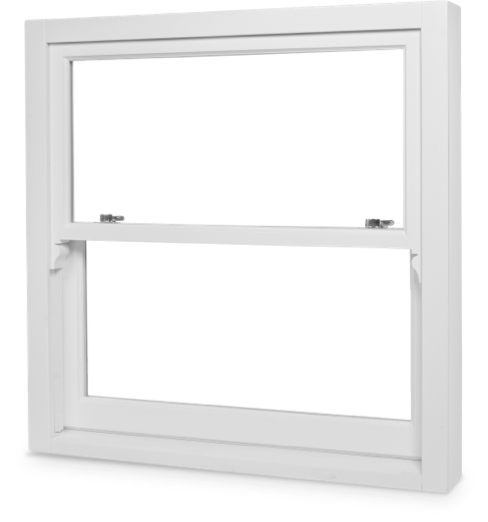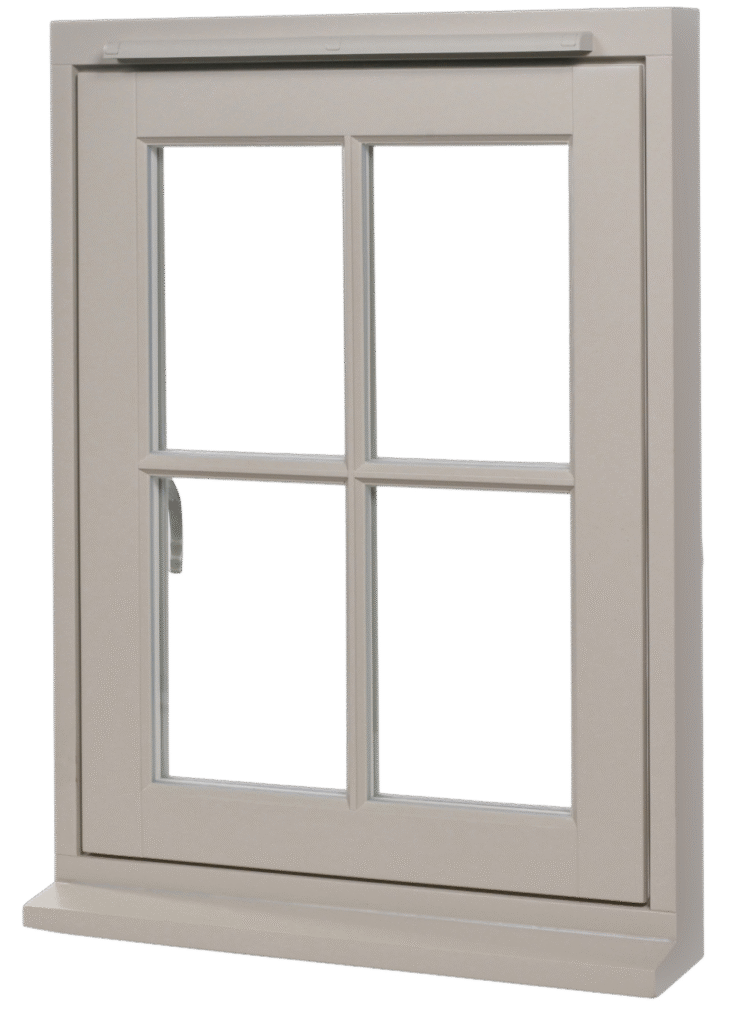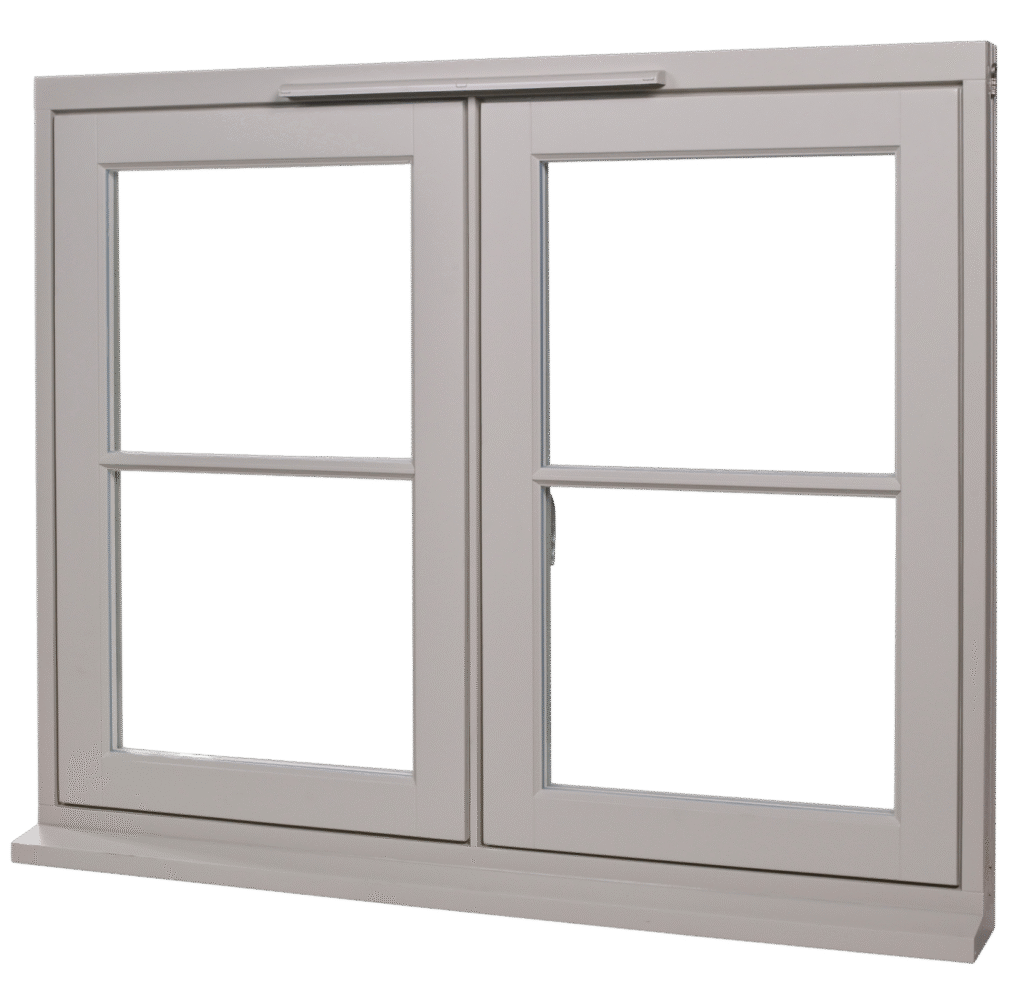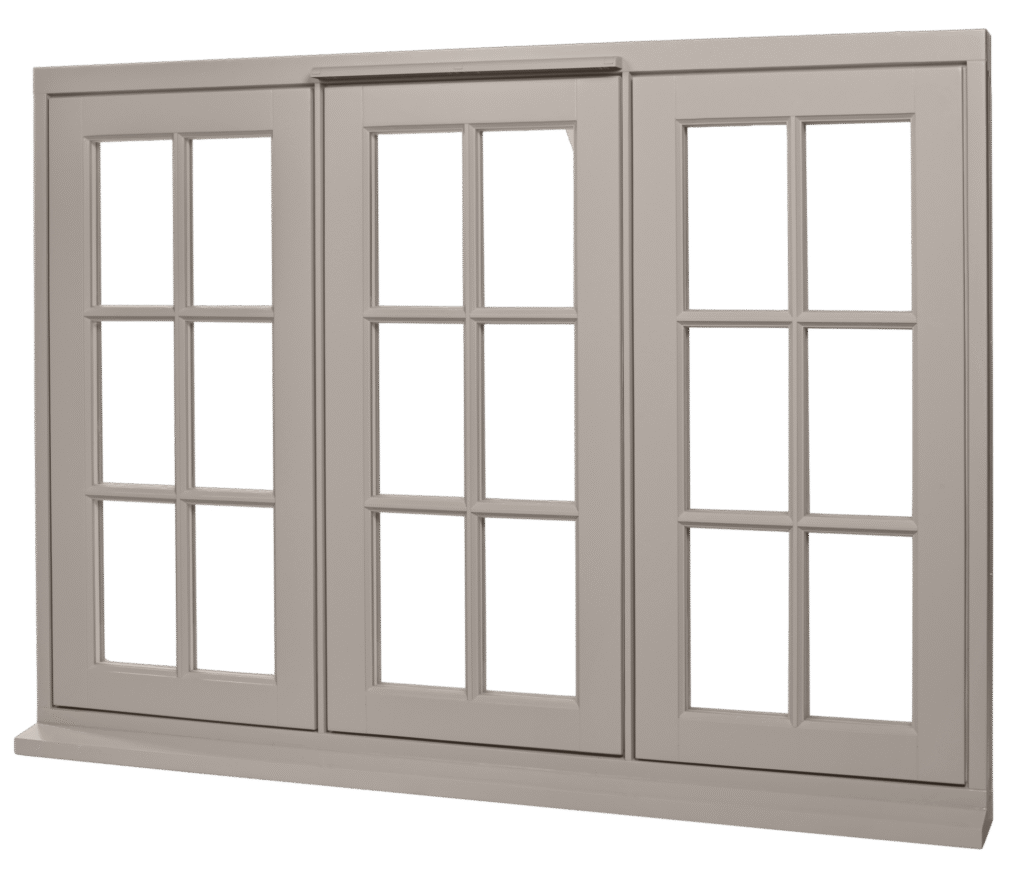
Choosing these windows is the easy part. Choosing who makes them? That’s where things get complicated.
We’ve been in the bespoke timber window business for over a decade, and in that time we’ve heard every horror story going. Windows that arrived warped. Glazing bars that didn’t match the approved drawings. Suppliers who vanished the moment something needed fixing. The industry has brilliant companies. But it also has operators who’ll take your money and leave you with a headache.
If you’re still weighing up whether bespoke timber windows are the right investment, that’s worth reading first. So here’s our honest guide to finding a supplier you can actually trust. Yes, we’re a supplier ourselves, so we’ve got skin in the game. But that also means we know exactly what separates the good from the terrible.
What You’ll Discover in This Article
- The critical questions to ask any supplier before committing
- How to spot the difference between genuine manufacturers and resellers
- What certifications and standards actually matter — and which are marketing fluff
- Red flags that should make you walk away from a quote
- Why the cheapest option almost always costs more in the long run
- How to evaluate after-sales support before you need it
Experience and Track Record: The Foundation
First things first: how long have they been doing this? Timber window manufacturing isn’t something you pick up overnight. The joinery knowledge, the understanding of how different species behave in different conditions, the finishing systems — it takes years to get right.
That doesn’t mean a newer company can’t be excellent. But you want evidence. Ask for a portfolio of completed projects (you can browse our gallery for examples of our work). Request customer references. And actually call them. A confident supplier will hand these over without hesitation. A nervous one will make excuses.
Questions to Ask About Experience
The basics: how long they’ve been manufacturing, whether they can show similar projects to yours, whether they’ll share references you can contact directly. Whether they’ve handled listed buildings or conservation areas. Any hesitation on these should tell you something.
Manufacturing Capabilities: In-House vs Outsourced
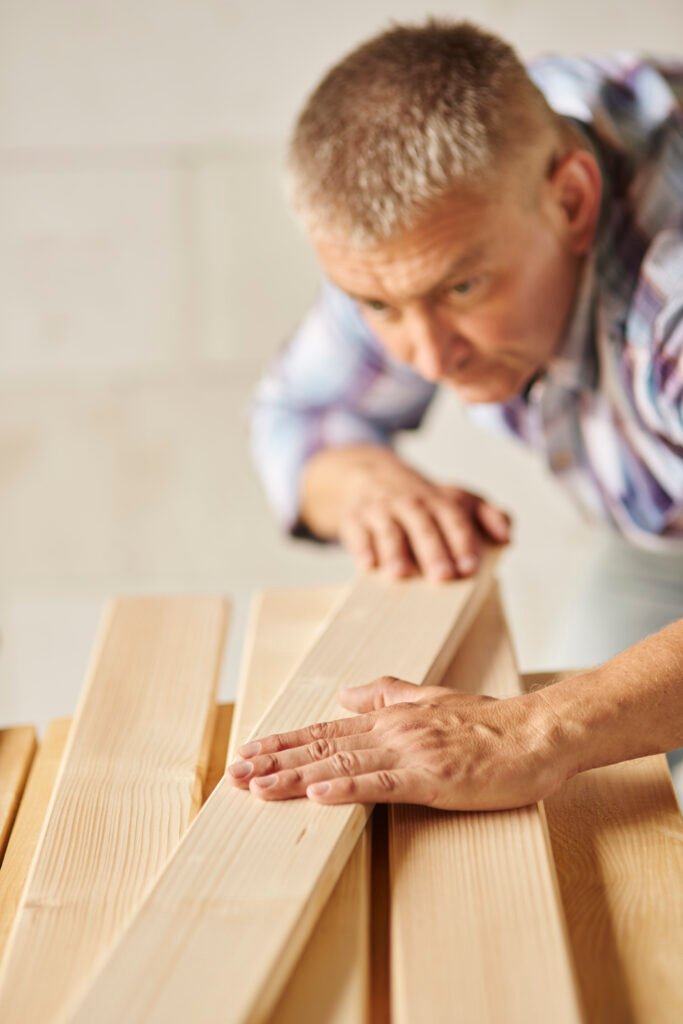
Here’s the catch — and it’s a big one. Not every company selling these windows actually makes them. Some are essentially brokers, taking your order and passing it to a factory (often overseas) with limited quality control. There’s nothing inherently wrong with outsourcing, but you need to know what you’re dealing with.
Why In-House Manufacturing Matters
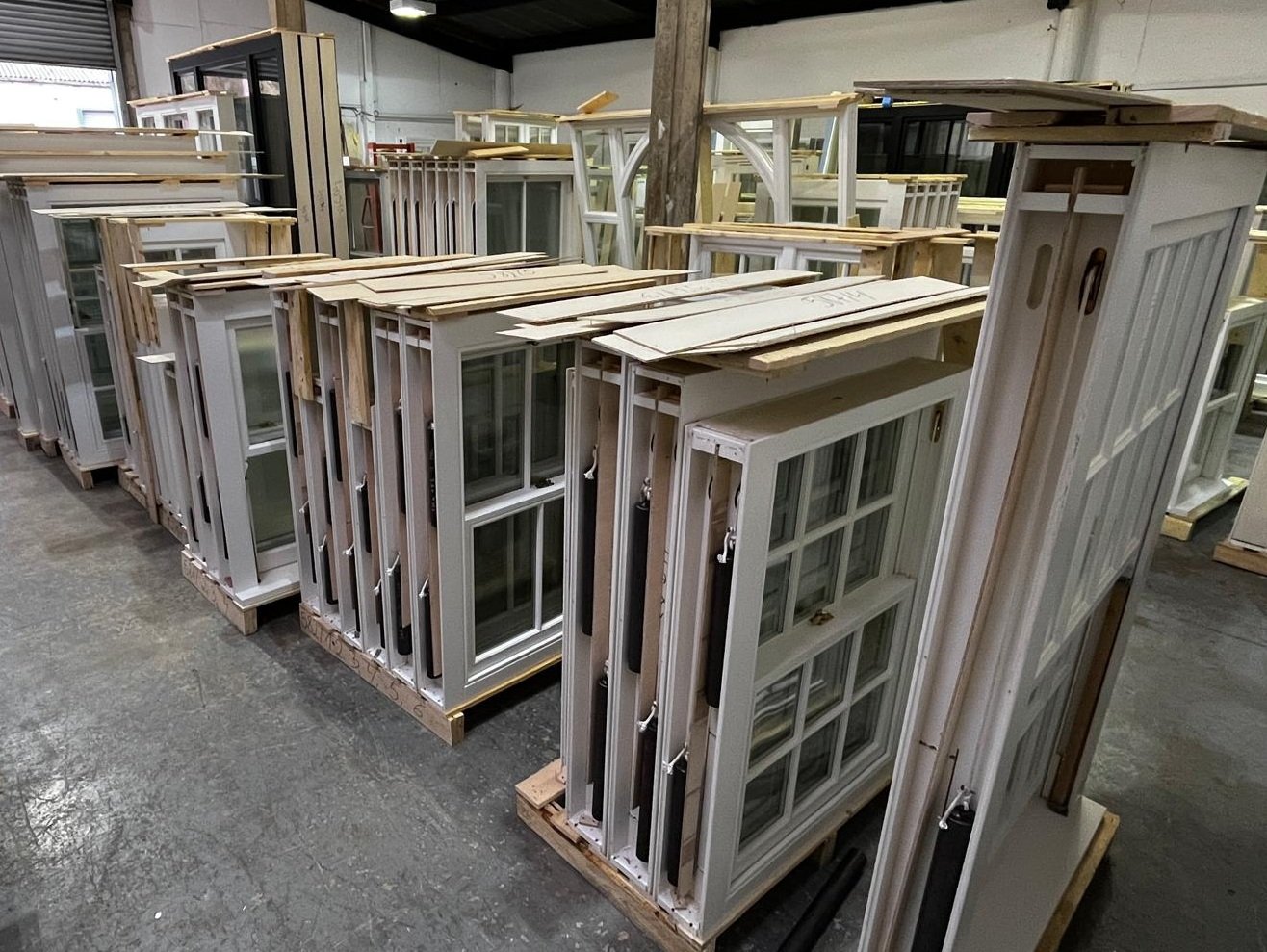
An in-house manufacturer controls the entire process: timber selection, machining, assembly, finishing. Quality inspection. If something needs adjusting — a profile tweak for a conservation officer, a non-standard size for an awkward opening — they can do it without weeks of back-and-forth with a third-party factory.
Ask specifically: do you manufacture in your own facility? What machinery do you use? CNC routers and precision equipment suggest serious investment in accuracy. Manual-only operations aren’t necessarily worse, but they’re slower and less consistent for complex profiles like Georgian glazing bars.
Material Sourcing: Where Does the Timber Come From?
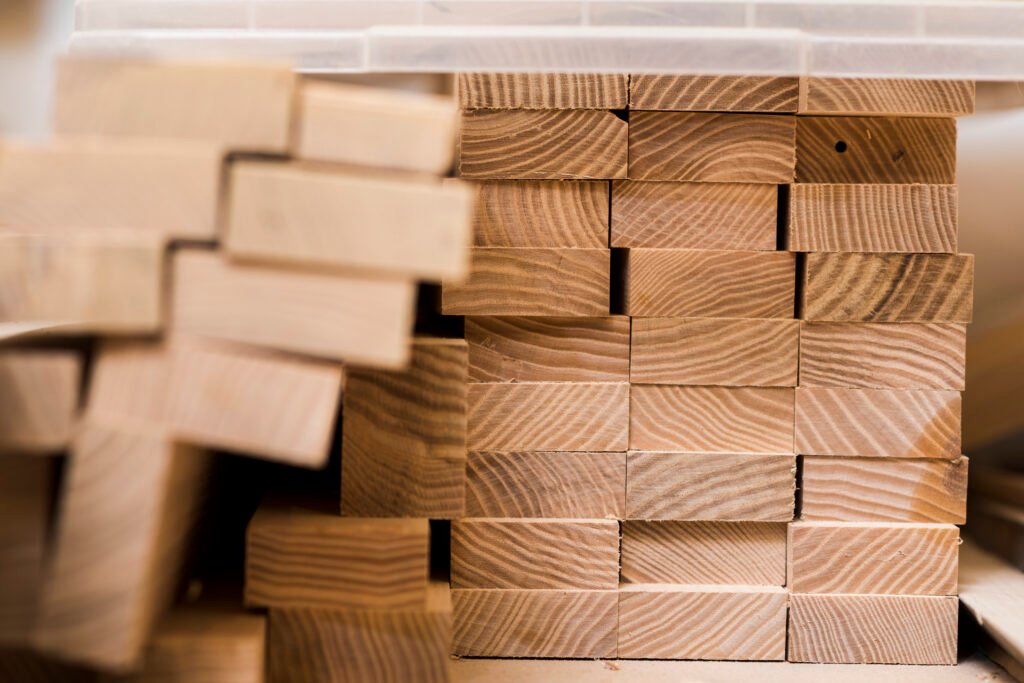
The timber species and sourcing practices tell you a lot about a supplier’s values. Any company worth dealing with should be able to tell you exactly where their timber comes from and provide certification documentation on request.
Certifications That Actually Matter
FSC (Forest Stewardship Council) and PEFC (Programme for the Endorsement of Forest Certification) are the gold standards. These aren’t self-awarded badges — they require independent chain-of-custody auditing from forest to factory. If a supplier claims their timber is “sustainably sourced” but can’t produce FSC or PEFC documentation, that should raise questions.
Beyond timber, ask about their glazing units. Who supplies the sealed units? Are they manufactured to BS EN 1279? Quality glazing from a reputable UK manufacturer makes a measurable difference to long-term performance. Cheap imported units with poor edge seals will mist up within a few years — and that’s not a warranty claim most budget suppliers want to honour.
Technical Expertise: More Than Just Making Windows
A good supplier doesn’t just take measurements and deliver boxes. They should be a genuine technical resource — someone who can advise on Building Regulations Part L compliance, planning requirements for conservation areas, and the right specification for your specific property.
Building Regulations and Planning
Since 2002, replacement windows in England and Wales must comply with Building Regulations. That typically means FENSA registration (fensa.org.uk) or local authority building control sign-off. Your supplier should understand current U-value requirements (1.4 W/m²K for replacement) and be able to specify glazing and frame combinations that meet them.
If you’re in a conservation area or own a listed building, the technical demands go up considerably. Historic England has specific guidance on appropriate window designs, and getting this wrong can mean rejected planning applications and wasted money. An experienced supplier will have handled these situations before — we offer a dedicated service for replacing windows in listed buildings that handles the consent process from start to finish and can steer you through the process.
Service, Support, and Red Flags
What Good Communication Looks Like
Pay attention to how a supplier communicates before you order. Are they responsive? Do they answer technical questions clearly, or fob you off with vague reassurances? The pre-sale experience is usually the best it’ll ever get — if they’re slow and evasive now, imagine dealing with them when something goes wrong.
Warranty Terms Worth Reading
Most quality timber window suppliers offer guarantees of 10-30 years on frames and 5-10 years on sealed glazing units and paint finishes. But read the small print. What invalidates the warranty? Is it transferable if you sell the property? Does it cover the full replacement cost or just materials?
Red Flags That Should Worry You
After years in the industry, these are the warning signs we’d tell any homeowner to watch for:
- Quotes significantly below competitors — quality these windows cost what they cost. If someone’s 40% cheaper, something’s been cut.
- Vague specifications — if the quote doesn’t detail the timber species, glazing unit specification, hardware brand, and finish system, you don’t actually know what you’re buying.
- Pressure to commit quickly — “this price is only valid for 48 hours” is a sales tactic, not a business constraint.
- No physical address or factory — a PO box and a mobile number isn’t a timber window manufacturer.
- Reluctance to provide references — confident suppliers want you to talk to their customers.
Frequently Asked Questions
FAQ
What should I look for in a timber window supplier?
–
+
Start with references — they’re the single most revealing check. Call past customers and ask: did the windows arrive on spec? How was communication when issues arose? Beyond that, verify FSC/PEFC chain-of-custody documentation and check whether they manufacture in-house or outsource overseas.
How can I tell if a window supplier is reputable?
–
+
Visit their workshop if possible — seeing the machinery, materials, and work in progress tells you more than any website. Online, check for GGF or BWF membership, verify company registration, and read reviews beyond their own testimonials. If technical questions get vague answers, that’s your signal to move on.
Should I choose a supplier that also offers installation?
–
+
Not necessarily. Many excellent suppliers focus on manufacture and supply, letting you choose a trusted local installer. What matters is that the supplier provides comprehensive fitting instructions, technical support during installation, and stands behind their product regardless of who fits it. A FENSA-registered installer is recommended for Building Regulations compliance.
How much should quality timber windows cost?
–
+
Prices vary significantly based on timber species, glazing specification, size, and style. As a rough guide, expect bespoke timber casement windows to start from £400-600 per window for engineered pine, £600-900 for meranti, and £800-1,200+ for oak. Sash windows typically cost 30-50% more. For a broader pricing overview, see our timber windows prices guide. Be wary of quotes dramatically below these ranges.
Conclusion
The right supplier isn’t just someone who delivers boxes. They’re a technical partner who helps you get the specification right, supports you through planning and Building Regulations, and stands behind their product for decades. That relationship is worth more than any discount.
At Wooden Windows Online, we manufacture every window to order in our own facility, from FSC-certified engineered pine, meranti, and oak. We’ve been doing this for over a decade, and we’re happy to provide references, technical specifications, and honest advice — even if the answer is that someone else might be a better fit for your project.
Request your free, no-obligation quote and see the difference a proper specification makes.
Our Best-Selling Timber Windows: