Let’s be honest — when you first see the price difference between bespoke timber windows and off-the-shelf alternatives, it’s tempting to go with the cheaper option. We get it. But here’s the thing: that initial saving often costs you more in the long run.
In over a decade of supplying bespoke timber windows across the UK, we’ve seen countless homeowners make both choices. Some go bespoke from the start. Others try the budget route first, then come back when draughts, rattling frames, and sky-high heating bills become impossible to ignore.
What You’ll Discover in This Article
- What ‘bespoke’ actually means — and how it differs from ‘made to measure’
- The visible quality differences in handmade bespoke timber windows
- Why UK properties rarely suit standard window sizes
- Customisation options for period-authentic detailing
- The long-term value calculation that changes the equation
What ‘Bespoke’ Really Means
The word ‘bespoke’ gets thrown around a lot. Every company claims to offer it. But true bespoke manufacturing is something different entirely.
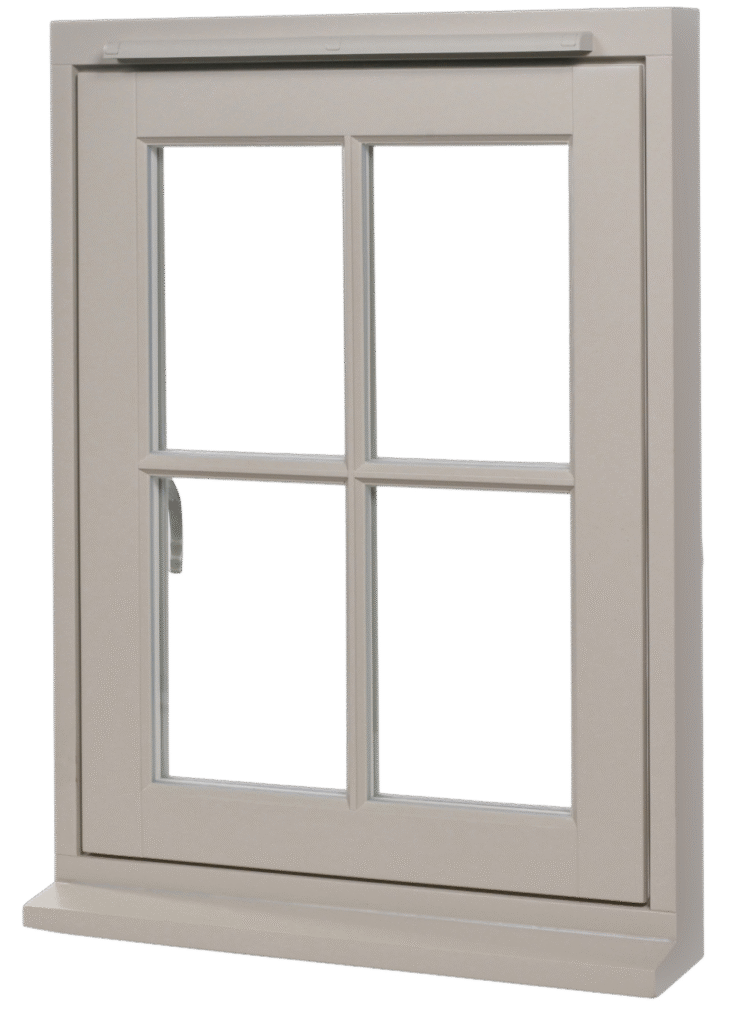
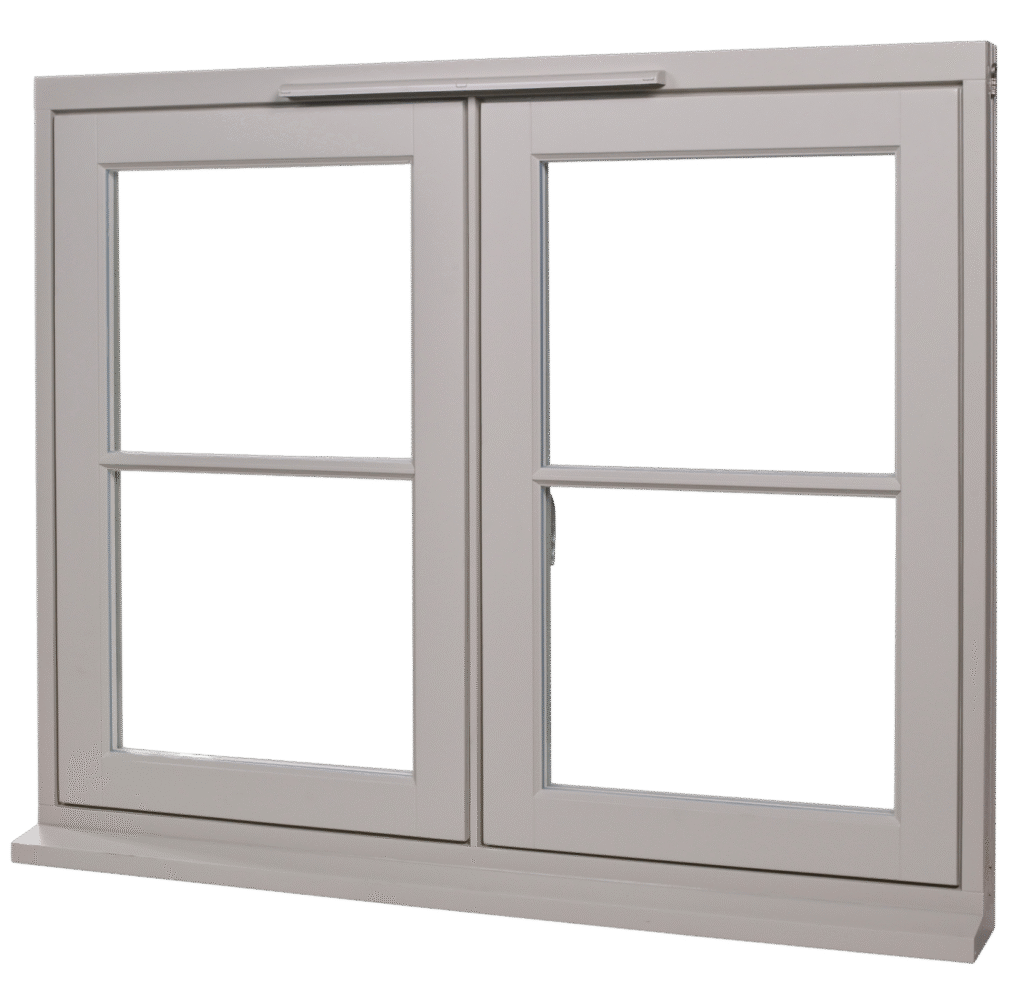
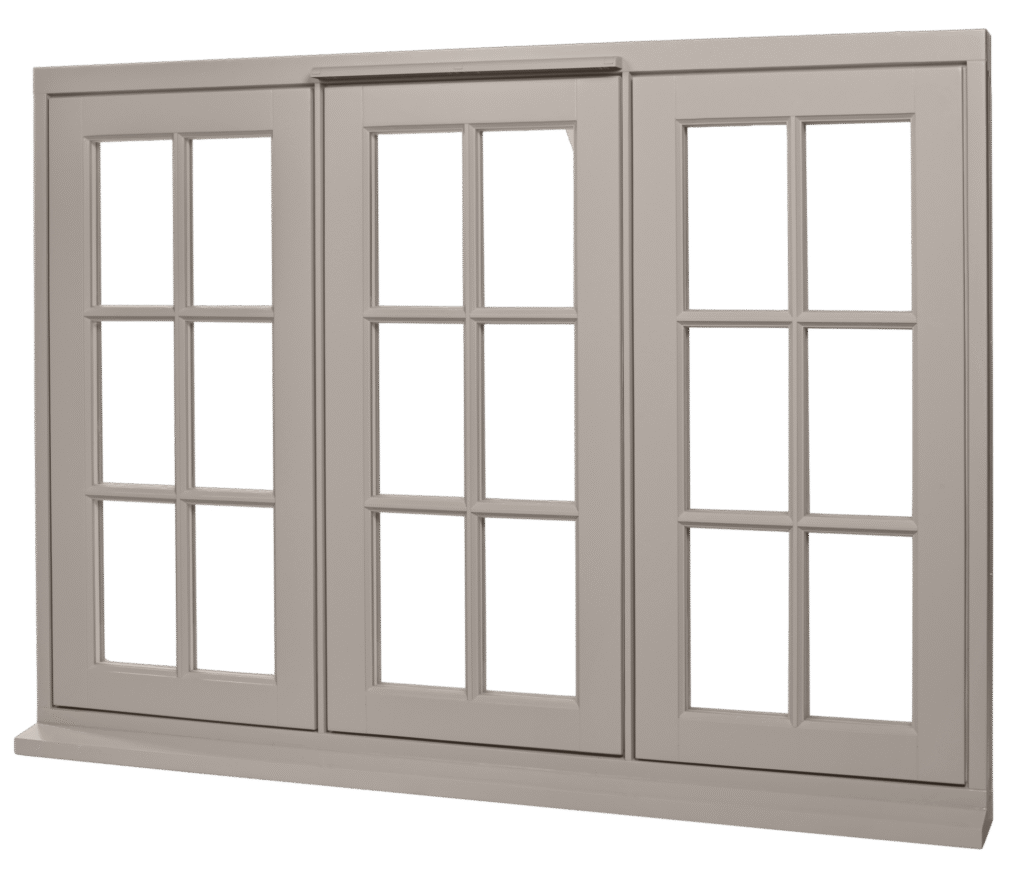
Bespoke timber windows are manufactured to your exact specifications. Not ‘close enough’. Not ’rounded to the nearest standard size’. Exact. Every measurement, every design detail, every finish — all tailored specifically to your property.
Bespoke vs ‘Made to Measure’
Here’s where it gets confusing. Many mass-market suppliers advertise ‘made to measure’ products, but what they actually mean is: they’ll cut their standard designs to fit your opening. The fundamental window — its profile, construction method, glazing bar pattern — remains unchanged.
True bespoke timber window manufacturers start from scratch. Want a specific glazing bar configuration to match your neighbour’s original Victorian sashes? Done. Need a slightly deeper frame to accommodate triple glazing in a conservation area? No problem. The difference isn’t just semantic — it affects fit, performance, and longevity.
The Quality Difference You Can See
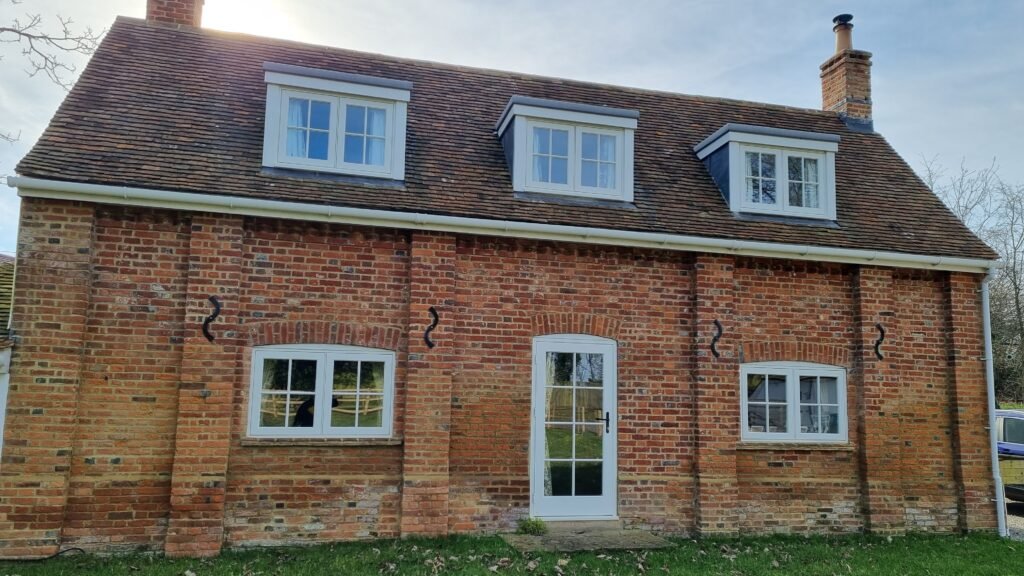
Walk up to a bespoke timber window and compare it to a mass-produced alternative. The differences are immediately apparent — even to someone who knows nothing about joinery.
Precision Joinery
Quality bespoke timber windows feature tight, precise joints. No gaps, no filler, no visible imperfections. The sashes glide smoothly. Hardware operates with satisfying precision. Everything works the way it should. This precision means better weatherstripping contact, improved thermal performance, and far fewer problems down the line.
Superior Materials
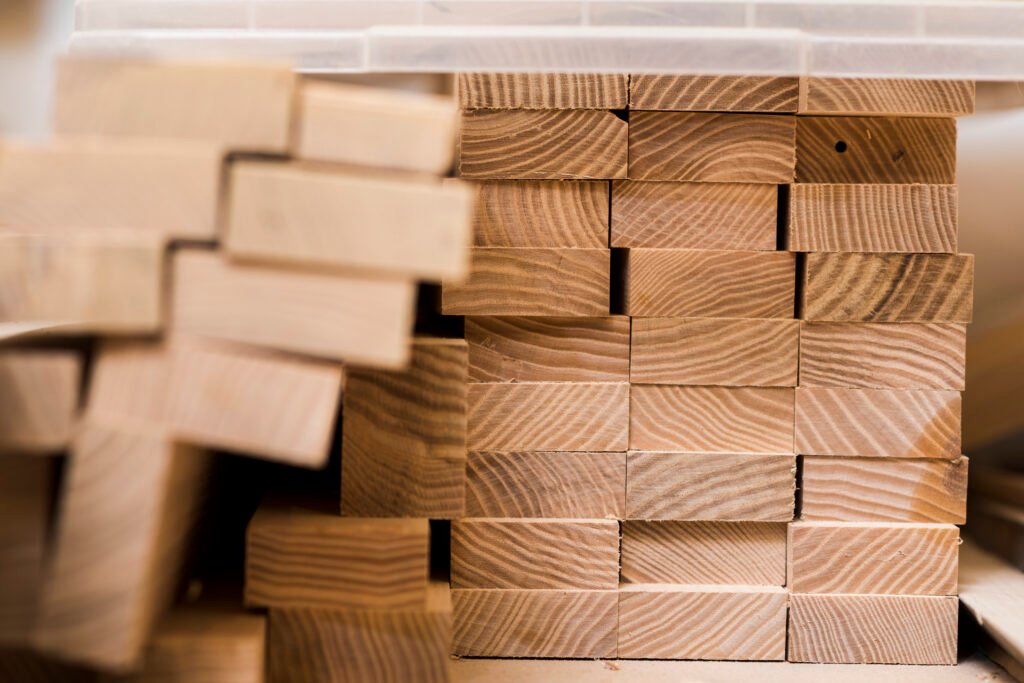
Bespoke manufacturers typically use premium timber species — engineered pine, meranti, or European oak — selected for stability, durability, and grain quality. The glazing units meet or exceed current Building Regulations. Hardware comes from reputable suppliers, not the cheapest available source.
What many homeowners don’t realise is that material quality affects everything else. Better timber machines more precisely. Better seals last longer. You’re paying for a window that performs better as a complete system.
Perfect Fit for Imperfect Openings
UK properties almost never have standard openings. Historical building practices varied enormously across regions and eras. A Victorian terrace in London has different dimensions than an Edwardian semi in Birmingham. Add decades of settlement, structural movement, and previous renovation work — you’ve got openings that are rarely square, rarely level, and rarely close to any ‘standard’ size.
Try fitting standard windows into these openings and you’ll end up with gaps. Gaps mean packing. Packing means compromised weatherstripping. And that means draughts, heat loss, and all the problems that come with them.
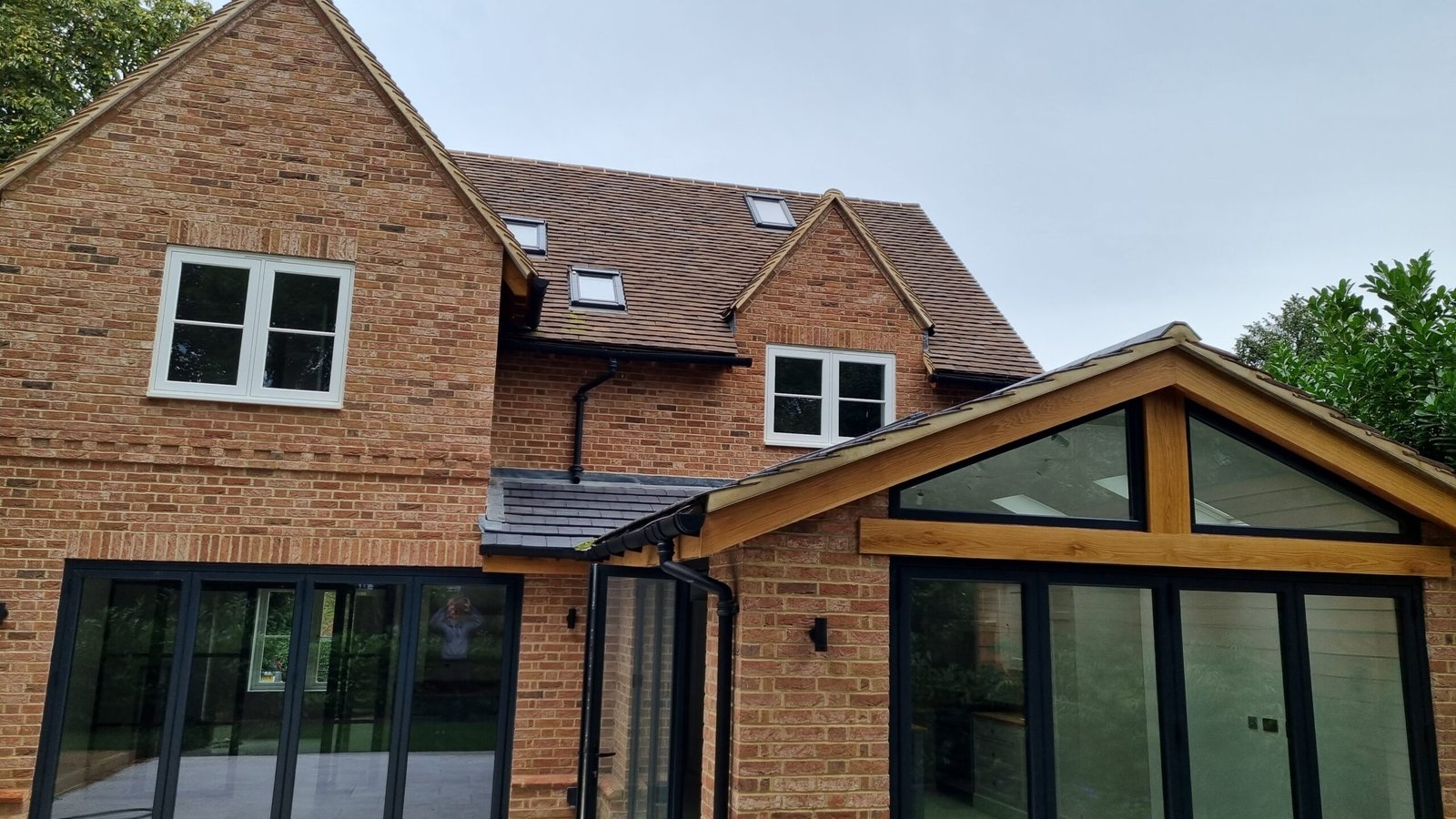
A window’s quoted U-value assumes perfect installation. Bespoke timber windows eliminate the gap problem entirely — manufactured to your exact opening dimensions, they maximise the benefit of quality double or triple glazing. Genuine energy efficiency, not just theoretical numbers.
Customisation Possibilities
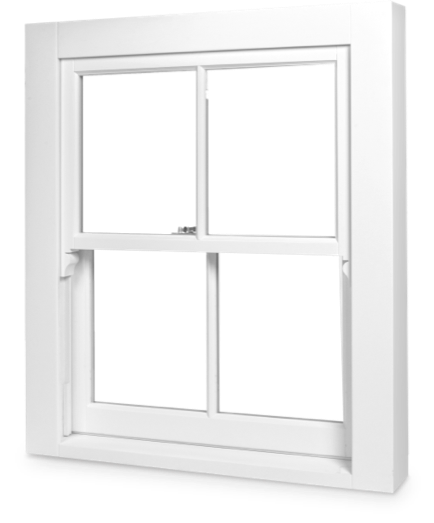
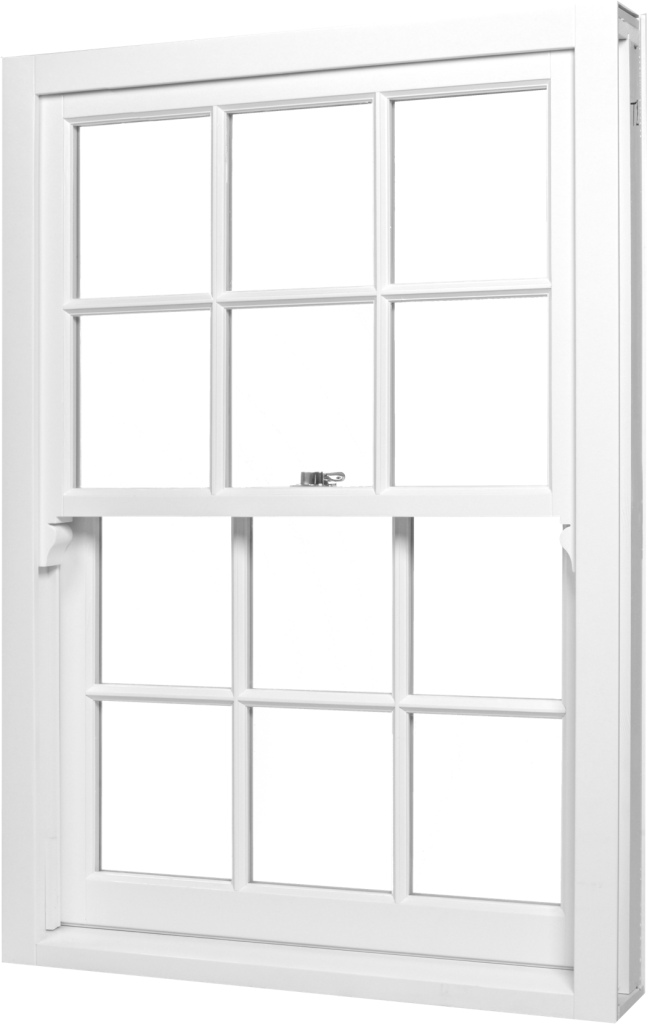
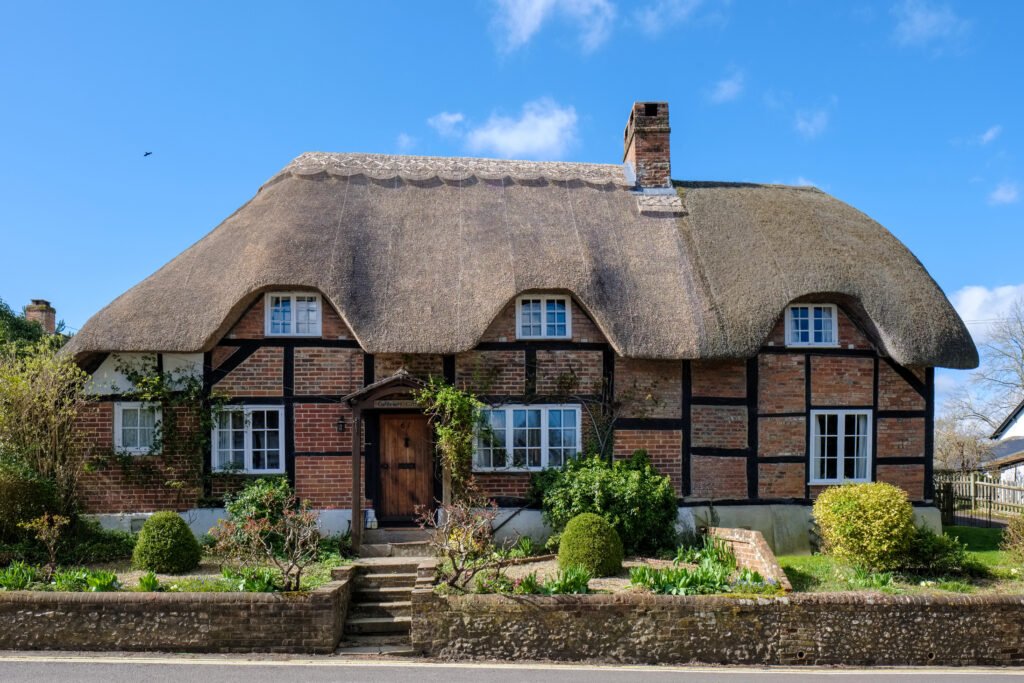
For period properties — particularly those in conservation areas or with listed building status — authentic detailing matters. Good bespoke timber window manufacturers can replicate Georgian six-over-six patterns, Victorian horns, Edwardian margins, or Arts and Crafts detailing. The result looks right because it is right.
Some openings simply can’t be served by standard products. Arched tops, circular windows, angled bay configurations — these require custom solutions. Colour matching offers another dimension: dual-colour finishing lets you match the exterior to your front door while keeping white interiors.
The Longevity Advantage
Perhaps the strongest argument for investing in bespoke timber windows? They last. Quality timber windows routinely serve 60 years or more with appropriate maintenance. Compare that to uPVC’s typical 20-25 year lifespan, and the value equation shifts dramatically.
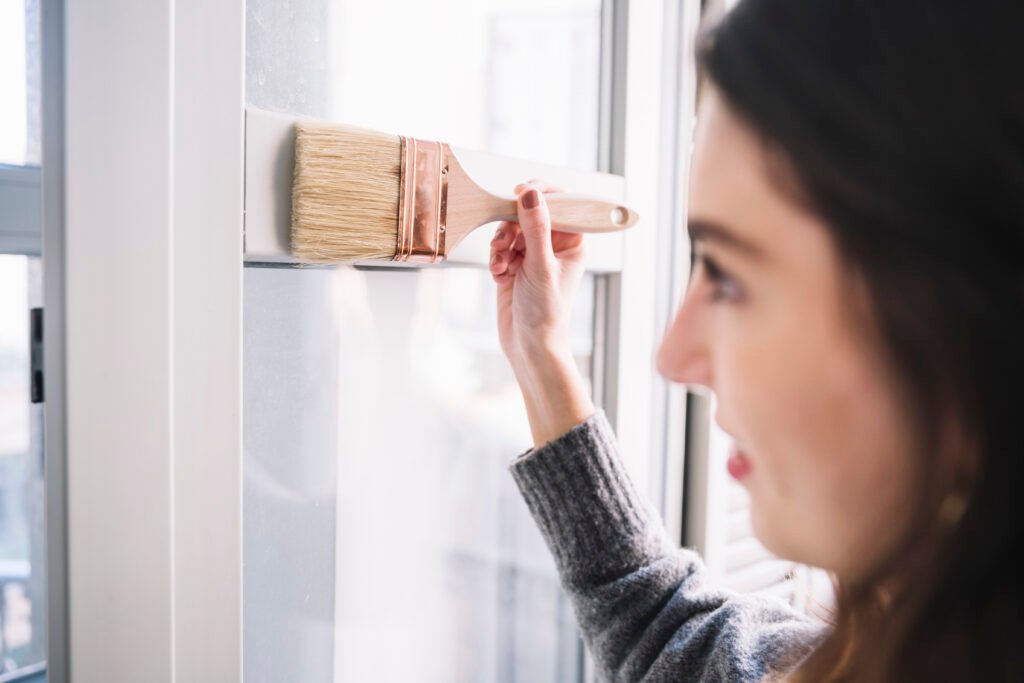
Yes, timber requires periodic repainting — typically every 5-8 years. But this maintenance actually extends the window’s life indefinitely. And unlike uPVC, bespoke timber windows can be repaired. If a section deteriorates, it can be spliced out and replaced. Hardware can be upgraded. Glazing improved. The fundamental window continues serving your home.
Frequently Asked Questions
FAQ
What’s the typical lead time for bespoke timber windows?
–
+
Most bespoke timber windows take 8-12 weeks from order confirmation to delivery. Complex projects with arched heads, unusual configurations, or specific heritage requirements may take longer. We recommend starting the process 3-4 months before your planned installation date.
Can I get bespoke timber windows for a listed building?
–
+
Absolutely — in fact, bespoke timber windows are often the only acceptable option for listed buildings. We work closely with conservation officers and can match original profiles, glazing bar patterns, and ironmongery styles. We’ll provide detailed drawings for planning applications.
Do you provide installation or just supply?
–
+
We’re a supply-only business — we manufacture and deliver your bespoke timber windows, but installation is arranged separately. This keeps our prices competitive and lets you choose your own installer. We can recommend experienced fitters in your area if needed.
What timber species do you recommend for bespoke timber windows?
–
+
It depends on your priorities. Engineered pine offers excellent value and stability. Meranti requires less maintenance and suits exposed locations. European oak commands premium prices but delivers unmatched durability and prestige. We’ll discuss options based on your specific situation.
The Bottom Line
Bespoke timber windows aren’t the cheapest option. But when you factor in the perfect fit, superior materials, genuine customisation, and decades of reliable performance, the value becomes clear. You’re not just buying windows — you’re investing in your home’s comfort, appearance, and long-term value.
Ready to explore what bespoke timber windows could do for your property? Request a free quote and let’s discuss your requirements.
Our Best-Selling Timber Windows: