There’s a particular sound that autumn makes in an old house. The wind picks up, rattling against windows that haven’t been checked since spring. Leaves pile up in corners. And somewhere, water finds its way into places it shouldn’t.
I learned this lesson the expensive way. A client once called me in February—panic in her voice—because water was tracking down the inside of her beautiful oak casement windows. The culprit? A blocked weep hole. Ten minutes of autumn maintenance would have prevented £800 of remedial work.
Here’s what most homeowners don’t realise: your timber windows aren’t just functional components of your home. They’re long-term investments that require—and reward—systematic care. Quality weather-resistant timber windows can last 60+ years with proper maintenance. Neglect them, and you’re looking at premature replacement and all the disruption that entails.
Autumn is your window’s critical season. It’s the last chance to prepare for British winter weather—the driving rain, the freezing temperatures, the moisture that finds every weakness. This guide shows you exactly what to check, why it matters, and how to do it properly. We’re talking about 2-3 hours of work that protects thousands of pounds of investment.
What You’ll Discover in This Article
- How proper autumn maintenance protects your timber windows and extends their lifespan by decades
- Why clearing drainage channels and weep holes prevents costly structural damage
- Simple inspections that identify thermal envelope weaknesses before winter arrives
- The critical role of microporous finishes in defending against British weather
- Quick maintenance tasks that ensure smooth operation and security all winter long
Autumn Timber Window Care: Preserving Structural Integrity
Start at the beginning: the wood itself. Modern engineered timber is remarkably durable—far more stable than the solid timber used in Victorian times. But “durable” doesn’t mean “indestructible.”
Wood’s greatest enemy isn’t time. It’s water. Specifically, water that sits still rather than running off. And autumn is when this problem starts.
First Task: Thorough Cleaning
Not just wiping the glass. Get into the frame. Use a stiff brush to clear out the channels at the bottom of your windows where the sash meets the frame. You’re looking for compacted leaves, dirt, dead insects—anything that blocks water from draining away properly.
I watched a conservation officer inspect a Georgian property last November. He didn’t even look at the glass. Went straight to the sill with a thin metal probe, checking for soft spots. “Show me your drainage,” he said to the owner, “and I’ll tell you how long your windows will last.” He found three that were partially blocked. All three showed early signs of rot.
The Weep Holes
These small drainage openings—usually at the bottom of the outer frame—are your window’s first line of defense against water damage. They let trapped moisture escape rather than sitting against the wood. Check every single one. Use a piece of wire or a thin screwdriver to clear them. If water can’t get out, it stays in. If it stays in, your timber suffers.
Here’s a simple test: pour a small amount of water into your window’s drainage channel. It should drain within seconds through the weep holes. If it pools or drains slowly, you’ve got a blockage. Clear it now, before winter rain overwhelms the system
Inspect the Joints
Run your finger along every joint where pieces of timber meet—particularly at corners. You’re feeling for movement or gaps. A properly constructed window using mortise and tenon joinery shouldn’t show any play. If you feel movement, note it. That’s a job for a professional joiner before winter stress makes it worse.
Check the sill especially carefully. It takes the most weather. Look for any signs of water staining on the interior side. That tells you water is getting past your seals and into the timber. Address this immediately—catching problems early prevents them becoming expensive disasters.
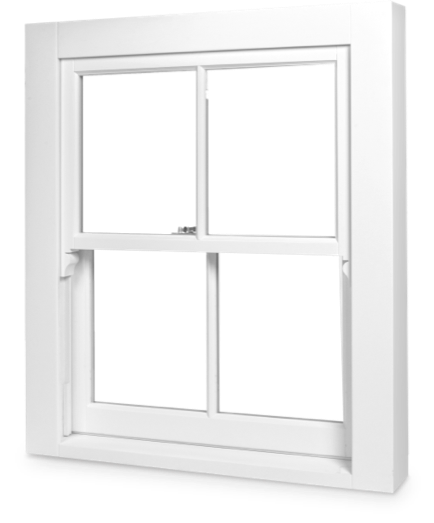
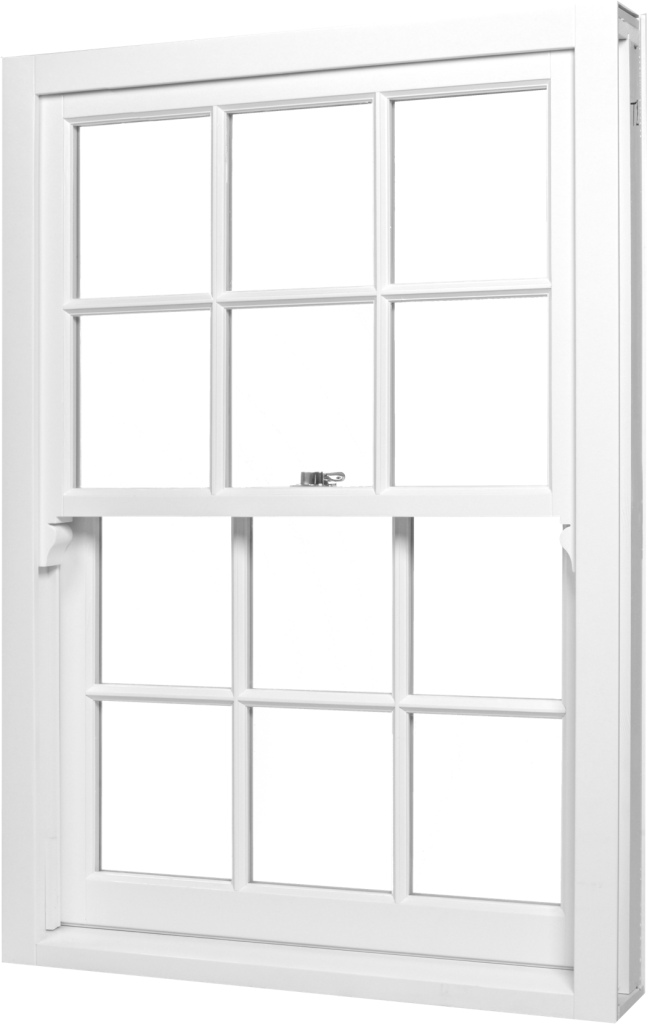
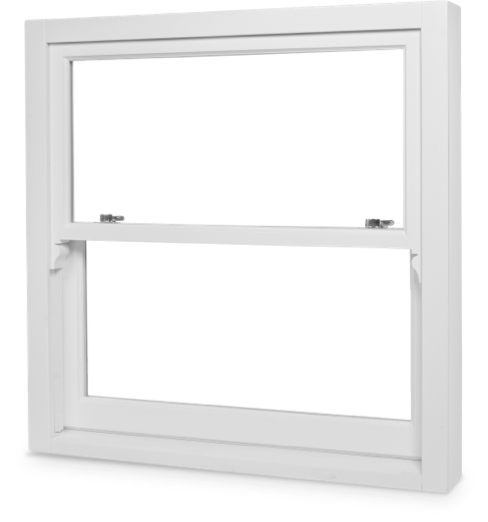
One final check: the meeting rails on sash windows. Where the top and bottom sashes meet, debris can accumulate. Clear it. A clean meeting rail means a better seal, which means less heat loss when temperatures drop.
This structural inspection takes maybe 20 minutes per window. But it’s the foundation of everything else. Get this wrong, and no amount of painting or sealing will save you.
Window Sealing and Weatherstripping: Essential Autumn Maintenance
Let’s talk about something that directly affects your heating bills: thermal envelope.
Your window’s thermal envelope is its ability to seal your home against the outside. Every gap, every crack, every worn seal is a route for warm air to escape and cold air to enter. In an era where heating costs can hit £2,000+ per winter, this matters.
A colleague who does thermal imaging surveys showed me something revealing. He photographed a Victorian terrace in Richmond before and after the owners addressed their window seals. The difference? £400 per year on heating costs. Not from replacing the windows—just from maintaining them properly.
Weatherstripping Inspection
Check every piece of weatherstripping around opening windows. Run your hand along it. Does it feel compressed, brittle, or torn? Can you see daylight through closed windows? These are signs of worn seals.
Here’s a proper test: on a breezy autumn day, hold a lit candle near the closed window frame. (Carefully. Obviously.) The flame should stay steady. If it flickers, you’ve got air infiltration. That’s exactly what you’re trying to prevent.
Modern weatherstripping isn’t expensive—£20-40 per window depending on size. But the installation matters. The strip needs to compress just enough when the window closes to create a seal, but not so much that it prevents proper closure. If you’re not confident doing this yourself, hire someone who is. The return on investment is immediate.
Glazing Seals
Now inspect where the glass meets the frame. Look for these warning signs:
- Gaps between putty or sealant and glass
- Cracked or crumbling putty
- Condensation between panes (if you have double glazing)
- Mould growth around the seal
Traditional putty should be painted and intact. If it’s bare, cracked, or falling out, water is getting behind it. This isn’t just about heat loss—it’s about protecting the timber from moisture damage. Modern double glazed wooden windows use different sealants, but the principle is the same: the seal must be continuous and intact.
One trick I learned from a master glazier: gently press the putty with your thumb. It should be firm but not rock hard. If it’s soft, it’s failed. If it’s so hard it’s cracking, it’s also failed. Either way, autumn is your chance to repoint before winter weather makes the job miserable.
The Sash Weight Pockets
If you have traditional sash windows with weight systems, check the access panels (parting beads). These should fit snugly. Loose panels mean cold air channeling up from the weight pockets—which connect to the outside—straight into your room. A few minutes with a screwdriver to tighten them can make a noticeable difference.
Think of your window’s thermal envelope as a chain. It’s only as strong as its weakest link. One poor seal can undermine everything else. That’s why this systematic check matters—you’re identifying and addressing every potential weakness before winter tests them.
Wooden Window Finish Maintenance: Protecting Against Winter Weather
The finish on your timber windows isn’t decorative. It’s functional. It’s the first and most critical defense against weather, UV damage, and moisture. Neglect it, and everything else fails.
Modern timber windows come with factory-applied microporous finishes. These are sophisticated systems—typically 3-4 layers—designed to be flexible, water-repellent, and breathable. The breathability is key. It allows the wood to release moisture naturally whilst preventing water from penetrating inward.
But even the best finishes need attention. Autumn is inspection time.
What You’re Looking For
Peeling or flaking. Run your hand over the paintwork. If you feel raised areas or edges you can catch with your fingernail, that’s the finish separating from the timber. This typically happens where water has worked underneath—often at bottom rails or around hardware.
Colour fading. Compare areas that get direct sun with protected areas. Significant fading means the UV protection is wearing down. The pigment in quality paint is what blocks UV rays from degrading the wood. When the pigment goes, protection goes with it.
Bubbling. Small bubbles under the surface indicate moisture trapped beneath the finish. This is serious. It means water has penetrated and is now attacking the timber directly. Mark these areas for immediate attention.
Bare wood. Any exposed timber—particularly on the exterior—is vulnerable. Timber can absorb its own weight in water if unprotected. That water brings problems: rot, warping, mould. If you find bare patches, they need treatment before winter.
I once surveyed windows on a listed building in Bath. The owner had “just touched up a few spots” the previous spring. When I checked properly, I found that those “few spots” had expanded to dozens of areas where moisture had wicked under the old coating. We ended up needing a full repaint. If they’d caught it the autumn before, a few hours of prep work would have saved weeks of remedial work.
The Touch-Up Protocol
For minor issues—small chips, surface cracks—autumn is perfect for quick repairs. The temperature is still warm enough for paint to cure properly (most exterior coatings need 10°C minimum), but you’re beating the worst weather.
Sand the damaged area back to sound paint or bare wood. Clean it thoroughly—a tack cloth or white spirit works well. Prime any bare timber. Use a quality microporous exterior paint or stain that matches your existing finish. Apply thin coats rather than one thick one.
For more extensive damage—large areas of peeling, multiple problem zones—this is beyond touch-up territory. You need professional repainting. But identifying this in autumn gives you time to schedule the work for spring, and to do temporary protection now to get through winter.
The Protection Cycle
Quality timber windows with proper finishes need full repainting roughly every 8-12 years on exposed elevations, longer on protected sides. But they need inspection every year. Think of it like servicing a car: regular small maintenance prevents major overhauls.
The finish is what keeps your windows looking good and performing well. Compromise it, and you’ve compromised everything. That’s why this check is non-negotiable.
Timber Window Hardware Care: Lubricating and Adjusting for Winter
Let’s talk about the parts that move. Hinges. Locks. Sash mechanisms. Stay pins. All the hardware that makes your windows function.
These components do two critical jobs: they allow operation, and they provide security. Autumn maintenance ensures both continue working through winter.
Lubrication is Essential
Cold weather makes metal contract and lubricants thicken. What worked smoothly in summer can become stiff and difficult by January. Worse, dry metal parts attract moisture, leading to corrosion.
Hinges. Every hinge point needs attention. Use a light machine oil or a specialist hinge lubricant. Don’t use WD-40—it’s a solvent, not a lubricant, and it attracts dirt. Apply a small amount to the hinge pin, work the window through its full movement several times, then wipe away excess. You want a thin film, not dripping oil.
Locks and catches. These need two types of lubrication. The visible parts—shootbolts, espag handles, fasteners—get a wipe with an oily cloth. The internal mechanisms need a dry lubricant or very light oil. For multi-point locking systems on casement windows, work lubricant into every locking point. Test the action—it should engage smoothly with minimal force.
Tightening and Adjusting
Go round every window with a screwdriver. Check every visible screw:
- Hinge screws—especially on heavy windows
- Handle securing screws
- Stay arm fixings
- Sash fastener screws
- Glazing bead fixings
Tighten anything that’s loose. But don’t over-tighten—you’ll strip the threads or crack the timber. Snug is enough.
I worked on a project in Wimbledon where the homeowner complained their Georgian-style windows didn’t close properly anymore. The issue? Every handle had worked slightly loose over five years. The cumulative effect meant a 3mm misalignment at the lock. Took ten minutes to fix. Five years of drafts and security concerns, solved with a screwdriver.
Test the Operation
After lubrication and tightening, test every window:
- Opening should require minimal effort
- Closing should be smooth and positive
- Locks should engage firmly without forcing
- Sash windows should balance correctly at any position
- Casements should seal evenly around the entire frame
If anything feels wrong—sticking, binding, uneven closure—investigate now. These issues only worsen with winter’s thermal cycling (daily expansion and contraction as temperatures swing).

Complete Autumn Window Maintenance: Protecting Your Timber Investment
Let’s be clear about what we’ve covered. This isn’t about unnecessary fussing over your windows. It’s strategic protection of a significant home investment.
Quality timber windows represent thousands of pounds of expenditure. Maintained properly, they last 60+ years—potentially longer. That’s exceptional value. But only if you protect that investment with systematic care.
Think about the economics. The maintenance tasks we’ve covered—clearing drainage, checking seals, inspecting finishes, lubricating hardware—take perhaps 2-3 hours for an entire home. Maybe £50 in materials if you need touch-up paint or new weatherstripping. That’s your annual outlay.
The alternative? Premature failure. Water damage to frames requiring replacement rather than repair. Failed thermal performance driving up heating costs. Hardware seizure necessitating wholesale replacement. These aren’t small problems with small price tags.
I’ve seen homeowners spend £15,000 replacing timber windows that should have lasted another 30 years. The failure wasn’t the windows—it was the maintenance, or lack thereof. Every single case could have been prevented with the systematic checks we’ve outlined.
But there’s another dimension to this. Beyond the financial calculation, there’s the satisfaction of maintaining something properly. Of knowing your home is weather-tight as winter approaches. Of windows that operate smoothly, seal effectively, and look good because you’ve taken care of them.
This is the difference between passive homeownership and active stewardship. Your timber windows are quality products. They deserve quality care. Autumn maintenance isn’t a chore—it’s an investment in comfort, efficiency, and longevity.
The work we’ve covered is straightforward. No special skills required, just systematic attention to detail. Make it an annual ritual. Late September or October, when the weather’s still decent, spend an afternoon on your windows. Check drainage, inspect seals, assess finishes, lubricate hardware.
Do this every year, and your windows will reward you with decades of reliable performance. They’ll look good. They’ll work smoothly. They’ll keep the weather out and the warmth in. And when you eventually sell your home, they’ll be a selling point rather than a liability.
That’s smart homeownership. That’s protecting your investment.
Frequently Asked Questions
FAQ
When is the best time to perform autumn window maintenance?
–
+
Late September through October is ideal for UK homes. The weather is still mild enough (above 10°C) for paint repairs to cure properly, but you’re completing work before winter weather arrives. Aim to finish all maintenance by early November at the latest.
How often should I clean my timber window weep holes?
–
+
Check and clean weep holes twice yearly – once in autumn (essential) and once in spring. If your property is surrounded by trees or you’re in an area with heavy leaf fall, check monthly during autumn. A blocked weep hole can cause £800+ in water damage over a single winter.
Can I paint timber windows in autumn, or is it too cold?
–
+
You can paint in autumn provided temperatures stay above 10°C and conditions are dry. Most quality exterior paints require minimum 10°C for proper curing. Check the forecast for 48-72 hours of dry weather. If temperatures are dropping below 10°C, focus on preparation work and wait until spring for painting.
What type of lubricant should I use on timber window hardware?
–
+
Use light machine oil or specialist hinge lubricant for hinges and moving parts. Avoid WD-40 as it’s a solvent that attracts dirt. For locks, use dry lubricant or very light oil on internal mechanisms. Apply sparingly – a thin film is sufficient. Cost: £5-10 for supplies that last multiple years.
How much does weatherstripping replacement cost for timber windows?
–
+
Weatherstripping costs £20-40 per window depending on size and type. For a typical UK home with 8-10 windows, budget £200-400 for materials. Professional installation adds £30-50 per window. However, proper weatherstripping can save £400+ annually on heating costs, providing payback within 6-12 months.
Do modern double glazed timber windows still need autumn maintenance?
–
+
Yes, absolutely. While modern timber windows are more durable than older designs, they still require annual maintenance. Check drainage channels, inspect seals, assess finishes, and lubricate hardware. Modern windows with proper autumn care last 60+ years. Neglected modern windows can fail within 15-20 years. The maintenance schedule is the same regardless of age.
Professional Window Care Services
At Wooden Windows Online, we’ve been supplying quality timber windows across the UK for over a decade. But our expertise doesn’t end at manufacture and delivery. We understand that maintaining your investment is just as important as choosing the right windows initially.
While autumn maintenance is well within most homeowners’ capabilities, we’re always available for advice on specific issues or concerns. Whether you’re dealing with a maintenance challenge, considering refurbishment, or simply want professional verification that your windows are winter-ready, we’re here to help.
Our experience with supplying means we’ve seen every possible maintenance scenario. We can guide you on appropriate products, techniques, and timing for everything from minor touch-ups to major refurbishment projects.
Need maintenance guidance or supplies? Contact our team for expert advice on keeping your timber windows in optimal condition year-round.
Remember: the best time to address window maintenance is before winter arrives. Don’t wait for problems to develop—take action now while conditions are still favourable for outdoor work.
Protect Your Investment with Quality Timber Windows: