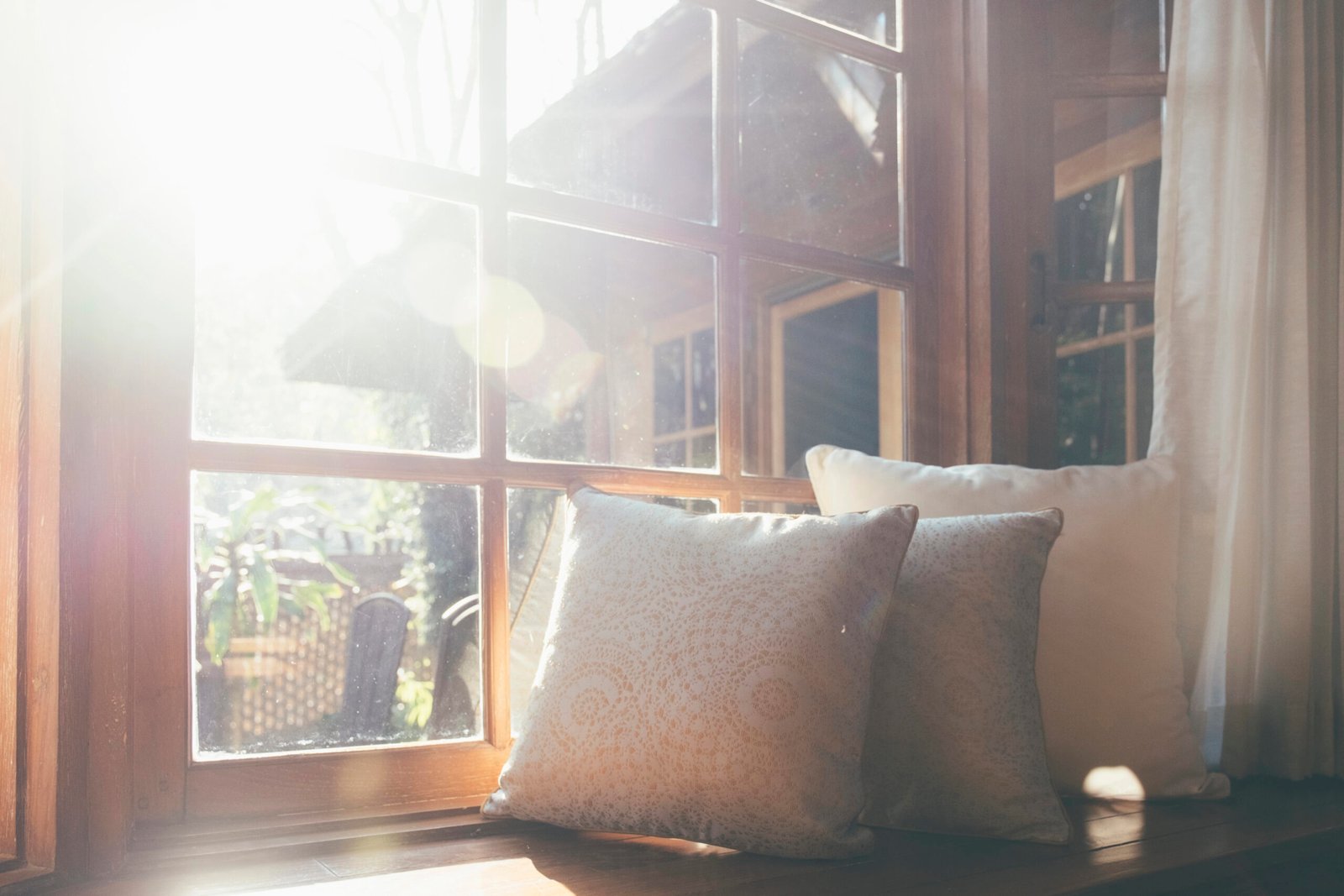
As the clocks go back and Britain’s daylight hours dwindle, many homeowners find themselves battling dark, gloomy interiors that feel more cave-like with each passing week. But it doesn’t have to be this way. With the right approach to window design, glass specification, and a few clever interior tricks, you can capture and multiply every available ray of autumn and winter daylight – transforming even the darkest north-facing room into a bright, welcoming space that lifts your mood and reduces your electricity bills.
What You’ll Discover in This Article
In this comprehensive guide, you’ll learn:
- How modern timber window design acts as a “light funnel” to capture and channel precious autumn daylight into your home
- Why the glass-to-frame ratio matters and how engineered timber windows deliver up to 15% more visible light than traditional designs
- Strategic window placement techniques that work with Britain’s unique light patterns during shorter days
- Interior design tricks that multiply the effect of natural light, making rooms feel twice as bright
- The truth about thermal efficiency – why larger windows no longer mean higher heating bills in modern UK homes
Introduction
Have you noticed how quickly darkness falls these days? By 4 PM, many British homes are already reaching for the light switches, and that familiar autumn gloom settles in for the evening. According to recent research from the Daylight, Energy and Indoor Climate Group, UK homeowners experience a 47% reduction in natural light exposure between September and December – and this dramatic shift affects not just our electricity bills, but our mood, productivity, and overall wellbeing.
The good news? Your home doesn’t have to feel like a cave during autumn and winter. Through clever window design, strategic placement, and a few interior design tricks, you can capture and maximise every precious ray of daylight that Britain’s shorter days offer.
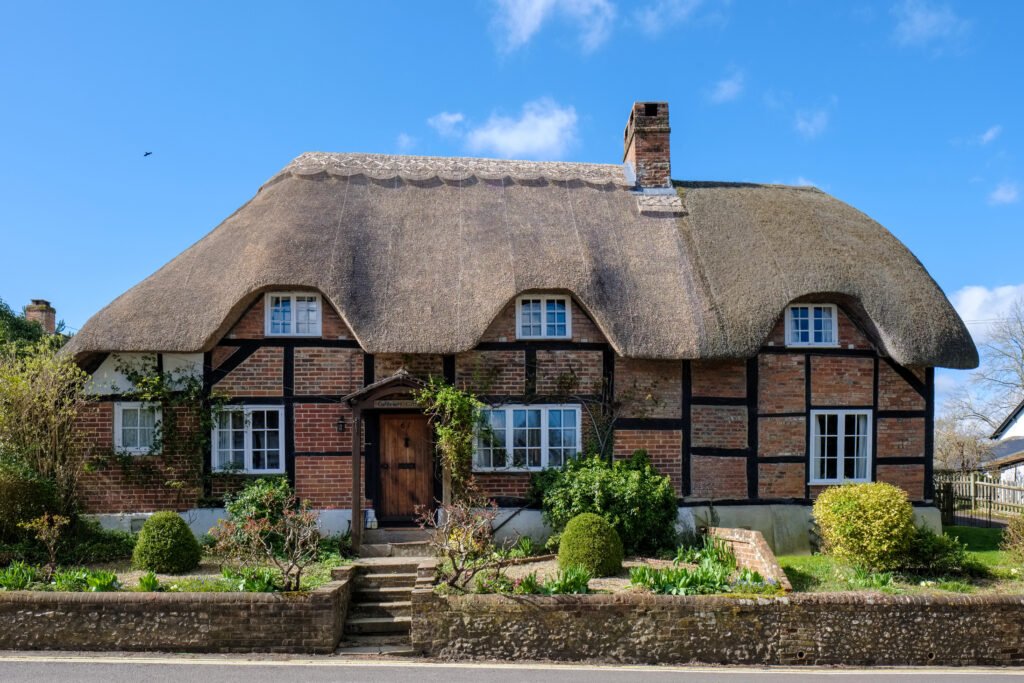
Drawing from over 10 years of supplying timber windows across the UK – from Georgian townhouses in Bath to modern renovations in Manchester – we’ve seen firsthand what works and what doesn’t when it comes to bringing light into British homes.
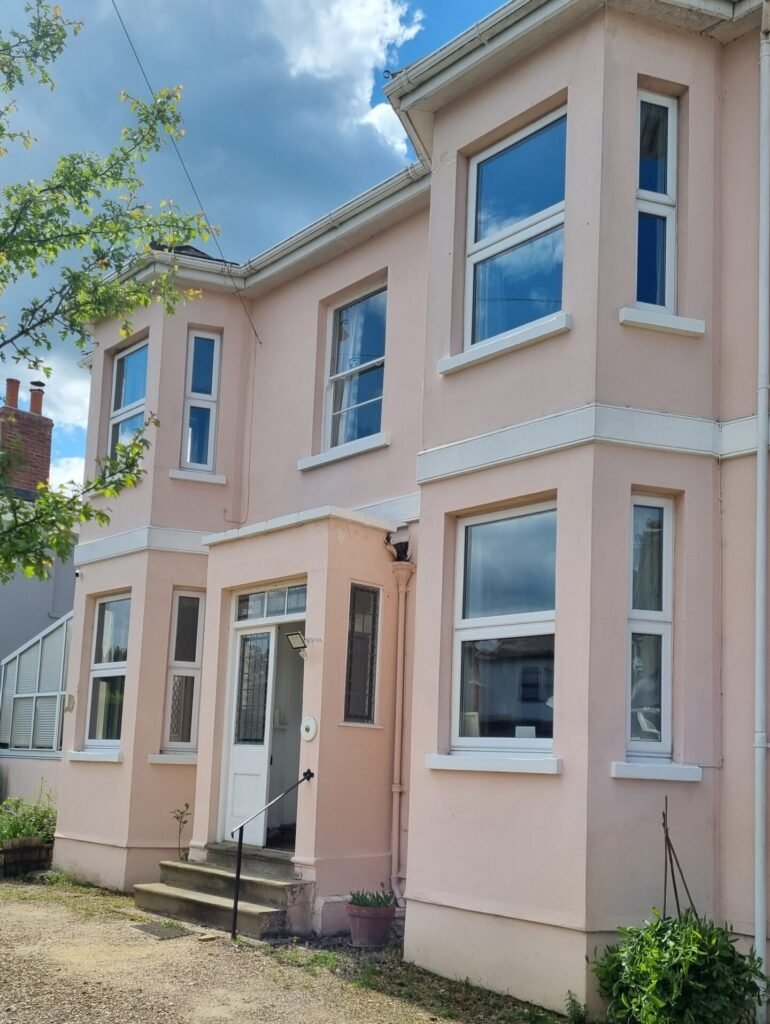
The Window as a Light Funnel: Design and Glazing
Think of your windows as sophisticated light funnels, carefully engineered to capture, channel, and distribute daylight throughout your home. The amount of natural light entering your space depends on two critical factors: the frame design and the glass specification.
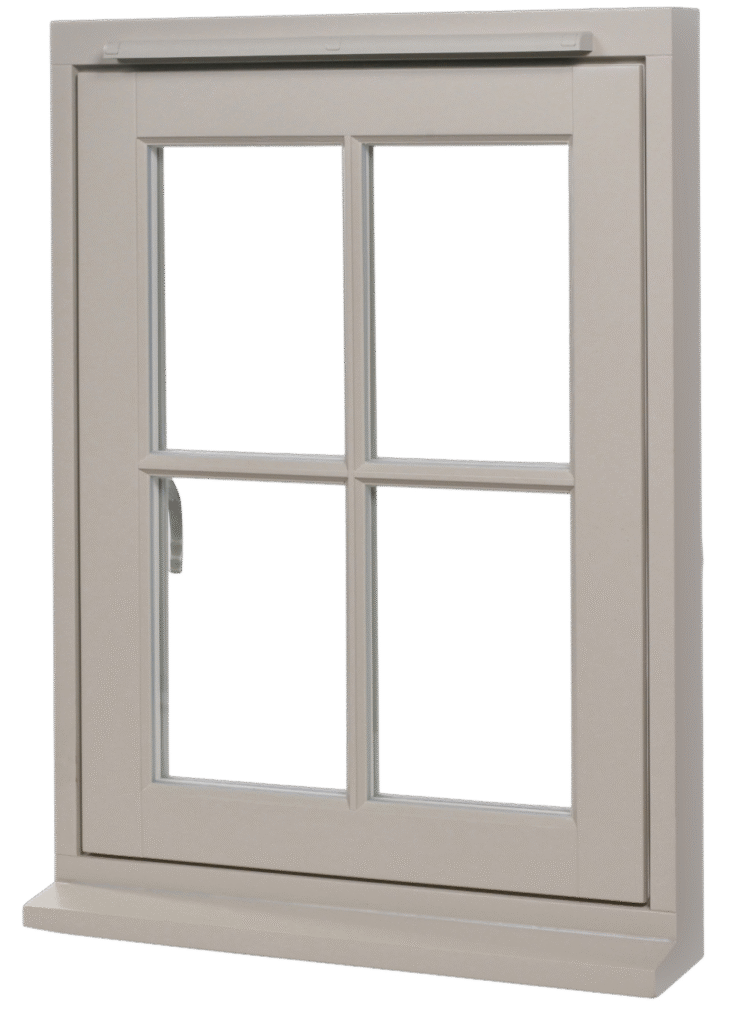
Slimmer Frames, Brighter Rooms
Traditional window frames can occupy up to 30% of the total window area. That’s nearly a third of potential light blocked before it even reaches the glass.
Modern engineered timber windows have revolutionised this equation. Today’s wooden window frames can be 20-40% slimmer than their predecessors whilst maintaining superior structural integrity. For a standard 1200mm x 1200mm window, this translates to an additional 180-220mm² of glazed area – roughly equivalent to an extra small window pane of light streaming into your room.
What makes engineered pine or meranti frames so effective is their strength-to-weight ratio. The timber is carefully layered and bonded, allowing slim, elegant profiles that would be impossible with solid wood. This means you’re getting maximum glass, maximum light, and the authentic warmth of natural timber.
Real example: Last autumn, we supplied windows for a Victorian terrace in Reading. The homeowner replaced chunky 1980s frames with modern engineered timber designs. Same window opening size, but the slimmer frames added 240mm² more glass across three windows. The result? Their north-facing dining room gained approximately 12% more natural light – enough to avoid switching on lights until after 5 PM instead of 3:30 PM during November.
The Glass Makes All the Difference
You might assume that all clear glass lets through the same amount of light, but that’s not the case. The key specification to understand is Visible Light Transmittance (VLT), measured as a percentage.
Standard double glazing typically has a VLT of 70-80%, meaning that 70-80% of available visible light passes through. That’s perfectly adequate for most situations.
However, if maximising natural light is your priority – perhaps you have a north-facing room or your home is overshadowed by neighbouring buildings – consider low-iron glass.
Low-iron glass contains significantly less iron oxide than standard glass. That greenish tint you see when looking at the edge of normal glass? That’s iron oxide, and it absorbs light. Low-iron glass can achieve VLT ratings of 88-92%, delivering noticeably brighter, truer colours and about 10-15% more light transmission.
Case in point: A Brighton homeowner upgraded to low-iron glass in their north-facing home office this year. They no longer need desk lamps until after 4 PM, even in December – saving approximately £45 annually just on that one room’s lighting costs.
Strategic Placement and Window Styles
When it comes to maximising natural light, where you put your windows matters just as much as what type you choose. Britain’s unique position at 51-55 degrees north latitude means our light quality and angles change dramatically throughout autumn and winter.
Understanding Autumn Light in the UK
During September through December, the sun’s arc across the British sky becomes progressively lower and shorter. By late November, we’re down to roughly seven and a half hours of potential daylight, and the sun never climbs higher than 15-20 degrees above the southern horizon at midday.
South-facing windows become absolute gold during autumn and winter, capturing weak but precious direct sunlight for several hours around midday. North-facing windows provide consistent, diffused light throughout the day but never receive direct sunlight in the UK.
Window Styles That Work Harder
Large Fixed-Pane Windows are your brightest option for maximising natural light. Without opening mechanisms, hinges, or subdividing bars, they offer the absolute maximum glass area. A 2000mm x 1500mm fixed pane can flood a room with daylight whilst creating a stunning focal point.
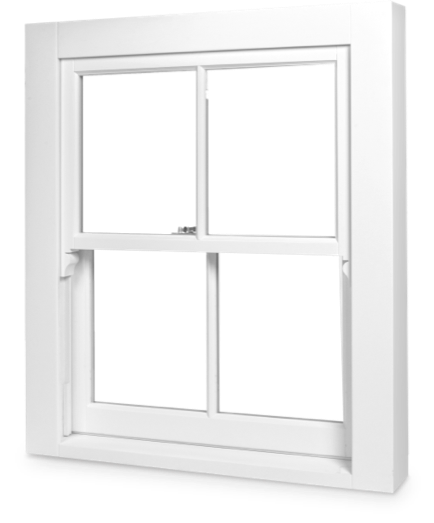
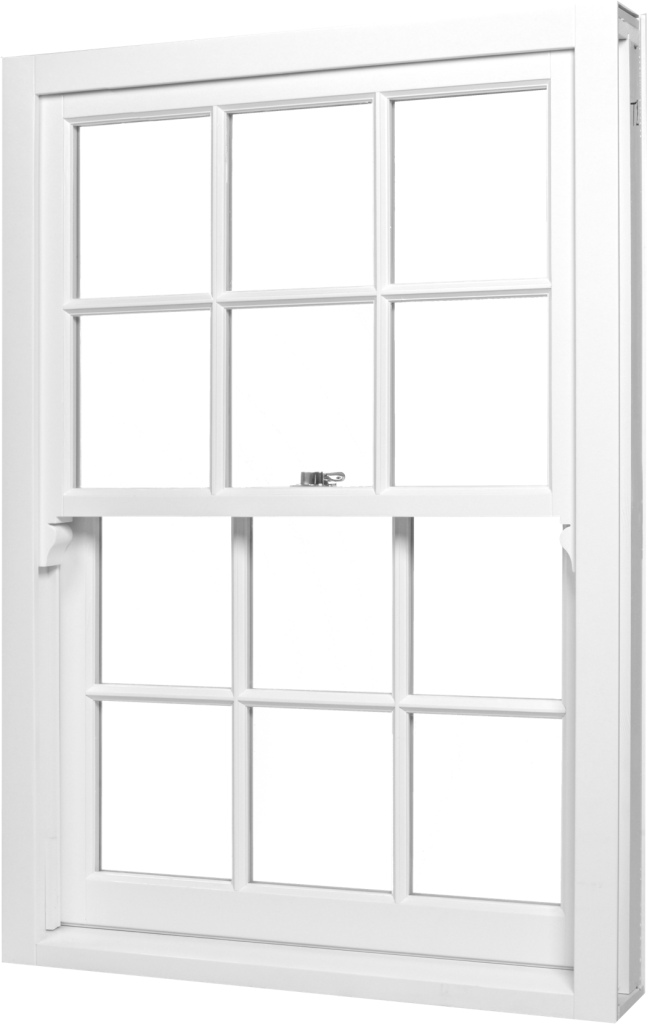
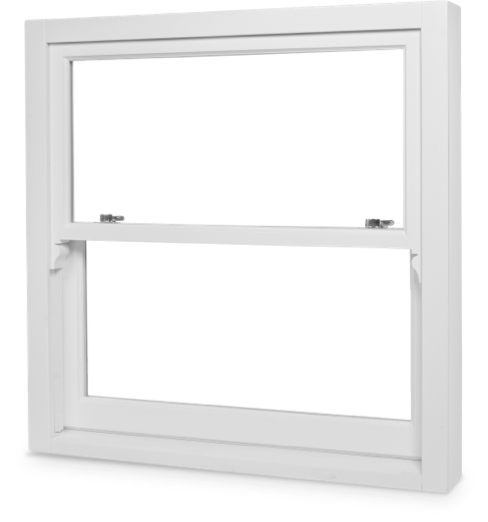
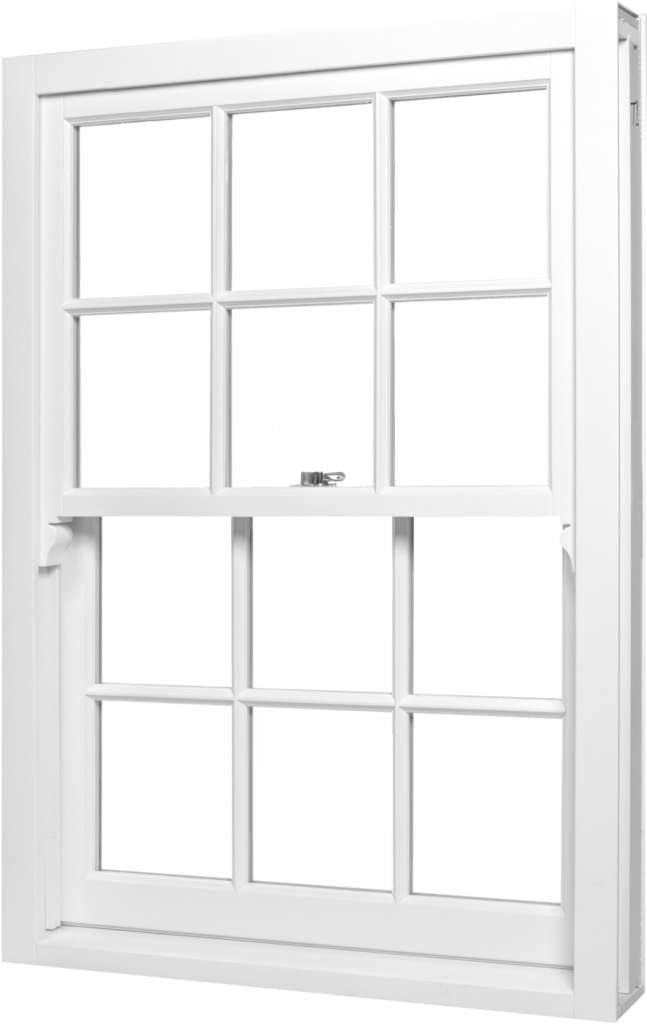
Traditional Sash Windows offer a clever compromise between light, ventilation, and British architectural heritage. A tall, well-proportioned vertical sliding sash window captures light at different heights throughout the day as the sun’s angle changes.
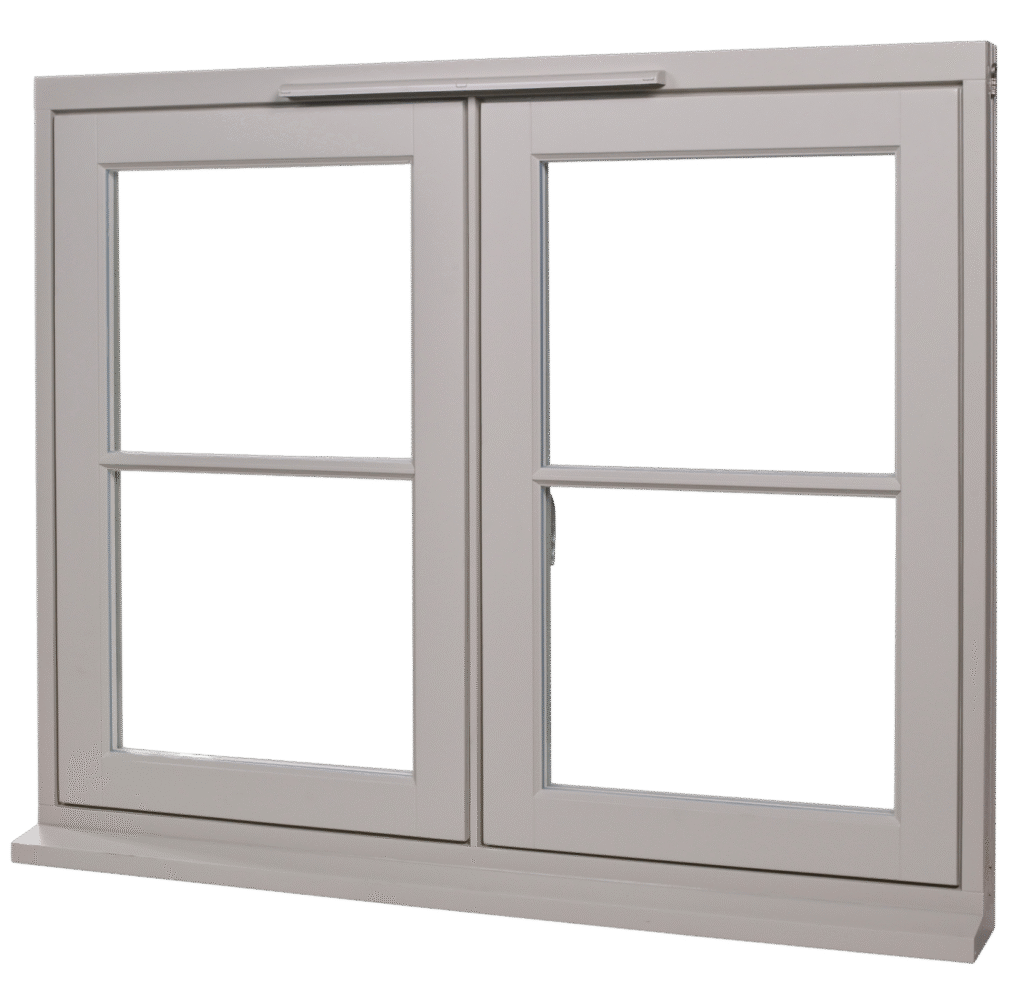
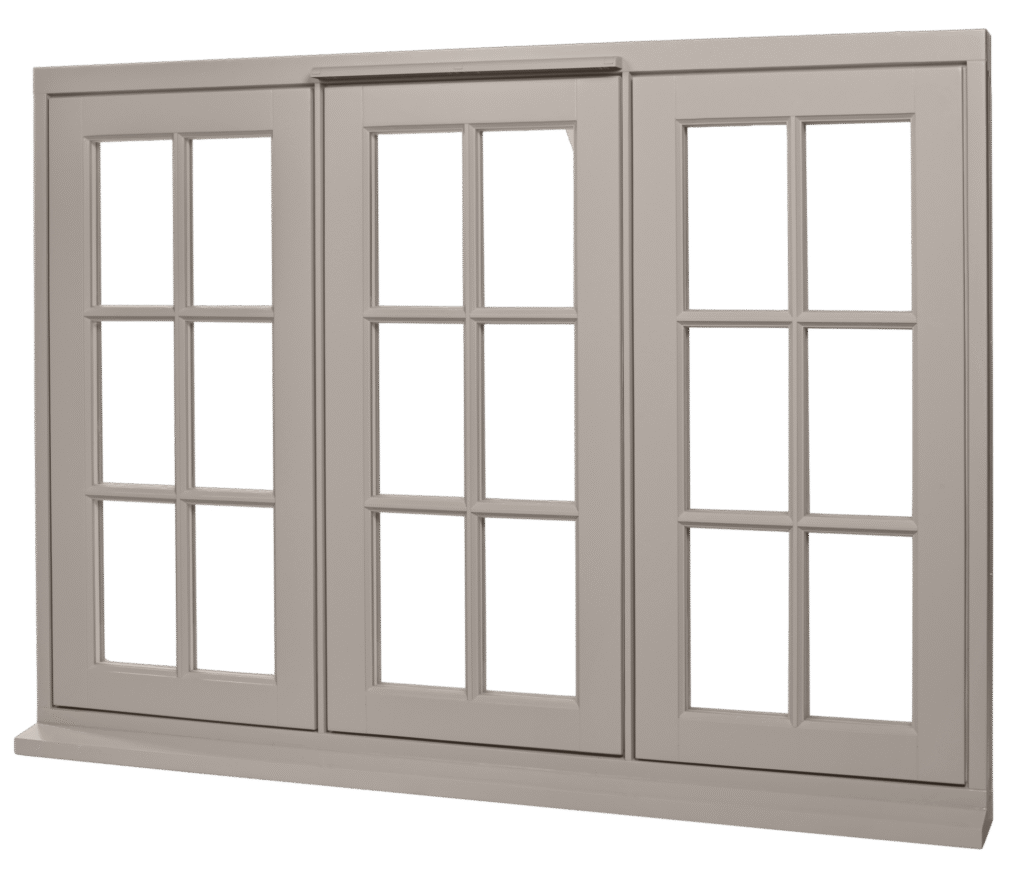
Casement Windows are Britain’s most popular style. Modern designs feature slim sightlines that prioritise glass over frame. A triple casement window spanning 2.4 metres can provide over 3m² of glazing – equivalent to nearly five standard windows’ worth of light-gathering power.
Bay Windows: The British Secret Weapon
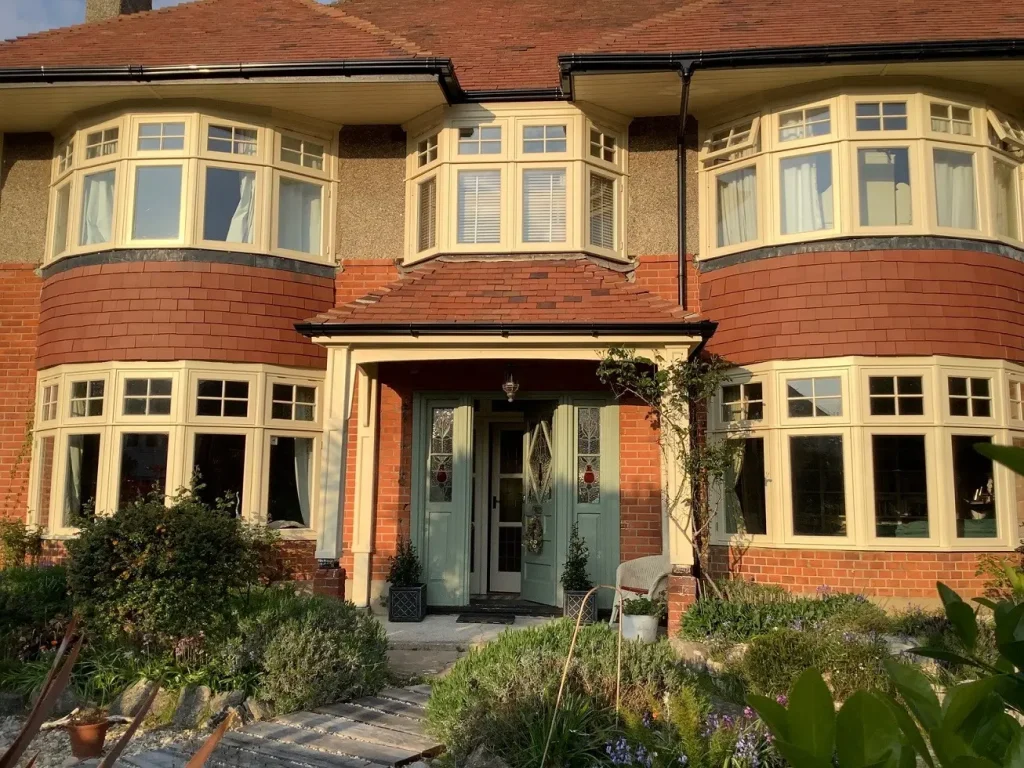
Bay windows are particularly effective in UK homes. A properly designed bay window captures light from three different angles simultaneously, significantly increasing total light gathering compared to a flat window of equivalent width.
Real transformation: We recently supplied a bay window for a Cambridge semi-detached property with a north-facing sitting room. The homeowners replaced a standard 1.8m flat window with a 2.4m bay featuring three panels. The change was dramatic – their previously dim lounge became bright enough for reading by natural light until 4:30 PM in mid-December, compared to needing lamps by 2:30 PM with the old window.
Enhancing Light from Within: Interior Design Hacks
You’ve got great windows sorted – now let’s multiply their effect through clever interior design.
The Power of Paint
So which colours actually work?
Ceiling White is Non-Negotiable: Your ceiling receives and reflects more light than any other surface in the room. Always paint ceilings in the brightest, purest white available. Look for paints with a Light Reflectance Value (LRV) of 85 or above.
Walls That Work: For walls in north-facing or darker rooms, choose colours with an LRV of 65-75. Classic choices like Farrow & Ball’s “Pointing” (LRV 69) or Little Greene’s “Portland Stone” (LRV 67) reflect substantial light whilst adding warmth that counteracts autumn’s grey skies.
Avoid grey walls, no matter how fashionable. Grey absorbs light remarkably quickly, especially in British homes where natural light is already at a premium during shorter days.
Floor Strategy: Light wooden floors or pale stone tiles can increase effective room brightness by 15-25% compared to dark flooring. They bounce light back up towards the ceiling and throughout the space.
Mirror, Mirror
Wondering how to double your window’s impact without spending thousands on additional glazing? Strategically placed mirrors can genuinely double the effect of your autumn daylight.
The golden rule: position mirrors to reflect windows, not walls. A large mirror on the wall opposite or adjacent to your window effectively creates a “second window,” bouncing light back into the room.
Window Treatments That Help, Not Hinder
During autumn and winter, every hour of daylight is precious – yet traditional heavy curtains can block 20-30% of light even when “fully open.”
Ceiling-Mounted Tracks: Installing curtain tracks directly on the ceiling rather than above the window frame allows curtains to stack completely clear of the glass when open. This simple change can increase usable window area by 15-20%.
Plantation Shutters: For timber window frames, custom wooden shutters offer flexible light control. On gloomy November afternoons, fold them completely back to capture every available lumen.
The Thermal Factor: A Key to Comfortable Living
“Won’t a larger window make my home cold?” This is perhaps the most common concern we hear from British homeowners. It’s a fair worry, rooted in memories of draughty single-glazed windows.
But here’s the truth: those days are gone.
Understanding U-Values
The thermal performance of a window is measured by its U-value, expressed in watts per square metre per degree Kelvin (W/m²K). Lower numbers mean better insulation:
- Single glazing: 4.8-5.0 W/m²K (terrible)
- Standard double glazing (1990s): 2.8-3.0 W/m²K (poor by today’s standards)
- Modern double glazed timber windows: 1.4 W/m²K (excellent)
Current Building Regulations Part L requires replacement windows to achieve 1.4 W/m²K or better. Quality double glazed timber windows comfortably meet and often exceed this requirement.
Why Modern Windows Work
Modern double glazing includes low-emissivity coatings that reflect heat back into your room whilst allowing light to pass through. The space between panes is filled with argon rather than air, reducing heat transfer. Warm-edge spacers eliminate thermal “bridges” at the glazing unit’s edge.
Wooden windows excel in thermal performance because timber is naturally insulating. Wood has a thermal conductivity of around 0.13 W/mK, compared to 0.17-0.19 for uPVC and 160-200 for aluminium. Even when sitting directly beside a large timber-framed window on a freezing December evening, you won’t feel the radiant cold that aluminium frames emit.
Looking at Actual Costs
The Energy Saving Trust estimates that replacing single glazing with modern double glazed windows in an average UK semi-detached house saves £135-£175 annually on heating bills. For a detached property, savings increase to £195-£220 per year.
Moreover, passive solar gain – heat from autumn and winter sunlight entering through south-facing windows – can offset heating costs during the day. A well-positioned 2m² south-facing window can contribute 500-800 watts of free heat on a sunny December day.
Conclusion: Bringing Light Into British Homes
As autumn deepens and winter approaches, British homeowners face the annual challenge of shorter days and longer nights. But your home needn’t surrender to gloom. Through thoughtful window design, strategic placement, and clever interior choices, you can create bright, welcoming spaces that thrive even during December’s darkest weeks.
Remember the key principles: maximise your glass-to-frame ratio with slimly designed timber windows, choose glazing with high Visible Light Transmittance, position windows to capture Britain’s precious autumn sun from the south, and multiply the effect through reflective interior design. Modern double glazed timber windows deliver all this whilst exceeding thermal performance standards.
Frequently Asked Questions
FAQ
How much does it cost to replace windows to increase natural light in the UK?
–
+
For a typical UK home replacing 8-10 windows with modern double glazed timber windows, expect to budget £4,500-£8,500 for supply. Larger windows or premium options (low-iron glass, oak frames) will be at the higher end. However, energy savings of £135-£220 annually mean quality windows pay for themselves within 10-15 years.
Will larger windows make my home colder in winter?
–
+
No, not if properly specified. Modern double glazed wooden windows with U-values of 1.4 W/m²K actually provide better insulation than the walls in many older UK homes. The key is specification: ensure your windows include low-E glass, argon-filled cavities, and warm-edge spacers.
Do I need Planning Permission to install larger windows in the UK?
–
+
For most homes, replacing existing windows with similar designs falls under Permitted Development Rights and doesn’t require planning permission. However, you will need planning permission if your property is listed or in a conservation area, you’re changing window size or position significantly, or your property has Article 4 Direction restrictions. Always check with your local planning authority before ordering windows.
How do wooden windows compare to uPVC for natural light?
–
+
Timber windows typically allow 8-15% more natural light than uPVC equivalents because wooden frames can be significantly slimmer whilst maintaining structural strength. A standard uPVC casement window has frame sightlines of 70-90mm, whilst engineered timber windows achieve 55-65mm sightlines. Over a typical room with three windows, this translates to roughly an extra half-window’s worth of light.
What’s the best type of glass for maximising natural light?
–
+
For standard applications, quality double glazing with VLT of 75-80% provides excellent light whilst meeting thermal requirements. For rooms that particularly struggle with darkness—north-facing spaces or properties overshadowed by neighbours—consider low-iron glass. This achieves VLT ratings of 88-92%, delivering 10-15% more light transmission. The cost premium is typically 15-25% above standard glazing.
Which window style lets in the most light?
–
+
Fixed-pane windows allow the absolute maximum light because they have no opening mechanisms or hinges. For practical living with opening windows, in order of light-gathering efficiency: Large casement windows (especially multi-panel designs spanning 2+ metres), Vertical sliding sash windows (effective at capturing light at different heights), Bay or bow windows (capture light from multiple angles simultaneously). For maximum impact, consider combining a large fixed pane as a central feature with operable casements on either side.
Ready to Transform Your Home’s Natural Light?
At Wooden Windows Online, we specialise in bespoke timber windows engineered specifically for British homes and climate. With over 10 years of experience supplying windows to properties across the UK – from listed Georgian buildings to contemporary new builds – we understand what works in Britain’s unique climate and architectural landscape.
Every window we manufacture is:
- Custom-made to your exact specifications
- Crafted from sustainably sourced engineered pine, meranti, or oak
- Double glazed to achieve U-values of 1.4 W/m²K or better
- Designed with slim, elegant frames that maximise glass area
- Delivered anywhere in the UK with comprehensive support
Book your free consultation today and discover how the right wooden windows can bring light, warmth, and character to your home this autumn and beyond. Visit woodenwindows-online.co.uk or call us to discuss your project.
Don’t let another winter pass in darkness – let’s bring the light in.
Our Best-Selling Timber Windows: