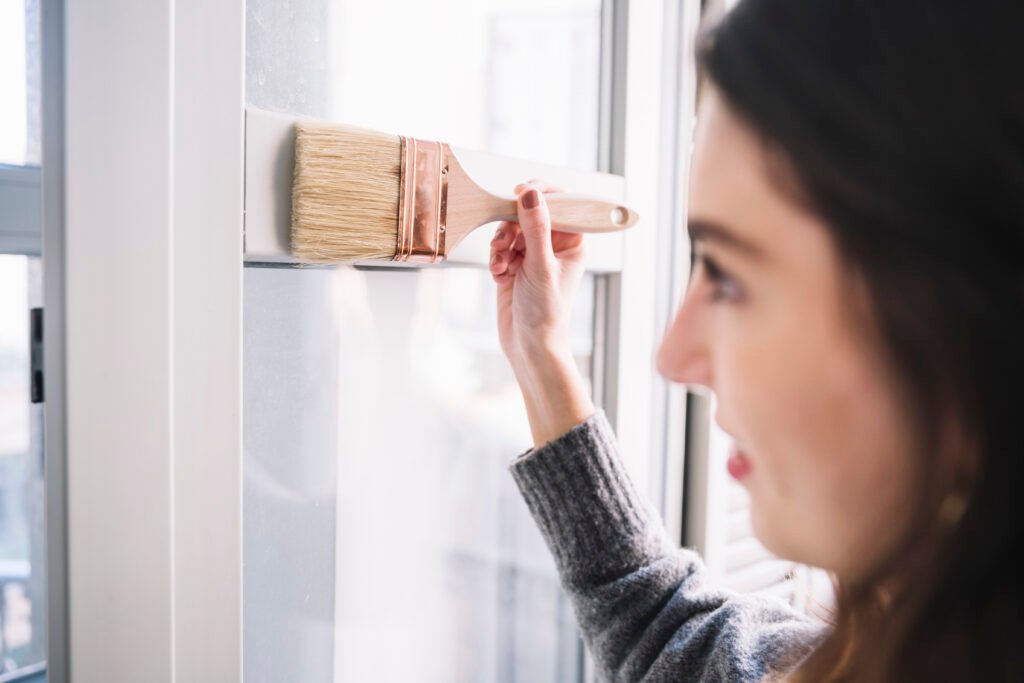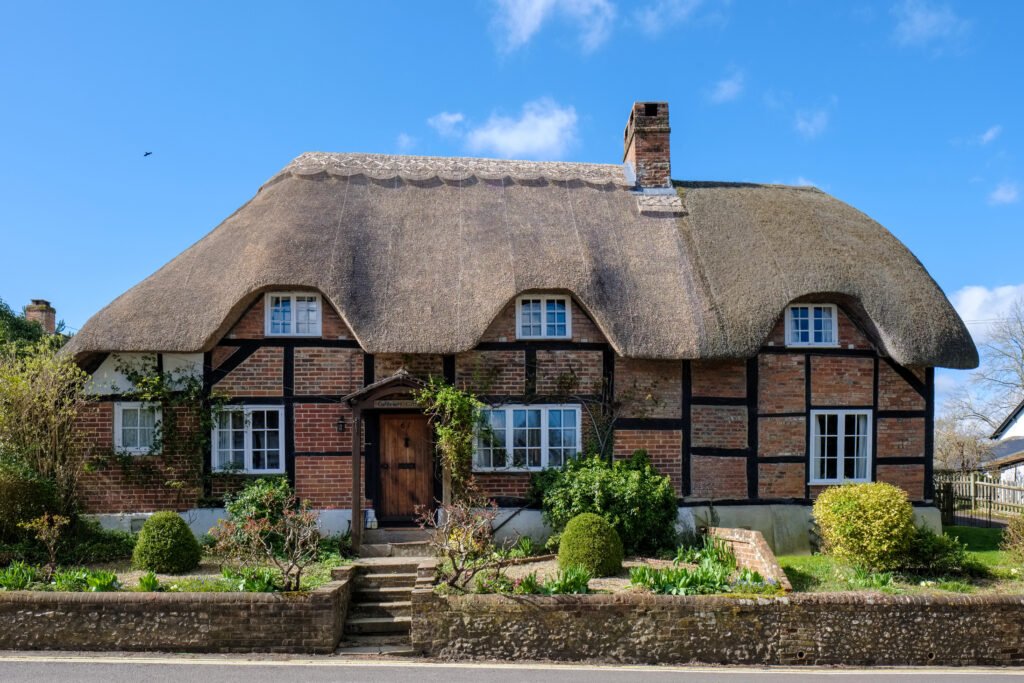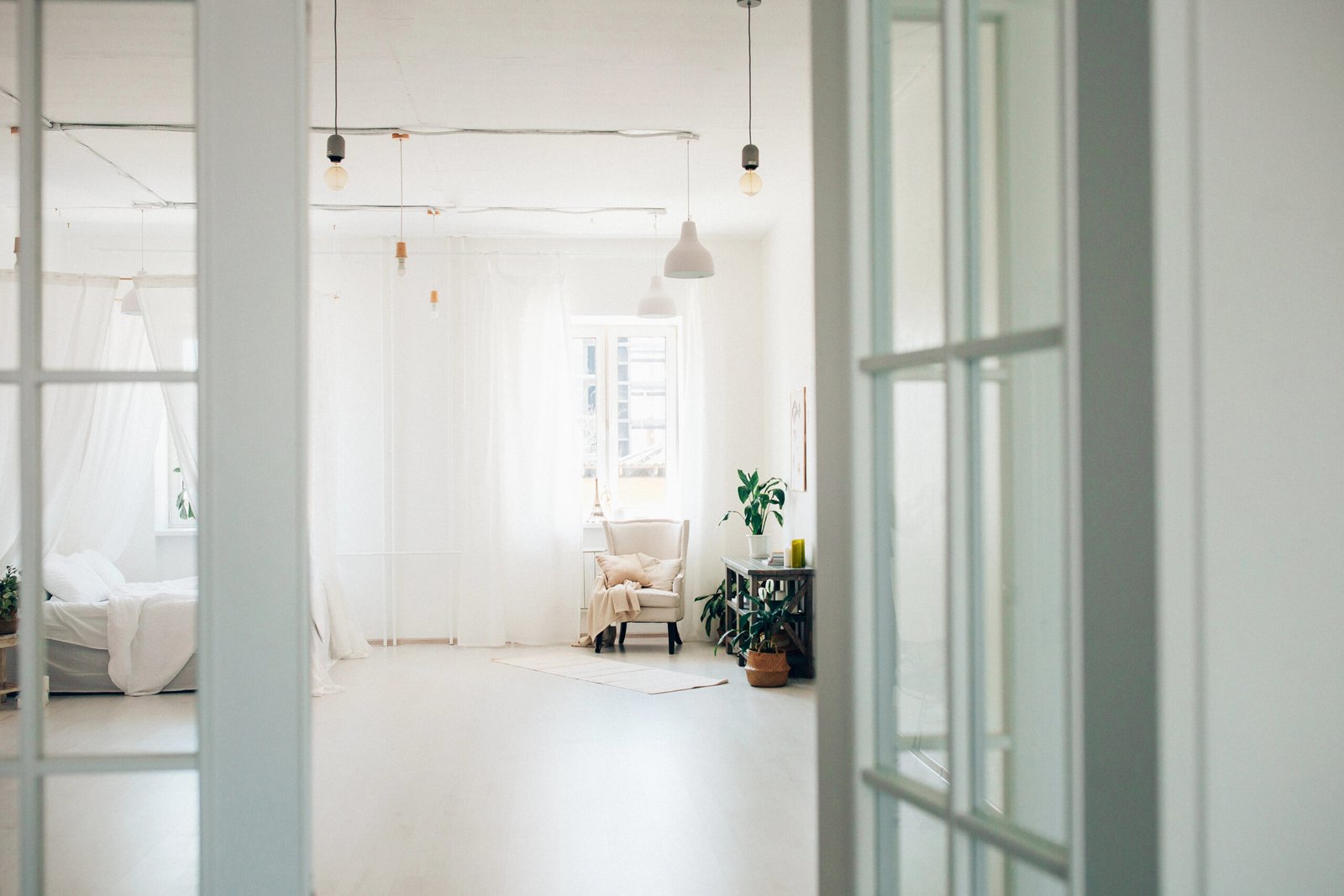
At first glance, wooden windows and minimalist architecture might seem like unlikely companions. Wood evokes warmth, tradition, and natural imperfection, whilst minimalism conjures images of sleek surfaces, monochrome palettes, and deliberate absence of ornamentation. Yet this apparent contradiction is precisely what makes timber windows such a powerful element in contemporary minimalist design – they bring organic texture, sustainable credentials, and tactile warmth to spaces that might otherwise feel clinical or sterile.
What You’ll Discover in This Article
- Why natural wood is actually a perfect material choice for modern design philosophy
- Which timber species and finishes achieve the clean, refined aesthetic that contemporary homes demand
- Modern window styles that move beyond traditional designs whilst maintaining the warmth of wood
- How to integrate wooden windows into simple, uncluttered colour schemes and architectural elements
- The long-term value of investing in quality craftsmanship for homes that age beautifully
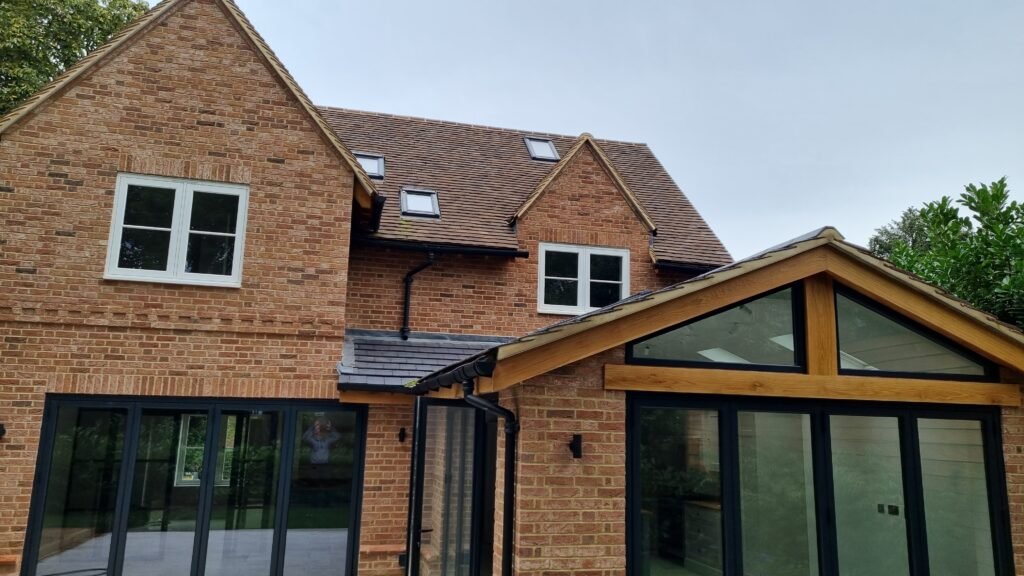
Why Wood is a Perfect Fit for Minimalism
The marriage between wood and minimalism is rooted in shared values that become clear upon reflection.
Natural Materials and Honest Expression
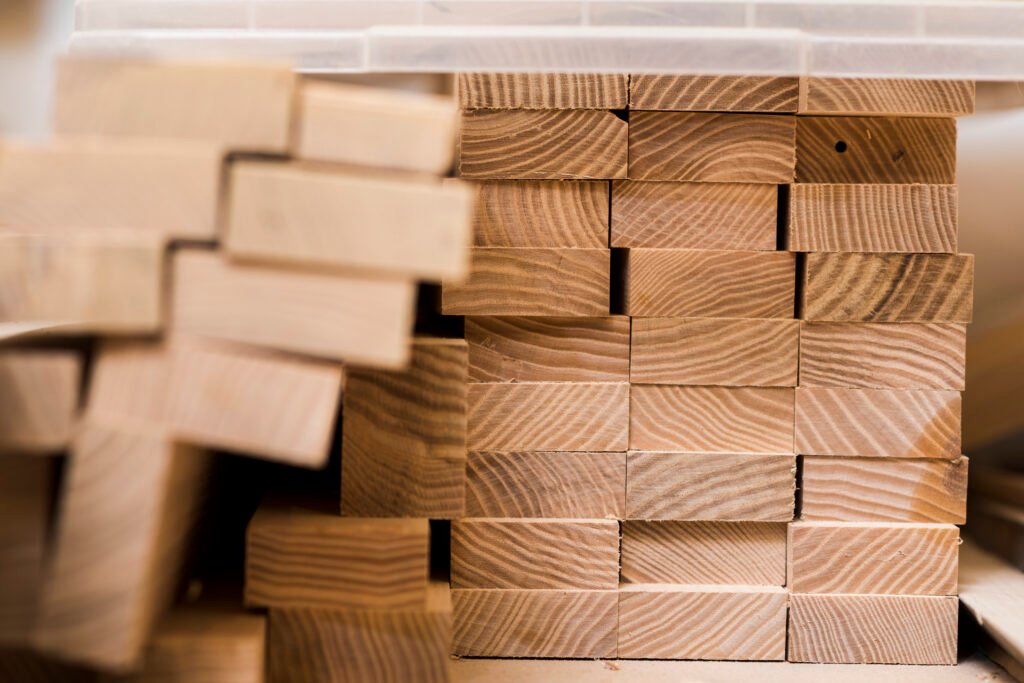
Minimalism rejects artifice and superficial decoration. It values materials that express their true nature instead of imitating something else. Wood exemplifies this principle perfectly. Unlike synthetic materials that mimic natural textures, bespoke timber is genuinely, undeniably itself. The grain patterns, subtle colour variations, and tactile qualities are authentic expressions of the material’s character.
In Scandinavian design – perhaps the most influential interpretation of minimalism – wood features prominently because it embodies hygge: comfort, warmth, and connection to nature. Japanese minimalism, with its wabi-sabi aesthetic celebrating natural imperfection, similarly embraces wood for its organic beauty.
When you choose timber windows for a modern home, you’re selecting a material that provides visual interest through inherent qualities instead of applied decoration. A simple oak window frame, finished to reveal its natural grain, offers more depth than any synthetic alternative – yet it does so quietly, without demanding attention.
Craftsmanship Over Mass Production
Contemporary design prioritises quality over quantity. Wooden windows, particularly engineered timber designs, represent genuine craftsmanship. Modern manufacturing techniques allow for extraordinary precision – slim profiles, perfect joints, flawless finishes – but the material itself retains warmth and individuality.
This craftsmanship matters in clean, simple spaces because every element is visible. There’s nowhere to hide poor quality or sloppy execution. Timber windows made to exacting standards become subtle markers of care and quality that permeate the entire space.
Sustainability and Conscious Consumption
Contemporary minimalism increasingly intersects with environmental consciousness. The principle of “less but better” aligns perfectly with sustainable living.
Timber windows score exceptionally well on environmental metrics. Wood is a renewable material with significantly lower embodied carbon than aluminium or uPVC. Sustainably sourced timber from FSC-certified forests actually sequesters carbon throughout the tree’s growth. Unlike synthetic alternatives, wooden windows can be repaired, refinished, and ultimately recycled at end of life.
For homeowners who view design choices as ethical statements, timber windows offer a way to maintain clean, contemporary interiors whilst supporting environmental values.
Selecting the Right Timber and Finish
Not all wooden windows suit modern design. The species of timber and finish treatment determine whether windows enhance or compromise a clean contemporary aesthetic.
Timber Species: Matching Material to Vision
Engineered Pine offers exceptional stability and value. Through lamination processes, modern engineered pine achieves dimensional consistency that solid timber cannot match. Its pale, relatively uniform appearance works beautifully in contemporary interiors, particularly when finished in white or light grey. The subtle grain provides just enough visual texture to prevent sterility.
Oak brings premium character and longevity. Its pronounced grain patterns and rich tones create striking focal points in simple spaces. However, oak demands careful consideration – its strong visual presence can overwhelm if not balanced properly. Used selectively – perhaps for a single statement window wall – oak becomes a powerful architectural gesture. The key is restraint.
Meranti occupies middle ground. Its reddish-brown tones and moderate grain offer warmth without oak’s intensity. Meranti’s natural durability suits external applications excellently, particularly in exposed locations. When finished with clear oil or subtle stain, meranti introduces organic warmth whilst maintaining clean lines.
Finishes: Achieving the Modern Aesthetic
Natural Oil Finishes reveal wood grain fully whilst providing protection. Clear or lightly tinted oils enhance timber’s natural character – ideal when wood texture itself becomes the design element. This approach works particularly well in Scandinavian-influenced spaces where natural materials balance cool colour palettes.
White or Off-White Paint transforms timber windows into crisp architectural elements that disappear into clean interiors. A high-quality microporous paint system in pure white or soft off-white allows wood grain to subtly telegraph through whilst creating contemporary lines.
This approach works brilliantly when windows should recede – when views, light, and spatial volumes take precedence over window frames.
Black or Charcoal Paint creates dramatic contrast and defines architectural lines boldly. In predominantly white interiors, black-framed timber windows become sculptural elements that frame views like artwork. This treatment particularly suits large fixed-pane windows where the frame grid becomes an intentional design feature.
Modern Form and Function: Beyond the Traditional Sash
One persistent myth holds that wooden windows belong only in traditional architectural styles. This misconception limits what’s possible in contemporary design.
Flush Casement Windows: Clean Lines Perfected
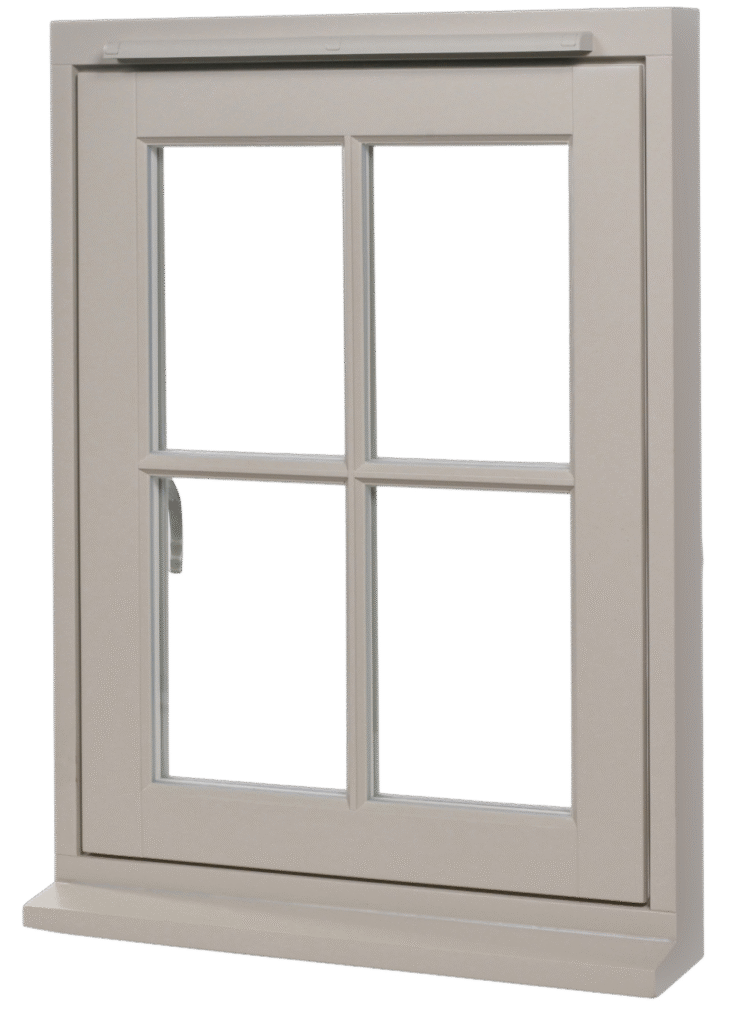
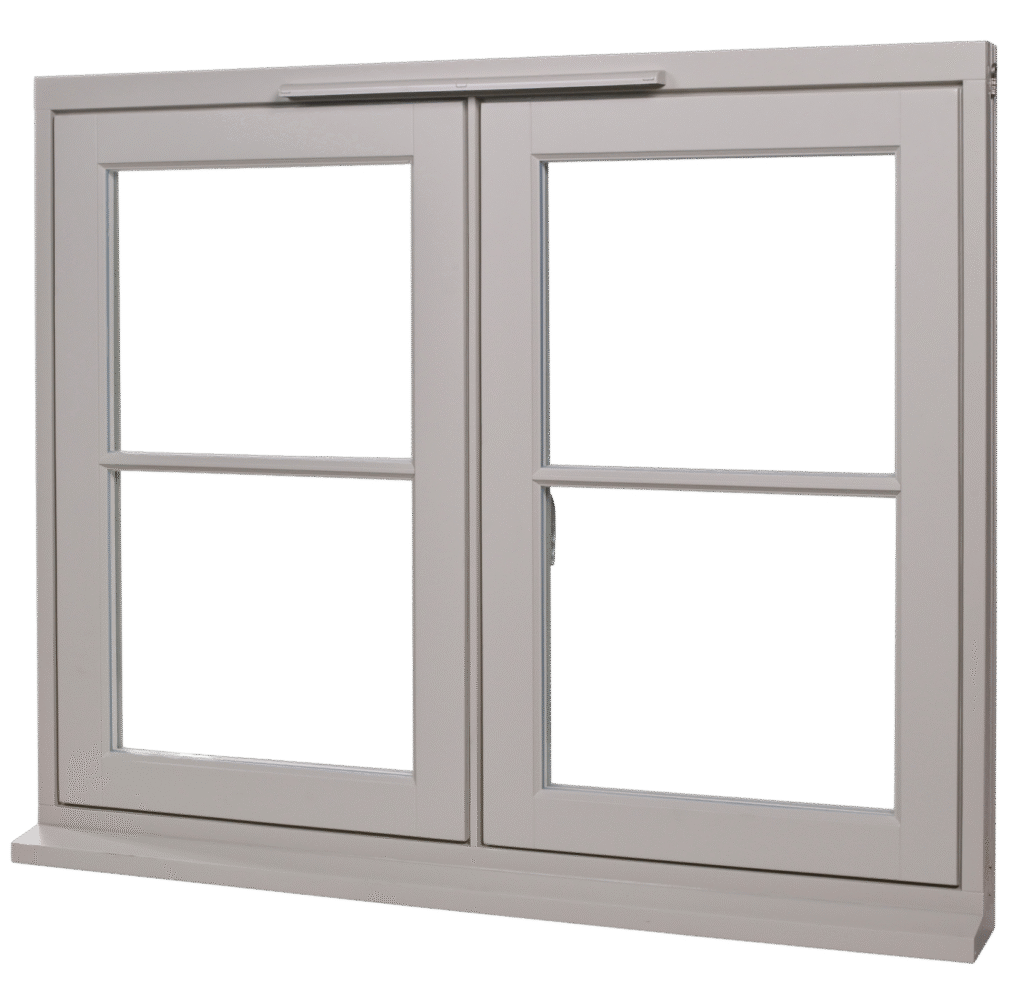
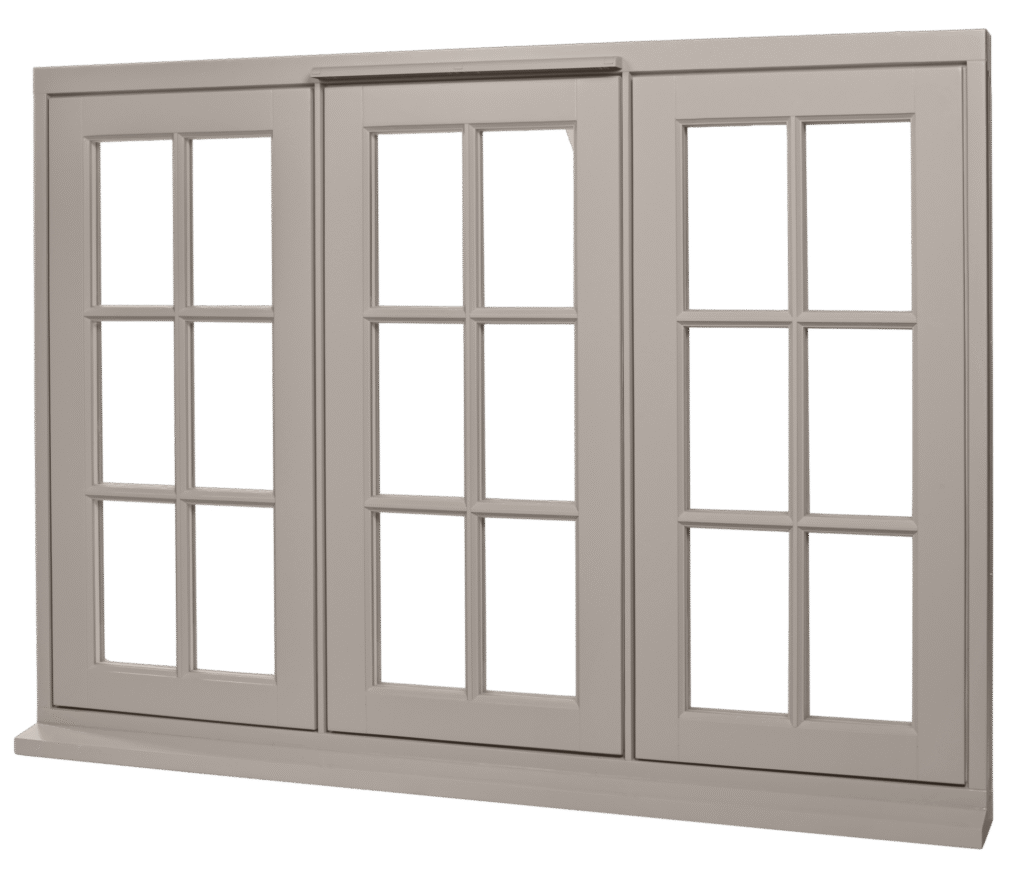
Flush casement windows sit perfectly flush with the frame when closed, creating an uninterrupted plane. This design aligns beautifully with contemporary principles – the window becomes a single smooth surface emphasising simplicity and precision.
Modern engineered timber allows for remarkably slim profiles in flush casement designs. Where traditional casements require substantial frames for strength, engineered timber achieves the same structural performance with 30-40% less visible frame. The result: maximum glass area and clean geometric lines.
From a practical standpoint, flush casements offer excellent weatherproofing and security. The flush design compresses weatherseals evenly, creating superior airtightness. For homes prioritising energy efficiency, this functional benefit reinforces the aesthetic choice.
Tilt-and-Turn Windows: Continental Minimalism
Popular in European architecture, tilt-and-turn windows offer dual functionality. The window can tilt inward at the top for secure ventilation or swing fully open like a door.
The appeal lies in clean, simple aesthetics and integrated functionality. Instead of separate windows and vents creating visual complexity, a single tilt-and-turn unit provides all needed functions through one elegant mechanism.
Large Fixed-Pane Windows: Framing Views
Perhaps no window style embodies contemporary principles more completely than large fixed-pane designs. Without opening mechanisms, hinges, or subdividing bars, fixed windows offer pure simplicity: glass held by the absolute minimum frame necessary.
In timber, these windows become warm alternatives to cold aluminium. A 3-metre-wide fixed oak frame, finished in clear oil, provides structural drama whilst connecting interior space to natural materials. The substantial timber sections become architectural features in their own right – honest expressions of structure and material that modern design values.
Technical Performance: The Hidden Minimalism
Contemporary design values efficiency and performance, not just appearance. Modern double glazed timber windows achieve U-values of 1.4 W/m²K that meet Building Regulations whilst providing superior comfort.
The thermal mass of timber frames moderates temperature fluctuations naturally. Unlike aluminium, which becomes uncomfortably cold in winter, timber stays close to room temperature. For modern homes where every sensory experience matters, this thermal comfort enhances living quality.
Integration into the Simple Palette
Successful incorporation of wooden windows requires careful consideration of colour, material relationships, and visual hierarchy.
Colour Schemes and Material Coordination
Monochrome Approach: In predominantly white or grey interiors, wooden windows create intentional warmth. The strategy is balance as opposed to contrast. Choose light timbers or white-painted frames that harmonise with the overall palette whilst introducing organic texture.
Consider internal and external finishes separately. External frames might be painted dark grey or black to create crisp facade lines, whilst internal faces remain natural timber or white to blend with interiors.
Natural Material Palette: Some contemporary interiors embrace natural materials more comprehensively – combining timber windows with oak flooring, stone surfaces, and linen textiles. Here, wooden windows become one element in a curated material story.
The principle remains: fewer materials, but chosen carefully and used consistently. Instead of mixing multiple wood species, select one or two and use them deliberately throughout.
Windows as Focal Points or Background Elements
Wooden windows can play two distinct roles: subtle background elements or intentional focal points.
Background Integration: When views or spatial volumes should dominate, windows recede. Painted finishes matching wall colours and minimal frame profiles allow windows to provide light and connection without demanding attention.
Focal Point Expression: Conversely, dramatic timber windows can become primary architectural gestures. A floor-to-ceiling oak-framed glazed wall or a series of tall black-framed casements creating vertical rhythm define spaces.
The discipline lies in restraint. Choose one or two window groupings for dramatic treatment; allow others to blend away. This creates hierarchy and intention instead of visual competition.
Craftsmanship and Durability: The Long-Term Investment
Contemporary philosophy values longevity and quality over disposable convenience. Wooden windows, properly specified and maintained, embody this principle.
Built to Last: Engineering for Decades
Modern engineered timber windows represent sophisticated manufacturing. Multi-layer lamination, precision joinery, and advanced adhesives create products that outperform solid timber in dimensional stability.
Maintenance: Care as Connection
Minimalism doesn’t mean maintenance-free. It means choosing possessions worth caring for. The modest maintenance requirements of timber windows create ongoing connection to materials and home.
For those preferring minimal intervention, factory-applied microporous paint systems extend refinishing intervals significantly. Many homeowners find 8-10 years between external repainting achievable with quality specifications.
Conclusion: Intentional Choices, Lasting Beauty
Incorporating wooden windows into modern homes requires thoughtfulness, but the result rewards that effort abundantly. Timber brings warmth, authenticity, and environmental responsibility to spaces that might otherwise feel austere.
The key principles: choose timber species and finishes with intention, select contemporary window styles that complement clean architectural lines, integrate frames thoughtfully into colour schemes, and invest in quality that endures. These decisions create interiors that feel serene instead of sterile, contemporary without coldness.
Your windows define how your home interacts with the world outside. Make them count. Make them timber.
Looking for Quality Timber Windows for Your Minimalist Home?
At Wooden Windows Online, we specialise in bespoke timber windows designed for contemporary UK architecture. With over 10 years of experience supplying modern homes, converted industrial spaces, and new builds across Britain, we understand how to specify timber windows that enhance clean, contemporary design.
Every window we manufacture is custom-made to your exact specifications and design vision, engineered from sustainably sourced timber, and finished to your preference. Transform your space with intention – choose timber.
FAQ
Don’t wooden windows look too traditional for minimalist homes?
–
+
Not when properly specified. Modern timber window designs – particularly flush casements, tilt-and-turn styles, and large fixed-pane installations – offer clean lines and minimal profiles that suit contemporary architecture perfectly. Many architects prefer timber precisely because it adds warmth without compromising modern aesthetics.
What timber finish works best for minimalist interiors?
–
+
It depends on your specific vision. White or off-white painted finishes create crisp, clean lines. Black or charcoal painted frames make bold architectural statements. Natural oil finishes celebrate wood grain whilst maintaining simplicity. For most modern homes, we recommend starting with a neutral painted finish (white, soft grey, or black) that coordinates with your overall colour scheme.
Are wooden windows energy-efficient enough for modern standards?
–
+
Absolutely. Modern engineered timber windows achieve U-values of 1.4 W/m²K, comfortably meeting UK Building Regulations Part L requirements. Additionally, wood’s natural insulating properties mean frames stay warmer than aluminium alternatives, improving comfort near windows – important in homes with large glazed areas.
How do I maintain wooden windows in a minimalist home?
–
+
Natural oil finishes typically need annual or biennial re-oiling. Painted finishes require repainting every 6-10 years for external faces, depending on exposure and paint quality. Internal faces rarely need attention beyond occasional cleaning. This maintenance schedule is modest and manageable, particularly given timber windows’ 40-60+ year lifespan with proper care.
Can timber windows work with floor-to-ceiling glazing in minimalist designs?
–
+
Yes, very successfully. Large timber-framed glazed walls bring warmth to glass-heavy designs. The key is using engineered timber capable of spanning large dimensions whilst maintaining slim profiles. Many contemporary homes feature entire glazed walls framed in timber, achieving both dramatic architectural impact and sustainable material credentials.
What makes timber windows more sustainable than uPVC or aluminium?
–
+
Timber offers significantly lower embodied carbon than aluminium and uPVC, particularly when sourced from FSC-certified sustainable forests. Wood actively sequesters carbon during tree growth. Additionally, timber windows’ longevity (40-60+ years with maintenance) exceeds uPVC (20-30 years, unrepairable), reducing long-term resource consumption. For environmentally conscious homeowners, timber aligns material beauty with ecological responsibility.
Our Best-Selling Timber Windows: