How Wooden Windows Fit into the “Nature-Inspired” Movement
Walk into any design showroom in London right now and you’ll spot the obvious design trend – everything’s gone organic. Natural wood everywhere, stone surfaces, linen curtains. Last month at the Grand Designs Live show, I counted: eight out of ten exhibitors were pushing biophilic design as the must-have for 2025.
But here’s what bugs me – half of them were showcasing these nature-inspired spaces with plastic windows. Plastic. In a biophilic interior.
That’s completely missing the point.
The nature-inspired movement isn’t about adding a few plants and calling it done. It’s about genuinely reconnecting with natural materials that age beautifully, regulate air quality, and create spaces that feel instinctively right. And honestly? Your window frames matter more than you think. They’re not just holes in the wall – they’re the connection to nature you’re trying to achieve.
Key Takeaways
- Biophilic design makes timber windows essential – Interior design trends 2025 demand authenticity, and natural wood frames deliver what uPVC never can
- Modern timber maximizes natural light – Slim profiles, large glazing, better views (and yes, they’re stronger than you think)
- Earthy finishes are having a moment – Clear lacquers, natural oils, earthy tones that actually show the grain
- Sustainability meets actual performance – U-values of 1.4 W/m²K, 60-year lifespan, carbon-negative material
- Quality timber windows start from £485 – Buy online from UK suppliers with FSC certification
Biophilic Design: Why Natural Materials Actually Matter
Let me be blunt: we’re spending 90% of our time indoors staring at screens. That’s not normal. Or healthy.
Biophilic design isn’t some wellness trend for Instagram – it’s a legitimate response to what modern life has done to us. Studies from the University of Exeter show that natural materials in interiors reduce stress by 37%. That’s huge. And it makes sense when you think about it. We evolved surrounded by wood, stone, and natural light, not plastic and LED strips.
Kevin McCloud put it perfectly at last year’s RIBA conference: “The materials we surround ourselves with affect us physically and psychologically. Timber breathes. Plastic suffocates.”
The Problem with Fake Natural
Here’s what drives me crazy about current interior design trends – people install luxury vinyl flooring that “looks like wood”, add some greenery, maybe throw in an earthy tone paint, and call it biophilic. No. Just no.
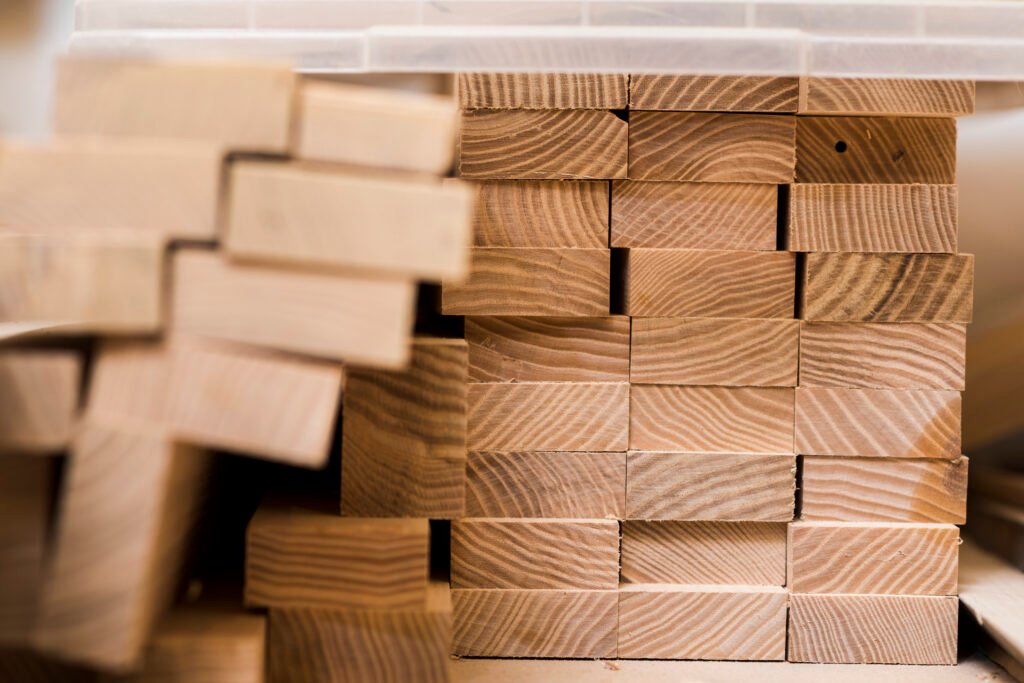
Real natural wood has properties synthetics can’t replicate:
- Regulates humidity (absorbs excess, releases when dry)
- Improves air quality naturally
- Creates acoustic warmth
- Ages gracefully instead of degrading
I recently visited a renovation in Bath where they’d used engineered oak frames throughout. The homeowner mentioned something interesting – “The house feels different. Calmer. Even my teenage son noticed.” That’s not placebo. That’s what happens when you use materials our bodies recognize.
Connecting Inside and Out: Getting the View Right
The best nature-inspired interiors blur boundaries. Your garden becomes part of your living room. The sky becomes your ceiling.
But here’s the thing – you need the right frames to pull this off.
Modern Timber: Not Your Grandfather’s Windows
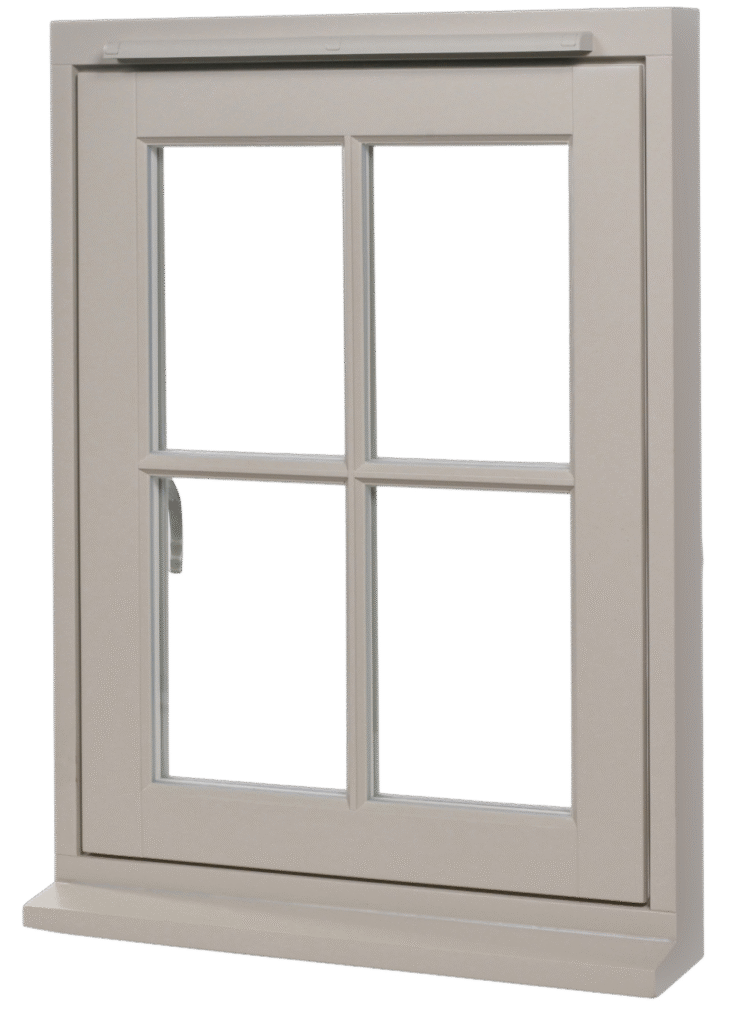
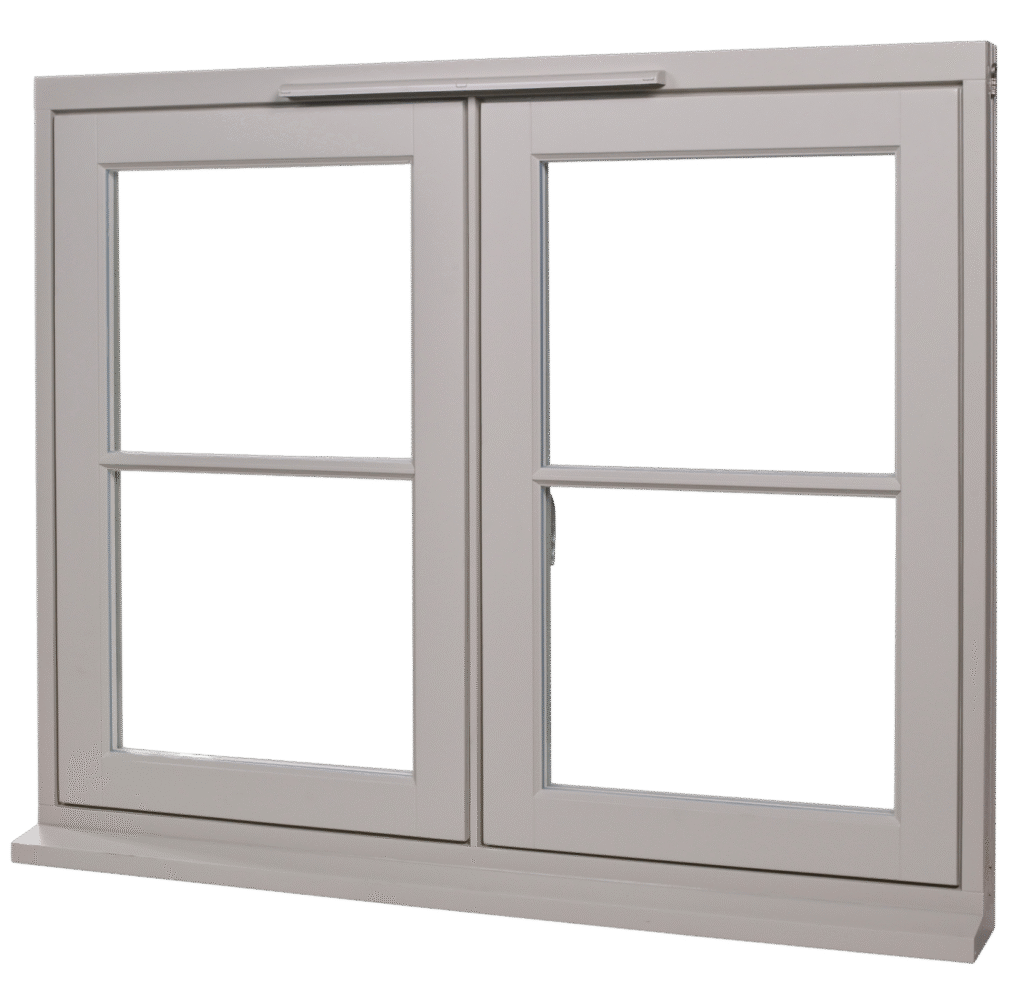
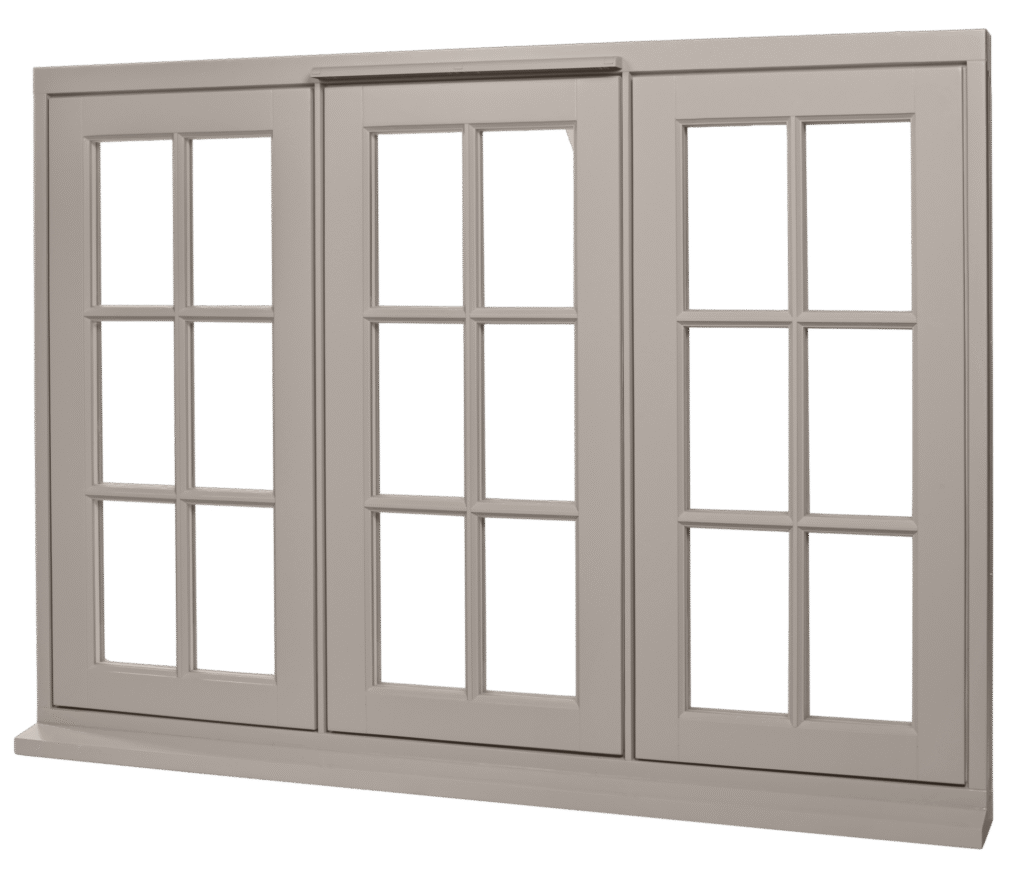
Forget what you think you know about wooden windows. Modern engineered timber is a completely different beast. We’re talking about laminated profiles that support massive glazing units whilst maintaining clean lines that would make any minimalist happy.
Take the Victorian terrace renovation on Fulham Road (you might have seen it in Living Etc). They replaced tired casements with contemporary oak frames – 2.4m tall, barely 68mm sightlines. The result? The cramped parlour suddenly felt twice the size. Natural light floods in. The garden feels like it’s in the room.
That’s the power of getting this right.
Style Choices That Actually Work
For maximum impact: Fixed panes where you don’t need ventilation. No hardware, no visual interruption. Just view.
For the home office trend for 2025: Large casements that fully open. Trust me, being able to throw open your office windows on a spring morning changes everything. Fresh air, bird song, actual connection to the outside. Zoom calls suddenly feel less soul-destroying.
For bedrooms: Secure ventilation at night, full opening for weekend mornings. Perfect for that calm, spa-like atmosphere everyone’s chasing.
Quick reality check though – orientation matters enormously. South-facing timber frames in your main living space? Brilliant for passive solar gain, terrible if you don’t plan for summer heat. Consider integrated blinds or deep reveals. Learn from my mistake in my own extension where I didn’t think this through. July was… uncomfortable.
The Art of Finish: Stop Hiding the Wood
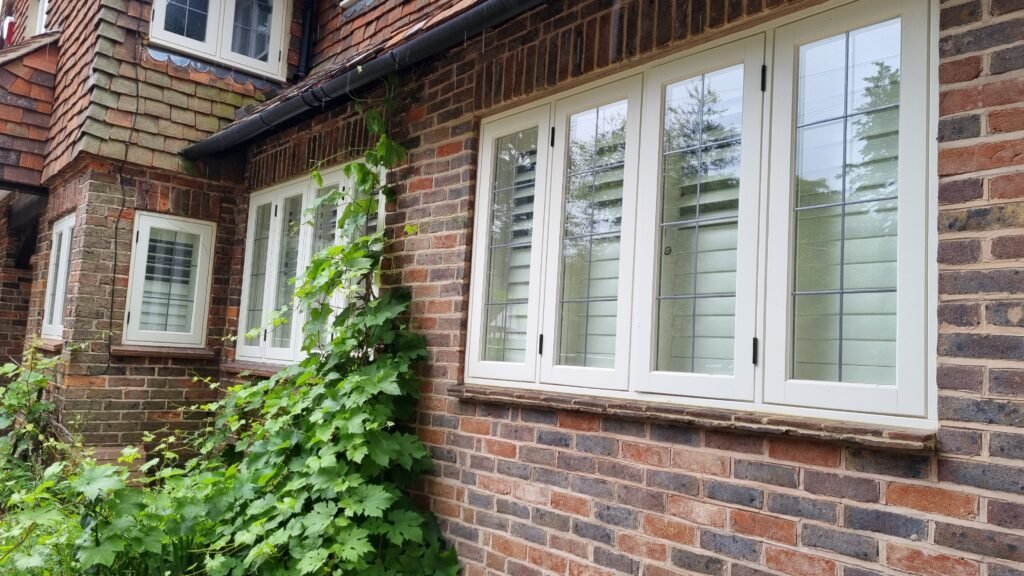
Design trends for 2025 are clear: authenticity wins. So why are people still painting timber frames white?
Finishes That Make Sense
Clear oils and lacquers – this is where it’s at. You see every grain pattern, every subtle colour variation. It adds sophistication without trying. The project in Hampstead I mentioned? They used clear oil on European oak frames. Three years later, they’ve developed this gorgeous honey patina. You can’t fake that.
Almost raw, definitely organic. Perfect for that understated aesthetic everyone’s still obsessed with. But warning – they need more maintenance. Worth it if you’re committed, annoying if you’re not.
Earthy Tones That Work
If you must add colour, think earth:
- Warm greys (like weathered stone)
- Soft clay browns
- Sage greens (massive for interior design trends 2025)
- Deep charcoals
Creating Cohesive Spaces
Your window finish should talk to other elements. Oak frames with oak floors? Obviously works. But also consider:
- Walnut frames with white walls and black steel details (stunning contrast)
- Ash frames with pale grey stone (subtle, sophisticated)
- Douglas fir with terracotta tiles (warmth overload, in a good way)
The key is intention. Everything should feel considered, not random. That’s what creates truly stylish, cohesive interiors.
Performance: The Stuff That Actually Matters
Let’s talk numbers, because sustainability isn’t just about feelings.
Thermal Performance That Surprises People
Quality engineered timber achieves U-values of 1.4 W/m²K. For context, Building Regs require 1.6 or better. Modern timber exceeds this comfortably.
Compare that to:
- Standard uPVC: 1.6-1.8 (not much better)
- Aluminium: 1.8-2.2 (actually worse)
Plus timber doesn’t create cold bridges like aluminium. Touch an aluminium frame on a winter morning – freezing. Timber? Room temperature. This matters more than you think for comfort and condensation.
The Carbon Argument
This is where timber wins everything:
- Trees absorb CO₂ growing = carbon stored in frames
- Manufacturing energy is minimal
- End of life? Fully biodegradable
The Tyndall Centre for Climate Research calculated that timber windows in a typical UK home store about 160kg of CO₂. uPVC frames? They release 300kg in manufacturing. That’s a 460kg difference per house. Multiply that across the UK’s housing stock… you get the idea.
Longevity (The Bit Nobody Talks About)
Here’s an uncomfortable truth: uPVC windows typically last 20-25 years. Then landfill.
Quality timber frames? We’re restoring Victorian sash windows that are 150 years old. Even modern engineered timber should give you 60+ years with basic maintenance. That’s potentially a lifetime. One purchase. No replacement. That’s real sustainability.
Real Projects, Real Results
The Cotswold Barn Conversion: Full-height glazing in engineered oak, clear oiled finish. The architect (Yiangou) said they nearly went aluminium for the budget. Thank god they didn’t. The warmth timber brings to that space is everything. Cost: £32,000 for all glazing. Value added per estate agent: £75,000.
London Flat Renovation: 1960s concrete box transformed with European redwood frames, white-washed finish. Replaced horrible brown uPVC. The owner’s review: “It’s like living in a different flat. Warmer, quieter, infinitely more pleasant.” Cost per window: £750 installed.
My Own Extension: Yes, I practice what I preach. Engineered larch, natural finish. Three years old now. Still looks incredible, performs brilliantly. Only maintenance so far: one coat of oil last summer. Took two hours total.
What This Means for Your Home
The nature-inspired movement isn’t going anywhere. If anything, design trends 2025 show it accelerating. People are tired of synthetic everything. They want homes that feel real, materials they can trust, a genuine connection to nature.
Timber windows aren’t just following this movement – they’re essential to it. You can’t create an authentic biophilic interior with plastic frames. It’s like serving a gourmet meal on paper plates. The incongruence ruins everything.
Making It Happen
Budget reality: £485-850 per window for quality engineered timber Lead times: 8-12 weeks typically Installation: 1-2 days for average home Maintenance: Annual inspection, oil/wax every 3-5 years
Yes, it’s more than uPVC upfront. But factor in longevity, energy savings, and property value – timber wins economically long-term.
Common Objections (And Why They’re Wrong)
“Timber rots” Modern treated timber with proper detailing doesn’t. I’ve seen 30-year-old installations looking perfect.
“Too much maintenance” One coat of oil every few years. That’s it. Less time than you spend cleaning uPVC.
“Not secure enough” Multi-point locking, reinforced profiles, laminated glazing. Modern timber windows exceed security standards.
“Too expensive” Only if you’re thinking short-term. Calculate cost over 30 years including replacements – timber often works out cheaper.
Conclusion
Interior design trends come and go. But our need for natural materials, for spaces that nurture rather than drain us – that’s timeless. The biophilic design movement recognizes something fundamental: we’re not meant to live in plastic boxes.
Wooden windows offer something unique. They bring warmth without compromising performance. They age beautifully while synthetics degrade. They connect us to the outside while protecting us from it.
Whether you’re designing a minimalist haven, adding depth to a period property, or creating a calm home office space, timber frames make sense. Not just aesthetically (though they’re beautiful), not just environmentally (though they’re sustainable), but practically.
The question isn’t whether to choose timber windows. It’s whether you’re ready to invest in materials that will outlast trends, enhance your daily life, and create spaces that feel genuinely, authentically connected to nature.
That’s not just good design. That’s good living.
Ready to Embrace Natural Design?
At Wooden Windows Online, we understand that authentic biophilic design demands authentic materials. Our timber windows aren’t just following interior design trends 2025 – they’re the foundation for creating genuinely nature-inspired spaces that feel right.
FAQ
Why are timber windows considered essential for the “nature-inspired” or biophilic design trend of 2025?
The nature-inspired movement and biophilic design are about genuinely reconnecting with natural materials, not just adding a few plants. Using plastic (uPVC) windows in a biophilic interior is seen as “missing the point” because authenticity is key. Timber delivers a connection to nature that synthetic materials cannot, and it aligns with the demand for authenticity in interior design trends for 2025.
What specific benefits does real natural wood offer compared to synthetics in an interior space?
Real natural wood offers properties that synthetics cannot replicate, including:
Aesthetics: It ages gracefully, developing a beautiful patina, instead of degrading like plastic
Humidity Regulation: It absorbs excess humidity and releases it when the air is dry.
Air Quality: It naturally improves air quality.
Acoustics: It creates “acoustic warmth”.
Are modern wooden windows durable and strong, or are they like the older, high-maintenance versions?
Modern engineered timber is a “completely different beast” than older wooden windows. They use laminated profiles that are strong enough to support massive glazing units with slim sightlines (e.g., barely 68mm). This modern engineering makes them stronger and allows for the large glazing units needed to maximize natural light and views.
What finishes are on-trend for wooden windows in 2025?
Design trends for 2025 prioritize authenticity, meaning the wood grain should not be hidden. The preferred finishes are:
- Clear oils and lacquers: These allow the natural grain and subtle colour variations to show through, adding sophistication (e.g., developing a “gorgeous honey patina” over time).
- Earthy Tones (if colour is needed): Warm greys (like weathered stone), soft clay browns, sage greens, and deep charcoals are suggested.
How do timber windows perform compared to uPVC and aluminum in terms of energy efficiency?
Quality engineered timber achieves excellent thermal performance, with U-values of $1.4 W/m²K.
- Timber: 1.4 W/m²K (comfortably exceeds Building Regulations of $1.6 W/m²K or better).
- Standard uPVC: 1.6-1.8 W/m²K (not significantly better than basic requirements).
- Aluminium: 1.8-2.2 W/m²K (generally worse).
Additionally, timber does not create cold bridges, meaning the frame remains closer to room temperature, improving comfort and reducing condensation, unlike aluminum frames.
How long do quality wooden windows typically last, and what is the maintenance requirement?
Quality engineered timber windows should last 60+ years with basic maintenance. This is significantly longer than uPVC windows, which typically last 20–25 years before needing replacement and ending up in a landfill.
Maintenance involves an annual inspection and applying oil or wax every 3–5 years.
What is the typical cost for a quality engineered timber window?
The budget for a quality engineered timber window is typically between £485 and £850 per window (for online UK suppliers with FSC certification). Although the upfront cost is higher than uPVC, the author argues that timber wins economically long-term when factoring in longevity, energy savings, and property value.
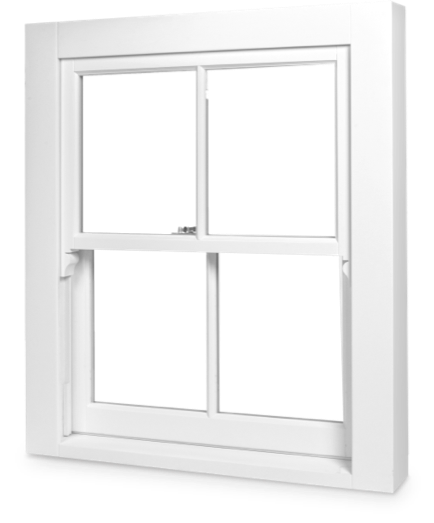
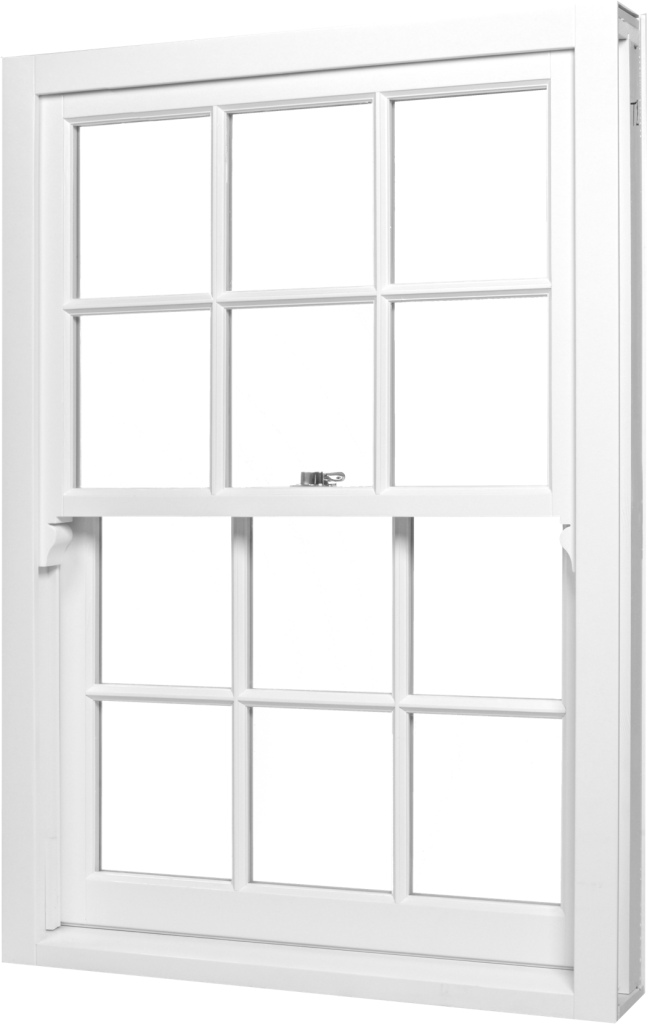
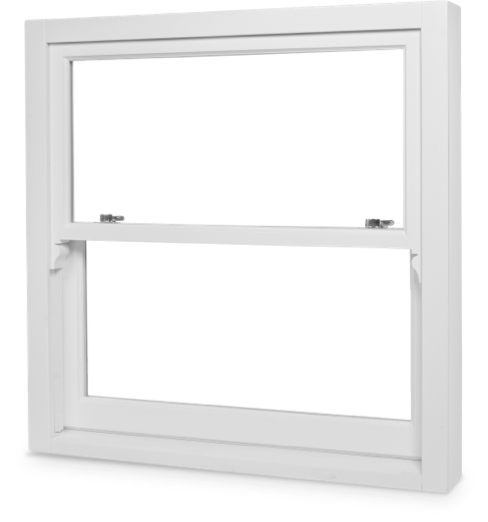
At Wooden Windows Online we specialize in high-quality timber sash windows tailored to your specific needs. Contact us today to explore our range of hardwood and softwood options and find the perfect window solution for your home!
Our Best-Selling Timber Windows: