What You’ll Learn in This Guide
- Exactly where to measure—and the common mistakes that lead to ill-fitting windows
- Why you need three measurements for width and three for height
- The fitting tolerance you must allow (and why it matters)
- Special considerations for sash windows vs casement windows
- What information your window manufacturer actually needs from you
Introduction
Here’s a call I dread receiving: “The windows have arrived and they don’t fit.” It happens more often than you’d think—and almost always because of measuring errors at the start of the project.
The frustrating thing is, measuring for replacement timber windows isn’t complicated. It just requires care and attention to detail. Get it right, and your new windows will fit perfectly. Get it wrong, and you’re looking at delays, additional costs, or windows that never quite work properly.
This guide walks you through the process step by step. Whether you’re measuring for a single window or a whole house, the principles are the same. Follow this method, and you’ll give your window manufacturer exactly what they need to produce windows that fit first time.
Before You Start: What You’ll Need
Gather these items before you begin:
- A quality tape measure – at least 5 metres, ideally metal rather than fabric
- Notepad and pencil – to record measurements immediately
- A sketch – even a rough drawing helps you keep track of which measurement is which
- A stepladder – if you’re measuring upper floor windows from inside
- A helper – useful for holding the tape on larger openings
One crucial point: always measure in millimetres. It’s more precise than centimetres, eliminates decimal points, and is what your manufacturer will work in. A window that’s 1247mm wide is much clearer than “about 124.7cm” or “just under 125cm.”

Understanding What You’re Measuring
This is where confusion often starts. Are you measuring the opening in the wall? The existing frame? The glass? Let me clarify.
For replacement windows, you’re typically measuring the structural opening—the masonry or timber opening in the wall that the window frame sits in. This is usually what’s revealed when you remove the existing window completely.
However, if you’re doing a frame-in-frame replacement (fitting new windows inside existing outer frames), you’ll measure the internal dimensions of the existing frame instead.
If you’re unsure which applies to your situation, speak to your window supplier before measuring. We can advise based on your specific circumstances.
Step 1: Measuring the Width
Old buildings are rarely perfectly square—walls settle, timber moves, and openings that were true 100 years ago may not be now. That’s why a single width measurement isn’t enough.
Take three measurements across the opening:
- At the top – measure from the left reveal to the right reveal
- In the middle – at roughly half height
- At the bottom – just above the sill
Record all three figures. For ordering purposes, you’ll use the smallest measurement—this ensures the window will definitely fit into the opening at its narrowest point.
If your three measurements vary by more than 10mm, make a note. Significant variation might indicate the opening needs attention before installation, or that packing will be required during fitting.
Step 2: Measuring the Height
Apply the same principle vertically. Take three height measurements:
- On the left – from the head of the opening to the sill
- In the centre – same measurement at the midpoint
- On the right – from head to sill on the opposite side
Again, record all three and note the smallest measurement. This becomes your ordering height.
Be careful with sills. If you’re retaining an existing stone or timber sill, measure to the top of the sill where the window frame will sit. If the sill is being replaced as part of the project, measure to where the new sill’s top surface will be.
Step 3: Allow for Fitting Tolerance
This is the step people most commonly forget—and it’s critical.
A window manufactured to exactly the same size as your opening won’t fit. You need a gap around the frame for fitting adjustments, packers, expanding foam, and final sealing. Without this tolerance, installation becomes a nightmare.
The standard approach is to deduct 10mm from both width and height. So if your smallest width measurement is 1200mm and your smallest height is 1400mm, you’d order a window 1190mm × 1390mm.
This gives you a 5mm gap on each side—enough for proper fitting without being so large that sealing becomes difficult.
Important: Always confirm fitting tolerance requirements with your supplier. Some may have different recommendations based on frame design or installation method.
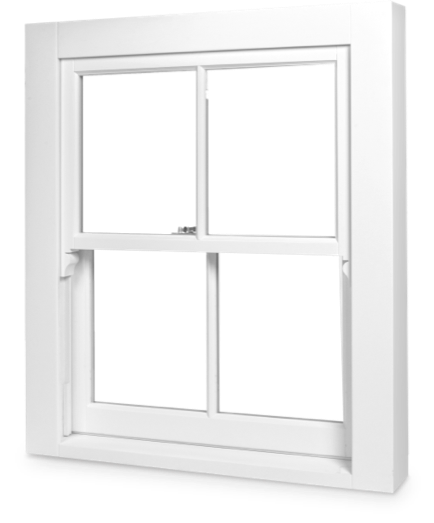
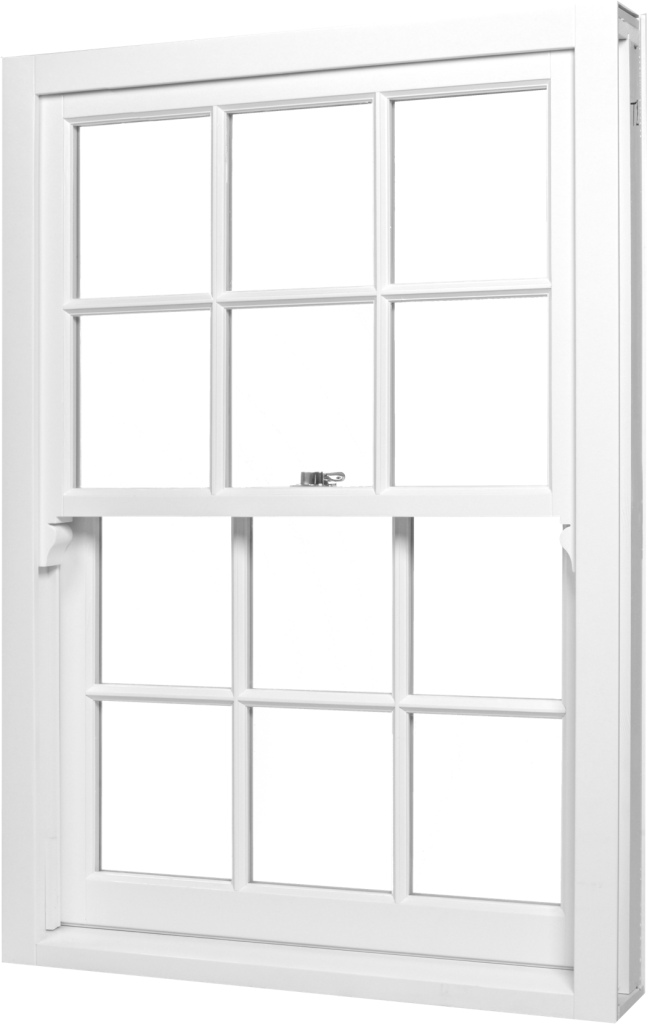
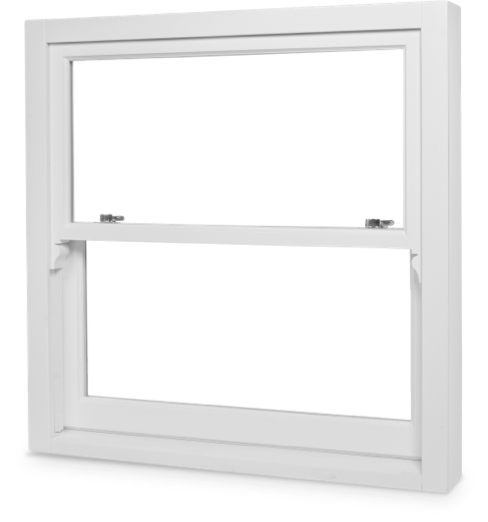
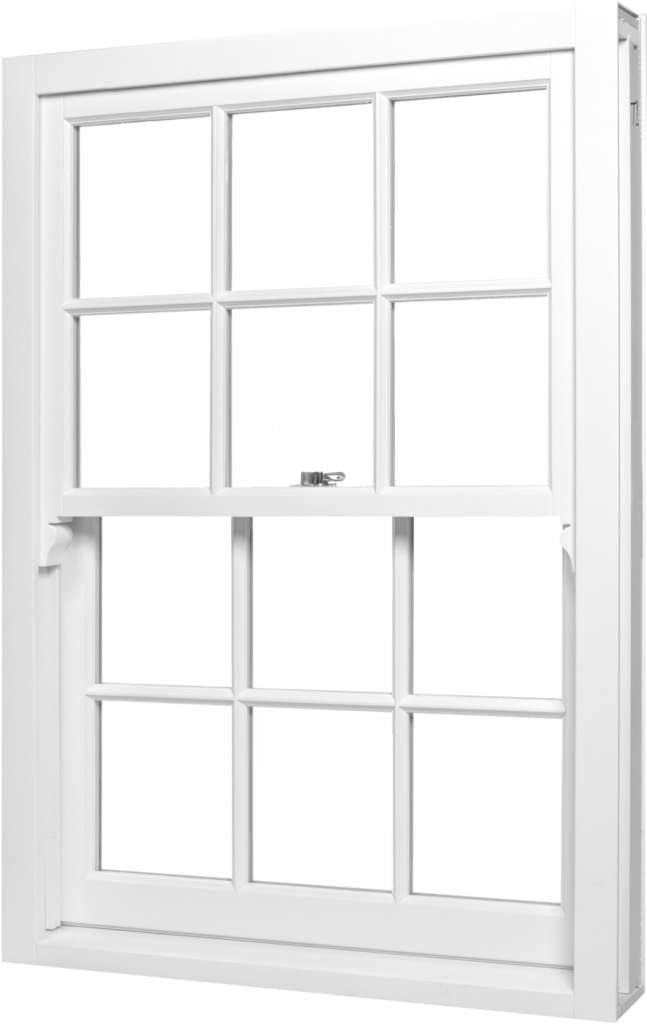
Special Considerations for Sash Windows
Sash windows have some additional measuring considerations.
If you’re replacing the entire box frame (the outer frame that contains the weight boxes), measure the structural opening as described above.
If you’re replacing just the sashes within an existing box frame, you’ll need to measure the sash openings specifically. This is more complex and typically requires measuring the width between the staff beads, the height of each sash opening, and the meeting rail position.
For sash-only replacement, I’d recommend having your supplier or a specialist assess in person. The tolerances are tighter, and getting it wrong is costly.
Special Considerations for Casement Windows
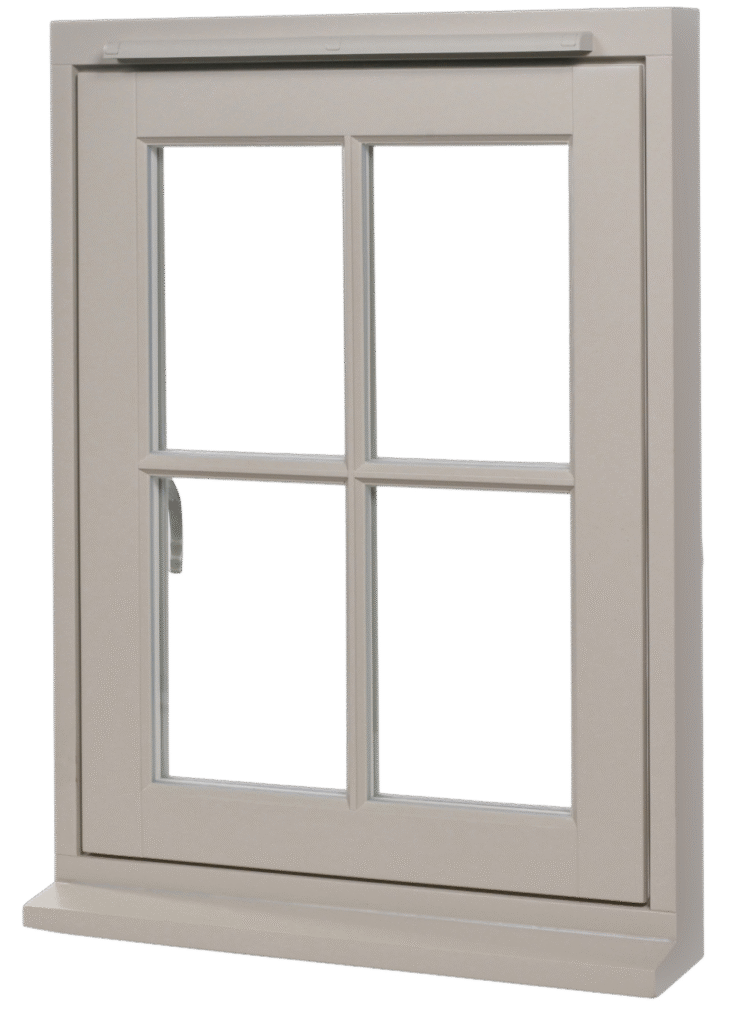
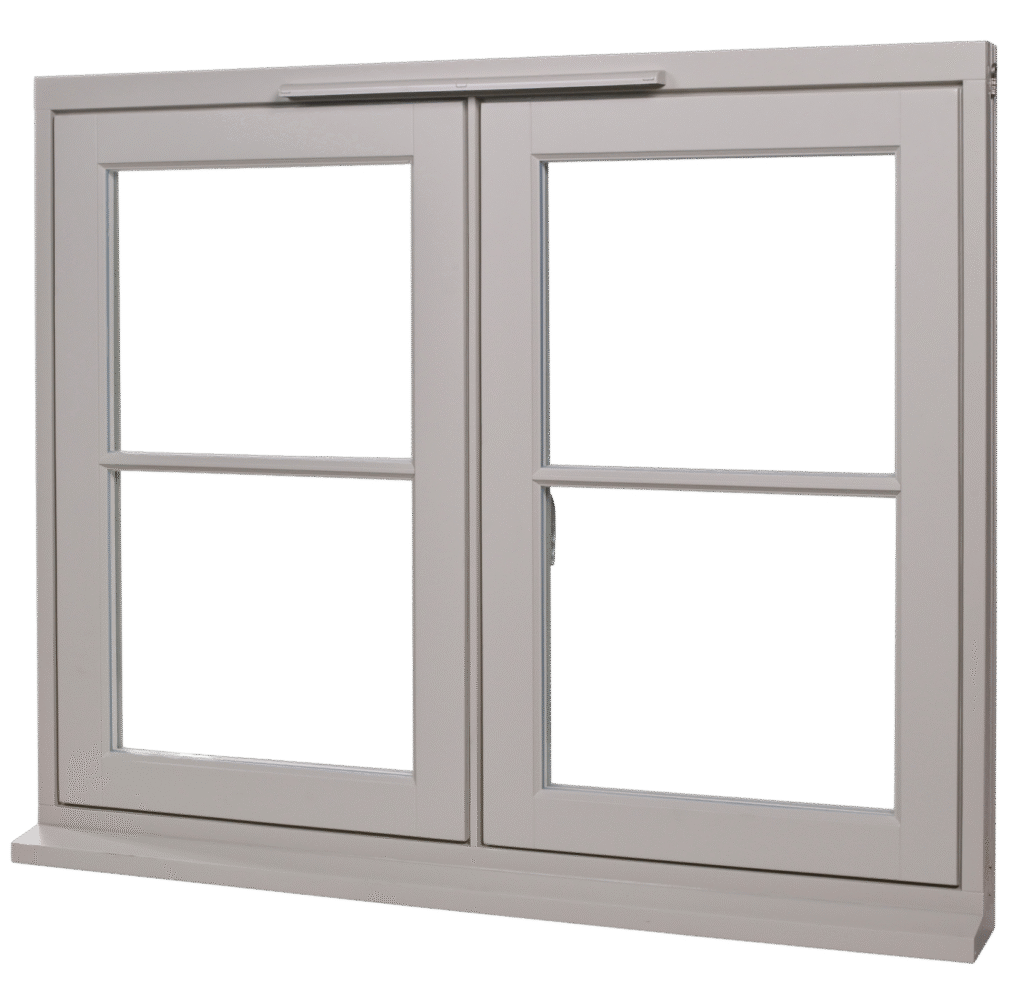
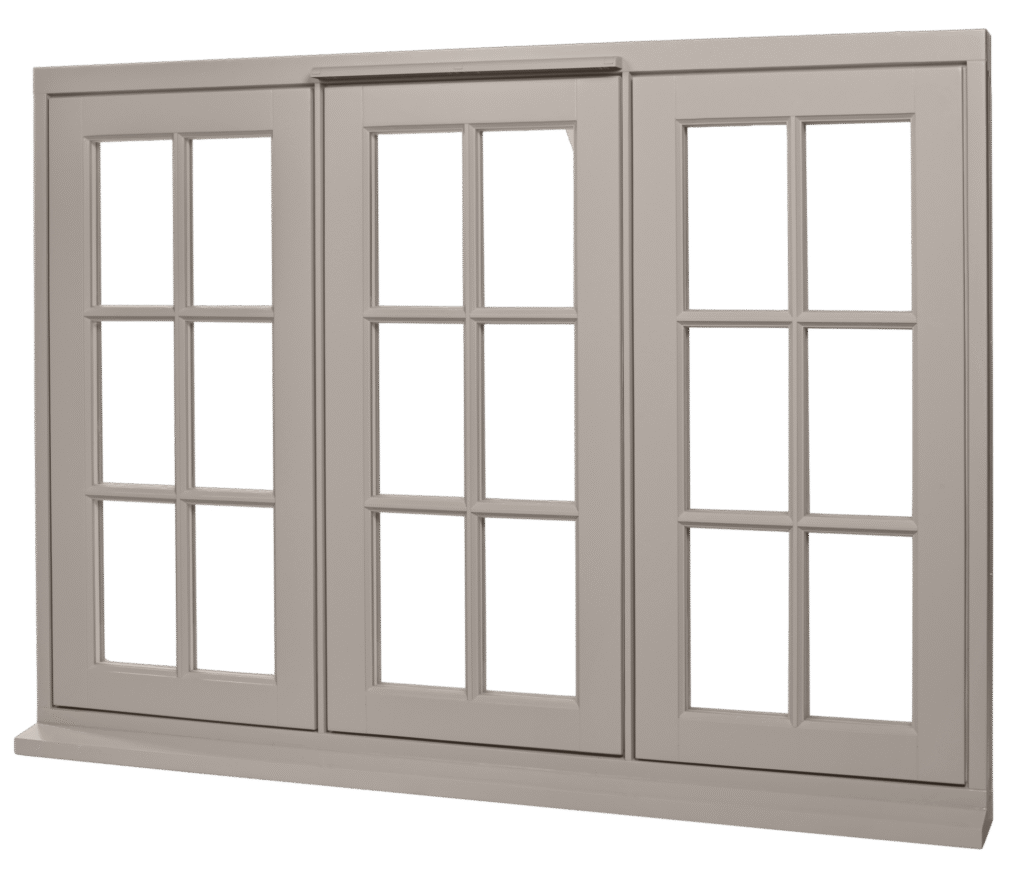
Casement windows are generally more straightforward. Measure the structural opening, apply the 10mm tolerance, and you’re most of the way there.
Additional information your supplier will need includes how many opening casements you want (and which ones), whether you want top-hung, side-hung, or a combination, the hinge side for each opener (which side do you want the handle?), and any glazing bar patterns.
A sketch showing your preferred configuration saves a lot of back-and-forth and ensures you get exactly what you’re expecting.
What Information to Provide Your Supplier
When you contact us for a quote, we’ll need the following:
- Finished frame sizes (smallest measurements minus 10mm tolerance)
- Window style – sash, casement, or combination
- Timber choice – engineered pine, meranti, or oak
- Glazing specification – double glazed, triple glazed, glass type
- Finish – painted (which colour?), stained, or primed for on-site finishing
- Any special requirements – listed building specifications, acoustic glass, obscured glass, etc.
If you’re ordering multiple windows, label each one clearly on your sketch (e.g., “Ground floor front left,” “Bedroom 2”) so there’s no confusion about which size goes where.
Common Measuring Mistakes to Avoid
After years of helping customers with measurements, these are the errors I see most often:
Taking only one measurement. As explained above, openings are rarely perfectly square. One measurement isn’t enough.
Measuring the existing window rather than the opening. Existing windows may have been made to different tolerances, or the opening may have changed. Always measure the opening itself.
Forgetting the fitting tolerance. If you give us opening sizes without deducting tolerance, we’ll make windows that won’t fit.
Measuring in the wrong units. Millimetres are standard. If you measure in inches or centimetres, convert to millimetres before ordering.
Not accounting for sills. If there’s an existing sill that’s staying, measure to its top surface, not over it.
When to Get Professional Help
While measuring is straightforward for standard openings, some situations warrant professional involvement. Consider getting expert help for listed buildings where exact replication of existing details is required, unusual shapes like arched or circular windows, very large openings where precision is critical, situations where you’re unsure what you’re measuring, and high-value projects where you want complete certainty.
We’re always happy to discuss your measurements before you order. A quick phone call can catch potential issues before they become expensive problems.
Conclusion
Accurate measuring isn’t difficult—it just requires method and attention. Take three measurements for width, three for height, use the smallest of each, deduct your fitting tolerance, and record everything clearly.
The few minutes you spend measuring carefully will save hours of frustration later. Windows that fit properly are easier to install, perform better thermally, and look right. Windows that don’t fit are a headache for everyone involved.
If in doubt, ask. We’d far rather answer questions upfront than deal with problems after manufacture.
Frequently Asked Questions
FAQ
Should I measure the opening or the existing window frame?
–
+
For full replacement, measure the structural opening—the masonry or timber opening revealed when the existing window is removed. For frame-in-frame replacement (fitting new windows inside existing outer frames), measure the internal dimensions of the existing frame. If unsure which applies, ask your supplier before measuring.
Why do I need to take three measurements?
–
+
Old buildings are rarely perfectly square—walls settle and openings shift over time. Taking three measurements across the width and three down the height identifies any variation. You then use the smallest measurement to ensure the window fits at the narrowest point. This prevents the nightmare of windows that won’t go into the opening.
What is fitting tolerance and why does it matter?
–
+
Fitting tolerance is the gap between the window frame and the opening—typically 10mm total (5mm each side). This allows for installation adjustments, packers, expanding foam, and sealing. Without it, fitting becomes extremely difficult or impossible. Always deduct 10mm from both your smallest width and height measurements before ordering.
Should I measure in millimetres or centimetres?
–
+
Always measure in millimetres. It’s more precise, eliminates decimal points, and is the standard unit window manufacturers work in. A measurement of 1247mm is clearer and less prone to error than ‘124.7cm’ or ‘about 125cm’. Most quality tape measures show both, so just read the millimetre scale.
What if my three measurements are very different?
–
+
Variation of a few millimetres is normal and nothing to worry about—just use the smallest figure. If your measurements vary by more than 10-15mm, note this when ordering. Significant variation might mean the opening needs remedial work before installation, or that your installer will need to use more substantial packing.
Can I measure for sash windows myself?
–
+
For full sash window replacement (entire box frame), yes—measure the structural opening using the method described. For sash-only replacement within existing frames, the tolerances are tighter and measurements more complex. In that case, I’d recommend having your supplier or a specialist assess in person to ensure accuracy.
Ready to Order Your Windows?
At Wooden Windows Online, we manufacture bespoke timber windows to your exact specifications. Send us your measurements and requirements, and we’ll provide a detailed quote—typically within 24-48 hours.
Not sure about your measurements? Contact us and we’ll talk you through it. We’d rather spend ten minutes on the phone now than have problems later.
Our Best-Selling Timber Windows: