What You’ll Discover in This Article
- The real differences between hardwood and softwood—and when each makes sense
- Why we use engineered timber instead of solid wood for better stability
- Oak vs meranti vs pine: which species suits your property and budget
- Maintenance requirements for each timber type
- How to choose the right wood for listed buildings and conservation areas
Introduction
Here’s a question I get asked almost daily: “Should I go for hardwood or softwood sash windows?” And honestly, the answer isn’t as straightforward as most websites make it sound.
The typical advice goes something like this: hardwood is better but more expensive, softwood is cheaper but less durable. That’s true as far as it goes—but it misses the nuances that actually matter when you’re spending thousands on new sash windows.
After fifteen years supplying timber windows across the UK, I’ve seen both materials perform brilliantly—and both fail miserably. The difference isn’t just hardwood vs softwood. It’s about species selection, timber engineering, finish quality, and whether the windows are actually suited to their environment.
Let me give you the full picture.

Hardwood vs Softwood: What’s the Actual Difference?
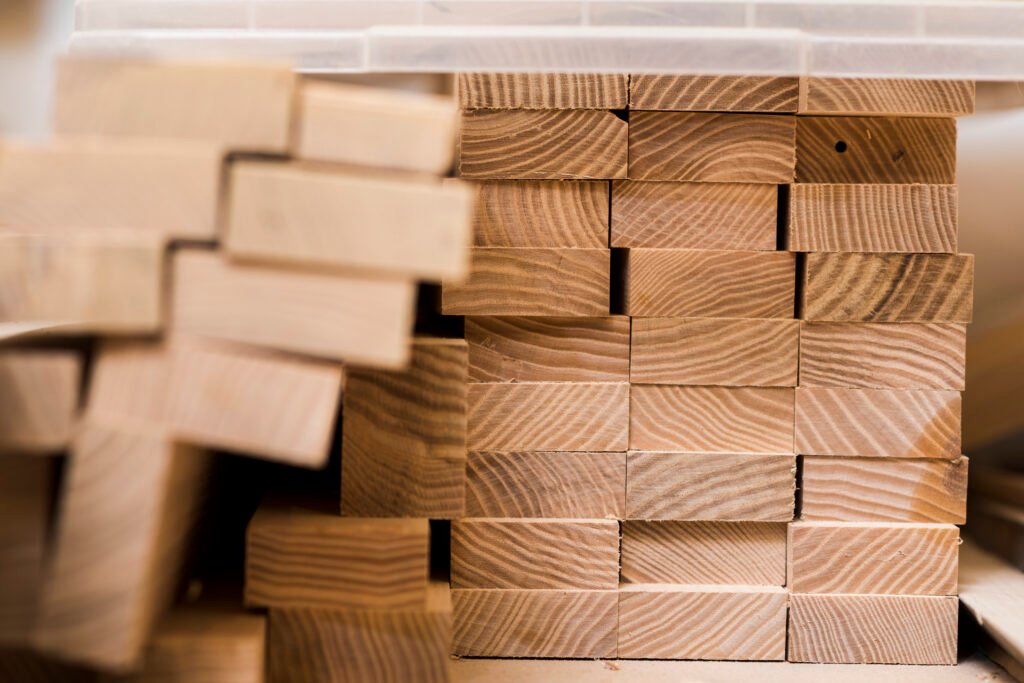
The terms “hardwood” and “softwood” are botanical classifications, not descriptions of actual hardness. Hardwoods come from broadleaf deciduous trees (oak, meranti, mahogany). Softwoods come from coniferous trees (pine, cedar, fir). Generally, hardwoods are denser and more durable—but there are exceptions.
For window manufacturing, the practical differences are:
Hardwoods (oak, meranti) are denser, more resistant to dents and impacts, naturally more durable, and typically have more attractive grain patterns. They cost more—usually 30-50% more than equivalent softwood windows.
Softwoods (engineered pine) are lighter, easier to machine, more affordable, and—when properly treated and finished—perfectly durable for window applications. They’ve been used in British windows for centuries.
The Timber Species We Use (And Why)
Engineered Pine (Softwood)
This is our most popular option, and for good reason. Modern engineered pine isn’t the knotty, warping timber your grandfather complained about. It’s laminated from multiple layers with alternating grain directions, creating exceptional dimensional stability.
What does that mean practically? The window won’t warp, twist, or stick as humidity changes through the seasons. It holds paint beautifully, machines to crisp profiles, and—with proper finishing—will last 60+ years.
We use FSC-certified pine from sustainable Scandinavian forests. It’s an environmentally sound choice that delivers excellent performance at a sensible price point.
Meranti (Hardwood)
Meranti is a tropical hardwood that’s become the industry standard for premium timber windows. It’s naturally durable, has a tight grain that finishes beautifully, and offers excellent stability.
The thing I particularly like about meranti is its workability. Unlike some hardwoods that are difficult to machine, meranti cuts cleanly and holds detailed profiles—important for authentic period mouldings on Georgian sash windows.
Meranti costs more than pine but less than oak. It’s a middle-ground option that delivers hardwood performance without the premium price tag.
Oak (Hardwood)
Oak is the prestige choice—dense, incredibly durable, and with that distinctive grain pattern that says “quality” at first glance. For high-end properties, listed buildings, or anywhere you want to make a statement, oak is hard to beat.
The catch? It’s significantly more expensive—typically 50-70% more than pine. And oak’s natural tannins can react with certain metals and finishes, requiring careful specification. It’s absolutely worth it for the right project, but it’s not automatically “better” than other options.

Durability: What Actually Matters
Here’s something most comparisons get wrong: timber species matters less than you’d think for window longevity. What matters more is:
Engineering quality: Laminated engineered timber outperforms solid timber of any species. The cross-grain construction prevents the warping and movement that plagued traditional windows.
Finish system: A properly applied microporous finish protects softwood just as effectively as hardwood. The finish is your window’s first line of defence against moisture—get this right, and species becomes secondary.
Maintenance: Any timber window, regardless of species, needs periodic attention. Neglected oak will fail faster than well-maintained pine. It’s that simple.
That said, if you’re in a harsh coastal environment with salt spray and driving rain, hardwood’s extra density does provide additional resilience. For most UK locations, though, properly specified softwood performs just as well.
Cost Comparison
Let’s talk numbers. For a typical Victorian property needing 8-10 sash windows:
- Engineered pine: £6,000-9,000
- Meranti: £8,000-12,000
- Oak: £10,000-15,000
These are supply-only figures—installation is additional and roughly similar regardless of timber choice.
Is the premium worth it? For oak specifically, I’d say it depends on your property. A Grade II listed Georgian townhouse? Oak makes sense—it’s historically appropriate and adds value. A Victorian terrace where budget matters? Engineered pine delivers identical functionality at 40% less cost.
Which Should You Choose?
Choose engineered pine if:
- Budget is a significant factor
- You’re painting the windows (grain won’t be visible)
- You want excellent performance without premium pricing
- Environmental sustainability matters to you
Choose meranti if:
- You want hardwood durability at a moderate premium
- You’re staining rather than painting (to show the grain)
- The property is in an exposed location
- Period authenticity is important but oak is beyond budget
Choose oak if:
- You have a listed building or high-end period property
- Budget allows for the premium
- You want that distinctive oak character and grain
- Maximum durability is the priority

Conclusion
The hardwood vs softwood debate matters less than the industry sometimes suggests. Modern engineered timber, quality finishes, and proper maintenance are what determine how your windows will perform over decades.
Hardwood offers genuine advantages in density and natural durability—but at a price premium that isn’t always justified. Softwood, properly specified and finished, delivers excellent performance for most UK homes at a more accessible price point.
The best choice depends on your specific situation: your property, your budget, your aesthetic preferences, and how exposed your location is. There’s no universally “right” answer—only the answer that’s right for you.
Frequently Asked Questions
FAQ
How long do softwood sash windows last compared to hardwood?
–
+
With proper maintenance, both can last 60+ years. Modern engineered softwood with quality finishes performs comparably to hardwood in most UK conditions. The key factors are finish quality and ongoing maintenance rather than timber species alone. Hardwood may have a slight edge in very exposed coastal locations.
Is hardwood worth the extra cost?
–
+
It depends on your priorities. For listed buildings, high-end properties, or exposed locations, hardwood’s extra durability and prestige justify the 30-70% premium. For most homes where windows will be painted, engineered pine delivers identical functionality at significantly lower cost. The grain won’t show under paint anyway.
What’s the difference between meranti and oak?
–
+
Both are hardwoods offering excellent durability. Oak is denser with distinctive grain—the prestige choice for high-end properties. Meranti is a tropical hardwood that machines beautifully and costs 20-30% less than oak while still delivering hardwood performance. For most applications, meranti offers the best balance of quality and value.
Do I need hardwood for a listed building?
–
+
Not necessarily—it depends on what the original windows were made from. Conservation officers want like-for-like replacement, so if original windows were softwood (common in many Georgian and Victorian properties), softwood replacements are appropriate. Check with your local conservation officer before assuming hardwood is required.
What maintenance do timber sash windows need?
–
+
Both hardwood and softwood need similar maintenance: external refinishing every 8-12 years with modern microporous finishes, periodic hardware lubrication, and prompt attention to any damage. Softwood may need slightly more vigilant monitoring in harsh conditions, but the maintenance regime is essentially identical for both.
Which timber is best for painting vs staining?
–
+
For painted finishes, engineered pine is ideal—it’s cost-effective and the grain won’t show anyway. For stained or natural finishes where you want to see the wood grain, hardwoods like oak or meranti offer more attractive patterns. Meranti stains particularly well and is popular for heritage colour schemes.
Need Help Choosing?
At Wooden Windows Online, we manufacture bespoke timber sash windows in engineered pine, meranti, and oak. Every window is made to measure and delivered nationwide, factory-finished and ready for your local installer to fit.
Not sure which timber is right for your project? Contact us for a free consultation—we’ll help you choose the right specification for your property and budget.
Our Best-Selling Timber Windows: