What You’ll Discover in This Article
- The real differences between timber and uPVC—beyond the marketing claims
- Why timber windows last 60+ years while uPVC needs replacing after 25-30
- Maintenance realities: what each material actually requires
- Which option delivers better thermal performance and energy savings
- Conservation areas and listed buildings: why timber is often mandatory
- The true cost comparison when you factor in lifespan
Introduction
I’ll be honest with you—as a timber window supplier, I’ve got skin in this game. But here’s the thing: I’ve also spent fifteen years talking to homeowners who’ve lived with both materials, and the pattern is remarkably consistent.
People who choose uPVC usually do so because it’s cheaper upfront and they’ve been told it’s “maintenance-free.” Twenty years later, many of them are back on the phone, frustrated that their windows have yellowed, the seals have failed, and they’re facing another £5,000-8,000 bill. The “maintenance-free” option turns out to need complete replacement.
Meanwhile, clients who chose timber windows a decade ago? They’ve repainted once, maybe twice. Their windows still look beautiful and work perfectly. And they’ll likely never need to replace them.
That’s not marketing—that’s what actually happens. Let me walk you through the full comparison so you can make an informed decision.
Lifespan: The Number That Changes Everything
This is where the timber vs uPVC debate gets interesting—and where the upfront cost comparison falls apart.
Timber windows, properly maintained, last 60 years or more. That’s not optimistic marketing; it’s observable fact. Georgian and Victorian properties across the UK still have original timber windows functioning perfectly after 150+ years. The material is inherently durable, and—crucially—it can be repaired indefinitely.
uPVC windows have a realistic lifespan of 20-30 years. The plastic degrades over time: it yellows in sunlight, becomes brittle, and eventually cracks. Seals fail, mechanisms wear out, and there’s no economic repair option. When uPVC fails, you replace the entire unit.
Here’s the maths that matters. Over a 60-year period:
- Timber: One set of windows (£8,000-12,000) plus maintenance (£2,000-3,000 total) = £10,000-15,000
- uPVC: Two or three complete replacements (£5,000 × 2-3) = £10,000-15,000+
The “expensive” option costs the same or less over time. And you get to live with beautiful windows instead of plastic ones.
The Maintenance Reality
“But timber is high-maintenance!” It’s the objection I hear constantly—usually from people whose only reference is their grandmother’s draughty 1950s windows that were never looked after.
Here’s what timber window maintenance actually involves in 2025:
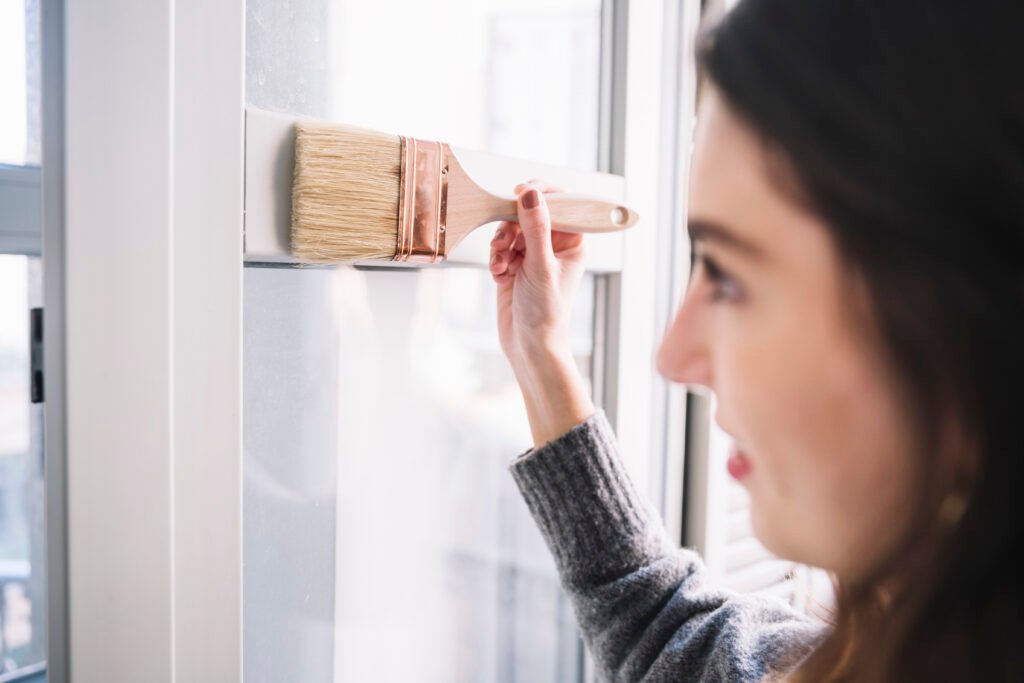
Modern factory-applied finishes (microporous paints and stains) last 8-12 years on external faces before needing attention. Internal faces can go 15-20 years. That’s one repainting job per decade—a weekend with a brush, or a few hundred pounds for a decorator.
Compare that to uPVC’s “low maintenance” reality: you can’t repaint yellowed plastic. You can’t repair cracked frames. You can’t replace worn seals economically. When things go wrong, replacement is your only option.
The maintenance trade-off isn’t “some work vs no work.” It’s “occasional simple upkeep vs eventual complete replacement.” I know which I’d choose.
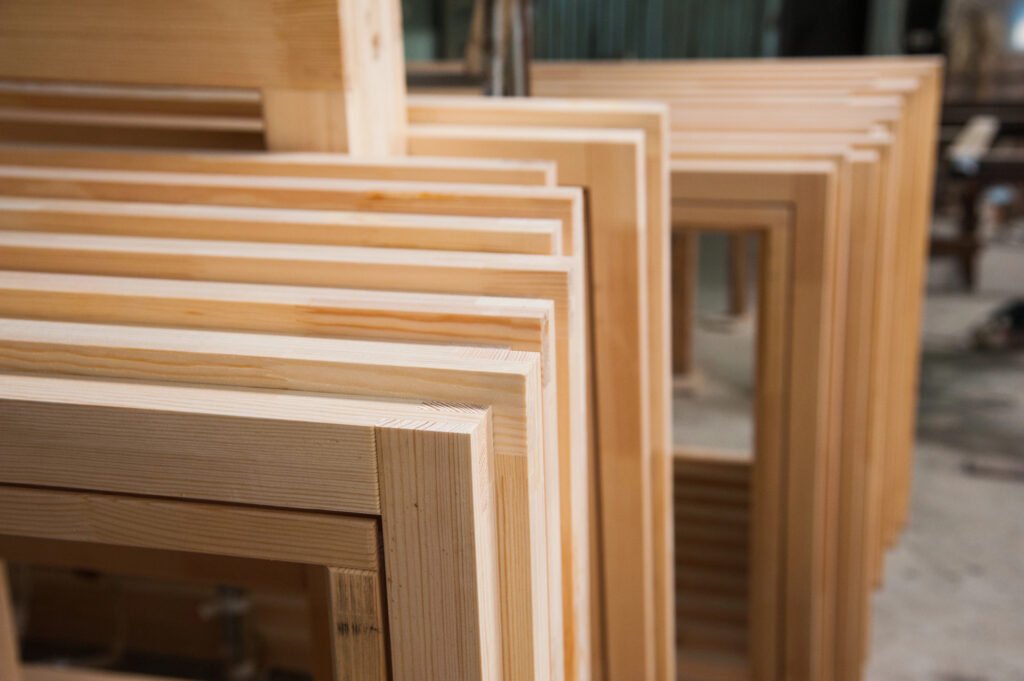
Thermal Performance: Timber’s Natural Advantage
Wood is a natural insulator. Its cellular structure traps air, providing inherent thermal resistance that plastic simply can’t match without engineering workarounds.
Touch a uPVC frame on a cold January morning—it’s noticeably cool. Touch a timber frame—it feels closer to room temperature. That’s not perception; it’s physics. Timber has lower thermal conductivity, meaning less heat transfers through the frame itself.
Both materials can achieve excellent whole-window U-values when combined with quality double glazing. Building Regulations Part L requires 1.4 W/m²K or better for replacement windows, and both timber and uPVC meet this comfortably.
But timber edges ahead in two ways:
- Frame contribution: Timber frames actively help insulation rather than working against it
- No thermal bridging: Unlike aluminium (and to a lesser extent uPVC), timber doesn’t create cold spots where the frame meets the glass
According to the Energy Saving Trust, well-specified windows of either material can reduce heating bills significantly. But if you’re optimising for thermal performance, timber has the edge.
Aesthetics: No Contest
This one’s subjective—but only up to a point. uPVC manufacturers have worked hard to create “woodgrain effect” finishes. Some are better than others. None look like actual wood.
Timber windows have natural grain patterns, warm tones, and a depth of character that plastic can’t replicate. They age gracefully—a 50-year-old timber window, well maintained, has genuine beauty. A 20-year-old uPVC window looks tired and dated.
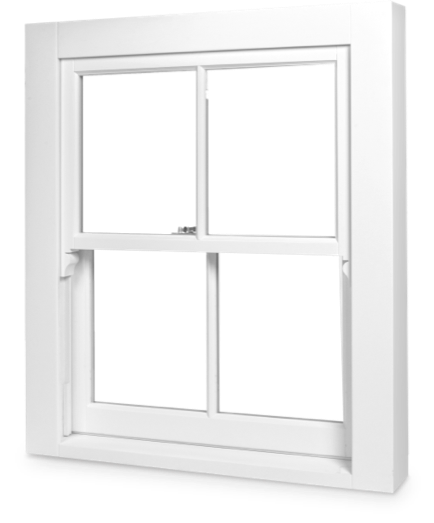
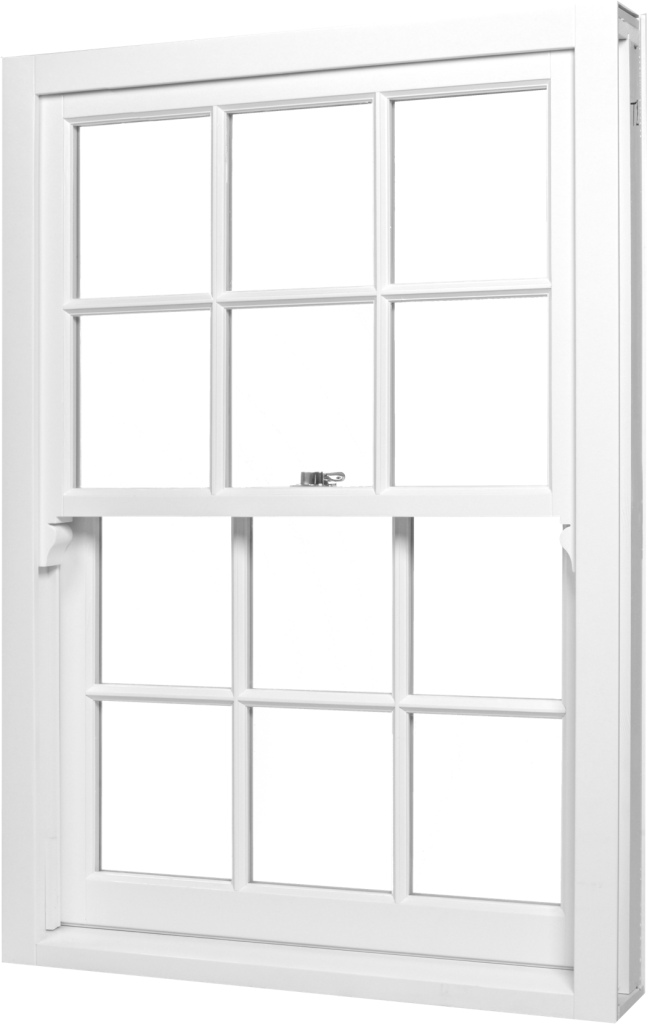
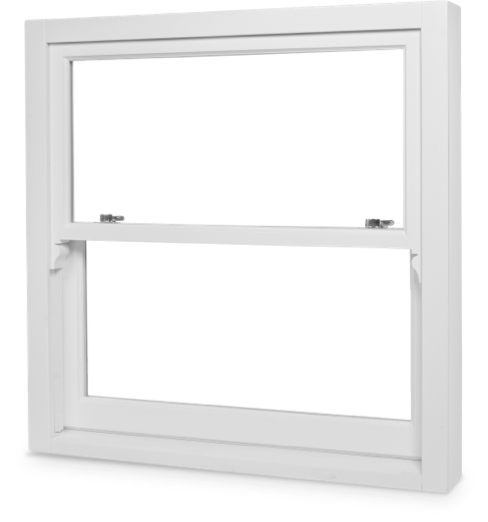
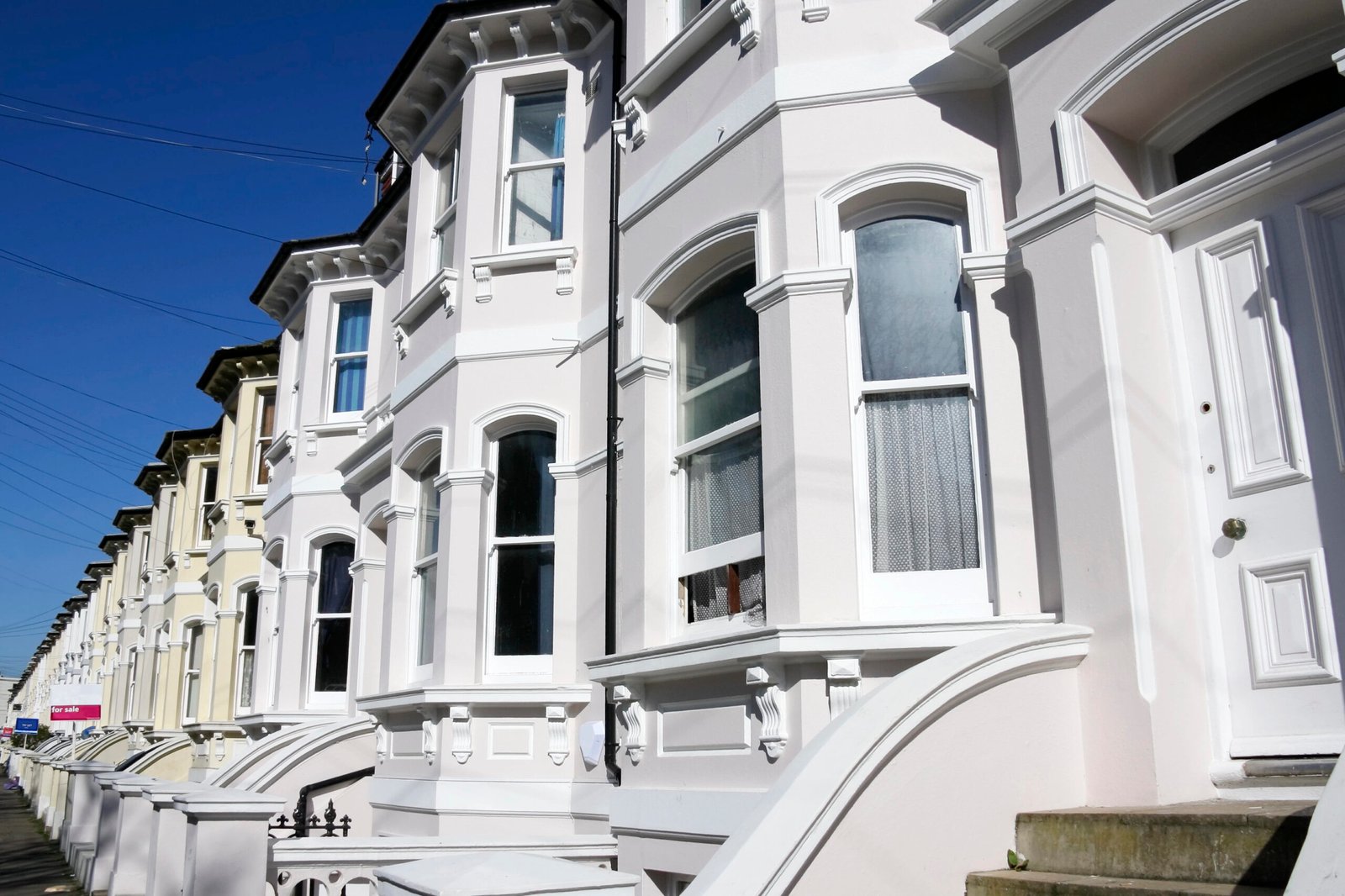
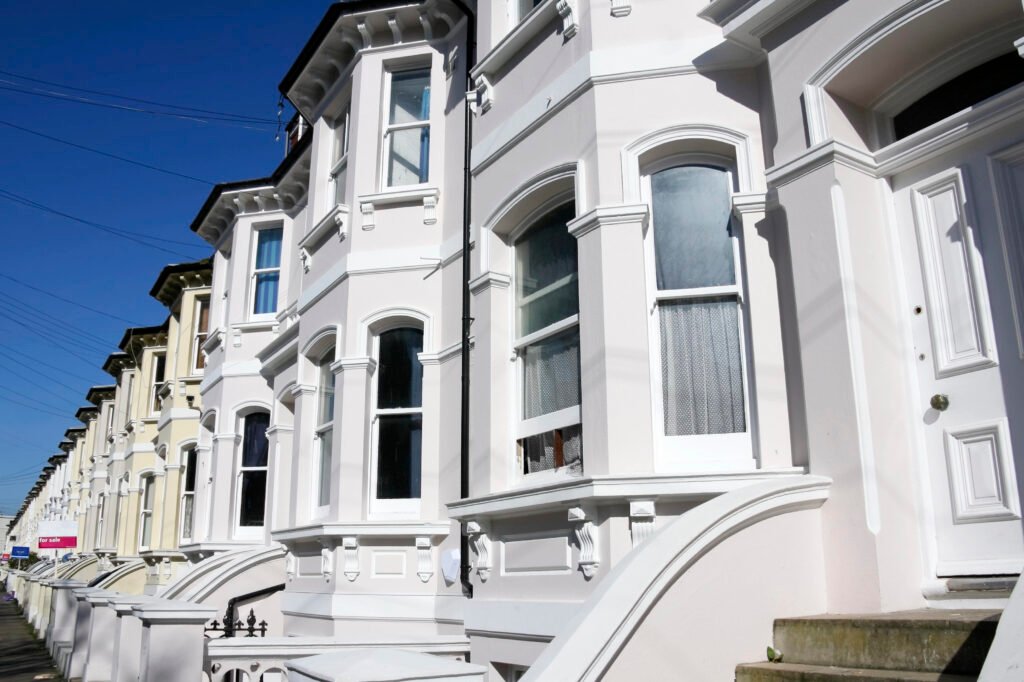
For period properties especially, the difference is stark. Traditional sash windows in timber look authentic because they’re made from the same material as the originals. uPVC sashes—however well-designed—always look like replicas. They lack the slim profiles, the subtle mouldings, the way light catches real wood grain.
If aesthetics matter to you—and for most homeowners they do—timber wins decisively.
Conservation Areas and Listed Buildings
Here’s where the choice sometimes isn’t yours to make.
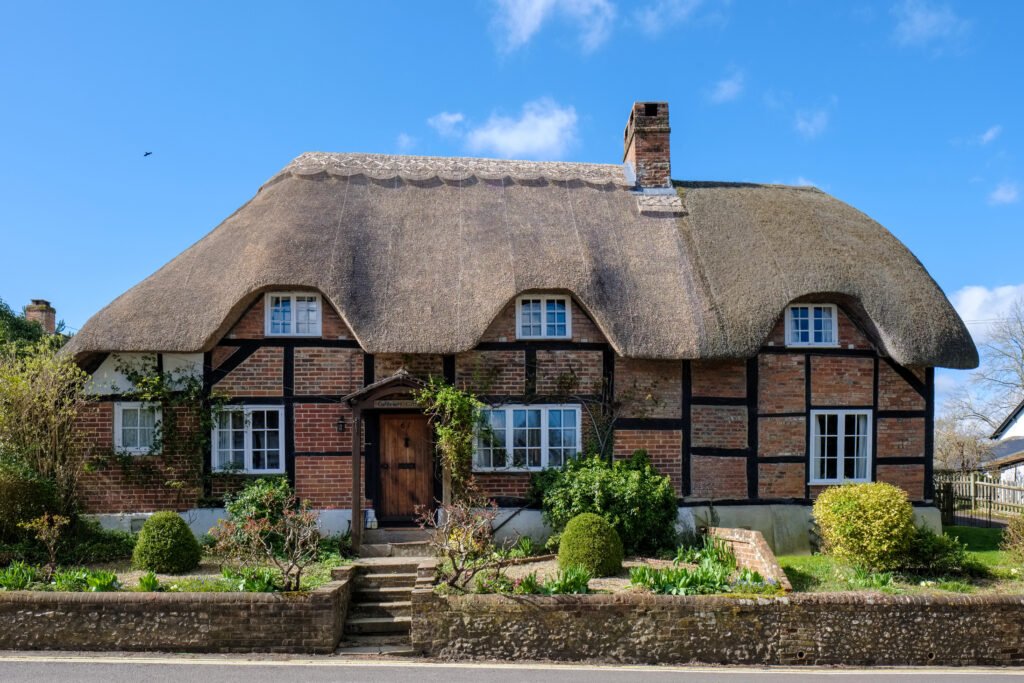
In listed buildings, planning regulations typically require like-for-like replacement. If your property has timber windows, you’ll need timber replacements—uPVC simply won’t get approval. Historic England is clear on this: original materials and traditional construction methods should be maintained.
Conservation areas are slightly more flexible, but local planning authorities increasingly reject uPVC applications for properties with traditional window styles. The visual impact on streetscapes matters, and plastic windows on Georgian terraces or Victorian villas look incongruous.
If you’re buying in a conservation area or listed property, factor this into your planning. Timber windows aren’t just aesthetically appropriate—they may be legally required.
Environmental Considerations
For environmentally conscious homeowners, the comparison favours timber significantly.
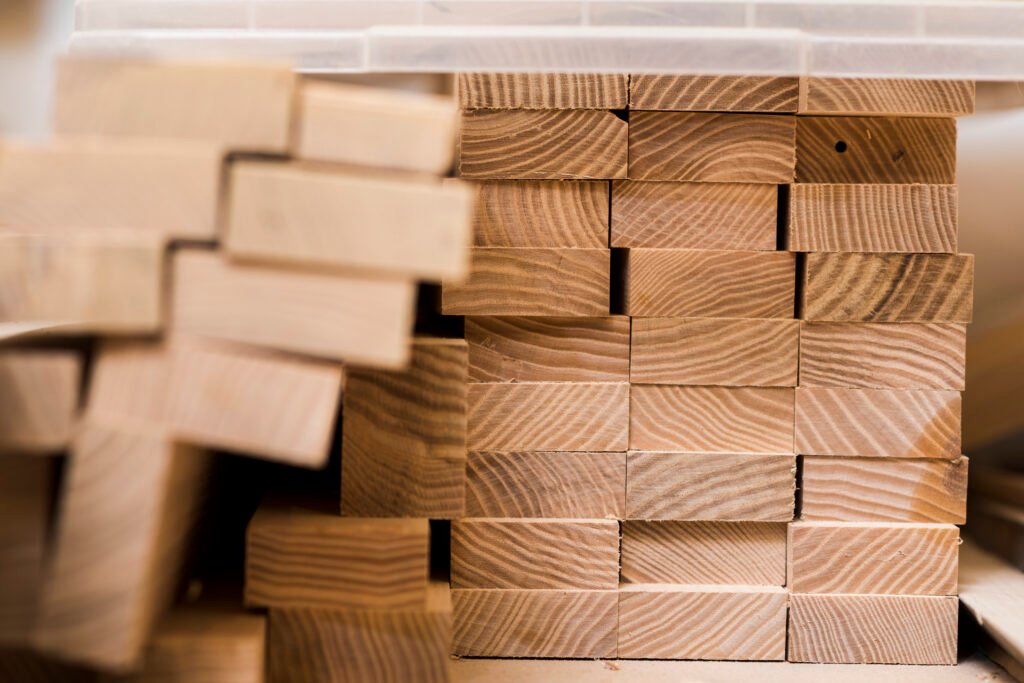
Timber is renewable, biodegradable, and acts as a carbon store throughout its life. FSC-certified timber comes from sustainably managed forests where harvested trees are replaced. At end of life, timber windows can be recycled or will biodegrade naturally.
uPVC is derived from petroleum, energy-intensive to manufacture, and problematic to dispose of. While technically recyclable, the reality is that most uPVC windows end up in landfill where they’ll persist for centuries. The production process releases chlorine compounds and other pollutants.
If sustainability matters to you, timber is the clear choice. Our windows use FSC-certified timber from responsibly managed sources—you’re not just getting beautiful windows, you’re making an environmentally sound decision.

When uPVC Might Make Sense
I sell timber windows, but I’ll be fair: there are situations where uPVC is a reasonable choice.
Tight budget, short-term ownership: If you’re renovating to sell within 5 years and budget is critical, uPVC’s lower upfront cost might make sense. You won’t be around for the replacement cycle.
Modern properties without character value: For a 1990s estate house where original windows were uPVC anyway, replacing like-with-like is logical.
Rental properties: Landlords prioritising minimal maintenance over aesthetics often choose uPVC. It’s understandable, if not ideal.
But for your own home—especially a period property you plan to live in long-term—timber makes more sense on almost every measure.
Conclusion
The timber vs uPVC debate often comes down to upfront cost versus total cost of ownership. uPVC looks cheaper on day one. Over 30, 40, or 60 years? Timber frequently works out the same or less—while delivering superior aesthetics, thermal performance, and environmental credentials.
For period properties, conservation areas, and listed buildings, the choice is often made for you by planning requirements. But even where you have freedom to choose, timber offers something uPVC simply can’t: windows that genuinely improve with age, that can be maintained indefinitely, and that add real character and value to your home.
That’s not bias talking. That’s fifteen years of watching both materials perform in real UK homes.
Frequently Asked Questions
FAQ
Are timber windows really worth the extra cost?
–
+
When you calculate total cost of ownership over 60 years, timber often costs the same or less than uPVC. Timber windows last 60+ years with maintenance; uPVC needs complete replacement after 20-30 years. You’ll likely replace uPVC windows two or three times in the period a single set of timber windows serves perfectly.
How often do timber windows need repainting?
–
+
Modern factory-applied microporous finishes last 8-12 years on external faces before needing attention. Internal faces can go 15-20 years. This is far less demanding than the 3-4 year cycles required by traditional oil-based paints—modern finishes have transformed timber window maintenance.
Which is more energy efficient—timber or uPVC?
–
+
Both materials can achieve excellent U-values with quality double glazing, meeting Building Regulations requirements comfortably. However, timber has natural insulating properties that give it a slight edge—wood’s cellular structure traps air, and timber frames don’t create the thermal bridging issues sometimes seen with other materials.
Can I have uPVC windows in a conservation area?
–
+
It depends on your local planning authority, but many conservation areas now restrict or prohibit uPVC windows on properties with traditional window styles. For listed buildings, timber is almost always mandatory. Check with your local council before making decisions—installing uPVC without approval can result in enforcement action.
Do timber windows add value to a property?
–
+
Yes—quality timber windows are consistently valued by buyers, especially for period properties. Estate agents report that authentic timber windows can add 5-10% to property values compared to uPVC alternatives. For listed buildings and conservation areas, appropriate timber windows are essential for maintaining and maximising property value.
Is uPVC bad for the environment?
–
+
uPVC is petroleum-derived, energy-intensive to manufacture, and problematic to dispose of. While technically recyclable, most ends up in landfill where it persists for centuries. Timber, by contrast, is renewable, biodegradable, stores carbon throughout its life, and can be sustainably sourced through FSC certification.
Ready to Choose Timber?
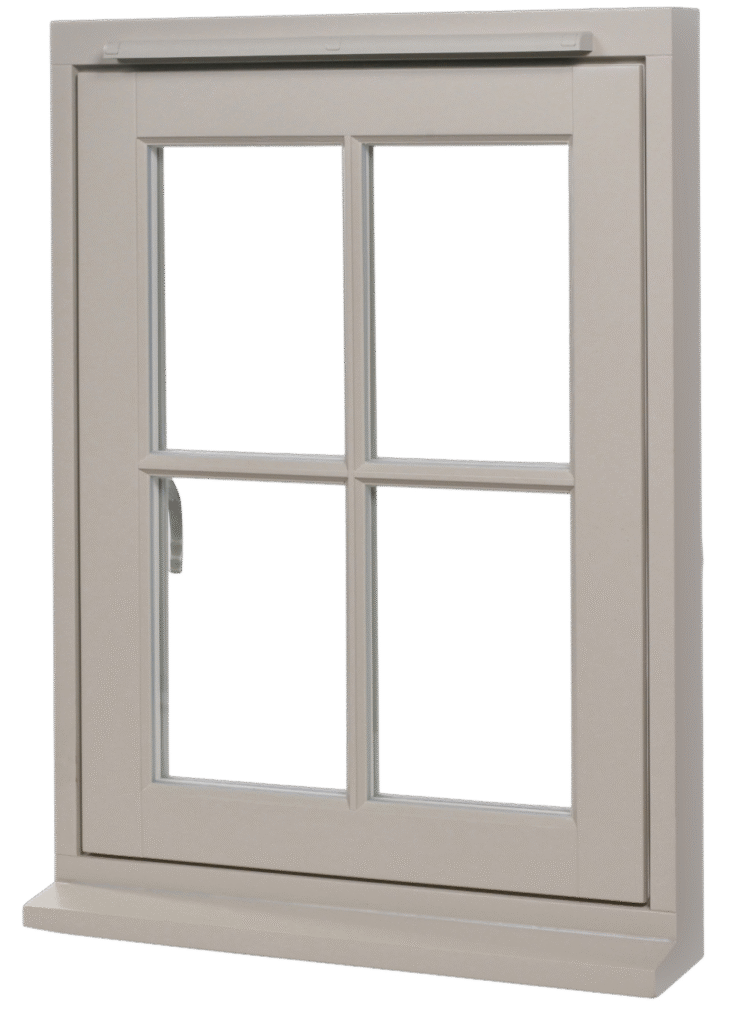
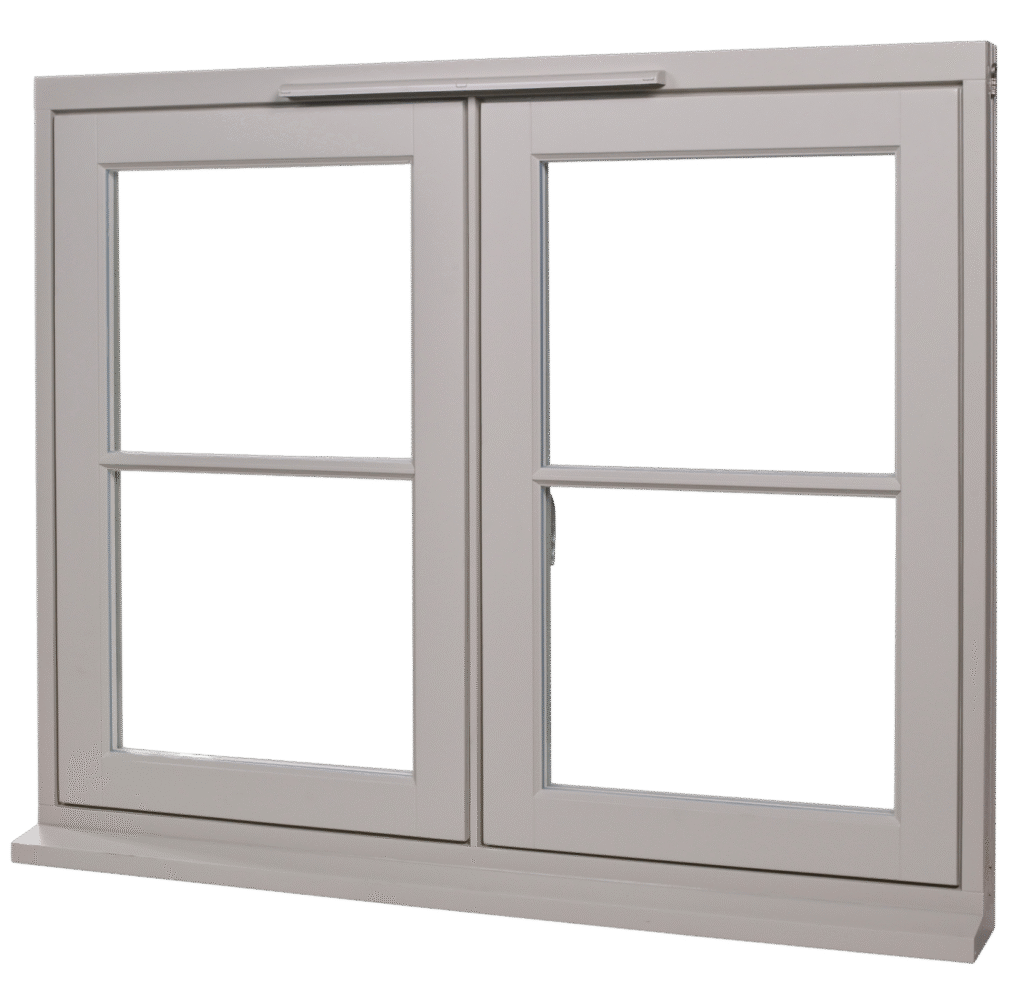
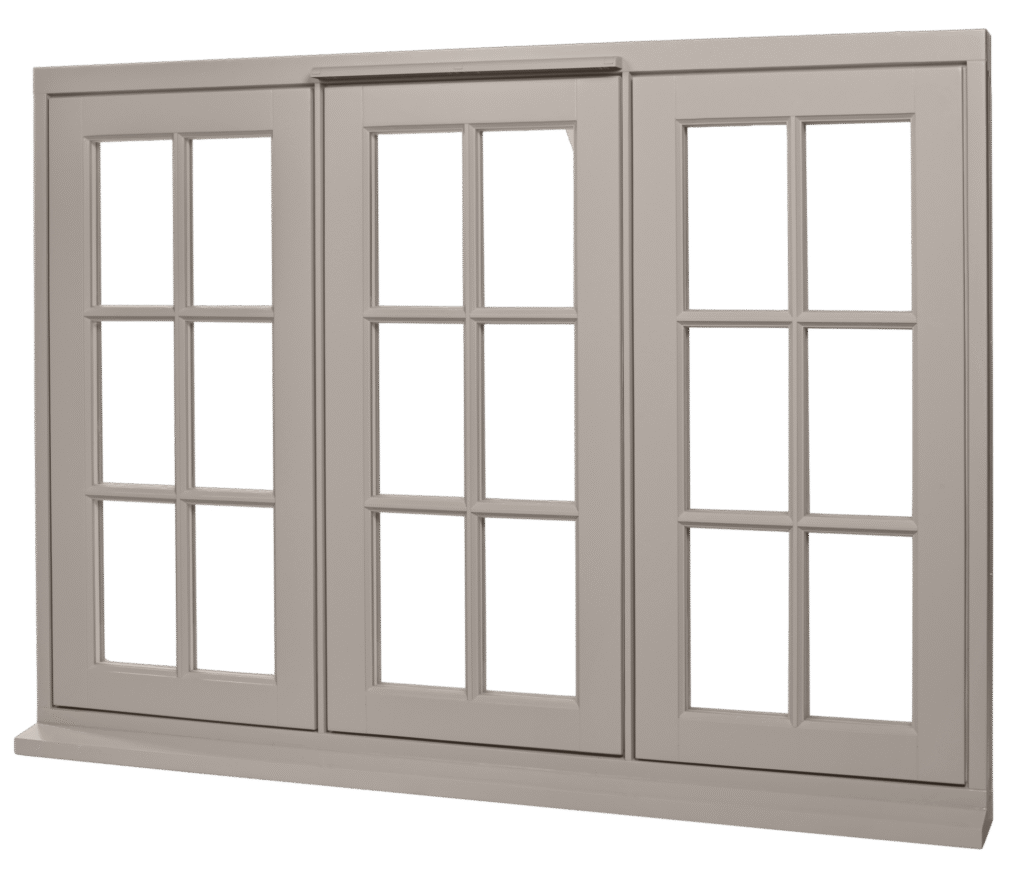
At Wooden Windows Online, we manufacture bespoke timber windows in FSC-certified engineered pine, meranti, and oak. Every window is made to measure in our workshop and delivered nationwide, factory-finished and ready for your local installer to fit.
Contact us today for a free consultation and quote.
Our Best-Selling Timber Windows: