Softwood Windows
Engineered Pine Windows: What Makes Ours Different
–
+
We use Scandinavian pine — slow-grown, tight-ringed, selected and graded for window manufacture. Not construction-grade CLS timber with knots every 200mm and resin pockets that bleed through paint. The raw material matters, but what we do with it matters more.
Three layers of timber, each roughly 22–28mm thick, bonded under high pressure with waterproof adhesive. Grain direction alternates between layers. Why? Because wood moves when its moisture content changes — it swells when wet, shrinks when dry, mostly across the grain. In a solid section, that movement is cumulative and one-directional. Frames distort. Joints open. By year three your sashes are sticking.
In an engineered section, movement in each layer is restrained by the adjacent layer. The profile stays stable. We’ve had windows returned to us after 10 years for reglaze (blown sealed unit — nothing to do with the timber) and the frame was still dead true. Checked it with a straight edge. Hadn’t moved.
There’s also a consistency advantage. Solid timber varies piece to piece — you might get a plank that’s perfect, you might get one with a knot right where a mortise joint needs to go. Engineered sections are assembled from defect-free laminations. Every profile we machine comes out the same. Consistent quality, consistent dimensions, consistent finish result.
Factory Finish: How Softwood Windows Are Treated and Painted
–
+
Vacuum preservation first — preservative forced into the timber under pressure, not a surface dip. Same process as our hardwood and oak ranges. Then multi-coat microporous factory finish: preservative base, stain, intermediate, topcoat. UV stabilisers in the top layers. Applied in controlled spray conditions, not hand-brushed on a building site. weather-resistant timber windows
Pine takes paint exceptionally well. The grain is relatively open and absorbent, so the first coat soaks in and bonds with the wood fibre. Subsequent coats build on that foundation. The end result is a smooth, even finish that — with eyes closed — is indistinguishable from painted meranti or painted oak. That’s not an exaggeration. If your windows are going to be white or any other solid colour, there is no visual reason to pay more for hardwood. Zero.
Where pine shows its limits is under stain or clear finishes. The grain is coarser and more variable than meranti or oak, and it absorbs stain unevenly. If you want natural timber on show, hardwood windows is the better choice. Under paint? Save your money.
How Long Do Softwood Windows Last?
–
+
Engineered pine with full treatment and factory finish: 25–35 years. That’s not a marketing number. It’s based on what we’ve observed since we started manufacturing in 2013, combined with industry data on engineered softwood performance in UK conditions.
Sheltered positions — under eaves, on protected east-facing elevations — push toward the upper end. Fully exposed south-west facing positions in wet parts of the country? Closer to 25 years. Still a long time.
For comparison: hardwood windows in meranti typically last 35–45 years. Oak, 50+. And uPVC — the material that gets marketed as “maintenance free for life” — realistically gives you 20–25 years before the profiles yellow, chalk, and the mechanisms wear out. Timber outlasts plastic. It also looks better doing it.
Softwood Window Maintenance: What You Actually Need to Do
–
+
Inspect every 3–5 years. Look at horizontal surfaces — sill tops, bottom rails — where UV and rain hit hardest. If the finish looks thin or chalky, give it a light sand with 240-grit and one coat of compatible microporous finish. Sikkens, Osmo, Teknos — any quality exterior wood coating will work as long as it’s microporous and compatible with the existing system.
You’re not stripping back to bare wood. You’re not sanding for hours. You’re refreshing the surface layer. One coat, two if you’re being thorough. An hour per window at most. Most of our customers do the whole house in a Saturday.
Compare that to the uPVC alternative: wipe it down with soapy water, sure, but when the profiles discolour or the gaskets perish or the locking mechanism seizes? Bin the whole thing and buy new. uPVC can’t be refinished, can’t be repaired, and ends up in landfill. Timber can be maintained, repaired, and ultimately recycled. It’s actually the lower-waste option long term
Softwood vs Hardwood Windows: When Pine Is the Right Choice
–
+
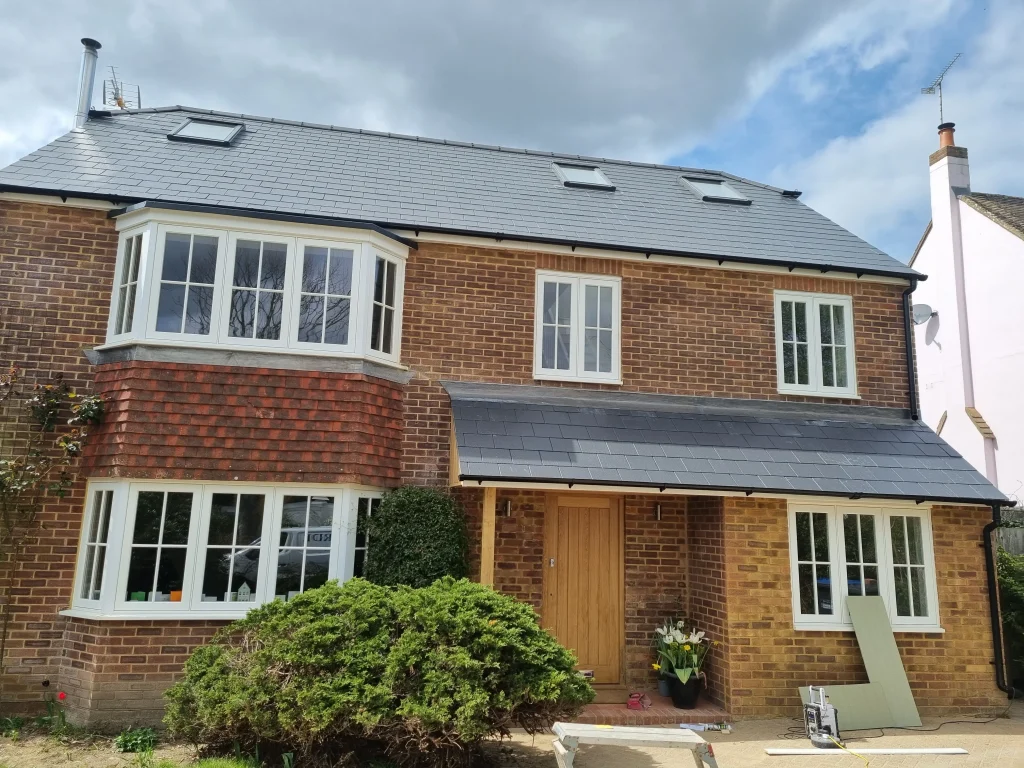
Painted windows on any elevation with moderate exposure. Whole-house projects where budget matters. Properties you might sell in 10–15 years (the next owner benefits from the remaining lifespan). Any situation where the finish hides the timber, which is most residential window installations.
When it’s NOT the right call: stained/oiled finishes (go meranti), severely exposed coastal sites (go meranti or oak), listed buildings where the conservation officer specifies hardwood, or the family home you’re keeping forever and want to fit windows once.
Softwood Window Prices: Casement, Sash, and Georgian
–
+
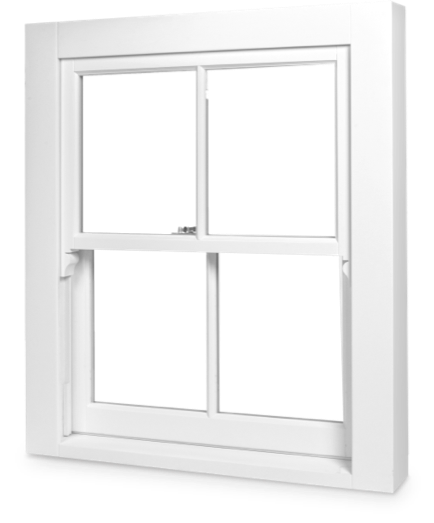
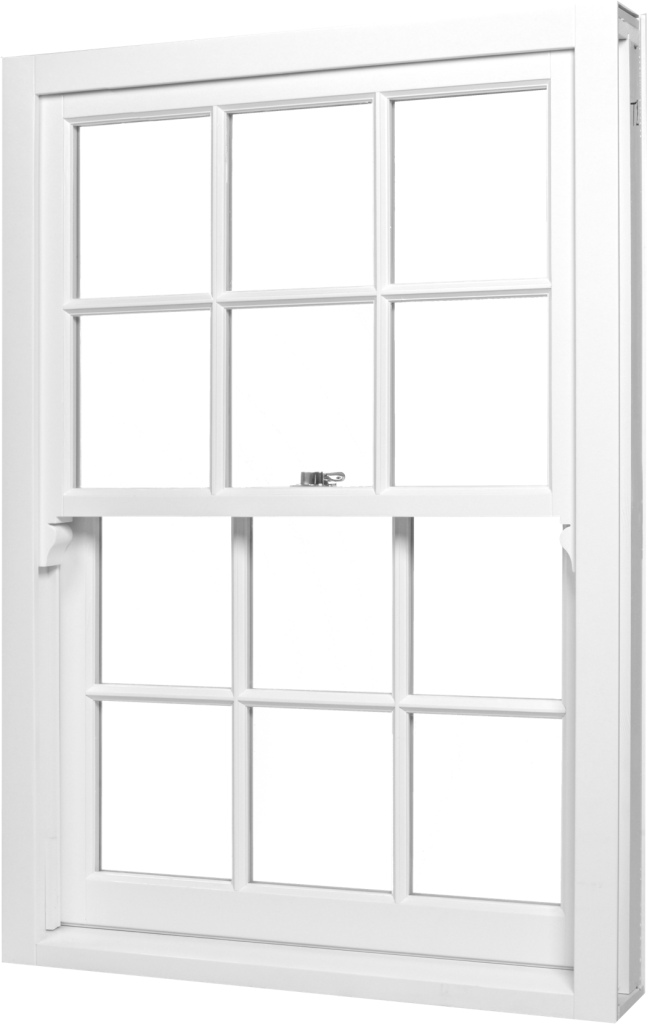
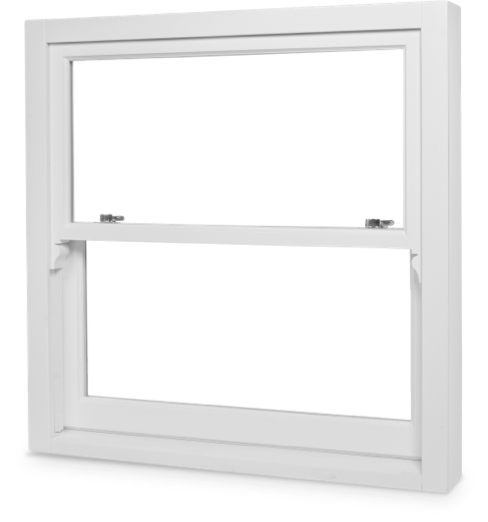
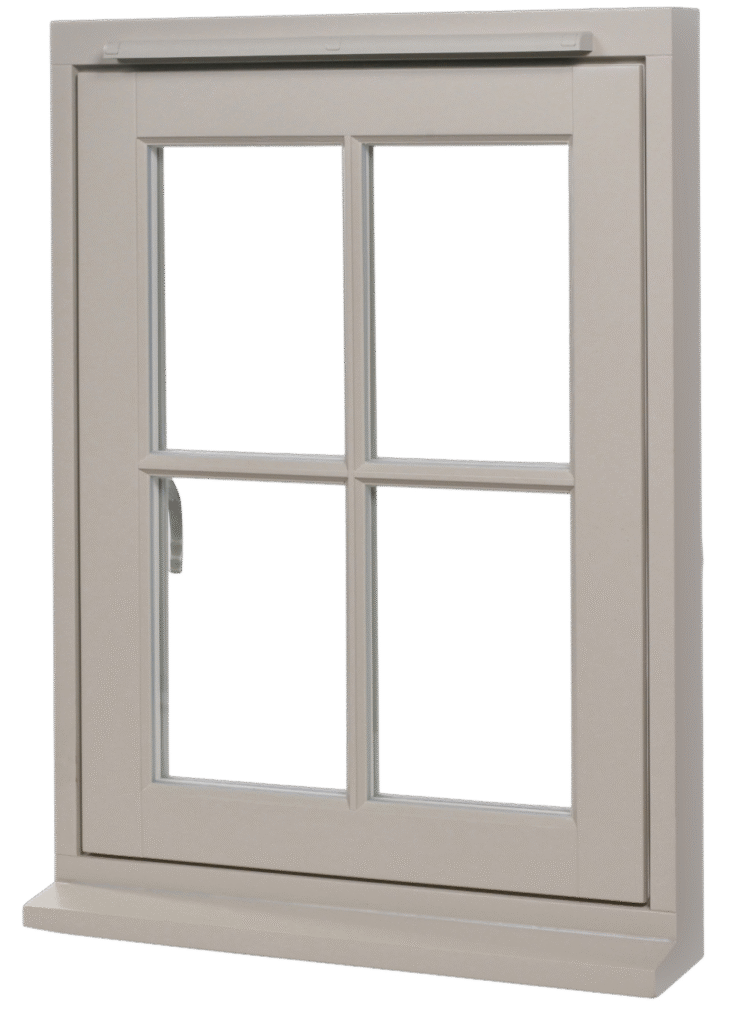
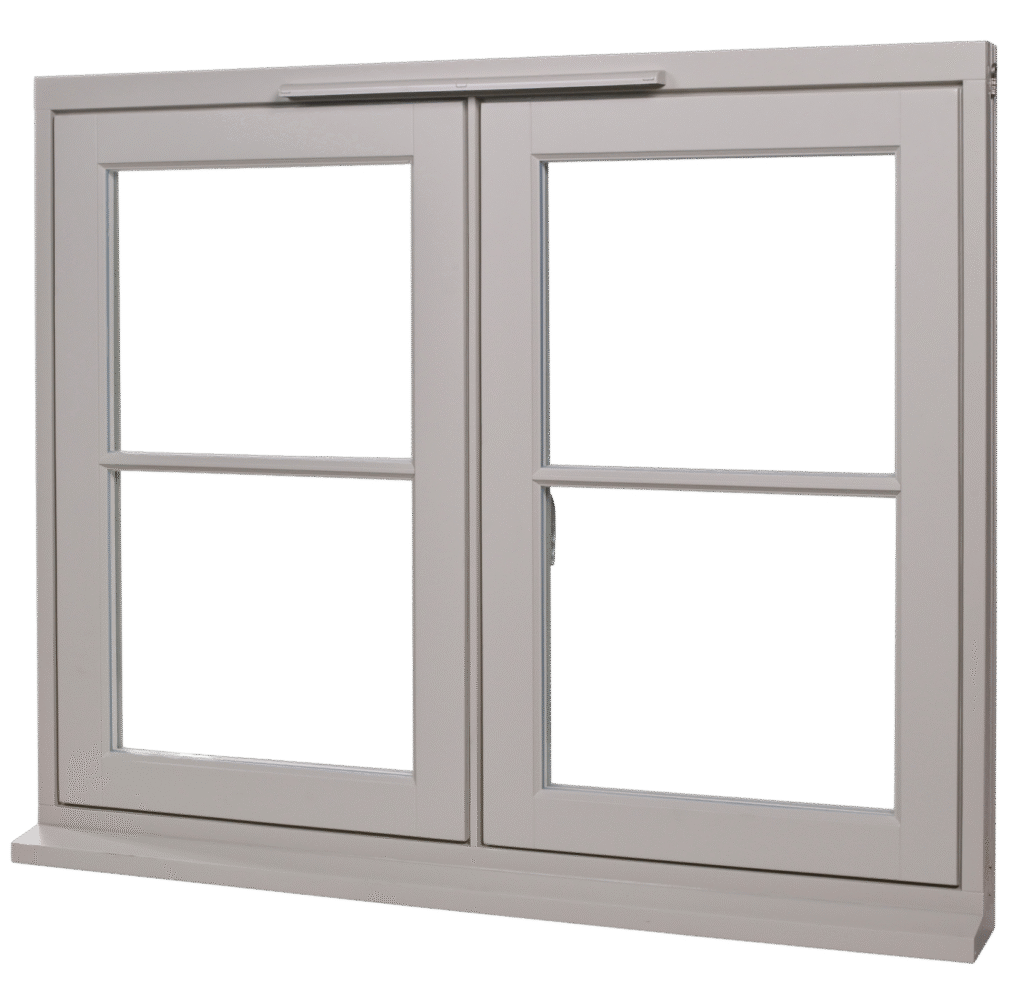
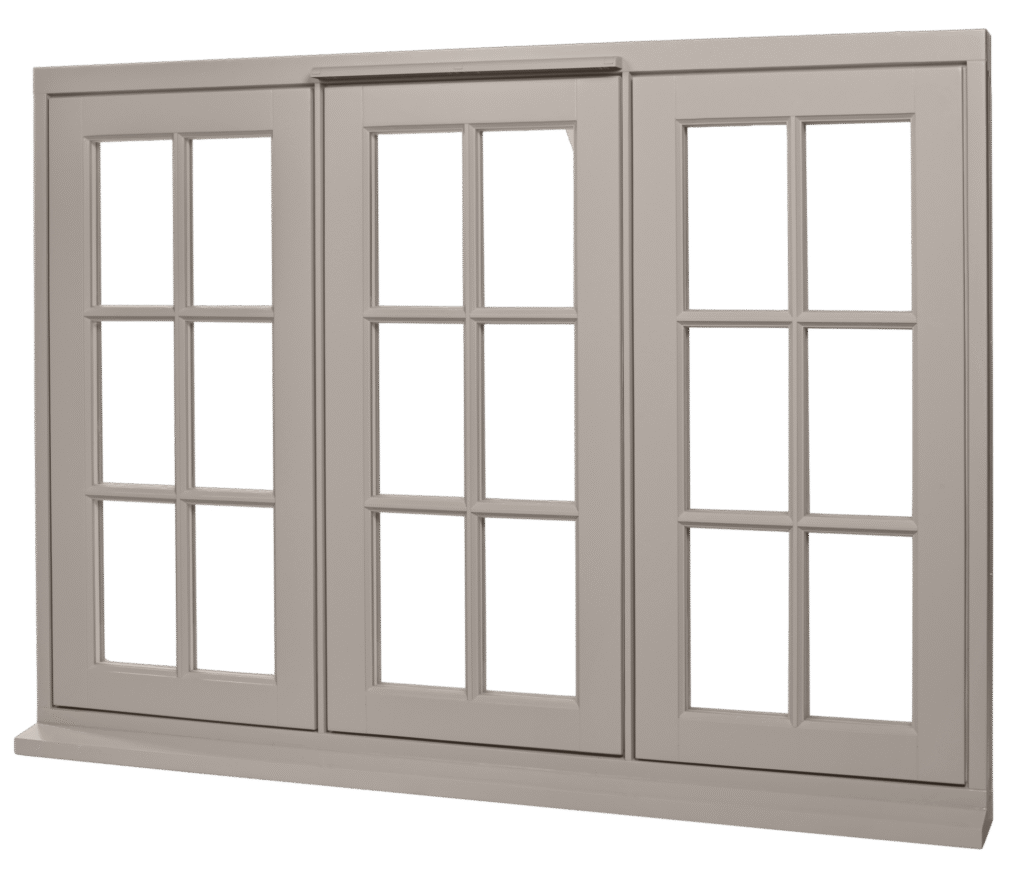
Softwood casements from £449+VAT. Sash on springs from £449+VAT. Sash on weights from £649+VAT. Georgian from £649+VAT. All supply only, made to your measurements, double glazed wooden windows as standard, factory finished. Full details: timber windows prices.
Call 0800 994 9055 or send your measurements through our quote form. 48-hour turnaround on quotes. energy-efficient timber windows
Our Best-Selling Timber Windows: