Replacing Windows in a Listed Building
Listed Building Consent: A Quick Guide
–
+
LBC is separate from planning permission. Different application, different criteria, different decision-makers. You need it for any alteration that affects the character of a listed building, and window replacement almost always qualifies. Even if the existing windows are clearly modern replacements (uPVC in a Georgian townhouse — yes, it happens), you still need consent to replace them again.
The application goes to your local planning authority. The key person is the conservation officer. Their job is to ensure changes respect the building’s historic character. They are not there to stop you doing things. They’re there to make sure you do them well. Approach them as allies, not adversaries. The ones we’ve dealt with are almost always reasonable when they can see you’re making an effort to get it right.
A strong application includes: a heritage statement (why the existing windows need replacing — usually poor condition), photographs of the existing windows and their defects, detailed drawings of the proposed replacement profiles, a materials specification, and any relevant thermal or acoustic performance data. We provide the technical drawings, profile sections, and material specs for any windows we quote. These go straight into your application.
What Conservation Officers Expect from Listed Building Windows
–
+
Profiles. This is the big one. The cross-section shape of the frame, the sash, and especially the glazing bars needs to match the original — or at least the historic norm for the building’s period and type. Some officers will physically measure your existing frames with callipers and compare against the proposed replacement drawings. Having dimensionally accurate profiles matters.
Materials. Timber is almost universally required. uPVC applications for listed buildings are refused in something like 98% of cases — we’ve never heard of one being approved for a principal elevation. Aluminium occasionally gets through for 20th-century listed buildings, but timber is the default expectation.
Within timber, the species question is nuanced. oak windows or hardwood windows carry more weight in applications where the originals were hardwood. But for painted softwood originals — and plenty of Victorian and Georgian windows were painted softwood — engineered pine is accepted by most authorities. The key is demonstrating that your proposal matches the original material intention, not necessarily the exact species.
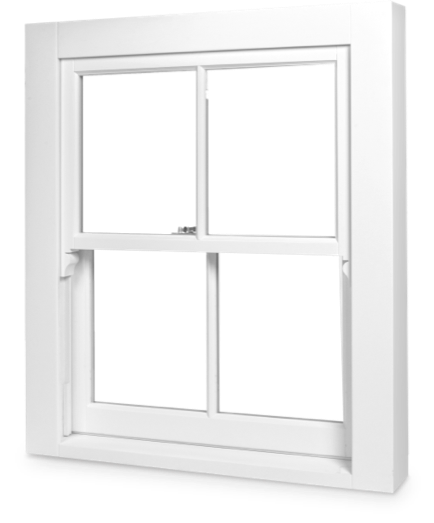
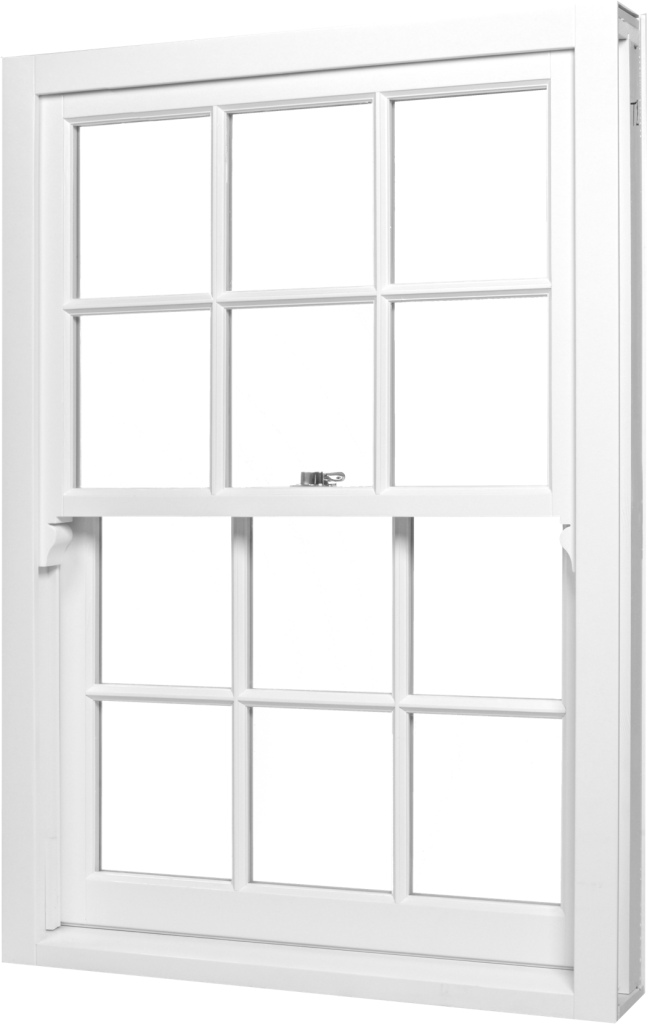
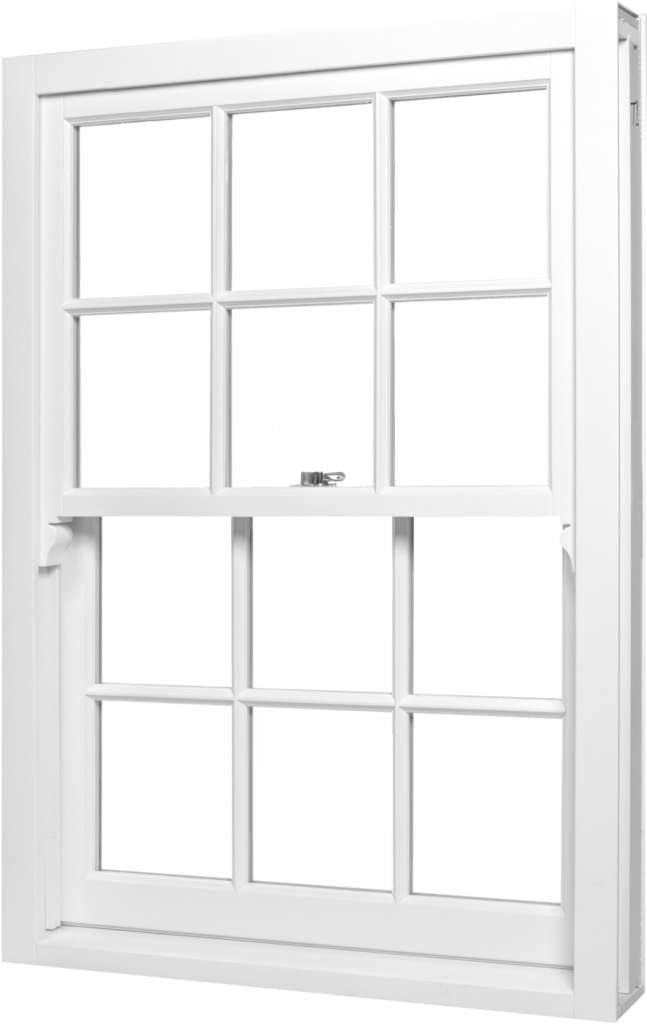
Glazing bars. This is where applications get refused. A six-over-six sash window with applied bars on the front of a Grade II Georgian terrace? Unlikely to fly. Conservation officers know what applied bars look like. They know what solid through-bars look like. They care about the difference. For principal elevations — the bits the public sees — expect to need solid bars. Rear elevations are often more flexible. Georgian windows
Hardware. Traditionally styled ironmongery. Sash lifts, not handles. Fitch fasteners, not cockspur handles. Peg stays, not friction hinges. The details matter, and getting them wrong signals that you haven’t really thought about the building’s character. We can advise on appropriate hardware — or if you have a heritage consultant, they’ll specify this.
Double Glazing in a Listed Building
–
+
This is the question. Can you? Usually yes. The question is how.
Standard 24mm sealed units are too thick for most traditional sash profiles. The sash section becomes bulky, the proportions change, and conservation officers spot it immediately. The solution is slim-profile sealed units: 14mm (two panes of 4mm glass with a 6mm cavity) or 20mm (4mm + 12mm cavity + 4mm). These fit within historically appropriate sash sections without altering the visual weight of the frame.
Thermal performance of slim units is lower than standard 24mm — you’re getting a U-value of maybe 1.6–2.0 W/m²K instead of 1.1–1.4 — but it’s still dramatically better than the single glazing you’re replacing. And listed buildings have a partial exemption from Part L requirements where compliance would unacceptably alter the character of the building. Your conservation officer and Building Control will work this out between them.
Some Grade I buildings, or windows with historically significant glass (crown glass, for instance), may genuinely require single glazing. In those cases, secondary glazing — a separate internal panel — provides thermal improvement without touching the historic window. We don’t supply secondary glazing ourselves, but we can design our window dimensions to accommodate it. double glazed wooden windows
Supply-Only Heritage Windows: What We Provide
–
+
Important to be clear: we’re a supply-only manufacturer. We make your windows to specification, finish them, and deliver to site. Fitting is handled by your chosen joiner or building contractor. We don’t install.
What we do provide beyond the physical product: profile drawings at whatever scale your LBC application needs. Material specifications. U-value calculations if relevant. Sample sections if required (cost price, credited against the final order). And consultation at no charge on specification decisions — bar type, timber species, glazing approach. We’d rather spend 30 minutes on the phone getting the spec right than have you order the wrong thing.
If you’re at the early stages and haven’t applied for LBC yet, send us photographs and measurements of your existing windows. We’ll suggest a specification and provide draft technical documentation for your application. No cost, no obligation. Getting the spec agreed before manufacturing starts is in everyone’s interest.
Listed Building Window Prices: What to Expect
–
+
Listed building windows cost more than standard replacements. Solid glazing bars, slim-profile sealed units, historically accurate profiles, often hardwood or oak — every one of these adds time and material. A Georgian sash in oak with solid bars and slim double glazing typically runs 40–60% more than the same design in pine with applied bars. Not a trivial premium, but not as scary as some heritage specialists quote either.
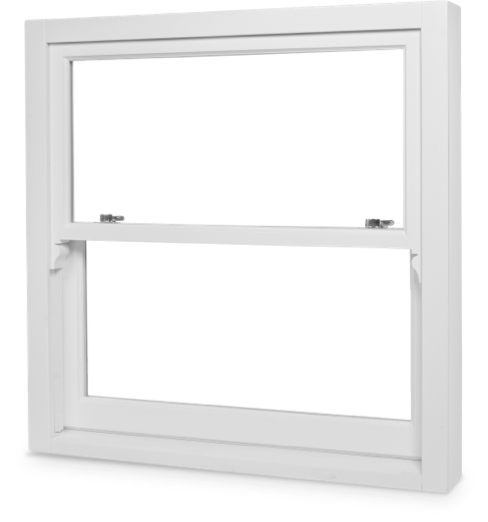
Detailed pricing: timber windows prices. For a project-specific quote, send us your window schedule or call 0800 994 9055. The earlier you involve us, the smoother everything goes. sash on weights
Our Best-Selling Timber Windows: