Georgian Style Windows for Your Home
Georgian Glazing Bars: Solid, Applied, and Duplex Explained
–
+
Solid Through-Bars (True Divided Lights)
This is the original method. Each bar runs the full depth of the sash, dividing the window into individually glazed panes. Every pane has its own separate sealed unit. The bars are part of the structural frame, not stuck on afterwards.
Why it matters: solid bars create genuine shadow lines. When sunlight hits the window at an angle, you see real depth — the bar has a profile, it casts a shadow on the glass, the inner face catches light differently from the outer face. From outside the building, this is what makes the difference between a window that looks authentic and one that looks like someone glued strips of wood onto a sheet of glass. Because that’s exactly what the alternatives are doing.
Solid bars cost more. Each individual pane needs its own sealed unit — typically 14mm thickness rather than the standard 24mm, to keep the bar profiles slim enough to look right. More glass cutting, more edge sealing, more assembly time. Expect to pay £100–200 extra per window compared to applied bars. For listed building windows and conservation area projects, solid bars are almost always required on principal elevations. No point trying to save £150 per window if it gets your planning application refused.
Applied Bars (Plant-On / Stuck-On)
Applied bars sit on the surface of a single large glazing unit. They’re glued to the glass face — outside, inside, or both. Behind them, it’s just one big pane. No individual sealed units, no genuine shadow depth.
From 10 metres away, they’re convincing. From 2 metres, you can see the difference. Run your finger along and there’s a flat join where bar meets glass instead of the recessed glazing edge you get with solid bars. On the plus side: better thermal performance (fewer bar junctions = fewer cold bridges), lower cost, and the bars can be replaced if damaged without reglaze.
Applied bars are perfectly fine for modern new builds where you want the Georgian aesthetic without the conservation scrutiny. They’re also acceptable for rear elevations and less prominent positions on period properties — but always check with your conservation officer before ordering. What’s acceptable in one council area might not fly in another.
Duplex Bars
The compromise position. An applied bar on the outside face, a matching bar on the inside face, with a spacer bar between the glass panes within the sealed unit. From both sides of the window, it looks like there are separate panes. It’s more convincing than single-sided applied bars because there’s something visible between the glass layers.
Duplex bars use a single sealed unit (standard 24mm), so thermal performance matches a plain double-glazed window. Cost sits between applied and solid. It’s our most popular option for homeowners who want the Georgian look with modern performance and don’t need to satisfy a conservation officer.
Georgian Bar Patterns: Six-Over-Six and Other Configurations
–
+
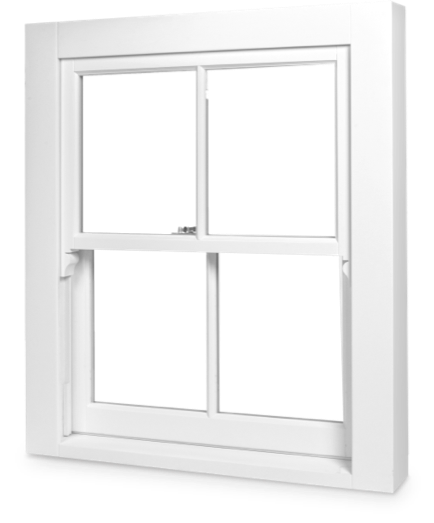
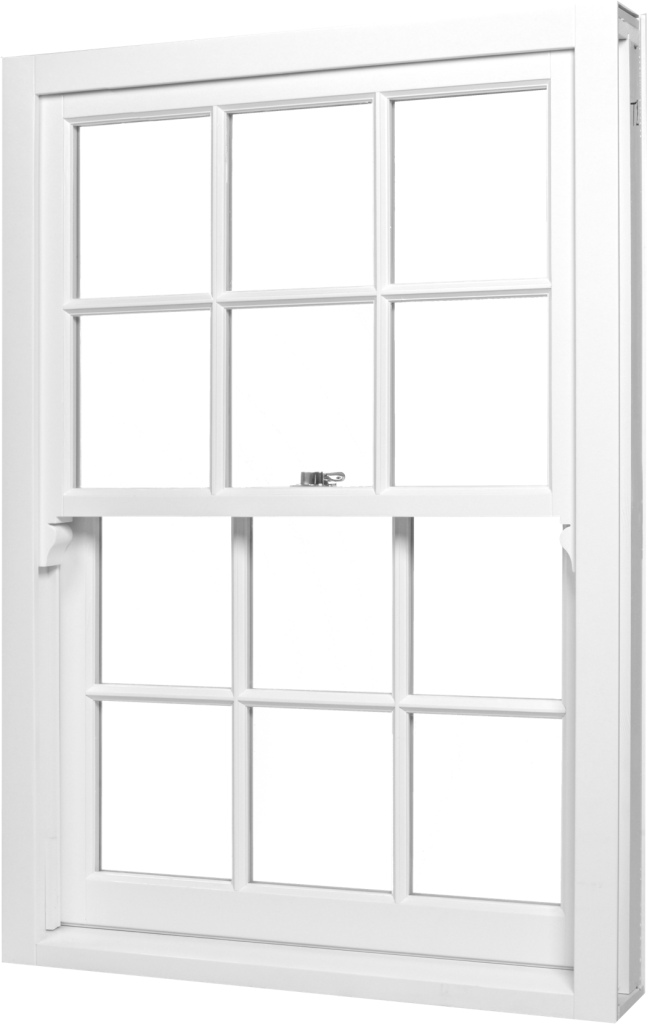
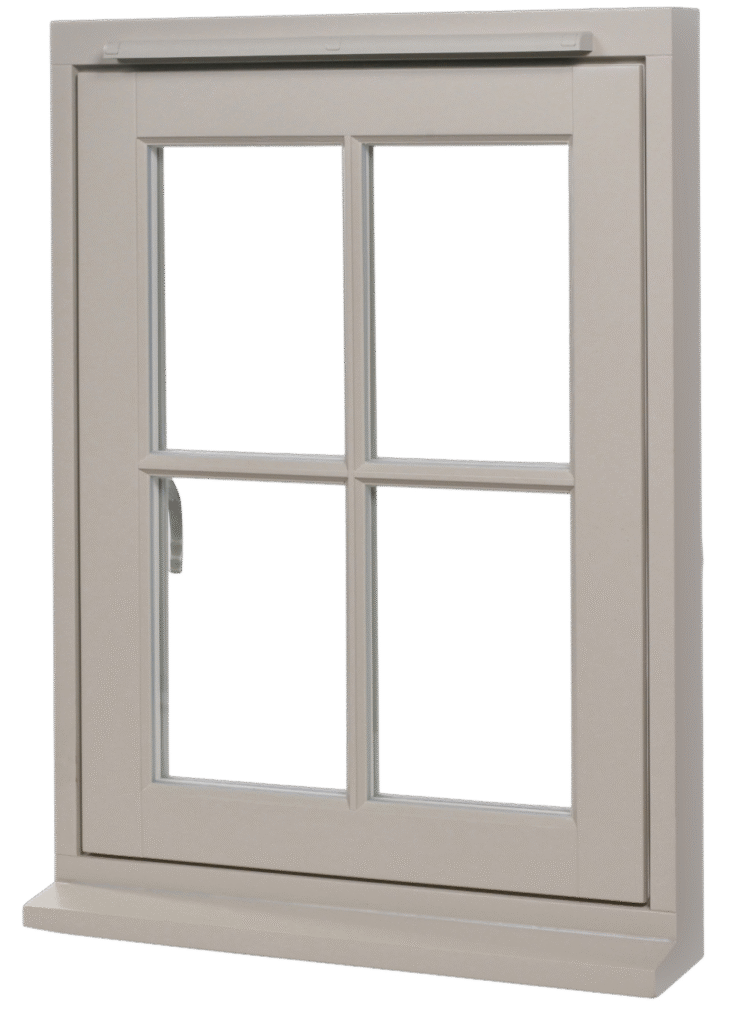
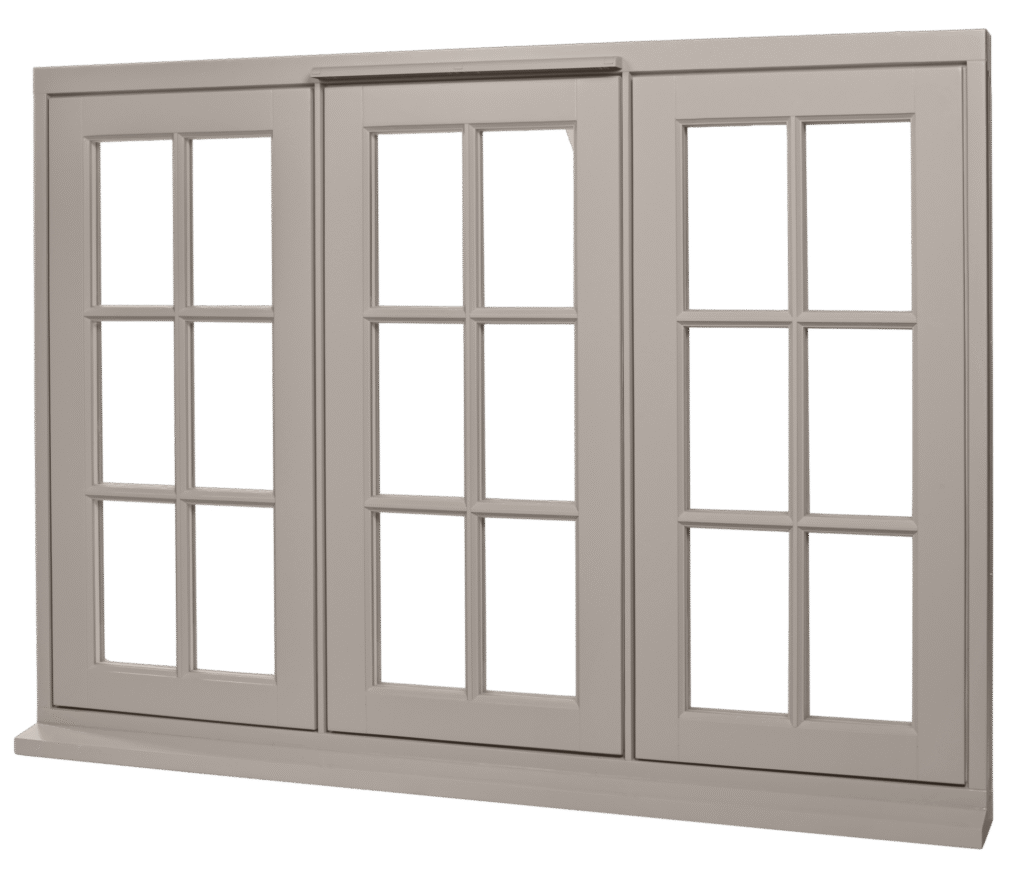
The classic Georgian pattern is six-over-six: six panes in the top sash, six in the bottom, arranged three across and two high. This works well on windows roughly 900mm to 1200mm wide. Each pane ends up in portrait proportion — taller than it is wide — which is the hallmark of good Georgian design.
Narrower windows suit two-over-two or three-over-three. Wider openings might take eight-over-eight. The rule of thumb: panes should be roughly 1.5 times as tall as they are wide. If your proposed pattern produces square panes, or worse, landscape-oriented ones, the proportions will look wrong. We’ll flag this if it comes up in your order — better to discuss it before manufacture than after.
One thing worth knowing: the number of horizontal bars also affects the overall visual weight of the window. More bars = more timber = less glass = a denser, heavier look. Georgian architecture liked its lightness — slender frames, narrow bars, as much glass as the technology allowed. If you’re going for authenticity, resist the temptation to overcomplicate the pattern.
Georgian Sash vs Georgian Casement
–
+
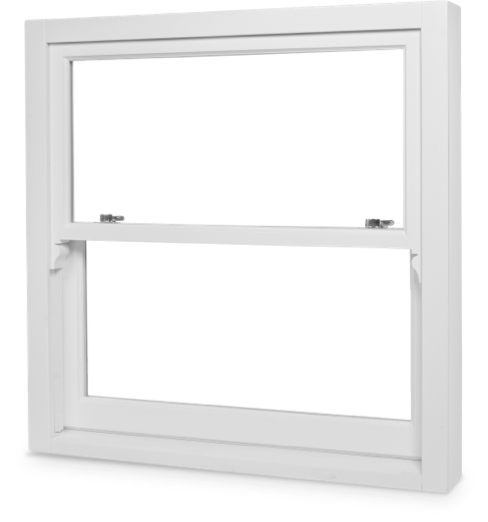
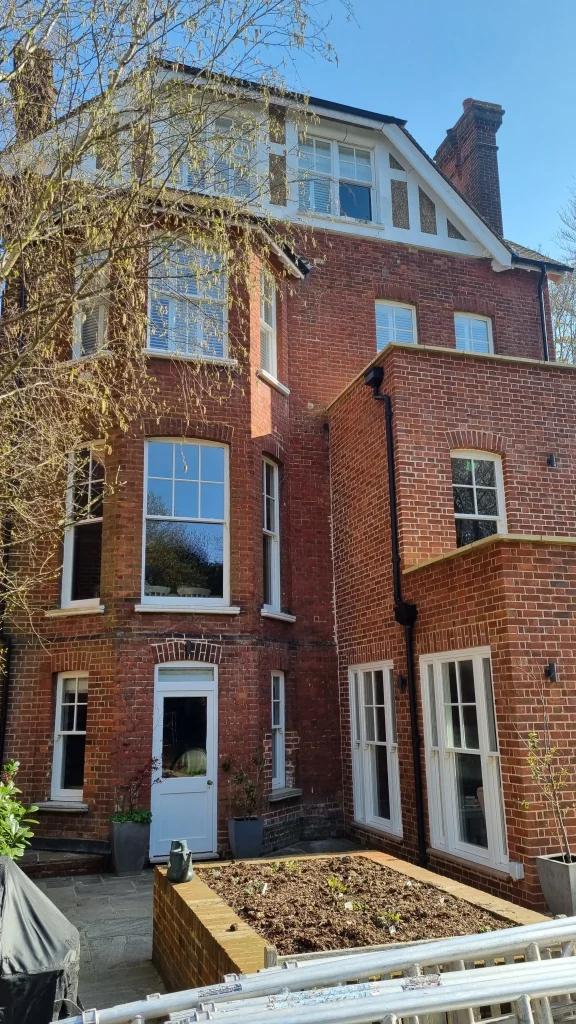
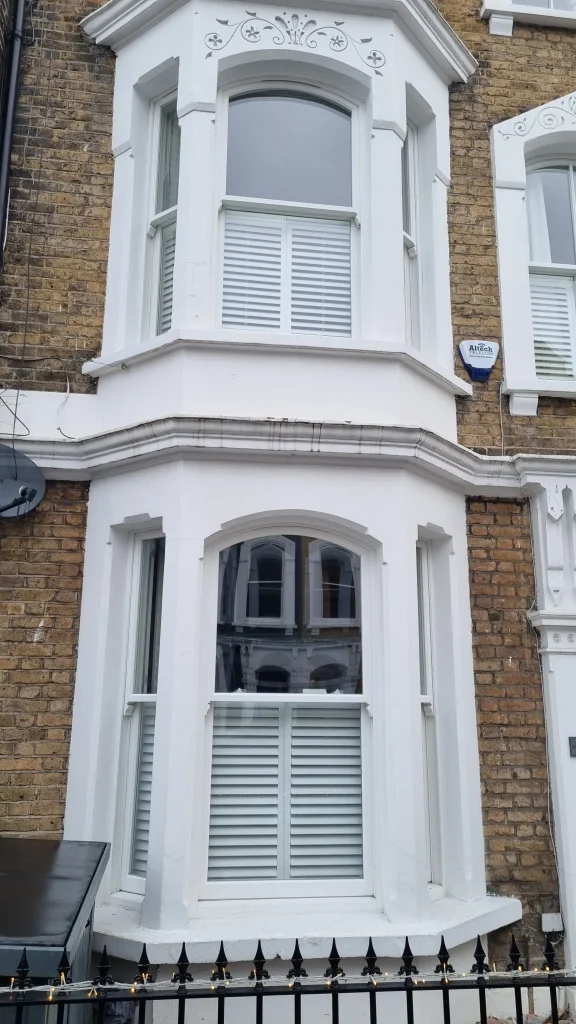
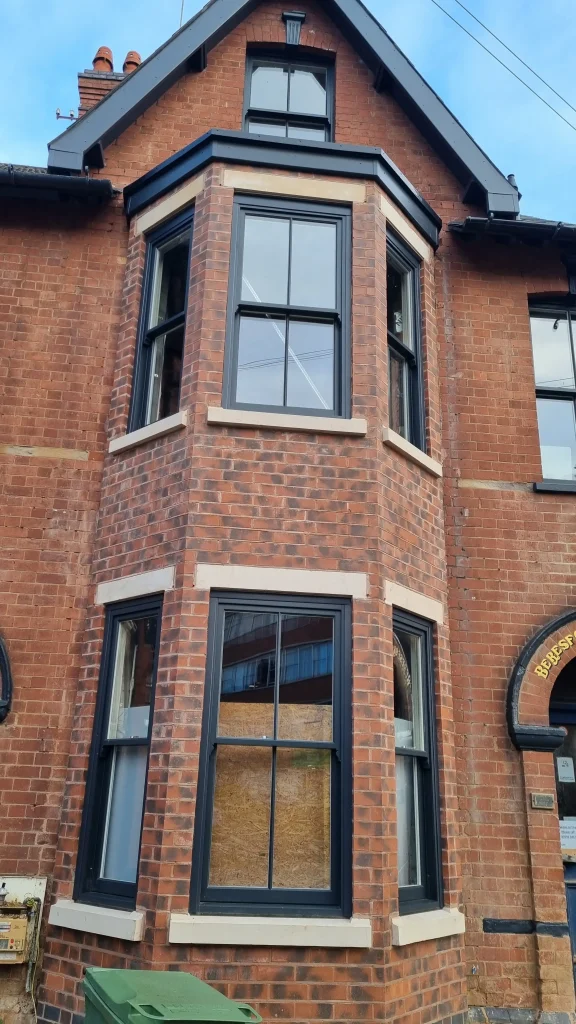
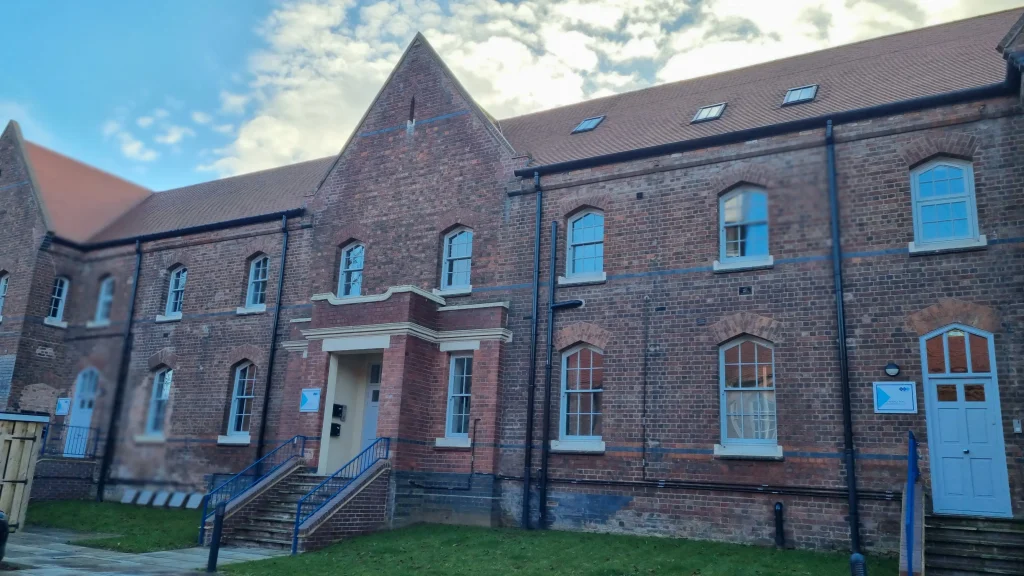
Georgian architecture and sash windows go together like — well, like nothing else. The double-hung sliding sash was the standard window type from about 1700 until the First World War. If your property dates from that era, or even nods to it architecturally, sash windows are almost certainly the right choice. sash on weights
We manufacture Georgian sash windows with traditional cord-and-weight operation (lead counterweights in the box frame) or with concealed spiral spring balances for a slimmer frame profile. Each sash is individually balanced for its specific weight including the glazing — critical with double glazed units, which are significantly heavier than the single glazing these windows originally had.
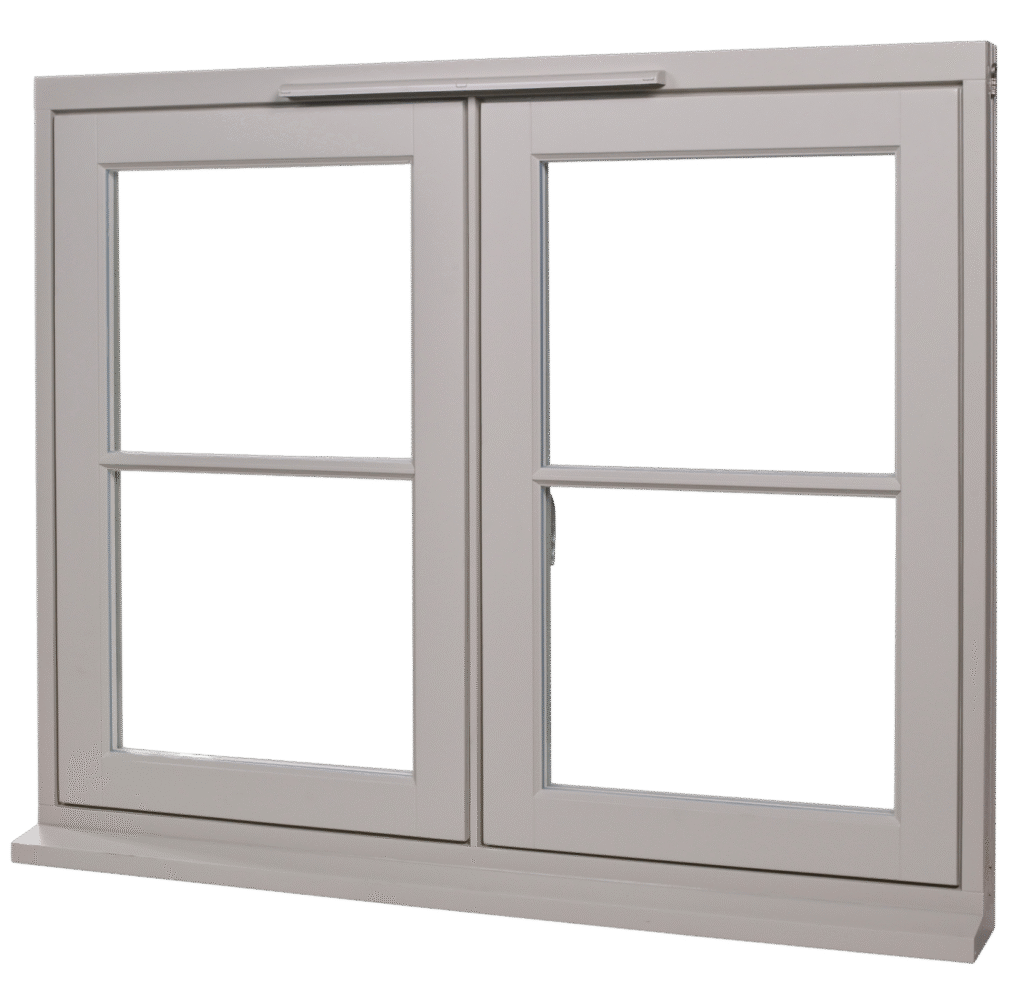
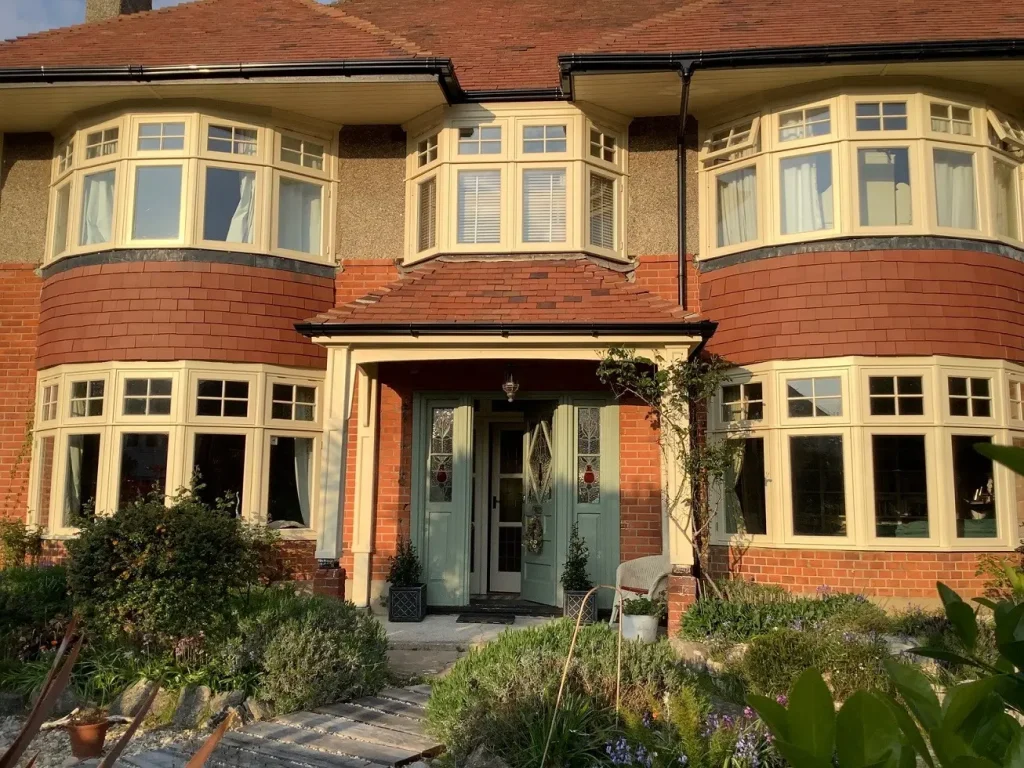
Georgian casements are less historically common but perfectly appropriate for cottage-style properties, rear extensions, orangeries, and situations where a sliding mechanism isn’t practical. Our flush casement range gives you the same clean face line as a sash — the sash sits flat within the frame when closed. Singles, doubles, or triple configurations.
Best Timber for Georgian Windows: Pine, Meranti, or Oak?
–
+
Since Georgian windows are almost universally painted (white, off-white, or heritage colours like Farrow & Ball Pointing or Wimborne White), the timber underneath doesn’t show. That means engineered pine delivers the same visual result as oak at a fraction of the cost. Most of our Georgian orders are pine for this reason.
The exceptions: listed building windows where the conservation officer specifies hardwood or oak windows, period properties where you want the longest possible service life, and any application where the frames will be stained rather than painted (unusual for Georgian, but we’ve done it).
Double Glazing Georgian Windows
–
+
Yes. Routinely. The approach depends on bar type. Solid through-bars use slim 14mm or 20mm sealed units per pane. Applied and duplex bars sit over a single standard 24mm unit. Both work. Solid bars with slim units don’t perform quite as well thermally as a full 24mm unit, but they satisfy conservation requirements and still achieve around 1.6–1.8 W/m²K — dramatically better than the single glazing they’re replacing. double glazed wooden windows
Georgian Window Prices and How to Order
–
+
Georgian sash windows on weights start from £649+VAT in engineered pine with applied bars and double glazing. Solid bars add £100–200 per window. Oak adds roughly 2.5× the pine price. Full breakdown: timber windows prices.
Tell us your window sizes, preferred bar type, and bar pattern. If you’re not sure about proportions, send us the dimensions and we’ll suggest the pattern that looks right. For conservation area projects, we can provide the profile drawings and material specs your LBC application needs. Call 0800 994 9055.
Our Best-Selling Timber Windows: