
Timber Windows Prices
What Actually Determines Timber Window Pricing
–
+
Timber window costs break down into more variables than most people expect, and understanding these helps you budget accurately rather than getting surprised later. The timber species forms your baseline – engineered pine starts around £450 for a standard casement, meranti hardwood runs £550-750, and solid oak pushes into £800-1,200 territory for the same size. These aren’t arbitrary differences; they reflect material costs, machining time, and realistic durability expectations.
Window style affects pricing significantly because of manufacturing complexity. A basic side-hung casement represents the simplest construction – straightforward joinery, minimal hardware, quick production. Traditional sash windows with weights and pulleys involve considerably more labour – the box frame construction, precise balancing, additional components. You’re looking at 40-60% more than an equivalent casement, which reflects the genuine additional work involved.
Glazing specification matters more than most realize. Standard 24mm double glazing sits at the base price point, but upgrade to low-E glass with argon fill and you’ve added £80-120 per window. Acoustic laminated glass for noise reduction? Another £100-150. These upgrades deliver measurable performance improvements, but they do accumulate quickly across multiple windows. Understanding what you actually need versus nice-to-have helps manage the overall project cost without compromising on essentials.
Realistic Price Ranges for Different Window Types
–
+
Let’s talk specific numbers because vague ranges don’t help when you’re planning a budget. For softwood casement windows in standard sizes (900mm x 1200mm is common), expect £450-650 depending on specification. That’s supply only – we’ll address installation separately since we don’t provide it, though it’s worth noting fitting typically adds £150-250 per window depending on your location and installer rates.
Let’s talk specific numbers because vague ranges don’t help when you’re planning a budget. For softwood casement windows in standard sizes (900mm x 1200mm is common), expect £450-650 depending on specification. These are supply-only prices – we manufacture and deliver the windows ready for your chosen contractor to fit.
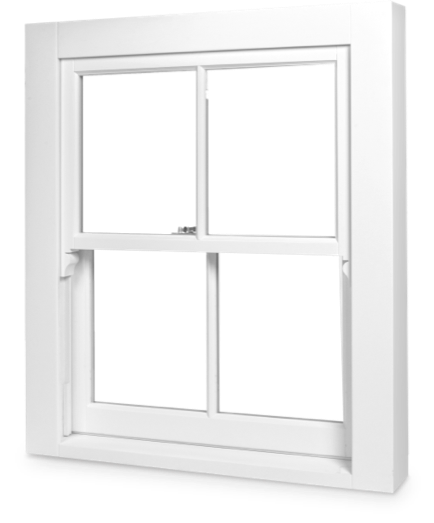
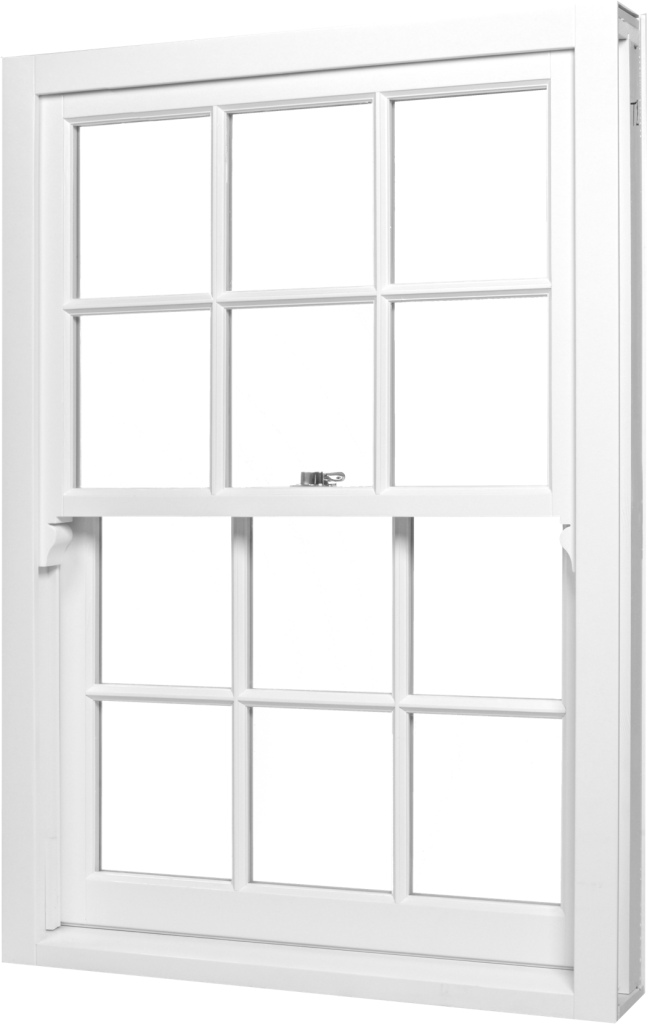
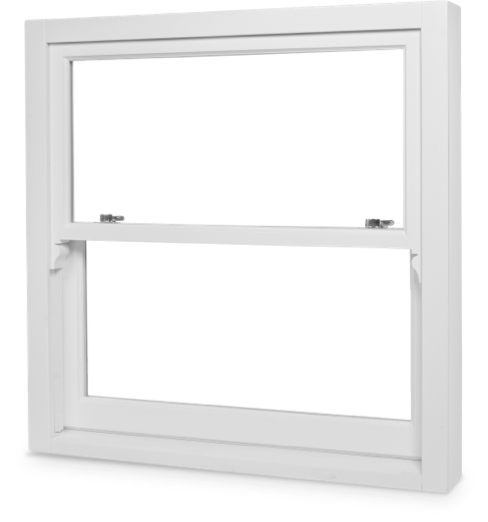
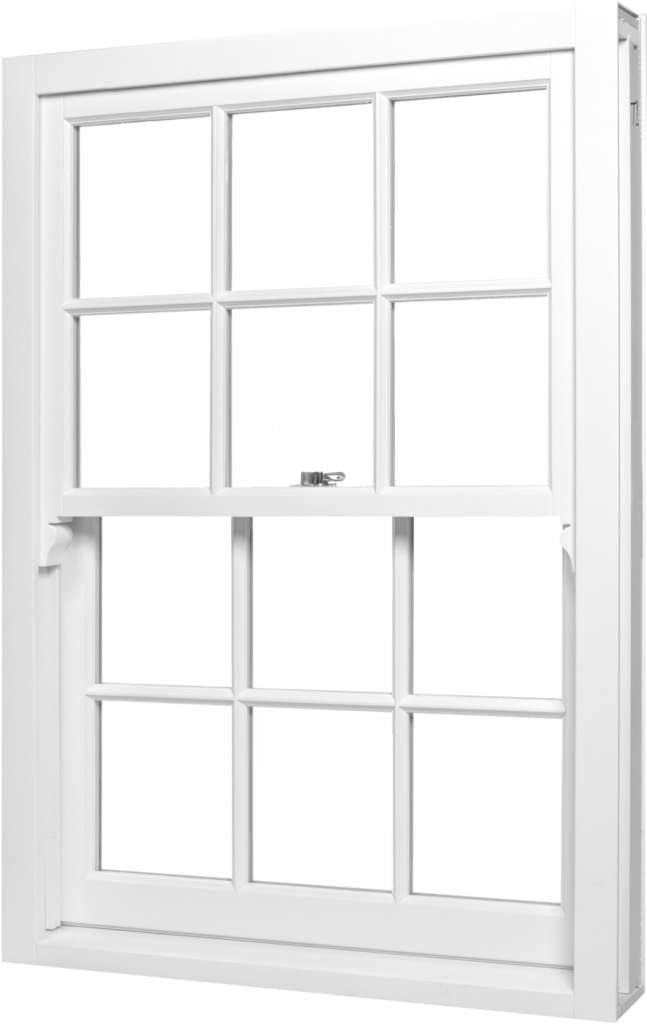
Sash windows command higher prices due to their mechanical complexity. Softwood sash on weights starts around £650-850 for a standard two-over-two design. Upgrade to hardwood and you’re at £850-1,100. Georgian sash windows with multiple glazing bars add another £100-200 because of the additional joinery and glass cutting required. These figures assume double glazing and standard hardware – premium fittings or specialized glazing shifts numbers upward.
Oak timber windows sit in their own category, starting around £800 for casements and £950-1,400 for sash designs. The material cost alone runs three times that of engineered pine, before considering the slower machining speeds and greater skill required. For whole-house projects, we often see customers specifying oak for prominent front-facing windows while using hardwood or treated softwood elsewhere – a practical approach that manages budget while maintaining visual impact where it matters most.
How Window Size and Configuration Affects Your Costs
–
+
Multiple window orders bring economies that matter on larger projects. Order six identical casements and the per-unit cost drops 10-15% compared to buying them individually over time. This reflects setup efficiency and material ordering advantages. If you’re renovating in phases, consider ordering all windows upfront even if fitting happens in stages – the cost savings often justify the storage inconvenience.
Understanding VAT and Delivery Charges
–
+
VAT adds 20% to your timber window costs unless you qualify for specific exemptions. Listed building work or new builds sometimes escape VAT on materials, but standard replacement windows in existing homes get the full rate. This matters significantly – on a £5,000 window order, that’s an extra £1,000 you need to budget. Always confirm whether quotes are inclusive or exclusive of VAT to avoid nasty surprises.
Delivery charges vary based on location and order size. Within 50 miles of our manufacturing base, delivery runs £80-120 for typical residential orders. Scottish Highlands or remote areas? You’re looking at £200-350 depending on accessibility. Larger orders sometimes qualify for free delivery, but this threshold varies – worth asking about when you’re close to the qualifying amount. We deliver nationwide, with windows packaged securely to arrive in perfect condition ready for fitting by your chosen contractor.
Comparing Lifetime Costs: When Cheaper Isn’t Really Cheaper
–
+
Initial sticker shock on quality hardwood windows obscures the long-term economics. Consider a typical scenario: softwood casements at £500 versus hardwood at £700. Over 30 years, those softwood windows likely need complete repainting three times (£200-300 per cycle if you’re doing it yourself, more if you hire someone) and possible sill replacement (£150-250 in materials and labour). Your total ownership cost approaches £1,400-1,650. The hardwood windows need two refinishing cycles (£250-350 total for materials and work) for a lifetime cost around £950-1,050. Suddenly that initial £200 premium looks like £400-600 in actual savings.
Oak windows push this analysis further. At £1,200 versus £500 for softwood, the gap seems insurmountable. But project 50-60 years of service for oak against 25-30 for softwood, and you’re potentially comparing one oak purchase against two complete softwood replacements. Factor in minimal maintenance requirements and superior energy performance, and the economics shift considerably. This perspective matters most for properties you intend to hold long-term rather than flip quickly.
Energy efficiency impacts operating costs more than people calculate. Well-specified timber windows with proper glazing can reduce heating bills £150-250 annually compared to poorly performing units. Over 20 years, that’s £3,000-5,000 in your pocket. Spending an extra £500 on better glazing when ordering windows pays for itself within 2-3 years, then continues delivering savings for decades. This math applies regardless of timber species – even basic softwood frames with quality glazing outperform premium timber with substandard glass.
How to Estimate Supply Costs for Your Specific Project
–
+
Start by counting and measuring your windows accurately – height, width, and opening mechanism. Don’t rely on estate agent particulars or guesswork; grab a tape measure and record actual dimensions. Note which windows receive direct weather exposure and which sit under eaves or protected locations. This information helps specify appropriate timber grades and finish requirements without over-specifying for sheltered positions.
Decide your material strategy based on visibility and budget. Many successful projects use oak or hardwood for street-facing elevations where aesthetics matter most, dropping to quality softwood for less visible locations. This approach cuts 20-30% from all-premium specifications while maintaining kerb appeal. Be honest about maintenance commitment too – if you’re unlikely to refinish frames every few years, lean toward more durable timber species even if it costs more upfront.
Request itemized quotes that break down material, glazing, hardware, finish, and delivery separately. This transparency lets you make informed decisions about where to adjust specifications if the total exceeds budget. Can you accept simpler hardware? Standard glazing instead of acoustic? Primed finish you paint yourself rather than factory spraying? These levers exist, but you can’t pull them intelligently without understanding how each component contributes to the final timber windows price. A good supplier welcomes these discussions and helps you optimize value rather than simply pushing the most expensive options.
Our Best-Selling Timber Windows:


html