Oak Windows
Why Oak Remains the Premium Choice for Timber Windows
–
+
Oak has been the benchmark for quality joinery for centuries, and there’s good reason why it continues to command respect in modern window manufacturing. The density of European oak creates a window frame that simply outlasts most alternatives – we’re talking about structures that can serve your home for generations rather than decades. This isn’t marketing fluff; the natural tannins in oak provide inherent resistance to decay and insect damage that synthetic treatments can only attempt to replicate.
What sets solid oak windows apart is how the material responds to environmental stress. Unlike softer timbers that can warp or twist with seasonal changes, oak’s tight grain structure maintains dimensional stability even through Britain’s unpredictable weather cycles. You’ll notice this in how oak frames hold their finish longer and require less frequent maintenance compared to pine or other softwoods. The initial investment runs higher, certainly, but when you factor in longevity and reduced upkeep over a 50-year span, the economics start making sense.
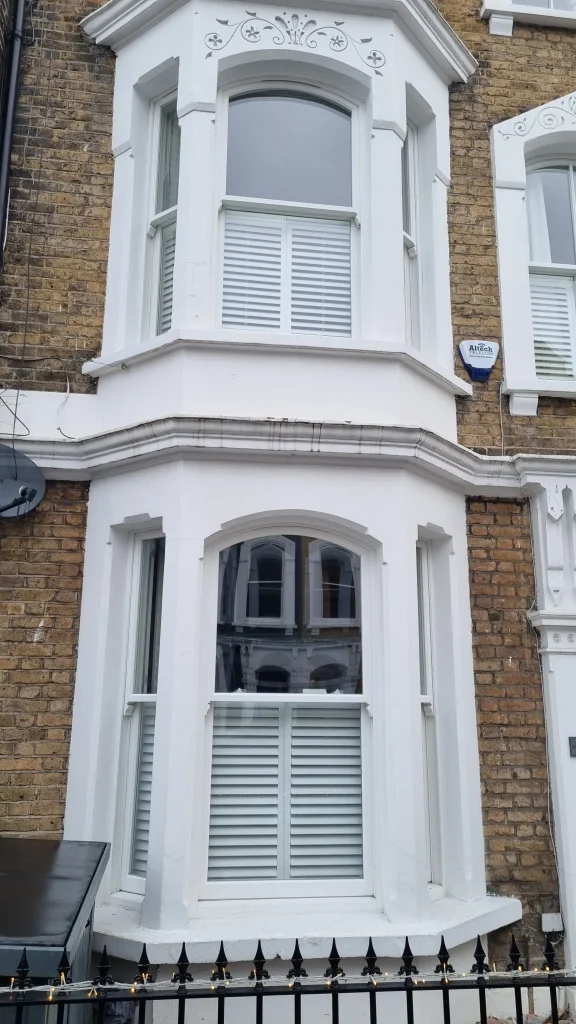
For period properties, particularly those dating from the Georgian or Victorian eras, oak timber windows offer authenticity that goes beyond mere appearance. Conservation officers often specify oak for listed buildings because it matches the original materials and construction methods. Modern manufacturing can replicate traditional profiles and joinery techniques while incorporating contemporary glazing technology, giving you the best of both worlds – historical accuracy with thermal performance that actually works.
Understanding the Characteristics of European Oak
–
+
European oak differs significantly from its American counterpart, and these differences matter when you’re selecting window frames. The slower growth rates in European forests produce tighter growth rings, which translates to denser, more stable timber. This density affects everything from how well the wood holds fixings to how it responds to moisture fluctuation. Oak window frames made from European timber tend to exhibit less movement across the seasons, which means better long-term performance of glazing seals and hardware.
The natural colouring in European oak ranges from light honey tones to deeper amber, and it develops that characteristic silvery patina over time when left untreated. This aging process doesn’t indicate deterioration – quite the opposite. The surface weathering actually forms a protective layer while the core remains sound. Many homeowners appreciate this natural evolution, though oak equally accepts stains and paints if you prefer to maintain a specific appearance.
One practical consideration often overlooked is how oak accepts joinery work. Traditional mortise and tenon joints, the backbone of quality window construction, achieve exceptional strength in oak timber. The wood’s density means fixings don’t work loose over time, and properly glued joints in oak can prove stronger than the surrounding timber. This matters because window frames experience constant stress from opening, closing, and weather exposure – you need joinery that won’t fail after a few years.
Oak Window Frames: Solid Timber vs Engineered Options
–
+
What Oak Windows Actually Cost and Why
–
+
Let’s address pricing directly, because oak windows do command a premium and you deserve to understand why. The timber itself costs roughly three times what you’d pay for engineered pine, and that’s before considering the additional machining time required. Oak’s density means slower cutting speeds, more frequent tool changes, and greater care during joinery work. These aren’t arbitrary upcharges – they reflect the genuine costs of working with premium hardwood.
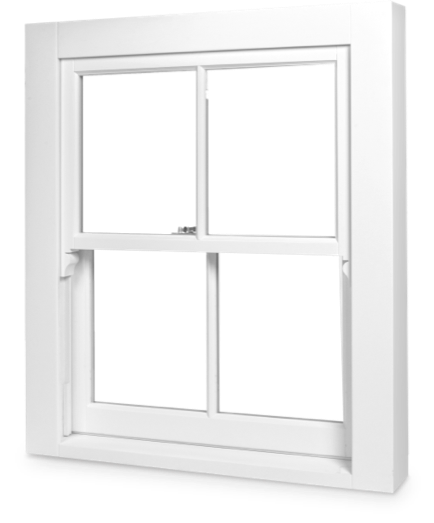
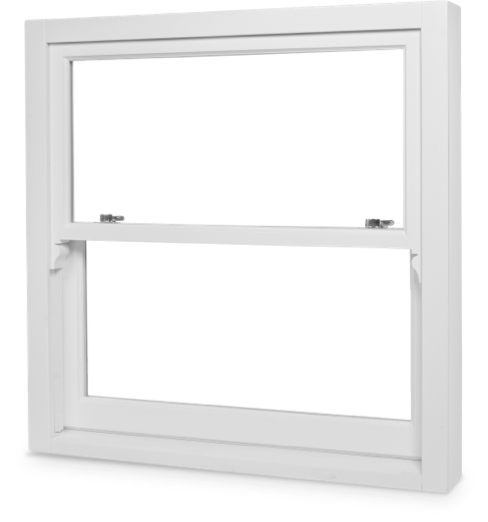
A typical oak sash window in a standard size might run £800-1,200 compared to £450-650 for the same design in softwood. That differential narrows when you consider maintenance intervals and lifespan. Oak frames properly maintained can serve 60-80 years or more, while softwood typically shows significant deterioration around the 25-30 year mark. The per-year cost calculation shifts considerably when viewed through this lens.
For larger projects or multiple windows, we often see customers mixing materials strategically. Oak for highly visible front elevations where it makes the strongest statement, perhaps hardwood meranti for sides, and treated softwood for less prominent positions. This approach manages budget while maintaining quality where it counts most visually and architecturally.
Maintenance Requirements for Oak Timber Windows
–
+
Oak’s reputation for low maintenance proves accurate, though “low” doesn’t mean “none.” External oak frames benefit from inspection every couple of years – you’re looking for finish degradation rather than structural issues. The oak itself weathers beautifully and resists rot, but exterior finishes (whether oil, stain, or paint) do break down under UV exposure and weather. Catching this early means a simple refresh rather than extensive preparation work.
Many owners of oak windows opt for natural oil finishes that enhance the grain while providing weather protection. These typically need reapplication every 3-4 years depending on exposure. The work isn’t complicated – clean the surface, light sand if needed, apply fresh oil. Compare this to painted softwood frames that often require full strip-and-repaint cycles every 5-7 years, and oak’s maintenance advantage becomes clear.
The hardware mounted in oak frames tends to stay secure longer than in softer timbers. Hinge screws don’t work loose, lock keeps maintain their position, and sash cords (in traditional weights-operated windows) experience less wear at the pulley points. This means fewer service calls and adjustments over the window’s working life. Small details, perhaps, but they accumulate into meaningful differences in ownership experience.
Choosing Oak for Conservation and Listed Properties
–
+
If you’re working with a listed building or within a conservation area, oak often becomes not just preferable but necessary for planning approval. Conservation officers understand timber – they recognize that Victorian or Georgian properties originally featured oak or similar hardwoods in their joinery, and they expect replacements to match that standard. We’ve seen applications rejected because softwood was proposed for a property where oak formed part of the original construction.
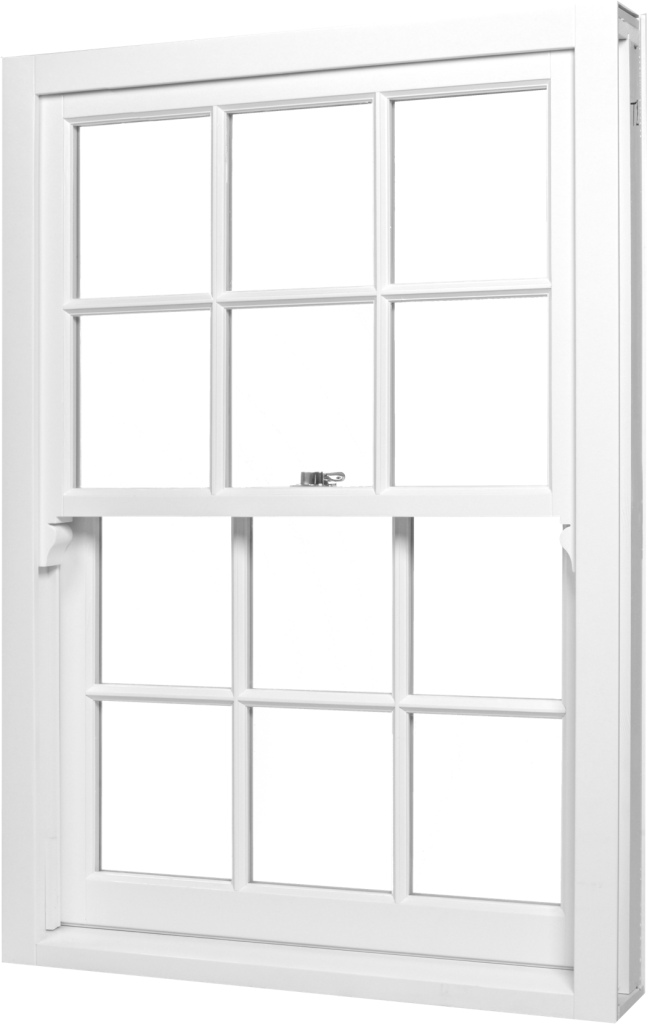
The approval process goes more smoothly when you can demonstrate authentic material choices alongside proper construction methods. Oak frames using traditional mortise and tenon joinery, with period-appropriate profiles and glazing bar arrangements, typically sail through planning. This isn’t just bureaucratic box-ticking – these requirements exist because they preserve the character and historical integrity of significant buildings.
Beyond regulatory compliance, there’s something satisfying about restoring a period property with materials that match what was there originally. Oak connects to building traditions stretching back centuries. When you install oak windows in a Victorian terrace or Georgian townhouse, you’re continuing that lineage rather than introducing something incongruous. For many homeowners, that authenticity matters as much as the practical performance benefits.
Our Best-Selling Timber Windows: