Secondary glazing promises warmer, quieter rooms without touching your original windows. Sometimes that’s exactly right. Sometimes it’s a false economy.
In this article, you’ll discover:
- What secondary glazing windows are, and how they differ from double glazing
- When secondary glazing genuinely suits a listed building or conservation area
- The thermal, acoustic, and air-sealing performance you can expect
- The types available, from horizontal sliders to lift-out panels
- When bespoke timber replacement is the better long-term choice
Introduction
We manufacture bespoke timber windows, and we don’t supply secondary glazing. That makes this an honest guide, not a sales pitch. We see two kinds of enquiry every week. Some people want their cold, leaky single-glazed sashes fixed. Others have been told by a conservation officer that they can’t replace anything at all.
It answers one of those problems well and the other badly, so it helps to know which you’ve got. This guide explains what it is, where it earns its place, and where a slim-profile timber upgrade does more. We’ll be straight about the trade-offs. In our experience, the right answer depends on what your property allows, not on what any one supplier happens to sell.
What is Secondary Glazing?
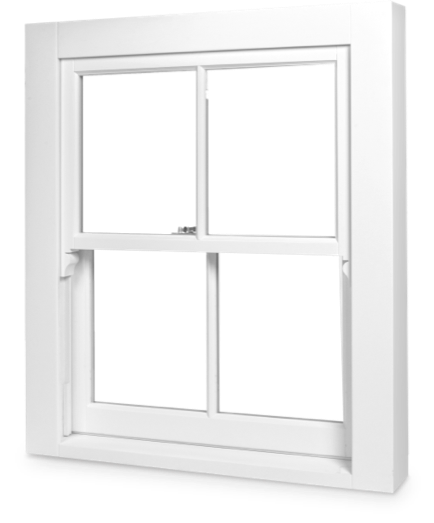
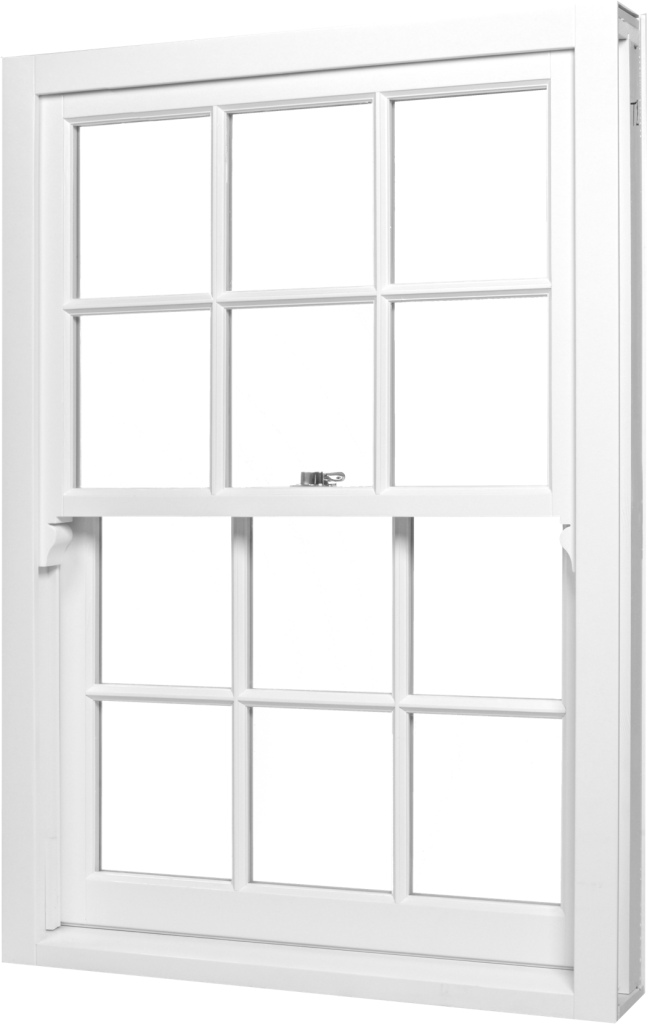
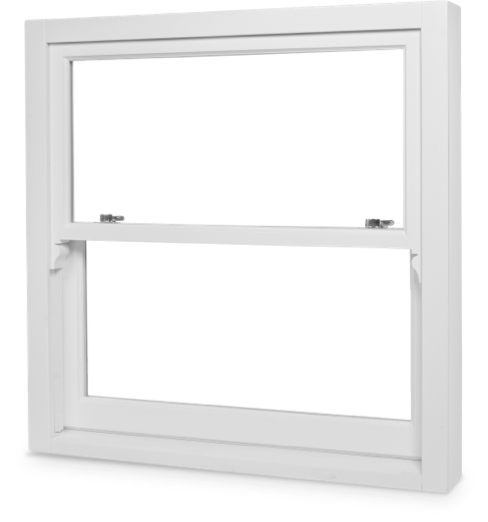
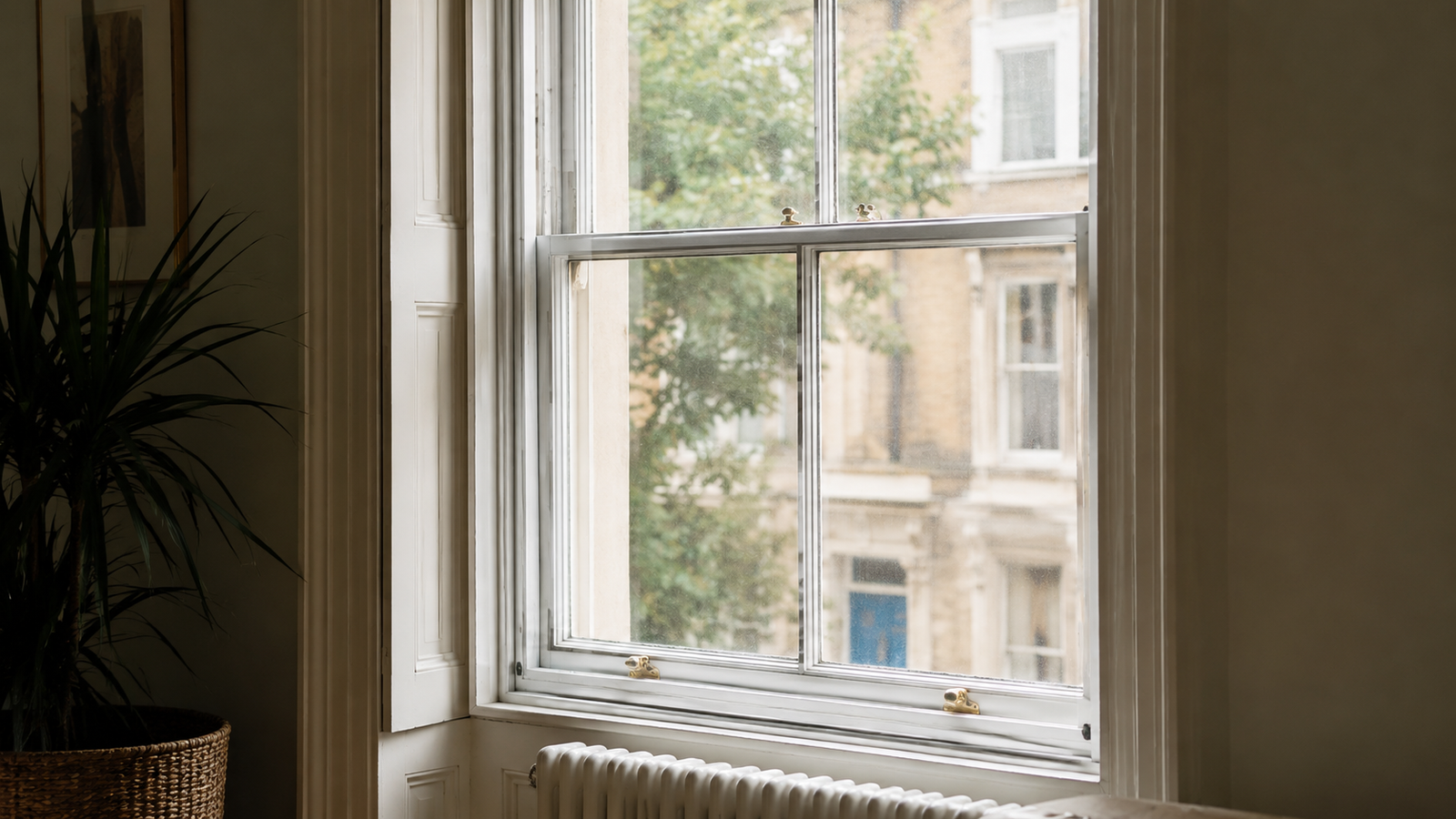
Secondary glazing involves fitting a slim secondary window on the inside of your existing one. It is a discreet internal pane on the room side of the original glass, and it doesn’t replace anything. The original window stays exactly as it is, and an independent glazing system sits behind it, trapping a layer of still air between the two.
An internal additional layer
The principle is simple. A single sheet of glass or acrylic, held in a slim frame, creates a sealed pocket of air against the original glass. That trapped air is what slows heat loss and dampens sound. Unlike a sealed double-glazed unit, where two sheets of glass sit a few millimetres apart, the secondary system leaves a much larger gap, often 100mm or more.
Separate from the outer window
The secondary glazing unit is entirely independent of the outer window. Your original sash or casement keeps its frame, its glass, and its operation. This separation is the whole point for heritage owners. Nothing original is removed or altered, and the work is fully reversible.
How it operates
Most systems open in some way so you can still use the window behind. Horizontal sliders move sideways on tracks. Removable panels detach completely for summer. Hinged casements swing inward. The right type depends on how the existing window opens and how often you need access.
How it’s installed
Secondary glazing is usually made to measure to fit the existing reveal, then sold as a professional installation service by specialist firms. Fitting is quick and clean, with no structural work. Because it’s screwed or magnetically fixed to the inner frame, any good installation guide will stress sealing the outer window first, which matters more than most buyers realise.
When Secondary Glazing Suits
It isn’t a compromise everywhere. In the right setting it’s the most sensible option on the table.
Protected and heritage homes
This is where it comes into its own. In a protected home you usually can’t replace the originals, and you often can’t even alter the glass. Historic England actively recommends it as a sympathetic way to improve comfort without harming character. Because it’s reversible, it respects the rules that protect the building.
Conservation areas
Conservation area restrictions are looser than listed status but still real. Where a planning officer wants the street’s appearance preserved, an internal upgrade improves performance invisibly from outside. It buys you warmth and quiet while you apply for consent to do more, if you choose to.
Rental and short-term properties
If you don’t own the building, or you’ll move within a few years, spending £1,200-1,800 per window on bespoke joinery makes little sense. It is cost-effective here. You get lower upfront cost, no permanent change, and some removable systems can even move with you.
Tight budgets
A whole-house timber replacement is an investment. When the money isn’t there yet, an internal upgrade is a genuine stopgap that cuts energy bills now. It’s not the end of the road, but it gets you through several winters while you save.
Performance Benefits
The physics of a trapped air layer does real work. Here’s what the numbers look like.
Thermal improvement
An old single glazed window is thermally inefficient, and this is where the upgrade earns its keep. It typically cuts heat loss through single glazing by 50-65%, improving heat retention and energy efficiency. Over a single glazed sash, it lifts the U-value from around 4.8 to roughly 1.8 W/m²K. That won’t match a modern sealed unit, but the drop in cold air and radiation is immediately noticeable. The Energy Saving Trust rates it as a worthwhile way to reduce heat loss where full replacement isn’t possible, and it shows up on heating bills.
Acoustic benefits
This is its strongest card. The large air gap, often 100-200mm, makes it better at noise reduction than sealed double glazing, which sits only millimetres apart. A well-fitted unit reduces noise by up to 45 dB. It won’t fully soundproof a room, but for sound reduction near railways, flight paths, or busy roads the gain is dramatic, and laminate glass improves it further. It cuts noise pollution that sealed double glazing alone struggles with.
Draught reduction
Old sashes leak air around the frame. An inner layer seals the whole opening, stopping the cold air that single glazing alone can’t. This one change transforms how a room feels, often more than the temperature does.
Added security
A second internal barrier is one more obstacle for an intruder. It won’t replace proper locks, but on a vulnerable ground-floor window it adds a useful layer, especially with toughened or laminate glass.
Types Available
The main types of secondary glazing come in several formats, each suited to a different window type and budget.
Horizontal and vertical sliders
Sliders are the most common choice. Horizontal sliders suit wide casements. Vertical sliders pair naturally with sash windows, mirroring the up-and-down movement. Both run in slim aluminium tracks and let you open the outer sash behind.
Lift-out panels
A removable panel is a single acrylic sheet held by clips or magnetic strips. It’s the cheapest and least obtrusive option, and it’s genuinely easy to install. The drawback is that you must store it somewhere when you want the window fully open.
Hinged casements
Hinged units swing open like a small door, which suits windows you open often. They give full access to the outer sash and clean easily. Aluminium frames keep them slim, though lightweight acrylic or polycarbonate is sometimes used to save weight.
Fixed panels
Where a window never opens, a fixed sheet gives the best seal and the lowest cost. There’s no mechanism to fail. The trade-off is total loss of ventilation through that window, so it suits rooms ventilated elsewhere.
Considerations and Drawbacks
No upgrade is free of compromise. These are the points specialist sales pages tend to skip.
Cleaning access
You now have four glass surfaces to clean instead of two, and the inner faces are only reachable when the unit is open or removed. Slider and hinged types make this manageable. Fixed units make it a chore.
Appearance
From outside, nothing changes, which is the point. From inside, there’s a visible second window frame, however slim. In a room with fine original joinery, some owners find the extra aluminium edge disappointing against the timber.
Ventilation
A sealed inner layer can restrict the trickle ventilation a room relies on. Where the outer window has trickle vents, the unit needs matching provision, or you risk a stuffy, damp room.
Condensation risk
This is the big one. If the existing sash isn’t sealed first, warm indoor air leaks into the cavity and meets the cold outer glass. The result is condensation trapped where you can’t wipe it. A good installer seals the outer window first. A cheap job skips it.
Secondary Glazing vs Bespoke Timber Replacement
So when does replacement win? Whenever consent allows it and you intend to stay. A slim-profile double-glazed timber sash matches the original profile, performs better, and lasts decades longer. Secondary glazing is reversible and cheap. Bespoke timber is permanent and superior. The table below sets the two side by side.
| Factor | Secondary glazing | Bespoke timber double glazing |
|---|---|---|
| Upfront cost (per window) | £250-500 | £1,200-1,800 supply |
| U-value over single glazing | ~1.8 W/m²K | ~1.4 W/m²K |
| Noise reduction | Up to 45 dB | ~35-38 dB |
| Planning consent | Usually not needed | Almost always required |
| Appearance | Visible internal frame | Matches original profile |
| Lifespan | 15-25 years | 40-60+ years |
| Reversibility | Fully reversible | Permanent |
The cost of secondary glazing is far lower upfront. Where your property is protected or the original glass is listed, the internal route may be your only option, and that’s fine. Where a conservation officer will grant consent for sympathetic slim-profile units, made-to-measure replacement windows give you double-glazed windows that look right and need no internal frame, whether double or triple glazed. Over a 30-year horizon, the higher upfront cost of timber usually wins on value.
Case Study: Kensington & Chelsea Listed Townhouse
The owners of a Grade II listed Victorian townhouse in Kensington came to us with a familiar dilemma. The front elevation faced a conservation street and kept its original crown glass, which the listing protected. The rear elevation, hidden from view, had rotten single-glazed sashes the council agreed could be replaced.
We recommended a split solution, even though it meant we supplied only half the job. On the four front windows, the owners kept their secondary glazing, the right call where original glass must stay. On the rear, we manufactured bespoke timber replacements.
Specification (rear elevation):
- 3 bespoke heritage sash windows in engineered redwood
- Factory finish: Farrow & Ball, Sikkens microporous system
- Slim-profile 4mm/12mm/4mm argon double glazing, 14mm overall
- Brass furniture and pulleys
- Linseed oil putty pointing
Project numbers:
- Joinery supply cost (rear, 3 windows): £4,800
- Front secondary glazing (4 windows, third-party): about £2,400 market cost
- Manufacturing time: 11 weeks
- Delivery: scheduled 2 weeks after completion
- Client’s installer: FENSA-registered heritage joiner
- Installation duration on site: 5 working days
- Planning consent: required for the rear replacement, not for the reversible front units
- U-value: front about 1.8 W/m²K; rear slim double glazing about 1.4 W/m²K
- Noise reduction: front about 45 dB; rear about 38 dB
- EPC band: improved from F to D
The owners got the best of both worlds. The protected front stayed honest to the building, and the rear gained timber windows that will outlast them. They told us they’d expected a hard sell for full replacement and were surprised to be steered toward keeping the internal units where they belonged.
Frequently Asked Questions
What are the benefits of secondary glazing windows?
–
+
Secondary glazing cuts heat loss through single glazing by 50-65%, reduces noise by up to 45 dB, and stops draughts, all without altering the original. In a protected home it’s often the only permitted upgrade, and it’s fully reversible.
How do I choose between secondary glazing and replacement?
–
+
Start with what your property allows. If the windows are listed or the original glass is protected, the internal route is usually for you. If consent permits replacement and you plan to stay, bespoke timber double glazing performs better and lasts far longer.
How long do secondary glazing windows last?
–
+
These units typically last 15-25 years before the seals and tracks need attention. Bespoke timber windows last 40-60 years or more with maintenance, which is part of why replacement wins on long-term value where it’s allowed.
Does secondary glazing need planning permission?
–
+
A reversible inner unit usually needs neither planning permission nor Listed Building Consent, because nothing original is altered. Replacing the originals almost always does. Always check with your local conservation officer first.
Do you supply secondary glazing?
–
+
No. We’re a bespoke timber joinery manufacturer specialising in supply. We make slim-profile double-glazed timber windows for cases where replacement is permitted. For the internal route you’ll need a specialist firm, and we’re happy to explain which suits your property.
Conclusion: The Right Upgrade for Your Window
Secondary glazing windows do an honest job in the right place. For a protected home, a conservation street with original glass, a rental, or a tight budget, they cut heat loss, soften noise, and stop draughts without breaking the rules or the bank. That’s a genuine win, and we’ll never pretend otherwise.
But it isn’t a substitute for a quality primary window. Where consent allows and you plan to stay, a bespoke slim-profile timber sash matches the original, performs better, and lasts decades longer. The internal frame disappears, and so does the condensation risk.
We manufacture those windows, and we supply them nationwide for your chosen installer to fit. If you’re weighing the two routes, request a free quote today and we’ll tell you honestly which one your property needs. You can also read more about double glazed timber windows, energy-efficient timber windows, and replacing windows in listed buildings.
Our Best-Selling Timber Windows: