
Blog
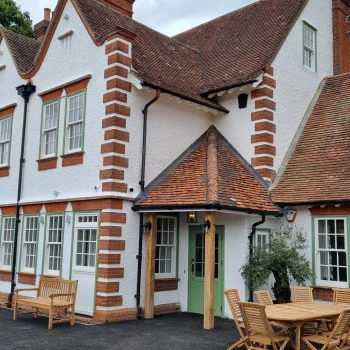
Warwickshire
Warwickshire – Victorian Restoration Project Project: Grade II Listed Farmhouse Window Replacement When the new owners of this 1880s Warwickshire farmhouse contacted us, they faced a dilemma. The original sash windows were beyond repair—rotten sills, broken cords, single glazing that did nothing against winter draughts. But planning restrictions meant any replacement had to match the […]

Surrey
Project: Complete Window Supply for New Build Property This Surrey family home needed a comprehensive window package that balanced contemporary living with traditional aesthetics. The clients wanted timber throughout—no uPVC—but with low-maintenance finishes that wouldn’t need constant attention. We supplied a mix of flush casement windows and a feature canted bay window in engineered pine, […]
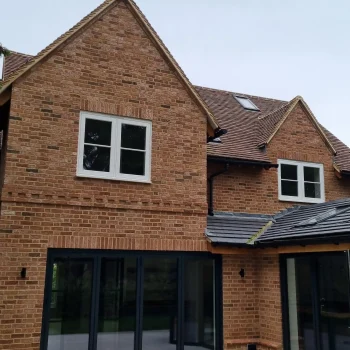
Southampton
Project: Front & Rear Window Replacement in Conservation Area Edwardian terraces in Southampton’s conservation areas come with rules. The council wants timber, they want sash windows at the front, and they want approval for everything. This particular house needed complete front and rear window replacement. For the street elevation, we built Georgian-style sliding sashes with […]

Rutland
Project: Wholesale Window Replacement in 18th Century Stone House This Rutland project was substantial—a complete window replacement across three floors of a Georgian country house that hadn’t been touched since the 1970s. The existing windows were a mix of rotting softwood and badly-fitted aluminium (someone’s idea of “modernisation” in 1978). The clients wanted everything back […]
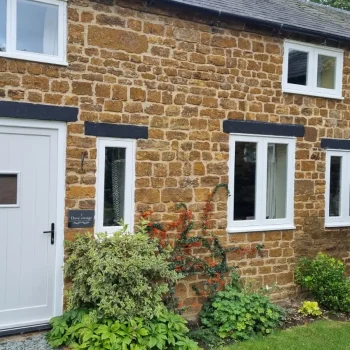
Oxford
Project: Timber Casements for Listed Cottage with Modern Performance Getting listed building consent in Oxford isn’t simple. This 17th century cottage needed new windows—the old ones leaked, rattled, and barely opened—but the planning officer wanted proof that any replacement would be “in keeping with the historical character.” We built flush casement windows in oak with […]

London
Project: Hidden Spring Sashes for Hackney Victorian Terrace London pricing is mad, so when this Hackney couple contacted us about replacing their sash windows throughout, they’d already had quotes from local London firms. All came in £15k-£20k. We supplied equivalent quality for under £10k because we manufacture outside London and deliver finished. They chose sash […]

Kent
Project: Flush Casement Windows for Arts and Crafts Property This tile-hung Kent property needed complete window replacement. The original softwood casements had reached the end of their life—warped frames, failed seals, and paint that needed scraping back every other year. We supplied flush casement windows in engineered pine, factory-finished in brilliant white to match the […]

Gloucester
Project: Combining Sash and Casement Windows Appropriately Not every window in a house needs to be the same. This Gloucester Regency terrace had sash windows on the front facade (controlled by conservation area rules) but the side and rear elevations could be anything. We supplied sliding sash windows for the street-facing elevation—traditional Georgian proportions with […]

Dorset
Project: Weather-Resistant Sashes for Seaside Cottage Coastal properties destroy windows. Salt spray, driving rain, constant wind—this Dorset cottage 400m from the sea had replacement windows fitted in 2008 that were already failing by 2023. Paint peeling, seals blown, mechanisms seized. We built sash windows specifically for coastal exposure: meranti hardwood (naturally weather-resistant), marine-grade stainless steel […]
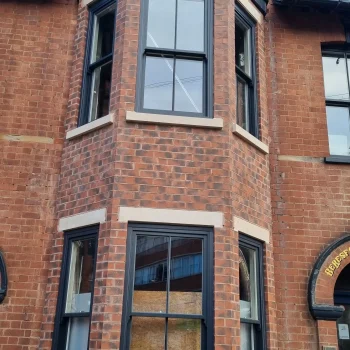
Canterbury
Project: Painted Sashes in Contemporary Black Finish Black windows aren’t traditional, but they’re everywhere now—and when done right on the right building, they look sharp. This Canterbury Victorian terrace owner wanted to move away from the standard white but needed planning permission because it’s a conservation area. We wrote the planning application explaining that black-painted […]